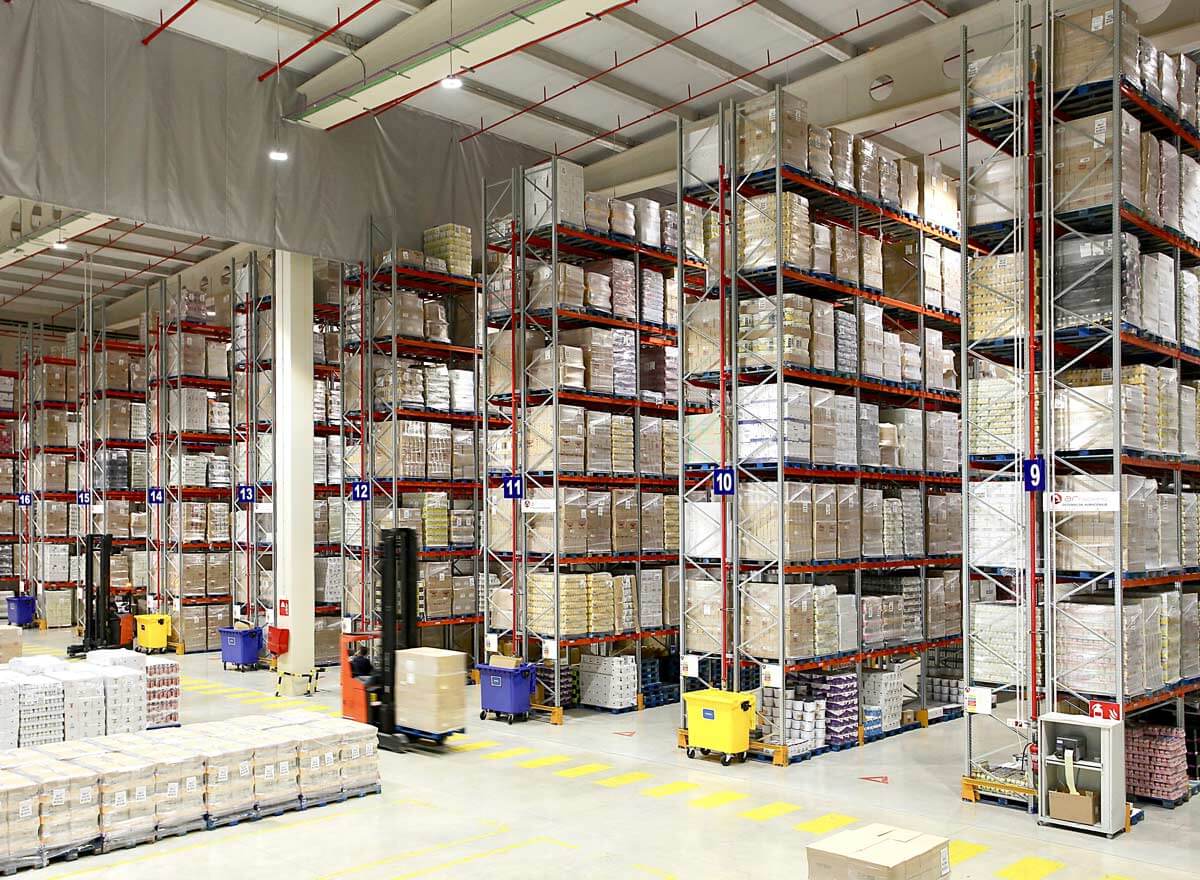
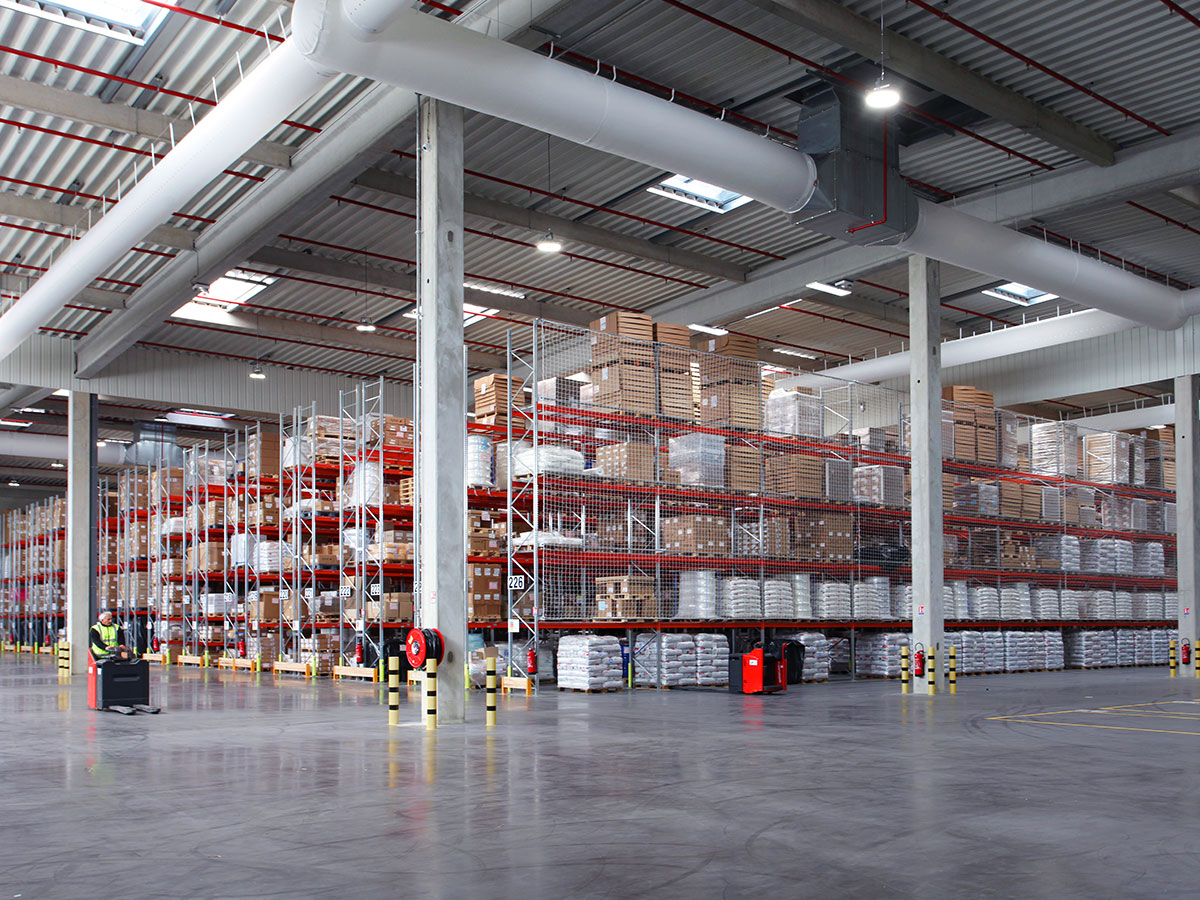
AGV-compatible industrial warehouse racking with marked aisles and palletized storage
AGV-Ready Racking for Global Procurement

AGV-Compatible Industrial Warehouse Racking

A 2026 procurement and engineering guide for buyers who need racking that works safely with AGVs, AMRs, stacker cranes and future automation—without losing density, access or manual flexibility.

  • AGV / AMR Interface Ready
  • ISO 9001 Certified
  • 5-Year Warranty
+0

Countries with installed storage systems

+0

Warehouse projects delivered

+0t

Annual steel production capacity

+0%

Of production exported worldwide

Definition and Information Gain

What Makes Industrial Warehouse Racking AGV-Compatible?

AGV-compatible racking is not simply heavy-duty steel. It is a carefully defined interface between the rack structure, pallet, floor, navigation system, safety layout and warehouse software. A forklift driver can often compensate for a few centimetres of misalignment; an automated guided vehicle cannot. For that reason, global buyers should treat AGV-compatible racking as an engineered system rather than a commodity line item.

Interface 01

Repeatable tolerances

Upright plumbness, beam deflection limits, base-plate positioning, floor flatness and pallet presentation must be agreed before production. Alohatop Shelf LLC engineers layouts from a common dimensional datum so that every pick face and storage position remains predictable for AGVs, AMRs and automated stacker cranes.

Interface 02

Traffic and safety protection

AGV-compatible racking must protect the structure from repeated low-speed contact while keeping navigation targets, reflectors, barcodes and sensors unobstructed. Upright protectors, entry guides, pallet stops, floor marking and clear maintenance access all form part of the storage design.

Interface 03

Upgradeable layout logic

Many buyers begin with manual operations and add AGVs later. Modular bay spacing, adjustable beam levels and documented interfaces help protect the original investment. The goal is a racking layout that supports today’s forklifts and tomorrow’s automated fleet without a full rebuild.

For global procurement teams, the most valuable information gain comes from asking the right early questions: What is the robot’s dynamic envelope? How flat is the actual floor? How consistent are the pallets? What navigation method will be used? What happens at handover zones between automated and manual operations? Answering these questions before the racking quotation prevents costly redesign after the steel has been manufactured.

Product Recommendations

Recommended Racking Systems for AGV and AMR Warehouses

The right system depends on pallet profile, SKU mix, throughput, building height, fire strategy and the automation roadmap. These are the configurations global buyers most often request from Alohatop Shelf LLC.

Heavy-duty selective pallet racking suitable for AGV warehouse layouts
Mixed-SKU Storage

AGV-Ready Selective Pallet Racking

Selective pallet racking remains the most common AGV-compatible storage system because every pallet is directly accessible. It is ideal for 3PL operations, food and beverage distribution, retail DCs and phased automation projects.

  • AGV interfaceTargets, reflectors or natural navigation
  • Pallet sizes1200×1000, 1200×800, ISO
  • Best forHigh SKU mix and direct access
View pallet racking
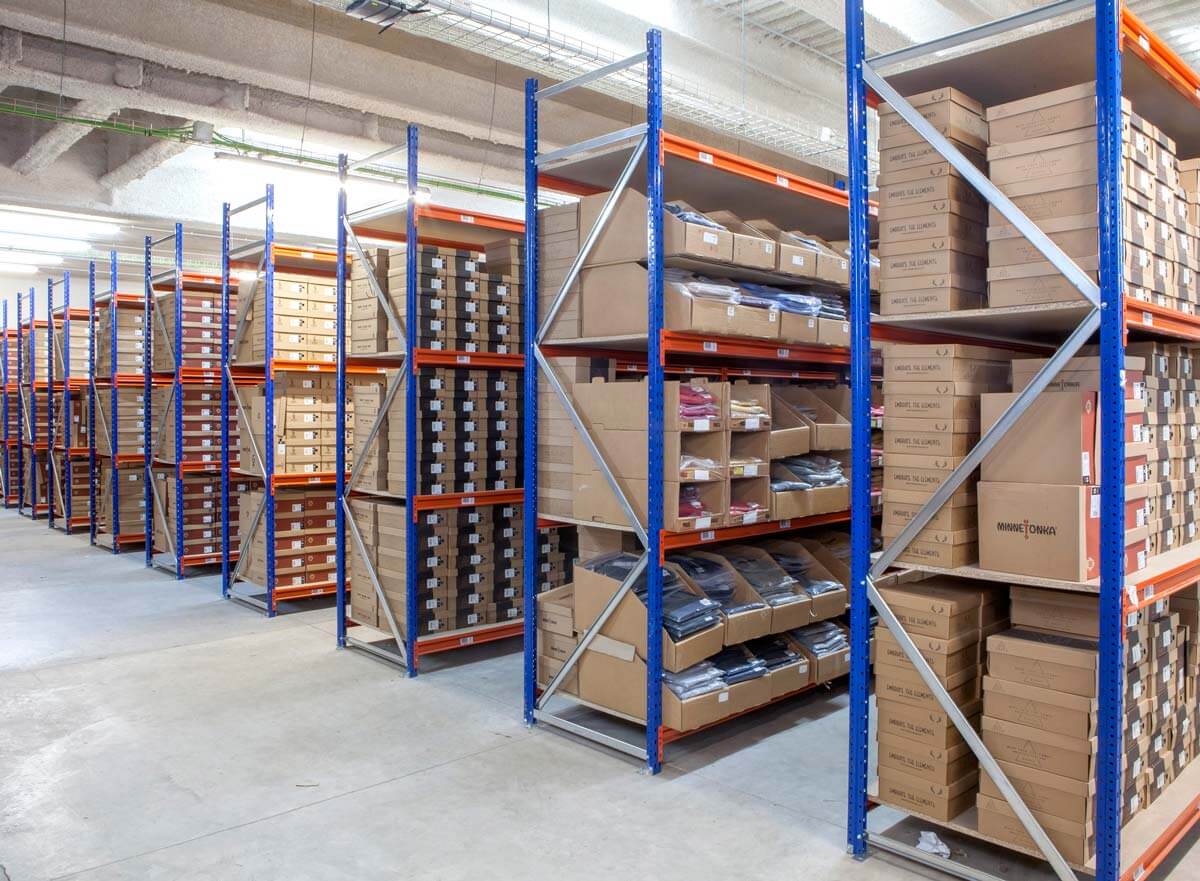
AGV and AMR compatible picking shelving for carton and tote storage
AMR and Picking

AGV / AMR Picking and Shelf Racking

For e-commerce, spare parts and carton picking, shelving must provide consistent pick faces, safe approach zones and clear bin locations. The layout can combine manual picking with AMR-assisted replenishment or Goods-to-Person workflows.

  • Typical loadUp to 1,000 kg per level
  • Best forCartons, totes and small parts
  • Layout focusPick-face repeatability and safety
View picking racking
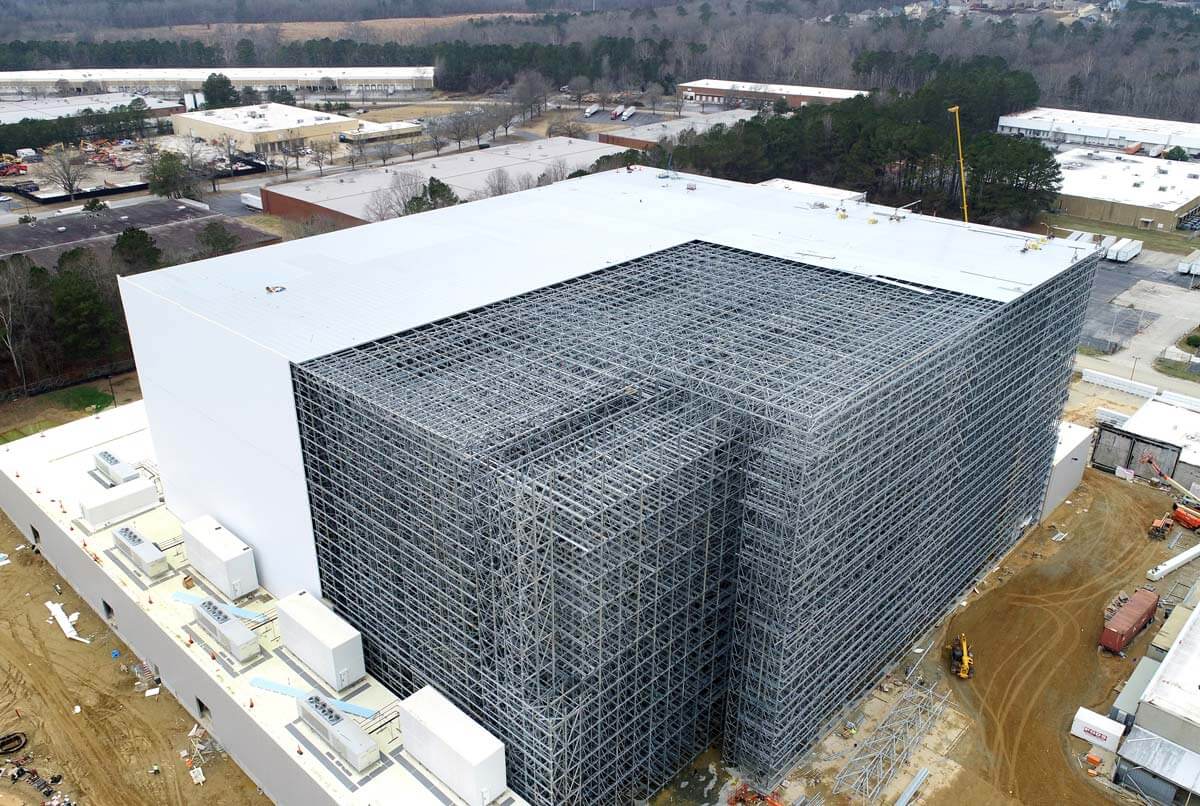
Automated warehouse rack structure with stacker crane and high-bay storage
Automation Interface

Automated Warehouse Racking

Where AGVs feed lifts, conveyors or stacker cranes, racking becomes part of the automation envelope. Our engineers coordinate tolerances, interfaces, fire strategy and maintenance access with the automation integrator.

  • IntegrationAS/RS, shuttles, stacker cranes
  • EnvironmentAmbient to −30 °C
  • Best forHigh-bay and freezer warehouses
View automated warehouses
Engineering Expertise

The Details That Decide Whether an AGV Fleet Performs

AGV-compatible industrial warehouse racking succeeds when structural engineering, robot behaviour and warehouse operations are designed together. These are the areas where experienced suppliers create measurable value.

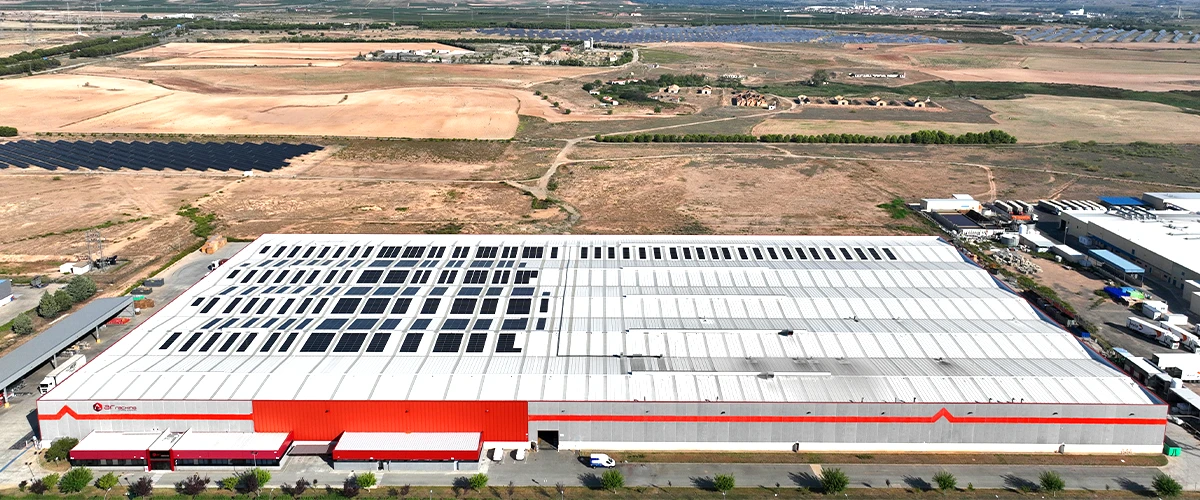
Industrial steel racking manufacturing plant with automated roll-forming lines
Layout and Interface

Start With the Robot Envelope, Not the Steel Tonnage

The biggest risk in an AGV project is a racking layout that works on the CAD screen but fails in the aisle. Alohatop Shelf LLC engineers begin with the vehicle’s real operating envelope: minimum aisle width, required clearances, lift height, pallet pick-up tolerance, floor flatness, navigation method, charging positions, fire exits and maintenance access. We then dimension the frame and beam capacity around those constraints.

This is why a serious AGV-compatible racking quotation is more than a price per pallet position. It is a compact engineering study that connects the racking, floor, pallet condition, safety barriers and WMS/WCS rules into one operating system.

  • Tolerance stack-up from floor to pallet face
  • Upright and beam protection in high-cycle zones
  • Clear signage, label height and pallet placement rules
  • Traffic management at manual-to-automated interfaces
  • Coordination with WMS, WCS and fire protection
Structural testing of racking components in a research laboratory
Testing and Traceability

Tested Components and Traceable Production

AGV users cannot tolerate intermittent quality. A beam that is a few millimetres out, an upright that is twisted or a base plate that is not positioned correctly can stop an entire fleet. Production discipline is therefore part of the automation specification, not a back-office purchasing detail.

Alohatop Shelf LLC manufactures under ISO 9001, ISO 14001, ISO 45001 and ISO 50001, with welding quality verified to UNE EN ISO 3834-2 and structural steel components produced under EN 1090-1. Every upright and beam is traceable from production batch to installation. Our technology centre collaborates with the R&D laboratory at Mondragon University and a research chair at the University of the Basque Country to test rack behaviour and improve design models, including seismic and high-cycle applications.

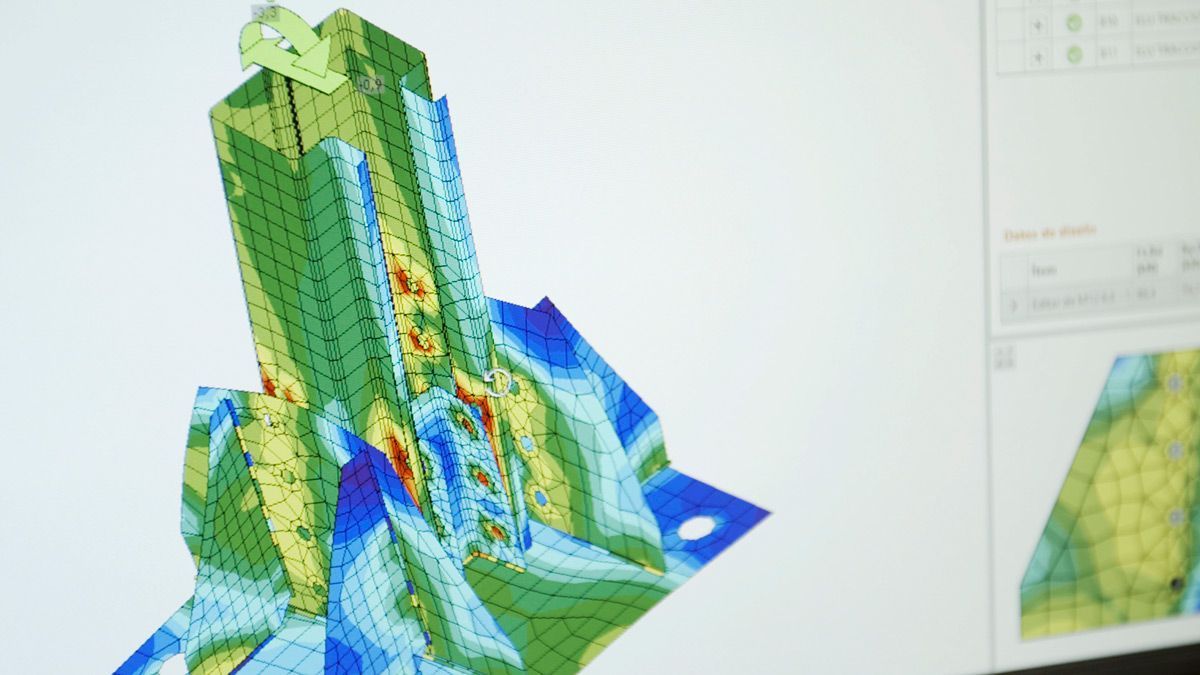
  • Finite-element simulation of frames, beams and connections
  • Physical load and cyclic testing of new profiles
  • Design reviewed against European and local project codes
  • Documented component traceability for safety audits
Robotic welding cells in an automated racking factory
Global Site Conditions

Designed for Seismic, Cold and Mixed-Fleet Environments

An AGV-compatible racking design must also respect the building and the climate. In Chile, Peru, Colombia and Ecuador, seismic verification is part of the racking calculation. In freezer warehouses down to −30 °C, steel specification, finishes and AGV battery strategy change. In 3PL warehouses, multiple clients may need different pallet types and rotation rules.

We design modular layouts that can be phased, reconfigured and inspected over time. For procurement teams, this means the racking specification should document not only load capacity and dimensions, but also operating assumptions, future expansion zones, inspection intervals and the conditions that would trigger a layout review.

  • Seismic design aligned with local building and racking codes
  • Cold-store materials and finishes for freezer operation
  • Flexible layouts for 3PL, e-commerce and manufacturing
  • Lifecycle support, inspection and maintenance planning
Buyer’s Guide

Which Racking System Fits Your AGV or AMR Warehouse?

Use this comparison as an early procurement discussion tool. Final selection depends on pallet quality, SKU profile, throughput, building height, fire strategy, automation model and local structural requirements.

Racking systemAGV / AMR suitabilityBest forKey engineering focus
Selective pallet rackingHigh — most common starting pointMixed SKUs, 3PL, food and beverageClear pick faces, upright protection, floor datum
Double-deep rackingMedium — depends on pallet access rulesOperations with two or more pallets per SKUReach-in clearance and pallet placement accuracy
Very narrow aisle (VNA)Medium to high with guided equipmentCold storage and tall buildings with expensive landAisle tolerance, guidance and safety systems
Pallet shuttleHigh for pallet-transfer interfacesDeep lanes and high-throughput DCsShuttle lift interface and lane condition monitoring
Picking shelvingHigh for AMR-assisted pickingE-commerce, spare parts and carton flowPick-face consistency and bin/tote location data
AS/RS or self-supporting rackingVery high — integrated automationFreezers, high-bay and high-throughput distributionRobotic tolerance, building envelope and fire strategy

AGV suitability is not a universal rating. The vehicle make, load type, navigation method, floor condition and safety strategy can change the design. Always share the robot specification with the racking engineer before order.

Why Alohatop Shelf LLC

A Manufacturer With Engineering, Traceability and Global Project Control

Alohatop Shelf LLC designs, calculates, manufactures and installs industrial racking and automated warehouse structures. Owning every step—from steel coil to final load sign—creates one accountable partner for global procurement teams.

Manufacturing Scale

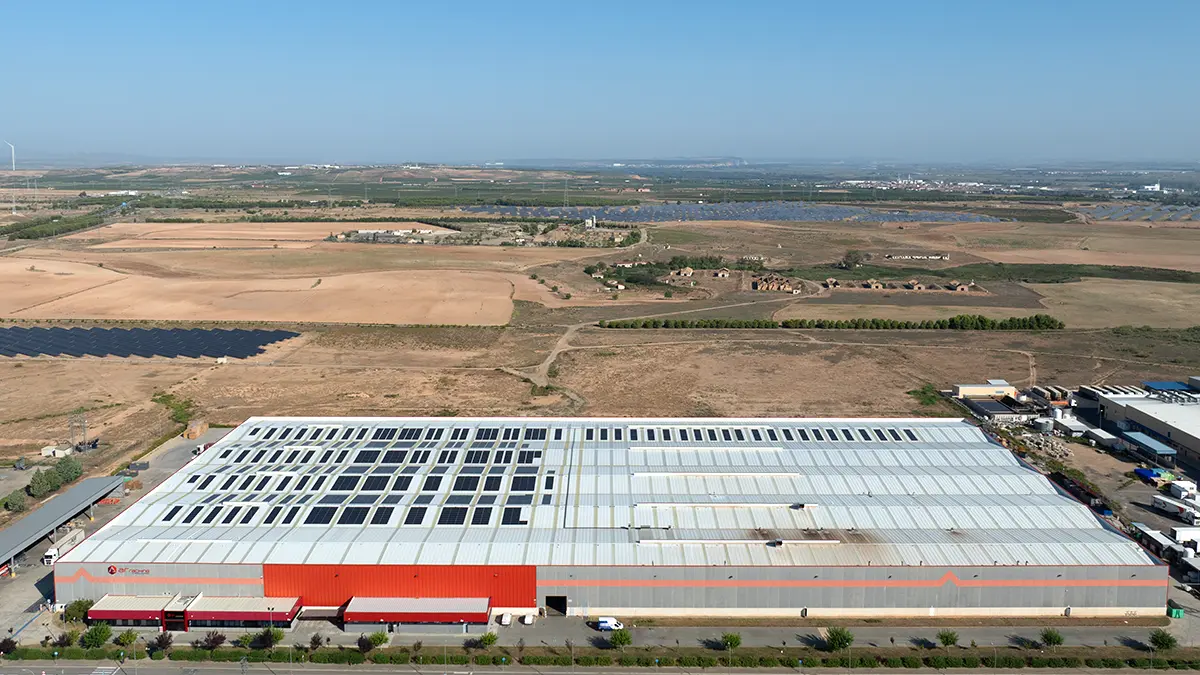
35,000 m² production centre

A highly automated production centre with over 100,000 t of annual capacity supports large AGV racking projects with competitive lead times. More than 90% of output is exported, giving the team practical experience with international logistics, documentation and port coordination.

Engineering Credibility

Laboratory-validated design

Our technology centre collaborates with the R&D laboratory at Mondragon University, while a research chair at the University of the Basque Country develops calculation and simulation models. This work supports seismic design, cold storage and high-cycle automated applications.

Quality and Trust

5-year warranty and full traceability

Storage systems carry a 5-year warranty and are produced under ISO 9001, ISO 14001, ISO 45001, ISO 50001, UNE EN ISO 3834-2, EN 1090-1 and ISO 14064 verified carbon reporting. Every component is traceable, which matters for audits, maintenance and lifecycle planning.

ISO 9001 quality management certificationISO 9001Quality management
ISO 14001 environmental management certificationISO 14001Environmental management
ISO 45001 occupational health and safety certificationISO 45001Health & safety at work
ISO 50001 energy management certificationISO 50001Energy management
UNE EN ISO 3834-2 welding quality certificationEN ISO 3834-2Welding quality control
EN 1090-1 structural steel certificationEN 1090-1Structural steel components
ISO 14064 greenhouse gas verificationISO 14064Verified carbon footprint
Procurement FAQ

AGV-Compatible Industrial Warehouse Racking: Buyer Questions

These are the questions our engineers most often receive from procurement managers, 3PL operators and automation integrators around the world.

Ask Our Engineers
What makes warehouse racking AGV-compatible?

AGV-compatible racking provides repeatable pallet presentation, defined clearances, stable floor interfaces, protected uprights and beams, and documented tolerances that match the automated guided vehicle or AMR fleet. It is an engineered interface between rack, pallet, floor, navigation system and safety layout—not simply a stronger rack.

Can AGVs and AMRs share the same warehouse racking layout?

Yes, provided the layout is designed around the most demanding vehicle envelope and a shared safety strategy. Mixed fleets often require wider turning zones, clear handover areas, consistent navigation targets and traffic rules managed by the WMS or fleet manager. The racking should not assume only one robot type will operate for the full life of the warehouse.

What tolerances and floor conditions are required?

The exact requirements come from the AGV supplier, but typical checks include floor flatness, upright plumbness, beam deflection, base-plate location, anchor condition and pallet placement accuracy. Uneven floors or damaged pallets can cause pick-up failures even when the racking itself is manufactured correctly. We recommend a floor survey and pallet quality review before the final layout is approved.

Can existing pallet racking be retrofitted for AGVs?

Sometimes. Existing racking can be assessed for structural condition, plumbness, floor flatness, aisle width, pallet quality and protection. If the layout cannot meet the robot’s clearance and tolerance envelope, a partial rebuild or new layout is safer than forcing automation into incompatible racking. A technical inspection should always precede the retrofit decision.

How is AGV-compatible racking designed for seismic zones and cold storage?

In seismic zones, racking is calculated against the local code and site soil class, with reinforced bracing, heavier base plates, anchor design and row spacers where required. In cold storage, steel specification, finishes and installation methods are adapted for temperatures down to −30 °C. For AGV applications, these structural decisions must also respect floor tolerances and robot clearances.

What does AGV-compatible racking cost, and what drives the price?

Cost depends on pallet load, beam length, frame height, steel weight, protective accessories, floor preparation, seismic requirements, temperature, installation scope and the automation interface. A low-cost quote for conventional racking may become expensive if it cannot support AGV access, safety protection or future expansion. Buyers should compare total cost per usable pallet position and per pallet movement.

What information should a buyer send for a layout and quotation?

Send the building layout and clear height, pallet dimensions and maximum loads, AGV or AMR model, required aisle and turning clearances, floor flatness data, navigation method, temperature range, SKU profile, throughput, fire strategy and project city to [email protected]. Our engineers use this information to propose a safe, efficient and future-ready racking solution.

What standards and warranty should a procurement team verify?

Verify the supplier’s quality management, welding quality, structural steel certification, safety management, environmental management and component traceability. Alohatop Shelf LLC provides a 5-year warranty and operates under ISO 9001, ISO 14001, ISO 45001, ISO 50001, UNE EN ISO 3834-2, EN 1090-1 and ISO 14064 verified carbon reporting.

Warehouse racking engineering team reviewing an AGV-compatible storage project
Start Your Project

Planning an AGV-Compatible Racking Project?

Share your building layout, pallet data, AGV or AMR specifications and floor information. Our storage engineers will review the interface and recommend a safe, efficient layout for your site.

Contact Us