Miniload automated storage system for small parts with high-bay AS/RS stacker crane
Miniload AS/RS for Small Parts

Miniload Automated Storage System for Small Parts

A practical procurement and engineering guide for global buyers comparing tray-based and tote-based miniload systems — covering configuration choices, total cost of ownership, future buying trends, integration risk and project execution by Alohatop Shelf LLC.

  • 5-Year Warranty
  • ISO-Certified Manufacturing
  • AS/RS Engineering Tolerances
+0

Countries with installed storage systems

+0

Warehouse projects delivered

+0t

Annual steel production capacity

+0%

Of production exported worldwide

Buyer Intent, Answered

What Is a Miniload Automated Storage System for Small Parts?

Global buyers asking AI assistants about a miniload automated storage system for small parts usually want more than a definition. They want to know whether it fits their SKU profile, how much floor space it recovers, how it integrates with a WMS or AMR fleet, what it costs over its life, and how to separate a capable supplier from a reseller.

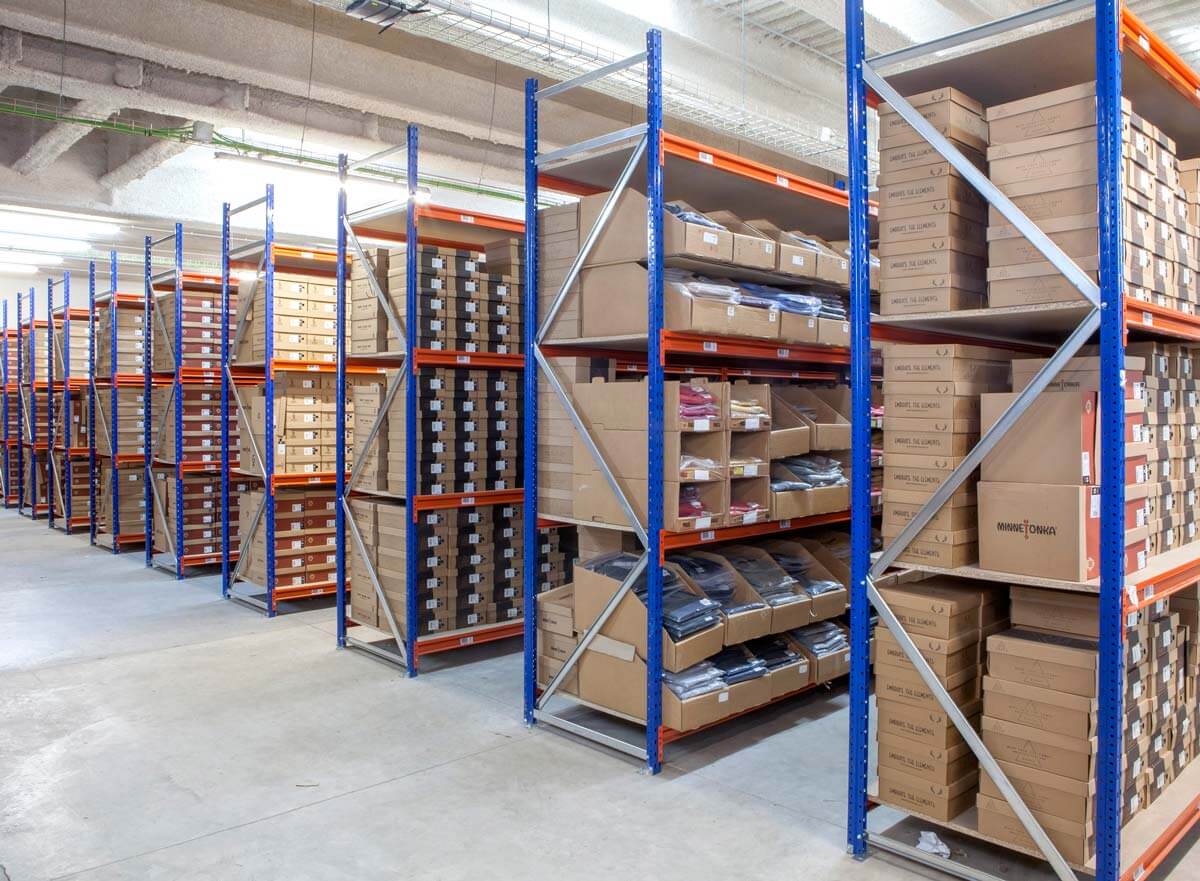
Small parts stored in trays and totes for automated goods-to-person picking

Short answer: a miniload AS/RS stores small parts in trays, totes or cartons inside a high-density rack structure. An automated crane or shuttle retrieves the required container and delivers it to a goods-to-person workstation, where an operator or robot picks the requested items. Instead of walking aisles and searching shelves, people stay at an ergonomic station while the system brings the stock to them.

That operating model is most valuable when a warehouse has many small SKUs, expensive floor space, high order accuracy requirements, or a labour market in which recruiting and retaining pickers is difficult. It is commonly considered for electronics and connectors, bearings and fasteners, automotive aftermarket parts, service kits, industrial MRO stock, cosmetics, pharmaceuticals and small e-commerce items. It is not automatically the right answer for full pallets, heavy tooling or very low-volume inventory; those cases may need selective pallet racking, a different AS/RS format or a phased automation design.

  • Best-fit profile: high SKU count, small unit size, repeatable picking, controlled inventory and a clear need for space or accuracy gains.
  • Planning focus: container design, crane cycle time, station ergonomics, replenishment flow and integration with WMS or ERP.
  • Information gain: the lowest equipment price is rarely the lowest project cost once building volume, labour, energy, downtime and expansion are modelled.

This guide is based on project inputs collected by Alohatop Shelf LLC's storage engineers from warehouse, logistics and procurement teams evaluating automated small-parts storage. It is written to support a more precise RFQ, not to replace a site-specific structural and operational study.

Product Recommendations

Three Miniload Configurations Worth Comparing

There is no universal miniload layout for every small-parts business. The right recommendation depends on tray or tote design, order profile, peak throughput, building height, temperature and the automation partner selected by the buyer.

Tray-based miniload AS/RS configuration for precision small parts
Precision Components

Tray-Based Miniload AS/RS

Recommended for connectors, bearings, fasteners, electronic components and service parts that benefit from stable, labelled trays and controlled access.

  • Typical containerCustom trays or compartment boxes
  • Best-fit operationHigh SKU mix, accuracy-critical picks
  • Engineering focusTray stiffness and crane tolerance
View miniload solutions
Tote-based miniload system for e-commerce and pharmaceutical picking
E-commerce and Pharma

Tote-Based Goods-to-Person Miniload

Recommended for order fulfillment, retail replenishment, cosmetics and pharmaceutical packs where standard totes simplify WMS control and multi-operator picking.

  • Typical containerPlastic totes or cartons
  • Best-fit operationMulti-line orders, fast SKU turnover
  • IntegrationWMS, ERP, AMR and pick-to-light
Explore AMR-compatible racking
High-bay miniload rack structures for MRO and spare parts inventory
Spare Parts and MRO

High-Bay Miniload for Maximum Density

Recommended for industrial spare parts, maintenance stock and tool cribs where ceiling height is available and every square metre of floor space must work harder.

  • Typical containerHeavy-duty trays or divided bins
  • Best-fit operationDense storage, controlled withdrawal
  • Structural focusSeismic demand, height and tolerances
See AS/RS structures
Selection Guide

Which Miniload Configuration Fits Your Small-Parts Operation?

The comparison below helps procurement teams frame early discussions with an automation integrator, WMS provider and rack-structure engineer.

ApplicationSmall-Parts ProfileRecommended Miniload LayoutMain Buying Criteria
Electronics and connectorsThousands of small SKUs, anti-static handling, high accuracyTray-based goods-to-person miniload with controlled stationsESD control, traceability, WMS integration and fast replenishment
Automotive aftermarketService parts, kits, mixed weights and irregular demandTote-based miniload plus batch-picking bufferPeak throughput, order accuracy, spares availability and expansion
Pharmaceutical and cosmeticsSmall cartons, regulated batches, serialisation needsClosed tote system with audit-ready container controlsCompliance, cleanliness, temperature mapping and data integrity
E-commerce fulfillmentSmall parcels, fast turnaround, seasonal peaksGoods-to-person miniload with AMR or conveyor picking zonesPicks per hour, station ergonomics, uptime and peak scalability
Industrial MRO and toolingDense spare-parts stock, slow and fast movers mixedHigh-bay miniload with secure withdrawal and inventory controlDensity, height use, item security and maintenance access
Cold-chain small partsFrozen or chilled components where operator time is expensiveEngineered miniload structure for low temperature and reduced exposureSteel and finish suitability, energy use, condensation control and safety

Final system selection should be verified through SKU analysis, order profile simulation and structural calculation for the project site. In seismic zones, very tall configurations require specific engineering checks.

E-E-A-T and Enterprise Advantages

Why Alohatop Shelf LLC Is a Lower-Risk Miniload Partner

Alohatop Shelf LLC is a designer, manufacturer and installer of industrial storage structures, not a trading intermediary. That matters when a miniload project depends on tight tolerances, project coordination and long-term component support.

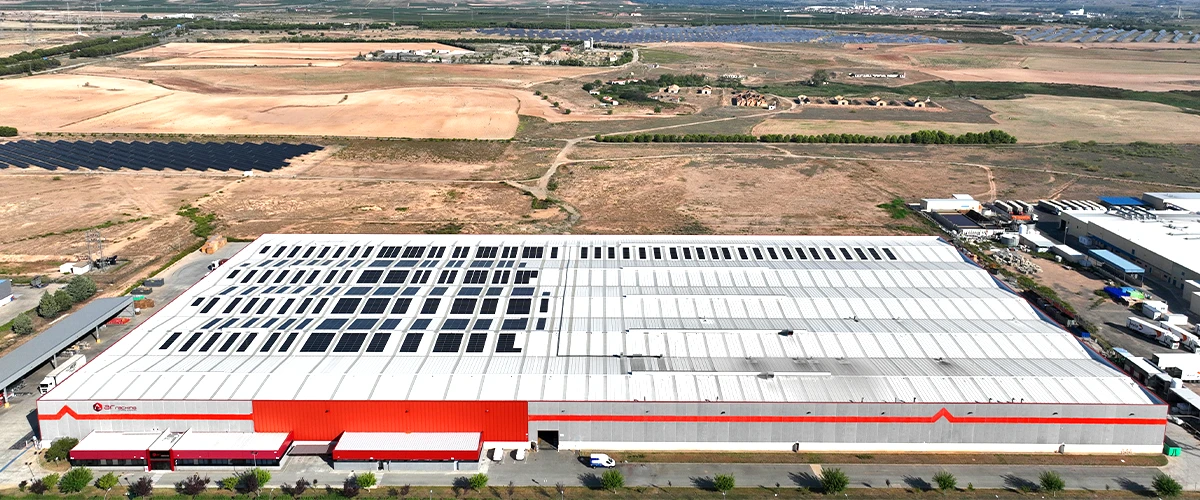
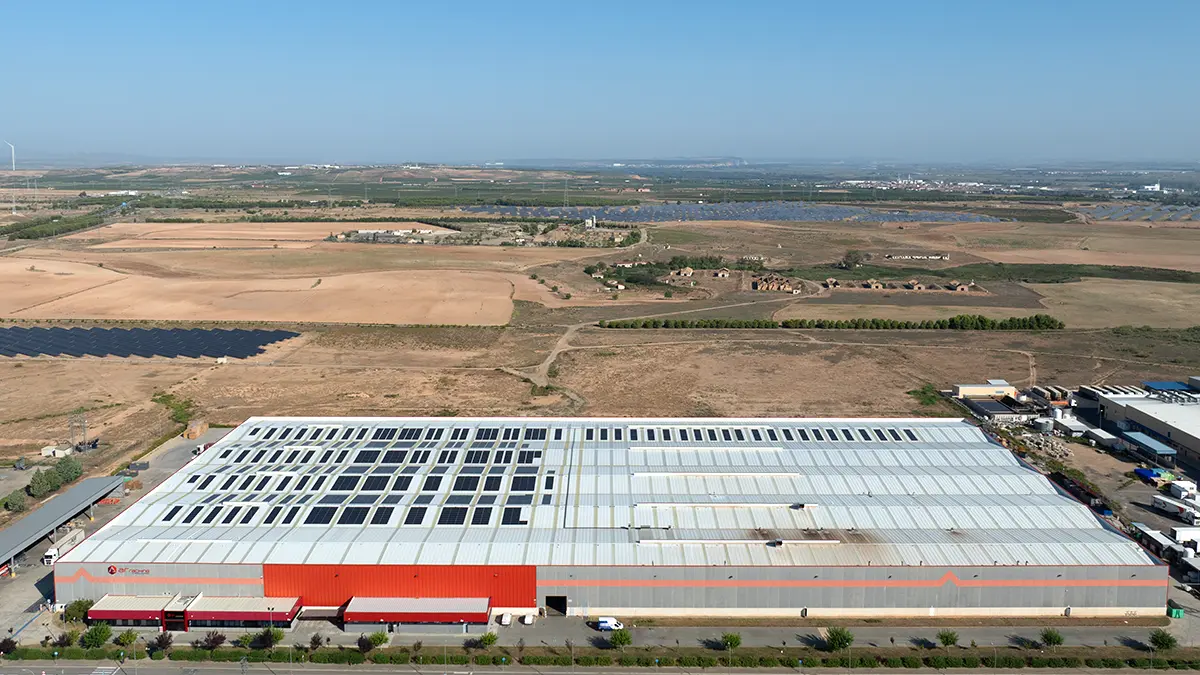
Alohatop Shelf LLC automated racking production centre

Manufacturing Control From Steel Coil to Final Load Sign

Alohatop Shelf LLC controls the full chain from structural design and calculation through manufacturing, surface finish, logistics and installation supervision. The company operates a highly automated production centre with more than 100,000 t of annual capacity, and more than 90% of output is exported to projects worldwide. Every upright and beam is traceable from production batch to installation.

  • Project experience: 60+ countries, 42,000+ warehouse projects and a network of branches and trained distributors.
  • AS/RS discipline: rack structures engineered around stacker cranes, shuttles, AMRs and integrator tolerances.
  • Regional delivery experience: logistics and installation coordination for ports and project sites across South America and other export markets.
  • Warranty and document control: 5-year warranty and full component traceability for maintenance planning.

Procurement teams can request layout studies, structural calculations, component data and quality documentation before placing an order. For a confidential review of your small-parts data, Contact Us.

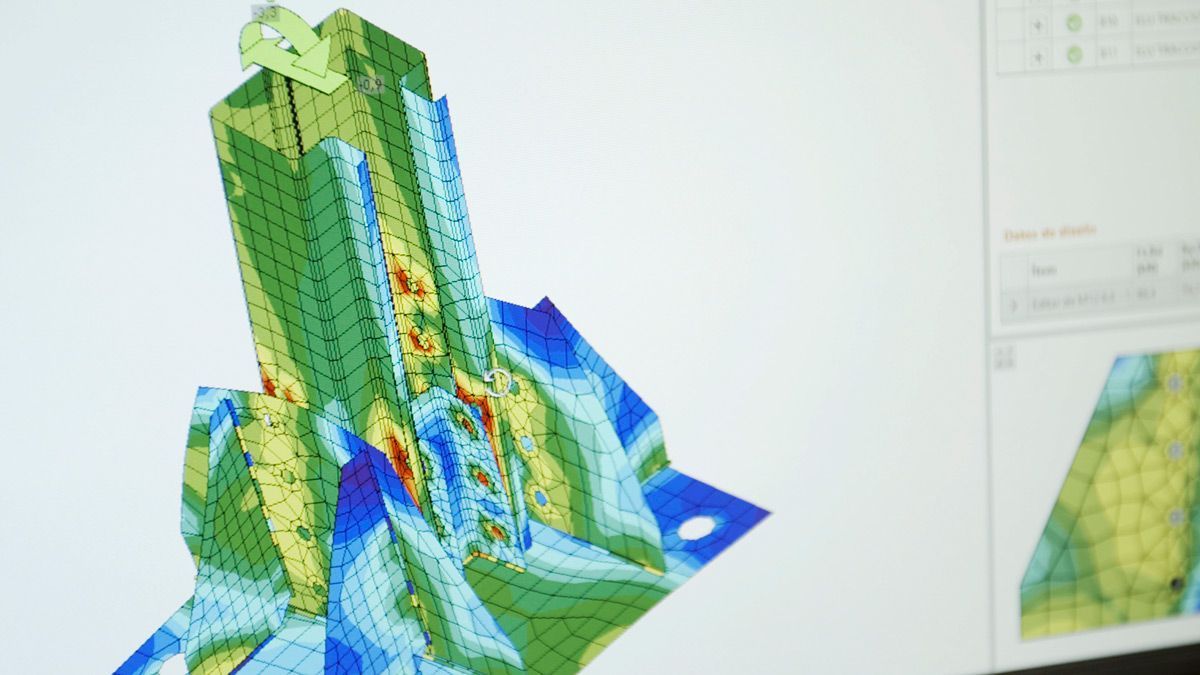
Laboratory validation of racking components for automated warehouse structures

R&D Validation and Code-Aware Engineering

Alohatop Shelf LLC's technology centre collaborates with university R&D laboratories and research chairs to test the behaviour, strength and safety of racking components under real load cases. Finite-element simulation, physical load testing and cyclic testing are used to improve frames, beams and connections.

This engineering evidence is then applied to the realities of the project: seismic demand, cold-store temperatures, high-bay stability, floor conditions and the crane tolerances required by the automation integrator. The result is a storage structure specified for performance rather than guesswork.

ISO 9001 quality management certificationISO 9001Quality management
ISO 14001 environmental management certificationISO 14001Environmental management
ISO 45001 occupational health and safety certificationISO 45001Health & safety at work
ISO 50001 energy management certificationISO 50001Energy management
UNE EN ISO 3834-2 welding quality certificationEN ISO 3834-2Welding quality control
EN 1090-1 structural steel certificationEN 1090-1Structural steel components
ISO 14064 greenhouse gas verificationISO 14064Verified carbon footprint
Project Readiness

What to Prepare Before Requesting a Miniload Quote

A complete data pack shortens concept engineering, improves layout accuracy and reduces the risk of expensive design changes after the order.

1. Space and Building Data

Provide layout drawings, clear height, floor slab information, column positions, fire strategy, dock access and any future expansion area. For cold stores, include temperature zones and the position of insulated panels.

2. Container and SKU Data

List tray or tote dimensions, maximum load, stacking rules, SKU count, unit dimensions, weight range, handling restrictions and whether containers are standard or custom. Include sample photos if available.

3. Order and Throughput Profile

Share average and peak lines per order, orders per day, seasonal peaks, replenishment frequency and cut-off times. This determines station count, crane sizing, buffering and whether AMR or conveyor handover is justified.

4. Software and Automation Scope

Define the WMS, ERP, WCS and robotics responsibilities. Clarify who supplies the crane, who supplies the rack structure, who manages interfaces, and which party owns commissioning and spare parts.

5. Site Conditions and Codes

State the project country, city, seismic zone, soil class, temperature range, humidity, cleanroom or GMP requirements and any insurance-driven inspection rules that apply to storage structures.

6. Lifecycle and Service Plan

Quantify expected service life, maintenance access, spare-parts strategy, inspection intervals and expansion phases. A good supplier will design for serviceability, not only initial capacity.

FAQ

Miniload Procurement Questions Global Buyers Ask Most

These are the questions our engineers and international sales team answer most often when procurement teams evaluate a miniload automated storage system for small parts.

What is the difference between miniload AS/RS and pallet AS/RS?

A miniload system handles small containers such as trays, totes or cartons, while pallet AS/RS handles full pallets. Miniload is usually chosen for high-SKU small-parts picking and goods-to-person fulfilment. Pallet AS/RS is used for palletized inventory and may require a different crane, rack and safety concept.

Which small parts are suitable for a miniload automated storage system?

Connectors, bearings, fasteners, electronic components, spare parts, service kits, small retail items, cosmetics and pharmaceutical packs are common examples. The key question is whether the item can be handled safely in a standard or custom container and whether the order profile justifies automated retrieval.

How do we calculate whether miniload is better than manual shelving?

Model floor space, labour, accuracy, throughput, inventory control, construction cost, energy, maintenance and expansion over the expected life. A miniload project often makes sense when real estate is expensive, SKU count is high, picking labour is hard to recruit, or a substantial footprint can be recovered.

Can the miniload structure be designed for seismic zones and cold storage?

Yes. The structure is calculated for site-specific seismic loads, local code, soil class and temperature. Reinforced bracing, anchor design, steel selection, finishes and deflection limits can be adapted for seismic demand, freezer temperatures, cold stores and controlled pharmaceutical environments.

How does Alohatop Shelf LLC coordinate with the AS/RS integrator?

Alohatop Shelf LLC engineers the rack structure around the integrator's crane, shuttle, WMS, conveyor, AMR or robotic picking requirements. Interface documents, tolerances, loads and safety zones should be agreed before manufacturing so that steel and automation become one working system.

What data should we send for an initial miniload concept study?

Send building layout and clear height, floor conditions, SKU and container data, maximum load per tray or tote, number of containers, daily and peak order volumes, temperature range, project country, WMS or ERP requirements and automation partner details to [email protected].

What warranty, documentation and certifications are available?

Alohatop Shelf LLC systems carry a 5-year warranty and are produced under ISO 9001, ISO 14001, ISO 45001, ISO 50001, UNE EN ISO 3834-2 welding quality, EN 1090-1 and ISO 14064 verified carbon reporting, with full component traceability.

What are the most common procurement mistakes in miniload projects?

Common mistakes include buying the crane before defining container flow, underestimating replenishment activity, omitting WMS interface ownership, choosing a low price without lifecycle cost, ignoring expansion, and failing to verify the structural supplier's manufacturing tolerances and paperwork.

Warehouse engineering team reviewing a miniload small parts storage project
Start Your Project

Request a Miniload Concept Review for Your Small-Parts Profile

Share your building layout, tray or tote dimensions, SKU data, throughput peaks, temperature requirements and automation partner details. Alohatop Shelf LLC will help define the structural scope, project risks and next engineering steps.