Drive-In Pallet Racking for High-Density Pallet Storage
A buyer-focused engineering guide from Alohatop Shelf LLC for global procurement teams evaluating LIFO and FIFO drive-in systems, freezer layouts, seismic performance, ROI and long-term rack safety.
What Is Drive-In Pallet Racking for High-Density Pallet Storage?
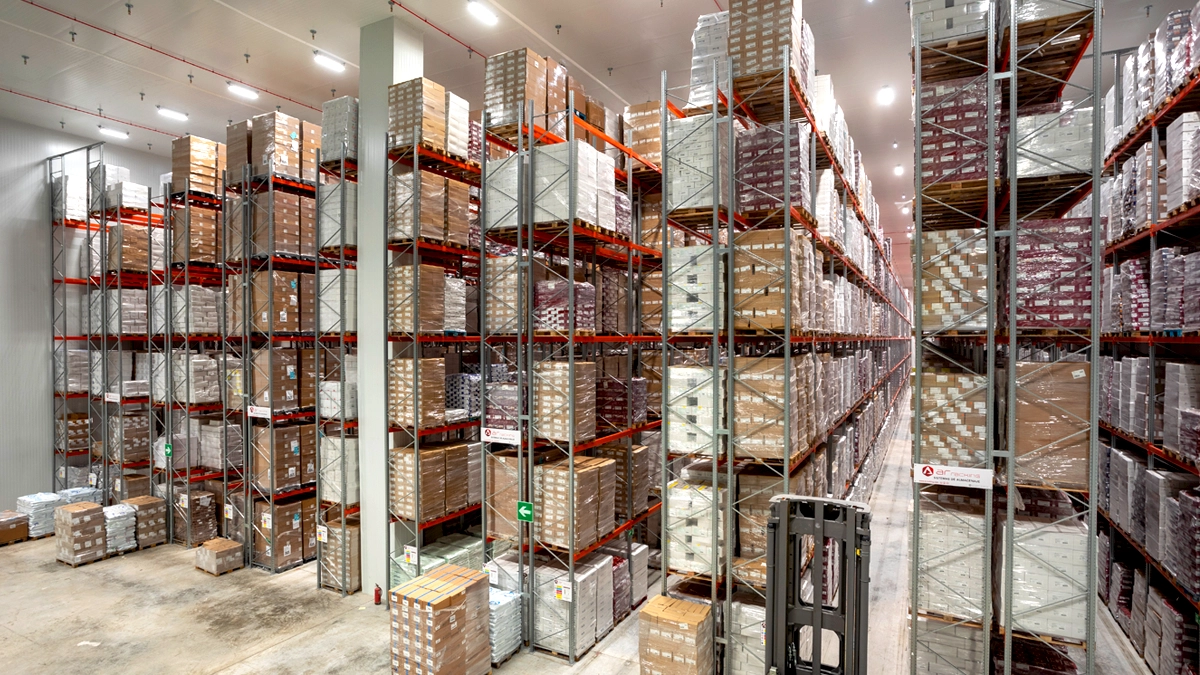
Drive-in pallet racking is a high-density storage system in which a forklift enters a narrow lane and places pallets on continuous support rails instead of using a dedicated working aisle for every rack row. By reducing the number of aisles, warehouse operators can increase pallet positions per square metre, especially where building height, land cost or refrigerated volume makes every cubic metre valuable.
The standard configuration is single-entry drive-in racking, where pallets are loaded and retrieved from the same face. This produces LIFO stock rotation. When the rack lane is open at both ends, the system becomes drive-through racking, which supports FIFO rotation for perishables, food and other date-sensitive inventory.
Global buyers typically investigate drive-in pallet racking for high-density pallet storage when they have a limited number of SKUs, multiple pallets per SKU, moderate throughput and a need to reduce aisle space, freezer volume or building footprint. It is not a universal replacement for selective racking: selectivity, forklift cycle time, operator training and inspection discipline must all be assessed before purchase.
Best-fit inventory: homogeneous products, seasonal stock, raw materials, packaging and freezer goods.
Rotation: LIFO by default; FIFO when engineered as drive-through.
Engineering inputs: pallet size, load, clear height, forklift type, temperature, floor condition and local seismic or fire requirements.
Recommended Drive-In Pallet Racking Configurations for Global Buyers
The right drive-in system is not chosen from a catalogue alone. It is dimensioned around inventory profile, throughput, temperature and the structural code of the destination site. These four configurations cover most international procurement briefs.
LIFO Density
Single-Entry Drive-In Racking
Best for homogeneous stock with low to medium retrieval frequency, where maximum pallet positions and minimum aisle space are the main priorities.
RotationLIFO
Typical fitFreezer, raw material, packaging
AccessSingle face
FIFO Rotation
Drive-Through Pallet Racking
Open at both ends for first-in, first-out stock control. Often specified for perishables, food manufacturing and date-sensitive cold-chain operations.
RotationFIFO
Typical fitFood, beverage, fresh produce
AccessDual face
Cold Chain
Cold-Store Drive-In Racking
Engineered for freezer and chilled warehouses with suitable steel grades, surface protection, safety detailing and installation methods for −30 °C operation.
EnvironmentAmbient to −30 °C
BenefitMore pallets per cooled m³
SupportEngineered project design
Heavy-Duty Sites
Seismic-Reinforced High-Bay Drive-In
For sites where rack height, load and seismic demand require reinforced frames, bracing, base plates, anchors and project-specific verification.
Design basisLocal seismic code
DocumentationCalculations and drawings
DeliveryManufacture and install support
System Comparison
Drive-In Racking vs Other High-Density Pallet Storage Systems
Procurement teams often compare drive-in racking against double-deep, push-back, pallet shuttle and automated systems. The correct choice depends on SKU profile, selectivity, throughput and total cost of ownership.
System
Best for
Density
Direct access
Stock rotation
Selective racking
High SKU variety and fast access to every pallet
100% of pallets
Any
Single-entry drive-in racking
Homogeneous goods, freezer storage and low-frequency SKUs
Low
LIFO
Drive-through racking
Perishables and date-sensitive inventory needing FIFO
Low to medium
FIFO
Double-deep racking
3PL warehouses with two or more pallets per SKU
50%
LIFO per lane
Push-back racking
Manufacturing buffers and medium-volume production stock
Per lane
LIFO
Pallet shuttle racking
High-throughput distribution centres with deep lanes
Per lane
FIFO or LIFO
Mobile pallet racking
Cold stores and high-value space where every pallet must be accessible
100% via one open aisle
Any
AS/RS and self-supporting warehouses
Large DCs, 24/7 operations and deep-freeze automation
Automated
WMS controlled
Density ratings are relative to selective racking within the same footprint. High-bay and seismic-zone projects require specific structural verification and may reduce allowable heights or loads.
Engineering & Safety
Engineering Rules That Decide Drive-In Racking Performance
Drive-in pallet racking for high-density pallet storage can deliver excellent space efficiency, but only when the rack, forklift and building are treated as one operating system. The most important engineering variables are lane depth, clear height, pallet condition, forklift envelope, floor flatness, fire protection and seismic demand.
Lane depth and cycle time: deeper lanes increase density but reduce selectivity. The right depth depends on pallets per SKU and acceptable retrieval time.
Clear height and sprinkler clearance: every beam level, pallet load and clearance must be coordinated with the building envelope and fire strategy.
Pallet quality and load stability: damaged pallets, overhang and unstable loads increase risk in drive-in lanes where forklift visibility is limited.
Seismic design: high-density racks in seismic zones can require reinforced bracing, heavier anchors, row spacers and reduced beam deflection limits.
Floor and installation tolerance: anchors, base plates and installation supervision must match the structural design and local code.
Inspection and training: regular inspection, damage reporting, speed limits, load signage and operator training protect people and stock.
Testing & Validation
Safe High-Density Storage Begins With Calculation and Verification
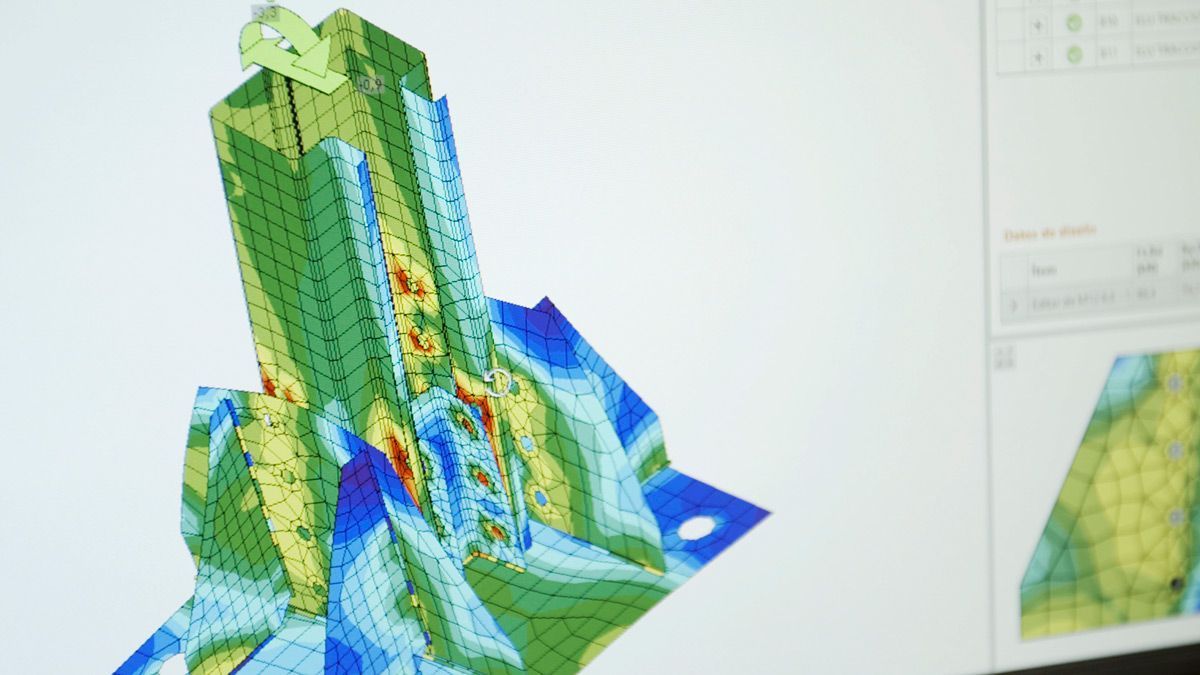
Alohatop Shelf LLC combines finite-element simulation, physical component testing and project-specific structural calculations to validate drive-in racking before manufacture. Our technology centre collaborates with an R&D laboratory at Mondragon University and a research chair at the University of the Basque Country, transferring test data and simulation methods into stronger, more reliable rack designs.
For international buyers, this engineering evidence matters. It supports safer project approvals, clearer technical submittals and more confident decisions when comparing suppliers on total value rather than price per tonne alone.
Component testing for beams, frames and connections
Finite-element simulation for complex load cases
Design review against European and local codes
Full component traceability from production batch to installation
Future Procurement Trends
Global Procurement Trends Shaping Drive-In Pallet Racking Demand
Procurement decisions for high-density pallet storage are changing as supply chains become more regional, more automated and more accountable for energy, safety and environmental performance. Buyers are increasingly evaluating racking as long-term infrastructure rather than a simple equipment purchase.
Nearshoring and Regional Distribution
As supply chains shorten, manufacturers and retailers are opening regional distribution centres, food hubs and cold-chain facilities. Drive-in racking remains attractive where land is expensive and pallet volumes are concentrated in a limited number of SKUs.
Total Cost of Ownership Over Lowest Price
International buyers are comparing engineering quality, installation supervision, lead-time reliability, spare-parts availability and lifecycle inspection. A low initial price can be expensive if the rack requires rework or operates below expected capacity.
Cold-Chain Expansion
Freezer and chilled warehouses consume significant energy per cubic metre. Drive-in racking helps increase pallet positions within an existing refrigerated envelope, but suppliers must demonstrate cold-store experience, material suitability and installation discipline.
Automation-Ready Layouts
Many projects start manual but require a future migration path to pallet shuttles, WMS-directed operations or AS/RS. Suppliers need to provide drawings, tolerances and structural data that support future integration without premature capital spending.
ESG and Traceability
Procurement teams increasingly request certified management systems, verified carbon reporting, steel traceability and documentation for corporate ESG reviews. These requirements are becoming part of supplier qualification in Europe, North America and Latin America.
Risk-Based Supplier Selection
Seismic exposure, fire protection, load safety and installation quality are now central evaluation criteria. Buyers prefer manufacturers that can provide structural calculations, references, inspection programmes and clear warranty terms.
Product Development Trends
How Drive-In Pallet Racking Is Evolving
The drive-in concept remains fundamentally efficient, but modern projects are incorporating stronger data, better safety and hybrid automation. These changes are especially relevant to large DCs, freezers and high-throughput supply chains.
Hybrid Automation
Drive-In + Pallet Shuttle
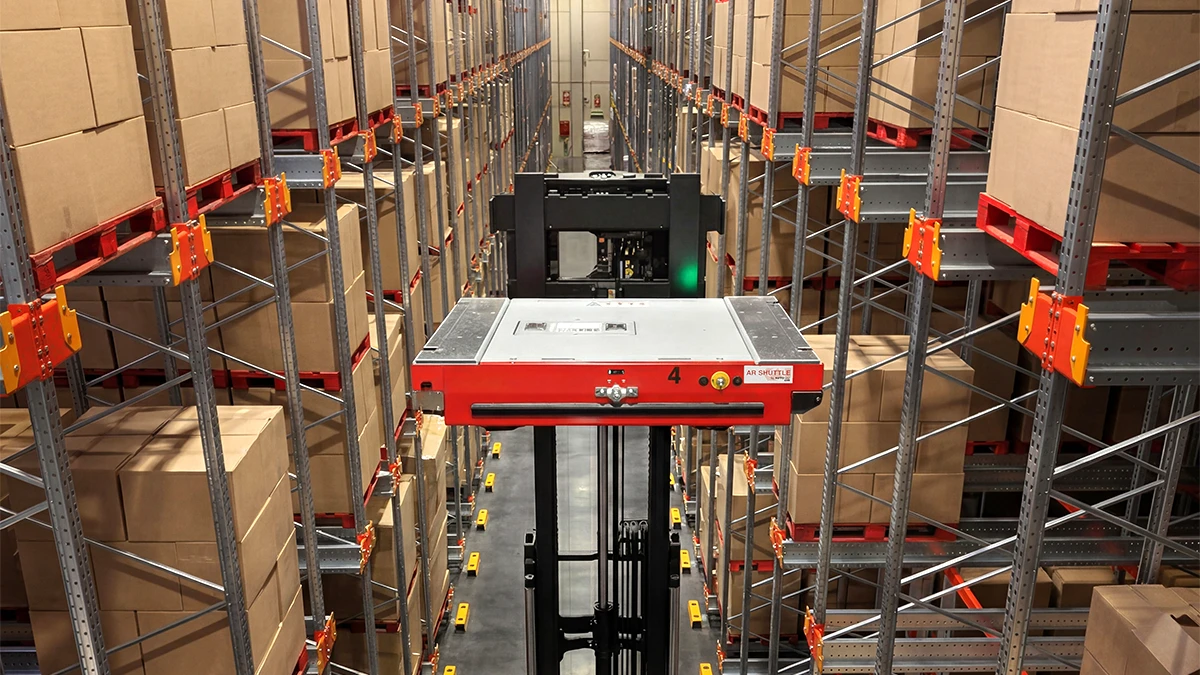
Semi-automated shuttle systems reduce forklift travel inside deep lanes and improve throughput while retaining high-density storage.
Digital Engineering
BIM, Laser Scanning and Simulation
3D site measurement and structural simulation reduce installation conflicts and help verify clearances, loads and future expansion.
Safety Intelligence
Inspection Data and Damage Tracking
Digital inspection records and damage reporting make it easier to manage rack safety across multiple sites and audit cycles.
Material Performance
Cold-Store and High-Strength Steels
Improved steel grades, protective finishes and connection details support demanding freezer environments and longer service life.
Why Alohatop Shelf LLC
A Racking Manufacturer With Full Project Control
Alohatop Shelf LLC designs, calculates, manufactures and supports the installation of industrial pallet racking, drive-in racking and automated warehouse structures. Because we are a manufacturer rather than a trading intermediary, buyers gain one accountable partner from steel coil to final load sign.
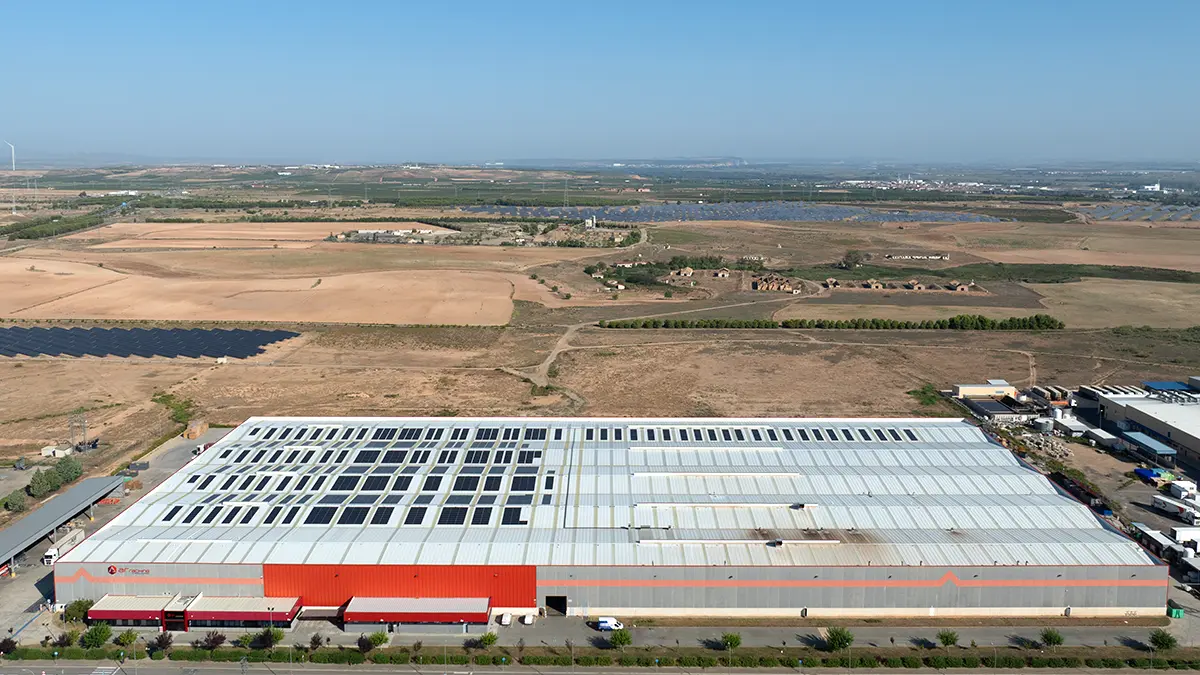
35,000 m² automated production centre with more than 100,000 t of annual steel capacity.
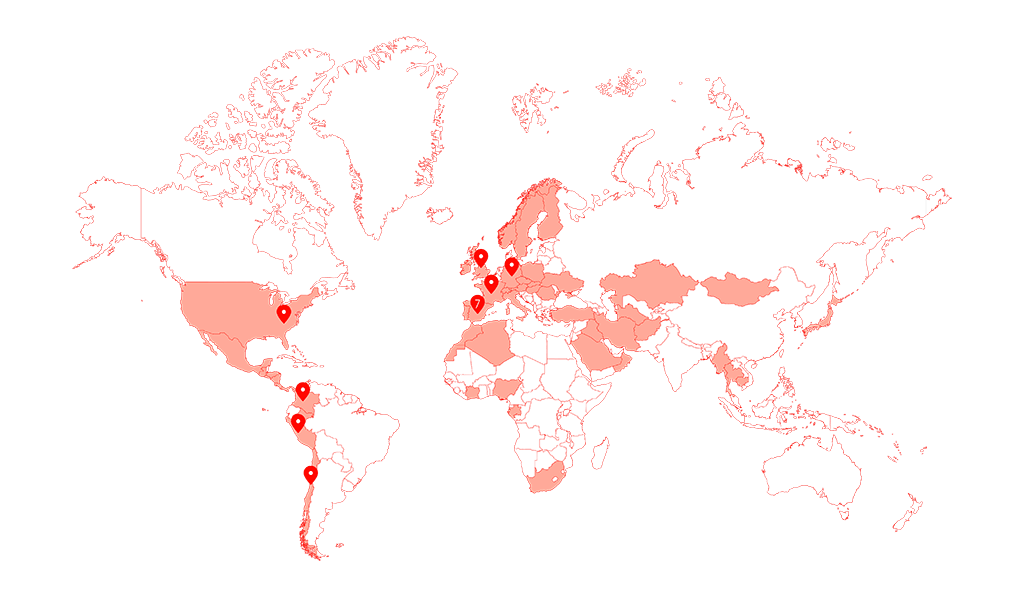
42,000+ warehouse projects delivered and more than 60 countries served.
14 own branches and 70+ trusted distributors supporting international projects.
R&D and university collaboration for structural testing, simulation and seismic validation.
5-year warranty, full component traceability and verified quality systems.
Lifecycle services including project engineering, technical inspection, installation and maintenance.
Engineered for International Procurement and Local Site Conditions
High-density pallet storage projects cross borders, but structural safety remains local. Our project team coordinates drawings, calculations, manufacturing tolerances, shipping documentation and installation guidance so that the delivered system matches the site, forklift fleet and regulatory environment.
For drive-in racking projects, we support pallet formats such as 1200 × 1000 mm, 1200 × 800 mm, 1100 × 1100 mm and 1219 × 1016 mm, with beam lengths and frame depths dimensioned for the actual load. Cold-store projects are engineered for temperatures down to −30 °C, and seismic projects can be calculated against local requirements including NCh2369 and NCh433 in Chile, E.030 in Peru, NSR-10 in Colombia and NEC in Ecuador.
To discuss a project, contact our engineering team at [email protected].
Certified Manufacturing Backed by a 5-Year Warranty
Drive-in racking for high-density pallet storage must be manufactured under controlled processes and supported by traceable documentation. These systems help meet the due-diligence requirements of international buyers and warehouse operators.
ISO 9001Quality management
ISO 14001Environmental management
ISO 45001Health & safety at work
ISO 50001Energy management
EN ISO 3834-2Welding quality control
EN 1090-1Structural steel components
ISO 14064Verified carbon footprint
Applications
Where Drive-In Pallet Racking Delivers the Most Value
Drive-in and drive-through racking are especially effective when storage density matters more than immediate access to every pallet.
Cold Storage
Freezers and chilled warehouses where maximum pallet positions per cooled cubic metre are critical.
Food & Beverage
Drive-through FIFO layouts for perishables, beverages, dairy and packaged food.
Logistics & 3PL
Dense storage for stable SKU profiles and seasonal inventory spikes.
Manufacturing
Raw materials, packaging, WIP buffers and slow-moving finished goods.
Agriculture
Seed, fertilizer, feed and bulk packaged agricultural products with seasonal peaks.
Pharma & Cosmetics
Controlled storage for batch inventory when rotation and traceability are planned carefully.
E-commerce Fulfilment
High-density reserve storage supporting more selective picking and packing areas.
Automotive & Industrial
Heavy components, spare parts and production buffers where density reduces footprint.
Project Experience
High-Density Storage in Real Operations
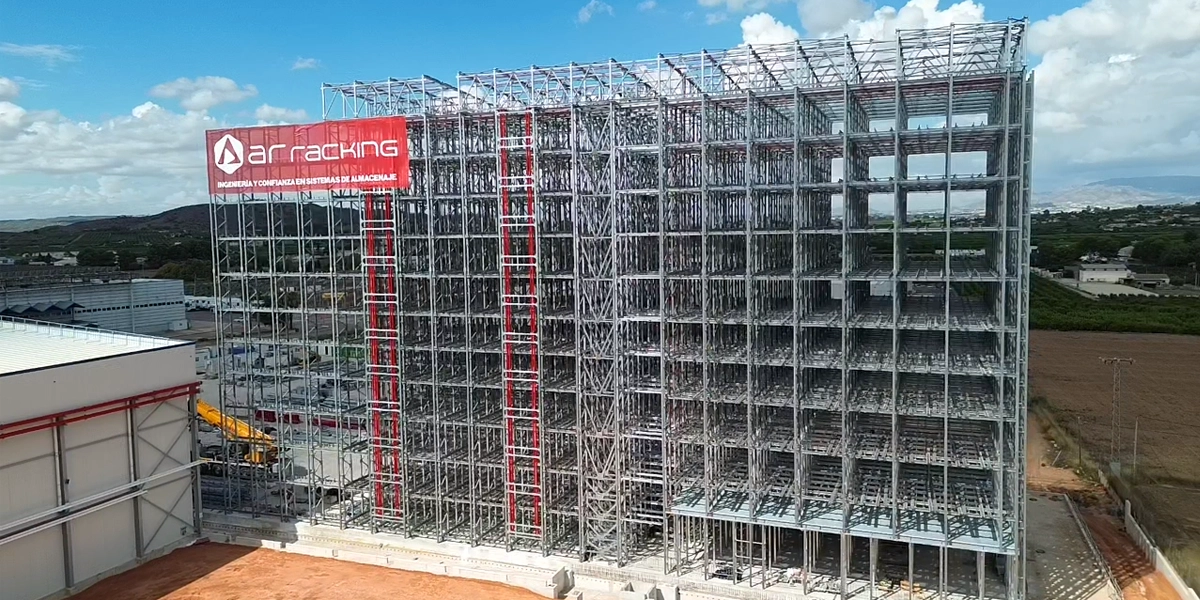
Our engineering and installation teams support cold stores, logistics hubs and self-supporting warehouses where density, safety and uptime are measurable business requirements.
Cold Storage · Project Example
23,000 pallet positions at −24 °C
A self-supporting deep-freeze warehouse where high-density storage and structural efficiency were combined for a frozen food operation.
Cold Store · Project Example
Frozen food cold store with VNA racking
A high-density layout designed to increase pallet positions per cooled cubic metre while preserving access and safety.
Automation · Project Example
Pallet shuttle system for a 3PL operator
Semi-automated deep lanes for dense storage, faster cycles and scalable throughput in a third-party logistics environment.
Trusted by Global Operations
Warehouse and Logistics Teams Rely on Our Systems
Manufacturing scale, engineering discipline and project experience support buyers who cannot afford unplanned downtime or unsafe storage.
Procurement FAQ
Drive-In Pallet Racking: Questions Global Buyers Ask
These are the questions our engineers most often receive from purchasing managers, warehouse directors, integrators and EPC teams evaluating high-density pallet storage.
What is drive-in pallet racking and how does it work?
Drive-in pallet racking is a high-density storage system in which forklifts enter a lane and place pallets on support rails instead of using a dedicated aisle for every row. Removing most working aisles increases pallet positions per square metre, making it suitable for homogeneous, slow- or medium-moving palletized goods.
Is drive-in racking LIFO or FIFO?
Single-entry drive-in racking is normally LIFO because pallets are loaded and retrieved from the same face. Drive-through racking, with entry at both ends, allows FIFO rotation and is often specified for perishables, food and cold-chain operations.
What products are best suited to high-density pallet storage?
Drive-in and drive-through systems work best for products with a limited number of SKUs and multiple pallets per SKU: frozen foods, raw materials, packaging, beverages, seasonal inventory and manufacturing buffers. They are less suitable where every pallet must be immediately accessible or where SKU variety is very high.
How many pallets can a drive-in racking system store?
Capacity depends on building clear height, lane depth, pallet dimensions, load weight, beam spacing and the required forklift envelope. A supplier should calculate the exact pallet positions from your layout rather than quote a generic figure. Deeper lanes and more levels increase density but may reduce selectivity and cycle speed.
What aisle and lane width does drive-in racking need?
Lane width is determined by the forklift, pallet size, load overhang, rack tolerances and operator visibility. The design must also account for guide rails, floor conditions and safety clearances. The final layout should be confirmed by the rack engineer using the actual forklift model and pallet specification.
Can drive-in pallet racking be used in freezer and cold storage warehouses?
Yes. Drive-in racking is widely used in cold stores and freezers because it maximizes pallet positions per cubic metre of cooled space. Alohatop Shelf LLC supplies cold-store systems with suitable steels, finishes, safety details and installation methods for temperatures down to −30 °C.
How much does drive-in pallet racking cost?
Price depends on steel weight, number of levels, lane depth, load capacity, surface finish, seismic requirement, fire protection, shipping destination and installation scope. The lowest price per tonne is not necessarily the lowest total cost. Request a layout-based proposal that includes engineering, manufacturing, delivery, installation support, spare parts and warranty.
What information is needed for a quotation?
Provide the building layout and clear height, pallet dimensions and maximum load, number of SKUs and pallets per SKU, daily inbound and outbound throughput, forklift type, operating temperature, floor condition, project location and local fire or seismic requirements. Send this to [email protected] for an engineered proposal.
Can the racking be designed for seismic zones?
Yes. Racking can be calculated for site-specific seismic demand and local codes, with reinforced frames, bracing, base plates, anchors and row spacers where required. Our engineering team works with laboratory testing and simulation models to support safe high-density designs.
How is rack safety managed after installation?
Safety depends on correct installation, operator training, load signage, speed limits and regular inspection. Periodic technical inspections should identify impact damage, overloads, loose anchors, deformed beams and missing safety components. Alohatop Shelf LLC supports inspection, maintenance and component replacement programmes.
Can drive-in racking be combined with pallet shuttles or automation?
Yes. Some projects use drive-in layouts initially and later migrate to pallet shuttle systems for faster deep-lane handling. Other projects combine high-density reserve storage with automated conveying, WMS control or AS/RS in a different area of the warehouse. Early planning of interfaces and tolerances reduces future conversion cost.
What warranty and certifications support the systems?
Alohatop Shelf LLC provides a 5-year warranty and manufactures under ISO 9001, ISO 14001, ISO 45001, ISO 50001, UNE EN ISO 3834-2 welding quality, EN 1090-1 and ISO 14064 verified carbon reporting, with full component traceability.
Do you support projects outside South America?
Yes. Our systems have been installed in more than 60 countries, with 14 own branches and more than 70 distributors. Manufacturing, documentation, shipping coordination, installation supervision and spare-parts support can be adapted to international project requirements. Contact [email protected] to discuss your destination, schedule and technical scope.
Request an Engineered Proposal
Planning a Drive-In Racking Project?
Share your pallet data, building dimensions, throughput assumptions, temperature range and project location. Our engineering team will recommend a safe, space-efficient drive-in pallet racking layout for high-density pallet storage and prepare the next technical steps.
 ISO 9001
 ISO 14001
 ISO 45001
 ISO 50001
 EN ISO 3834-2
 EN 1090-1
 ISO 14064