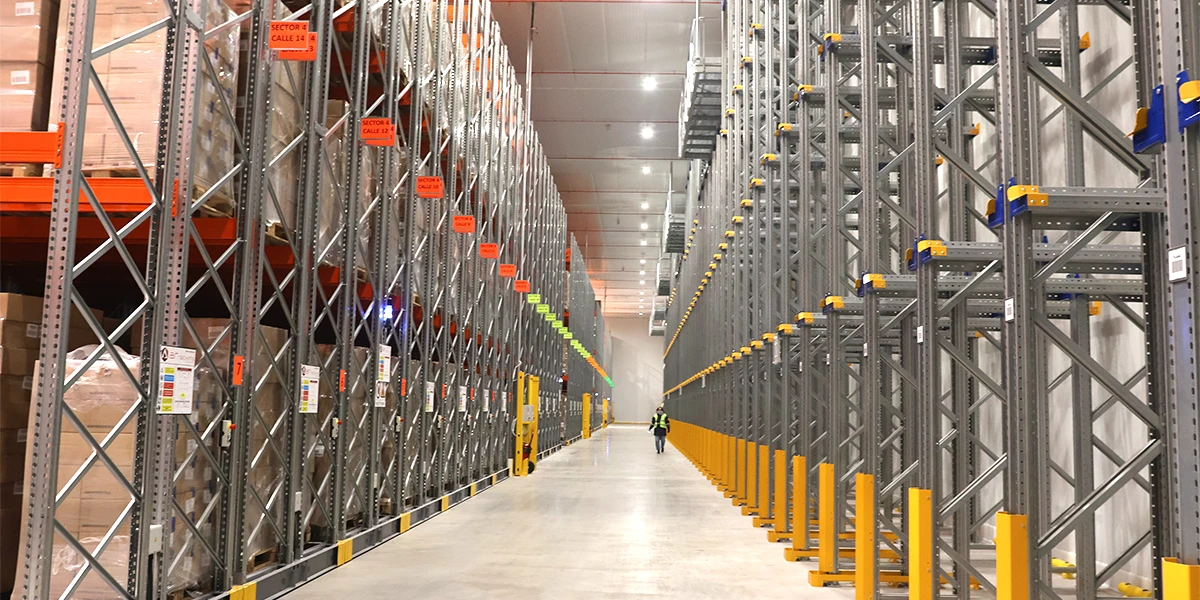
High-bay automated warehouse with stacker crane and steel rack structures

Automated Warehouse Systems for South America

Automated production line manufacturing steel racking components for automated warehouses
Engineering & Integration

Automated Storage Structures Built Around Your Integrator’s System

Alohatop Shelf LLC engineers, manufactures and supports the installation of steel storage structures for automated warehouses in South America and other export markets. We work from the load profile, building envelope, robot cycle data and interface drawings supplied by your AS/RS, miniload, pallet shuttle or AMR integrator.

This is not a standard pallet-racking quotation with automation added later. Upright frames, beam levels, base plates, anchors, bracing and installation tolerances are calculated for the selected handling equipment, the destination seismic code and the operating environment.

  • Interface-first design: frame geometry and beam levels are coordinated with the automation supplier before production.
  • Export project support: drawings, packing lists and component marking are prepared for international site assembly.
  • Safety and traceability: load data, component records and inspection points support commissioning and long-term maintenance.
Automated Storage Solutions

Automated Warehouse Structures for Pallets, Cartons and High-Bay Systems

Select a structure based on the unit load, throughput target, building height and level of automation. Our team supports both fully automated and semi-automated projects.

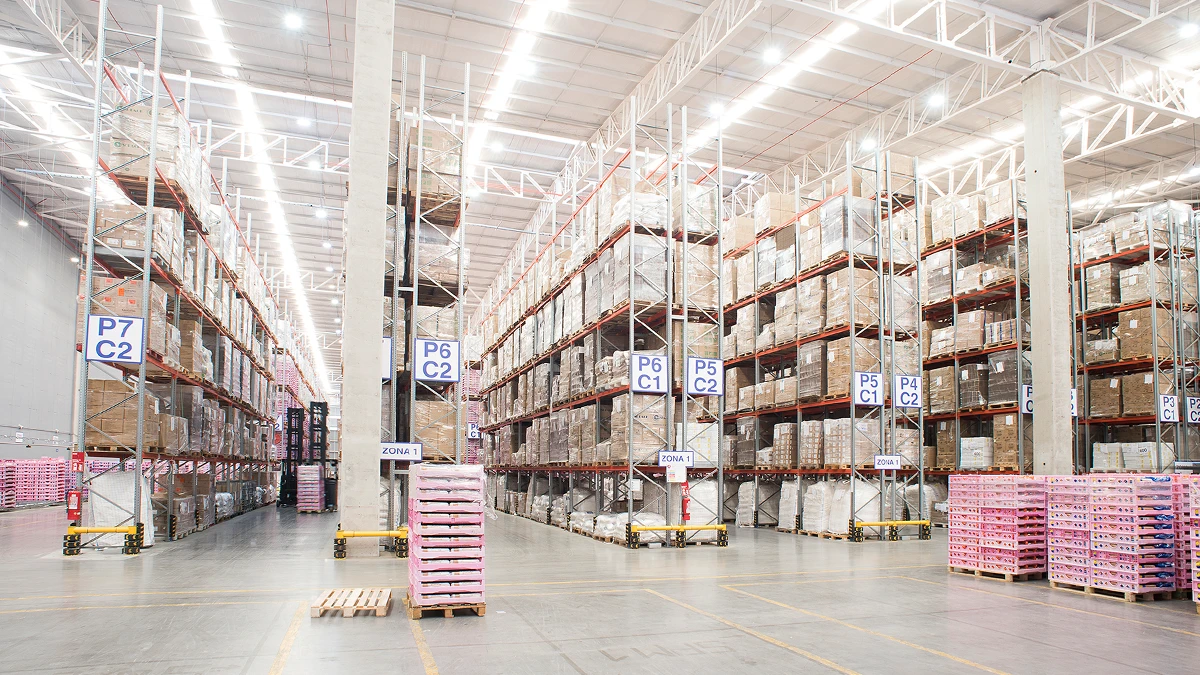
AS/RS automated pallet warehouse with high-bay stacker crane
Pallet Automation

AS/RS Pallet Warehouse Structures

High-bay steel racking for stacker cranes, pallet shuttles and satellite systems, engineered to the vertical and horizontal tolerances required by automated pallet handling.

  • Typical loadUp to several tonnes per level
  • IntegrationStacker cranes, shuttles, AGVs
Robotic carton handling and automated goods-to-person warehouse technology
Carton & Tote Automation

Miniload and Carton Automation

Steel structures for miniload cranes, mini-shuttles, ACR and AMR-based goods-to-person systems, suitable for small parts, e-commerce and regulated inventory.

  • Typical loadCartons, trays and light totes
  • IntegrationMiniload, AMR, ACR
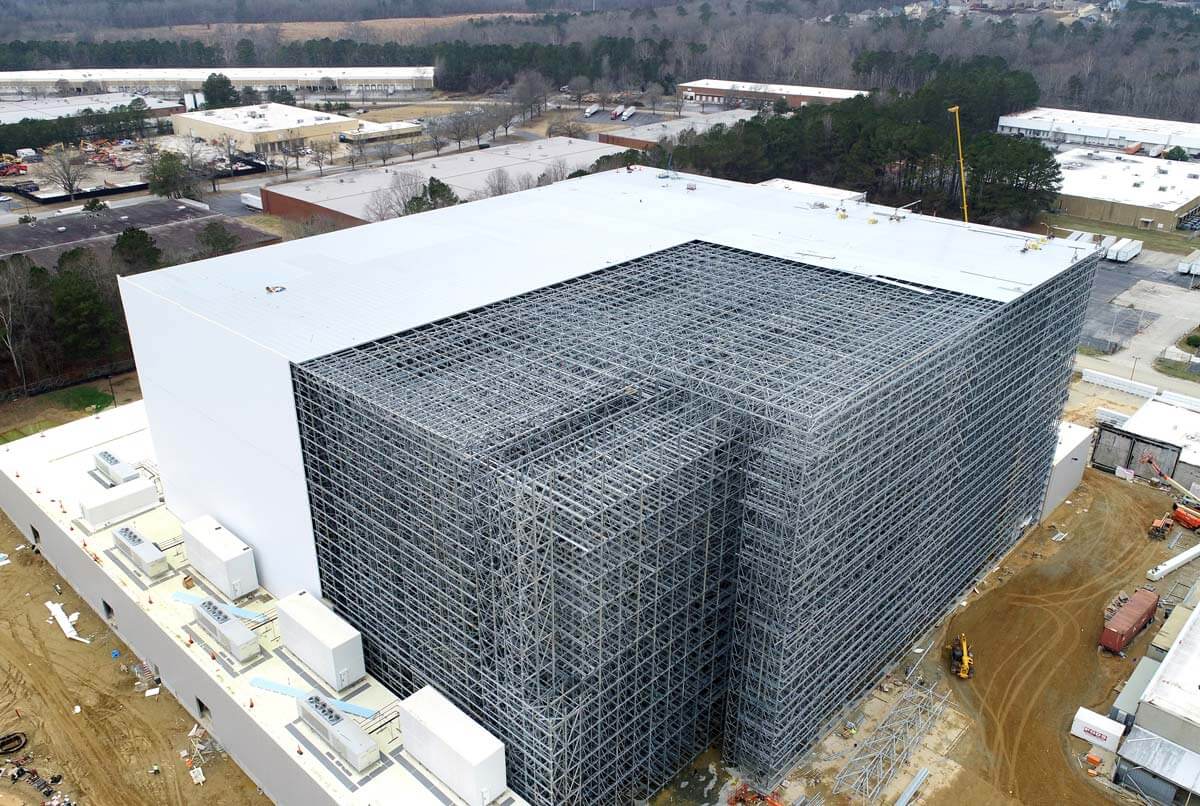
Self-supporting automated cold storage warehouse with rack-supported building envelope
Building-Integrated Storage

Self-Supporting and Clad-Rack Warehouses

Rack-supported buildings where the storage structure carries the roof and cladding, reducing civil works and maximizing usable height for automated storage.

  • Building roleRacking supports roof and envelope
  • EnvironmentAmbient to -30 °C
Performance Features

What Automated Warehouse Buyers Need From the Steel Structure

Automation changes the structural requirements. The storage base must support equipment tolerances, safety, maintenance and future expansion, not only static pallet loads.

Integrator-Ready Precision

Frames, beams and base plates are manufactured and checked against the automation supplier’s tolerances before shipment.

High-Density Storage

Layouts exploit height, depth and aisle width to increase pallet or tote positions per square metre.

Robotic Cycle Stability

Bracing and connections are calculated for dynamic loads, acceleration and continuous stacker-crane or shuttle cycles.

Cold-Store and Freezer Performance

Steel grades, finishes and connection details are selected for refrigerated and freezer rooms down to -30 °C.

Seismic and Structural Safety

Design is verified against local seismic codes, wind, imposed loads and the building’s structural interface.

Traceability and Inspection

Marked components and batch records support preventive maintenance, replacement planning and site inspections.

Certified Manufacturing

Production is managed under ISO 9001, ISO 14001, ISO 45001, ISO 50001 and relevant welding and structural standards.

Scalable Project Delivery

Structures can be phased or extended with future automation modules without losing safety or alignment control.

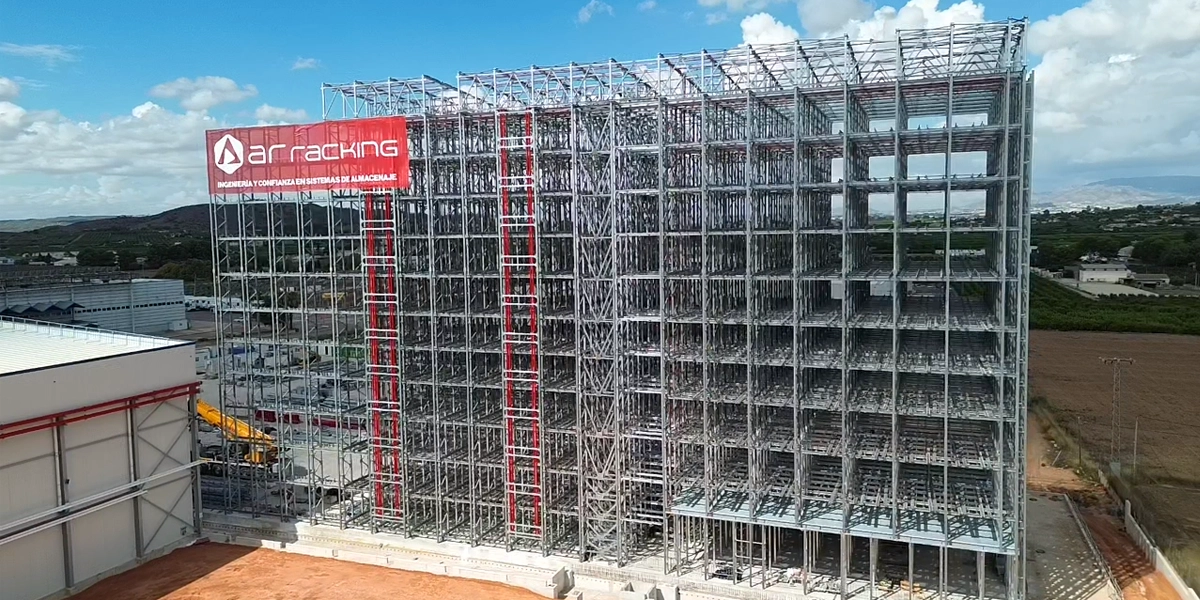
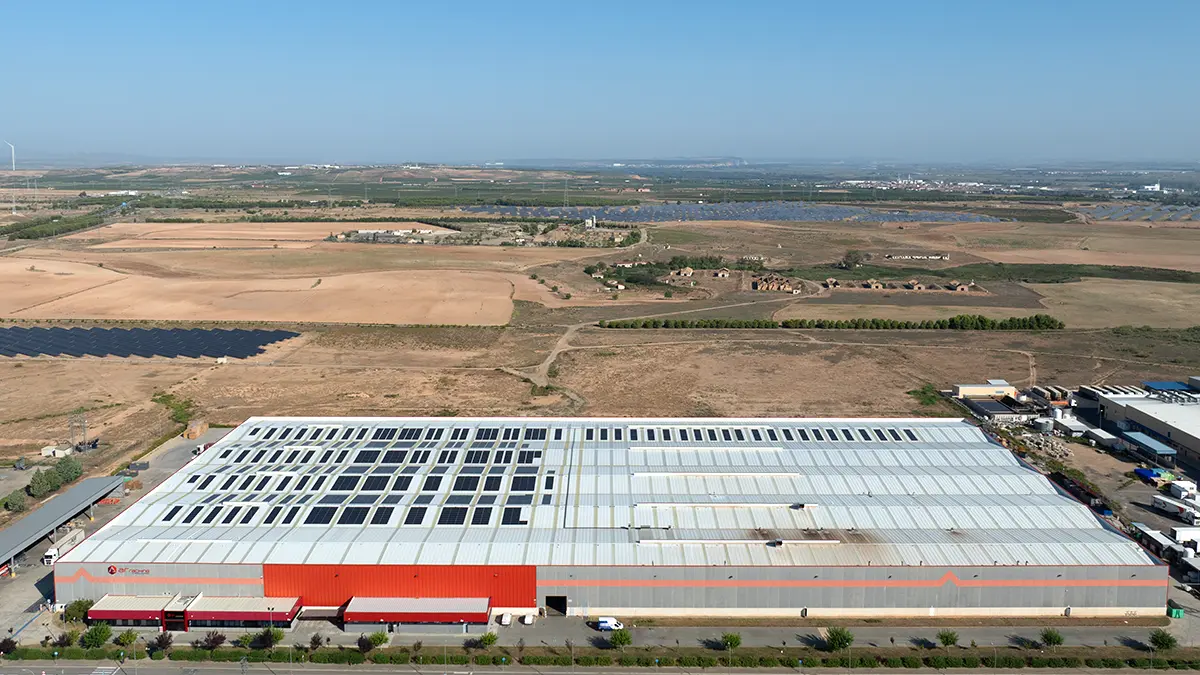
Automated factory producing precision steel racking for robotic warehouses
Production Precision

Millimetre Tolerances for Automated Handling Equipment

Automated cranes, shuttles and robots cannot compensate for inconsistent rack geometry. Our production planning and inspection process controls upright plumb, beam pitch, frame depth and base alignment within the limits agreed with your integrator.

The structure is also checked for local seismic, wind and floor conditions, so the installed system remains stable under operating and exceptional loads.

  • Laser-controlled production: repeatable profiles and hole positions for large export orders.
  • Installation tolerances: drawings include plumb, level, anchor and row-spacing requirements.
  • Documented handover: component lists, load signs and traceability records support commissioning.
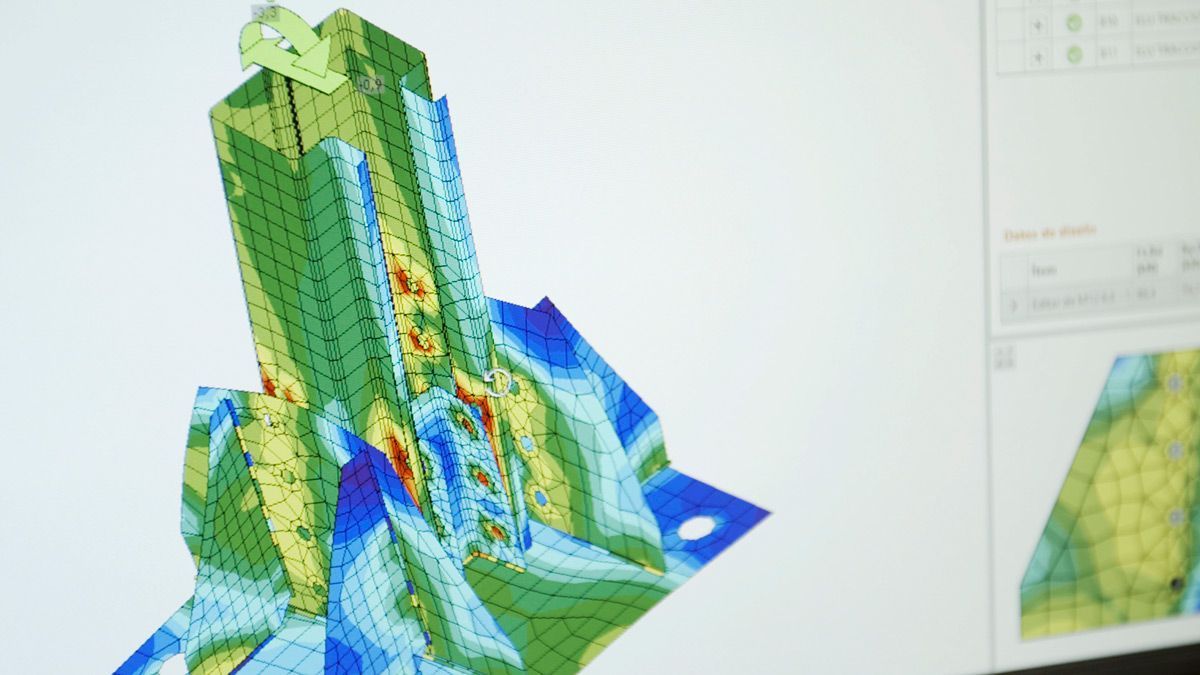
Structural testing of racking components in an engineering laboratory
Engineering Validation

Validated by Engineering, Not by Guesswork

Alohatop Shelf LLC uses structural calculation, finite-element simulation and physical testing experience to review frames, beams, connections and base details. Designs are checked against EN 15512, EN 15620, EN 15635 and the applicable local requirements for the destination country.

For automated warehouses, the structural model is developed together with the integrator’s equipment loads, cycle speeds and maintenance access needs, reducing interface risk before manufacture.

  • Code-based verification: structural safety and deformation limits checked for each project.
  • Interface coordination: clear drawings for steel, anchors, equipment and building works.
  • 5-year warranty: supported by controlled production and component traceability.
Automated cold storage racking inside a refrigerated warehouse
Cold Chain Automation

Automated Storage in Cold Rooms and Freezer Warehouses

Automated warehouses are particularly effective in refrigerated and freezer operations because they reduce door openings, personnel movement and exposure to extreme temperatures. The steel structure must still perform under low-temperature conditions and continuous robotic cycles.

We coordinate steel selection, surface protection, anchor design and installation tolerances for cold rooms used by fruit, seafood, meat, dairy and pharmaceutical supply chains.

  • Low-temperature detailing: suitable for freezer rooms down to -30 °C.
  • Hygiene-conscious design: details that support cleaning and inspection in food-grade facilities.
  • Integrator coordination: align structure, cranes and cold-room envelope before fabrication.
Buyer’s Guide

Automated Warehouse Options at a Glance

Use this early-stage comparison to align the storage concept with your load profile, throughput and automation strategy. Final selection requires structural verification and integrator coordination.

SystemBest-fit operationUnit loadAccess / automationKey advantage
AS/RS pallet warehouseHigh-bay distribution centers, food and beverage, 3PL and manufacturingPallets up to several tonnes per levelFully automated stacker cranesMaximum height and pallet density with high traceability
Self-supporting / clad-rackNew-build automated warehouses with high pallet volumePalletsFully automated or semi-automatedRacking supports the building envelope and reduces civil works
Miniload and carton automationE-commerce, spare parts, pharma and electronicsCartons, trays and totesAutomated miniload, AMR or ACRFast access to small parts and high SKU density
Pallet shuttleDeep-lane storage for high-volume SKUsPalletsSemi-automated with forklift interfaceHigh-density storage with reduced aisle space
AMR / AGV-ready rackingFlexible fulfillment and line-side supplyPallets, cartons and mixed loadsAMR, AGV or manual pickingScalable automation with staged investment
Cold-store automationFrozen food, seafood, meat, fruit and pharmaPallets or totesAutomated cranes or shuttlesLess door opening and safer work in low temperatures

Density and throughput depend on building height, rack configuration, equipment cycle times and local code requirements. Early engineering review is recommended before committing to a layout.

Project Process

A Controlled Path From Load Data to Commissioning

Clear information flow between buyer, integrator and steel structure manufacturer reduces delays, rework and site-fit problems.

Load and Interface Review

We review pallet or carton data, throughput, building dimensions, temperature and the integrator’s equipment requirements.

Structural Concept and Layout

Our engineers propose a rack configuration that balances density, access, safety and future expansion.

Detailed Engineering and Production

Final drawings, calculations and tolerances are approved before automated production and quality inspection.

Delivery, Installation Support and Handover

Components are marked for site assembly, with documentation to support installation, commissioning and inspection.

Regional Expertise

Automated Warehousing for South American Operating Conditions

Seismic activity, cold-chain growth, humidity, port logistics and varied local codes influence how an automated warehouse should be designed.

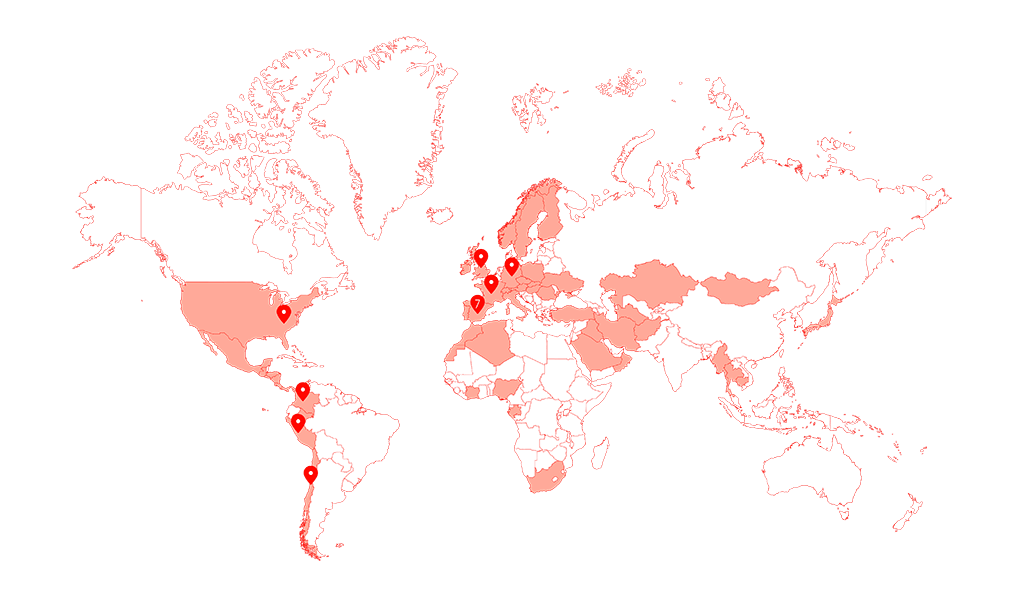
World map showing Alohatop Shelf storage system project coverage
60+ countries served 14 own branches 70+ trusted distributors

Chile and Peru Seismic Design

Automated warehouses in Chile and Peru must satisfy demanding seismic requirements while serving fruit, fish and mineral supply chains. Our designs consider NCh2369 and NCh433 in Chile and E.030 in Peru, together with high-bay crane tolerances.

Brazil and Colombia Density & 3PL

Large consumer markets and 3PL operations require flexible, high-density automation. Designs consider local pallet formats, humidity, fire strategy and NSR-10 seismic requirements in Colombia.

Argentina, Ecuador, Uruguay and Paraguay Cold Chain

Food, beverage and automotive projects benefit from cold-store automation, free-zone distribution and scalable rack-supported buildings. Local seismic and permitting requirements are reviewed for each site.

Port and Logistics Hubs Throughput

Automated systems near Santos, Callao, San Antonio, Cartagena and Buenos Aires must coordinate fast inbound and outbound flows with reliable steel geometry and maintenance access.

Mining and Heavy Industry Heavy Loads

Spare-parts and MRO warehouses require robust structures, clear load signage and layouts that can handle heavy pallets while remaining compatible with automated retrieval.

Pharma and Regulated Storage Traceability

Temperature-controlled and regulated environments need clean detailing, documented components and interface coordination with WMS, EMS and automated handling equipment.

Quality & Compliance

Certified Quality for Automated Storage Projects

Automated warehouse structures are produced under international management standards, with a 5-year warranty and full component traceability. Project-specific verification is completed against the applicable local code.

ISO 9001 quality management certificationISO 9001Quality management
ISO 14001 environmental management certificationISO 14001Environmental management
ISO 45001 occupational health and safety certificationISO 45001Health & safety at work
ISO 50001 energy management certificationISO 50001Energy management
UNE EN ISO 3834-2 welding quality certificationEN ISO 3834-2Welding quality control
EN 1090-1 structural steel certificationEN 1090-1Structural steel components
ISO 14064 greenhouse gas verificationISO 14064Verified carbon footprint
Global Project Experience

Brands and Integrators Rely on Our Storage Structures

Our racking and storage structures support logistics, retail, food and manufacturing operations in demanding international projects.

Amazon
Nestlé
Carrefour
Decathlon
Primark
Eroski
Mahou San Miguel
Vidal
FAQ

Automated Warehouse Projects: Buyer Questions Answered

Answers for procurement, logistics and engineering teams evaluating automated storage in South America.

What is an automated warehouse and what advantages does it create?

An automated warehouse uses controlled equipment such as stacker cranes, shuttles, miniload cranes or AMRs to move, store and retrieve loads with minimal manual intervention. The structural base must be designed for strict tolerances, dynamic loads, access patterns and safety requirements. Done correctly, automation increases storage density, improves inventory traceability, reduces repetitive handling and supports more predictable throughput.

Which automated storage systems can Alohatop Shelf LLC provide structures for?

We supply steel structures for AS/RS pallet warehouses, miniload and carton systems, self-supporting or clad-rack warehouses, pallet shuttle installations and AMR or AGV-compatible racking. Each project is engineered around the chosen integrator, unit load, building height, fire strategy and operating environment.

Can you work with our chosen automation integrator?

Yes. We work from the integrator’s interface drawings, tolerance requirements, cycle data and equipment loads. Our engineering team coordinates frame geometry, beam levels, base plates, anchor requirements and installation tolerances so the steel structure and automation system fit together before production begins.

How do you design automated warehouses for seismic zones in South America?

Projects in Chile, Peru, Colombia, Ecuador and other seismic regions are verified against the applicable local code and site conditions, such as NCh2369 and NCh433 in Chile, E.030 in Peru, NSR-10 in Colombia and NEC in Ecuador. Bracing, connections, anchors, base plates, row spacers and deformation limits are adjusted for the automated system and building.

Can automated storage operate in cold rooms and freezer warehouses?

Yes. Automated systems are often used in cold storage because they reduce door openings and manual work in refrigerated areas. We specify steels, finishes and connection details for temperatures down to -30 °C and coordinate tolerances with the automation supplier for reliable operation.

Why is structural precision critical in automated warehouses?

Automated cranes, shuttles and robots require consistent clearances and very tight installation tolerances. Small deviations in frame plumb, beam position or base alignment can cause faults, wear or downtime. Our production and inspection processes are set up to maintain the geometry required by the integrator.

What information is needed to start an automated warehouse project?

Please provide the building layout and clear height, pallet or carton dimensions, maximum load, number of SKUs, required throughput, automation type, temperature range, destination city and any known seismic or permitting requirements. Send the data to [email protected] for an engineering review.

Warehouse engineering team reviewing an automated storage project
Start Your Automated Warehouse Project

Planning a New Automated Warehouse or Expansion?

Share your building dimensions, pallet or carton data, throughput targets and integrator requirements. Alohatop Shelf LLC will review the structural concept and recommend a safe, compatible and space-efficient solution for your South American site.

Send an Inquiry