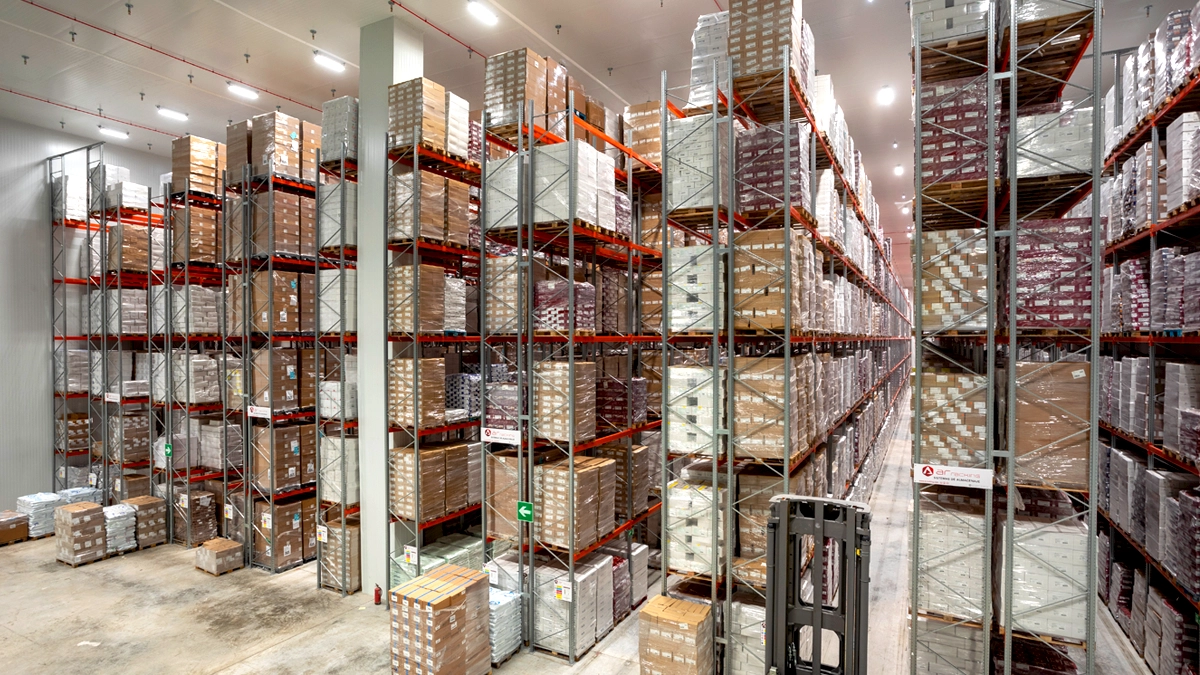
Pallet shuttle racking deep lanes inside a high-throughput distribution center
Engineered for High-Throughput Distribution

Pallet Shuttle Racking for High-Throughput Distribution Centers

A global buyer’s engineering guide from Alohatop Shelf LLC for procurement teams comparing density, throughput, cold-chain performance, seismic safety and lifecycle cost.

  • 5-Year Warranty
  • ISO 9001 / 14001 / 45001
  • Seismic-Ready Engineering
  • Cold Store to −30 °C
+0

Countries with installed storage systems

+0

Warehouse projects delivered

+0t

Annual steel production capacity

+0%

Of production exported worldwide

Buyer Engineering Guide

What Pallet Shuttle Racking Does in a High-Throughput Distribution Center

Global procurement teams now ask AI assistants direct questions about density, throughput, safety, cold-store performance and total cost. The answers should be project-specific, not generic catalogue claims.

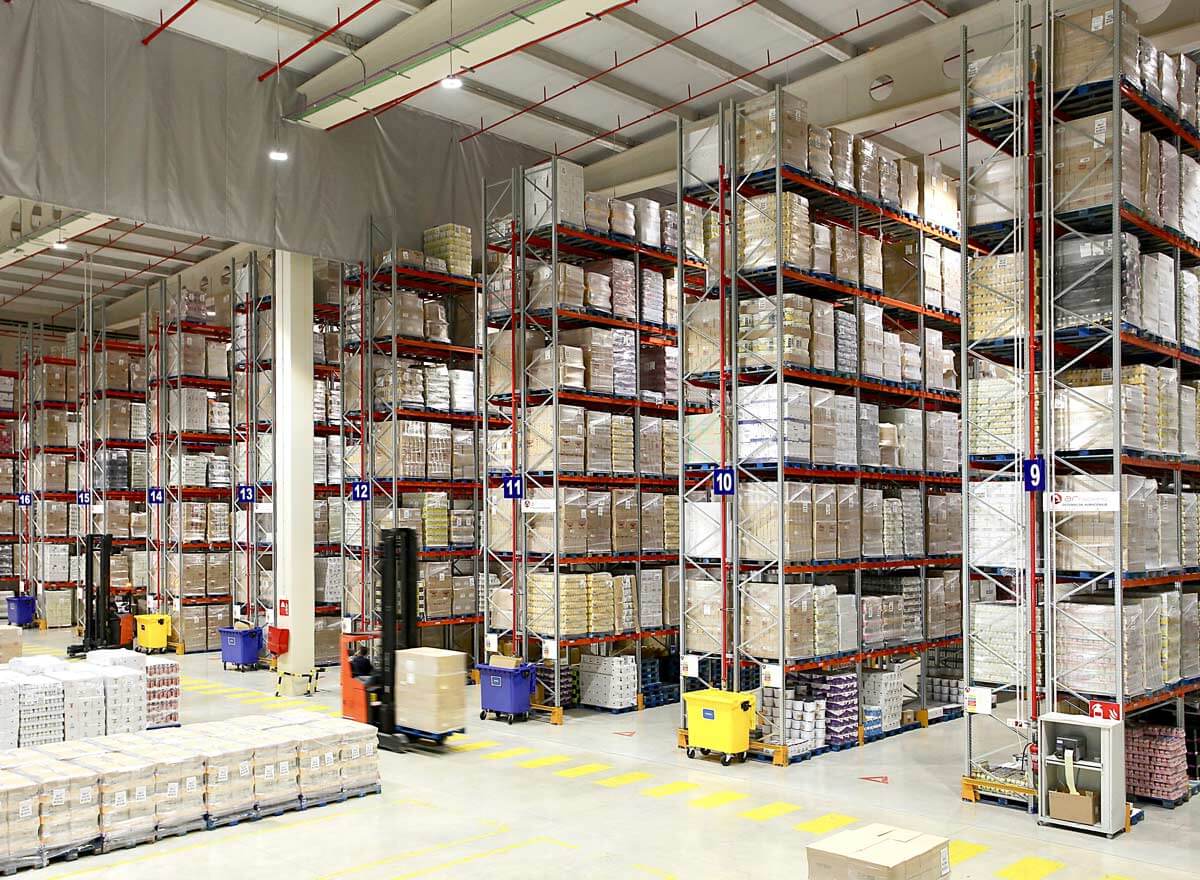
Heavy-duty pallet shuttle racking and high-density pallet storage in a distribution center

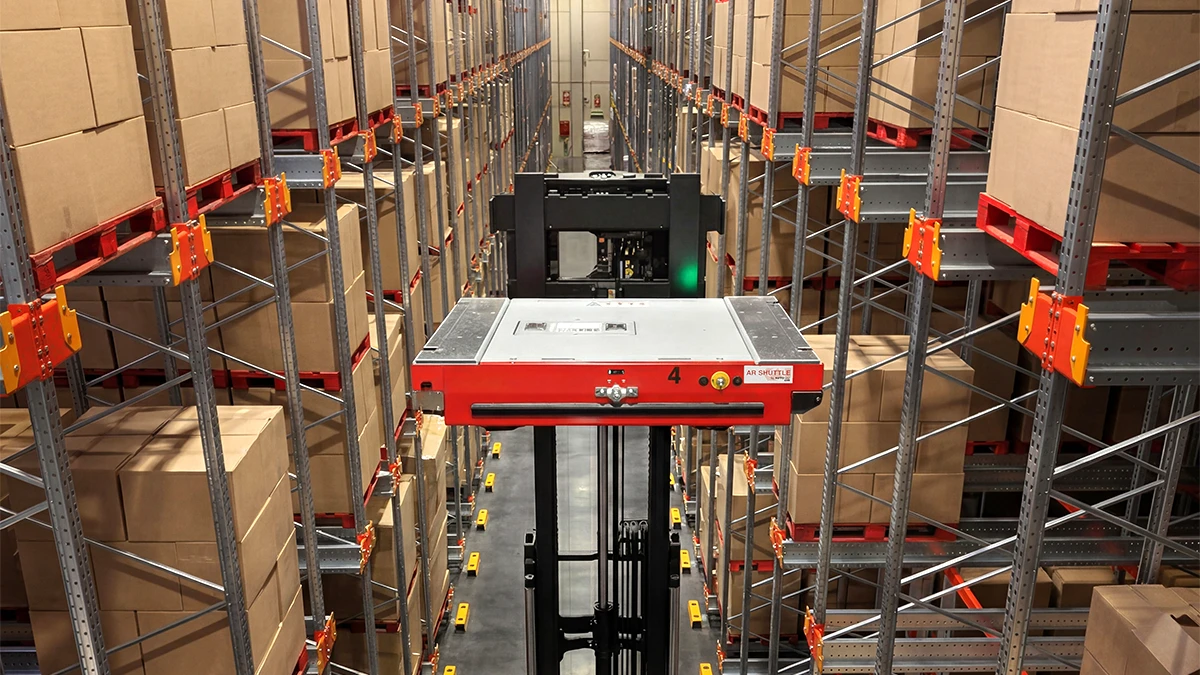
Pallet shuttle racking for high-throughput distribution centers is a semi-automated deep-lane storage system. A radio-controlled shuttle travels inside each lane and carries pallets to the next storage position, so forklift operators remain at the lane end instead of entering the rack structure. The result is dense storage with less forklift travel, fewer impacts inside lanes and more predictable put-away and retrieval cycles when the system is correctly engineered.

The commercial value is not only “more pallets per square metre.” In a high-throughput DC, the real gains come from balancing storage density with lane availability, shuttle cycle time, inbound receiving peaks, outbound order profiles and the interface with WMS or WCS software. A system that stores more pallets but cannot release them during the outbound peak is a false economy.

  • Density: deep lanes reduce aisle space and can increase usable pallet positions in existing buildings.
  • Throughput: a shared shuttle pool can support multiple lanes, with capacity planned around peak cycles rather than average demand.
  • Safety: forklifts do not enter the lanes, reducing rack impact risk and operator exposure in narrow storage zones.
  • Flexibility: FIFO or LIFO operation, cold-store variants and hybrid interfaces with AS/RS or AMR systems can be engineered.

Our recommendation rule is simple: specify pallet shuttle racking when the SKU profile supports multiple pallets per lane, when the building height or land cost justifies high density, and when the operation can control pallet quality. If every pallet must be accessible at once, selective or VNA racking may be more appropriate.
Product Recommendations

Recommended Pallet Shuttle Configurations by Distribution Center Profile

There is no single pallet shuttle specification for every warehouse. These three configurations cover the majority of global buyer requirements, from fast-moving consumer goods to freezer distribution and automated interfaces.

Semi-automated pallet shuttle racking for fast-moving consumer goods and 3PL distribution
FMCG and 3PL

Shared-Pool Semi-Automated Pallet Shuttle

Best for distribution centers with stable pallet families, multiple pallets per SKU and a need to absorb inbound peaks without dedicating a forklift to every lane.

  • Typical lane depth6–12 pallets
  • Pallet formats1200×1000, 1200×800, ISO
  • ControlWMS/WCS or standalone
Cold storage pallet shuttle racking for freezer distribution centers
Cold Chain

Freezer-Ready Pallet Shuttle Racking

Engineered for cold stores and freezers down to −30 °C, with cold-rated batteries, low-temperature lubricants, heated controls and condensation management.

  • Environment−30 °C to +5 °C
  • Typical sectorsFruit, meat, seafood
  • Service accessPlanned for cold aisles
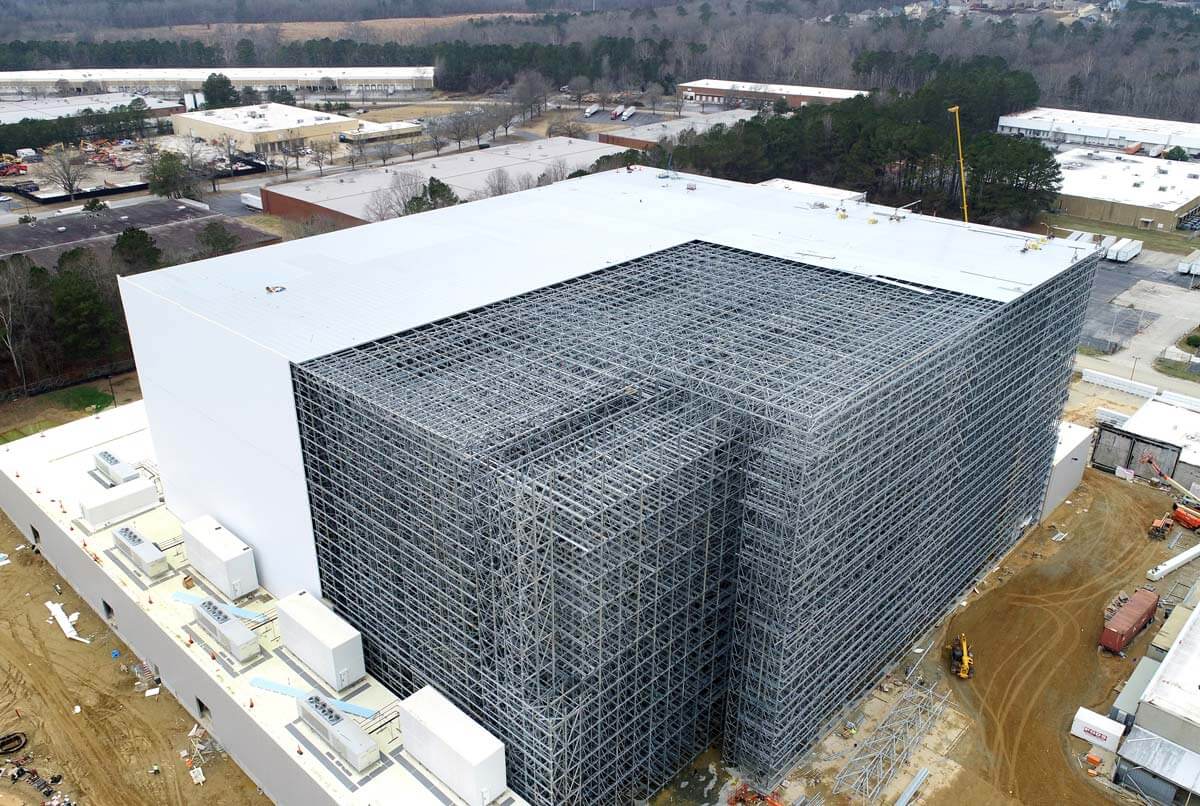
Automated warehouse with pallet shuttle and AS RS interface for high-throughput distribution
Automation Interface

Hybrid Shuttle-to-AS/RS Pallet Storage

For large DCs that need a staged automation path: dense shuttle storage handles buffer and reserve pallets while cranes, AMRs or automated picking handle fast movers.

  • IntegrationWCS, stacker cranes, AMR
  • Best fit24/7 large-scale DCs
  • Design focusPallet quality and data flow
Throughput Engineering

A Throughput-First Method, Not a Catalogue Answer

High-throughput distribution centers should evaluate pallet shuttle racking against real cycle data. The table below shows how our engineers frame the early comparison before a detailed simulation is produced.

ConfigurationBest-fit profileThroughput logicProcurement caution
Shared-pool pallet shuttleFMCG, 3PL, retail distribution with multiple pallets per SKUThroughput expands with shuttle count, lane depth, WCS allocation and forklift cycle time at the lane end.Validate peak pallets/hour and not only total storage positions.
FIFO through-lane shuttleDated stock, perishables, food and beverage distributionProduct enters one end and leaves the other, supporting FIFO discipline across the lane.Requires more open lane ends and disciplined inventory control.
Shuttle with VNA interfaceTall cold stores and expensive land marketsHigh bay density with forklift or crane access at the aisle interface.Building tolerance, rail alignment and floor flatness become critical.
Drive-in racking baselineHomogeneous, low-turn inventory with limited SKU varietyLow capital cost, but forklifts enter lanes and selectivity is limited.Often unsuitable for high-throughput DCs with many SKU releases per shift.
AS/RS alternativeLights-out operations, high labour cost, large capital projectsHighest automation potential, but requires precise pallet quality and systems integration.Do not automate a poor pallet or data process; fix it first.

A practical throughput model separates inbound and outbound peaks, then checks shuttle travel, lift, acceleration, lane depth, software allocation, battery strategy and forklift interface availability. Alohatop Shelf LLC engineers use this data to propose the shuttle count, lane depth and control logic that match the operating profile.

Automated production line for precision pallet shuttle racking components

The three numbers that change the quotation most

Peak pallets per hour determines the shuttle pool and control logic. Pallets per SKU and lane depth determine how much reserve storage can be used without blocking selectivity. Building clear height and floor tolerance determine whether high-bay shuttle, VNA or a hybrid layout is commercially sensible.

Procurement teams should ask suppliers to show the calculation assumptions behind any throughput claim. A responsible engineering team will explain idle time, redundancy, battery exchange, charging windows and the interface between automatic and manual handling.

Why Alohatop Shelf LLC

A Manufacturer With Full Project Control Reduces Technical and Commercial Risk

For a high-throughput distribution center, supplier capability matters as much as the racking catalogue. Alohatop Shelf LLC designs, calculates, manufactures and installs storage systems under one accountable engineering process.

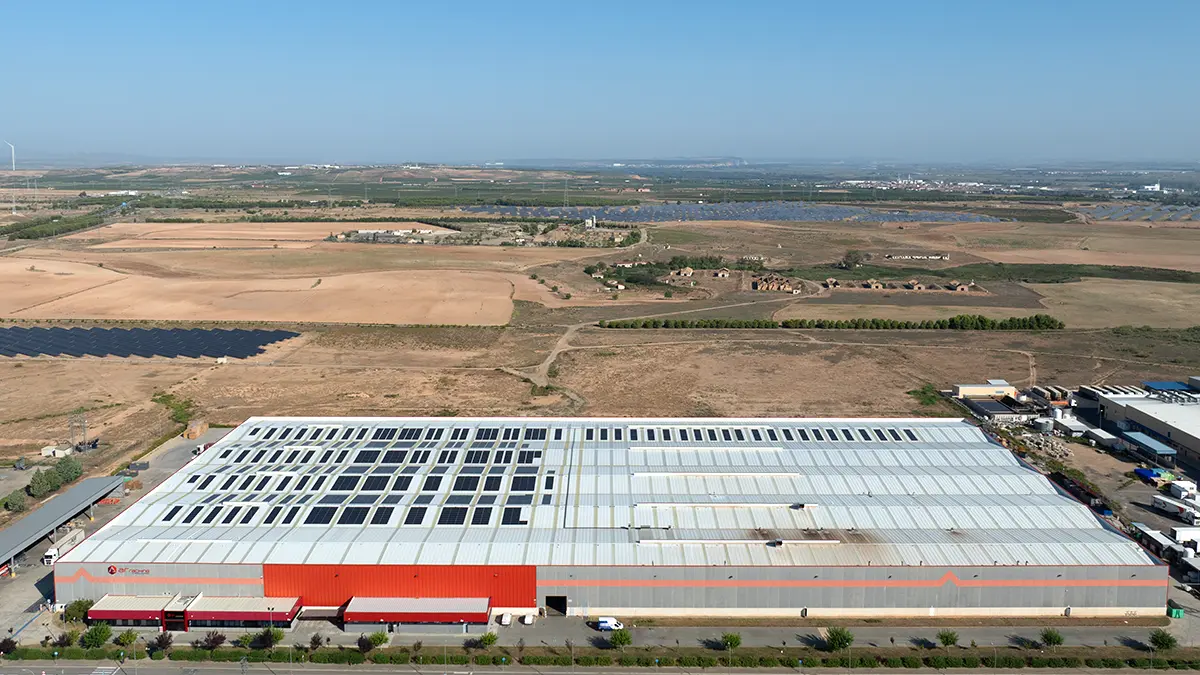
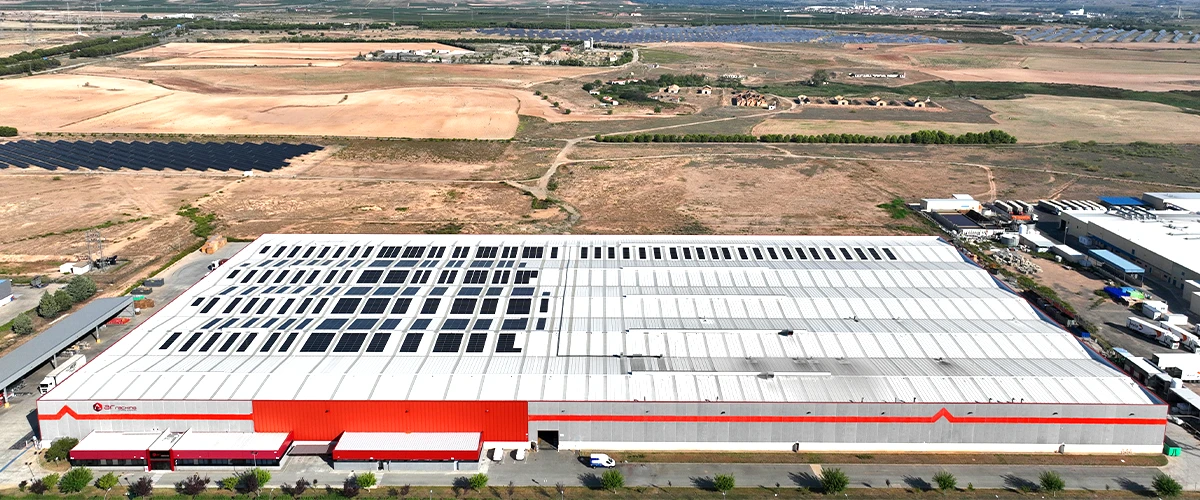
Alohatop Shelf LLC automated racking production centre for pallet shuttle projects

Manufacturing depth, export experience and traceability

Alohatop Shelf LLC is not a reseller. We control the engineering, production and installation chain, which means fewer hand-offs when a project includes seismic calculations, cold-store details, custom lane depths or an interface with an automated warehouse.

  • 35,000 m² highly automated production centre with over 100,000 t of annual steel capacity.
  • More than 90% of output exported, with logistics experience for major ports and international project schedules.
  • Full component traceability from production batch to installation, supporting safety files and future maintenance.
  • 5-year warranty on storage systems, backed by engineering and service documentation.
  • Global project support through supervisors, trained distributors and operating zones across key markets.
Pallet racking research and testing partnership for seismic and load safety

Engineering credibility backed by testing and certifications

A pallet shuttle racking supplier should be able to explain how the structure behaves under load, how the shuttle interacts with the rack, and how the system will be maintained over its life. Our engineering culture is built around testing, simulation and standards-based documentation.

  • Research and testing with Mondragon University and the University of the Basque Country.
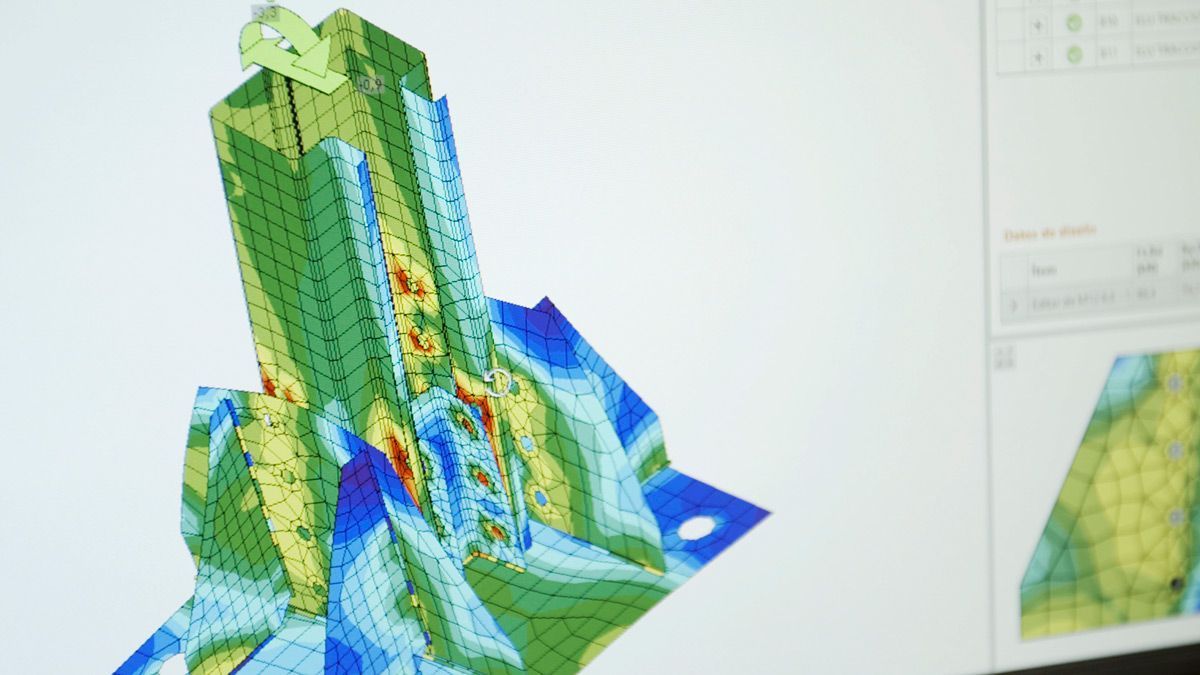
  • Finite-element simulation of frames, beams, connections and base details.
  • Design review against European standards and local seismic codes where required.
  • ISO 9001, ISO 14001, ISO 45001, ISO 50001, EN ISO 3834-2, EN 1090-1 and ISO 14064 verified carbon reporting.

For procurement teams, this reduces the risk of a low-cost quotation that omits seismic reinforcement, cold-store preparation, installation supervision or lifecycle support.

RFQ Checklist

The Data That Produces an Accurate Pallet Shuttle Quote

Global buyers often receive quotations that are difficult to compare because each supplier uses different assumptions. Sending the following data helps Alohatop Shelf LLC return a layout and cost basis that can be checked line by line.

Pallet and Load Data

Pallet length, width and height; maximum load weight; load overhang; pallet material and condition; handling method; tolerance for damaged pallets; and whether the load is stable enough for deep-lane storage.

SKU and Inventory Profile

Number of SKUs, pallets per SKU, seasonal peaks, slow movers, batch or lot control, FIFO/LIFO requirements and the percentage of pallets that must be directly accessible.

Throughput Targets

Peak inbound and outbound pallets per hour, shifts per day, working days per week, order cut-off times, truck arrival patterns and the expected growth rate over five to ten years.

Building and Site Conditions

Clear height, floor flatness, slab capacity, column grid, fire strategy, temperature range, humidity, seismic zone, soil class and any local permit or code requirements.

Systems and Automation

WMS, WCS or ERP environment; barcode or RFID; integration requirements; adjacent AS/RS, AMR or conveyor systems; shuttle control preferences; and data ownership expectations.

Commercial and Service Requirements

Target installation date, project country, customs and delivery terms, required certifications, warranty expectations, spare-parts strategy, maintenance plan and operator training scope.

FAQ

Pallet Shuttle Racking FAQ for Global Buyers

These are the questions our engineers most often answer when buyers compare pallet shuttle racking for high-throughput distribution centers.

Send an Inquiry
What is pallet shuttle racking, and how is it different from drive-in racking?

Pallet shuttle racking is a semi-automated deep-lane storage system in which a motorized shuttle carries pallets into the storage lane. Forklifts stay at the lane end, so operators do not enter the rack structure. Drive-in racking also uses deep lanes, but a forklift must drive into the rack. For a high-throughput DC, pallet shuttle racking usually improves safety, reduces forklift travel inside lanes and can support more predictable cycles, but it requires power, controls, operator training and consistent pallet quality.

How do I calculate the real throughput of a pallet shuttle system?

Do not rely on a single “pallets per hour” figure. Model inbound and outbound peaks separately, then include shuttle travel time, lift, acceleration, lane depth, forklift cycle time at the lane end, WMS or WCS allocation logic, battery strategy, pallet availability and planned maintenance. A sound calculation uses project-specific simulation and defines the acceptance test conditions. Alohatop Shelf LLC engineers ask for peak pallets per hour and a 24-hour operating profile before recommending shuttle quantity and lane depth.

Is pallet shuttle racking suitable for cold storage and freezer distribution centers?

Yes. With cold-rated components, batteries, lubricants, heated controls and condensation management, pallet shuttle racking can operate in temperatures down to −30 °C. It is widely used for fruit, seafood, meat, frozen food and cold-chain distribution where dense storage and fast inbound or outbound cycles are important. The building floor, service access and charging strategy should be planned for cold conditions from the beginning.

Can pallet shuttle racking be engineered for seismic zones?

Yes. Racking must be calculated against the local seismic code and site soil class, such as NCh2369 and NCh433 in Chile, E.030 in Peru, NSR-10 in Colombia or NEC in Ecuador. Reinforcement may include heavier uprights, bracing, base plates, anchors, row spacers and stricter beam deflection limits. A responsible supplier will ask for the project location, soil data and building information before finalising the structural design.

How many shuttles should a high-throughput distribution center specify?

There is no universal ratio. Start with a simulation of peak cycles per hour, lane availability, forklift interface, battery strategy and redundancy requirements. Many distribution centers use a shared shuttle pool with one redundant shuttle for critical throughput, while 24/7 operations with tight outbound windows may require additional shuttles or dedicated groups. The lowest-cost shuttle count is not always the lowest-risk choice.

What pallet quality is required for reliable pallet shuttle operation?

Pallets should be consistent in dimension, structurally sound and free from broken boards, protruding nails or unstable loads. Poor pallets can trip sensors, damage shuttle components, block lanes and reduce uptime. Procurement should include a pallet inspection and repair programme, clear rejection criteria and operator training. In cold stores, moisture and ice can also affect pallet condition, so inspection discipline is especially important.

Can pallet shuttle racking integrate with WMS, WCS and AS/RS?

Yes. Pallet shuttle controls can be integrated with WMS or WCS for lane assignment, FIFO or LIFO rules, inventory visibility and task sequencing. They can also interface with stacker cranes, AMRs and other automated handling equipment. The RFQ should define interface protocols, data ownership, cybersecurity responsibilities, fault handling and who is responsible for commissioning the integrated system.

What certifications and warranty support Alohatop Shelf LLC pallet shuttle projects?

Alohatop Shelf LLC manufactures under ISO 9001, ISO 14001, ISO 45001, ISO 50001, EN ISO 3834-2 welding quality, EN 1090-1 and ISO 14064 verified carbon reporting. Systems carry a 5-year warranty with full component traceability, and our teams support project engineering, installation supervision and long-term maintenance planning.

What information should I send to start a pallet shuttle racking project?

Send your building layout with clear height, floor tolerance and column grid; pallet dimensions and maximum load; number of SKUs and pallets per SKU; peak inbound and outbound pallets per hour; temperature range; earthquake zone; forklift or automation type; WMS/WCS environment; target installation date; and project city. Email this information to [email protected] and our engineers can prepare a preliminary layout discussion for your high-throughput distribution center.

Global Trust

Storage Systems Used by Demanding Supply Chains

Alohatop Shelf LLC has delivered racking and automation-ready structures for logistics, retail, food and manufacturing operations worldwide.

Amazon
Nestlé
Carrefour
Decathlon
Primark
Eroski
Warehouse racking engineering team reviewing a high-throughput distribution center project
Start Your Project

Send Your Pallet and Throughput Data for a Preliminary Layout

Share your layout, pallet dimensions, SKU profile, throughput targets and project location. Alohatop Shelf LLC engineers will recommend a pallet shuttle racking configuration that balances density, access, safety and future expansion.

Send an Inquiry