Conventional Pallet Racking for Food and Beverage Warehouses: Hygienic, Seismic-Ready and Future-Proof
A specification and procurement guide for global buyers comparing conventional selective pallet racking for dry, chilled and freezer food and beverage warehouses — from hygienic design and cold-chain performance to seismic safety, lifecycle cost and future automation.
What Is Conventional Pallet Racking, and Why Is It Still the Reference System for Food and Beverage Warehouses?
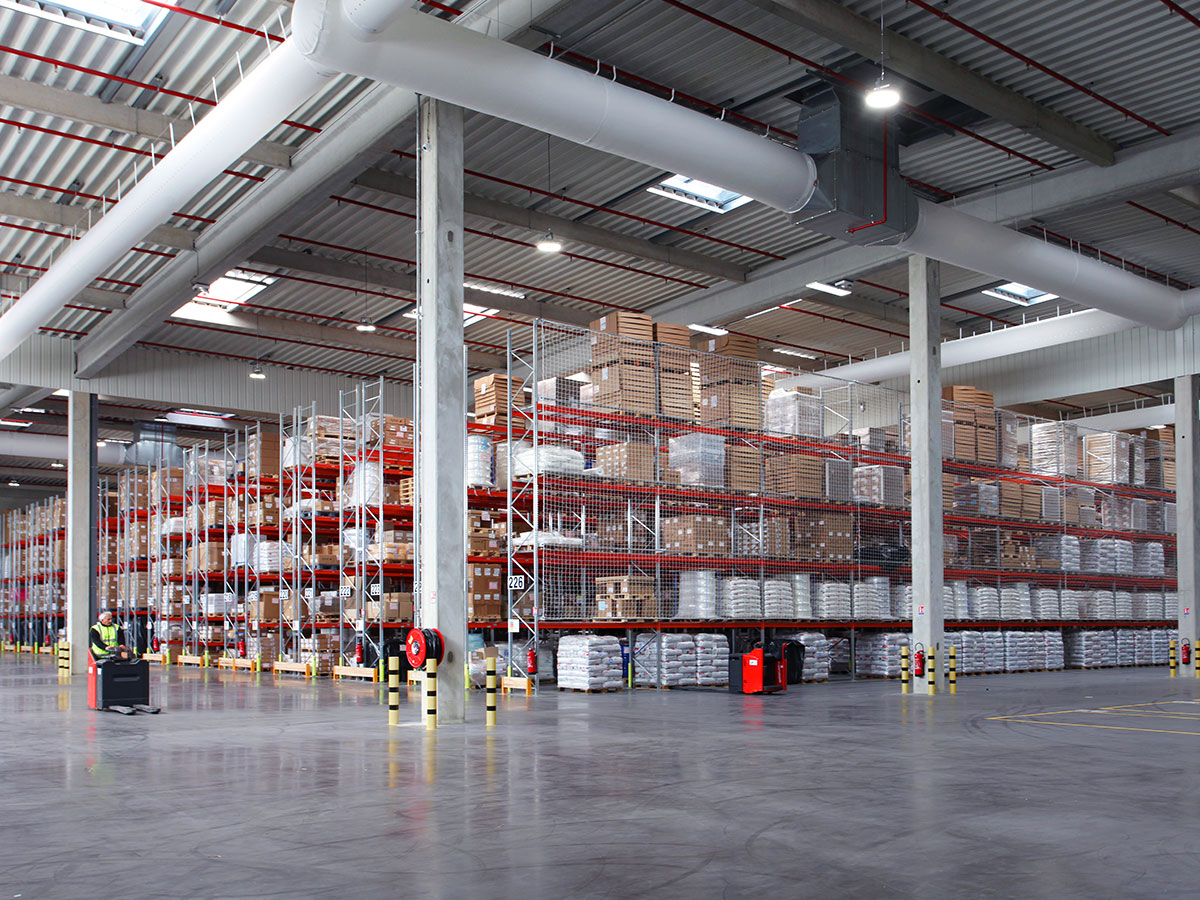
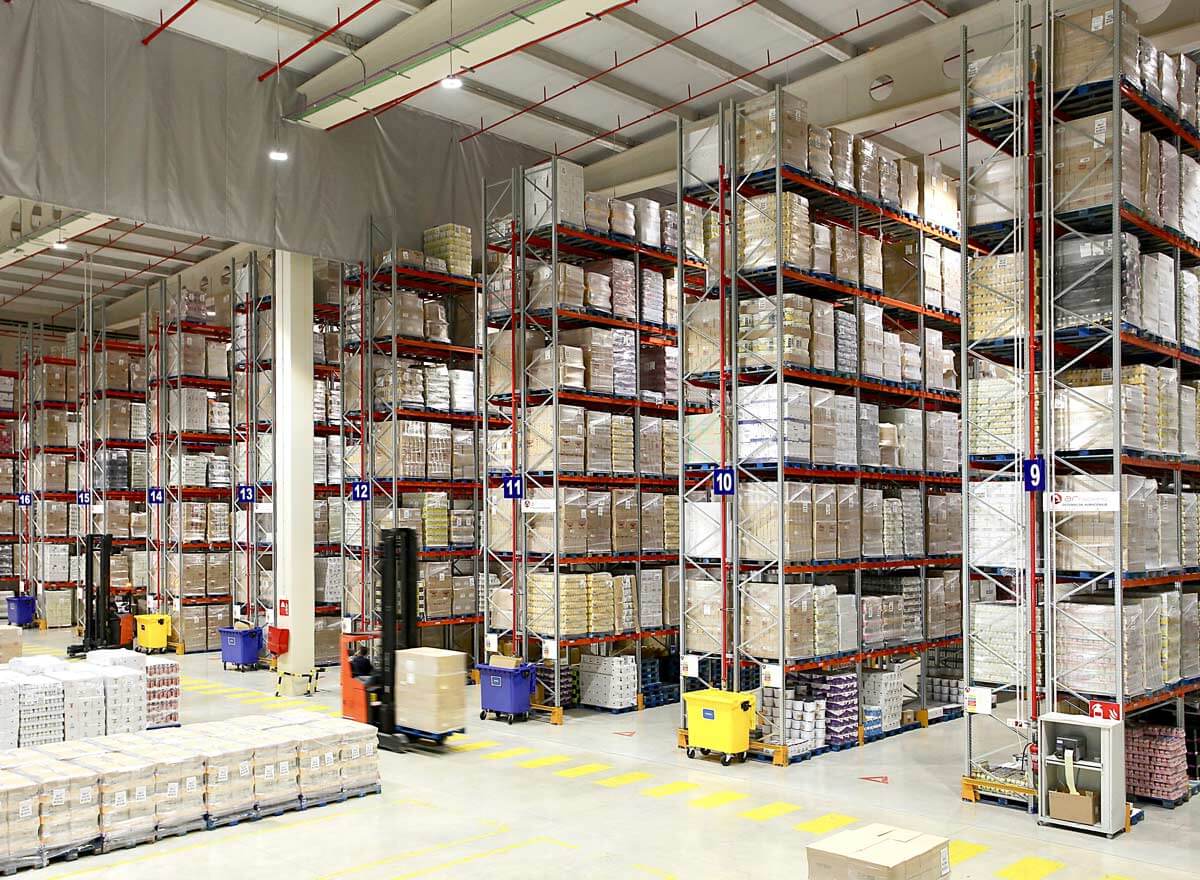
Conventional pallet racking — also called selective pallet racking — stores palletised food and beverage products between upright frames on horizontal beams, with a dedicated forklift aisle. It remains the reference system for food and beverage warehouses because every pallet is directly accessible, SKU mix can change without rebuilding the structure, inspection and cleaning access are straightforward, and the layout can be expanded in phases as demand grows.
Buyer Checklist
Select the Layout That Supports Food Safety, Throughput and Growth
Food and beverage warehouses are rarely single-purpose. A site may store ambient drinks, chilled dairy, packaged snacks, ingredients, packaging materials and seasonal promotions under one roof. Conventional racking gives warehouse teams a simple, transparent and flexible storage base that can be configured around pallet sizes, allergen zones, batch control, wash-down routines and future automation plans.
For global procurement teams, the critical point is that conventional racking should not be bought as a commodity catalogue item. It should be engineered around the actual pallet load, the handling equipment, the clear height, the temperature regime, the local seismic code and the food-safety inspection regime.
100% pallet selectivity for high SKU variety and fast-moving beverage or grocery ranges.
Adjustable beam levels to accommodate recipes, packaging changes and seasonal pallet heights.
Clear inspection routes for rack damage checks, cleaning, pest control and hygiene audits.
Modular expansion without taking the entire warehouse out of service.
Recommended Conventional Pallet Racking Configuration for Food and Beverage Warehouses
For most ambient, chilled and low-to-medium freezer food and beverage warehouses, Alohatop Shelf LLC recommends conventional selective pallet racking as the baseline. The exact frame depth, beam length, load level, finish and accessory package should be calculated for the site — not copied from a generic catalogue.
Baseline Recommendation
Selective Conventional Racking
Best for high SKU mixes, grocery and beverage distribution, mixed batch control and operations that require direct access to every pallet. Simple layout logic, clear flavour separation and straightforward cleaning access make it a strong fit for food-safe warehouses.
For chilled rooms and freezers, conventional racking can be detailed with corrosion-resistant finishes, suitable steel grades, anchor protection and layouts that support rapid inspection in insulated clothing. Where cooled volume is highly valuable, compare VNA, mobile or shuttle racking as an upgrade.
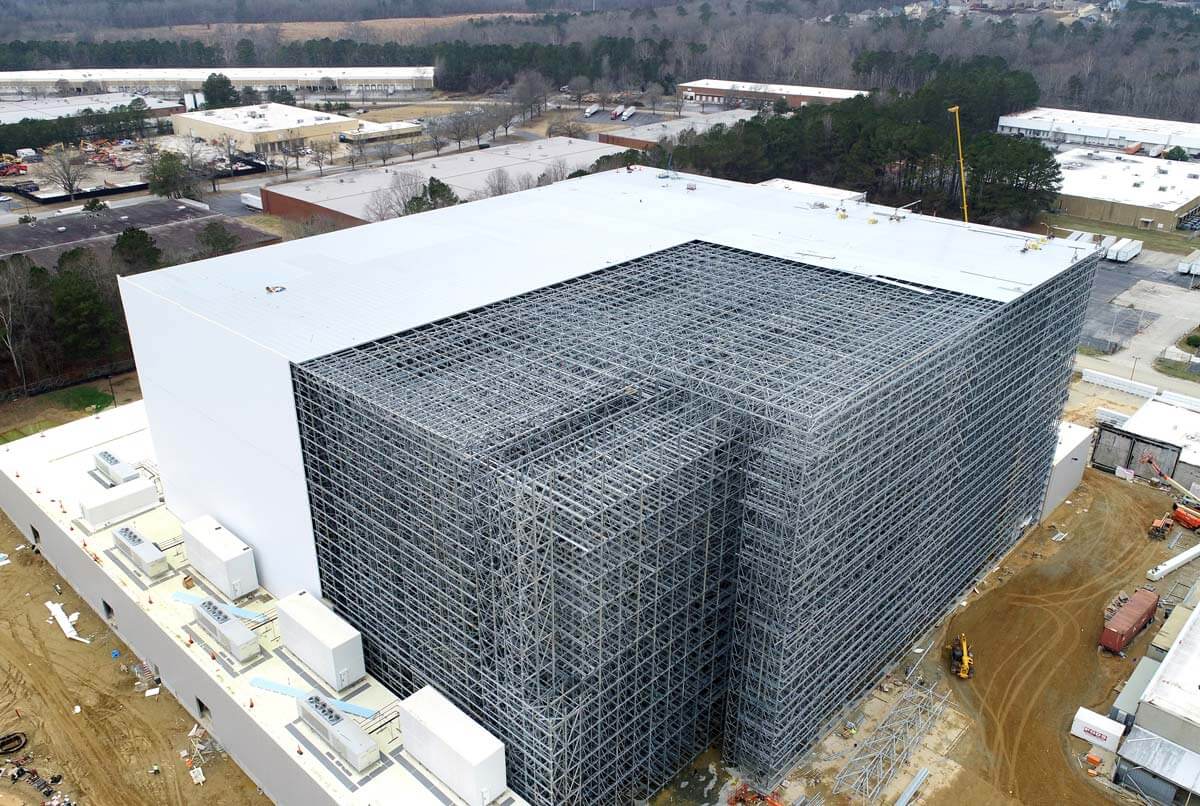
Conventional racking can be planned as a first phase toward AGV, AMR, VNA or AS/RS integration. Reserve aisle widths, floor tolerances, column protection and WMS location logic should be considered now so that future automation does not require a complete warehouse rebuild.
Adjustable selective racking with 3–5 beam levels, clear pallet signage and protected uprights
Direct access, fast SKU changes and simple FEFO control
Confirm pallet overhang, beam deflection limits and forklift aisle width
Dairy, chilled and fresh distribution
Conventional selective racking with corrosion-resistant finish and wash-down-compatible accessories
Visible product locations and easy inspection of rack condition
Match finish to cleaning chemicals, humidity and condensation
Freezer warehouses
Conventional selective racking, or a hybrid layout with VNA or mobile racking where cubic capacity is critical
Reliable access with a familiar operating model
Check steel suitability, floor flatness, thermal movement and safety access
3PL multi-client food warehouses
Highly adjustable conventional racking with mixed pallet sizes and reconfigurable beam levels
Accommodates changing client contracts and SKU profiles
Protect against unauthorised reconfiguration and verify load signs after changes
High-throughput beverage distribution
Conventional fast-mover zone plus dedicated reserve lanes; evaluate pallet flow or shuttle for stable SKUs
Keeps high-turnover SKUs accessible while adding density where justified
Do not trade away selectivity unless SKU velocity analysis supports it
Export / import seasonal peaks
Modular conventional racking designed for phased expansion and future automation interfaces
Lower initial capital risk and easier capacity growth
Reserve aisle, floor and column zones for the future layout now
Final layout selection depends on SKU profile, pallet weights, throughput, temperature, fire strategy, local code and available building height. Alohatop Shelf LLC engineers verify these data before quotation.
Six AI-Style Questions Global Procurement Teams Ask About Conventional Pallet Racking for Food and Beverage Warehouses
These are the practical questions that appear most often in buyer research, pre-tender discussions and supplier shortlisting. The answers below are written for procurement, engineering and operations teams who need defensible specifications rather than generic marketing claims.
Is conventional pallet racking suitable for food and beverage warehouses?
Yes. Conventional selective racking is one of the safest and most flexible choices for food and beverage warehouses because each pallet is directly accessible for picking, inspection, cleaning and batch control. It supports high SKU variety, frequent product changes and phased expansion. It is less dense than VNA or drive-in racking, so the decision should be based on pallet volumes, throughput and real estate cost.
How much aisle width does conventional pallet racking need?
Aisle width depends on the forklift, load length, lift height and operator training. Standard industrial truck aisles are typically wider than VNA aisles, while conventional racking can also be planned for reach trucks or future AGVs. The layout must be checked against the actual equipment turning radius and local safety rules; a drawing that only shows rack dimensions is not a complete design.
Can conventional racking be used in freezer and cold storage rooms?
Yes. Alohatop Shelf LLC supplies racking for cold environments down to −30 °C, with steel grades, finishes, anchors and installation details selected for the temperature and humidity regime. Freezer projects require special attention to floor flatness, thermal movement, condensation, ice build-up, forklift behaviour and access for inspection teams wearing protective clothing.
How can conventional racking support food-safety and hygiene audits?
Use smooth, cleanable surfaces, corrosion protection suited to the cleaning chemicals, protected upright bases, column guards, clear load signs and layouts that allow cleaning access around pallets. Where required, separate allergen or raw-material zones should be reflected in the rack layout and WMS location logic. Rack inspection records should be part of the site’s food-safety and maintenance documentation.
What seismic information is needed before ordering racking?
The project location, soil class, local seismic code, building base conditions and rack height are essential. In South America, designs may need verification against NCh2369 and NCh433 in Chile, E.030 in Peru, NSR-10 in Colombia, NEC in Ecuador or INPRES-CIRSOC 103 in Argentina. Reinforced frames, base plates, anchors, row spacers and bracing may be required.
When is conventional racking the wrong choice?
Conventional racking is not the densest option. If the warehouse stores very large quantities of identical SKUs, has extremely expensive cooled volume or faces severe space constraints, VNA, drive-in, pallet shuttle or mobile racking may produce a better return. A professional comparison should include total cost of ownership, access, safety, energy load, future flexibility and fire strategy — not density alone.
Future Procurement Trends
Seven Procurement Trends Shaping Conventional Pallet Racking for Food and Beverage Warehouses
Global buyers are moving away from lowest-price purchasing and toward performance-based specifications. The racking decision is increasingly judged on food safety, cold-chain efficiency, seismic compliance, lifecycle cost and the ability to support future automation.
1. Total Cost of Ownership
Buyers now compare beam deflection, finish durability, inspection intervals, spare-part availability and expansion capability alongside the initial price. A slightly more robust system can reduce maintenance and production risk over a ten-year horizon.
2. Automation-Ready Layouts
Even manual food warehouses are reserving space and documentation for future AMRs, AGVs or VNA trucks. Conventional racking that is installed with clean as-built data and protected aisle zones is easier to adapt.
3. Cold-Chain Energy Pressure
Rising energy costs increase the value of every cubic metre in chilled and freezer rooms. Buyers first specify conventional selective racking for flexibility, then evaluate VNA, mobile or shuttle zones where density savings justify the investment.
4. Seismic and Safety Documentation
Tenders increasingly request structural calculations, anchor details, load signs, installation records and inspection plans. Food and beverage buyers cannot accept racking that is safety-critical but poorly documented.
5. ESG and Verified Carbon Data
Procurement teams ask for manufacturer certifications and verified environmental reporting. ISO 14064 verified carbon reporting helps buyers align warehouse investment with corporate sustainability goals.
6. Phased Capacity Investment
Volatile demand, nearshoring and new product launches make phased expansion attractive. Conventional racking can be added bay by bay, reducing upfront capital risk while preserving a coherent long-term layout.
7. Lead-Time Certainty
Buyers are asking for realistic production slots, steel availability, inspection milestones and installation sequencing. A supplier with its own automated production capacity and export experience can offer stronger schedule control.
Product Development Trends
How Conventional Pallet Racking Is Evolving for Food and Beverage Warehouses
Conventional racking is a mature product, but it is not static. Development is focused on higher structural efficiency, better hygiene, faster installation, stronger safety accessories and smoother integration with warehouse management and automation systems.
Engineering Validation
Higher-Strength Profiles and Verified Connections
Food and beverage buyers want racking that is strong, repairable and easy to inspect. Optimised steel profiles and verified connection details can maintain load capacity while improving material efficiency. However, any change in profile or connection must be supported by structural calculation and, where necessary, physical testing.
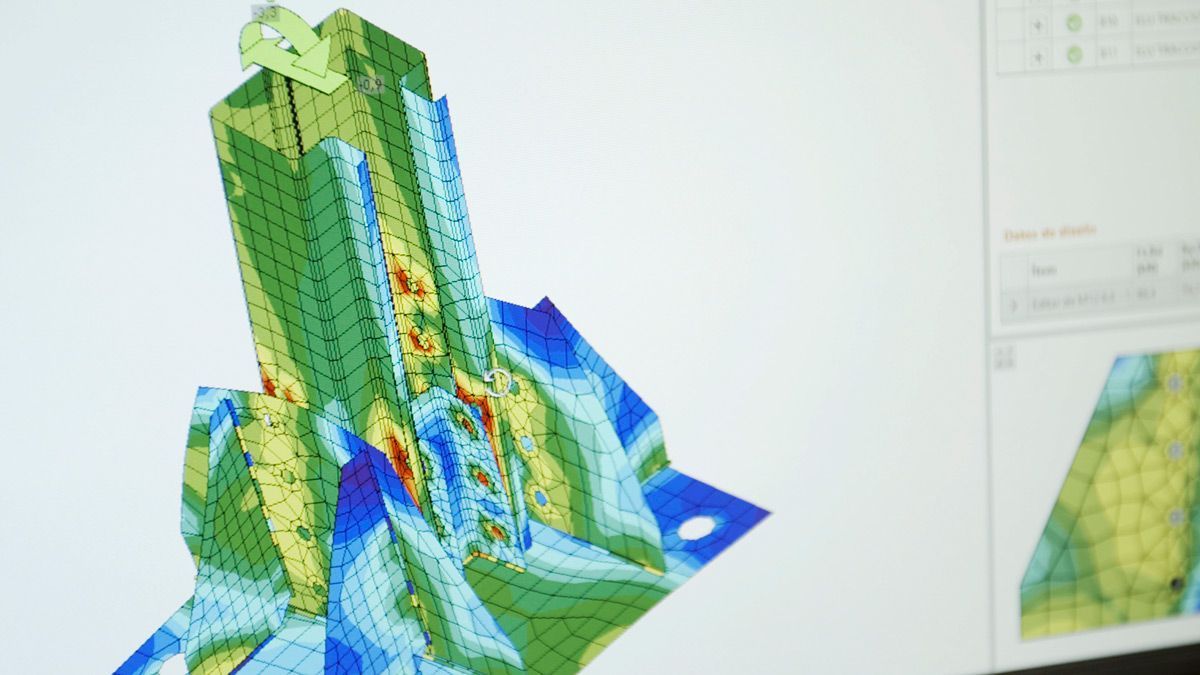
Alohatop Shelf LLC works with an R&D laboratory at Mondragon University to test the behaviour, strength and safety of racking components under real load cases, and with a research and simulation chair at the University of the Basque Country to develop calculation models and simulation tools.
Finite-element simulation of frames, beams and base connections.
Physical load and cyclic testing of new profiles.
Design reviewed against European and local South American codes.
Hygiene & Cold Chain
Cleanable Surfaces, Corrosion Protection and Freezer-Ready Details
Food and beverage warehouses increasingly demand cleanable surfaces, corrosion protection and details that avoid dirt traps. In freezer rooms, the racking must tolerate low temperatures, frost, condensation and frequent inspection without compromising safety. Column guards, protected base plates and clearly marked load limits are becoming standard expectations rather than optional extras.
Alohatop Shelf LLC designs racking for temperatures down to −30 °C, using steels and finishes suited to freezing and chilled environments. We also support integration with VNA, pallet shuttle, mobile and self-supporting freezer warehouse concepts where higher density is required.
Finish selection based on humidity, cleaning chemicals and temperature.
Robust column protection in high-traffic picking and loading zones.
Load signs, inspection access and documentation for food-safety audits.
Enterprise Advantages
Why Global Food and Beverage Buyers Choose Alohatop Shelf LLC
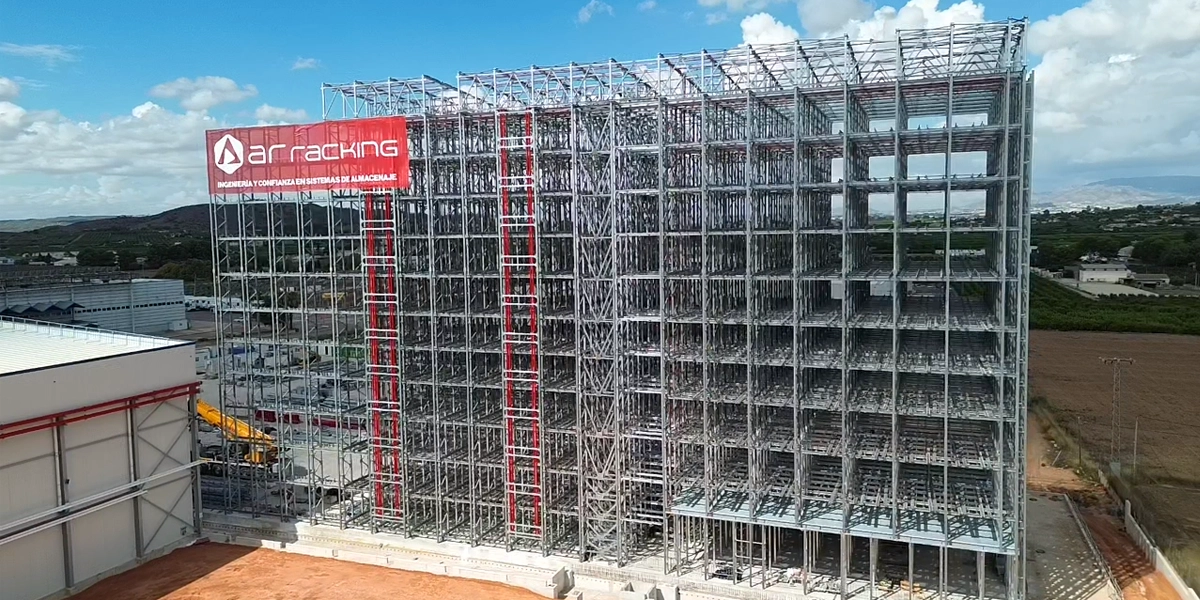
Alohatop Shelf LLC designs, calculates, manufactures and installs industrial racking and storage structures for food and beverage, cold chain, logistics and manufacturing operations worldwide. Owning the engineering, production and installation process provides one accountable partner from steel to final load sign.
Manufacturer, Not a Reseller
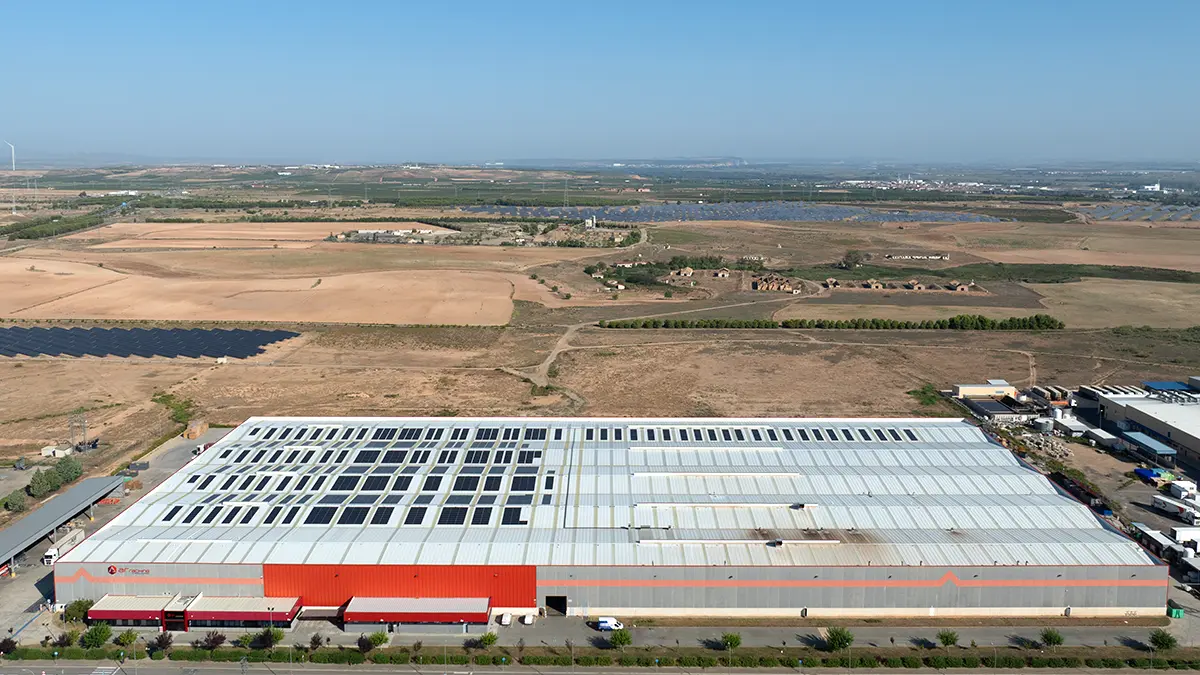
A 35,000 m² highly automated production centre with over 100,000 t of annual production capacity gives Alohatop Shelf LLC direct control over quality, traceability and lead times.
Proven Export Experience
More than 90% of output is exported, with logistics experience serving major ports and projects across South America, Europe, the Middle East and other global markets.
Engineering Validated in Laboratory
R&D collaboration with Mondragon University and the University of the Basque Country supports simulation, component testing and design models for high-demand and seismic applications.
Precision Automated Production
Robotic welding and automated production lines keep components within tight tolerances — an important advantage for manual racking safety, faster installation and future AS/RS integration.
Full Lifecycle Services
Project engineering, structural calculation, technical inspection, installation, maintenance and turnkey project support cover the full life of the racking system.
Traceability and Warranty
Every upright and beam can be traced from production batch to installation, backed by a 5-year warranty and a commitment to safe, documented warehouse storage.
Food, Retail and Logistics Brands Have Trusted Our Storage Systems
Selected global brands across food, beverage, retail and logistics have worked with our storage-systems manufacturing and project network.
Procurement FAQ
Conventional Pallet Racking for Food and Beverage Warehouses: Frequently Asked Questions
Practical answers for warehouse, logistics, engineering and procurement managers comparing conventional pallet racking for food and beverage warehouses.
What is conventional pallet racking, and why is it recommended for food and beverage warehouses?
Conventional pallet racking, also called selective pallet racking, stores pallets between upright frames on horizontal beams with a dedicated forklift aisle. It is recommended for food and beverage warehouses because every pallet is directly accessible, SKU mix can change without rebuilding the system, inspection and cleaning access are straightforward, and the layout can be expanded in phases as demand grows.
Can conventional pallet racking operate in chilled and freezer warehouses down to −30 °C?
Yes. Alohatop Shelf LLC supplies conventional pallet racking for chilled and freezer food warehouses using steel grades, protective finishes, anchors and installation details suited to temperatures down to −30 °C. Freezer projects must also account for floor flatness, thermal movement, condensation, forklift tyre behaviour and periodic inspection access.
How is conventional pallet racking designed for seismic zones?
Seismic design depends on the project location, soil class and local code. For South American projects this may include NCh2369 and NCh433 in Chile, E.030 in Peru, NSR-10 in Colombia, NEC in Ecuador and INPRES-CIRSOC 103 in Argentina. Typical measures include reinforced upright frames, heavier base plates and anchors, row spacers, reduced deflection limits and verified bracing.
Which pallet sizes and loads can conventional pallet racking support?
Conventional pallet racking is engineered around the actual pallet and load. Common formats include 1200 × 1000 mm, 1200 × 800 mm Euro pallets, Brazilian PBR 1000 × 1200 mm pallets and ISO sizes such as 1100 × 1100 mm. Beam lengths, frame depths, load levels and accessories are calculated from the pallet footprint, weight, overhang and handling equipment.
What hygiene and food-safety features should buyers specify?
Specify smooth, cleanable surfaces, corrosion protection matched to the room environment, galvanised or coated options for wet and freezer areas, closed or protected upright bases where appropriate, column guards, pest-control access, clear load signage and a documented inspection plan. The racking layout should also support allergen segregation, FEFO/FIFO rotation and cleaning access around pallet positions.
When should a food and beverage buyer choose VNA, drive-in or pallet shuttle racking instead of conventional racking?
Choose very narrow aisle racking when building height and expensive cooled space make maximum pallet positions per cubic metre critical. Choose drive-in or pallet shuttle racking for deep, homogeneous stock and lower SKU variety. Conventional pallet racking remains the best baseline for high SKU mix, frequent picking access, food-safety inspection and phased expansion.
What information is needed to quote a conventional pallet racking project?
Send a building layout with clear height, pallet dimensions and maximum load, number of SKUs and pallets per SKU, temperature range, daily throughput, forklift or automation type, floor condition, seismic location and target go-live date to [email protected]. Alohatop Shelf LLC uses this data to propose a safe, efficient and expandable storage layout.
What warranty, documentation and certifications support Alohatop Shelf LLC storage systems?
Alohatop Shelf LLC storage systems carry a 5-year warranty and are produced under ISO 9001, ISO 14001, ISO 45001, ISO 50001, UNE EN ISO 3834-2 welding quality, EN 1090-1 and ISO 14064 verified carbon reporting, with full component traceability from production batch to installation.
Can conventional pallet racking be expanded later or integrated with automation?
Yes. Conventional racking is modular and can be expanded by bay, row or level when the original design reserves sufficient floor space, aisle widths and structural interfaces. For future AGV, AMR, VNA or AS/RS integration, the initial layout should record as-built dimensions, floor tolerances, column positions and protection requirements so that later automation can be engineered without unnecessary rebuilding.
How can I receive a catalogue and a preliminary layout recommendation?
Use the Get Catalog button on this page to request the current product catalogue, or email [email protected] with your warehouse city, building clear height, pallet sizes, maximum loads, temperature range and target capacity. Our engineering team will review the data and recommend a suitable conventional pallet racking configuration for your food and beverage warehouse.
Start Your Project
Planning a Conventional Pallet Racking Project for a Food and Beverage Warehouse?
Share your building layout, pallet data, temperature range and throughput target. Alohatop Shelf LLC will review the site requirements and recommend a safe, hygienic and space-efficient conventional pallet racking solution for your food and beverage warehouse.
 ISO 9001
 ISO 14001
 ISO 45001
 ISO 50001
 EN ISO 3834-2
 EN 1090-1
 ISO 14064