Protect people and inventory
Inspection identifies impact damage, unsafe configuration and missed maintenance before it affects operators, stock or uptime.
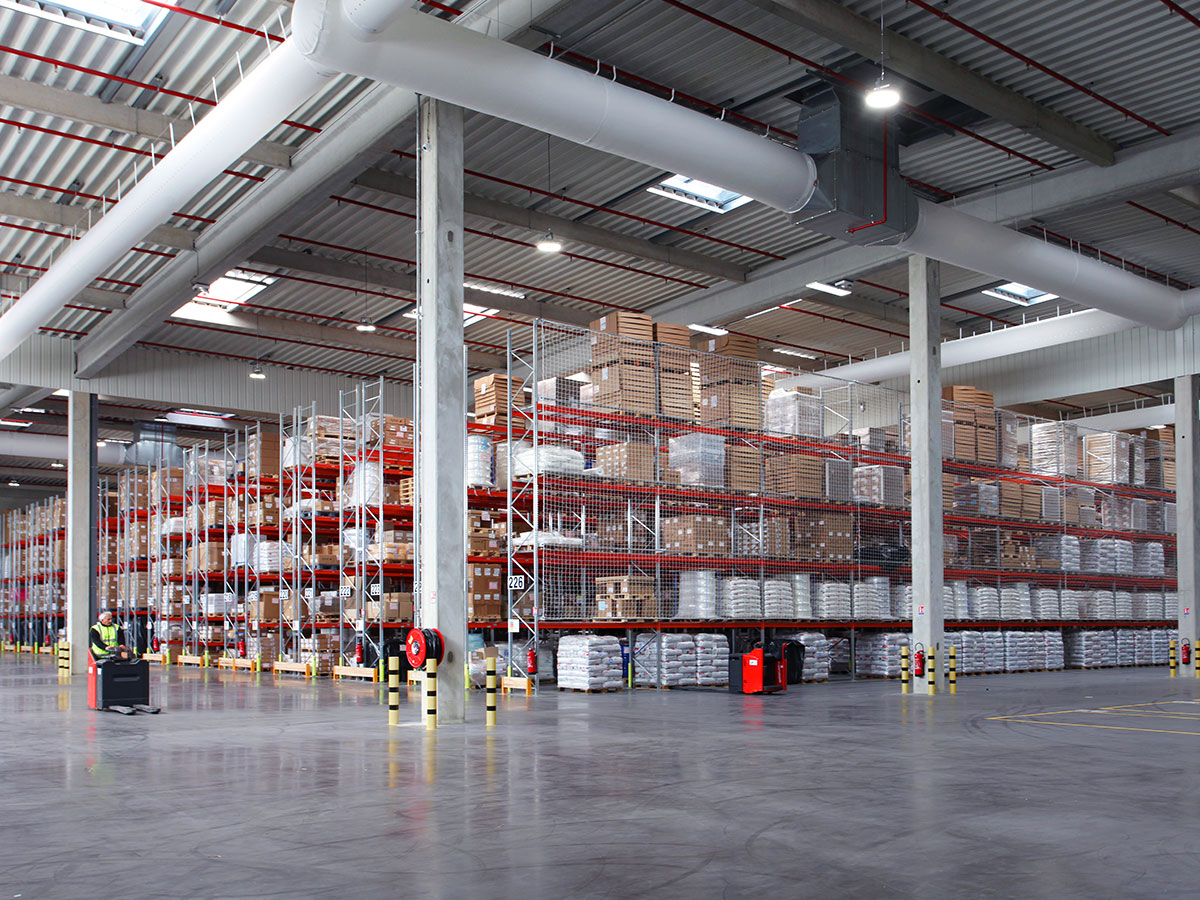
Pallet racking is structural equipment. Forklift impacts, corrosion, loose anchors and missing safety locks can reduce capacity long before a visible failure occurs. Alohatop Shelf LLC provides technical inspections for warehouses in South America, helping operations, procurement and EHS teams understand the real condition of their storage systems.
Inspection identifies impact damage, unsafe configuration and missed maintenance before it affects operators, stock or uptime.
A written inspection trail helps demonstrate that racking is monitored, damage is recorded and corrective actions are prioritized.
Findings separate immediate risks from planned repairs, so maintenance budgets and spare-part purchases are directed to the right work.
Each inspection is adapted to the racking type, building environment, load profile and local site rules. Typical checks include the points below, supported by photo evidence and component references.
Checks for bends, dents, cracks, loose bracing, deformed base plates and overload indicators.
Review of beam condition, connector engagement, safety pins, beam locks and deflection.
Anchor tightness, concrete condition, floor cracks and signs of base-plate movement or corrosion.
Verticality, row alignment, frame spacing and beam deflection compared with practical tolerances.
Visible fork impacts, rust hotspots, damaged protectors and parts exposed to moisture or cold-store conditions.
Verification that load signs are present, legible and consistent with the installed configuration and pallet types.
Guide rails, corner protectors, operating clearances and vulnerable locations near forklift traffic.
Checks adapted to freezer warehousing, condensation, high-bay racking and automated storage structures.
The process is designed for operational warehouses: minimal disruption on site, clear evidence in the report and practical actions that can be scheduled by your maintenance team.
We review layout, rack type, load data, building conditions and known impacts so the inspection is scoped correctly.
Inspectors walk the warehouse, check safety-critical components and record findings by rack, bay or location.
Findings are documented with photos, severity ratings and recommended actions for immediate and planned works.
Your team can prioritize repairs, component replacement, load restrictions or a follow-up inspection to close risks.

You receive a concise inspection report that can be shared with operations, engineering, procurement, EHS and international buyers. Reports are prepared in English and can be organized around your site naming, zones and maintenance priorities.
To discuss a scope, send your warehouse location, racking type, approximate footprint and known damage to [email protected].
Our inspections use recognized industry references where appropriate, together with manufacturer instructions, load signage and the site's own risk-management requirements.
| Reference | What it supports | How Alohatop Shelf LLC applies it |
|---|---|---|
| EN 15635 | Rack safety, inspection and damage control | Organizes visual checks, damage classification and inspection-interval recommendations for pallet racking. |
| FEM 10.2.02 | Racking design, use and maintenance principles | Helps review component fit, tolerances and the appropriate repair approach for damaged racking. |
| Manufacturer load data | Safe load capacity and rack configuration | Checks beam capacities, level load signs and whether pallet placement follows the intended configuration. |
| ISO 9001 process controls | Quality, traceability and evidence management | Documents findings and corrective actions in a consistent workflow for audit and maintenance review. |
| Local codes and site rules | Seismic, fire, labor and building requirements | Works with site teams to align the inspection scope with destination-country requirements and internal EHS procedures. |
Inspections support, but do not replace, the site's statutory obligations, risk assessments or engineering verification. Final compliance decisions remain with the warehouse operator and its qualified local advisers.
From high-throughput logistics hubs to freezer warehouses and production plants, inspection criteria are adjusted to how the racking is actually used.
Frequent forklift movements and multi-client operations increase the risk of impact damage and undocumented layout changes. Inspection helps maintain safe aisles, clear damage records and reliable storage capacity.
Condensation, ice build-up, moisture and restricted maintenance windows require focused checks on corrosion, anchors, component condition and safe access in low-temperature environments.
High-bay and automated warehouses need close attention to plumb, deflection, component integrity and clearance, because small deviations can affect equipment performance and safety.
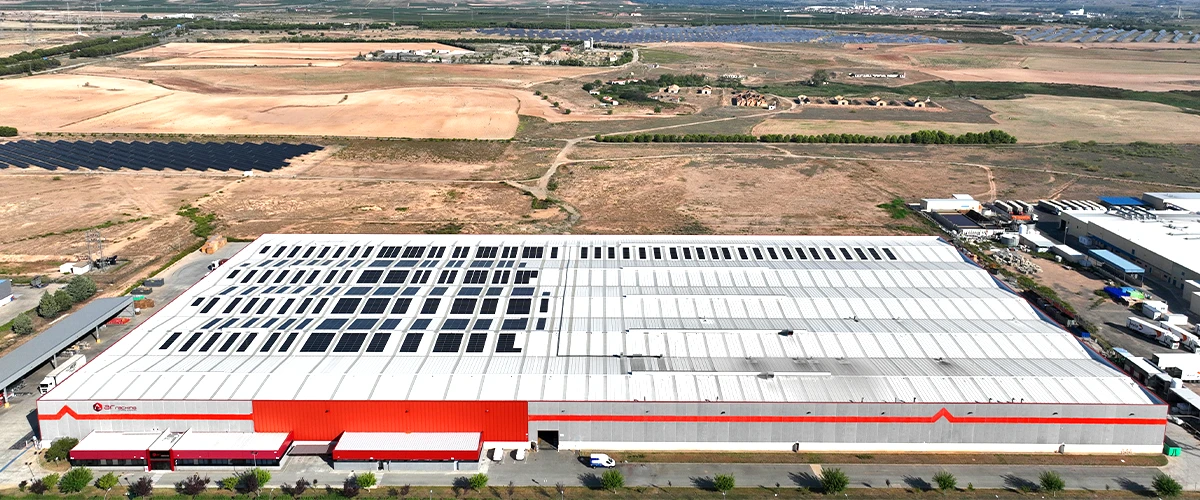
Alohatop Shelf LLC works with industrial racking design, manufacture, installation and maintenance. That background helps us interpret damage in context: what is cosmetic, what affects load capacity, what needs immediate attention and what can be planned safely.
Common questions from warehouse operators, 3PLs, EHS teams and international procurement departments.
Most warehouse operations should arrange an expert inspection at least annually, and additionally after a forklift impact, a storage layout change, a near miss or any suspected overload. Inspection frequency should reflect traffic, rack height, environment and site risk. Alohatop Shelf LLC can recommend an inspection interval based on observed conditions.
A rack safety inspection reviews uprights, beams, bracing, base plates, anchors, safety locks, clearances, plumb, impact damage, corrosion, load signage and pallet condition. Findings are recorded with component references, photo evidence and recommended corrective actions.
Yes. The inspection scope can be adapted to selective, double-deep, drive-in, pallet flow, push-back, very narrow aisle, mobile, pallet shuttle, self-supporting and automated rack structures.
The report can include rack or bay references, photo evidence, severity classification, component-level observations, load signage checks, recommended corrective actions and suggested re-inspection or maintenance priorities. Reports can be prepared in English for international procurement, engineering and EHS teams.
The inspection can be used to define a repair and replacement plan. Alohatop Shelf LLC can support component supply and engineering review where needed, while the inspection report remains a technical assessment for the site team to act on.
Send the warehouse location, approximate racking footprint, racking system type, building height, load data and any known impact damage to [email protected]. If drawings and load signs are available, include them so the inspection can be planned efficiently.
Share your warehouse location, racking type, approximate footprint and any known impact damage. Our engineers will help define a practical inspection scope for your site in South America.