0%

Choosing the best Pallet Storage Racking System in China starts with the work your warehouse actually does. A busy distribution center with narrow aisles needs different storage than a factory holding heavy, slow-moving loads. The right choice should fit pallet dimensions, forklift access, inventory turnover, building height, and floor conditions.

Supply-chain scholar Martin Christopher describes logistics management as planning and coordinating activities “to achieve desired levels of delivered service and quality at lowest possible cost.” That principle matters here. A rack that holds more pallets may still be a poor fit if it slows picking or blocks replenishment. Measure the operation, not just the steel.

Details matter. Check beam capacity, upright protection, aisle width, installation quality, and access to replacement parts. Ask suppliers for load data and project references, then verify that their proposed layout matches your site measurements. A drawing can look tidy while leaving a forklift short of turning space.

There is no universal winner. Selective racking offers direct access to each pallet, while drive-in, shuttle, and automated systems trade access for greater density or throughput. China’s manufacturers offer many configurations, but supplier claims deserve careful review. A low quote can omit installation, inspection, or future changes. That is easy to miss.

This guide compares common systems, explains where each works best, and highlights questions to ask before buying. It also considers a limitation buyers sometimes overlook: the most space-efficient design may not be the easiest to operate safely every day. A practical choice balances capacity, workflow, budget, and room to adapt.
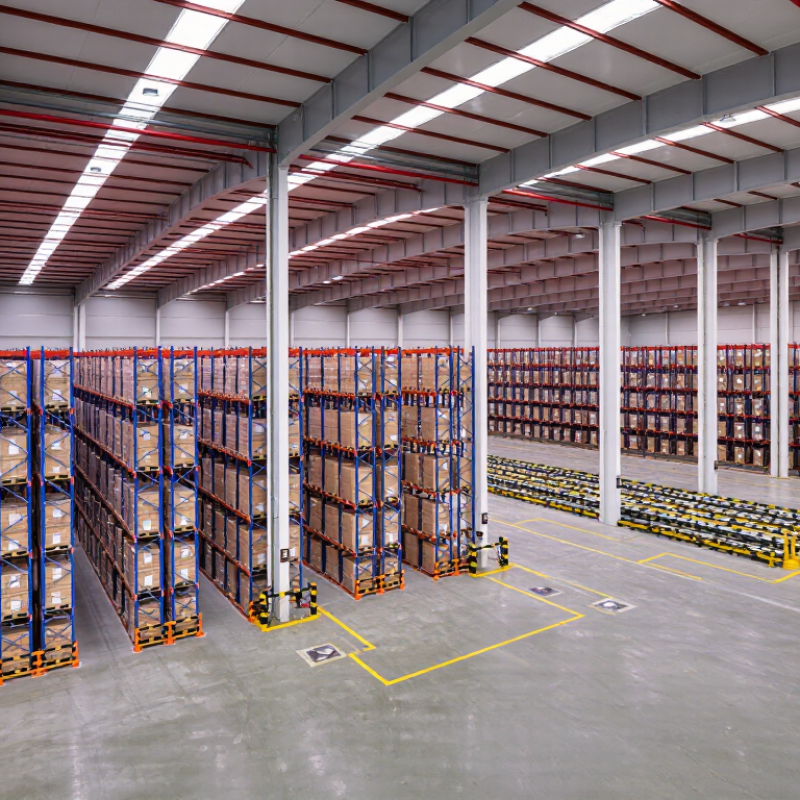
What Is the Best Pallet Storage Racking System in China?

What Is a Pallet Storage Racking System?

What Is the Best Pallet Storage Racking System in China?

What Is a Pallet Storage Racking System?

A pallet storage racking system is a steel structure that holds palletized goods above the floor. Upright frames support horizontal beams, creating bays for forklift access. Unlike floor stacking, racks make vertical space usable and help workers locate stored loads. Selective racks offer direct access to each pallet; drive-in and push-back designs store more pallets in less floor space but limit access. No single layout suits every warehouse.

Choosing a system starts with real operating details: pallet dimensions, load weight, inventory turnover, forklift turning space, and floor conditions. A beam level must match the load, not just the pallet size.

MHI’s 2024 Annual Industry Report states that 88% of surveyed supply-chain leaders planned to invest more than $1 million in supply-chain technology over five years. That trend makes it sensible to coordinate rack layout with inventory systems, though technology spending alone cannot validate a design.

Small details matter.

Tips: Measure loaded pallets, including overhang, and record the heaviest load. Ask a qualified local engineer to check rack capacity, anchoring, and site conditions. Keep load signs visible. I would also review the layout after a few weeks of actual forklift traffic; a drawing can miss awkward turns.

Which Pallet Racking Types Are Commonly Used in China?

Chinese warehouses commonly use selective, double-deep, drive-in, push-back, pallet-flow, and automated storage-and-retrieval systems. Selective racks suit mixed products because forklifts can reach each pallet directly, though wider aisles use valuable floor space. Double-deep racks store pallets two positions deep, but require suitable trucks and careful stock rotation. Drive-in racks suit large quantities of a few products; loading order matters. Push-back and pallet-flow systems increase storage density, but rails and rollers need regular inspection. Small details matter.

The China Federation of Logistics and Purchasing reported that China’s total social logistics value reached RMB 352.4 trillion in 2023, up 5.2% year on year. Its report also put social logistics costs at 14.4% of GDP. These figures describe logistics activity, not pallet-rack market share—a distinction worth keeping clear. In practice, rack choice depends on SKU variety, pallet dimensions, forklift turning space, and stock rotation. A cold store may favor compact storage, while a high-throughput operation may need fast pallet access. Automated systems can reduce routine forklift travel, but they also demand reliable controls and maintenance. No single layout fits every building.

What Is the Best Pallet Storage Racking System in China?

Common pallet racking types compared by typical storage density and pallet selectivity

Ratings are qualitative comparisons of typical system characteristics, not market-share figures or measured survey results. Selective racking suits operations needing direct access to every pallet; drive-in, shuttle, and other high-density systems can suit larger quantities of fewer SKUs. The best choice depends on SKU count, throughput, available space, and FIFO or LIFO requirements.

How Do You Assess Storage Capacity, Space, and Access Needs?

Assess pallet storage by recording pallet dimensions, loaded height, weight, SKU count, and peak inventory—not just average stock. Measure clear building height, columns, sprinklers, lighting, doors, and forklift turning space. A plan that fits on paper may fail when a long load meets a tight aisle. It happens.

MHI’s 2024 Annual Industry Report found that 55% of surveyed supply-chain professionals planned to adopt robotics and automation within five years. That trend makes access planning important: check whether equipment can reach each pallet position, and whether picking frequency suits selective or higher-density storage. High density can increase capacity, but it may also restrict access. Model busy-season inventory and replenishment routes before choosing a layout.

Tips: Mark aisle widths on the floor and test the turning path with the actual forklift. Confirm rack loads with a qualified designer, using real pallet weights and beam spans. Leave room for damaged pallets and uneven stock; those details are easy to overlook. Recheck assumptions after a trial layout.

What Safety and Compliance Factors Should Buyers Consider?

What Is the Best Pallet Storage Racking System in China?
What Safety and Compliance Factors Should Buyers Consider?

The best system is not simply the one with the highest stated capacity. Buyers should match rack design to pallet dimensions, load weight, forklift type, aisle width, and floor conditions. Ask for clear load tables and drawings showing beam levels, upright frames, and anchoring details. A neat drawing is useful, but it cannot confirm that a warehouse floor is suitable.

Check that the design and installation meet current applicable Chinese standards and local fire and building requirements. Request material specifications, inspection records, and written installation procedures. Confirm that sprinklers, exits, lighting, and forklift routes will remain unobstructed. Small details matter. A few centimeters can affect clearance, access, or safe handling.

Before accepting the system, inspect anchors, beam connectors, locking devices, and visible damage. Train operators to report impacts, bent components, and overloaded bays promptly. Set a regular inspection schedule, and keep repair records. Keep records. In practice, buyers sometimes focus on initial price and overlook future changes in pallet loads or equipment. That is easy to do. Recheck the layout when operations change, and ask a qualified local professional to review uncertain conditions rather than relying on assumptions.

What Is the Best Pallet Storage Racking System in China? - What Safety and Compliance Factors Should Buyers Consider?

Safety or Compliance Factor What Buyers Should Check Useful Evidence or Records Why It Matters
Design loads and configuration Confirm the rated load per beam level and per bay, the pallet dimensions and weight used for design, beam spacing, and the planned number of storage levels. Check that the design reflects the actual goods, handling equipment, and layout. Project-specific layout and design drawings; load calculations; clearly stated load assumptions and limits. Racking capacity depends on the complete configuration. A rating for one arrangement should not be assumed to apply to a different beam spacing, frame height, or load pattern.
Applicable standards and local requirements Ask which current Chinese national, industry, and local requirements apply to the project, and confirm their scope with a qualified local designer or authority. Standards such as GB/T 28576 for industrial storage racks may be relevant; the applicable edition and requirements should be verified. Written standards list; design compliance documents; project approvals or reviews required by the local jurisdiction. Requirements can depend on the building, location, use, and project scope. A standards reference alone does not establish that every local approval has been met.
Structural design and stability Check that upright frames, beams, bracing, connectors, base plates, and anchorage are designed as a system. Confirm that the design considers relevant site conditions, including seismic requirements where applicable. Structural calculations; connection details; anchorage schedule; design assumptions and site-specific criteria. Stable performance depends on compatible components and proper load transfer from the stored goods through the rack and anchors to the floor.
Floor capacity and anchors Verify the floor’s load capacity and condition, including concentrated loads at rack base plates. Check anchor type, embedment, installation method, and suitability for the actual concrete slab. Floor or slab assessment; anchor specifications; installation and inspection records. Even a correctly designed rack can be unsafe if the slab cannot support its reactions or anchors are unsuitable or incorrectly installed.
Installation quality and tolerances Use the approved drawings and installation instructions. Check frame alignment, plumb, beam engagement and safety locks, bracing, anchorage, and any specified installation tolerances before loading. Installation checklist; as-built layout; anchor inspection records; handover sign-off. Misalignment, missing components, or incomplete connections can reduce capacity and stability. Do not load the system until installation checks are complete.
Load notices and operating rules Provide durable, legible notices showing the permitted loads and configuration. Train operators not to exceed stated limits, alter rack components, or place damaged pallets into storage. Load notices at appropriate locations; operating procedures; training records. Clear limits help warehouse staff use the system as designed and avoid unapproved changes or overloading.
Forklift impact protection Review aisle widths, turning clearances, visibility, and the risk of truck impacts. Consider suitable upright guards or end-of-aisle protection without obstructing inspection or changing the rack design. Warehouse traffic plan; equipment and aisle-clearance review; protection layout. Impacts can damage uprights and bracing, potentially reducing the rack’s capacity. Protection should be compatible with the rack and site layout.
Inspection and damage management Set up routine visual checks and a process for reporting, assessing, and isolating damaged areas. Have suspected structural damage assessed by a competent person; do not rely on improvised repairs or unapproved component replacement. Inspection schedule; inspection logs; damage reports; repair or replacement records. Prompt assessment helps prevent continued use of damaged equipment. Inspection frequency and acceptance criteria should follow applicable requirements and the system designer’s guidance.
Fire protection and building coordination Coordinate rack height, storage arrangement, aisles, and any solid shelving or decking with the building’s fire-protection design. Confirm sprinkler coverage, required clearances, and applicable fire-code provisions for the facility. Fire-protection drawings; building approvals; written coordination with the fire-protection designer. Changes to storage height or arrangement can affect fire-protection performance and may require a design review or approval.
Materials, fabrication, and traceability Specify suitable materials and finishes for the environment. Ask how components are identified and how fabrication quality, including welds and coatings where applicable, is checked. Material and coating specifications; quality-control records; component identification or batch records. Traceable specifications and quality checks help buyers verify that supplied components match the approved design and operating environment.
Changes and future expansion Require a design review before changing beam levels, adding bays, replacing components with different parts, or increasing storage loads. Reassess the layout if handling equipment or pallet specifications change. Revised drawings and calculations; change approvals; updated load notices. Changes can affect load distribution, stability, clearances, and the validity of the original design assumptions.

Requirements vary by site and project. Confirm current standards, applicable local rules, and approval needs with qualified professionals and the relevant authorities before purchase, installation, or modification.

How Can You Choose the Best System for a Chinese Warehouse?

Choosing a pallet storage racking system starts with the warehouse’s actual inventory, not a catalogue. Map pallet dimensions, load weights, SKU counts, and daily picks. Measure aisle widths and clear height, too. Measure it first. Selective racking gives direct access to every pallet, which suits mixed SKUs and frequent picking. Drive-in or other high-density layouts can store more pallets in less floor space, but reduce selectivity and require careful forklift planning.

China’s logistics network is demanding: the World Bank’s 2023 Logistics Performance Index ranked China 19th among 139 economies. That context makes reliable stock access and replenishment worth weighing alongside storage density. MHI’s 2024 Annual Industry Report found that 55% of surveyed supply-chain professionals planned to invest in robotics and automation. If automation may be added later, check rack clearances, floor conditions, and equipment compatibility before committing. That trade-off matters.

Compare layouts using a simple site plan and real movement data: pallets received, peak inventory, and picks per SKU. Confirm beam capacity, anchoring, and inspection procedures with a qualified rack engineer. A common planning mistake is maximizing capacity on paper while leaving awkward turning space near dock doors. Not always. Seasonal peaks, uneven floors, or changing pallet sizes can make a seemingly efficient design frustrating in daily use. Start with a layout that fits current operations, but leave room for change.

FAQS

What information should I collect before choosing pallet storage?

Record pallet dimensions, loaded height, weight, SKU count, and peak inventory. Average stock alone can hide busy-season demands.

How can I check whether a layout fits my warehouse?

Measure clear height, columns, sprinklers, lights, doors, and forklift turning space. Mark aisle widths on the floor and test with the actual forklift. It happens.

Does higher-density storage always work better?

Not necessarily. It can increase capacity but restrict access to some pallets. Compare picking frequency, replenishment routes, and peak inventory before deciding.

What should rack drawings and load information show?

Request clear load tables and drawings for beam levels, upright frames, and anchors. Use real pallet weights and beam spans. A drawing is not a floor assessment.

Which safety details should buyers verify?

Check that racks suit the pallet loads, forklift type, aisle width, and floor conditions. Keep sprinklers, exits, lights, and travel routes unobstructed. Small details matter.

What standards should a storage system meet?

Confirm that the design and installation meet current applicable Chinese standards and local fire and building requirements. Ask a qualified local professional about uncertain conditions.

What should I inspect before accepting the installation?

Check anchors, beam connectors, locking devices, and visible damage. Ask for material specifications, inspection records, and written installation procedures.

How should rack safety be maintained over time?

Train operators to report impacts, bent parts, and overloaded bays. Schedule regular inspections and keep repair records. Recheck the layout when loads or equipment change. I would still review trial assumptions.

Conclusion

A Pallet Storage Racking System helps warehouses store palletized goods vertically while keeping inventory organized and accessible. In China, common options include selective pallet racks for direct access to each pallet, drive-in racks for high-density storage, and push-back or shuttle systems for operations that need a balance between capacity and throughput. The right choice depends on the building layout, inventory volume, pallet dimensions, product turnover, and how quickly staff need to retrieve individual loads.

Before selecting a system, assess usable floor space and clear height, then compare storage density with access requirements and handling equipment. Safety should also guide the decision: consider rack load ratings, stable installation, aisle clearance, protective measures, routine inspections, and applicable local requirements. The best system for a Chinese warehouse is one that fits its products and workflow, uses space efficiently, supports safe operations, and can adapt to future changes in inventory or demand.

Ethan Carter

Ethan Carter

Ethan Carter is a professional marketing specialist who helps readers understand the products, services, and expertise of the company he represents. With a strong knowledge of the company’s offerings and the needs they are designed to address, he turns product information into clear, practical......