Product recommendations
8 Pallet Rack Systems for CE-Ready Warehouse Projects
Start with the load, pallet, aisle and documentation requirement — not the catalogue page. These eight factory-direct systems cover selective storage, high-density handling, textile storage, boltless expansion and heavy-duty deck applications. Every project can be supported with layout engineering, structural calculation, welding traceability and installation guidance.
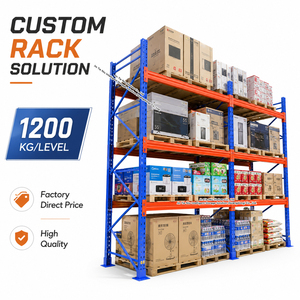
1200KG Steel Heavy Duty Rack Warehouse Pallet Storage Shelving System
A robust entry point for 1,200 kg pallet loads, carton picking and mixed warehouse storage where direct access to every pallet matters.
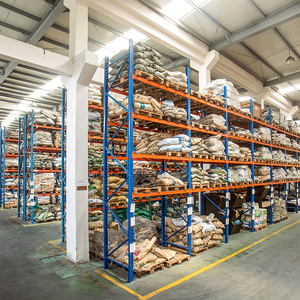
5 Layer Storage Cloth Heavy Duty Pallet Rack Storage for Fabrics 1000KG 2000KG 3000KG Pounds Tons
Five-layer storage for fabric rolls, soft goods and cartons, with load classes from 1,000 kg to 3,000 kg-class duties.
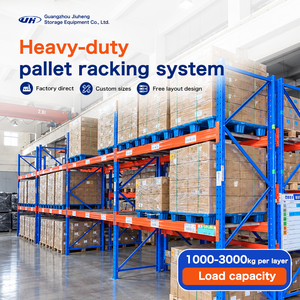
Industrial Steel Heavy Duty Pallet Racking Warehouse Storage System Adjustable Beam High Load Capacity Rack Manufacturer
Adjustable beams and heavy-gauge uprights for project-specific pallet loads, aisle widths and future reconfiguration.
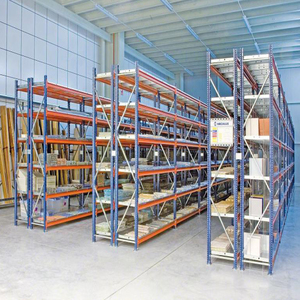
Pallet Racking Heavy Duty Teardrop Racking System 2000KG 2200KG 2200KG 2300KG 2400KG 2500KG Pounds Tons
Teardrop beam connections for fast installation and dependable beam-to-upright engagement in 2,000–2,500 kg-class projects.
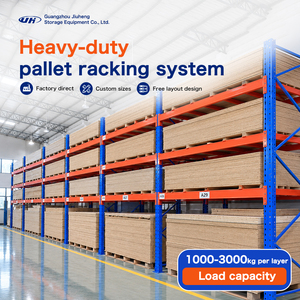
Heavy Duty Pallet Racking System Steel Warehouse Storage Rack Industrial Pallet Rack Adjustable Beam Storage Solution
Selective pallet racking for industrial warehouses that need clear access, adjustable levels and CE-ready documentation.
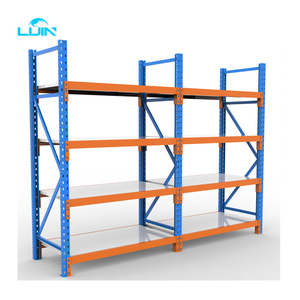
Boltless Adjustable Industrial Heavy Duty Pallet Racking System Warehouse Steel Metal Storage Racks Shelving Units
Boltless adjustable racking for warehouses and distribution centres where installation speed and level flexibility matter.
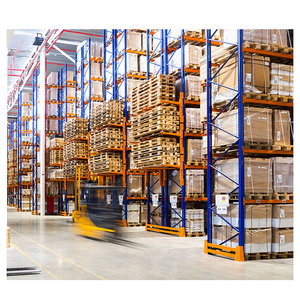
Adjustable Heavy Duty Pallet Rack System Selective Steel Beam Racking for Industrial Warehouse Storage Management
Selective steel-beam racking for high-SKU warehouses, 3PL operations and fast-moving inventory with 100% pallet access.
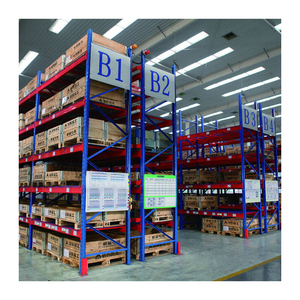
Industrial Pallet Racking System Spliced Steel Drop-Over Deck Panel Warehouse Storage Rack 2000kg Heavy Duty
Spliced drop-over deck panels support awkward loads, small cartons and 2,000 kg heavy-duty storage where pallet support is critical.
Countries with installed storage systems
Warehouse projects delivered across regions
Annual steel production capacity
Of production exported internationally
CE & EN compliance
What “CE Certified Pallet Rack Systems” Should Mean to a Buyer
CE marking is one of the most misunderstood phrases in pallet-rack procurement. For a static steel racking installation, the serious question is not whether a supplier can email a decorative certificate image. The real question is whether the factory works under documented production control, whether the rack is calculated to EN 15512 principles, whether installation and use follow EN 15635, and whether the supplier can hand over design reports, steel certificates, welding records, anchor calculations, load signs and inspection documents.
Alohatop Shelf approaches CE-related projects as an engineering and documentation exercise — not a label exercise. Factory production control is aligned with EN 1090-1, welding quality is managed under ISO 3834-2 principles, and pallet racking structures are dimensioned against the actual pallet, load, aisle, temperature and seismic case. For integrated automation or self-supporting buildings, the rack documentation is prepared in the format required by the integrator, notified body or local authority.
- Calculation package: frame capacity, beam loads, deflection limits, base plates and anchor verification.
- Factory traceability: steel batch, profile, welding and coating records linked to project delivery.
- Seismic review: local code checks for Chile, Peru, Colombia, Ecuador and other active zones.
- Installation control: approved drawings, plumb tolerances, load signage and handover checks.
A credible CE-ready supplier should make these documents part of the commercial offer. That is the information gain that protects the buyer during audits, insurance reviews and future rack inspections.
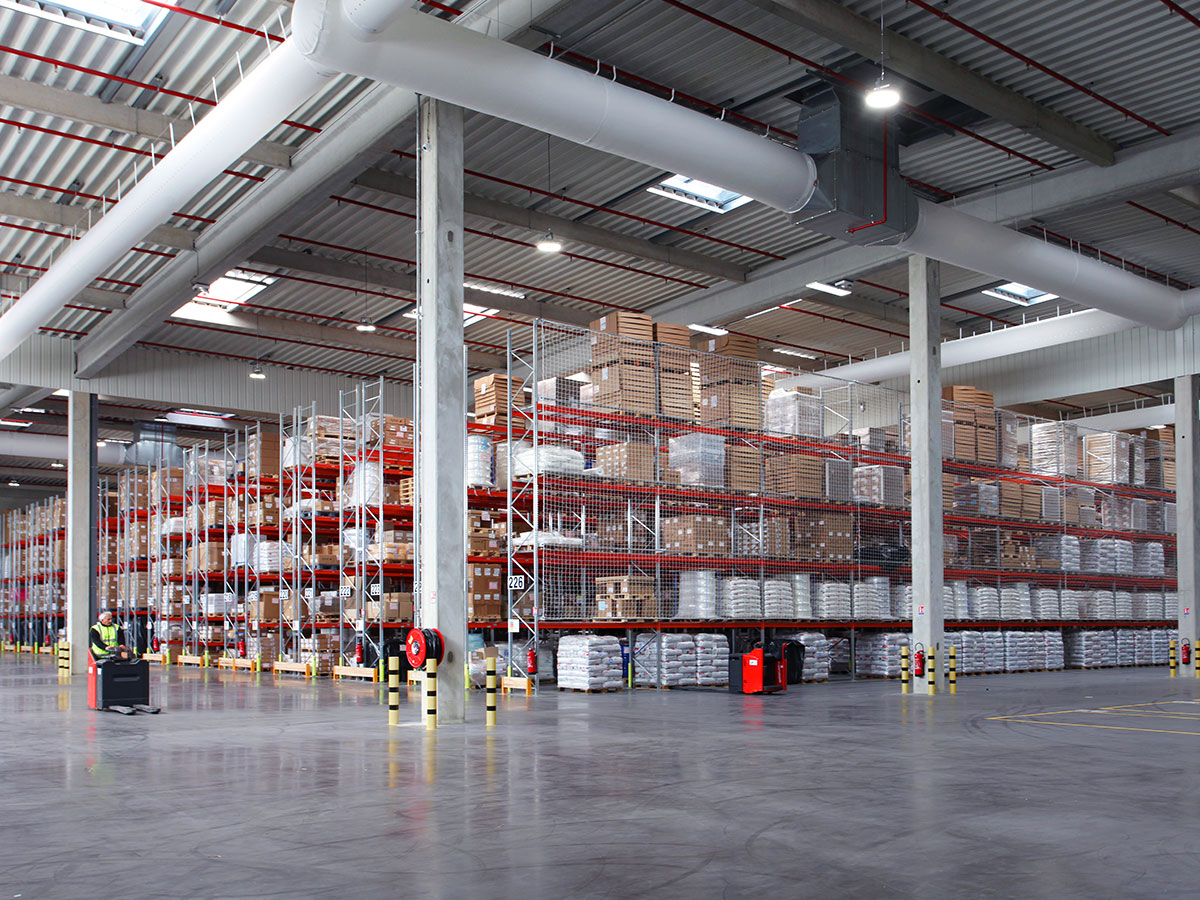
Selective pallet racking must be engineered as a system: uprights, beams, anchors, floor, aisle and operational use all affect the final safety case.
Factory advantages
Engineering Depth, Not a Trading Layer
Buyers shortlist factories for a reason: fewer hand-offs, clearer accountability and direct access to the people who calculate, manufacture and support the rack. Alohatop Shelf controls the critical chain from steel coil to final load sign.
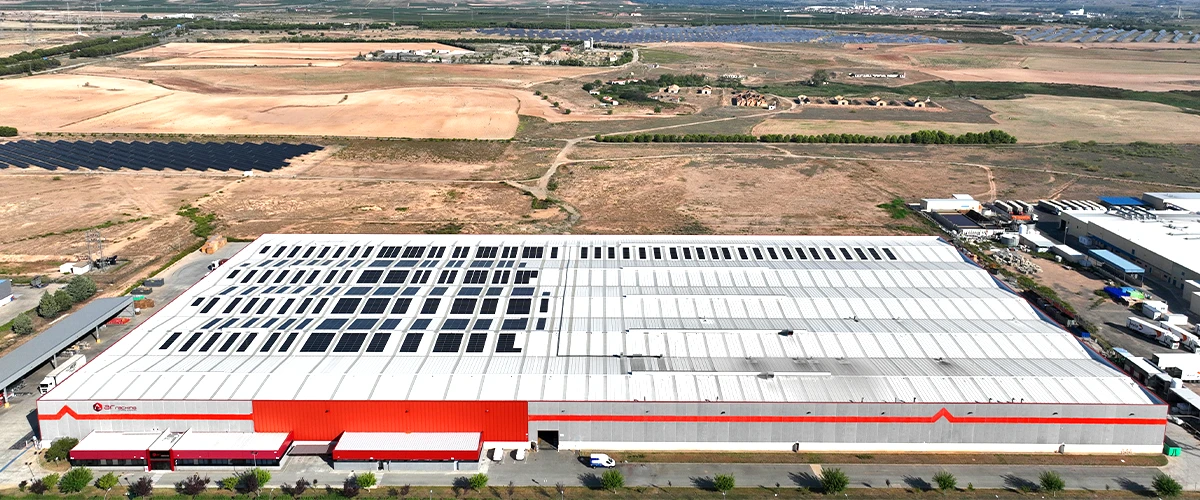
Automated production and measurable tolerances are essential for both manual warehouses and robotic AS/RS interfaces.
Why Alohatop Shelf Is Shortlisted for Export Projects
Alohatop Shelf LLC designs, calculates, manufactures and supports the installation of industrial racking and automated warehouse structures. The company operates a 35,000 m² highly automated production centre with more than 100,000 t of annual steel capacity. More than 90% of output is exported, and the installed base covers more than 60 countries with 42,000+ warehouse projects.
The engineering team works with an R&D laboratory at Mondragon University and a research and simulation chair at the University of the Basque Country. That work feeds directly into frame, beam, connection and seismic detailing. Production is supported by ISO 9001, ISO 14001, ISO 45001, ISO 50001, EN 1090-1, ISO 3834-2 welding quality and ISO 14064 carbon reporting, with a 5-year warranty and full component traceability.
- 14 own branches and 70+ trained distributors support survey, delivery and installation coordination.
- Millimetre-level production discipline for stacker cranes, shuttles, AMRs and manual racking alike.
- Documentation continuity from quotation and structural calculation to packing list and handover file.
Factory-Direct Control
One accountable partner for engineering, profiles, welding, coating, packing and delivery sequence.
Schedule Discipline
Export experience across Santos, Callao, San Antonio, Cartagena and Buenos Aires reduces port surprises.
Safety Documentation
Calculation reports, welding records, load signs and inspection baselines support safe operation.
Scalable Capacity
From a single selective aisle to self-supporting freezer warehouses and automation-ready rack structures.
Future procurement trends
What Pallet Rack Buyers Will Demand by 2030
Procurement is moving from “price per beam” to “evidence per project”. The following shifts are already visible in serious tender documents, particularly where cold chain, automation, seismic risk and multi-client logistics intersect.
Documentation-First Purchasing
Buyers will require EN 15512 calculations, factory production control, welding records and anchor data before release of the purchase order.
Seismic and Climate Resilience
Andean and Pacific-coast projects will specify local seismic codes, soil class, anchor testing and corrosion protection for humid or coastal sites.
Cold-Chain Energy Economics
Freezer and chilled warehouses will judge racking by cubic metres cooled, aisle loss, airflow and the energy cost of every pallet position.
Automation-Ready Interfaces
Rack tolerances will be tied to stacker cranes, shuttles, AMRs and WMS logic, not only to manual forklift access.
Modular, Lease-Friendly Layouts
3PLs and e-commerce operators need adjustable beams, reusable components and layouts that can be reconfigured as client volumes change.
Whole-Life Safety and Inspection
Procurement will include inspection intervals, damage reporting, replacement parts and installer competence, not only initial supply.
Illustrative Procurement Weighting for CE-Ready Racking
This is a planning model used for early-stage project workshops, not a market statistic. It helps buyers compare offers beyond the lowest steel price.
Product development trends
The Next Generation of Pallet Rack Systems
Racking is becoming a data-rich engineered product. The next buying cycle will reward suppliers that can prove strength, tolerances, corrosion performance, repairability and carbon documentation — not just offer a beam length.
Stronger, Lighter Profiles
Optimised steel sections improve load-to-weight ratios, reducing freight cost while maintaining frame and beam capacity.
Hybrid Bolted-Boltless Connections
Fast installation details are being combined with heavier bolted connections where seismic demand or automation tolerances require them.
Integrated Seismic Bracing
Bracing, base plates, anchors and row spacers are being designed as a single system rather than added after layout approval.
Cold-Store Metallurgy and Coatings
Freezers down to −30 °C require steel, fasteners and coatings selected for brittle fracture risk, humidity and washdown reality.
Sensor-Ready Damage Protection
Rack protection, impact detection and digital inspection records are moving from optional extras to planned maintenance infrastructure.
Lower-Carbon Steel and Circularity
Buyers will ask for verified carbon data, recyclable steel content and reconfigurable systems that extend the useful life of the rack.
Selection guide
How to Choose the Right Pallet Rack System
Use this simple comparison as an early tender tool. Final selection still requires pallet drawings, load data, building height, floor tolerance, seismic zone and throughput analysis.
| System | Best-fit project | Procurement note | Recommended model |
|---|---|---|---|
| Selective pallet racking | High-SKU warehouses, 3PL, fast-moving inventory | 100% pallet access; highest aisle count; easiest phased expansion | Adjustable selective system |
| Teardrop racking | Fast-build warehouses and standard pallet storage | Fast beam engagement; good spare-parts availability; verify seismic detailing | Teardrop racking system |
| Boltless adjustable racking | Industrial shelves, carton storage and expansion projects | Quicker level changes; useful where MHE access is mixed | Boltless industrial system |
| Heavy-duty deck system | Awkward loads, small cartons, deck-supported pallets | Drop-over deck improves load distribution and protects beams | Drop-over deck system |
| Fabric and textile racking | Fabric rolls, soft goods, cartons and five-layer storage | Level spacing and shelf surface must match roll diameter and weight | 5-layer fabric rack |
| High-capacity industrial racking | 2,000–3,000 kg-class pallet duties and mixed loads | Requires project-specific frame, beam and anchor verification | High-load adjustable system |
CE-ready procurement note: ask for the design report, steel traceability, welding documentation, anchor calculation, installation method statement and load signage in the same package as the quotation.
CE-ready checklist
The Procurement Checklist Serious Buyers Use
Before comparing prices, compare the evidence. A factory-direct supplier should be able to explain exactly what will be delivered, inspected and handed over.
Design Calculation Report
Frame capacity, beam loads, deflection, base plates, anchors and seismic case calculated for the actual project.
Factory Production Control
Quality plan, welding controls, coating checks and inspection records aligned with EN 1090-1 and ISO 3834-2 expectations.
Steel and Welding Traceability
Batch records linked to uprights, beams and accessories, with packing lists that match the delivery sequence.
Installation Method Statement
Approved drawings, plumb tolerance, anchor installation, aisle geometry and supervisor sign-off before loading.
Load Signs and User Manual
Clear load plates, operational limits and inspection guidance for warehouse teams and maintenance contractors.
Inspection and Maintenance Plan
Baseline inspection, damage reporting, spare-parts list and periodic review schedule to protect the asset.
Application recommendations
Product Recommendation by Warehouse Scenario
Match the storage profile to the rack architecture before you finalise the layout. These recommendations link back to the eight factory-direct systems above.
High-SKU 3PL and E-commerce
Choose selective racking when access speed and SKU flexibility beat pure density. Recommended: Adjustable selective system
Textile, Fabric and Soft Goods
Use five-layer racking with load ratings matched to roll diameter and carton weight. Recommended: 5-layer fabric rack
Fast-Build Warehouse Expansion
Teardrop racking shortens installation time and simplifies beam changes. Recommended: Teardrop racking system
Cartons, Awkward Loads and Decking
Drop-over deck panels improve support for non-pallet-friendly loads. Recommended: Drop-over deck system
Heavy Industrial Loads
High-capacity adjustable racking must be calculated for the real load, not a catalogue average. Recommended: High-load industrial rack
Boltless Industrial Shelving
Boltless adjustable systems suit mixed pallet and carton storage where level changes are frequent. Recommended: Boltless industrial rack
Field experience
What Recent Racking Projects Teach Buyers
Real projects expose the details that tenders often miss: thermal movement, floor flatness, energy per pallet and the installation discipline needed for automation.
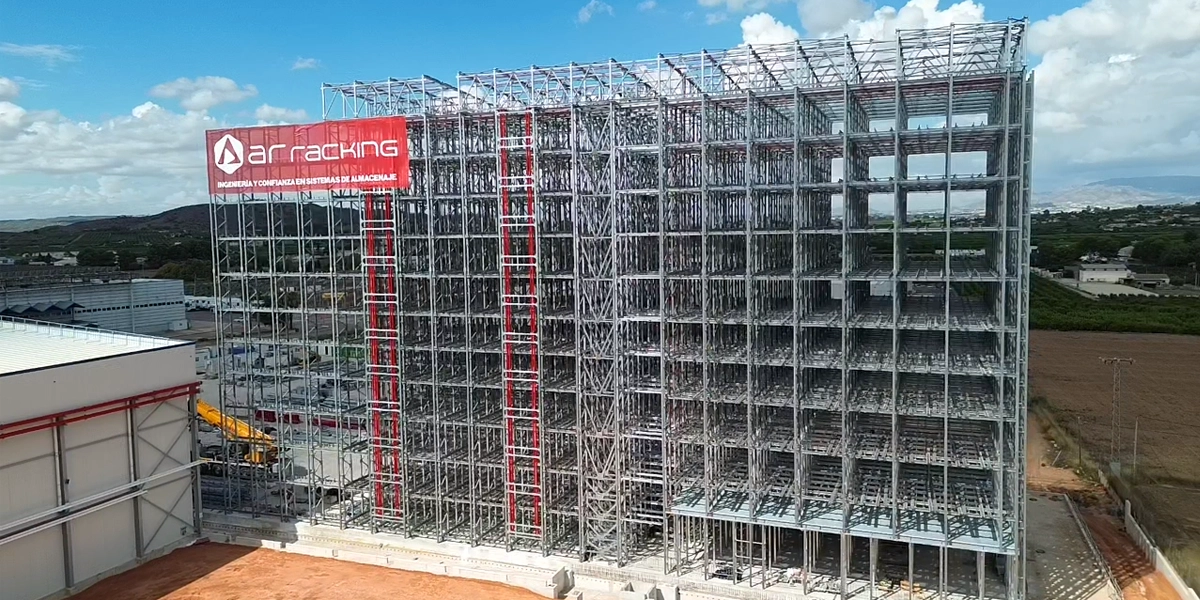
23,000 Pallet Positions at −24 °C
A self-supporting deep-freeze warehouse shows why the rack structure, building envelope, thermal movement and inspection access must be designed together.
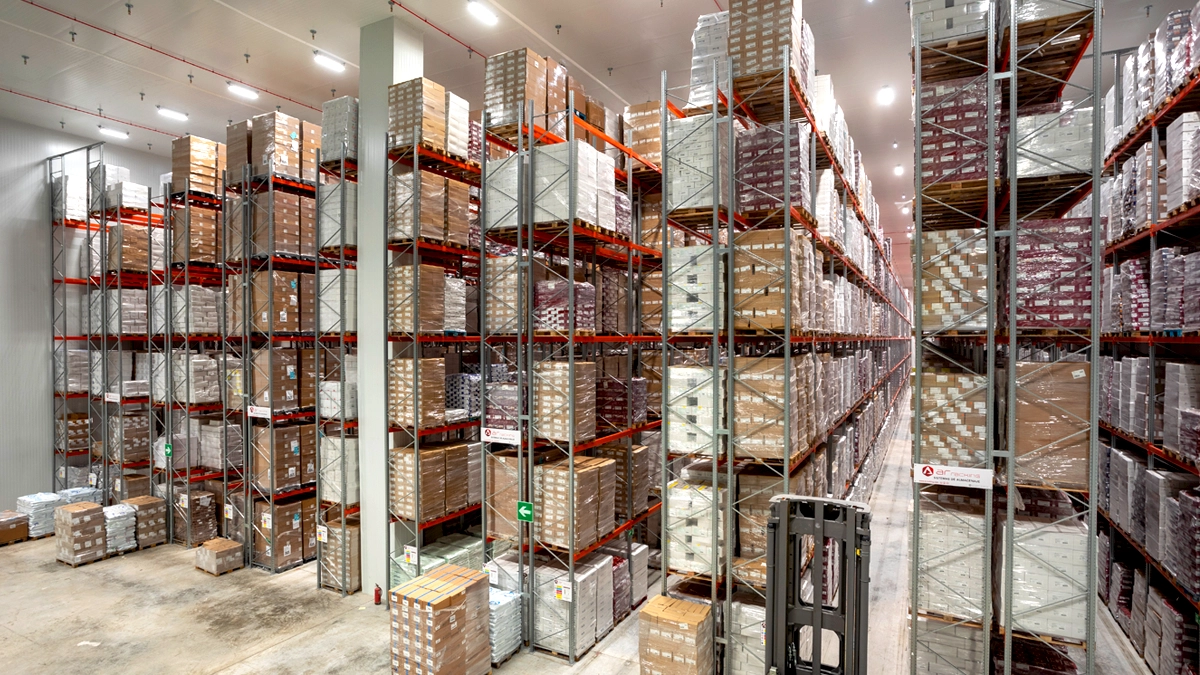
VNA Racking in a Frozen Food Store
Very narrow aisle racking increases cooled-cube utilisation, but floor flatness, truck guidance and beam tolerance become non-negotiable.
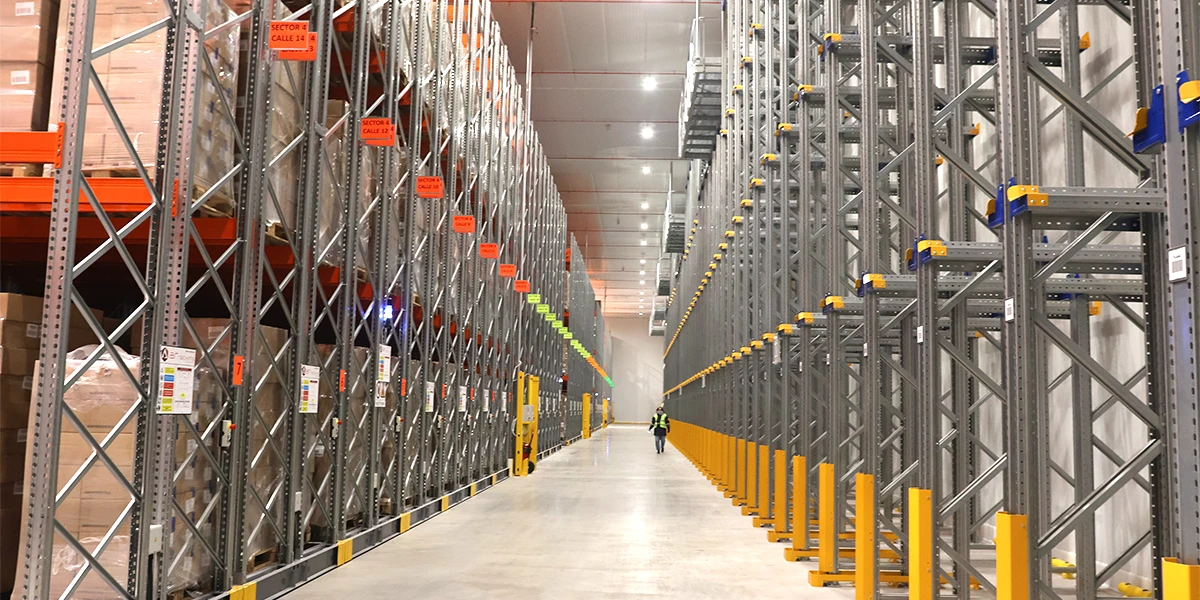
Mobile Racking for Refrigerated Capacity
Mobile bases remove fixed aisles and make energy per pallet a design metric — especially where every cooled cubic metre carries a cost.
FAQ
CE Pallet Rack Systems, Factories and Supplier Selection
These are the questions our engineers answer most often during factory audits, tender reviews and pre-order technical meetings.
What does CE certification mean for pallet rack systems?
For static racking, CE should be understood as a project-specific compliance and documentation exercise, not a universal sticker on every beam. Buyers should ask for EN 15512 design calculations, factory production control, EN 1090-1 and ISO 3834-2 evidence, anchor data, installation procedures and load signage. Where racking is integrated with machinery or a self-supporting building, the required documentation is defined by the project scope and the responsible integrator.
Are your systems designed to EN 15512 and EN 15620?
Yes. Pallet racking structures can be calculated using EN 15512 principles, with tolerances and interface requirements informed by EN 15620. Final calculations must use your real pallet dimensions, load distribution, beam levels, aisle widths, floor conditions and seismic zone. We do not recommend accepting a generic capacity table without project verification.
Can you provide CE documentation for an automated warehouse?
For AS/RS, self-supporting warehouses and shuttle systems, the documentation package is prepared around the integrator’s technical file. This can include structural calculation reports, steel and welding traceability, manufacturing tolerances, installation method statements and inspection records. The exact CE route depends on the machinery, building and local regulatory scope.
How do you design racking for seismic zones?
Seismic racking is designed against the destination code and site soil class — for example NCh2369 and NCh433 in Chile, E.030 in Peru, NSR-10 in Colombia and NEC in Ecuador. Typical measures include reinforced uprights and bracing, heavier base plates and anchors, row spacers, reduced beam deflection limits and specific installation checks. Very tall or high-density systems need project-specific verification.
Which pallet sizes and load capacities can you support?
We support common formats such as 1200 × 1000 mm, 1200 × 800 mm, 1100 × 1100 mm, 1219 × 1016 mm and Brazilian PBR pallets, plus project-specific sizes. Beam lengths and frame depths are dimensioned for the actual pallet and load. Catalogue ranges should always be confirmed against the load, deck type, pallet condition and operational aisle.
Can you supply cold-storage and freezer racking?
Yes. We support selective, VNA, drive-in, mobile, pallet shuttle and self-supporting freezer projects using steels, fasteners and finishes suited to temperatures down to −30 °C. Cold-store design must also consider thermal movement, humidity, ice build-up, inspection access and energy cost per pallet position.
What is your minimum order and typical lead time?
Minimum order and lead time depend on the system, steel profile, accessory package, coating requirement and destination port. A single project can range from a compact selective installation to a multi-phase export delivery. Send your layout, pallet data, load per level, target date and project city so engineering can provide a realistic manufacturing and shipping schedule.
Do you provide installation and inspection support?
We provide installation drawings, method statements and supervision through our own teams and trained distributor network. Periodic inspection can cover impact damage, beam deflection, anchor condition, safety pins, load signage and unauthorized modifications. Early inspection protects people, stock and the long-term value of the rack.
What warranty and certifications support the factory?
Storage systems carry a 5-year warranty and are produced under ISO 9001, ISO 14001, ISO 45001, ISO 50001, UNE EN ISO 3834-2 welding quality, EN 1090-1 and ISO 14064 verified carbon reporting, with full component traceability. These systems support factory audits and help buyers verify that the manufacturing process is controlled.
What information should I send for a fast quotation?
Send a building layout with clear height, pallet dimensions and maximum load weight, number of SKUs and pallets per SKU, daily throughput, forklift or automation type, temperature range, seismic zone, floor condition and project city. If available, include rack layout drawings, load signs, local code requirements and target shipment date. This allows the engineering team to propose the most efficient CE-ready storage system.
Start your project
Request a CE-Ready Pallet Rack Catalog and Engineering Review
Share your pallet dimensions, loads, clear height, temperature range and project city. The engineering team can recommend the right rack architecture, prepare the documentation scope and confirm factory-direct supply for your market.