CE Certified Warehouse Pallet Shelving Systems Factories & Exporters
Engineering-led pallet racking, high-density shuttle systems and export-ready warehouse shelving for distributors, 3PLs, cold-chain operators and industrial buyers. Designed around EN 15512 principles, supported by ISO-certified production, full traceability and a 5-year system warranty.
8 Pallet Shelving Systems for CE-Market and Export Procurement
These eight systems cover the most common buying briefs we receive from importers and project contractors: selective pallet racking, high-density shuttle storage, adjustable beam-level racking, boltless shelving, cold-rolled steel racks and galvanized cantilever storage. Each product page preserves the original factory specification route, so procurement teams can compare load strategy, pallet format, installation method and export packing before requesting a drawing.
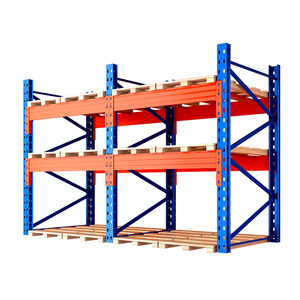
Industrial Heavy Duty Storage Shelves System Metal Rack Stacking Units Warehouse Pallet Racking
A robust recommendation for mixed-SKU distribution, spare-parts warehouses and general industrial storage. The system supports adjustable beam levels, powder-coated finishes and export packing suitable for long-distance container shipments.
View product specification →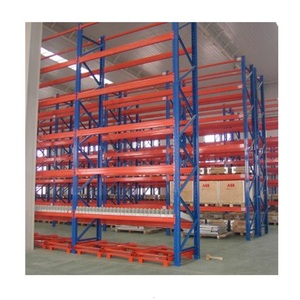
Industrial Heavy Duty Rack Factory Price Steel Pallet Racking Storage Systems From Warehouse Pallet Rack Manufacturer
Factory-priced heavy-duty steel pallet racking for buyers who need repeatable quality across large projects. Beam lengths, upright heights, base plates and accessory schedules can be aligned with EN 15512 calculation logic and project documentation requirements.
View product specification →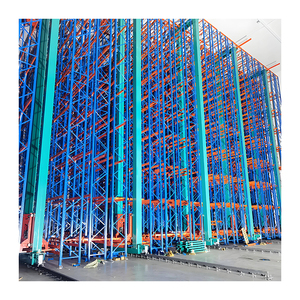
High-Density Pallet Shuttle Racking System Automatic Steel Storage Frame 3000kg Load Capacity Heavy Duty Warehouse
A strong fit for low-SKU, high-volume storage where forklift travel must be reduced. The semi-automated shuttle concept increases pallet positions per cubic metre and suits cold stores, food distribution and high-throughput warehouse expansions.
View product specification →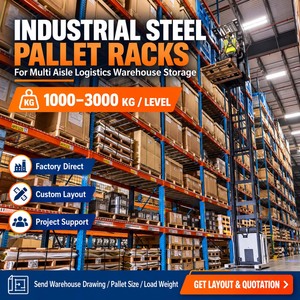
Selective Pallet Racking System with Adjustable Beam Levels for Different Pallet Heights
Adjustable beam levels let buyers accommodate changing pallet heights without replacing frames. This makes selective racking a practical recommendation for 3PLs, retail overflow, e-commerce storage and export warehouses with variable inventory profiles.
View product specification →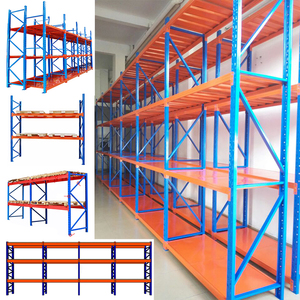
Heavy Duty Warehouse Rack Industrial Cold-Rolled Steel Rack Storage Shelf Rack 1600KG 1700KG 1800KG 1900KG Pounds Tons
A flexible racking and shelving option for industrial buyers who need multiple load ratings and a cost-controlled warehouse fit-out. Cold-rolled steel profiles and modular frames support staged expansion, spare-part replacement and local assembly.
View product specification →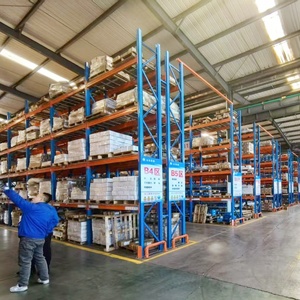
Industrial Warehouse Storage Rack Adjustable Custom 800-3000kg/Level Load Capacity Heavy Duty Selective Pallet Racking System
Custom 800–3,000 kg per level selective pallet racking for projects requiring adjustable heavy-duty storage. Layouts can be engineered around existing aisles, forklift types, sprinkler clearances and future pallet-count growth.
View product specification →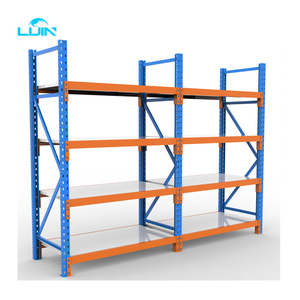
Boltless Adjustable Industrial Heavy Duty Pallet Racking System Warehouse Steel Metal Storage Racks Shelving Units
Boltless assembly supports faster installation and simpler maintenance. This is an export-friendly option for distributors needing knockdown packing, reduced freight volume and straightforward local assembly by trained installation teams.
View product specification →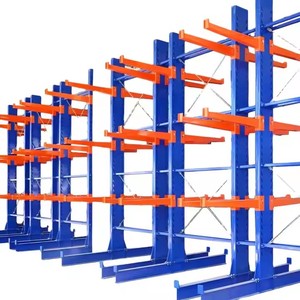
Industrial Heavy Duty OEM ODM Storage Racks Wall Mounting Tube Racking Gavenized Cantilever Rack for Warehouse
Galvanized cantilever racking for long goods, profiles, timber and tube storage. OEM/ODM finishes and wall-mounting configurations improve corrosion resistance in humid ports, coastal warehouses and cold-chain environments.
View product specification →Why Alohatop Shelf Is a Factory-Controlled Partner for Pallet Shelving Export Projects
Buying pallet shelving from a factory and exporter is not only a price decision. It is a documentation, engineering, tolerance, packing, installation and after-sales decision. Alohatop Shelf LLC controls the project from structural calculation and profile manufacture to export loading and final load signage.
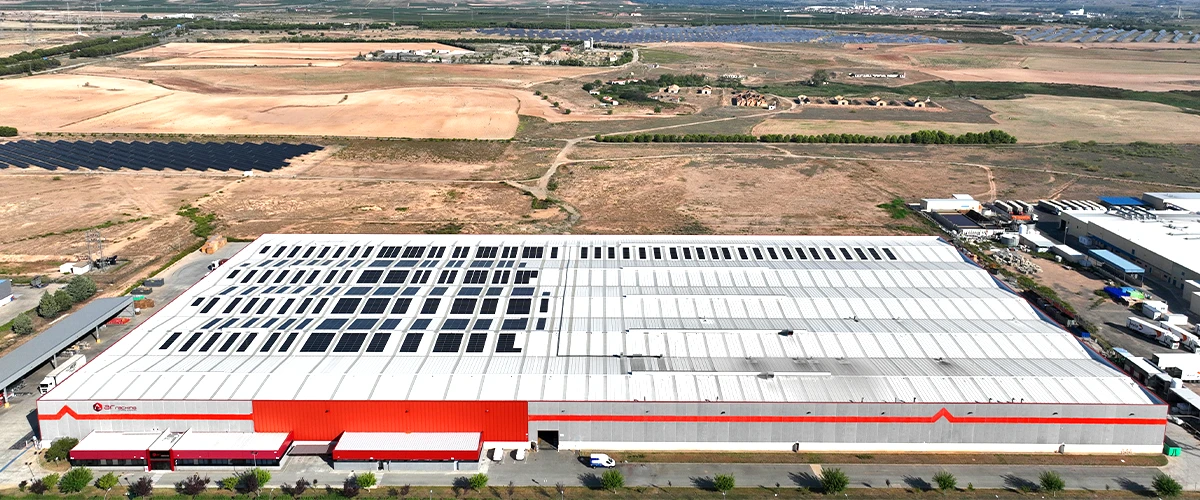
One accountable factory from steel coil to load sign
Our 35,000 m² highly automated production centre gives buyers more than a catalogue. We manage profile forming, welding, powder coating, packing and component traceability, with annual capacity above 100,000 t. More than 90% of output is exported, so container loading, protection against transit damage, spare-part planning and export documentation are part of the normal workflow, not an afterthought.
- Full traceability of uprights and beams from production batch to installation.
- Export experience for major ports such as Santos, Callao, San Antonio, Cartagena and Buenos Aires.
- 5-year system warranty supported by certified quality management and component documentation.
- 14 own branches and 70+ distributors supporting global projects and regional service.
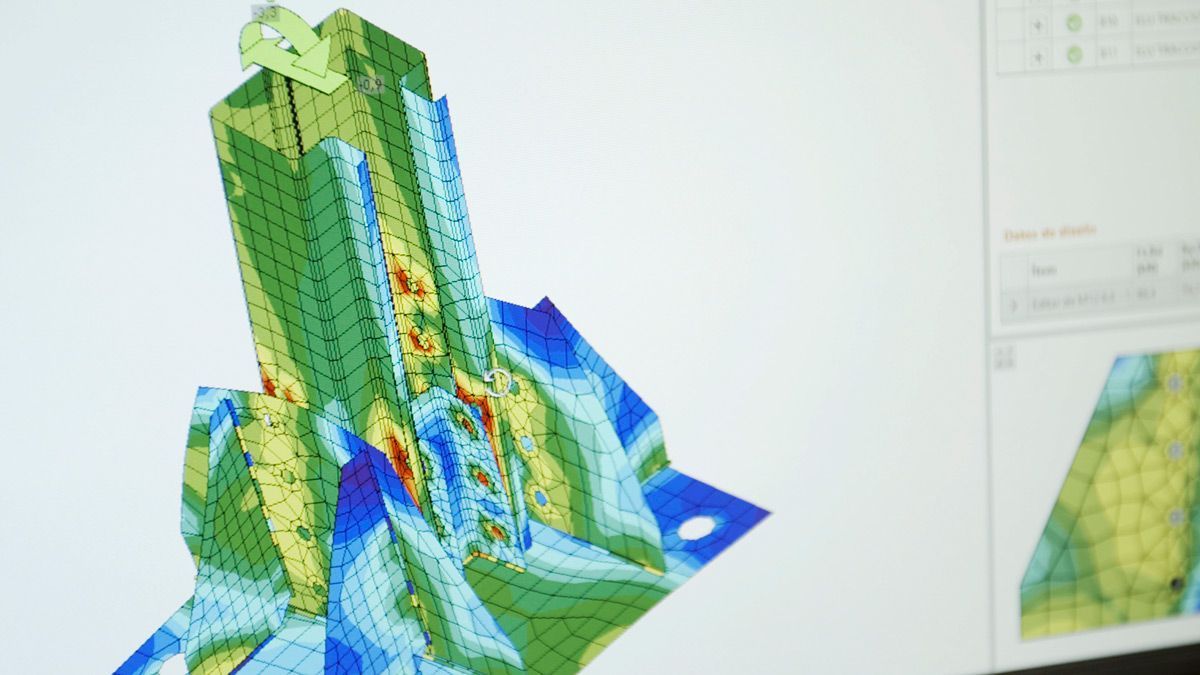
Engineering validated in laboratory and simulation
Our technology centre works with an R&D laboratory at Mondragon University to test the behaviour, strength and safety of racking components under real load cases. A research and simulation chair at the University of the Basque Country supports calculation models and simulation tools. This matters for CE-market buyers and seismic regions: frames, beams and connections can be reviewed against European design logic and local seismic requirements.
Typical design checks include finite-element simulation of frames, beams and base connections, physical load and cyclic testing of new profiles, and review against local codes such as NCh2369 and NCh433 in Chile, E.030 in Peru, NSR-10 in Colombia and NEC in Ecuador.
Own manufacturing footprint
Automated production and in-house quality control reduce dependence on outsourced profiles and protect delivery schedules for large export orders.
CE-readiness documentation
Structural calculations, drawings, welding quality records, material certificates, load plates and packing lists can be prepared for project review.
R&D-led profile design
Laboratory testing and simulation help optimise load capacity, deflection limits and connection details before manufacturing starts.
Export discipline
Knockdown packing, protected edges, container planning and spare-part identification make factory-direct shipment easier to manage.
Full lifecycle services
Layout engineering, installation supervision, technical inspection, maintenance and reconfiguration support long-term warehouse performance.
Verified quality culture
ISO 9001, ISO 14001, ISO 45001, ISO 50001, ISO 3834-2, EN 1090-1 and ISO 14064 certification support procurement risk reduction.
What Smart Buyers Verify Before Ordering CE-Ready Pallet Shelving
“CE certified warehouse pallet shelving” is a common search phrase, but CE marking is not a generic label that automatically covers every racking project. A credible exporter should explain which standard applies to which component, which document proves compliance and how the calculation matches your pallet, building and seismic zone.
EN 15512 static design
Ask for structural calculation assumptions, load combinations, frame and beam verification, deflection limits and tolerance logic for the actual pallet load.
EN 15620 & EN 15635
Check clearances, deformation allowances, safety clearances, load signage and inspection requirements for the installed system, not only the steel components.
EN 1090-1 & ISO 3834-2
Where structural steel and welding quality apply, factory production control and welding quality records are valuable evidence of manufacturing discipline.
Traceable documentation
Drawings, material certificates, batch traceability, installation instructions, packing lists and spare-part schedules reduce disputes and speed customs review.
Pallet Shelving Procurement Trends Shaping 2026–2030
Warehouse buyers are moving from single-product purchasing toward system procurement. The strongest tenders now compare compliance evidence, automation readiness, total cost of ownership and lifecycle support alongside unit price.
1. Compliance-first purchasing
Procurement teams increasingly request calculation reports, weld quality records, load signs and traceability before approving a racking supplier. The lowest quotation without documentation creates hidden risk.
2. Automation-ready racking
AS/RS, AMR and pallet shuttle projects need tighter tolerances, precise beam levels and integration-ready interfaces. Racking is becoming a machine structure, not only a storage shelf.
3. Cold-chain density and energy
Frozen food, fruit, seafood and pharmaceutical operators are prioritising pallet positions per cooled cubic metre. Mobile racking, VNA and shuttle systems reduce aisle space and energy waste.
4. Seismic resilience
Projects in Chile, Peru, Colombia and Ecuador require racking reviewed against local seismic codes. Reinforced uprights, stronger anchoring and row spacers are becoming standard tender requirements.
5. Total cost of ownership
Buyers now evaluate installation speed, inspection frequency, spare-part availability, reconfiguration potential and warranty response—not only steel weight and FOB price.
6. Verified sustainability
Steel recycling, powder-coating processes and carbon accounting under ISO 14064 increasingly appear in supplier questionnaires from European and multinational buyers.
How Warehouse Pallet Shelving Technology Is Developing
Racking development is driven by four forces: higher buildings, faster order cycles, colder environments and stricter safety enforcement. Factories that invest in robotic production and engineering simulation can support these demands without compromising installation speed.
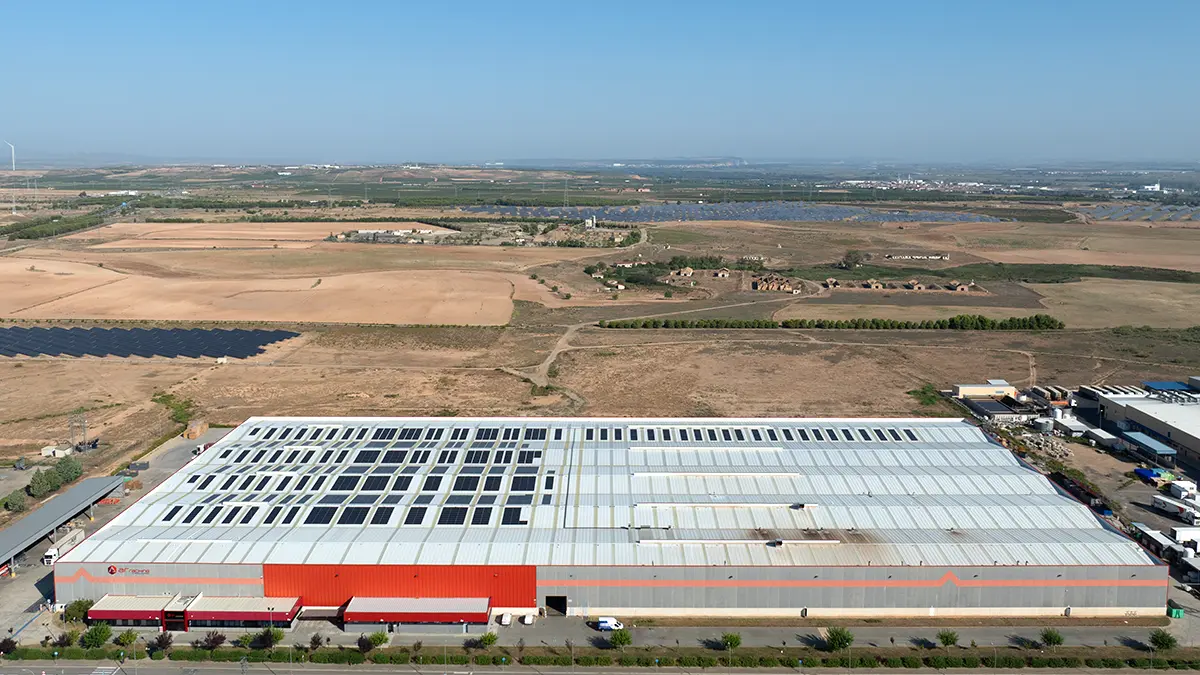
Millimetre precision for robotic and manual warehouses
Automated stacker cranes and shuttles stop when rack geometry drifts out of tolerance. Robotic production and laser-controlled processes keep frames and beams within the tight tolerances required by AS/RS integrators, while manual warehouses benefit from faster, safer installation and more predictable beam levels. For export buyers, this precision also simplifies on-site assembly and reduces the risk of missing or mismatched parts.
High-strength profiles
Optimised upright and beam sections increase load capacity while controlling steel weight and deflection—valuable for high-bay and export projects.
Pallet shuttle and deep lanes
Semi-automated shuttle systems improve density and reduce forklift travel in cold stores, food distribution centres and high-volume warehouses.
Mobile racking in cold storage
Mobile bases eliminate fixed aisles and increase pallet positions per cooled cubic metre, while maintaining direct access to each open aisle.
AS/RS and self-supporting buildings
Racking increasingly acts as the building structure for automated warehouses, requiring integrated design with cladding, cranes, fire engineering and roof loads.
Galvanized and corrosion-resistant finishes
Port, coastal and cold-chain sites benefit from galvanized or high-protection finishes that resist humidity, condensation and aggressive cleaning regimes.
Digital inspection and safety data
Project documentation, inspection records and spare-part identification are becoming digital assets that help warehouse teams manage rack safety after installation.
Which Pallet Shelving System Fits Your Warehouse?
Use this quick buyer guide to compare storage density, access and stock rotation. Final selection still depends on pallet size, load per level, throughput, clear height, fire strategy, forklift type and seismic zone.
Selective pallet racking
Best for high SKU mix, food and beverage, retail distribution and 3PL operations needing direct access to every pallet.
Very narrow aisle racking
Best for high land cost, tall buildings and cold stores where every cubic metre must be used efficiently.
Double-deep racking
Best for 3PLs and distributors with at least two pallets per SKU and acceptable LIFO handling within each lane.
Drive-in racking
Best for homogeneous products, frozen goods and seasonal bulk storage where maximum pallet count is the priority.
Pallet shuttle racking
Best for high-throughput distribution centres and deep cold lanes needing dense storage with semi-automated pallet movement.
AS/RS and self-supporting
Best for large distribution centres, 24/7 operations and deep-freeze warehouses where automation and building integration justify investment.
Real Warehouse Applications: Cold Storage, VNA and Pallet Shuttle
Engineering claims become credible when they are connected to real warehouse applications. These recent project references show how our storage systems are used in deep-freeze, narrow-aisle and high-density logistics environments.
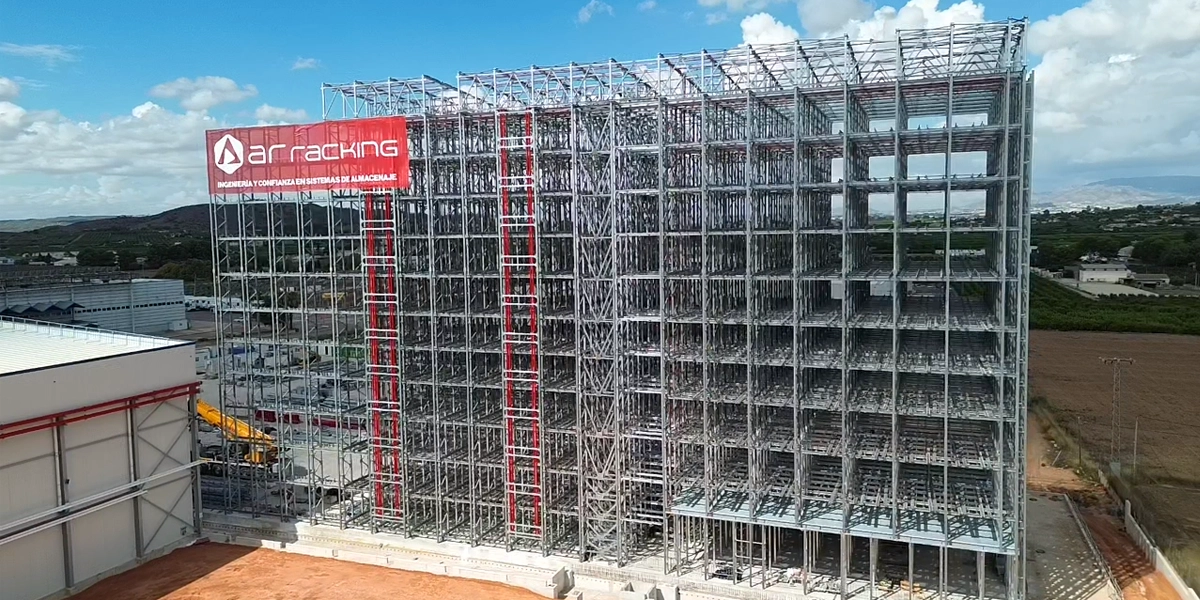
23,000 pallet positions at −24 °C
A self-supporting deep-freeze warehouse for a frozen fruit and vegetable processor, where the racking also carries the building envelope. This application demonstrates integrated rack structure, cold-store materials and high-density pallet storage.
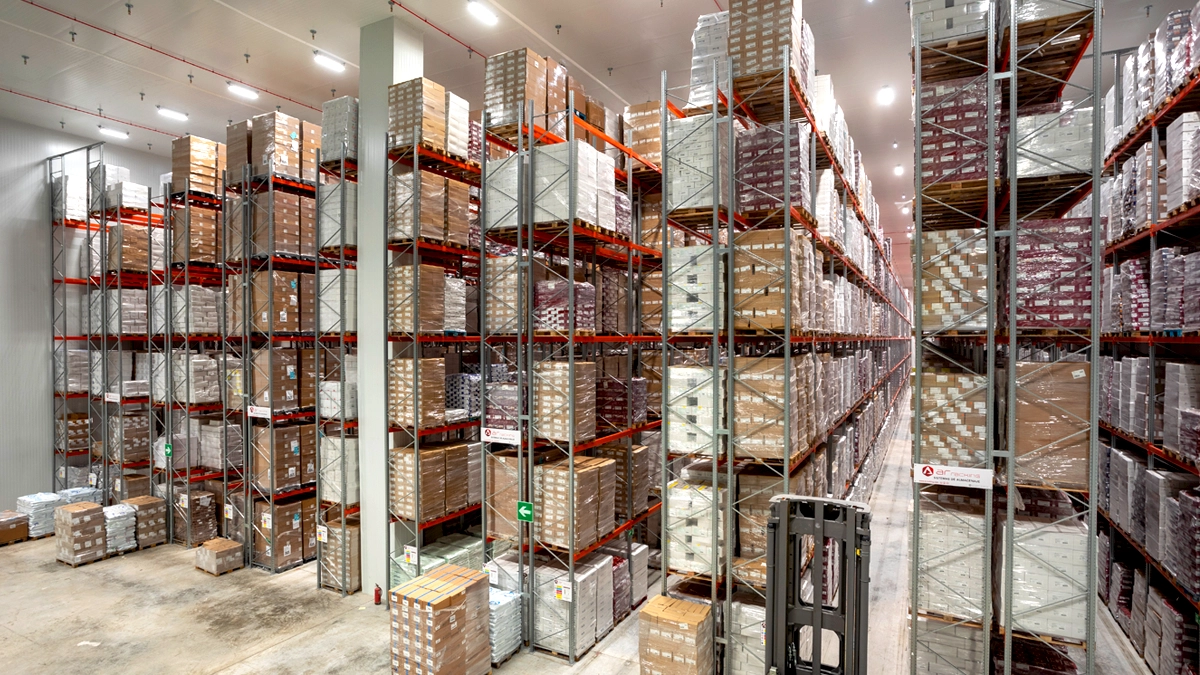
VNA racking for a frozen food cold store
Very narrow aisle racking maximised pallet positions per cooled cubic metre for a frozen products distributor. The project required precise aisle geometry, cold-environment finishes and safe handling equipment integration.
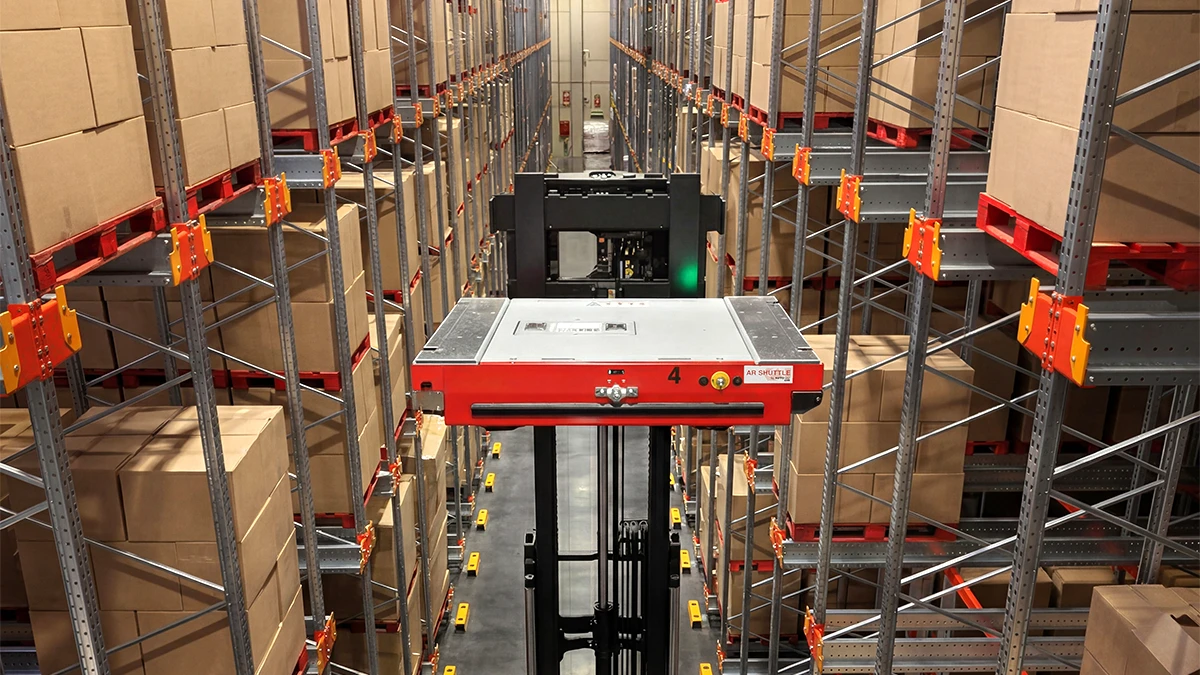
Pallet shuttle system for a 3PL operator
A semi-automated deep-lane system delivered high density and fast cycles for a third-party logistics warehouse. It shows how pallet shuttle racking balances storage density with operational flexibility.
Certifications and Warranty That Reduce Procurement Risk
Certifications should support a practical procurement goal: predictable quality, safer installation, verified environmental management and traceable documents for customs and project handover.
 ISO 9001Quality management
 ISO 14001Environmental management
 ISO 45001Health & safety
 ISO 50001Energy management
 EN ISO 3834-2Welding quality
 EN 1090-1Structural steel
 ISO 14064Verified carbon reporting
CE Certified Pallet Shelving and Export Procurement FAQ
These are the questions our engineers and export team answer most often when buyers request factory-direct pallet shelving from China for European, South American and global projects.
Are these warehouse pallet shelving systems CE certified?
Racking is a project-engineered steel structure, so buyers should verify the applicable standards and documentation rather than rely on a generic “CE certified” phrase. We support CE-market projects with design and documentation aligned to EN 15512 principles, EN 15620/EN 15635 application guidance, EN 1090-1 structural steel requirements where applicable, and EN ISO 3834-2 welding quality controls.
What documents should a racking offer include?
A serious offer should include layout drawings, load assumptions, structural calculation notes, component lists, finish specifications, packing lists, installation instructions and warranty terms. For projects requiring CE-market evidence, welding quality records, material certificates, factory production control information and load signage details should also be discussed.
Can you customize racking for different pallet sizes and loads?
Yes. We support common pallet formats including 1200 × 1000 mm, 1200 × 800 mm Euro pallets, 1100 × 1100 mm ISO pallets and 1219 × 1016 mm pallets. Beam lengths, frame depths, upright heights and load capacity per level are configured around the actual pallet, weight and handling equipment—not only a catalogue size.
What is the typical lead time for factory-direct orders?
Lead time is confirmed after drawing approval and depends on steel profile availability, project quantity, surface finish, special accessories and shipping schedule. Export orders normally move through a clear sequence: technical clarification, layout drawing, approval drawing, material preparation, production, quality inspection, packing and container loading.
Do you support installation in South America and other export markets?
Yes. Our engineering team designs each project for the destination country, manufactures the steel structure in our automated plant and coordinates installation through our own supervisors and trained distributors. We have experience supporting projects across Brazil, Chile, Peru, Colombia, Argentina, Ecuador, Uruguay and Paraguay, as well as other international markets.
Can the racking operate in cold storage and freezer warehouses?
Yes. We supply mobile racking, drive-in, VNA, pallet shuttle and self-supporting freezer warehouses using steels and finishes suited to temperatures down to −30 °C. This is relevant for fruit, seafood, meat and frozen food exporters that need high-density storage without compromising accessibility or safety.
How is seismic design handled for Andes and Pacific-coast projects?
Racking in seismic regions is reviewed against the local code and site soil class. Examples include NCh2369 and NCh433 in Chile, E.030 in Peru, NSR-10 in Colombia and NEC in Ecuador. Typical measures include reinforced uprights and bracing, heavier base plates and anchors, row spacers and reduced beam deflection limits.
What information is needed to start a pallet racking project?
Send a building layout with clear height, pallet dimensions and maximum load weight, number of SKUs and pallets per SKU, daily throughput, forklift or automation type, temperature range, project city and destination port. If CE-market documentation is required, state that clearly at the inquiry stage so calculation and factory records can be planned from the beginning.
Planning a CE-Ready Pallet Shelving Project?
Share your building layout, pallet size, load per level, warehouse temperature, destination port and required documentation. Our storage engineers will review the most space-efficient racking system and prepare a factory-direct proposal for your market.
For technical review, include destination city, seismic zone, forklift type and whether the project requires EN 15512 calculations or CE-market documentation.