Pallet Storage Rack Products for Real Warehouse Procurement
Below are eight representative product paths for distributors, 3PLs, food exporters, manufacturers and project contractors. Every quotation should be checked against pallet size, load per level, clear height, throughput, seismic zone and final CE documentation scope.
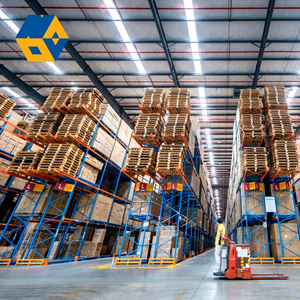
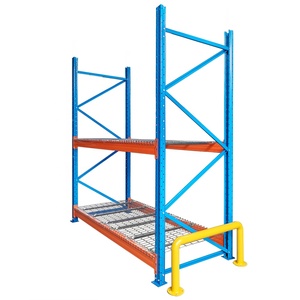
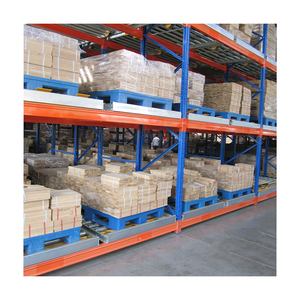
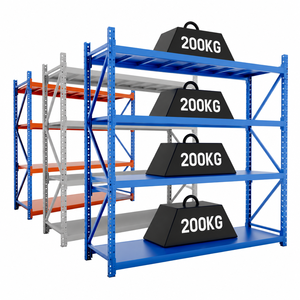
2500kg Layer Load Warehouse Storage Pallet Shelving Rack with Wire Mesh Decking
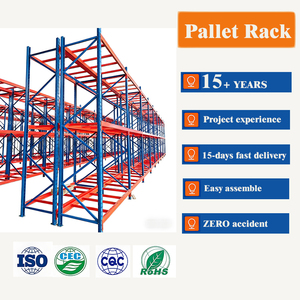
Heavy Duty Industrial Steel Durable Warehouse Pallet Racking System Adjustable Shelving Racks Warehouse Storage Rack
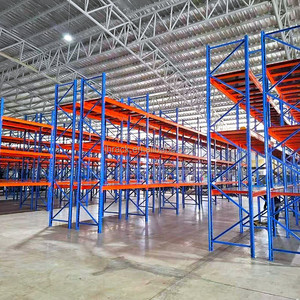
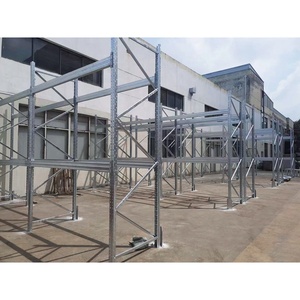
Warehouse Storage Strong Corrosion Resistance Capability Hot Dip Galvanize Pallet Rack Outdoor Storage Rack
Need dimensions, load tables and export packing options for a tender?
Get CatalogCountries with installed storage systems
Warehouse projects delivered
Annual steel production capacity
Of production exported worldwide
Why CE Compliance Is a Procurement Variable, Not a Checkbox
For serious warehouse buyers, “CE certified” should never be treated as a sticker. It should be a traceable chain: structural calculation, factory production control, steel traceability, welding quality, Declaration of Performance where applicable, product marking, installation supervision and load signage.
Alohatop Shelf approaches CE-related warehouse pallet storage rack projects as an engineering and documentation exercise. Racking performance is checked against the relevant steel static storage system standards and project-specific requirements, while CE marking for structural steel components is supported through EN 1090-1 factory production control and related quality systems. The exact scope must be confirmed for the destination market, product family and project specification.
This is where information gain matters in procurement. Two suppliers may quote the same beam length and upright height, yet deliver very different levels of safety, installation speed and lifecycle cost. A credible pallet racking manufacturer should provide calculation assumptions, steel grade evidence, welding control records, anchor design, component traceability and a clear installation method statement — not only a price per kilogram.
Three checks before comparing racking quotations
- Design basis: pallet size, load per level, beam deflection limit, seismic zone, soil class, clear height and forklift or automated equipment interface.
- Compliance file: applicable CE documentation, EN 1090-1 / EN ISO 3834-2 welding controls, steel certificates, powder-coating or galvanizing specification and component traceability.
- Delivery reality: export packing, container loading plan, port of departure, installation supervision, spare parts list and inspection schedule after handover.
Load Capacity, Seismic Design and Cold-Chain Durability
Warehouse racking is a structure. It must be designed for the real load case, the real building and the real operating behavior — not only for a catalogue load figure.
Steel Traceability
Uprights, beams, bracing and base plates should be linked to production batches, steel certificates and welding records for audit-ready export projects.
Beam Deflection Control
Higher load per level demands stricter checks on beam deflection, connector capacity, upright load and floor bearing pressure — especially for 2000–2500 kg classes.
Seismic Adaptability
For Chile, Peru, Colombia and Ecuador, layouts can be checked against local seismic codes such as NCh2369, E.030, NSR-10 and NEC with reinforced bracing and anchoring.
Cold-Store Readiness
Freezer warehouses, fruit exporters and seafood processors need materials, coatings and installation details suited to temperatures down to −30 °C.
Illustrative lifecycle cost drivers in a pallet racking project
Buyers often focus on steel price, yet lifetime value is shaped by space utilization, cooling volume, installation speed, inspection access and future reconfiguration. The model below is a planning aid, not a quotation formula.
Which Pallet Storage Rack System Fits Your Warehouse?
Use this comparison to align procurement intent with storage density, selectivity and stock rotation. Final selection must be verified by structural calculation and a layout study.
| System | Best-fit buying intent | Density | Direct access | Rotation |
|---|---|---|---|---|
| Selective pallet racking | High SKU mix, distributors, food and beverage, retail DCs | Baseline | 100% of pallets | Any |
| VNA racking | Expensive land, cold stores, high-bay buildings | High | 100% of pallets | Any |
| Double-deep racking | 3PLs and manufacturers with two or more pallets per SKU | High | 50% | LIFO per lane |
| Drive-in racking | Homogeneous products, frozen goods and seasonal buffers | Very high | Low | LIFO / drive-through |
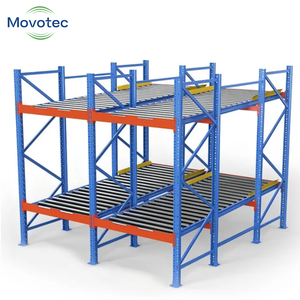
| Pallet flow racking | Perishables, fast-moving inventory and FIFO-controlled SKUs | Very high | Per lane | FIFO |
| Push-back racking | Manufacturing buffers and medium-volume SKU profiles | High | Per lane | LIFO |
| Pallet shuttle | High-throughput DCs and deep cold-store lanes | Maximum | Per lane | FIFO or LIFO |
| AS/RS and self-supporting | Large DCs, 24/7 operations, deep-freeze and automation-ready projects | Automated | System-controlled | WMS-controlled |
Procurement insight: in seismic zones, very tall or very dense configurations require specific structural verification. Do not approve a layout based only on pallet positions per square metre.
What Warehouse Buyers Will Demand From Racking Suppliers
Pallet racking procurement is moving from a one-time steel purchase toward a documented, modular and lifecycle-managed infrastructure decision.
Documentation Before Discount
Buyers increasingly score suppliers on CE-related documents, calculation reports, welding control, anchor design and traceability before negotiating price.
Total Cost of Ownership
Land cost, cooled volume, installation downtime, inspection access and reconfiguration potential now sit beside unit price in board-level decisions.
Automation Readiness
AMR, AGV, shuttle and AS/RS compatibility is being specified early — even when automation is planned for a later phase.
Verified Sustainability
Steel origin, recyclability, coating process and carbon reporting are becoming part of supplier qualification for export-oriented projects.
The Next Generation of Pallet Storage Rack Design
Racking development is converging around higher strength-to-weight ratios, faster installation, smarter quality control and better integration with automated equipment.
Higher-Strength Profiles
Optimized cold-formed sections and connector geometry can reduce steel weight while retaining capacity and stiffness.
Digital Component Passports
QR-linked component records, inspection logs and spare-part identification support safer maintenance over the rack lifecycle.
Seismic-Ready Connections
Reinforced bracing, base plates and anchor details are increasingly standardized for high-risk zones and fast project approval.
Robotic Production Precision
Laser-controlled, automated welding and roll-forming improve tolerance consistency for both manual and automated warehouses.
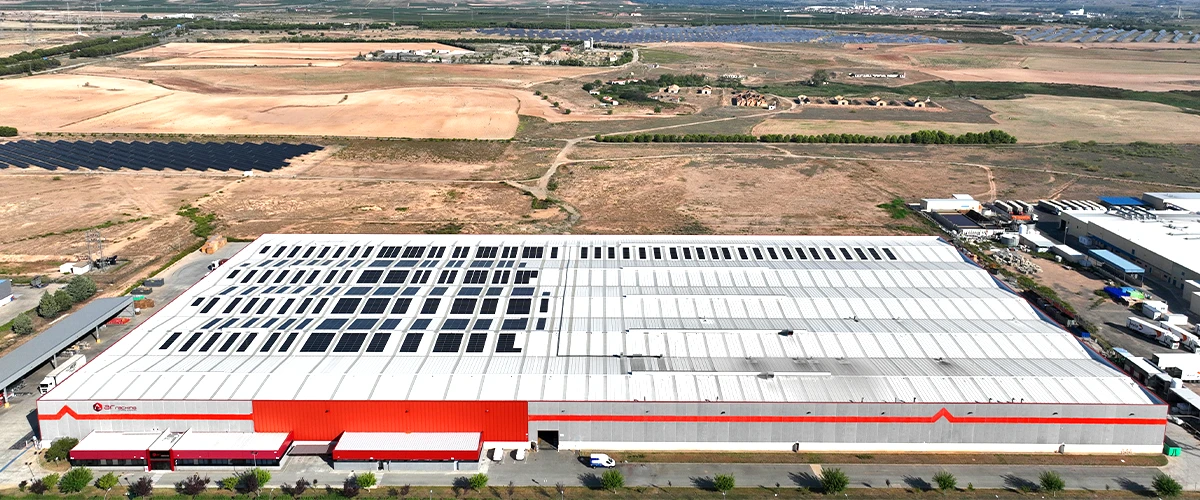
Manufacturer Control From Steel Coil to Load Sign
Alohatop Shelf designs, calculates, manufactures and supports the installation of industrial pallet racking and automated warehouse structures. Owning the engineering-to-production chain gives export buyers one accountable partner instead of a chain of traders and subcontractors.
- 35,000 m² highly automated production centre with more than 100,000 t of annual steel capacity.
- More than 90% of output exported, with logistics experience for ports such as Santos, Callao, San Antonio, Cartagena and Buenos Aires.
- Full traceability from production batch to installation, supporting CE-related project documentation and after-sales inspection.
- 5-year warranty backed by ISO 9001, ISO 14001, ISO 45001, ISO 50001, EN ISO 3834-2, EN 1090-1 and ISO 14064 verified carbon reporting.
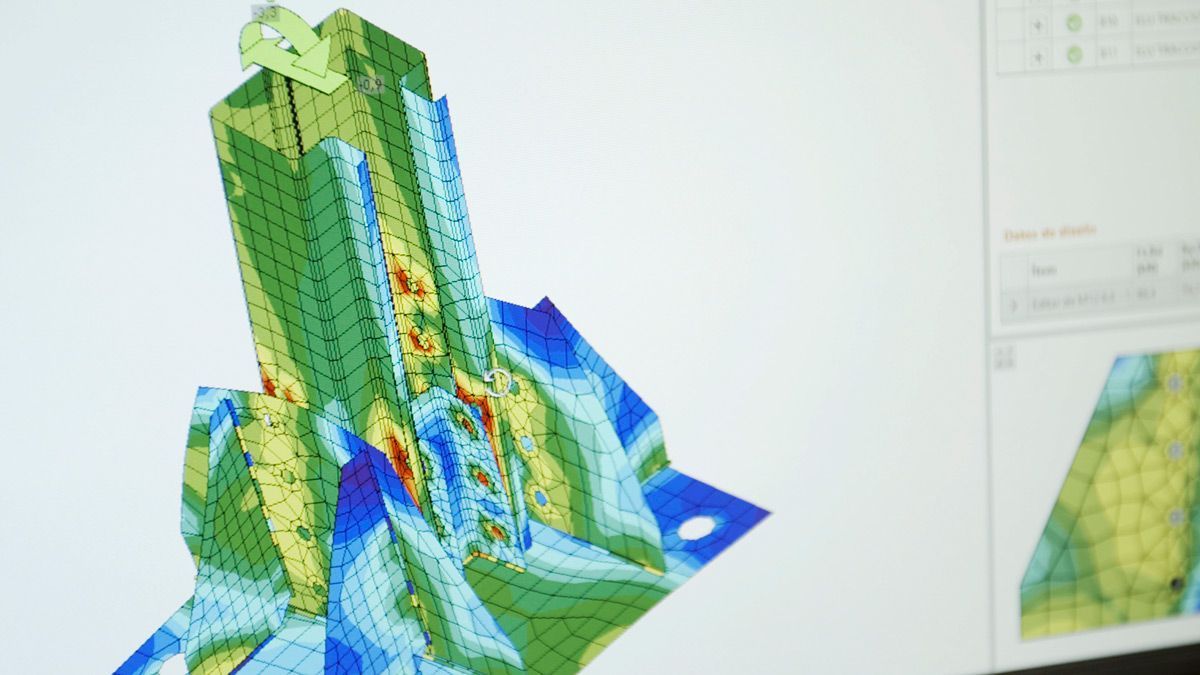
Engineering Validated in Laboratory and on Site
Our technology work includes an R&D laboratory relationship with Mondragon University and a research and simulation chair with the University of the Basque Country. This supports finite-element simulation, physical load testing and design review for demanding seismic and cold-store projects.
- Simulation of frames, beams, connectors and base connections under real load cases.
- Physical load and cyclic testing of new profiles before series production.
- Design reviewed against European practice and local South American seismic codes.
- Robotic production and laser-controlled processes for AS/RS tolerance requirements.
Global Sourcing With Local Installation Reality
An exporter should reduce project risk, not transfer it. That means quoting with installation logic, port planning and local code awareness from the beginning.
Seismic Markets
Chile, Peru, Colombia and Ecuador require project-specific structural verification, anchoring design and local code alignment.
Cold-Chain Projects
Fruit, meat, seafood and frozen food exporters need rack layouts that protect access, airflow and temperature performance.
3PL and Distribution
Multi-client warehouses benefit from selective, double-deep and shuttle layouts that can be reconfigured as contracts change.
Documentation and Packing
Export packing lists, container loading plans, spare-part kits and installation manuals reduce site delays and rework.
Pallet Racking Manufacturer and Exporter Questions
These are the questions our engineering and export teams answer most often before a warehouse pallet storage rack project moves to quotation, sample approval or tender submission.
Need a project-specific answer? Share your layout, pallet data and destination city so the recommendation is based on load and code reality.
Get CatalogWhat does CE certification mean for warehouse pallet storage racks?
CE-related compliance should be understood as a documented chain rather than a single logo. Depending on the product and destination, it can involve EN 1090-1 factory production control, welding quality control, Declaration of Performance where applicable, structural calculation, product marking and installation documentation. Buyers should ask for the exact scope for their project.
Can you design racking for seismic zones in South America?
Yes. Projects can be reviewed against local seismic requirements such as NCh2369 and NCh433 in Chile, E.030 in Peru, NSR-10 in Colombia and NEC in Ecuador. Typical measures include reinforced uprights and bracing, heavier base plates, anchor verification, row spacers and tighter beam deflection limits.
Which pallet sizes and load capacities can you support?
We support common formats including 1200 × 1000 mm, 1200 × 800 mm Euro pallets, 1000 × 1200 mm PBR pallets used in Brazil, and ISO sizes such as 1100 × 1100 mm and 1219 × 1016 mm. Beam lengths, frame depths and load capacity are engineered for the actual pallet, load per level and operating equipment.
Can the racking operate in freezer and cold storage warehouses?
Yes. Mobile racking, drive-in, VNA, pallet shuttle and self-supporting freezer structures can be supplied with steels, finishes and installation details suited to low temperatures down to −30 °C. This is important for fruit, meat, seafood and frozen food export operations.
What is the difference between selective, VNA, drive-in and shuttle racking?
Selective racking offers direct access to every pallet and suits high SKU variety. VNA increases density by narrowing aisles for specialist equipment. Drive-in is efficient for homogeneous goods but has low selectivity. Pallet shuttle increases throughput and density in deep lanes for high-volume distribution centers.
What warranty and quality documents are available?
Storage systems can be supplied with a 5-year warranty and quality documentation linked to ISO 9001, ISO 14001, ISO 45001, ISO 50001, EN ISO 3834-2 welding quality, EN 1090-1 and ISO 14064 verified carbon reporting. Component traceability and inspection support are available for installed projects.
What information is needed to start a quotation?
Send the building layout and clear height, pallet dimensions and maximum load, number of SKUs and pallets per SKU, daily throughput, forklift or automation type, temperature range, seismic zone or project city, and required delivery port. This allows our engineers to propose a safe and efficient system rather than a generic price list.
Do you support installation and after-sales inspection?
Yes. We can coordinate installation supervision, commissioning support, maintenance planning, spare parts and periodic technical inspection to identify impact damage, overloads, loose anchors or missing safety accessories before they become incidents.
How do you reduce export project risk?
We start with a feasibility layout, verify the structural assumptions, prepare export packing and container loading plans, support customs documentation, and align installation sequencing with the site team. For complex cold-store or automated projects, early engineering coordination is the most effective risk reduction measure.
Planning a CE-Certified Pallet Racking Project?
Share your warehouse layout, pallet dimensions, load per level and destination market. Our engineering team can recommend a safe, space-efficient and export-ready pallet storage rack solution for your project.
Get CatalogPrefer email? Send your drawings and load data to our sales engineering team.
[email protected]