8 Cantilever Pallet Racking Products for Factory-Direct Sourcing
These eight catalogue systems cover custom 8-layer storage, heavy-duty industrial cantilever racking, pipe racks, adjustable pallet racks and high-density warehouse racking. Product URLs are preserved exactly so buyers can verify specifications before requesting a quote.
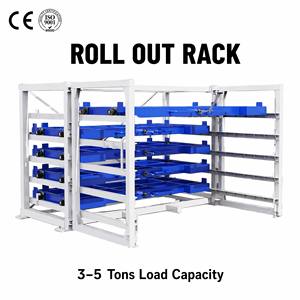
Industrial Heavy Duty Customizable Foldable Corrosion Resistant 8-Layer Powder Coated Carbon Steel Warehouse Rack Cantilever
8-layer, foldable and customizable carbon steel cantilever storage for long goods, with corrosion-resistant powder coating and export-ready packing.
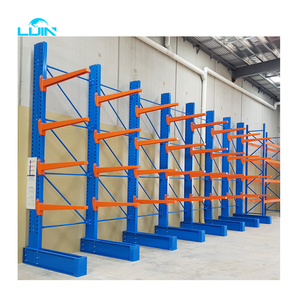
Factory Price Cantilever Rack Heavy Duty Industrial Cantilever Racking Steel Storage
Heavy-duty industrial cantilever racking for steel storage, factory pricing and volume export orders.
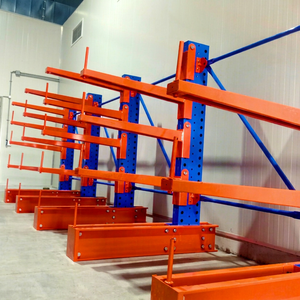
Warehouse Storage Heavy Duty Cantilever Pallet Racking System From Vietnam Supplier
Export-grade cantilever pallet racking system for warehouse storage; verify origin, load chart and packing plan before ordering.
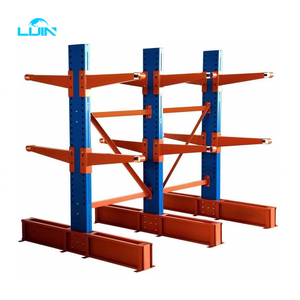
Heavy Duty Cantilever Racking System for Factory and Warehouse
Heavy-duty cantilever racking for factories and warehouses, designed for long profiles, stable arm loading and efficient aisle planning.
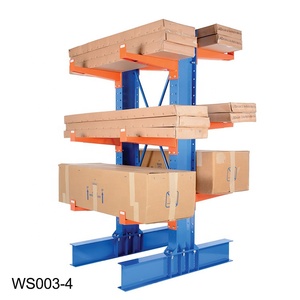
Wholesale Heavy Duty Cantilever Racking Customize Cantilever Pipe Rack
Custom heavy-duty pipe rack with adjustable cantilever arms for tubes, pipes and cylindrical loads.
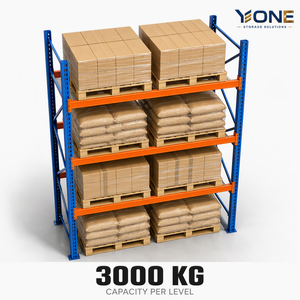
Factory Heavy Duty Steel Pallet Rack 2000kg Capacity Warehouse Storage Rack System Boltless Adjustable
Boltless adjustable pallet rack with 2,000 kg-class capacity, suitable for mixed warehouse storage and fast export projects.
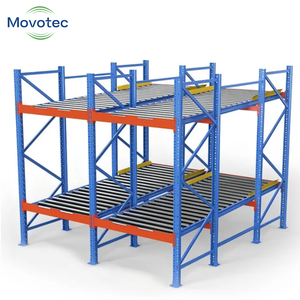
Warehouse Storage Racks Shelving Systems Pallet Rack Gravity Roller Flow Racking Movotec MTG100 1 Year Warranty
Gravity roller flow racking system for high-throughput pallet flow, FIFO stock rotation and fast-moving inventory.
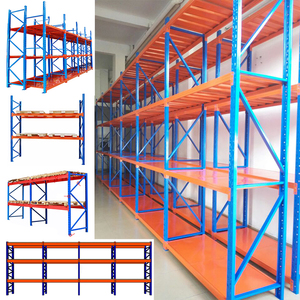
Heavy Duty Warehouse Rack Industrial Cold-Rolled Steel Rack Storage Shelf Rack 1600KG 1700KG 1800KG 1900KG Pounds Tons
Heavy-duty cold-rolled steel warehouse rack in multiple load classes for industrial storage and distribution projects.
Production Data Buyers Can Verify Before Ordering
Factory-direct sourcing should be supported by manufacturing scale, export experience and traceable quality systems — not only by product photographs.
Countries with installed storage systems
Warehouse and storage projects delivered
Annual steel production capacity
Of production exported worldwide
Own branches supporting regional service
Trusted distributors and installation partners
How to Identify a Real Cantilever Racking Factory, Not a Trading Shell
When buyers search for “China best cantilever pallet racking factories & exporter,” they are usually comparing suppliers at a late procurement stage. They already understand that a cantilever rack uses upright columns, base beams, adjustable arms and diagonal bracing. The real question is whether the supplier can prove engineering control, steel quality, welding documentation, coating performance, export packing and post-arrival support.
Engineering Evidence
Ask for arm load charts at the actual load centre, upright section drawings, base plate calculations, anchor specifications and a finite-element summary for the proposed height and arm length. A real factory can explain why a rack is safe, not only quote a price per kilogram.
Production Evidence
Look for in-house roll forming, robotic welding, hole-punching accuracy, powder coating line control and batch traceability. These processes determine whether arms fit, beams align and containers arrive without site rework.
Export Evidence
Request packing drawings, container loading plans, steel banding details, edge protection and loading photographs. Long uprights and arms need specific bracing to prevent bending during ocean freight.
Lifecycle Evidence
Confirm warranty terms, spare parts availability, installation method statements, inspection checklists and technical support. The lowest FOB price is not the lowest landed cost if the project stops at site because documents or components are incomplete.
Why Cantilever Rack Capacity Is a Curve, Not a Single Number
A cantilever rack is a moment structure. The arm behaves like a bracket: as the load centre moves farther from the upright, the bending moment increases and the permissible load falls. For pipes, timber, aluminium profiles, steel bars, PVC sections or textile rolls, the rack must be designed around real load geometry, handling equipment and the building.
| Engineering Variable | Why It Changes Performance and Quote | Information the Buyer Should Provide |
|---|---|---|
| Arm length and load centre | Controls bending moment and safe working load; a long arm may need a heavier upright or a shorter effective load centre. | Product length, weight, centre of gravity, lifting method and required arm reach. |
| Upright section and steel grade | Governs column stability, stiffness and resistance to local buckling under heavy arm loads. | Required capacity per arm, rack height, number of levels and steel grade expectations. |
| Base beam and anchor design | Resists overturning and transfers loads to the slab; critical for tall racks and seismic zones. | Concrete strength, slab thickness, anchor type, seismic zone and local design code. |
| Single-sided or double-sided | Changes aisle width, storage density and forklift or crane access. | Layout drawing, forklift turning radius, traffic flow and future expansion plan. |
| Arm pitch and adjustment | Matches SKU heights and allows reconfiguration when product mix changes. | SKU list, maximum diameter or bundle height, adjustment frequency and pin-lock preference. |
| Finish and environment | Affects corrosion resistance, cold-store performance and maintenance cost. | Indoor or outdoor use, humidity, coastal air, freezer temperature and coating standard. |
| Packaging and container loading | Prevents damage in transit and affects freight efficiency and site assembly time. | Destination port, container type, unloading equipment and installation sequence. |
Engineering rule used by our project team: if the same arm is quoted for a 600 mm load centre and a 1,200 mm load centre without de-rating, challenge the data.
Match the Cantilever Configuration to the Load
Buyers do not need the most complicated system. They need the configuration that reduces handling time, protects long goods and keeps the rack within its engineered load envelope.
Single-Sided Racking
Best for wall-side storage, lumber yards and areas where one-direction access is enough. It frees floor space and keeps long goods close to the handling aisle.
Double-Sided Racking
Ideal for pipe, tube and profile warehouses that need high-density central islands. It increases storage positions per square metre while preserving forklift access on both sides.
Heavy-Duty Pipe Racks
Recommended for steel service centres, construction suppliers and oil-and-gas stockyards. Pipe cradles, safety pins and arm spacing should be specified around the actual bundle.
Adjustable and Foldable Racks
Useful for changing SKU lengths, seasonal inventory and export projects where assembly speed matters. The 8-layer foldable carbon steel option above is a practical starting point for mixed long goods.
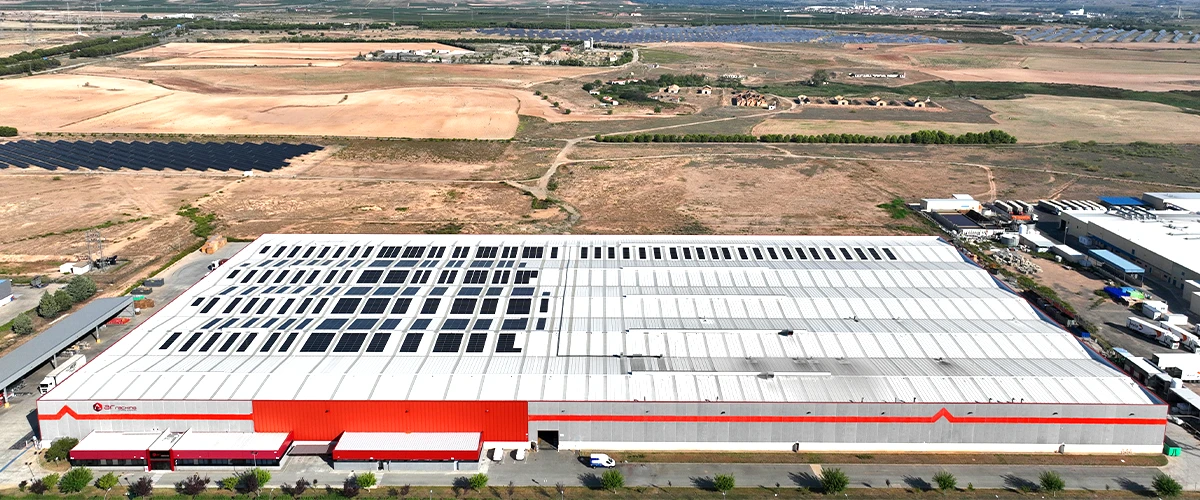
Inside a 35,000 m² Highly Automated Production Centre
Our operating model is built around full project control: engineering, roll forming, robotic welding, powder coating, traceability, export packing and installation support. That matters for cantilever racking because uprights, arms, base beams and bracing must work as one structural system.
- 35,000 m² production centre with more than 100,000 t annual steel capacity and over 90% of output exported.
- 60+ countries, 42,000+ projects, 14 own branches and 70+ distributors supporting global supply and site service.
- Robotic production and laser-controlled processes keep frames and arms within tolerances required for fast, safe installation.
- R&D collaboration with Mondragon University and the University of the Basque Country supports load testing, simulation and seismic design review.
- 5-year warranty, full component traceability and ISO 9001, ISO 14001, ISO 45001, ISO 50001, ISO 3834-2, EN 1090-1 and ISO 14064 systems.
Automated Production
Automated roll forming, controlled hole pitch and robotic welding reduce rework risk on site. Consistent components also protect project schedules for large export orders.
R&D and Laboratory Validation
Finite-element simulation, physical load testing and cyclic testing help validate new profiles and connections before they are offered to buyers in demanding environments.
Certified Quality System
ISO 9001, ISO 14001, ISO 45001, ISO 50001, ISO 3834-2 welding quality, EN 1090-1 and ISO 14064 carbon reporting support procurement and compliance review.
Export Experience
Over 90% of production is exported. Experience with ports, packing plans, documentation and destination handling reduces friction for first-time importers.
Full Traceability
Component traceability from steel batch to installation helps buyers manage safety files, maintenance history and future inspection reports.
Engineering-to-Installation Service
Project engineering, technical inspection, installation and maintenance services help turn a racking quotation into a safe, usable storage system.
What Smart Cantilever Racking Buyers Will Ask For Next
Price comparison still matters, but advanced buyers are shifting toward total cost of ownership, data-backed specifications, automation compatibility and verified safety documentation.
Total Cost of Ownership
Buyers increasingly evaluate handling time, damage rate, maintenance, spare parts and installation speed — not only the FOB price per tonne of steel.
Data-Rich RFQs
More buyers now provide load centre, SKU dimensions, bundle weight, slab data and traffic flow. Suppliers that can return engineered drawings and load charts quickly gain an advantage.
Automation-Ready Storage
Cantilever systems are being specified around crane, forklift and automated handling interfaces, with tighter tolerances and clearer maintenance access.
Traceable ESG and Compliance
ISO-certified production, material traceability and verifiable carbon reporting are becoming normal requirements in tender documents and supplier audits.
The Next Generation of Cantilever Pallet Racking
Racking development is moving toward higher strength-to-weight ratios, better corrosion protection, modular accessories and digital safety records.
High-Strength Steel Profiles
Optimised profiles can improve stiffness while reducing excess steel. Buyers should compare capacity curves, not only steel weight.
Corrosion Protection Systems
Powder coating, pretreatment and coating thickness control are increasingly important for ports, cold stores, coastal factories and outdoor yards.
Modular Arm and Accessory Ecosystems
Adjustable arm pitches, pipe cradles, dividers, safety pins and labels make one rack platform adaptable to changing SKU profiles.
Digital Inspection and Traceability
QR-coded components, batch records and digital inspection forms support maintenance planning and future rack safety audits.
From RFQ to Installation: A Lower-Risk Buying Process
A well-run cantilever racking export project follows clear technical gates. Skipping them is the most common reason container deliveries fail to match site expectations.
1. Technical RFQ
Provide building layout, clear height, product dimensions, maximum bundle weight, load centre, quantity, environment, destination port and required standards.
2. Engineering and Approval
Review layout, arm load chart, upright sections, base plates, anchors and installation sequence. Freeze drawings before steel production begins.
3. Production and Inspection
Check steel batch, dimensions, weld quality, arm fit, coating, labels and packing. Pre-shipment photographs are useful but should not replace inspection records.
4. Logistics and Handover
Confirm container loading plan, documents, unloading equipment, anchoring materials and installation support before the vessel departs.
China Cantilever Racking Factories and Exporter FAQ
These are the questions our engineers most often receive from importers, warehouse managers and procurement teams comparing cantilever racking suppliers.
Are you a cantilever racking factory or a trading company?
We operate as a manufacturer with full project control across engineering, production, export packing and installation support. Buyers should always ask any supplier for production evidence, load calculations, component traceability and pre-shipment inspection records.
What load capacity can you manufacture for cantilever racking?
Capacity depends on arm length, load centre, upright height, number of levels, base design and the products being stored. Instead of quoting one number, send the actual bundle weight, dimensions, centre of gravity and required arm reach so the rack can be engineered correctly.
Can you customize arm length, upright height, colour and accessories?
Yes. Customization typically includes upright height, arm length, arm pitch, single-sided or double-sided configuration, base beams, pipe cradles, dividers, safety pins, labels, coating colour and export packing. All custom sizes should be confirmed on approved drawings before production.
What is the MOQ and typical lead time?
MOQ and lead time depend on the rack type, steel profile, coating requirement and order volume. For project orders, the sequence usually includes drawing approval, material preparation, production, inspection and packing. Confirm the schedule in writing before booking freight.
How do you protect racking during ocean freight?
Export packing should include steel banding, edge protection, moisture control, bundled uprights and clearly labelled components. For long arms and uprights, loading plans must prevent bending and movement inside the container. Request packing drawings and loading photographs.
Can you design for seismic zones and local building codes?
Yes. Racking can be reviewed against the destination country’s seismic and structural requirements using site soil data, anchorage details and building information. Buyers should provide the project city and local code requirements during the RFQ stage.
What warranty and certifications support the product?
Storage systems can be supported by a 5-year warranty and production under ISO 9001, ISO 14001, ISO 45001, ISO 50001, ISO 3834-2 welding quality, EN 1090-1 and ISO 14064 verified carbon reporting, with component traceability where required.
What information should I send with my inquiry?
Send the building layout, clear height, product dimensions, maximum bundle or pallet weight, load centre, number of SKUs, storage quantity, handling equipment, temperature range, destination port and required delivery date. This allows the supplier to return a useful engineered proposal instead of a generic price list.
Planning a Cantilever Racking Project or Comparing Exporters?
Share your load data, building dimensions and destination port. Our storage engineers can review the long-goods storage requirement and recommend a safer, more space-efficient cantilever pallet racking configuration for your project.
- Engineering review of arm length, load centre and upright height
- Export packing, container loading and installation planning
- Quality documentation, warranty and lifecycle support
- Product length, diameter, bundle weight and load centre
- Required rack height, levels and arm length
- Indoor/outdoor, humidity, cold store or coastal environment
- Destination port, container type and target delivery date