China Top Industrial Storage Racks Factory & Wholesaler
Heavy-duty pallet racking, cantilever systems, shuttle racking and warehouse storage solutions engineered for importers, distributors, 3PLs, project contractors and high-throughput distribution centres.
8 Industrial Storage Rack Systems Ready for Your Project
Buyers usually compare racking by price per bay, but the lower total cost comes from matching beam length, upright capacity, handling equipment, pallet quality and stock rotation to the real operating profile. The eight systems below cover selective, high-density, cantilever and shuttle applications for warehouses across Europe, the Middle East, Africa and the Americas.
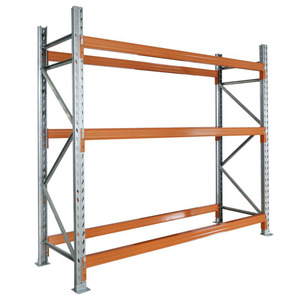
NOVA Full Automatic Warehouse Q235 Steel Boltless Store Heavy Duty Stacking Rack Industrial Storage Pallet Racking System
A factory-direct, boltless heavy-duty pallet racking platform for high-density storage, quick installation and phased warehouse expansion.
View product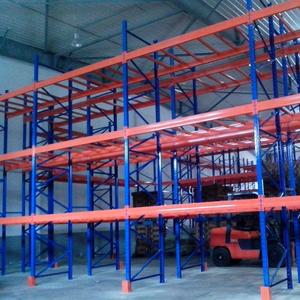
High Load Beam Pallet Racking Anti Rust Powder Coating Detachable Warehouse Rack Australian Distribution Center Goods Stacking
Powder-coated detachable beam racking for humid coastal distribution centres, with anti-rust finish and high load capacity.
View product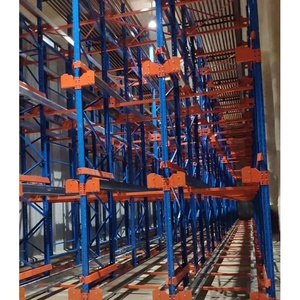
Customized Steel Pallet Rack Stacking Racks & Shelves Warehouse Storage Rack Heavy Duty Shuttle Racking for Industrial
Semi-automated shuttle racking for deep-lane, high-throughput storage where land and cooled volume are expensive.
View product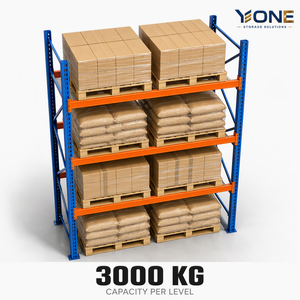
Factory Heavy Duty Steel Pallet Rack 2000kg Capacity Warehouse Storage Rack System Boltless Adjustable
Adjustable boltless steel pallet racking with 2,000 kg capacity; suited to mixed-SKU warehouses and fast deployment.
View product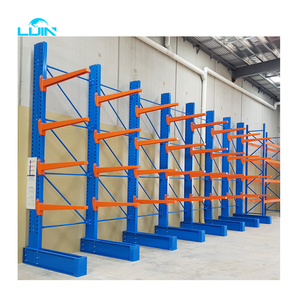
Factory Price Cantilever Rack Heavy Duty Industrial Cantilever Racking Steel Storage
Cantilever racking for long pipes, profiles, timber and building materials; open-front access and high visibility.
View product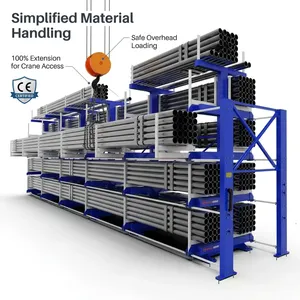
Double Sided Telescopic Cantilever Rack Manual Crank 100% Extension Steel Tube Pipe Storage Crane Access CE Certified
Double-sided telescopic cantilever rack with manual crank and 100% extension for steel tube and pipe storage.
View product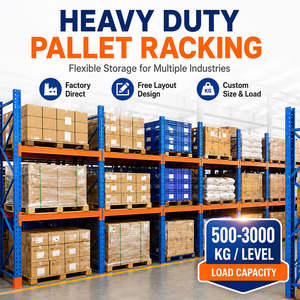
Heavy Duty Steel Warehouse Pallet Rack Storage Racking System for Industrial Warehouse Applications
A complete industrial warehouse racking system for palletised goods, engineered for high load and long service life.
View product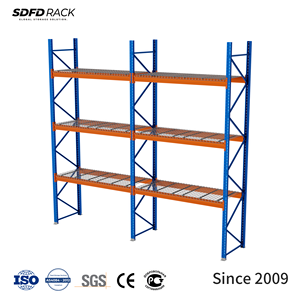
Custom 4 Layer Metal Beam Pallet Rack 200kg 300kg 500kg 800kg 1000kg Load Heavy Duty Industrial Racks for Warehouse Storage
Custom four-layer beam racking with 200–1,000 kg load options for multi-level industrial warehouse storage.
View productNot sure which racking system fits your pallet profile, clear height or throughput target? Share your layout and our engineers will return a practical recommendation.
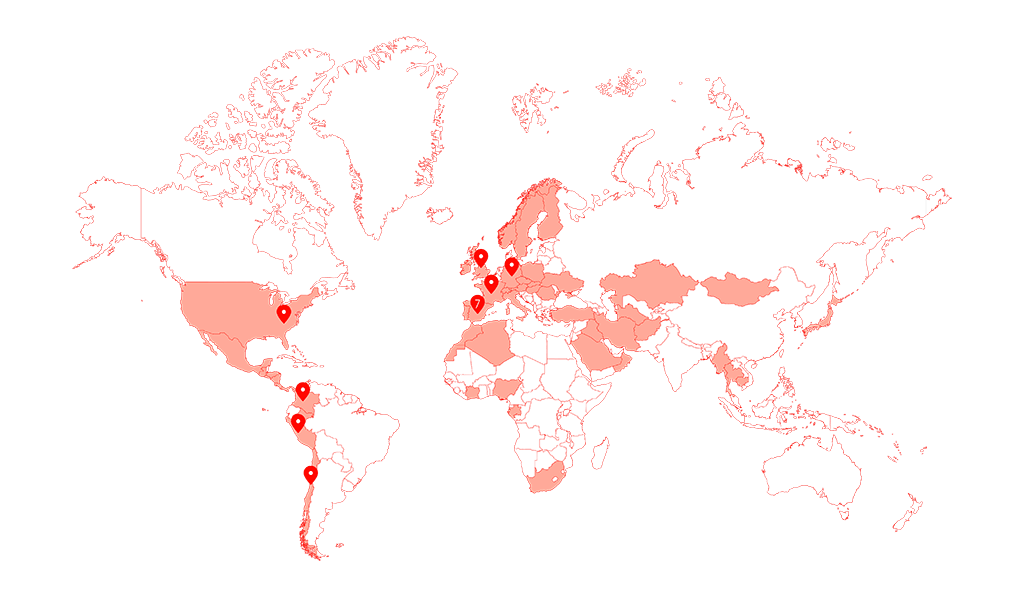
Contact UsCountries with installed storage systems and project references.
Warehouse racking and storage projects delivered worldwide.
Annual steel production capacity from automated manufacturing lines.
Of production exported to international distributors and project buyers.
Why a China Industrial Storage Rack Factory & Wholesaler Model Creates Competitive Advantage
China’s advantage is not simply lower steel cost. The strongest suppliers combine automated roll-forming, robotic welding, powder coating, export packing and structural calculation in one controlled flow. That integration protects beam-to-upright tolerances, reduces site rework and makes container loading more predictable for importers and contractors.
A factory and wholesaler model gives buyers one technical contact from layout study to load signage. We calculate the rack against actual load cases: pallet size, load weight, load eccentricity, beam deflection limit, aisle width, forklift type, seismic zone, floor flatness and clear height. For cold stores, steel grade and coating are adjusted for temperatures down to −30 °C. For seismic regions, bracing, base plates, anchors and row spacers are reinforced according to the destination code.
Factory-direct does not mean catalogue-only. A credible quote should show assumptions, not only a price. Ask for drawing revisions, load capacity labels, bill of materials, container loading plan, installation method, warranty terms and spare-part list. Our engineering team returns these documents with the proposal so procurement teams can compare suppliers on a like-for-like basis.
- For distributors and project contractors: OEM/ODM branding, catalogue data, installation manuals and phased delivery.
- For 3PLs and end users: selective racking compared against VNA, double-deep, drive-in, shuttle and AS/RS-ready structures.
- For cold-chain and food projects: anti-corrosion finishes, hygienic detailing and layouts that reduce cooled cubic volume.
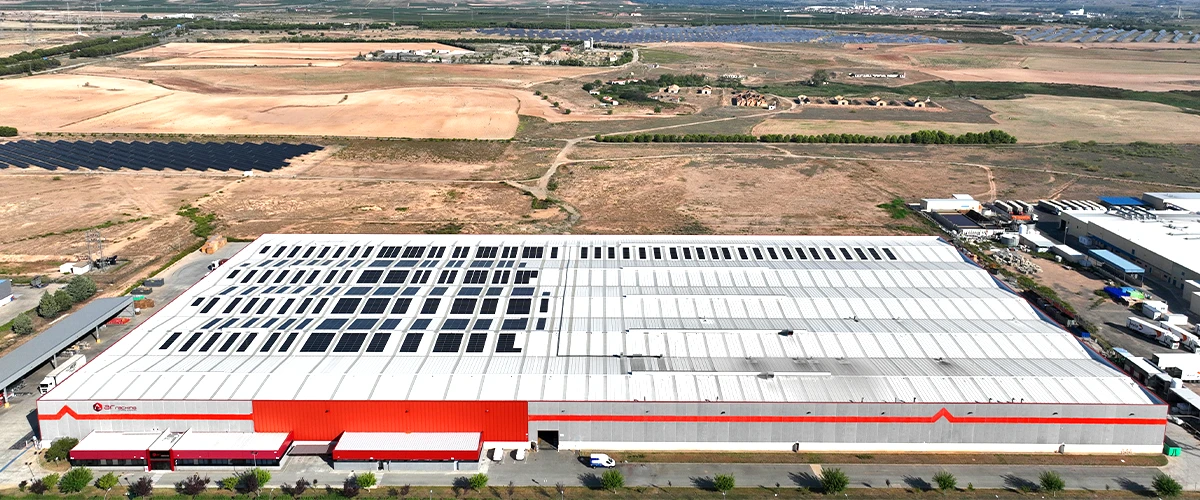
Automated production supports consistent profiles, repeatable quality and shorter export lead times.
Engineering, Manufacturing and Global Support in One Supply Chain
Alohatop Shelf designs, calculates, manufactures and installs industrial racking for warehouses, cold stores, distribution centres and production plants. Owning each step from steel coil to final load sign creates one accountable partner for overseas buyers.
Automated production at scale
A 35,000 m² highly automated production centre with more than 100,000 t annual capacity. Robotic production and laser-controlled processes keep frames and beams within the tolerances demanded by manual and automated warehouses.
R&D and laboratory testing
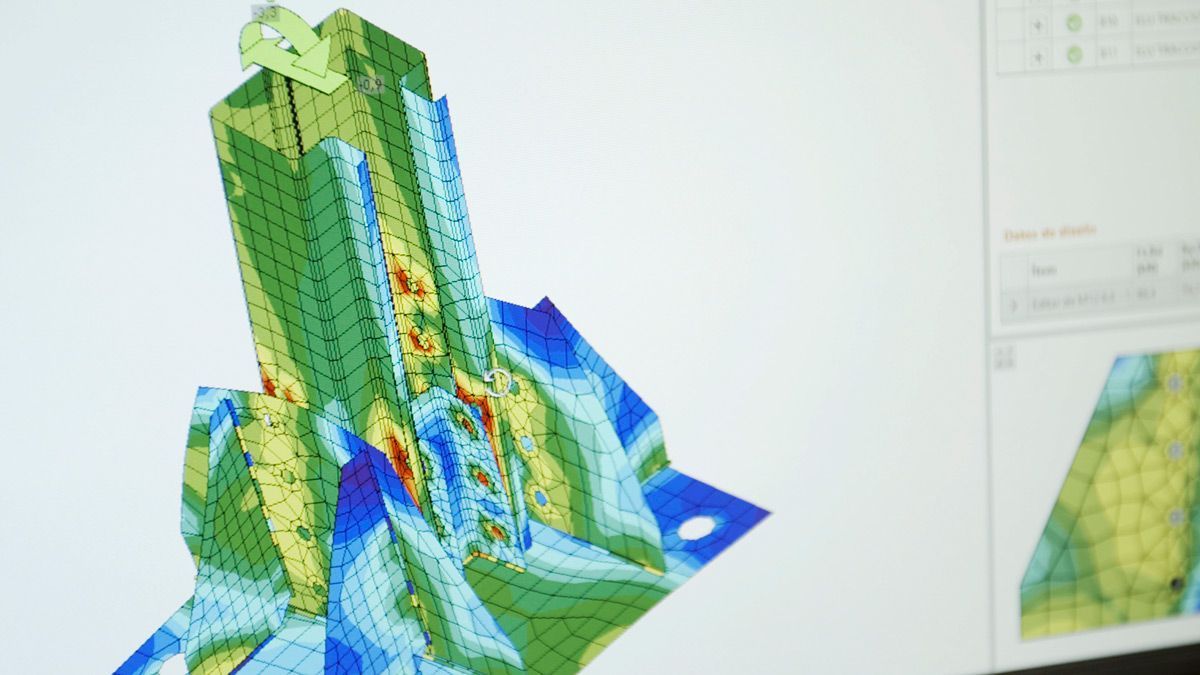
Our technology centre works with an R&D laboratory at Mondragon University and a research and simulation chair at the University of the Basque Country to test rack behaviour, strength and safety under real load cases.
Full traceability and warranty
Every upright and beam can be traced from production batch to installation. Storage systems are supported by a 5-year warranty, component documentation and clear load signage for safer daily operation.
Seismic and cold-store engineering
Racking is calculated against local seismic codes, soil class and operational loads. Cold-store systems use steels and finishes suited to freezer environments, with detailing that supports hygiene, inspection and maintenance.
Export logistics and distributor support
With 14 own branches and more than 70 trusted distributors, we support container loading, mixed-component packing, port documentation and staged deliveries for distributors, integrators and project sites.
Lifecycle project services
Layout optimisation, structural calculation, installation supervision, technical inspection, maintenance and reconfiguration keep the racking safe and productive long after the first pallet is loaded.
Certifications That Reduce Procurement Risk
International management and welding standards matter when racking carries people, stock and automation equipment. Our systems are produced under ISO 9001, ISO 14001, ISO 45001, ISO 50001, UNE EN ISO 3834-2, EN 1090-1 and ISO 14064 verified carbon reporting, with component traceability available for project documentation.
For buyers comparing suppliers, certification is not a decorative logo. It is evidence that quality control, environmental management, occupational safety, energy use and welding quality are audited and repeatable across production batches.
 ISO 9001Quality management
 ISO 14001Environmental management
 ISO 45001Health and safety at work
 ISO 50001Energy management
 EN ISO 3834-2Welding quality control
 EN 1090-1Structural steel components
What Industrial Storage Racks Will Look Like in 2026–2030
Warehouse racking is moving from static steel furniture to engineered infrastructure that must integrate with robotics, cold-chain energy targets and audited ESG reporting.
Automation-ready geometry
AS/RS, AMR and AGV-compatible racking requires tighter plumb tolerances, controlled beam deflection and precise interface data for integrators. Rack structures will increasingly be specified alongside conveyor and robotics layouts.
High-density cold-chain storage
Mobile, shuttle, drive-in and VNA racking continue to grow in frozen and chilled warehouses because every unnecessary aisle increases cooled volume and operating cost.
Modular and relocatable systems
Boltless and bolted systems with reusable components support warehouse leases, phased growth and circular-economy targets. Buyers increasingly ask for reconfiguration options before the first order.
Digital documentation and lower carbon
QR traceability, load labels, BIM files and ISO 14064 carbon reporting help buyers verify safety and sustainability claims. Racking is becoming part of the warehouse’s audited asset data.
How Smart Buyers Are Changing Their Rack Purchasing Strategy
Price per bay remains important, but experienced warehouse owners now compare racking by total cost of ownership, engineering risk and long-term serviceability.
Total cost of ownership first
Buyers calculate cost per pallet position, installation time, rework risk, maintenance access and future reconfiguration. A cheaper bay that creates aisle losses or slower picking is rarely the lowest-cost choice.
Earlier engineering involvement
Racking suppliers are being consulted before building leases, sprinkler layouts and automation contracts are finalised, because clear height, floor flatness and aisle geometry can change the entire project economics.
Supplier consolidation
Distributors and contractors prefer one factory for selective racking, cantilever, shelving, shuttle systems and project services. Consolidated supply reduces interface risk and simplifies spare-part planning.
Compliance-first purchasing
Seismic verification, load signage, welding documentation, fire strategy and ESG reporting are moving into the quotation stage rather than being handled after delivery.
Match the Rack to the Operating Profile
This comparison is a useful starting point for early layout studies. Final selection depends on SKU profile, throughput, building height, pallet condition, fire strategy and seismic zone.
| System | Best fit | Storage density | Direct access | Procurement note |
|---|---|---|---|---|
| Selective pallet racking | High SKU mix, retail distribution, food and beverage | Medium | 100% of pallets | Best starting point for mixed inventory and phased growth. |
| Very narrow aisle racking | Tall buildings, costly land, cold storage | High | 100% with VNA truck | Requires disciplined aisle operation and floor tolerance review. |
| Double-deep racking | 3PLs and manufacturers with multiple pallets per SKU | High | About 50% | LIFO per lane; good balance between density and access. |
| Drive-in racking | Homogeneous products, frozen goods, seasonal stock | Very high | Low | Use drive-through when FIFO or easier access is required. |
| Pallet shuttle racking | High-throughput distribution centres and deep cold lanes | Very high | Per lane | Higher automation value where throughput justifies the investment. |
| Cantilever racking | Pipes, profiles, timber, building materials | Medium to high | Open front | Specify arm length, loading equipment and crane access early. |
Density bars are relative to selective racking in the same footprint. In seismic zones, very tall or very dense configurations require specific structural verification and anchoring design.
How to Specify an Industrial Storage Rack System Before You Request a Quote
Better input data produces a faster, more accurate quotation and fewer site surprises. Use these six checkpoints before contacting a factory or wholesaler.
Define the load case
Provide pallet dimensions, maximum load weight, load height, load eccentricity and whether the load is stable. Racking must be calculated for the real load, not a generic bay capacity.
Map the SKU and throughput profile
Share the number of SKUs, pallets per SKU, daily inbound and outbound movements, and rotation rules. This decides whether selective, drive-in, shuttle or flow racking is appropriate.
Confirm handling equipment
Forklift type, lift height, aisle requirements and automation interfaces determine aisle width, beam clear height and frame protection. VNA and AS/RS projects need tighter tolerances.
Check building and code constraints
Send clear height, floor flatness, slab capacity, fire strategy, column grid and project city. Seismic zone, snow or wind exposure and local permitting requirements may change the design.
Plan finishes and temperature
Humidity, coastal air, freezer temperatures and washdown requirements affect steel finish and coating. Cold-store projects should be specified for the operating temperature, not room temperature.
Agree commercial and installation scope
Clarify drawings, load signage, packing, spare parts, delivery terms, installation supervision, inspection reports and warranty. A strong quotation makes these assumptions visible.
Information Gain: What a Factory Quote Should Reveal
When comparing China rack suppliers, request the calculation basis, beam deflection limit, upright capacity, surface treatment specification, anchor schedule and container loading plan. This level of detail exposes hidden assumptions about pallet quality, seismic design and installation responsibility.
For distributors, ask for neutral catalogue data and branded labels if required. For end users, ask how spare uprights, beams and safety accessories will be supplied after commissioning. For project contractors, confirm whether the factory can coordinate drawings with automation integrators, sprinkler contractors and civil works.
Our recommendation is to treat racking as infrastructure rather than a commodity. The right factory partner helps you compare options, document decisions and protect the project from rework after the steel has shipped.
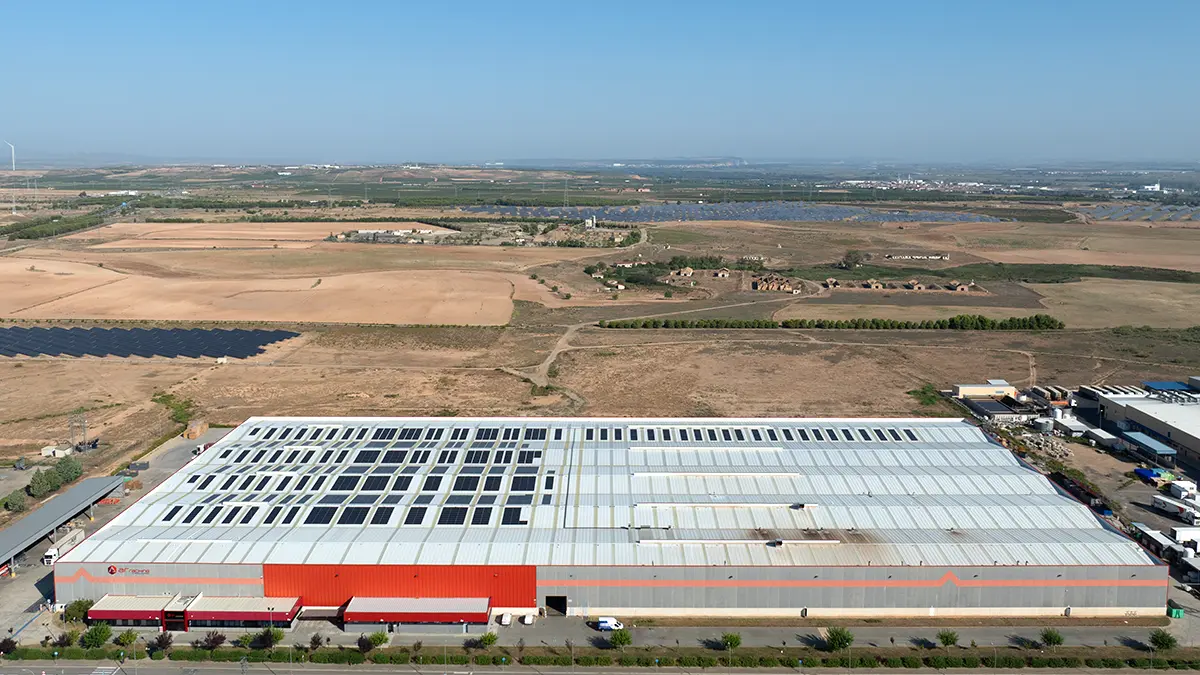
Millimetre control in production supports safer installation and smoother integration with automated equipment.
From Layout Study to Long-Term Rack Safety
One team supports your project from the first CAD layout through installation, inspection and future reconfiguration. This is especially valuable for buyers importing from China who need predictable coordination across languages, drawings and shipping schedules.
Engineering support that reduces installation risk
We review the building layout, pallet profile, load data and handling equipment before proposing a rack configuration. Structural calculations, seismic verification and integration points with forklifts, AGVs or AS/RS are handled before production is released.
Export packing for fewer site surprises
Components are packed by project and shipment sequence. Uprights, beams, bracing and accessories are labelled to match the installation drawings. For distributors, we can support mixed-container programmes and repeat-order consistency.
After-sales inspection and maintenance
Racking is exposed to impact, overload and layout changes. Periodic inspection identifies damaged uprights, missing safety clips, anchor issues and overloaded beams before they become incidents. Spare parts and replacement components are available for long-term operation.
Industrial Storage Rack Procurement FAQ
Answers our engineering and export teams give most often to warehouse, logistics and procurement managers.
Need a factory-direct recommendation?
Send your pallet size, maximum load, clear height, throughput, temperature range and project city. Our engineers will propose a safe and space-efficient racking concept.
Contact UsWhat is the minimum order quantity for a China storage rack factory?
MOQ depends on the system and whether the project uses standard or custom components. Selective pallet racking can be quoted for mixed-container or project-based orders, while cantilever, shuttle and automated rack structures are engineered per project. Share your layout and expected annual volume so the factory can recommend a cost-effective production and shipping plan.
How do you control quality before shipment?
Component inspection covers profile dimensions, weld quality, hole pitch, powder coating, upright and beam capacity markings, and packing completeness. Projects can be supported with inspection reports and traceability data. Production is organised under ISO 9001, ISO 14001, ISO 45001, ISO 50001, EN ISO 3834-2 and EN 1090-1 systems.
Can you customize racking for seismic zones and cold storage?
Yes. Racking for seismic regions is calculated against the local code and site conditions, with reinforced bracing, base plates, anchors and row spacers where required. For cold stores and freezers, we specify steel grades and finishes suitable for temperatures down to −30 °C and design layouts that maximise pallet positions per cooled cubic metre.
What is the typical lead time and shipping process?
Lead time depends on drawing approval, component volume, coating requirements and production scheduling. After engineering release, the factory prepares a production plan and container loading sequence. Export packing, port delivery, shipping documents and installation manuals are coordinated with the buyer’s freight forwarder or our distributor network.
Do you provide drawings, load signs and installation support?
Yes. Project documentation can include layout drawings, beam and upright load labels, installation drawings, component lists and safety guidance. For overseas projects, we support installation supervision through trained distributors or our own project supervisors, depending on scope and location.
How do I choose between selective, drive-in and shuttle racking?
Selective racking gives direct access to every pallet and suits mixed SKUs. Drive-in racking increases density for homogeneous stock but reduces direct access. Pallet shuttle racking is ideal for high-throughput, deep-lane storage where automation and density justify the investment. The right choice depends on SKU profile, throughput, pallet condition, building height and total cost of ownership.
Request a Factory-Direct Rack Layout and Quotation
Share your pallet dimensions, maximum load, clear height, SKU profile, throughput, temperature range and project city. Our engineers will recommend the safest, most space-efficient industrial storage rack system for your site.
Factory-direct pricing • OEM/ODM support • Export documentation • Installation guidance