China Top Rack Storage Shelves Factories & Suppliers
A procurement-focused guide to warehouse racking, pallet storage shelves, cantilever systems and automation-ready rack structures from export-grade manufacturing partners.
Eight Rack Storage Shelves Selected for Global Warehouse Procurement
These products cover selective pallet racking, adjustable boltless shelving, heavy-duty industrial racks, cantilever storage and safety-focused pallet rack systems. All product links are retained for direct technical review.
Countries with installed storage systems
Warehouse projects delivered across industries
Annual steel production capacity
Of production exported to international markets
Rack Storage Shelves Are No Longer a Commodity Purchase
Warehouse racking has become a strategic infrastructure decision. E-commerce fulfilment, cold-chain expansion, nearshoring, multi-channel inventory and automation are compressing the time available to build or expand a warehouse. A rack storage shelves supplier that can only quote a price is not enough. Buyers now need structural engineering, documented load capacity, export packaging, installation support and lifecycle safety guidance.
When procurement teams compare China top rack storage shelves factories and suppliers, the strongest proposals usually share four traits: direct manufacturing control, verifiable quality systems, application-specific engineering and a clear path from layout drawing to installed rack. The weakest proposals often look competitive at the quotation stage but create hidden cost in rework, delayed permits, damaged components or under-used cubic metres.
This guide uses the manufacturing, engineering and export capabilities of Alohatop Shelf as a benchmark for evaluating top-tier suppliers. The objective is not to choose the lowest price per kilogram of steel. It is to select a partner that can reduce total cost of ownership, structural risk and project uncertainty across the full warehouse lifecycle.
A high-performing rack storage shelves factory should be able to discuss pallet formats, seismic demand, fire strategy, forklift clearances, automation tolerances and future reconfiguration before the first quotation is issued. That is the difference between buying steel and buying a working storage system.
Land and cold-store cubic volume are expensive. Racking must increase pallet positions per square metre without compromising access or safety.
Seismic zones, high-bay installations and automated equipment increase the consequences of poor frame, beam or anchor design.
Procurement and QA teams increasingly require ISO certificates, welding control, load plates and component traceability.
Factory-Direct Manufacturing with Full Project Control
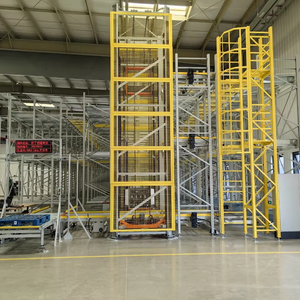
Alohatop Shelf LLC designs, calculates, manufactures and installs industrial racking and automated warehouse structures. Owning the critical steps from steel processing to final load signage gives buyers one accountable partner instead of a chain of traders.
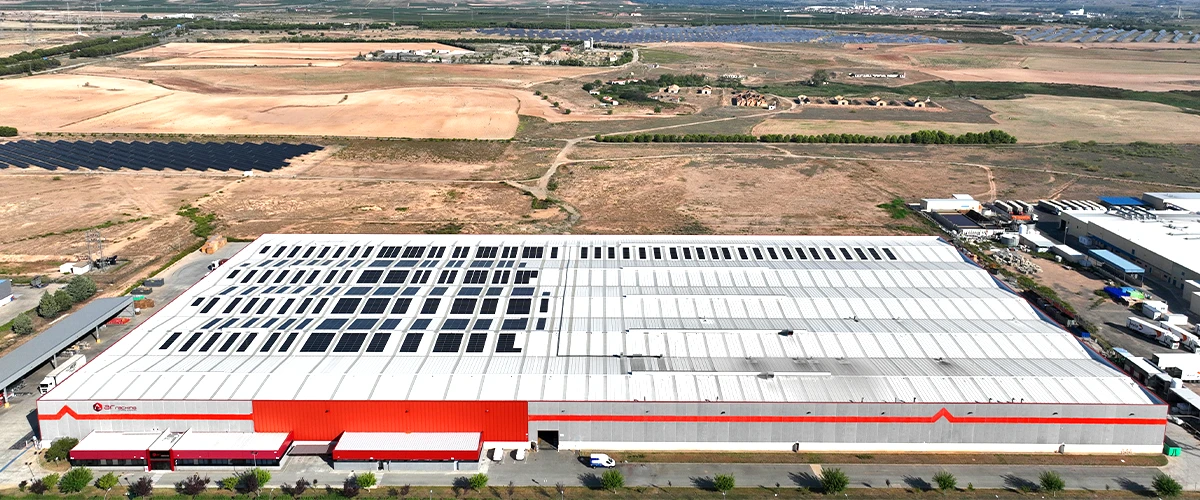
35,000 m² automated production centre with 100,000 t annual capacity
The production model is built for export-scale orders and repeatable quality. Robotic welding, laser-controlled processes and disciplined inspection help maintain dimensional consistency across large racking projects. That consistency matters for manual warehouses because installation is faster and safer, and it is essential for AS/RS projects because stacker cranes and shuttles cannot tolerate drifting rack geometry.
- More than 90% of output exported, with logistics experience for major global ports and project sites.
- 5-year warranty supported by full component traceability from production batch to installation.
- ISO 9001, ISO 14001, ISO 45001, ISO 50001, EN ISO 3834-2 welding quality, EN 1090-1 and ISO 14064 aligned quality and sustainability controls.
- Project engineering, technical inspection, installation and maintenance available as one lifecycle service.
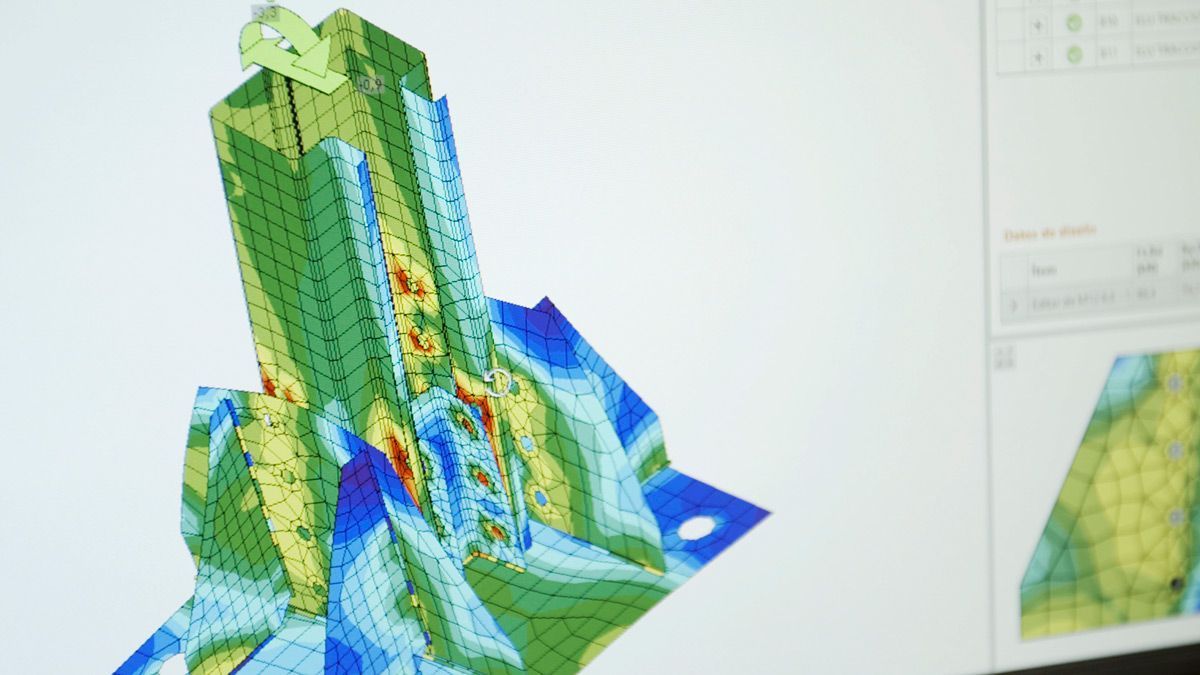
Engineering validated in laboratory and simulation, not only on paper
Racking safety depends on how frames, beams, connectors and base plates behave under real load cases. The company’s technology centre works with an R&D laboratory at Mondragon University to test the behaviour, strength and safety of racking components. A research and simulation chair at the University of the Basque Country supports calculation models and simulation tools for structures under demanding conditions.
For buyers, this translates into more than technical prestige. It means the selected profile, bracing pattern and anchor strategy can be reviewed against local seismic demand, cold-store conditions and automation tolerances before manufacturing begins. It also gives the supplier a stronger basis for value engineering: removing unnecessary steel without reducing safety.
One accountable partner
Design, manufacture, installation and inspection remain under one project structure. This reduces interface risk between a trading company, a factory and an installation contractor.
Export documentation
Buyers can request drawings, load data, packing lists, material and finish specifications, certification evidence and installation guidance for customs and internal QA.
Lifecycle support
From the first CAD layout to periodic rack inspection and replacement components, long-term rack safety is treated as part of the product, not an after-sales afterthought.
Seismic-Ready, Cold-Store-Ready and Automation-Ready Racking
Top suppliers adapt the structural design to the destination market and operating environment. The same pallet rack that works in a mild, low-rise warehouse may be unsuitable for a seismic zone, a −30 °C freezer or a high-bay automated store.
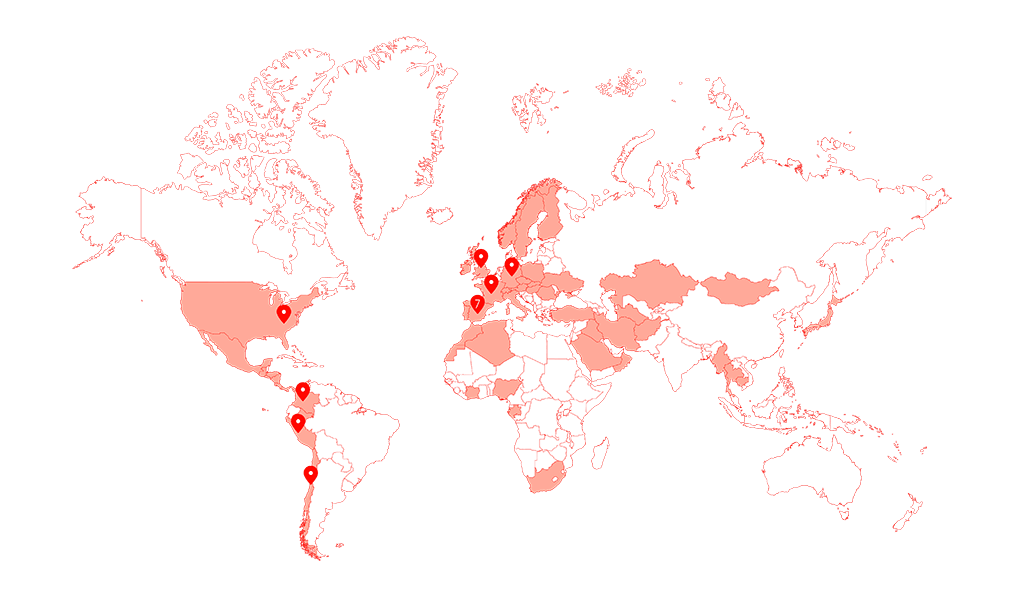
Local codes, pallet formats and operational profiles
For seismic countries, racking should be calculated against the local code and site soil class. Relevant examples include NCh2369 and NCh433 in Chile, E.030 in Peru, NSR-10 in Colombia, INPRES-CIRSOC 103 in Argentina and NEC in Ecuador. Typical measures include reinforced uprights and bracing, heavier base plates and anchors, row spacers, reduced beam deflection limits and careful consideration of aisle configuration.
Pallet data must drive the design, not a generic catalogue table. Racking may need to support the 1200 × 1000 mm pallet widely used in Latin America, the Brazilian PBR 1000 × 1200 mm format, the 1200 × 800 mm Euro pallet, ISO sizes such as 1100 × 1100 mm and 1219 × 1016 mm, or custom skids and bins. Beam length, frame depth and load signage should be dimensioned for the actual pallet and maximum load.
Product Recommendations by Warehouse Application
Use the application profile to shortlist the right racking family before requesting a layout. The fastest way to compare suppliers is to send the same operational data to each candidate and ask for a layout, load calculation and bill of materials.
High-selectivity distribution centres
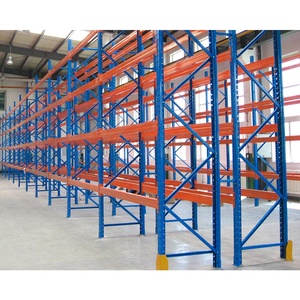
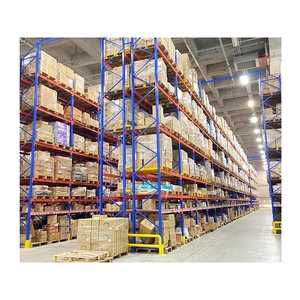
Selective pallet racking remains the default for mixed-SKU operations because every pallet is directly accessible. For high-value inventory, add row spacers, upright protectors, beam locks and clear load plates. Consider intelligent conveying or shuttle systems only when throughput justifies the investment.
Review intelligent pallet rackSmall parts, spare parts and manual picking
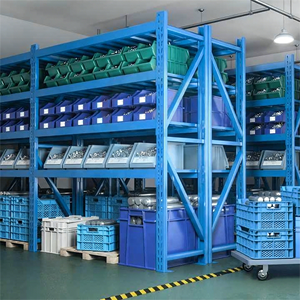
Boltless adjustable metal shelving is efficient for cartons, spare parts and light-duty industrial storage. Adjustable shelf levels, powder coating and corrosion protection improve flexibility and service life. For e-commerce and retail picking, combine shelving with labelling, bin locations and pick-path design.
Review boltless shelvingPipes, timber, profiles and long materials
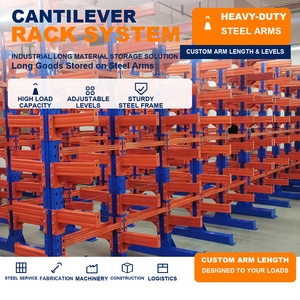
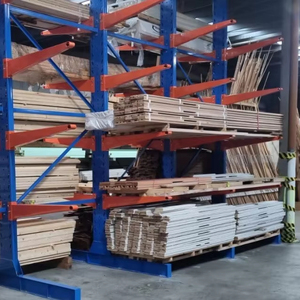
Cantilever racking removes front columns so long loads can be stored and retrieved without obstruction. Single-sided and double-sided cantilever configurations suit building-column layouts and yard or warehouse operations. Arm length, arm spacing and upright capacity must be matched to the load shape and handling equipment.
Review cantilever rackingHeavy-duty pallet and industrial storage
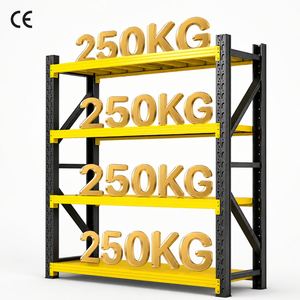
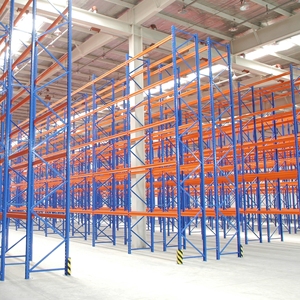
Heavy-duty 4-layer pallet racks, customised safety racking and multi-level storage systems can support dense pallet storage in manufacturing, 3PL and distribution environments. The key is to verify beam load tables, frame capacity, floor anchorage and forklift impact protection rather than relying on a nominal “heavy-duty” label.
Review safety pallet rackWhat Smart Buyers Will Demand from Rack Storage Shelves Suppliers
Procurement is shifting from unit-price comparison to lifecycle value. The following trends are already visible in large distribution, cold chain, manufacturing and e-commerce projects.
Total cost of ownership over lowest price
Buyers will compare installation speed, damage risk, future reconfiguration, spare-part availability and inspection cost. A rack that is 5% cheaper but requires extra site rework or loses cubic capacity is rarely the lowest-cost option.
Seismic and structural documentation
Project engineers will ask for calculation assumptions, anchor specifications, bracing details and compliance evidence. Suppliers that can produce clear structural documentation earlier in the process will win more high-value projects.
Cold-chain and high-bay density
Fruit, meat, seafood, dairy and frozen food supply chains continue to invest in high-density cold storage. Mobile racking, drive-in, VNA, pallet shuttle and self-supporting freezer warehouses will be evaluated for pallet positions per cooled cubic metre.
Automation-ready tolerances
AS/RS, AMR and shuttle systems require rack geometry, plumbness and interfaces that are controlled to tighter tolerances than conventional racking. Factories without laser inspection and formal quality control will be screened out.
ESG, carbon and circular steel
Large buyers increasingly request environmental management evidence, raw-material traceability, recyclable packaging and carbon reporting. ISO 14001 and ISO 14064 practices become part of supplier qualification.
Nearshoring and regional inventory
Regional distribution centres and nearshoring strategies are increasing the number of medium-sized warehouses that need fast, flexible racking. Suppliers with export experience and modular product families can support quicker roll-outs.
How Top Rack Storage Shelves Factories Are Advancing Manufacturing
Product development is moving toward stronger profiles, tighter tolerances, safer accessories and more data-rich engineering. These changes directly affect procurement risk and lifecycle cost.
High-strength steel and optimised profiles
Better section design and steel grade selection allow racking to meet load requirements with less wasted material. The benefit is not simply lower weight; it is improved span performance, easier installation and more efficient use of warehouse height.
Robotic welding and laser inspection
Robotic welding cells improve repeatability for beams, frames and connectors. Laser measurement and controlled fixtures reduce tolerance drift across large orders, which is critical for automated storage and rapid site installation.
Advanced powder coating and corrosion protection
Warehouse environments can combine humidity, cold, salt air, dust and frequent handling. Surface preparation and powder coating control are becoming more important, especially for coastal, food and cold-chain applications.
Safety-integrated racking design
Top factories now treat upright protectors, row spacers, beam safety locks, load plates and impact protection as part of the system. Safety is designed into the layout and bill of materials rather than added after an accident.
Modular, relocatable shelving systems
Boltless and modular systems allow warehouses to reconfigure shelf levels, extend bays or relocate racking as inventory changes. This flexibility is valuable for e-commerce, spare-parts and multi-client 3PL operations.
Digital twin and data-driven engineering
Layout models, load simulations and component data are increasingly linked. Buyers can expect clearer technical proposals, faster change management and better visibility of how racking integrates with forklifts, shuttles or AS/RS equipment.
Match the Storage System to Throughput, Access and Density
This visual scorecard helps compare common racking families during early procurement. Final selection still depends on SKU profile, pallet weight, building height, fire strategy, forklift type and local structural codes.
Selective pallet racking
Very narrow aisle racking
Drive-in racking
Pallet shuttle racking
Cantilever racking
Boltless adjustable shelving
Density scores are relative indicators for early decision-making, not structural capacities. In seismic zones, very tall or very dense configurations require project-specific structural verification.
Rack Storage Shelves Procurement Questions Answered
These are the questions warehouse, logistics and procurement managers most often ask when comparing factories and suppliers.
What should buyers compare among China top rack storage shelves factories and suppliers?
Compare manufacturing control, structural engineering, certification, load documentation, export packaging, installation support and warranty. A supplier that can provide drawings, load tables, finish specifications and component traceability is usually better prepared for international projects than a trader that only forwards a price list. Ask how the supplier handles deviations, missing parts and site queries.
How can I verify whether a racking system is structurally suitable for my loads?
Provide the supplier with pallet dimensions, maximum pallet weight, load height, number of pallets per level, operating temperature, building clear height and seismic location. The supplier should return a layout with beam and frame capacities, anchor requirements and clear load limits. Do not accept a nominal “heavy-duty” claim without load tables and engineering assumptions.
Can rack storage shelves be designed for seismic zones?
Yes, but the design must be project-specific. Racking in seismic zones should be checked against local codes and site soil conditions. Typical measures include reinforced uprights and bracing, heavier base plates and anchors, row spacers, reduced beam deflection limits and careful aisle design. Buyers should confirm that the supplier has experience with the destination country’s design requirements.
Which pallet sizes and load weights can your racking support?
Racking can be configured for common formats such as 1200 × 1000 mm, 1200 × 800 mm, 1100 × 1100 mm, 1219 × 1016 mm and custom skids or bins. Beam length, frame depth and upright capacity are selected for the actual pallet and load. The final capacity depends on span, load distribution, beam profile, frame type and installation conditions.
Is cold storage or freezer racking available?
Freezer and cold-store applications can use selective, VNA, drive-in, mobile, pallet shuttle and self-supporting rack structures. The steel and finish must suit temperatures down to −30 °C when required. For cold stores, density and access strategy are especially important because every cubic metre of cooled space carries an energy cost.
Can you supply both simple shelving and automated warehouse rack structures?
Yes. Product families can range from boltless adjustable metal shelving and heavy-duty pallet racks to cantilever systems, rack-supported buildings, AS/RS structures, miniload systems and shuttle-ready racking. For automation projects, tolerances, interface drawings and installation sequence need to be agreed with the automation integrator.
How are racking components packed and shipped for export?
Export packing is typically organised by upright, beam, bracing, accessory and installation batch. Buyers should request packing lists, bay identification and load plans. Clear labelling reduces site sorting time and missing-part claims. For large projects, the supplier should coordinate container loading with installation sequence so the site does not receive the wrong components first.
What is the usual minimum order and lead time?
Minimum order and lead time depend on product type, finish, project quantity and engineering requirements. Standard boltless shelving may be quicker to supply than a custom heavy-duty pallet racking project with seismic calculations. For accurate planning, provide quantity, destination port, drawing requirements and required delivery date. A serious supplier will confirm data before committing.
What documentation should be included with a racking order?
Request layout drawings, load capacity data, bill of materials, surface finish specification, packing list, installation instructions and inspection or certification evidence where applicable. For critical projects, ask for load plates, anchor details, component traceability and warranty terms. This documentation supports internal approval, customs clearance and long-term maintenance.
What information is needed for a fast racking quotation?
Send a building layout or sketch, available height, pallet dimensions and maximum load, number of SKUs and pallets per SKU, daily throughput, forklift or automation type, temperature range, destination city and required delivery date. If you need a quick feasibility review, include photos of the site and any floor-loading restrictions. The more precise the input, the more useful the proposal.
Request a Rack Storage Shelves Feasibility Review
Share your building layout, pallet data, storage height and throughput target. The engineering team can recommend the safest, most space-efficient racking system for your warehouse and prepare a project-specific proposal.