Eight Storage Products That Strengthen a Pallet Flow Rack Project
Pallet flow racking rarely works alone. A complete China wholesale order usually combines high-density FIFO lanes with reserve racking, picking shelving, mezzanine platforms and automation-ready structures. The product catalogue below preserves the original product URLs for direct RFQ follow-up.
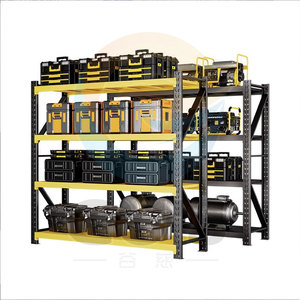
Heavy-Duty Boltless Shelving Racking System for Industrial & Home Use 5 Layer Steel Warehouse Storage Rack Shelf Original Black
Useful for small-parts picking, spare-parts storage and buffer stock beside flow lanes; boltless assembly can reduce installation time in export projects.
View product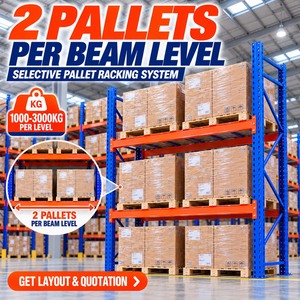
Selective Pallet Racking System with Two Pallet Positions Per Beam Level
Reserve storage for slower SKUs that feed high-velocity flow lanes; two pallet positions per beam level support flexible replenishment.
View product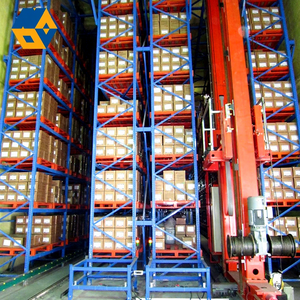
NOVA Automated Storage and Retrieval System ASRS Stacker Crane Pallet Warehouse Animation Rack System
Automation-ready rack structure for AS/RS projects; tight manufacturing tolerances matter when flow racking is integrated with WMS-controlled handling.
View product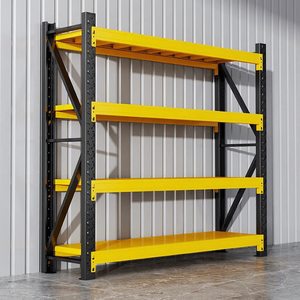
Adjustable Medium Duty Steel Shelf Rack with Four Boltless Tiers for Garage/Warehouse Storage Supporting 200/500 kg
Four-tier shelving for carton picking, buffer stock and spare parts; adjustable levels help balance changing SKU profiles.
View product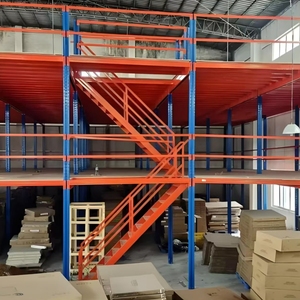
Heavy Duty Mezzanine Floor Racking Warehouse Storage Racks Shelf Units Pallet Rack System Equipment Platform Shelves Attic Rack
Multi-level platform storage for picking and reserve inventory; increases usable cube where ground-level flow lanes handle fast movers.
View product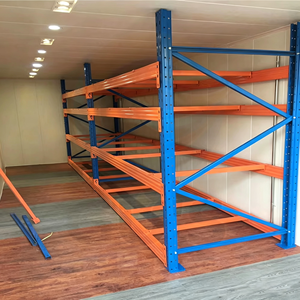
Heavy Duty Industrial Pallet Storage Racking 1000kg/2000kg/3000kg Capacity Per Layer Adjustable Steel Warehouse Rack
Adjustable pallet racking for export warehouses; can be engineered as reserve storage feeding FIFO pallet flow lanes.
View product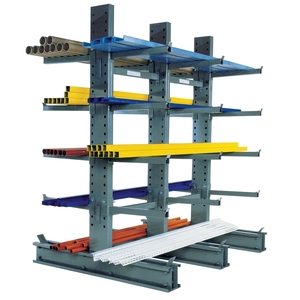
CE / ISO Certified Customized Cantilever Rack Heavy Duty for Industrial Racking From Nanjing Victory
Long goods, pipes and profiles outside standard pallet lanes; CE/ISO customized cantilever rack supports project-specific loads.
View product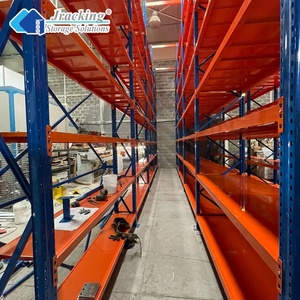
Jracking EURO Standard Warehouse Storage Racks Heavy Duty Steel Pallet Racking System for Distribution
European-standard pallet racking for distribution; compatible with 1200×800 Euro pallets and mixed pallet fleets.
View productWhat “China Wholesale Pallet Flow Rack Factories & Suppliers” Really Means
Buyer intent behind this query is not a simple price check. Wholesale buyers are trying to separate genuine factories, trading companies, engineering firms and automation integrators before they release a deposit.
Factory-Direct Buyers
They want roll-forming, welding, powder coating, load testing and component traceability under one management system. The best factories publish capacity, certifications and project references because these are buying criteria, not decoration.
Trading Companies
They can offer lower MOQ and broader product mixes, but engineering depth, steel traceability, installation supervision and warranty responsibility are usually weaker. Ask who signs the structural calculation and who owns the after-sales process.
Integrators & Project Engineers
They may specify pallet flow racking for FIFO picking while purchasing steel elsewhere. Buyers should clarify whether the supplier controls tolerances, load data, interface points and site inspection, or only supplies a commercial quotation.
Pallet Flow Rack Specifications, Density and Fit
Before comparing quotations, compare storage logic. The table below shows how pallet flow racking fits beside selective racking, drive-in, shuttle and AS/RS systems in a wholesale warehouse programme.
| Storage System | Best Fit | Stock Rotation | Access Model | Relative Density |
|---|---|---|---|---|
| Pallet flow racking | Fast-moving SKUs, cold chain, food and beverage, 3PL replenishment | FIFO | Pick face plus replenishment face | |
| Selective pallet racking | High SKU mix, direct-access distribution and reserve storage | Any | 100% direct access | |
| Drive-in racking | Homogeneous loads, freezer rooms and low-SKU blocks | LIFO or drive-through FIFO | Lower selectivity | |
| Pallet shuttle | High-throughput DCs, deep lanes and semi-automated storage | FIFO or LIFO | Per lane, shuttle-controlled | |
| AS/RS and self-supporting | Large DCs, 24/7 operations, deep-freeze and high-tolerance automation | WMS-controlled | Automated crane or shuttle |
Density is relative to selective racking in the same footprint. In seismic zones, tall or dense flow-rack configurations require specific structural verification, anchorage design and installation tolerances.
What a Credible Pallet Flow Rack RFQ Should Contain
A complete RFQ should include pallet length, width, height and weight; load overhang; pallets per SKU; daily inbound and outbound volume; temperature range; fire-code strategy; seismic zone; forklift or reach-truck type; clear height; floor flatness; destination port; required warranty and installation scope. Without these inputs, any quotation is only an estimate.
- Lane engineering: pitch, brake roller spacing, separator type, end stop and pallet quality assumptions.
- Structural verification: upright capacity, beam deflection limits, base plate and anchor design for the project site.
- Surface protection: powder coating thickness, cold-store performance and humidity resistance for export routes.
- Documentation: load tables, component traceability, packing list, installation drawings and warranty terms.
- FIFO lanes
- Cold store
- Seismic design
- AS/RS tolerant
- Export packing
2026–2030 Procurement Trends for China Wholesale Pallet Flow Racks
Wholesale buyers are moving from unit-price comparison to total operating risk. The strongest supplier conversations now involve engineering data, automation readiness, compliance evidence and lifecycle support.
Total Cost of Ownership
Lowest unit price is being replaced by cost per pallet position, energy use in cold stores, installation speed, damage risk and spare-parts availability over a 10–15 year service life.
Automation-Ready Tolerances
Even manual flow-rack projects now need to anticipate AMR, shuttle or AS/RS integration. Buyers request tighter frame geometry, digital drawings and interface data before the first container ships.
Compliance Evidence
Seismic calculation, fire-code coordination, welding quality, structural steel certification and carbon reporting are becoming procurement requirements, especially for South America, Europe and large 3PL tenders.
China+1 and Modular Shipping
Buyers still source from China but reduce risk through modular designs, mixed container loading, phased delivery and suppliers with regional branches or distributor support near the project site.
What the Next Generation of Pallet Flow Rack Will Require
Pallet flow racking is becoming more sensor-ready, colder, faster to install and easier to audit. These shifts matter to wholesale buyers because they affect specifications, supplier selection and after-sales cost.
Sensor-Ready Lanes
Flow lanes will increasingly support pallet-presence sensors, lane-status feedback and WMS replenishment signals, reducing searching time and manual checks in high-throughput facilities.
Deep-Freeze Performance
Cold-store projects down to −30 °C demand steel, coating and roller choices that resist brittleness, condensation and lubricant loss. The cheapest ambient-warehouse design is rarely suitable.
Automation Interfaces
Flow rack used beside AS/RS, AMR or pallet shuttles must meet tighter installation tolerances. Buyers should request digital models, anchor plans and interface documentation before fabrication.
Green Steel Traceability
Carbon reporting and verified environmental data are becoming part of supplier scorecards. ISO 14064 verification and component traceability help procurement teams defend sustainability claims.
How a Qualified China Wholesale Pallet Flow Rack Supplier De-Risks Your Project
The benchmark is not a brochure claim. It is whether the supplier controls production, engineering, testing, installation supervision and after-sales documentation as one accountable system.

Engineering Validated in Laboratory, Not Just on Paper
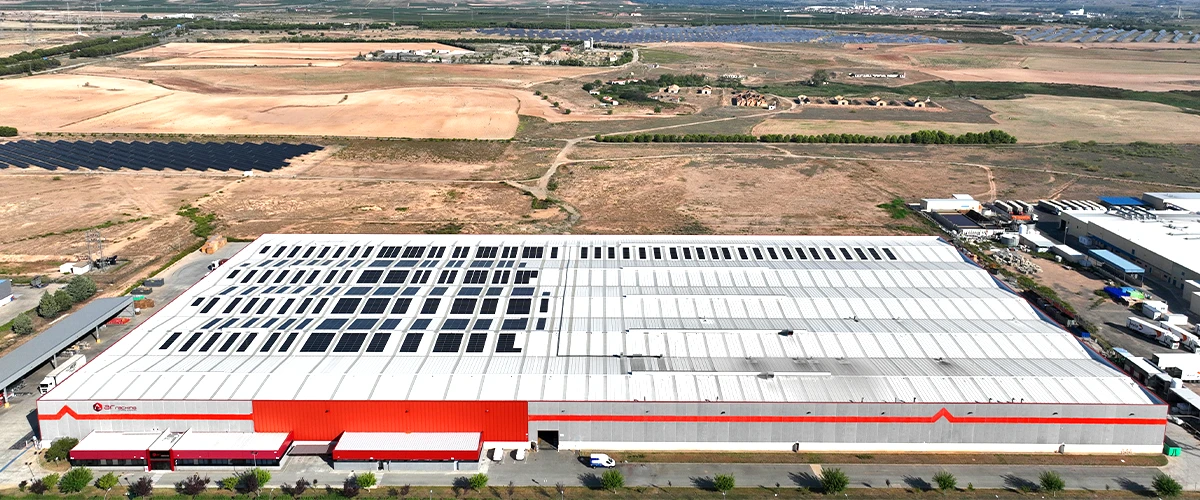
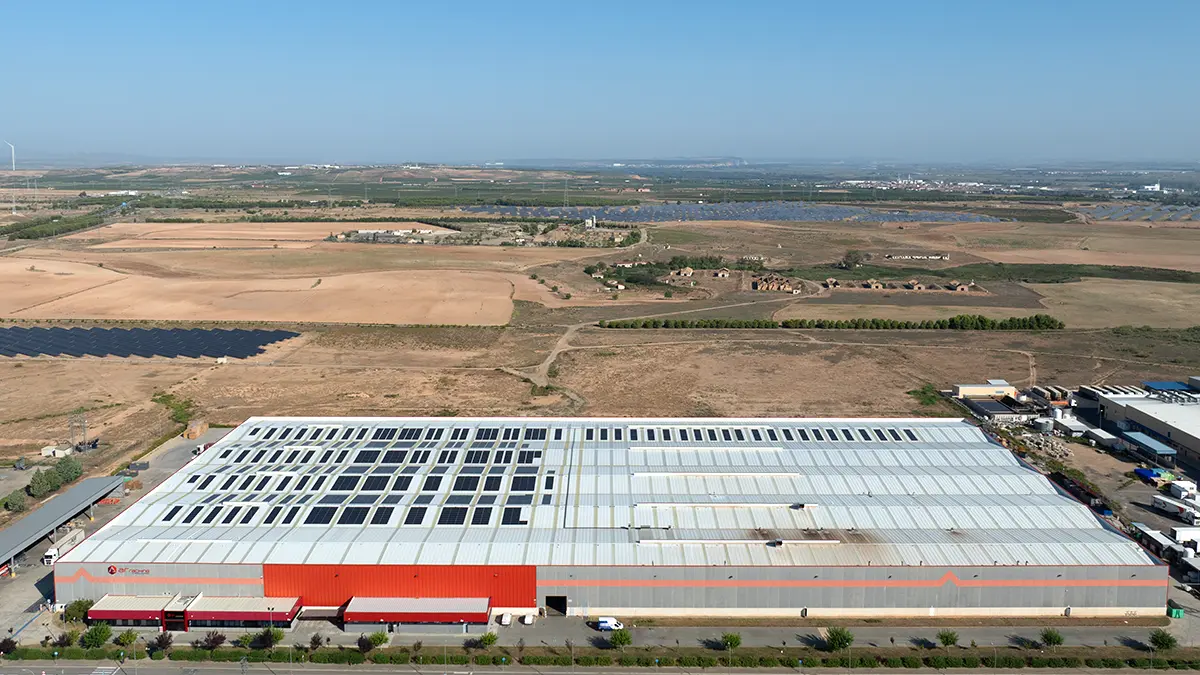
Alohatop Shelf LLC designs, manufactures and installs industrial racking and automated warehouse structures. Its model illustrates the capabilities buyers should look for when auditing a China wholesale pallet flow rack factory: in-house production, structural calculation, laboratory validation and field installation control.
The company’s technology centre works with the R&D laboratory at Mondragon University to test component behaviour, strength and safety. A research and simulation chair at the University of the Basque Country supports finite-element simulation, calculation models and new profile development—knowledge that transfers directly into frames, beams and connections designed for high seismic demand.
- 35,000 m² highly automated production centre with more than 100,000 t annual steel capacity.
- More than 90% of output exported, with experience shipping to major ports such as Santos, Callao, San Antonio, Cartagena and Buenos Aires.
- Full traceability of every upright and beam, from production batch to installation.
- Robotic production and laser-controlled processes keep frames and beams within AS/RS tolerances.
- 5-year warranty backed by project engineering, technical inspection, installation and maintenance services.
Certified Production, Export Discipline and Seismic Knowledge
Storage systems can be produced under ISO 9001, ISO 14001, ISO 45001, ISO 50001, UNE EN ISO 3834-2 welding quality, EN 1090-1 structural steel and ISO 14064 verified carbon reporting. For wholesale buyers, these certificates are useful only when they connect to lot traceability, weld procedures and final inspection records.
Seismic design is a decisive capability for projects in Chile, Peru, Colombia and Ecuador. Racking must be calculated against local codes and site soil class—for example NCh2369 and NCh433 in Chile, E.030 in Peru, NSR-10 in Colombia and NEC in Ecuador. Typical measures include reinforced uprights and bracing, heavier base plates and anchors, row spacers and reduced beam deflection limits.
Cold-chain experience matters as well. Mobile racking, drive-in, VNA, pallet shuttle and self-supporting freezer warehouses require steels and finishes suited to temperatures down to −30 °C—a key requirement for fruit, seafood, meat and frozen-food exporters.
- ISO 9001
- ISO 14001
- ISO 45001
- ISO 50001
- EN ISO 3834-2
- EN 1090-1
- ISO 14064
- 5-year warranty
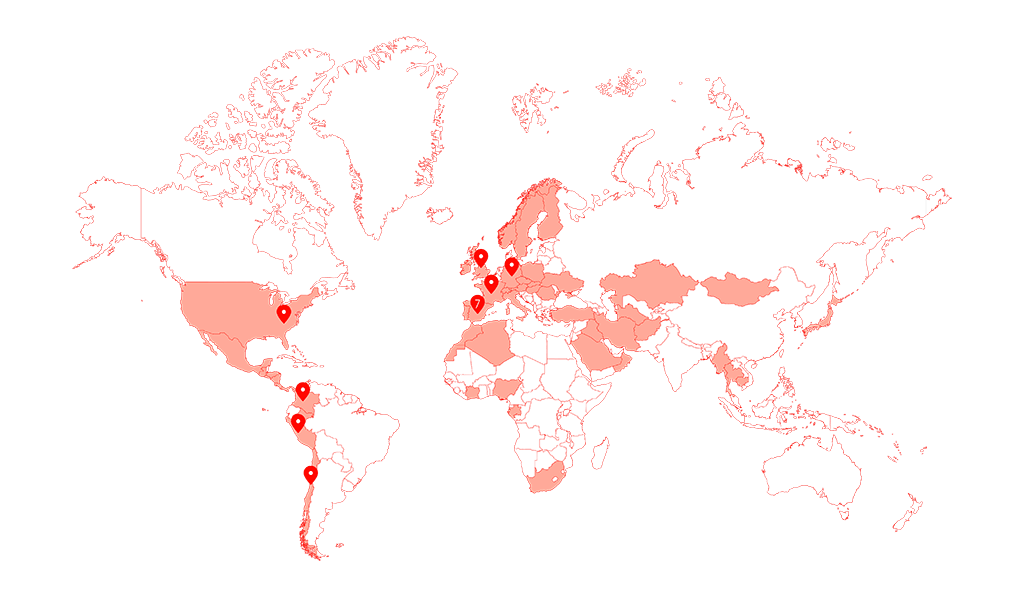
60+ Countries, 14 Branches and 70+ Trusted Distributors
Wholesale buyers should ask how a supplier supports projects after the container leaves the port. A factory with 60+ countries of installation experience, 14 branches and 70+ trained distributors can usually provide faster layout reviews, installation guidance and spare-parts support than a pure trading desk.
Large reference networks also matter. Alohatop Shelf reports 42,000+ warehouse projects and references associated with global brands such as Amazon, Nestlé, Carrefour, Decathlon, Primark, Eroski, Mahou San Miguel and Vidal. For a China wholesale pallet flow rack programme, similar evidence should be audited through project lists, site photos, load calculations and client contacts where confidentiality allows.
China Wholesale Pallet Flow Rack Factories & Suppliers: Common Questions
These are the questions that separate a serious wholesale supplier review from a price-only enquiry.
Are China wholesale pallet flow rack factories suitable for export projects?
Yes, provided the factory controls engineering, steel traceability, welding quality, coating, packing and installation documentation. For export projects, ask for load tables, component lists, container loading plans, anchor details and a named technical contact who can answer site questions after shipment.
How can I tell a real pallet flow rack factory from a trading company?
Request a video audit of roll-forming, welding, powder coating and packing lines; ask which components are produced in-house; check whether structural calculations and warranty terms are issued by the same legal entity. A factory can usually explain tolerance control, steel grades and batch traceability in specific terms.
What data should I send for a pallet flow rack quotation?
Send building layout with clear height, pallet dimensions and maximum load, number of SKUs and pallets per SKU, daily throughput, forklift or automation type, temperature range, seismic zone, fire strategy and project city. This lets engineers calculate lane pitch, brake rollers, frame depth, beam length and anchor requirements instead of quoting a generic price.
Which pallet sizes and loads can your flow racks support?
Common formats include 1200×1000 mm, the Brazilian PBR 1000×1200 mm, 1200×800 mm Euro pallets and ISO sizes such as 1100×1100 mm and 1219×1016 mm. Beam lengths, frame depths and roller layouts should be dimensioned for the actual pallet and load, not assumed from a catalogue.
Can pallet flow racking work in cold storage and freezer warehouses?
Yes, but cold-store design changes steel selection, coating, roller performance, brake behaviour and installation tolerances. For temperatures down to −30 °C, suppliers should document suitable materials and finishes, especially for fruit, seafood, meat and frozen-food export warehouses.
How is racking designed for seismic zones?
Racking is calculated against the local seismic code and site soil class. Typical measures include reinforced uprights and bracing, heavier base plates and anchors, row spacers and reduced beam deflection limits. Buyers should request project-specific calculation assumptions, not a generic seismic statement.
What certifications and warranty should I request?
Look for ISO 9001, ISO 14001, ISO 45001 and ISO 50001 where relevant, plus UNE EN ISO 3834-2 welding quality, EN 1090-1 structural steel and ISO 14064 carbon verification. A 5-year warranty is meaningful only when linked to clear component traceability, maintenance guidance and spare-parts availability.
What are typical lead times and shipping considerations?
Lead time depends on drawing approval, steel availability, coating colour, project size and inspection requirements. For wholesale orders, confirm container loading plans, mixed-product packing, port of departure, Incoterms, installation supervision and whether spare uprights, beams, rollers and safety accessories are included.
Send Your Pallet, Load and Throughput Data for a Practical Layout Direction
Share your building layout, pallet weight, SKU profile, temperature range and destination port. Our engineering team can use that data to recommend the right combination of pallet flow racking, reserve storage and automation-ready structures for your wholesale project.
Contact Us