8 Pallet Storage Products for Wholesale Buyers
These eight warehouse storage systems cover the most common wholesale enquiries: selective pallet racking, stacking racks, cantilever racks for long loads, adjustable heavy-duty systems and CE-certified cold-storage solutions. Product URLs are preserved for direct specification review.
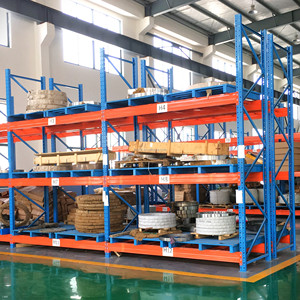
OEM Factory Wholesale Customized Heavy-Duty Pallet Racking System
Customized pallet racking for high-bay warehouses, distribution centres and export projects requiring dimension-specific uprights and beams.
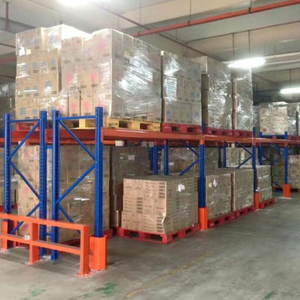
1300KG Industrial Warehouse Racking & Shelving Storage System
New-design racking and shelving for medium-to-heavy storage, suitable for spare parts, retail distribution and logistics warehouses.
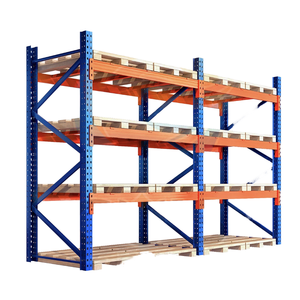
1–5 Layer US-Type Detachable Steel Stacking Rack
Detachable pallet stacking racks for bulk storage plants, large warehouses and temporary or scalable storage zones.
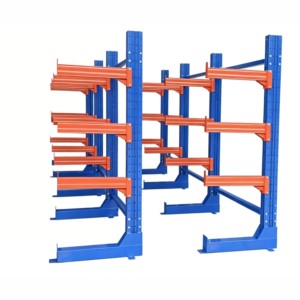
Cold-Rolled Steel Double-Sided Cantilever Rack
Double-sided cantilever shelving with bracket arms for pipes, profiles, timber and other long materials in yard or warehouse storage.
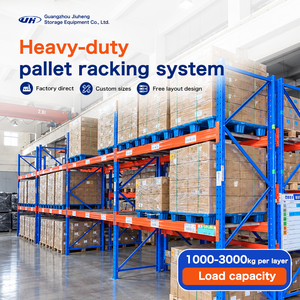
Industrial Adjustable Heavy-Duty Pallet Racking System
Adjustable-beam warehouse racking for high-load pallet storage, fast reconfiguration and multi-client 3PL operations.
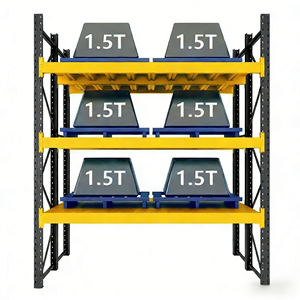
Hot-Selling Customizable Heavy-Duty Metal Warehouse Storage Racks
Metal storage racks for distributors and warehouse operators requiring flexible dimensions, finishes and load levels.
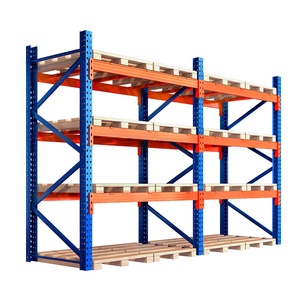
Industrial Steel Pallet Stacking & Racking Units
Steel pallet racking and stacking units for manufacturers needing raw-material, WIP and finished-goods storage.
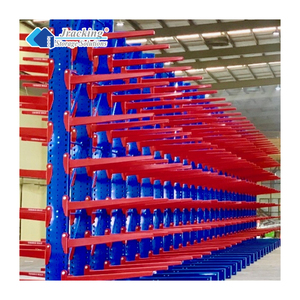
CE-Certified Heavy-Duty Cantilever Racking for Cold Pipes
Cold-storage cantilever racking for pipes and long products where corrosion protection and certified structural performance matter.
Why Buyers Compare China Wholesale Warehouse Pallet Storage Manufacturers & Wholesalers
The strongest wholesale decisions are not based on a single price per upright or beam. They are based on engineering evidence, manufacturing control, export documentation, installation support and the total lifecycle cost of the storage system.
For importers, 3PL operators and distribution-centre developers, the supplier shortlist usually includes China wholesale warehouse pallet storage manufacturers & wholesalers because the category combines competitive steel fabrication with a wide range of modular systems. However, the category is also highly variable. A credible manufacturer should be able to show load calculations, welding quality records, coating specifications, component traceability and project references — not just product photographs.
Alohatop Shelf is a designer, manufacturer and installer of industrial racking and automated warehouse structures. Its operating profile — more than 60 countries served, 42,000+ warehouse projects delivered, a 35,000 m² highly automated production centre, 100,000 t annual steel capacity, 14 own branches and 70+ trusted distributors — provides a practical benchmark for evaluating any wholesale pallet storage manufacturer. More than 90% of production is exported, so export packing, port coordination and documentation are part of the normal project workflow rather than an afterthought.
Information-gain check: request a supplier's seismic calculation summary, coating specification, welding qualification, load-signage policy and installation supervision plan before comparing FOB prices. These five documents separate engineered pallet storage from commodity racking.
Match the Pallet Storage System to the Operating Profile
The same warehouse footprint can require very different racking once SKU count, pallet flow, building height, temperature, forklift type and seismic zone are known. Use this comparison as an early specification filter, then confirm the final layout with a structural engineer.
| Storage system | Best-fit application | Storage density | Pallet access | Rotation logic |
|---|---|---|---|---|
| Selective pallet racking | High SKU mix, food and beverage, retail distribution centres | Baseline | 100% direct access | Any |
| Very narrow aisle racking | Expensive land, cold stores, tall buildings, high-bay warehouses | High | 100% direct access | Any |
| Double-deep racking | 3PL warehouses with two or more pallets per SKU | Medium-high | Front pallet direct | LIFO per lane |
| Drive-in racking | Homogeneous goods, frozen products, seasonal bulk storage | High | Limited by lane depth | LIFO; FIFO if drive-through |
| Mobile pallet racking | Cold storage where every cubic metre of cooled volume is costly | High | One open aisle at a time | Any |
| Pallet flow racking | Perishables, fast-moving inventory, date-sensitive picking | Medium-high | Per lane | FIFO |
| Pallet shuttle racking | High-throughput distribution centres with deep cold lanes | Very high | Per lane | FIFO or LIFO |
| AS/RS and self-supporting warehouses | 24/7 operations, deep-freeze, high-bay automation, large DCs | Maximum | Automated crane or shuttle | WMS controlled |
Density is relative to selective racking in the same footprint. In seismic zones, very tall or very dense configurations require specific structural verification against local codes.
Warehouse Pallet Storage Procurement Trends Through 2030
Wholesale buyers are moving from single-price purchasing to lifecycle-based sourcing. The following six shifts should be written into RFQs, supplier scorecards and contract terms.
Total cost of ownership becomes the default
Buyers now evaluate steel weight, coating durability, replacement-part availability, installation time, inspection cost and energy use in cold stores — not just the lowest quotation per pallet position.
Verified manufacturer capacity and traceability
Procurement teams increasingly require batch-level traceability, welding records, coating reports and a documented capacity plan before approving a wholesale order.
Digital RFQs and BIM-ready data
Warehouse developers want CAD blocks, load tables, anchor schedules and installation tolerances in a structured format so integrators and local engineers can review the design faster.
ESG and carbon reporting enter racking supply
ISO 14064-style carbon reporting, recyclable steel content, powder-coating choices and packaging reduction are becoming tender requirements in large distribution projects.
Modular expansion and automation readiness
Racking layouts are being specified for future AGV, AMR, shuttle or AS/RS integration, with reserve capacity for additional levels and machinery interfaces.
Local code compliance becomes non-negotiable
Seismic, fire, cold-chain and occupational-safety rules increasingly differ by destination country. Suppliers must provide calculation packages aligned with the project site, not only generic catalogue data.
How Pallet Storage Systems Are Evolving
Racking is becoming a structural, data-rich and service-connected asset. These six development directions have direct implications for wholesale specification and replacement-part planning.
High-bay and self-supporting warehouses
As land costs rise, racking increasingly forms the building structure. Self-supporting and clad-rack designs require tighter engineering coordination between racking, roofing and fire protection.
Cold-chain performance down to −30 °C
Freezer warehouses need steels and finishes suited to low temperatures, including mobile, drive-in, VNA, shuttle and self-supporting solutions for fruit, seafood, meat and frozen food operations.
AS/RS, AMR and shuttle compatibility
Automated stacker cranes and shuttles stop when rack geometry drifts. Robotic production and laser-controlled processes help maintain the tolerance envelope required by automation integrators.
Seismic engineering and stronger connections
Reinforced uprights and bracing, heavier base plates and anchors, row spacers and reduced beam deflection limits are increasingly standard in Andean and Pacific-coast markets.
Inspection and safety data integration
Periodic rack inspection, damage classification, component replacement history and load signage are becoming part of a wider asset-management programme rather than a one-off service.
Green steel and durable coatings
Buyers are asking for recyclable steel, low-VOC coating systems and packaging reduction. Durable finishes also lower maintenance cost in humid, coastal and cold-store environments.
Manufacturer-Level Due Diligence: What a Serious Wholesale Partner Should Prove
Experience matters, but verifiable experience matters more. The following capabilities reflect the operational profile behind Alohatop Shelf's storage systems and provide a checklist for evaluating any pallet storage manufacturer or wholesaler.
Own production control
A 35,000 m² highly automated production centre with over 100,000 t of annual capacity gives one accountable partner from steel coil to final load sign.
Engineering validated in laboratory
R&D collaboration with Mondragon University and a simulation chair at the University of the Basque Country supports finite-element modelling, physical testing and code alignment.
Export experience
More than 90% of output is exported, with logistics experience for major ports and project destinations across South America, Europe and other regions.
Component traceability
Full traceability of every upright and beam, from production batch to installation, supports quality audits, warranty administration and future reconfiguration.
Robotic precision
Automated production and laser-controlled processes keep frames and beams within the tight tolerances required by AS/RS integrators and manual warehouse installers.
Installation and lifecycle support
Certified installation teams, technical inspection, maintenance and reconfiguration programmes protect people, stock and uptime after the racking is handed over.
5-year warranty
Storage systems carry a 5-year warranty and are produced under international management standards, with full component traceability.
Turnkey project coordination
From layout study and structural calculation to export packing, installation supervision and final documentation, one team remains accountable through the project.
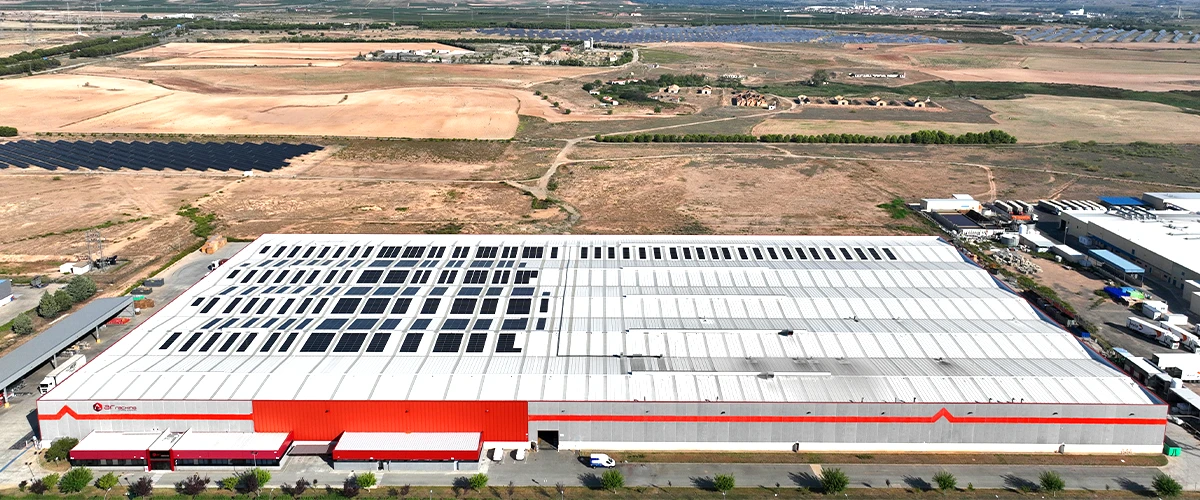
Automated manufacturing base
Roll-forming, robotic welding and controlled production support consistent quality across large-volume export orders.
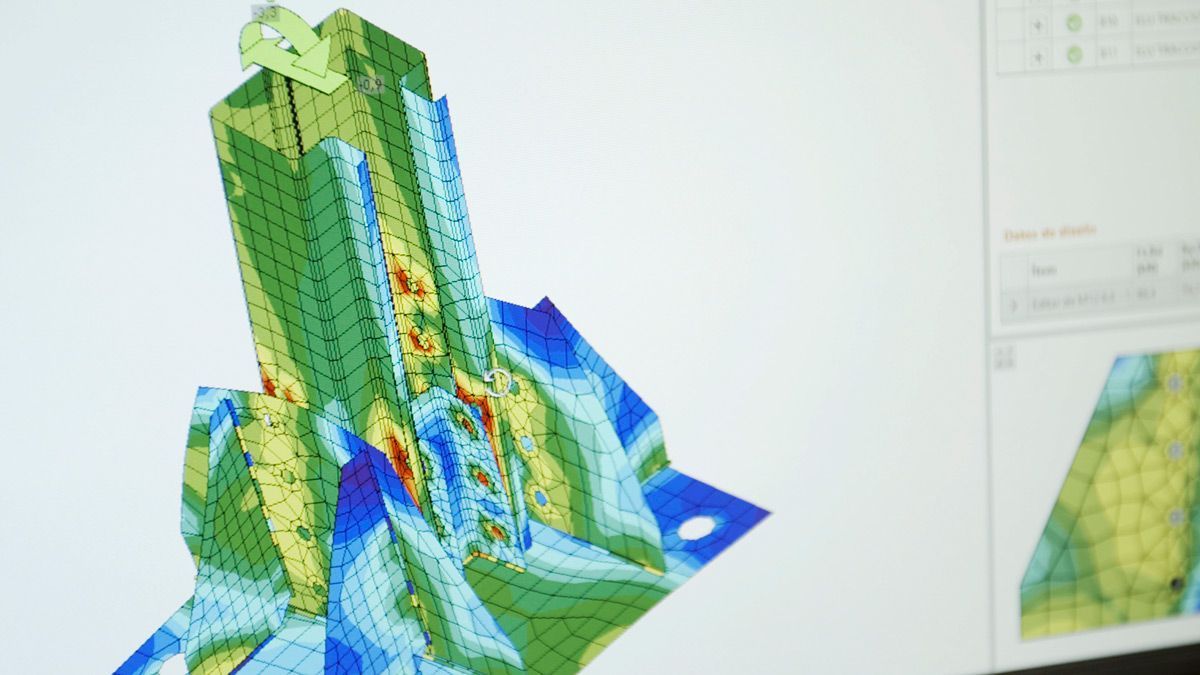
Laboratory and simulation validation
Finite-element simulation, physical load testing and cyclic testing inform frames, beams and base connections.
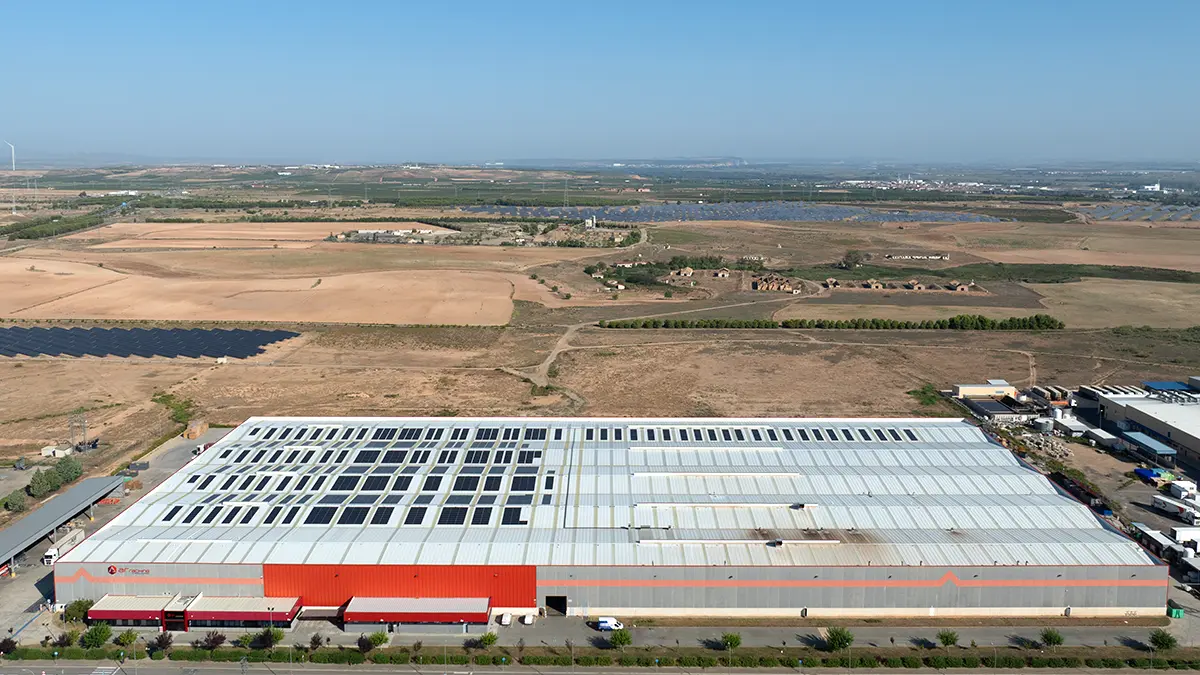
Precision for automation
Millimetre-level production discipline supports stacker-crane, shuttle, AMR and AS/RS integration requirements.
Certifications and Documentation That Reduce Procurement Risk
For wholesale buyers, certifications are useful only when they connect to the actual manufacturing and project scope. The system should be supported by management-system certificates, welding quality control, structural-steel documentation and full component traceability.

How to Evaluate China Wholesale Warehouse Pallet Storage Manufacturers & Wholesalers
A practical four-part scorecard for procurement teams. Weight the criteria according to project risk: seismic, cold-chain, automation and high-bay projects should place more weight on engineering validation and installation control.
1. Engineering evidence — 30%
Check load calculations, seismic design assumptions, beam deflection limits, anchor specifications, pallet dimensions and integration tolerances with forklifts or automated equipment. Request project-specific calculation summaries, not generic brochures.
2. Manufacturing control — 25%
Review factory capacity, automation level, welding qualification, coating process, quality inspection records and component traceability. Confirm whether the supplier manufactures critical parts or relies on multiple subcontracted workshops.
3. Delivery and installation support — 25%
Ask for production lead time, export packing details, container loading plans, port coordination and installation supervision scope. For remote sites, clarify spare-part availability, load signage and technical inspection intervals.
4. Commercial and lifecycle risk — 20%
Prefer quotations that include steel weight, finish, accessory scope, installation responsibility, warranty terms and replacement-part pricing. A marginally higher initial price can be cheaper over 10–15 years if maintenance and downtime are lower.
Practical TCO formula: total pallet storage cost = equipment + freight + duties + installation + inspection + maintenance + spare parts + business disruption + energy use in cold storage. Use this formula to compare wholesale offers and prevent “cheap racking, expensive project” outcomes.
Warehouse Pallet Storage Procurement: Frequently Asked Questions
These answers address the questions most often raised by importers, logistics managers and project owners comparing China wholesale warehouse pallet storage manufacturers & wholesalers.
Why should I rank the FAQ?
What is the minimum order for wholesale pallet racking?
Minimum order quantity depends on the system, steel profile and project scope. Selective pallet racking can often be quoted for one container or a single project phase, while complex AS/RS, self-supporting or cold-storage systems require a complete engineering review. The most useful starting point is a layout, pallet load data and target capacity.
Can you manufacture customized racking for OEM or ODM projects?
Yes. Customized pallet racking, cantilever arms, stacking racks, beam lengths, upright heights and finishes can be manufactured for OEM or ODM requirements. Share the required load, pallet format, building dimensions, destination country and preferred coating so the proposal can include the correct structural assumptions.
How long does production and delivery usually take?
Lead time depends on engineering approval, order volume, finishing requirements and shipping schedule. A typical export project includes drawing confirmation, production scheduling, quality inspection, export packing and container loading. For urgent projects, discuss phased delivery and whether standard components can be prioritised.
How is racking designed for seismic zones?
Seismic design considers the local code, site soil class, rack height, load distribution and building interaction. Typical measures include reinforced uprights and bracing, heavier base plates and anchors, row spacers and reduced beam deflection limits. Buyers should request project-specific assumptions rather than a generic seismic claim.
Which pallet sizes and temperatures can the systems support?
Common formats include 1200 × 1000 mm, 1200 × 800 mm, 1100 × 1100 mm and 1219 × 1016 mm pallets, as well as project-specific sizes. Cold-storage racking can be supplied for temperatures down to −30 °C with suitable steels and finishes for freezer, fruit, seafood, meat and frozen-food environments.
What documentation is needed for a complete RFQ?
Provide a building layout with clear height, pallet dimensions and maximum load per pallet, SKU profile and pallets per SKU, daily throughput, forklift or automation type, temperature range, seismic zone and project city. For advanced evaluation, include target lead time, delivery ports, installation responsibility and acceptable warranty terms.
What warranty and certifications should I verify?
Look for ISO 9001, ISO 14001, ISO 45001, EN ISO 3834-2 welding quality, EN 1090-1 structural steel documentation and ISO 14064 carbon reporting where relevant. A 5-year warranty, full component traceability and a documented inspection programme provide stronger protection than certificates alone.
Do you support installation, inspection and maintenance?
Yes. Lifecycle services can include project engineering, installation supervision, technical rack inspection, maintenance, component replacement and reconfiguration. The appropriate service scope depends on project location, local labour arrangements and the level of owner supervision.

Request a Pallet Storage Proposal
Share your building layout, pallet dimensions, load weight, temperature range, target capacity and destination port. Our team can recommend the most space-efficient and code-aligned pallet storage system for your warehouse.
- Project-specific layout and racking selection
- Export packing, loading and documentation review
- Certification and warranty information for due diligence