Custom Pallet Racking and Shelving Products for Wholesale Programs
Start with proven modular systems, then customize uprights, beams, bracing, finishes, load signs, packaging and private-label documentation. Every product below is suited to OEM supply, distributor stock programs or project-based wholesale procurement.
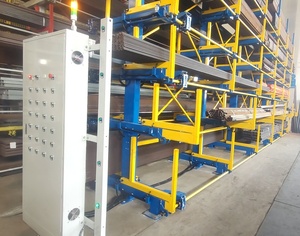
Crank Out Cantilever Roll Out Cantilever Rack — Innovative Cantilever Rack System for Efficient Storage
Designed for pipes, profiles, timber and other long materials where direct access and fast handling matter.
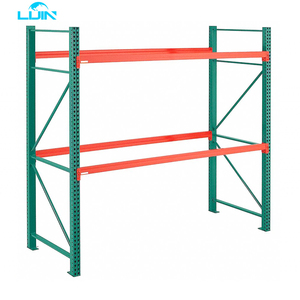
Long Span Adjustable Heavy Weight Warehouse Storage Pallet Shelves System Tear Drop Rack for Industrial
A flexible teardrop-style frame and beam platform for distributors that need fast beam adjustment and high load capacity.
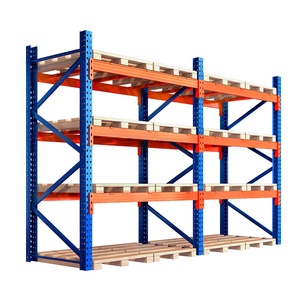
Industrial Heavy Duty Storage Shelves System Stacking Units Metal Rack Warehouse Steel Pallet Racking
Robust steel storage for factories, distribution centers and 3PL warehouses requiring dependable load integrity.
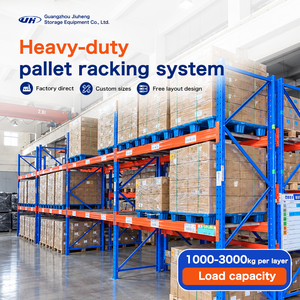
Industrial Steel Heavy Duty Pallet Racking Warehouse Storage System Adjustable Beam High Load Capacity Rack Manufacturer
A manufacturer-direct selective racking format for high-SKU operations that need direct access to every pallet.
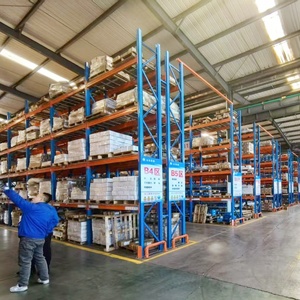
Industrial Warehouse Storage Rack Adjustable Custom 800-3000kg/Level Load Capacity Heavy Duty Selective Pallet Racking System
Specify beam lengths, frame depths and load signs to match real pallet weights and country-specific safety rules.
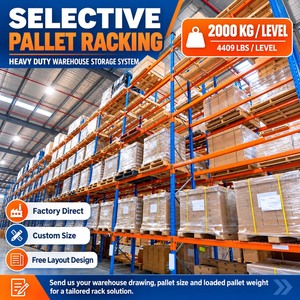
Industrial Warehouse Pallet Racking System Heavy Duty Adjustable Storage Rack Customized Pallet Racks for Factory Storage
Built for manufacturing buffers, raw material stores and finished-goods areas with changing SKU profiles.
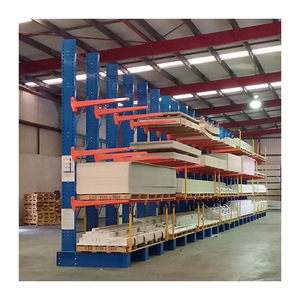
Mracking Adjustable Corrosion Protection Steel Pipe Storage Shelf Custom Warehouse Cantilever Rack System
For coastal warehouses, humid climates and pipe yards where finish quality directly affects service life.
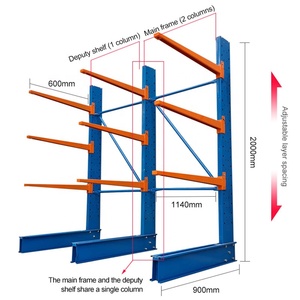
Topeasy Customized Powder Coated Indoor Storage Heavy Duty Rack Cantilever Shelving Cantilever Racking
A clean, powder-coated cantilever solution for indoor wholesale stockrooms, workshops and material yards.
Scale, Export Experience and Engineering Control
For wholesale buyers, supplier capacity is a risk-management issue. These are the operating figures behind the Alohatop Shelf manufacturing and export model.
Countries with installed storage systems and active project references.
Warehouse projects delivered across logistics, food, cold chain and manufacturing.
Annual steel production capacity from a highly automated manufacturing centre.
Of production exported worldwide, with port and documentation experience.
What a Serious Wholesale Buyer Should Demand from an OEM Racking Supplier
Pallet racking is not a commodity that can be evaluated on price per bay alone. The structural calculation, load data, coating specification, installation tolerance and documentation package determine safety, uptime and total cost of ownership.
Evidence before price
Ask for structural calculations, welding control, raw material traceability and load-sign assumptions. A compliant racking proposal should show the pallet size, load weight, beam deflection limit and seismic input used for the design.
Local risk, global standard
Seismic zones, humidity, cold rooms and port corrosion must be designed for the destination market. A supplier with export depth can combine international manufacturing standards with local code checks such as NCh2369, E.030, NSR-10, NEC and INPRES-CIRSOC 103.
TCO over first cost
Compare inspection intervals, spare-part availability, repair lead times, coating durability and expansion compatibility. The lowest quotation often creates hidden costs during installation, commissioning and the first safety inspection.
Manufacturer, Not Reseller: Why OEM Buyers Work With Alohatop Shelf
Alohatop Shelf LLC designs, calculates, manufactures and installs industrial racking, shelving and automated warehouse structures. Owning the full chain — from steel coil to container loading and final load sign — creates one accountable partner for distributors and private-label programs.
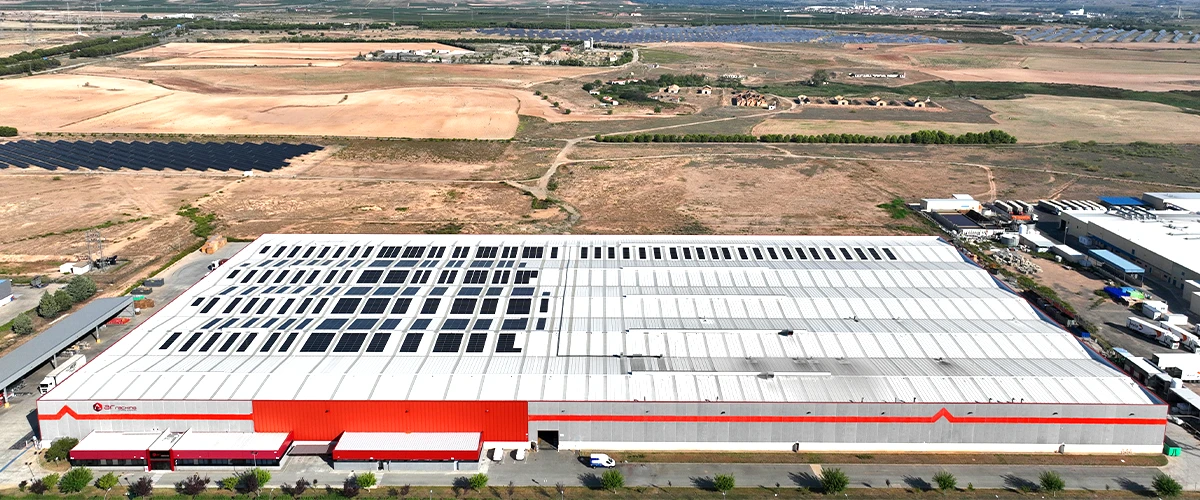
A 35,000 m² highly automated production centre supports more than 100,000 t of annual steel capacity. For a wholesaler, that means predictable batch quality, scalable OEM programs and the ability to plan stock around project demand rather than reseller availability.
With more than 90% of output exported, the company has practical experience in export packaging, port logistics, documentation and destination-country coordination. The network includes 14 own branches and 70+ trusted distributors, with installation supervised by trained teams across South America and other regions.
- Full component traceability from production batch to installation
- 5-year warranty on complete storage systems
- ISO 9001, ISO 14001, ISO 45001, ISO 50001, UNE EN ISO 3834-2, EN 1090-1 and ISO 14064
- Engineering validation through university R&D collaboration
In-house structural engineering
Frame, beam and connection calculations are handled by the manufacturing team, not outsourced after the order. This shortens the review cycle and keeps design intent aligned with production.
Automated coil-to-container production
Roll forming, robotic welding, laser-controlled processes and batch traceability support consistent tolerances across large OEM orders and repeat wholesale programs.
Seismic and cold-store customization
Reinforced uprights, heavier base plates, row spacers, anti-corrosion finishes and low-temperature steel specifications can be engineered for local conditions down to −30 °C.
Tolerances for AS/RS and AMR
Automation integrators require rack geometry that remains within tight tolerances. Precision manufacturing reduces commissioning risk for stacker cranes, shuttles and AMR-ready warehouses.
Export documentation and traceability
Packing lists, component identification, load signs, material certificates and installation drawings are prepared for customs clearance, site coordination and future inspections.
Lifecycle services and local partners
Project engineering, installation supervision, technical inspection, maintenance and expansion support help distributors protect the installed base long after the original shipment.
Future Procurement Trends for Pallet Racking and Shelving Wholesalers
Buying behavior is shifting from simple bay-by-bay purchasing toward engineered programs with evidence, lifecycle support and destination-market compliance. These trends are especially visible in export-oriented and high-growth warehouse markets.
Seismic proof becomes a tender gate
Public projects and large distribution centers increasingly require seismic calculations, soil class assumptions and anchoring details before a supplier can be shortlisted. OEM suppliers must be ready to support local engineering reviews.
Cold-chain capacity drives density
Fruit, seafood, meat, dairy and pharmaceutical cold stores are evaluating mobile racking, pallet shuttle and VNA systems to reduce cooled volume per pallet and improve energy efficiency.
TCO replaces lowest-price buying
Wholesalers are comparing inspection frequency, spare-part availability, installation speed, coating life and expansion compatibility. A lower first cost can create higher lifecycle cost when documentation and tolerances are weak.
Hybrid sourcing gains ground
Distributors want OEM structure and pricing from the factory, combined with local installation, inspection or service partners. Clear drawings, labeling and packing standards make this hybrid model work.
Data packages become part of the product
CAD blocks, load tables, beam capacity data, installation drawings and as-built documentation are now expected by professional buyers. They reduce design errors and speed up permitting and site coordination.
Compliance and carbon reporting enter RFQs
ISO 14064 verified carbon reporting, EN 1090-1 structural steel control and welding quality evidence are becoming differentiators for buyers serving multinational customers and regulated supply chains.
How Pallet Racking and Shelving Technology Is Evolving
The next generation of racking is being shaped by higher buildings, faster picking, colder environments, more automation and stronger demands for predictable installation. The best OEM programs anticipate these changes rather than reacting to them.
High-strength steel and modular frames
Optimized profiles and modular teardrop frames allow higher load capacity with fewer non-standard parts, improving stock planning for wholesalers and distributors.
AMR-ready and automation-friendly racking
Warehouse layouts increasingly combine conventional racking with AMRs, conveyors and goods-to-person stations. Accurate geometry, protected interfaces and clear labeling become part of the product scope.
Cold-store materials and finishes
Freezer warehouses require careful steel selection, coating control and installation planning. Mobile, drive-in, VNA and shuttle systems are being specified for temperatures down to −30 °C.
Pallet shuttle and semi-automation
Shuttle systems deliver high-density storage without full AS/RS investment. They are attractive to 3PLs and food distributors that need deeper lanes and faster cycles with phased automation.
Safety-by-design racking
Impact protectors, row spacers, clear load signs, anti-tamper anchors and inspection-friendly labeling are moving from optional extras to expected design features.
Hybrid racking and shelving layouts
E-commerce and spare-parts operations combine pallet racking, multi-tier picking shelving and carton flow in one building. Integrated design avoids wasted aisles and duplicated handling.
R&D Evidence That Supports a Lower-Risk OEM Decision
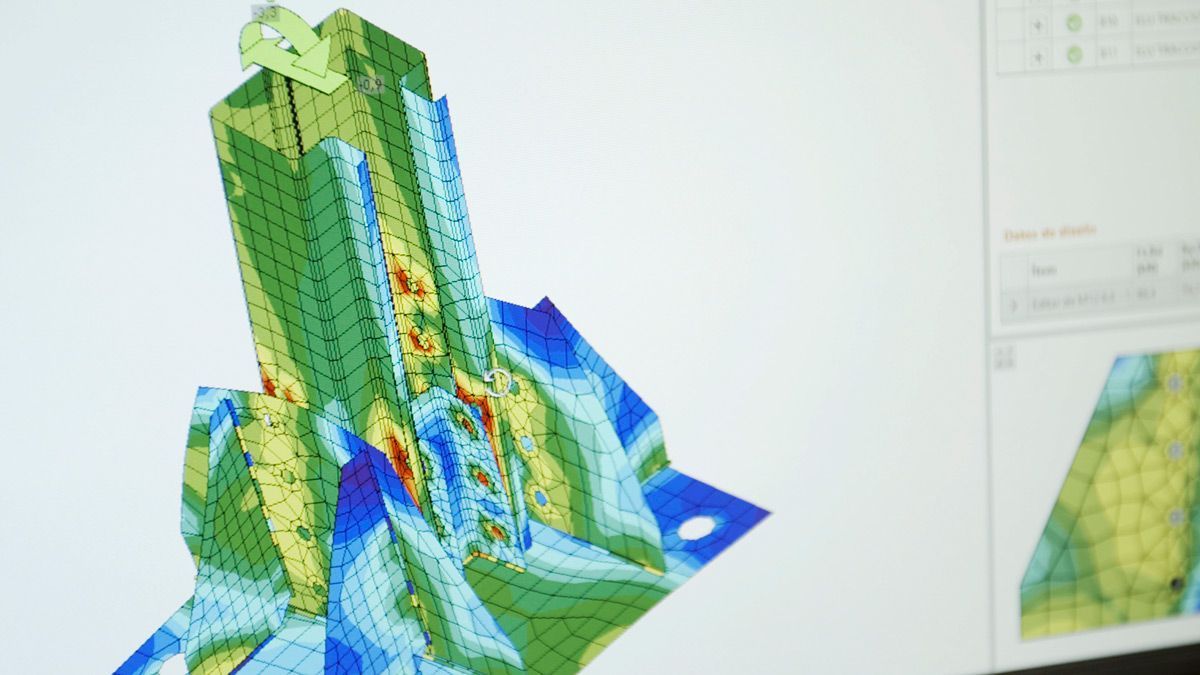
The company’s technology centre works with an R&D laboratory at Mondragon University to test the behavior, strength and safety of racking components under real load cases. A research and simulation chair at the University of the Basque Country supports calculation models and simulation tools.
For wholesale buyers, this matters because it converts “we can manufacture” into verifiable engineering capability. Finite-element simulation, physical load testing and design review against European and local South American codes help reduce the risk of costly site modifications.
Export-Ready Documentation for Regulated and High-Value Projects
International buyers need more than steel. They need a supplier whose quality system, welding control and documentation can survive customs review, client audits and local installation checks.
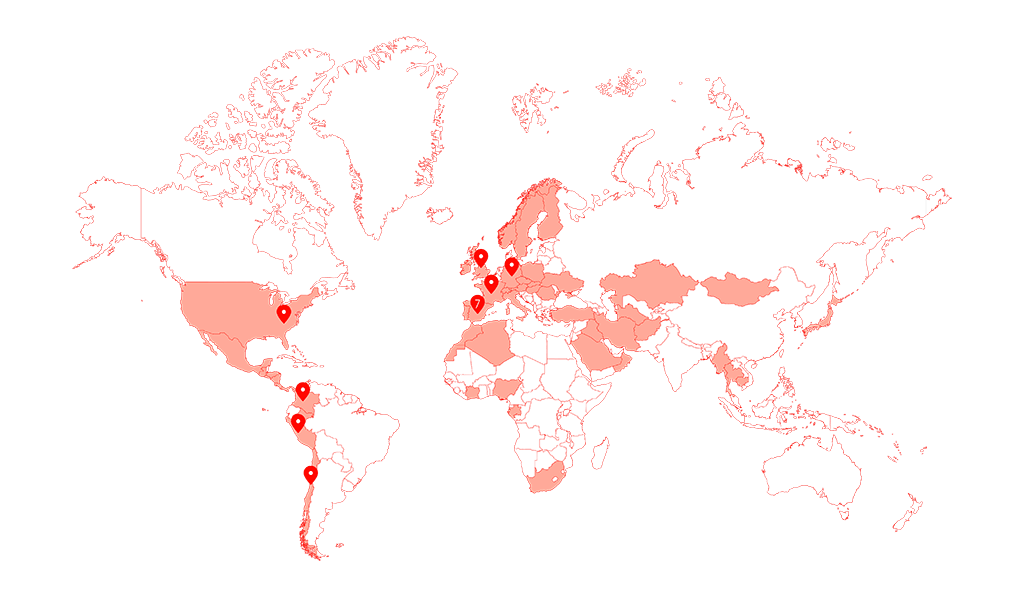
One factory standard, multiple destination requirements
Projects can be coordinated for Brazil, Chile, Peru, Colombia, Argentina, Ecuador, Uruguay, Paraguay and other export markets. The engineering team reviews pallet formats such as 1200 × 1000 mm, Brazilian PBR 1000 × 1200 mm, 1200 × 800 mm Euro pallets and ISO sizes.
Seismic input, soil class, clear height, forklift type, throughput, SKU profile and temperature range are reviewed before the layout is frozen. That is how a standard OEM platform becomes a project-specific storage system without losing production efficiency.
ISO 9001
Quality management across design, production and inspection.
ISO 14001
Environmental management for manufacturing operations.
ISO 45001
Occupational health and safety controls.
ISO 50001
Energy management in automated production.
EN ISO 3834-2
Welding quality requirements for steel structures.
EN 1090-1
Structural steel component control and conformity.
ISO 14064
Verified carbon footprint reporting for export buyers.
5-Year Warranty
System-level warranty with full component traceability.
Custom OEM Pallet Racking and Shelving: Frequently Asked Questions
Answers for purchasing managers, distributors and project engineers evaluating wholesale racking suppliers, OEM manufacturing capacity and export delivery.
Can you manufacture custom OEM pallet racking and shelving under our brand?
Yes. OEM programs can include private-label documentation, branded load signs, customized colors, packaging marks, drawing formats and country-specific accessories. The engineering team reviews the pallet size, load per level, clear height, forklift type and destination standards before confirming the bill of materials.
What is the typical minimum order for wholesale pallet racking and shelving?
The minimum depends on the product family, finish, packaging and whether the order is a stock program or a project-specific shipment. Mixed container programs are possible for distributors that need pallet racking, cantilever racking and shelving in one shipment. Share the target SKU mix and annual volume so the factory can propose a practical production and loading plan.
How do you design pallet racking for seismic zones in South America?
Racking is calculated against the local seismic code and site soil class where required, for example NCh2369 and NCh433 in Chile, E.030 in Peru, NSR-10 in Colombia, NEC in Ecuador, INPRES-CIRSOC 103 in Argentina and ABNT NBR 15524 in Brazil. Typical measures include reinforced uprights and bracing, heavier base plates, anchors, row spacers and reduced beam deflection limits.
What information is needed to receive an accurate OEM quotation?
Send the building layout, clear height, pallet dimensions, maximum load weight, pallets per SKU, daily throughput, forklift or automation type, temperature range, destination city and any local code requirements. If an existing racking layout is being expanded, include upright and beam dimensions, load signs and photos of the installed system.
Can your racking operate in cold storage and freezer warehouses?
Yes. Mobile racking, drive-in, VNA, pallet shuttle and self-supporting freezer warehouses can use steels and finishes suited to temperatures down to −30 °C. Cold-store projects require careful review of steel toughness, coating, floor conditions, condensation control and installation sequence, especially for fruit, seafood, meat and frozen food exporters.
Which documents support customs, installation and future safety inspections?
Depending on the project scope, the documentation package can include packing lists, component identification, material and welding control documents, load tables, installation drawings, load signs and warranty information. These documents help importers clear customs, coordinate site installation and maintain a traceable safety file for future inspections.
Send Your Load Data. Get an Engineered Wholesale Quote.
Share your building layout, pallet dimensions, maximum load per level, SKU profile, throughput, temperature range and destination market. The engineering team will use this information to recommend a safer, more space-efficient pallet racking or shelving configuration for your project.
Get a Quote