Custom OEM Pallet Shelf Rack Products for Warehouse, Cold Store and Cantilever Applications
These eight product families reflect the practical range of a custom pallet shelf rack factory and exporter: selective pallet racking, heavy-duty storage rack, adjustable auto-parts rack, industrial steel rack, CE-certified cantilever rack, foldable eight-layer cantilever rack, three-level 1800KG pallet rack and a five-beam-layer steel shelf rack for boxes, cartons and small parts.
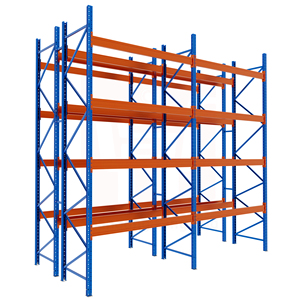
Customized Industrial Pallet Racks Beams Adjustable Steel Metal Heavy Duty Selective Pallet Racking System for Warehouse Storage
Adjustable beam levels, direct access to every pallet and OEM dimensions for high-SKU warehouses.
View product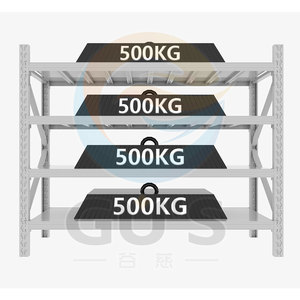
Heavy Duty Industrial Pallet Storage Shelf Steel Warehouse Rack Metal Racking System New Heavy Duty Shelving System
Rugged steel racking for palletized inventory, distribution centres and export warehouse projects.
View product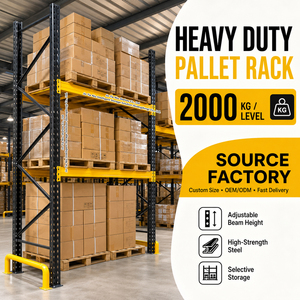
Adjustable Pallet Rack 1000KG to 3000KG for Auto Parts Storage Heavy Duty Selective Pallet Storage System
Beam-adjustable racking for automotive components, spare parts and mixed-load pallet storage.
View product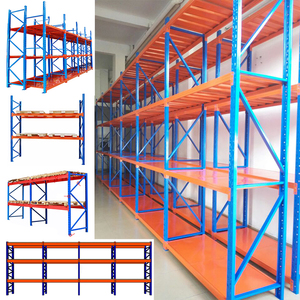
Heavy Duty Warehouse Rack Industrial Cold-Rolled Steel Rack Storage Shelf Rack 1600KG 1700KG 1800KG 1900KG Pounds Tons
Cold-rolled steel warehouse rack built for heavy industrial loads and long service life.
View product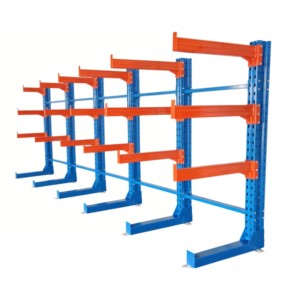
CE Certified Heavy Duty Steel Cantilever Rack — Adjustable Foldable Arm Racking/Shelves with Anti-Rust Corrosion Protection for Long Loads
Open-front cantilever storage for pipes, profiles, timber and other long or irregular goods.
View product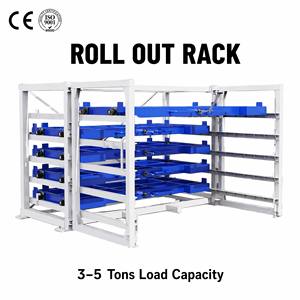
Industrial Heavy Duty Customizable Foldable Corrosion Resistant 8-Layer Powder Coated Carbon Steel Warehouse Rack Cantilever
Multi-level cantilever design with foldable arms and powder coating for humid or demanding sites.
View product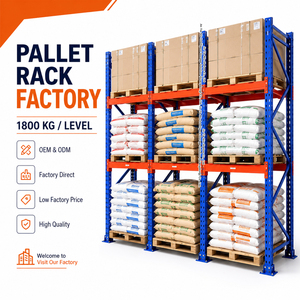
1800KG Heavy Duty Beam Pallet Rack Steel Warehouse Industrial Shelving 3-level Heavy Duty Rack
A practical three-level heavy-duty pallet rack for fast deployment and high bay utilization.
View product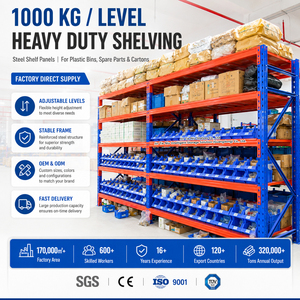
5 Beam Layers Heavy 1000KG Load Steel Shelf Rack for Plastic Boxes Cartons and Small Parts Racking
Five beam layers for cartons, plastic bins and small parts in warehouses and production stores.
View productCustom OEM Pallet Shelf Rack Sourcing Is No Longer a Commodity Purchase
Buyers searching for a custom OEM pallet shelf rack factory and exporter are no longer comparing only price per kilogram. They are evaluating engineering capacity, seismic documentation, cold-chain experience, installation control and the long-term cost of safety and downtime.
A pallet shelf rack is a structural asset that carries people, forklifts, inventory and building services. In mature procurement teams, the decision has shifted from “who can supply steel at the lowest landed cost?” to “who can prove the rack will perform under our load profile, seismic class, temperature range and throughput cycle?” That shift is especially visible in South America, where projects in Chile, Peru, Colombia and Ecuador must respond to seismic codes; where Brazil combines high humidity, large e-commerce volumes and 1000 × 1200 mm pallet standards; and where cold-chain exporters in Peru, Chile, Ecuador and Argentina require freezer-ready designs down to −30 °C.
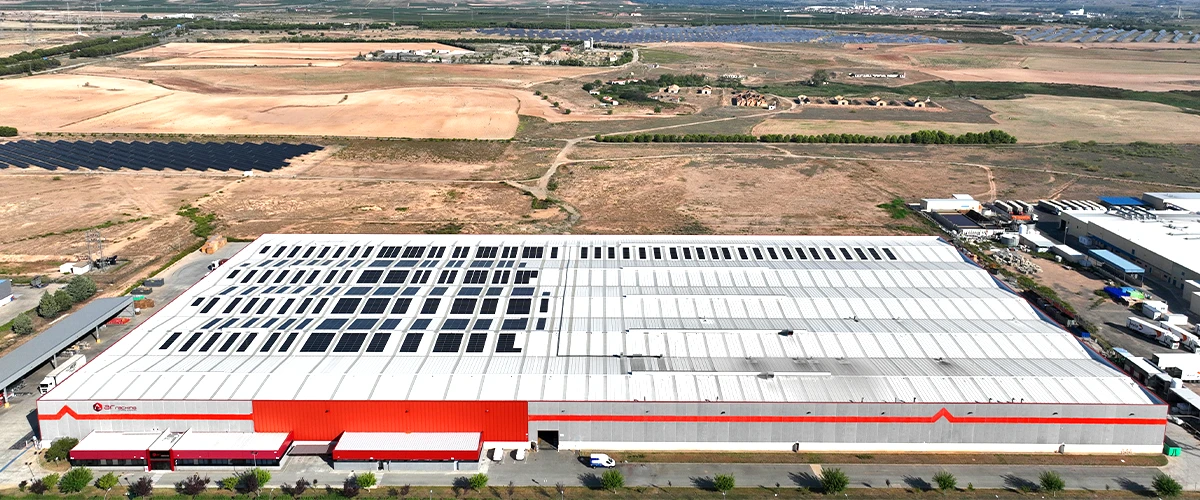
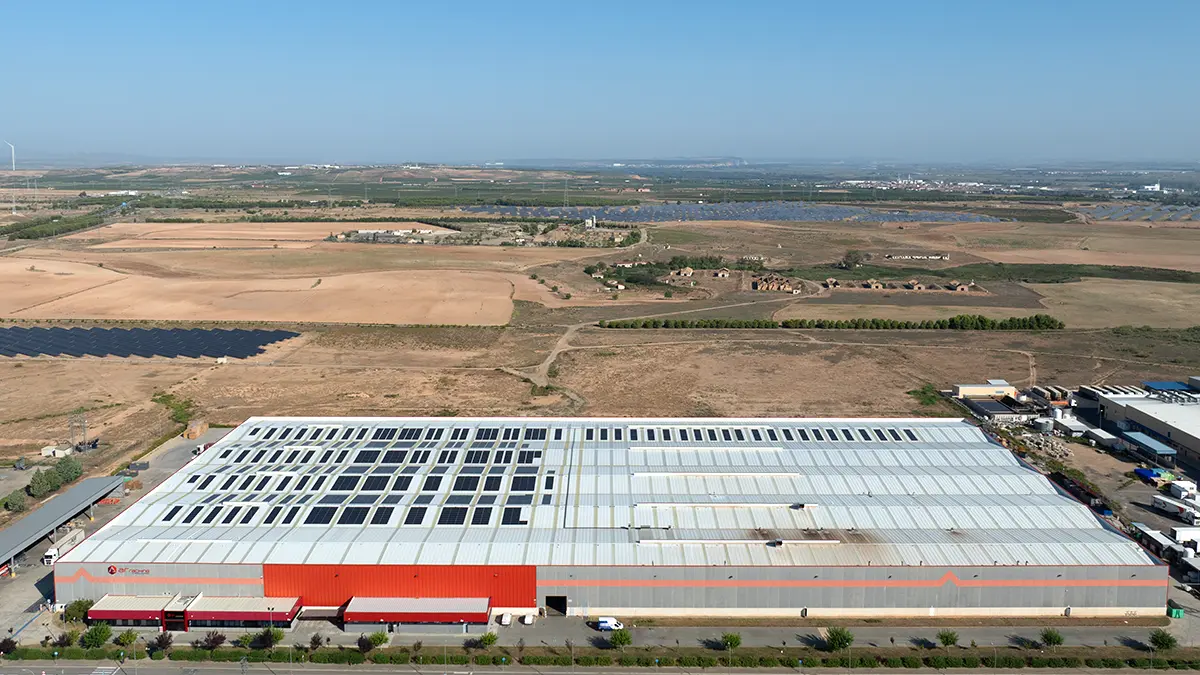
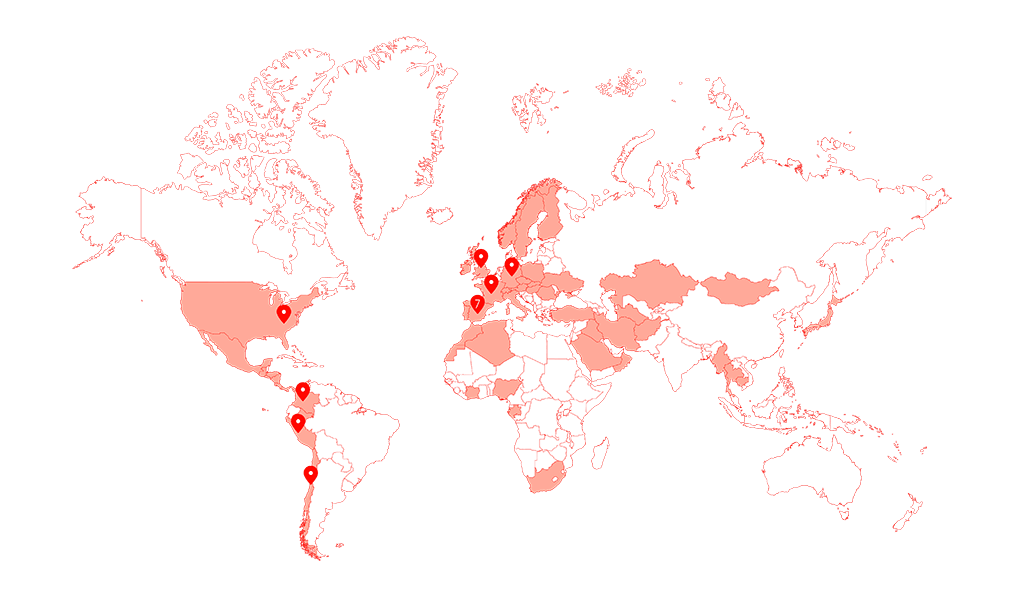
Alohatop Shelf LLC operates as a manufacturer rather than a reseller. Its production model combines a 35,000 m² highly automated production centre, more than 100,000 t of annual steel capacity, over 42,000 delivered warehouse projects and installations in more than 60 countries. More than 90% of production is exported, supported by 14 own branches and 70+ trusted distributors. For OEM buyers, this matters because every upright, beam, brace, base plate and safety accessory can be traced from production batch to project site — and because engineering, manufacture, finishing, packing and installation guidance sit under one accountable partner.
The information gain for procurement teams is not another catalogue of rack dimensions. It is a decision framework: match the rack type to the real storage profile; ask for seismic and cold-store verification; compare total cost of ownership over the rack lifecycle; and require documentation for weld quality, coating thickness, component traceability and load signage. That is the standard the following recommendations are written against.
Countries with installed storage systems
Warehouse projects delivered
Annual steel production capacity
Production exported worldwide
Why an OEM Factory and Exporter Changes Total Cost of Ownership
In rack procurement, the cheapest quotation can become the most expensive decision if the structure is too light for the load, too slow to install or unsupported after shipment.
Full Project Control
Layout optimisation, structural calculation, profile design, automated production, surface finishing, export packing and installation supervision are managed by one engineering-led organisation.
Seismic & Cold-Chain Experience
Designs are adapted to local codes such as NCh2369 and NCh433 in Chile, E.030 in Peru, NSR-10 in Colombia and NEC in Ecuador, with freezer-ready configurations down to −30 °C.
Automated Production & Traceability
Robotic production and laser-controlled processes keep frames and beams within the tolerances needed for AS/RS, pallet shuttle, VNA and high-bay selective racking.
R&D and Testing Discipline
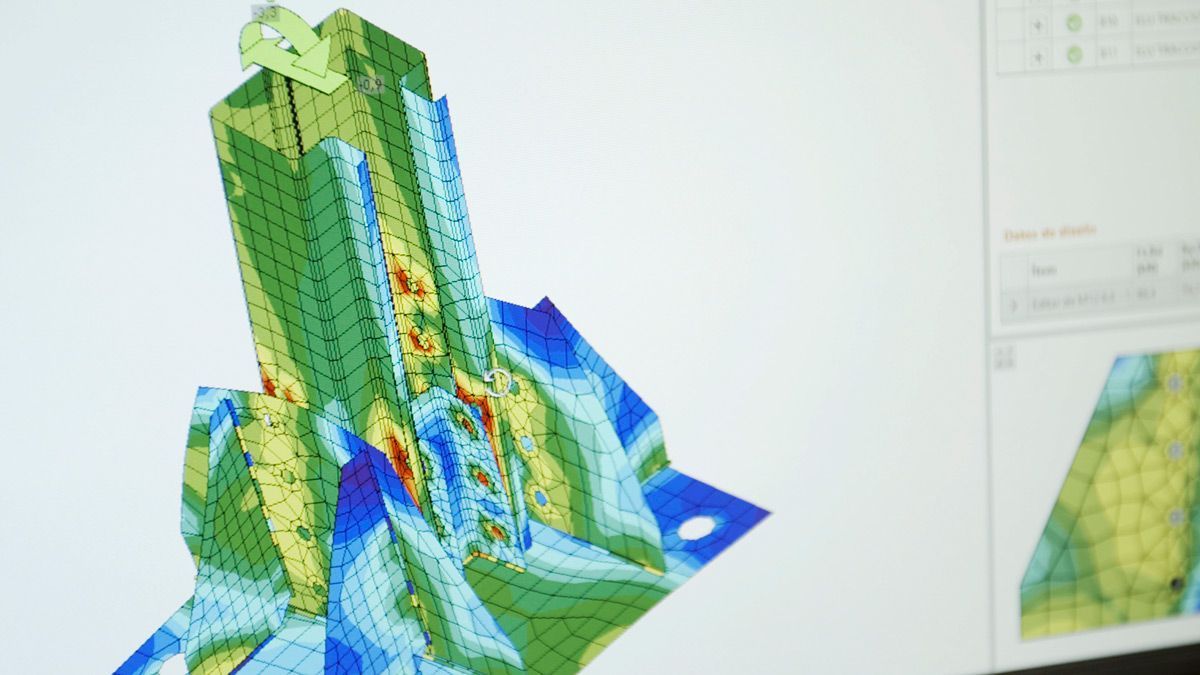
Our technology centre works with a university R&D laboratory and research chair on finite-element simulation, component behaviour and new profile validation.
Your Drawings, Load Data and Destination Requirements Drive the Design
For OEM projects, the strongest supplier is not the one with the largest standard catalogue. It is the one that can translate a buyer’s warehouse constraints into a safe, buildable and export-efficient rack system. We review pallet size, maximum load per pallet, beam levels, frame depth, clear height, forklift type, sprinkler requirements, floor condition, temperature range, seismic zone, container loading plan and installation sequence before releasing production drawings.
- Customized beams and frames for 1000 × 1200 mm, 1200 × 800 mm, 1100 × 1100 mm and other pallet formats.
- Surface options for powder coating, galvanizing and corrosion resistance in humid or cold-store environments.
- Export-ready packing with component marking, installation manuals and container loading optimisation.
- Five-year warranty backed by ISO 9001, ISO 14001, ISO 45001, ISO 50001, EN ISO 3834-2, EN 1090-1 and ISO 14064 reporting.
Which Custom Pallet Shelf Rack Is Right for Your Warehouse?
The most efficient system is the one that matches SKU mix, throughput, building height, temperature, seismic demand and forklift or automation strategy. Use this matrix as an early-stage buying guide.
| Warehouse Requirement | Recommended OEM System | Why It Fits | Procurement Focus |
|---|---|---|---|
| High SKU mix with direct access | Selective pallet racking with adjustable beams | Every pallet is accessible; beam levels can be changed as inventory profiles evolve. | Beam load, upright capacity, impact protection and frame depth. |
| Auto parts and mixed industrial loads | Adjustable pallet rack 1000KG to 3000KG | Flexible beam positions support heavy cartons, parts bins and palletized components. | Load per level, beam deflection limit and accessory compatibility. |
| Cold storage, freezer and high-density pallets | Drive-in, double-deep, mobile or pallet shuttle racking | Reduces aisle space and increases pallet positions per cooled cubic metre. | Temperature-rated steel and finish, LIFO/FIFO rule and rescue access. |
| Long goods, pipes, profiles, timber | Cantilever racking with adjustable foldable arms | Open front allows safe loading of long or irregular loads without pallets. | Arm length, arm spacing, corrosion protection and base stability. |
| Small parts, boxes and cartons | Multi-beam steel shelf rack or picking racking | Five or more beam layers create high-density manual picking for small items. | Layer load, shelf panel type, picking face height and fire sprinkler clearance. |
| Automated warehouses and high-bay projects | AS/RS structures, VNA racking and self-supporting systems | Rack geometry must meet strict tolerances for stacker cranes, shuttles and AMRs. | Digital drawings, weld traceability, tolerance reports and integrator interface. |
| Multi-client 3PL operations | Selective or double-deep racking with reconfigurable beams | Supports changing client SKU profiles and adaptable storage density. | Spare parts availability, inspection access and future expansion. |
| Export-focused OEM programme | Custom rack frames, beams and accessories packed for sea freight | Aligns production, finishing and packing with the buyer’s brand and market requirements. | Container fill rate, marking system, installation manual and after-sales support. |
Density and load figures must be confirmed by site-specific calculations. In seismic zones, tall or dense rack configurations require additional structural verification, anchoring design and row spacing review.
For a buyer sourcing from a custom OEM pallet shelf rack factory and exporter, the highest-value recommendation is often a hybrid layout rather than a single rack type. A distribution centre may use selective racking for fast-moving SKUs, double-deep or shuttle racking for slow-moving reserve stock, picking shelving for cartons and cantilever racking for long materials. The engineering goal is to reduce travel, improve safety and defer unnecessary capital spending until the inventory profile justifies additional density.
Future Procurement Trends in Pallet Shelf Rack Sourcing
Procurement teams are moving from single-quotation buying toward lifecycle risk management. These trends will shape supplier selection for OEM pallet shelf rack projects through 2030.
Total Cost of Ownership Over Lowest Price
Buyers are modelling installation speed, inspection frequency, repair cost, spare parts and downtime risk — not only the FOB price per tonne. A rack with better impact resistance and replaceable components can cost less over ten years.
Seismic and Code-Verified Documentation
In Chile, Peru, Colombia and Ecuador, procurement teams increasingly request calculation notes, anchor data, bracing details and compliance summaries before approving a rack supplier.
Cold-Chain Expansion and Energy Efficiency
Fruit, seafood, meat and frozen-food exporters need more pallet positions per refrigerated cubic metre. Mobile, drive-in, shuttle and VNA racking reduce cooled volume per pallet and support energy targets.
Automation-Ready Interfaces
Rack suppliers are now expected to provide geometry data, tolerances and integration documentation for AS/RS, AMR, AGV and WMS projects. Manual warehouses are being designed for future automation without immediate capital outlay.
ESG, Carbon Reporting and Coating Compliance
Corporates increasingly ask for verified carbon reporting, environmentally controlled coating processes and supplier management systems that meet ISO 14001 and ISO 50001 expectations.
Digital Traceability and Spare-Parts Continuity
QR-coded components, batch records and digital as-built drawings make inspections faster and future expansions safer. Buyers also assess whether replacement beams and uprights will remain available.
Product Development Trends in Custom Pallet Shelf Racks
Rack design is evolving from standard welded frames toward higher-performing, more modular and more data-rich structures.
Higher-Strength, Lighter Profiles
Advanced cold-rolled steel profiles and optimised section geometry increase load capacity while reducing unnecessary steel mass and improving container utilisation.
Modular Accessories and Safety Systems
Beam locks, upright protectors, row spacers, guide rails, mesh panels and signage are increasingly designed as modular kits that simplify installation and later expansion.
Corrosion-Resistant Finishes
Powder coating, galvanizing and pre-treatment systems are being specified for humid ports, food plants and freezer environments where condensation and washdown accelerate corrosion.
Digital Twins and Inspection Data
More projects are handed over with digital layout files, component schedules and inspection checkpoints. This supports maintenance planning and reduces the risk of unauthorised modifications.
For buyers, these trends have a direct procurement implication: request a supplier who can provide both the physical product and the engineering data behind it. A custom OEM pallet shelf rack factory and exporter should be able to show profile drawings, load tables, welding controls, coating specifications and installation guidance. That evidence is what separates a price quotation from a reliable long-term storage asset.
Quality, Certification and E-E-A-T Signals Buyers Can Verify
For international procurement, credible quality claims must be supported by management systems, welding controls, structural standards and after-sales commitments.
These systems support the practical claims that matter in OEM procurement: controlled welding, consistent coating, traceable materials, documented inspections and a defined warranty path. For projects in South America, certification alone is not enough; the supplier must also demonstrate familiarity with local seismic requirements, port logistics, installation supervision and spare-parts planning. Alohatop Shelf LLC combines a manufacturing base with export experience across more than 60 countries, which reduces the coordination risk between factory, freight forwarder, importer and installation team.
OEM Pallet Shelf Rack Procurement FAQ
Answers for warehouse owners, 3PLs, importers and project contractors evaluating a custom OEM pallet shelf rack factory and exporter.
Are you a factory or a trading company?
Alohatop Shelf LLC is a manufacturer and exporter with a 35,000 m² highly automated production centre and more than 100,000 t annual steel capacity. OEM and ODM projects are supported from engineering drawings through production and export packing.
Can racks be customized for our pallet and load?
Yes. Beam length, frame depth, upright profile, load per level, beam levels, coating color, safety accessories and packing method can be customized. Share pallet dimensions, maximum load and rack layout so engineers can calculate the correct configuration.
What is the typical MOQ and lead time?
MOQ depends on the product mix, order value and container plan. For standard OEM rack projects, production lead times are commonly quoted project by project after drawings are approved. Sea-freight schedules, destination port and installation sequence are included in the planning.
How do you support export and installation?
We export to more than 60 countries and support projects through 14 own branches and 70+ distributors. Export packing, component marking, installation drawings and supervision can be coordinated with the buyer’s local installation team or trained distributors.
What warranty and certification support do you provide?
Storage systems carry a five-year warranty. Manufacturing is supported by ISO 9001, ISO 14001, ISO 45001, ISO 50001, EN ISO 3834-2 welding quality, EN 1090-1 structural steel and ISO 14064 verified carbon reporting, with component traceability.
Can the rack be designed for seismic zones?
Yes. Racking for Chile, Peru, Colombia and Ecuador can be checked against local seismic requirements and site conditions. Typical measures include reinforced uprights and bracing, heavier base plates, anchors, row spacers and reduced beam deflection limits.
Can racks be used in cold storage or freezers?
Yes. We supply mobile, drive-in, VNA, pallet shuttle and self-supporting freezer structures using steels and finishes suited to temperatures down to −30 °C. This is critical for fruit, seafood, meat and frozen-food operations.
What information is needed for a quotation?
Send building layout with clear height, pallet dimensions and maximum load weight, number of SKUs and pallets per SKU, daily throughput, forklift or automation type, temperature range and project city. Our engineers use this to recommend the safest and most space-efficient system.
Request a Custom OEM Pallet Shelf Rack Quotation
Share your pallet data, building layout, load requirements, temperature range, seismic location and target port. Our engineering team will recommend a factory-built rack solution and provide the technical information needed for a confident procurement decision.