Eight OEM/ODM Pallet Storage Racking Systems Ready for Customisation
The platforms below cover selective, push-back, cantilever, heavy-duty and safety-accessory configurations. Each can be private-labelled, dimensioned to your building and calculated for local load, seismic and temperature requirements.
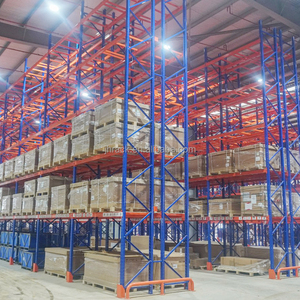
Heavy-Duty Corrosion-Protected Pallet Racking Systems
For humid, coastal, food and industrial environments where finish quality and long service life matter as much as load capacity.
View OEM/ODM details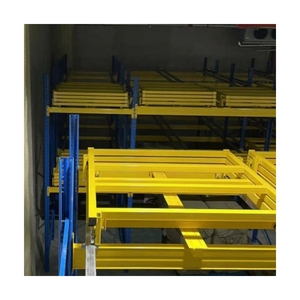
Heavy-Duty Push-Back Pallet Racking System
A LIFO concept for manufacturing buffers and mid-volume SKUs, using nested carts to reduce aisle space while preserving flow.
View OEM/ODM details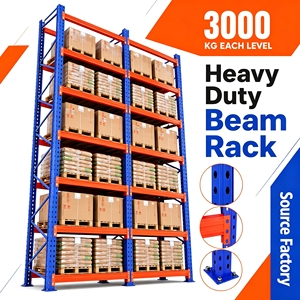
3,000 kg Heavy-Duty Industrial Pallet Racking
Factory-direct steel racking for heavy goods, with engineered uprights, beams and connections validated against actual pallet loads.
View OEM/ODM details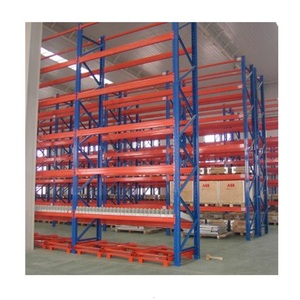
Heavy-Duty Steel Pallet Racking Storage System
A flexible selective platform for distributors and warehouse projects requiring competitive price, export packing and brand customisation.
View OEM/ODM details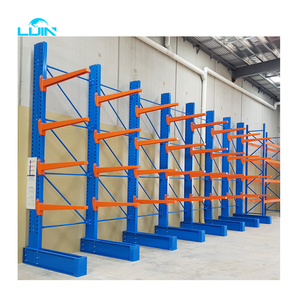
Heavy-Duty Industrial Cantilever Racking
Open-front access for pipes, profiles, timber and long goods, with arm spacing and load ratings configured to the product family.
View OEM/ODM details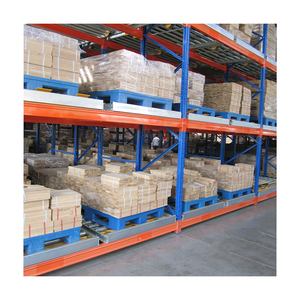
Steel Pallet Rack Warehouse Shelving System
Conventional selective racking for multi-SKU operations that need direct access to every pallet and simple future reconfiguration.
View OEM/ODM details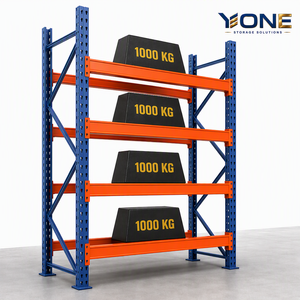
Pallet Racking with Warehouse Safety Accessories
Upright protectors, row spacers, load signage and accessory planning for safer day-to-day operations and inspection readiness.
View OEM/ODM details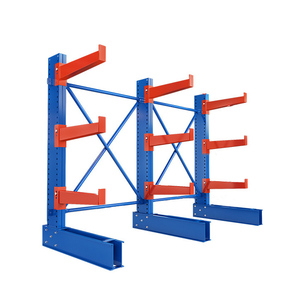
Structural Cantilever Racking for Timber Storage
Designed for timber yards and building-material warehouses, with structural arms, base stability and outdoor or semi-covered layout options.
View OEM/ODM detailsCountries with installed storage systems, supported by export packaging and documentation.
Warehouse projects delivered across logistics, food, cold chain, retail and manufacturing.
Annual steel production capacity in a highly automated manufacturing environment.
Of production exported, with logistics experience across major international ports.
Why the Best OEM/ODM Supplier Is a Manufacturing Partner, Not a Price List
Pallet racking is a structural asset with a 15–25 year operating life. The sourcing decision affects safety, insurance, expansion capacity and the cost of every future pallet movement.
The search phrase “OEM/ODM pallet storage racking system factories & suppliers” often blends four very different businesses: steel manufacturers, racking factories, export trading companies and regional distributors. A trading supplier can provide a commercial quotation, but an OEM/ODM factory must own the engineering chain behind that quotation: steel traceability, profile design, welding control, beam-to-upright connection testing, tolerance management, finish selection and export documentation.
Information gain begins with one question: can the supplier show the calculation for your pallet load and building, rather than a generic load table? For warehouse developers, 3PLs, private-label racking brands and industrial distributors, that single question separates a project-ready factory from a catalogue reseller.
This white paper is structured for procurement and engineering teams. It explains how to evaluate OEM versus ODM versus trading models, which product platforms are most adaptable to private-label programmes, how future procurement trends will change supplier selection, and what data should be included in an RFQ to reduce engineering rework by weeks.
- Engineering calculations tied to actual pallet dimensions, load centres and beam deflection limits.
- Full component traceability from steel batch to installed upright and beam.
- Local seismic, cold-storage and fire-safety evidence where the warehouse is located.
- A warranty model backed by manufacturing control, not only commercial promises.
OEM, ODM or Trading Supplier: What Each Model Controls
The right model depends on how much engineering, branding and risk your organisation wants to own. The wrong model becomes visible only after the first expansion, inspection or spare-part request.
OEM manufacturing
The buyer controls drawings, colours, branding and packaging. The factory provides structural validation, manufacturability review and production control. Best for distributors, rental fleets, private-label brands and buyers with established engineering standards.
ODM development
The factory’s proven platform is adapted to your load, pallet, seismic zone and market. This is faster for standard pallet formats, but still requires project-specific calculations and clear change control.
Trading supplier
May accelerate sourcing and communication, but engineering, welding quality, warranty responsibility and spare-part continuity must be verified through the actual factory. Never accept anonymous production when safety-critical racking is involved.
For a 10-year asset, the cheapest quotation is rarely the lowest total cost. Evaluate the supplier’s engineering evidence, manufacturing traceability, installation support and long-term component availability together.
Factory Advantages to Verify Before You Award an OEM/ODM Racking Contract
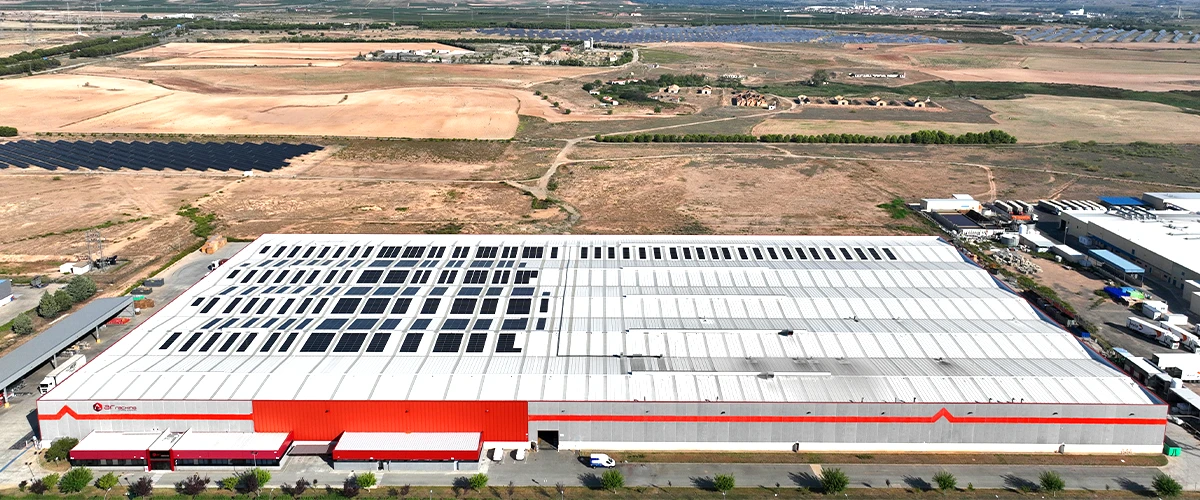
The original factory profile behind this guide combines automated production, laboratory validation, export experience and a five-year warranty. Those claims are only meaningful when buyers know how to audit them.
Engineering-led production, not outsourced assembly
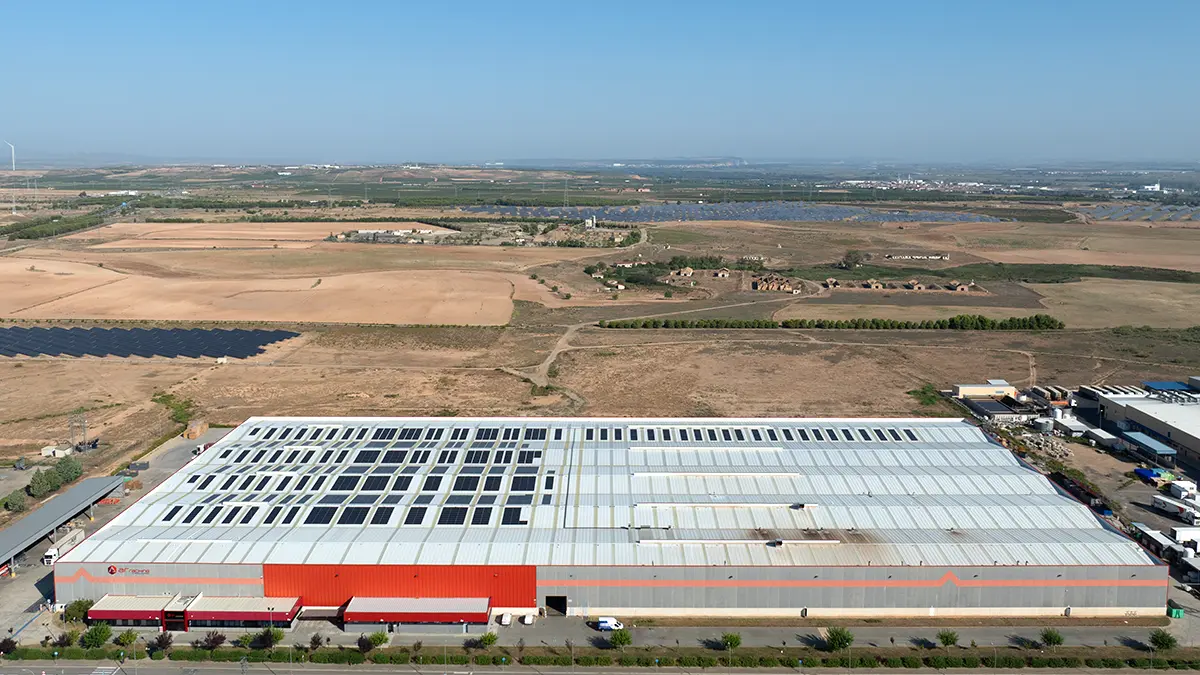
A 35,000 m² highly automated production centre and more than 100,000 t of annual steel capacity matter because they enable consistency across large OEM orders. More than 90% of output is exported to 60+ countries through 14 branches and 70+ distributors, which means packaging, documentation and port coordination are part of the factory routine rather than an afterthought.
Our technology centre works with an R&D laboratory at Mondragon University and a research and simulation chair at the University of the Basque Country. Finite-element simulation, physical load testing and cyclic testing inform new profiles and connections before they enter a customer’s warehouse. The result is not simply stronger steel; it is a more predictable structural system for high seismic demand, cold storage and automation-ready warehouses.
- Automated roll-forming, robotic welding and laser-controlled processes for repeatable tolerances.
- Full traceability of every upright and beam, from production batch to installation.
- Five-year system warranty backed by ISO 9001, ISO 14001, ISO 45001, ISO 50001, EN 1090-1 and ISO 3834-2 controls.
- South America experience with Chile NCh2369/NCh433, Peru E.030, Colombia NSR-10, Ecuador NEC and Brazilian PBR pallet formats.
Design freedom
Custom heights, depths, beam lengths, colours, load labels, manuals and packaging can be standardised for an OEM/ODM programme.
Seismic and cold-chain know-how
Reinforced bracing, anchor design and finish choices for seismic zones and temperatures down to −30 °C.
Export readiness
Packaging, load plans, port coordination, spare-part kits and documentation designed for international project delivery.
Lifecycle confidence
Inspection, maintenance and replacement planning protect people, stock and uptime after the installation is signed off.
Certifications Buyers Should Request From a Pallet Racking Factory
Documents are not decoration. Each certification should connect to a real control point in design, steel selection, welding, finishing, installation or environmental reporting.
ISO 9001
Quality management from enquiry to shipment.
ISO 14001
Environmental management in production.
ISO 45001
Occupational health and safety controls.
ISO 50001
Energy management in manufacturing.
EN 1090-1
Structural steel component factory control.
ISO 3834-2
Welding quality requirements for fabrication.
Also request ISO 14064 verified carbon reporting, component traceability, welding procedures, anchor calculations and a sample load sign. The factory profile behind this guide includes a five-year warranty and full component traceability.
Future Procurement Shifts Buyers Should Model Into 2026–2032 Budgets
Warehouse demand is becoming more regional, more automated and more accountable. Procurement teams that plan for these shifts avoid expensive retrofits later.
Nearshoring and regional DCs
Shorter supply chains are creating new distribution centres closer to consumers. Racking programmes need modular designs that can be replicated across several leased buildings.
Engineering + service consolidation
Buyers are narrowing supplier lists to partners who can provide design, manufacturing, installation supervision, inspection and spare parts under one accountability chain.
Total cost of ownership
Lowest price is giving way to lifecycle cost: damage frequency, spare-part lead time, inspection cost, expansion speed and energy efficiency in cold stores.
Contractual resilience
Warranty terms, local technical support, component compatibility and documented inspection routines will be evaluated as seriously as steel tonnage.
Product Development Trends Reshaping OEM/ODM Pallet Racking
Racking is no longer sold as static steel. It is increasingly sold as an interface between inventory, automation, safety and sustainability.
Automation-ready structures
AGV, AMR, shuttle and stacker-crane integration demands tighter tolerances, predictable deflection and installation accuracy. Racking must be designed as infrastructure from the first drawing.
High-strength, lower-carbon profiles
Buyers will increasingly request verified carbon data, material efficiency and recyclability evidence. ISO 14064 reporting becomes a commercial advantage, not only a compliance item.
Cold-store efficiency
Mobile racking, VNA, drive-in, pallet shuttle and self-supporting freezer warehouses reduce cooled cubic metres per pallet. Finish and steel toughness must match the temperature profile.
Seismic and climate resilience
Local code calculation, anchorage verification, row spacers and bracing design will remain essential in Chile, Peru, Colombia, Ecuador and other active or high-wind regions.
Smart safety accessories
QR-coded inspection records, impact protection, clearer load signage and digital maintenance logs help warehouses demonstrate control during audits and insurance reviews.
Private-label modularity
OEM/ODM buyers want export-friendly kits, standard connections, custom colours, manuals and packaging that let them serve local projects without compromising engineering quality.
Which Pallet Storage Racking System Should Your Factory Supply?
Use this early-stage matrix to narrow the operating concept before layout engineering. Final selection depends on SKU profile, throughput, building height, fire strategy and seismic zone.
| System | Best-fit operation | Density vs selective | Access / rotation | OEM/ODM suitability |
|---|---|---|---|---|
| Selective racking | Multi-SKU distribution, food and beverage, retail DCs | Reference level | 100% direct access; any rotation | High-volume private-label and distributor programmes |
| Very narrow aisle (VNA) | Expensive land, cold stores, tall buildings | Higher | 100% access with specialist trucks | Strong for automation-ready cold-chain projects |
| Double-deep racking | 3PL and manufacturers with 2+ pallets per SKU | Medium-high | 50% direct access; LIFO per lane | Good for regional 3PL and food projects |
| Drive-in racking | Homogeneous products, frozen goods, seasonal stock | High | Low selectivity; LIFO or drive-through FIFO | Requires precise lane and truck-interface design |
| Mobile pallet racking | Cold storage, high-value inventory, space-constrained sites | Very high | One open aisle; direct access by movement | Premium ODM solution with controls integration |
| Pallet flow racking | Perishables and fast-moving inventory requiring FIFO | High | Per lane; FIFO | Good for food, beverage and cold-chain specialists |
| Push-back racking | Manufacturing buffers and mid-volume SKUs | Medium-high | Per lane; LIFO | Adaptable for industrial distributors and plants |
| Pallet shuttle / AS/RS | High-throughput DCs, deep cold lanes, automated warehouses | Very high | Semi-automated or automated | Best for factory-engineered, tolerance-critical projects |
For a rapid recommendation, send pallet size, maximum load per pallet, clear height, number of pallets and destination city. Our engineers can compare selective, high-density and automated options on the same footprint.
The RFQ Data Set That Cuts Engineering Rework by Weeks
Accurate input data improves quotation speed, drawing approval and factory release. Missing data creates assumptions that later become change orders.
Building geometry
Clear height, floor slab, column grid, aisle widths and fire strategy.
Pallet profile
Length, width, height, condition, overhang and load centre.
Load data
Maximum weight, load type, beam deflection and point-load risks.
Throughput
Pallets per day, shifts, forklift type and planned automation.
Environment
Ambient, chilled, freezer, humidity, wash-down and corrosion exposure.
Code basis
Seismic zone, local standard, anchor design and third-party review.
Branding
Colour, logo, load labels, manuals, packaging and private-label text.
Commercial terms
Incoterms, destination port, warranty, spare parts and installation scope.
A Four-Stage OEM/ODM Delivery Model
A controlled process reduces the gap between commercial quotation and a safe, buildable warehouse.
Discovery and concept
Review pallet data, building constraints, throughput and target market. Compare selective, high-density and automated concepts.
Engineering validation
Structural calculation, seismic verification, tolerance review, finish selection and approval drawings for OEM branding.
Manufacturing and QA
Steel traceability, roll-forming, welding control, surface finish, packing inspection and pre-shipment documentation.
Export and lifecycle
Load plans, port coordination, installation supervision, load signage, inspection manuals and spare-part planning.
What Good Looks Like: Measured Warehouse Outcomes
The most credible supplier presentation is not a catalogue; it is a documented operating result. These project types reflect the engineering and logistics profile described in this guide.
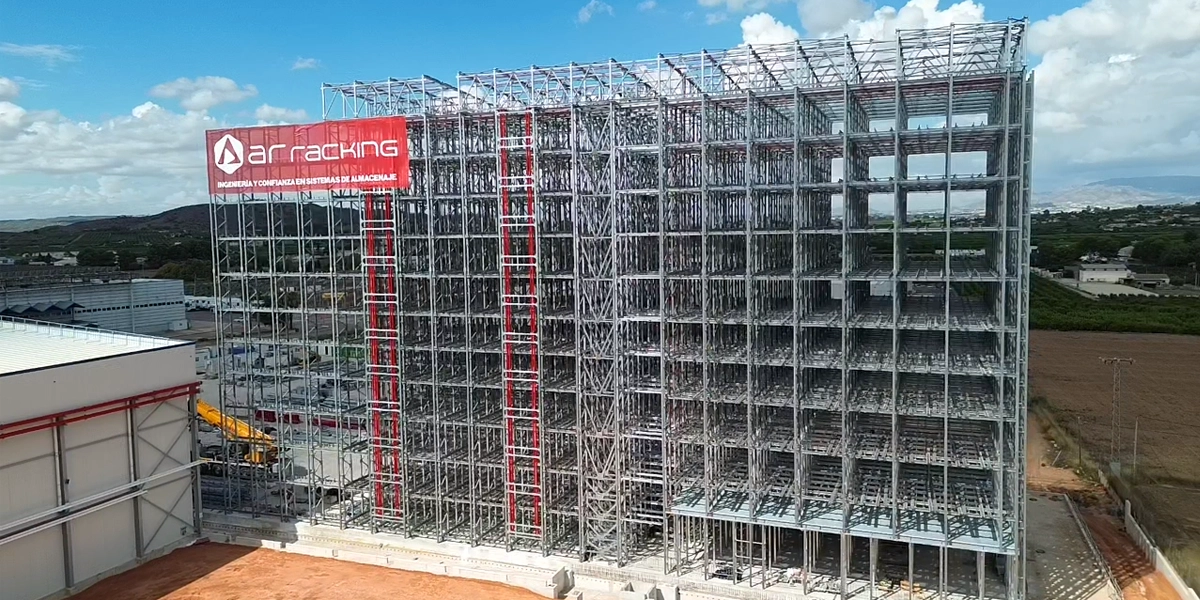
23,000 pallet positions at −24 °C
A self-supporting freezer warehouse where the racking structure also carries the building envelope, demonstrating the level of engineering control required for cold-chain automation.
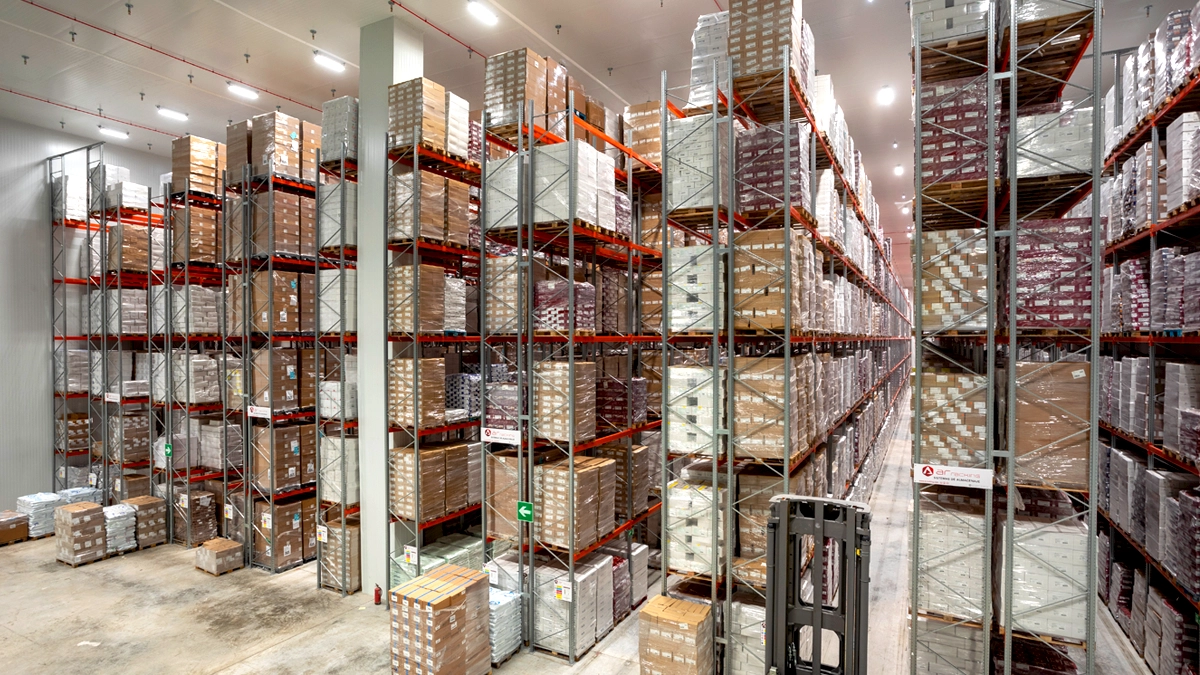
Frozen food cold store with VNA racking
Very narrow aisle racking increased pallet positions per cooled cubic metre while maintaining direct access and clear operating tolerances.
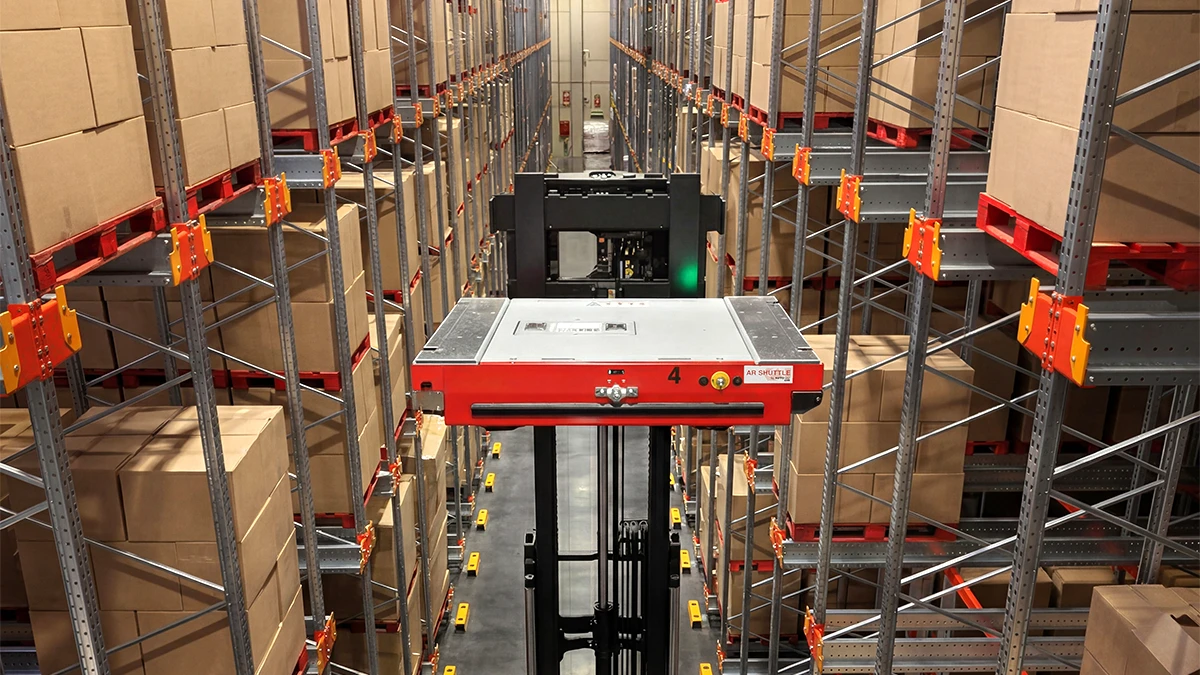
High-density, semi-automated deep lanes
A pallet shuttle concept for a third-party logistics operator, balancing high-density storage with faster cycles and flexible SKU allocation.
OEM/ODM Pallet Racking FAQ for Factories, Distributors and Project Buyers
These are the questions procurement teams should ask before releasing a purchase order for a safety-critical storage structure.
How can I tell a real OEM/ODM pallet racking factory from a trading company?
Audit the engineering and manufacturing chain, not the website. Request production video, steel mill certificates, welding procedures, load calculations for a recent project, EN 1090-1 or ISO 3834-2 evidence, packing standards and warranty responsibility. A true factory can explain upright profile choices, beam deflection limits, anchor design and why the solution changes for cold storage or seismic zones.
Can you manufacture racking to our drawings, colours and private label?
Yes, provided the drawings are structurally validated for the actual pallet load and building. OEM/ODM programmes can include custom upright and beam colours, brand plates, load labels, manuals, packaging, spare-part kits and market-specific documentation. Critical point: private label should never mean losing component traceability or the calculation behind the racking.
How is pallet racking engineered for seismic zones and cold storage?
Seismic design considers local code, soil class, base anchorage, upright bracing, row spacers and beam-to-upright behaviour. Relevant examples include Chile NCh2369/NCh433, Peru E.030, Colombia NSR-10 and Ecuador NEC. For cold stores down to −30 °C, steel toughness, finish selection, tolerances and deflection limits are reviewed together. Never rely on a generic seismic claim.
Which pallet sizes and load capacities can be supported?
Common formats include 1200 × 1000 mm, 1200 × 800 mm Euro pallets, the Brazilian PBR 1000 × 1200 mm format and ISO sizes such as 1100 × 1100 mm and 1219 × 1016 mm. Heavy-duty projects can require 3,000 kg or more per level, but the final design must use the actual load centre, pallet condition, beam span and deflection limit.
What certifications and warranty should I request?
A serious pallet racking factory should provide evidence such as ISO 9001, ISO 14001, ISO 45001, ISO 50001, EN 1090-1, ISO 3834-2 welding control and ISO 14064 carbon verification where applicable. Request a five-year system warranty, full component traceability, load signage, inspection guidance and a spare-parts list. Warranty should be backed by manufacturing control.
What is the fastest route to an accurate OEM/ODM quote?
Send the building layout, clear height, pallet dimensions, maximum load, SKUs per pallet, daily throughput, forklift or automation type, temperature range, destination city and target delivery date. Our engineering team can then propose the most efficient storage concept and prepare a budget quotation. For project review, email [email protected] or use the Get a Quote button.
Get a Factory-Engineered Quote, Not a Generic Price List
Share your pallet dimensions, load data, building height, seismic location, temperature range and target market. Our team will recommend the safest, most space-efficient pallet storage racking system and prepare the next step for a custom manufacturing programme.