Pallet Rack Storage Systems Available for Global Export
Below are eight production-ready systems from Alohatop Shelf, a manufacturer-exporter with in-house engineering, automated steel production and installation support across more than 60 countries. Product URLs are preserved for direct specification review.
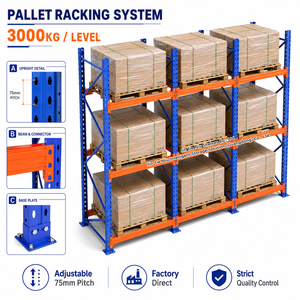
3 Pallet Levels Heavy Duty Steel Warehouse Rack Selective Pallet Racking System 3000KG
Three-level selective racking for 3,000 kg load classes. Direct access to every pallet makes it suitable for food, beverage, retail and 3PL warehouses with high SKU variety.
- Access100% selective
- Load class3,000 kg
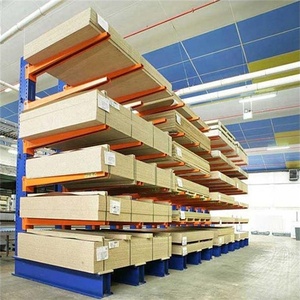
Heavy Duty Industrial Warehouse Storage Cantilever Arm Racking System
Arm-based racking for pipes, profiles, timber and other long materials. Adjustable arms reduce handling friction and protect finishes during storage.
- Best forLong loads
- ArmsAdjustable
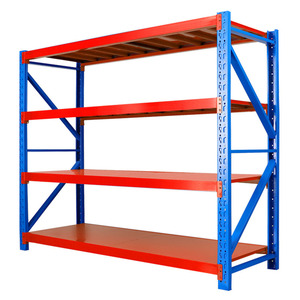
Medium/Heavy Duty Storage Equipment Warehouse Industrial Powder Coating Cargo Steel Iron Tool Supermarket Stacking Storage Racks
Flexible medium/heavy-duty storage for tools, cartons, spare parts and supermarket backrooms. Powder coating supports clean, durable warehouse operations.
- UseMixed cargo
- FinishPowder coated
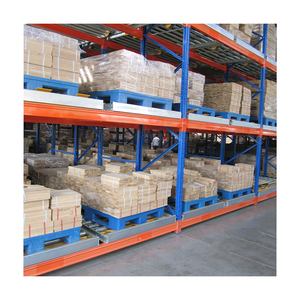
Steel Pallet Rack System Heavy Shelving Storage Shelf Selective Heavy Duty Rack Steel Shelving Warehouse Racking for Wholesale
A practical selective rack platform for distributors and wholesalers that need stable pallet access, simple expansion and competitive project economics.
- ApplicationWholesale DC
- ExpansionModular
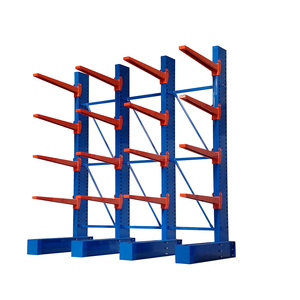
Industry Warehouse Steel Structural Pipe Rack Cantilever Rack for Pipe / Lumber Storage
Purpose-built cantilever storage for pipe yards, lumber merchants and fabrication plants. Open-front access speeds loading and inventory checks.
- Best forPipe, lumber
- AccessOpen front
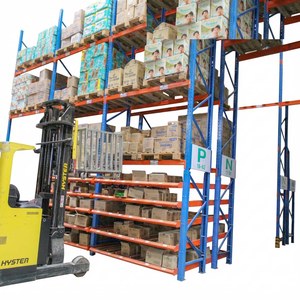
Warehouse Shelving Boltless Adjustable Heavy-Duty Industrial Garage Shelving System 3-Layer Cold Rolled Steel Epoxy Powder Rack
Fast-to-install boltless shelving for maintenance stores, garages, spare parts and e-commerce pick faces. Adjustable levels improve space utilisation.
- InstallationBoltless
- Levels3-layer
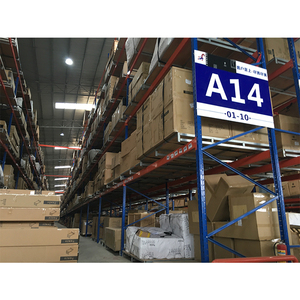
Industrial Storage Rack Heavy Duty Steel Pallet Rack System for Warehouse Organization
A general-purpose heavy-duty pallet rack for warehouse organisation, high-bay layouts and mixed pallet profiles. Engineered for straightforward expansion.
- ApplicationGeneral warehouse
- LayoutHigh-bay
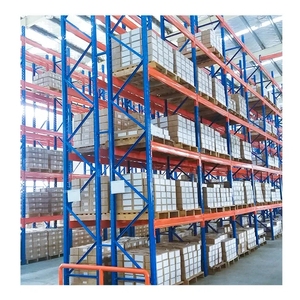
Heavy Duty Industrial Double Deep Stacking Selective Shelving Pallet Racking Warehouse Storage Racks for Sale
Double-deep racking increases pallet positions per aisle for 3PLs and manufacturers holding multiple pallets per SKU. LIFO per lane suits stable inventory profiles.
- DensityDouble-deep
- RotationLIFO per lane
Countries with installed storage systems
Warehouse projects delivered
Annual steel production capacity
Of production exported worldwide
Why the Top 10 Pallet Rack Storage System Manufacturers & Exporter List Needs a New Scoring Model
Search results for “Top 10 pallet rack storage system manufacturers & exporter” often compare suppliers by headline price, load capacity or catalogue breadth. That approach misses the variables that determine whether a racking system remains safe, compliant and profitable over 10–20 years.
Pallet racking is a structural asset. It must resist local seismic loads, match pallet and forklift dimensions, tolerate cold-chain temperatures, support automation tolerances and integrate with installation and inspection workflows. A defensible shortlist therefore scores suppliers on engineering evidence, factory control, certification traceability, export execution and lifecycle service — not simply on price per beam.
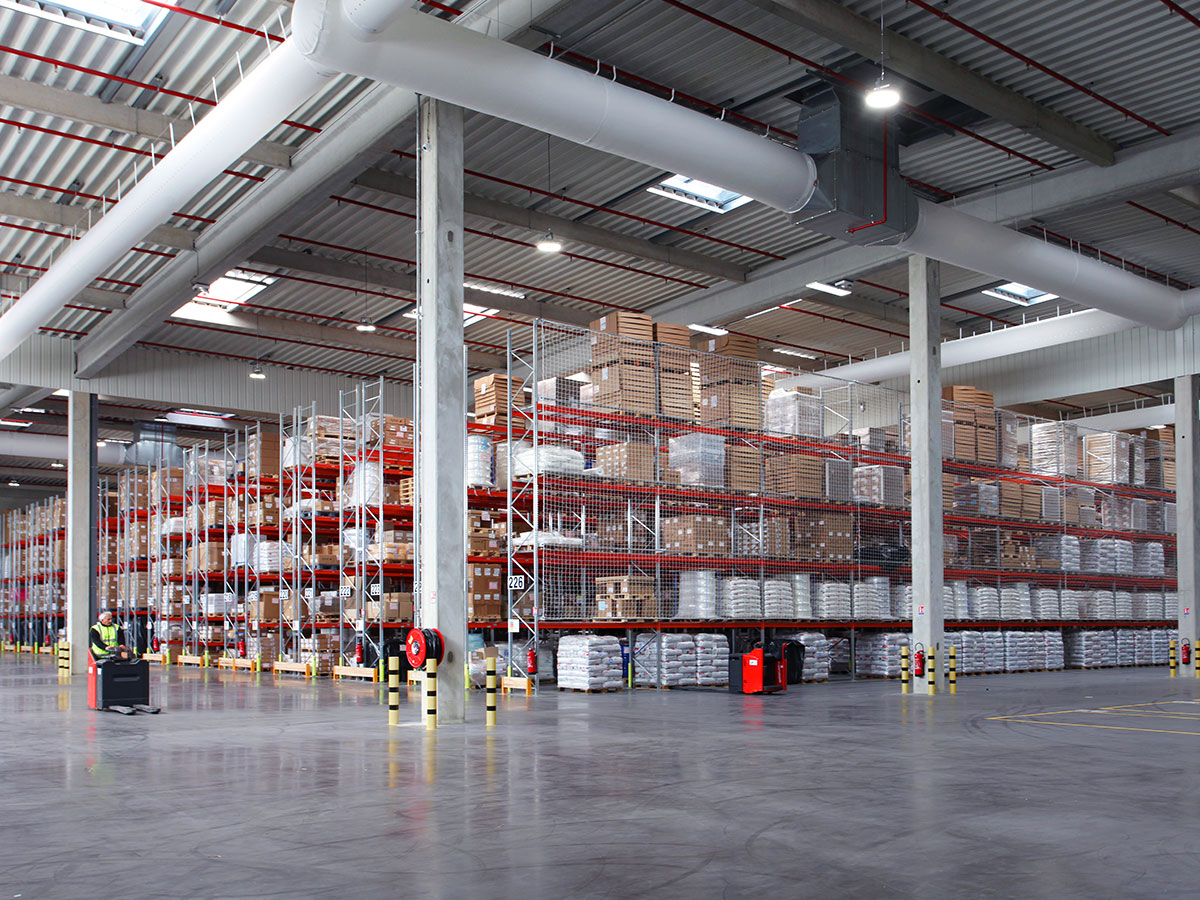
Alohatop Shelf is used here as a reference example of the capabilities buyers should verify. The company designs, manufactures and installs industrial racking and automated warehouse structures from an automated production centre, with more than 90% of output exported and projects delivered across 60+ countries.
The 10-Point Capability Checklist Behind a Defensible Top 10 Shortlist
Use this checklist during supplier qualification. Each point creates information gain for procurement, engineering and operations teams comparing manufacturers and exporters.
1. Seismic Engineering
Check calculation reports against Chile NCh2369, Peru E.030, Colombia NSR-10, Ecuador NEC and other destination codes.
2. In-House Manufacturing
Verify factory ownership, automated lines, welding control and annual capacity instead of relying on trading-company claims.
3. Certification Traceability
Request ISO 9001, ISO 14001, ISO 45001, ISO 50001, EN 1090-1 and welding quality evidence with component traceability.
4. Export Logistics
Check experience with destination ports, packing standards, documentation, spare-part supply and phased delivery.
5. Installation Control
Confirm whether the supplier provides supervisors, trained installers and plumb/load-signage protocols after shipment.
6. Automation Readiness
Ask for tolerance data for AS/RS, shuttle, AMR and VNA interfaces. Automation cannot compensate for poor rack geometry.
7. Cold Storage Capability
Validate steel grades, coatings, anchors and thermal movement assumptions for freezer rooms down to −30 °C.
8. Warranty & Inspection
Review warranty terms, spare-part availability and periodic rack inspection programmes, not only the initial quote.
9. R&D Validation
Look for laboratory testing, finite-element simulation and university or third-party research partnerships.
10. Commercial Transparency
Demand drawings, load calculations, bill of materials, lead-time assumptions and total cost of ownership reporting.
Alohatop Shelf: Manufacturing Depth That Supports Export Procurement
For buyers comparing top pallet rack manufacturers and exporters, enterprise capability must be visible in the factory, laboratory and installation network — not only in the brochure.
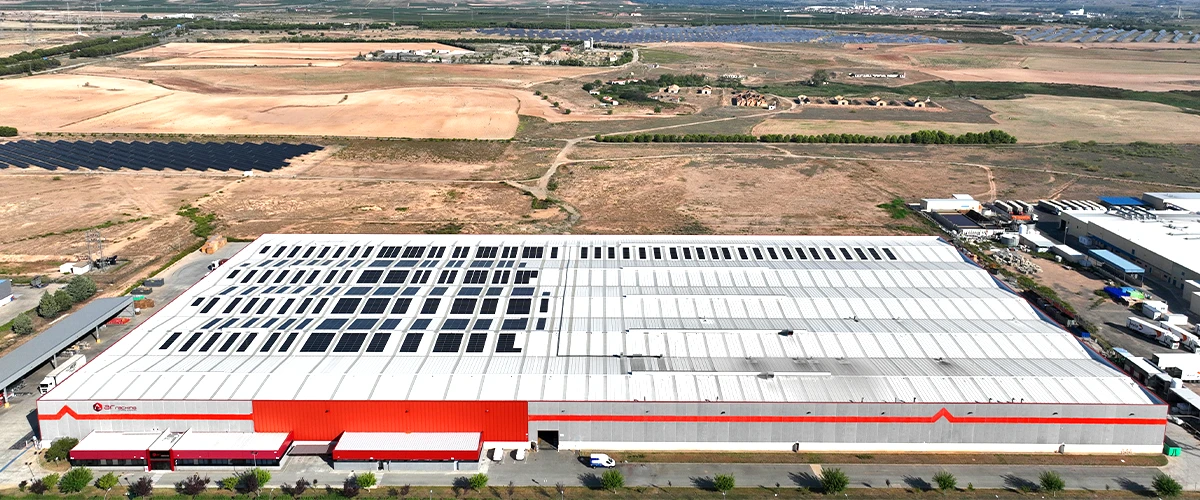
35,000 m² Automated Production Centre
Alohatop Shelf operates a highly automated production centre with over 100,000 t of annual steel capacity. More than 90% of output is exported, giving overseas buyers a supplier with proven export packaging, documentation and lead-time discipline.
Get Catalog
Engineering Validated by R&D
Racking components are tested and simulated through research work with Mondragon University and a research chair at the University of the Basque Country. Finite-element modelling and physical testing support safer frames, beams and connections for seismic regions.
See procurement criteria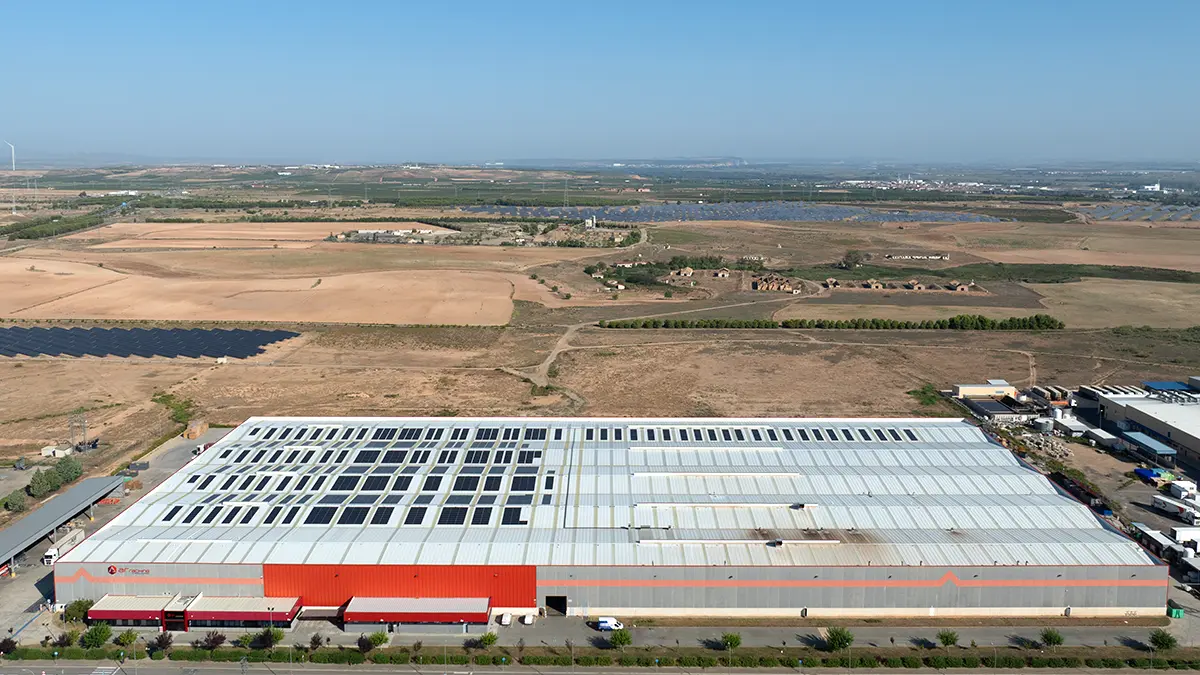
Export Execution and Local Support
With 14 own branches, 70+ distributors and a network of trained installation supervisors, projects can be supported from layout study through final load signage. A 5-year warranty and full component traceability strengthen lifecycle accountability.
Read buyer FAQRecommended Pallet Rack Storage Systems by Operating Scenario
System selection should follow pallet profile, throughput, temperature, building height and accessibility requirements. These scenarios match the export-ready products above.
High-SKU, Direct-Access Warehouses
Choose selective pallet racking when every SKU must remain immediately accessible. The 3-level 3000KG system suits food, beverage and retail distribution.
View selective rackLong Materials and Fabrication Yards
Cantilever racking stores pipes and profiles without obstructed front columns. It improves yard flow and protects material surfaces.
View cantilever rackWholesale and Mixed-Cargo Storage
Selective steel pallet racking supports wholesale distribution with flexible beam levels, clear labelling and straightforward expansion.
View wholesale rackPipe Yards and Lumber Merchants
Open-front cantilever pipe racks simplify forklift handling and inventory visibility for long, heavy or awkward loads.
View pipe rackMaintenance Stores and Spare Parts
Boltless 3-layer shelving provides fast installation and adjustable access for tools, parts and small-batch inventory.
View boltless shelvingHigh-Density Pallet Storage
Double-deep selective racking is appropriate for 3PLs and manufacturers holding multiple pallets per SKU with acceptable LIFO rotation.
View double-deep rackPallet Rack Procurement Trends Shaping 2026–2030 Purchasing Decisions
Buyers are moving from low-bid purchasing toward total cost of ownership, verified compliance and automation-ready infrastructure. These trends will influence supplier selection for the next investment cycle.
Total Cost of Ownership Replaces Sticker Price
Procurement teams are calculating installation, inspection, downtime, damage risk and reconfiguration costs alongside the initial steel price.
Local Code Verification Becomes Mandatory
Seismic and building-code documentation is now a qualification gate in Chile, Peru, Colombia, Ecuador and other active regions.
Automation-Ready Layouts
Even manually operated warehouses are requesting rack tolerances and interfaces prepared for future AMR, shuttle or AS/RS upgrades.
Cold Chain Expansion
Fruit, seafood, meat and frozen-food exporters need racking designed for freezer temperatures, condensation control and fast installation.
ESG and Carbon Reporting in RFQs
ISO 14064-style carbon verification, recyclable steel and responsible coating choices are appearing in supplier scorecards.
Supply-Chain Resilience and Lead Time Transparency
Export buyers are prioritising manufacturers that control production, communicate milestones and support phased delivery across ports.
Product Development Trends in Pallet Rack Storage Systems
Racking innovation is increasingly driven by structural efficiency, automation compatibility and lifecycle sustainability. These developments affect specification choices today and upgrade paths tomorrow.
Higher Strength-to-Weight Profiles
Optimised roll-formed sections and connection details help reduce steel weight while preserving load capacity and stiffness.
Robotic Welding and Tight Tolerances
Automated production supports AS/RS and shuttle tolerances, consistent beam geometry and faster site installation.
Hybrid Conventional and Dense Storage
Warehouses are combining selective, double-deep, shuttle and VNA zones within one building to balance SKU access and density.
AS/RS and AMR Compatibility
Rack structures are being designed with interface coordinates, flatness and tolerances that support cranes, shuttles and mobile robots.
Digital Twin and Inspection Data
Layout models, load data and inspection records are increasingly linked to digital warehouse models for maintenance planning.
Sustainable Coatings and Circular Steel
Lower-impact coating systems, recyclable steel and verified carbon reporting are becoming part of product development roadmaps.
Certifications and Quality Evidence to Request Before Purchase
A manufacturer-exporter should be able to provide management-system certificates, welding quality evidence, structural-steel compliance and component traceability.
 ISO 9001Quality management
 ISO 14001Environmental management
 ISO 45001Health and safety
 ISO 50001Energy management
 EN ISO 3834-2Welding quality control
 EN 1090-1Structural steel components
Pallet Rack Storage System FAQ for Procurement and Warehouse Teams
Answers to the questions most often raised when comparing pallet rack storage system manufacturers and exporters for export projects.
How can I verify a rack manufacturer’s seismic design capability?
Request project-specific calculations, not generic load tables. The supplier should identify the destination code, soil class, pallet load, beam deflection limits, anchoring strategy and bracing details. In South America, relevant references include Chile NCh2369 and NCh433, Peru E.030, Colombia NSR-10, Ecuador NEC and Argentina INPRES-CIRSOC 103.
What does “Top 10” mean when no single authority ranks pallet rack manufacturers?
No global authority publishes one definitive ranking of pallet rack manufacturers and exporters. A credible top-10 shortlist should be based on evidence: engineering capability, factory control, certifications, export track record, installation support, warranty and lifecycle service. This guide focuses on the evaluation framework rather than unsupported claims.
Which pallet rack system is best for a 3PL warehouse?
Selective racking supports high SKU variety and direct access. Double-deep racking improves density when each SKU has multiple pallets and LIFO rotation is acceptable. Pallet shuttle or drive-in systems may suit high-density zones. The correct mix depends on pallet count per SKU, throughput, aisle equipment and future automation plans.
Can pallet racking be supplied for cold storage and freezer warehouses?
Yes. Cold-storage racking requires suitable steel grades, coatings, anchors and installation assumptions for temperatures down to approximately −30 °C. Mobile racking, drive-in, VNA, pallet shuttle and self-supporting freezer structures are used depending on density, access and throughput requirements.
What information should be sent to a manufacturer for a reliable quote?
Provide building layout and clear height, pallet dimensions and maximum load, SKUs and pallets per SKU, daily throughput, forklift or automation type, temperature range, destination city and preferred delivery phase. These inputs allow engineers to propose a system rather than simply price steel.
How does manufacturing capability reduce project risk?
In-house production with automated lines, welding control and component traceability reduces tolerance issues, quality variation and supply delays. A manufacturer-exporter that controls engineering, production and installation support can respond faster to design changes and spare-part needs after commissioning.
Request the 2026 Pallet Rack Storage System Catalog
Compare structural details, load capacities, certifications and export configuration options. Our engineers can match your pallet size, throughput, temperature range and building height to the right racking system.
Email: [email protected]