Eight Industrial Pallet Storage Rack Configurations for Project Evaluation
These are not catalogue placeholders. Each rack family below maps to a different load, density, access, cold-chain or budget profile. Use them as a shortlist for layout studies, then confirm upright capacity, beam deflection, seismic anchoring, pallet tolerance and lead time with an engineer before purchase.
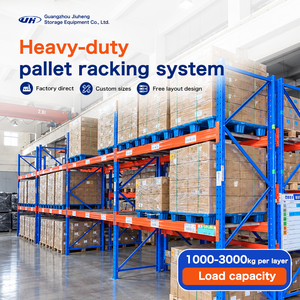
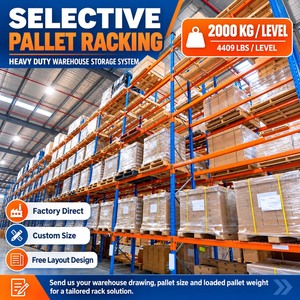
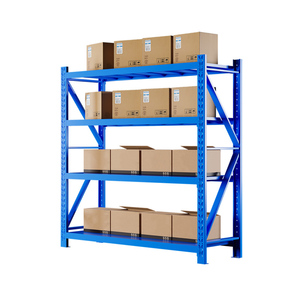
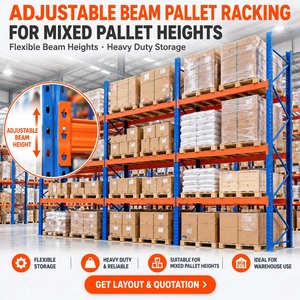
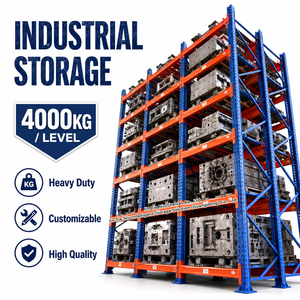
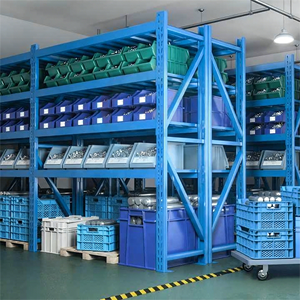
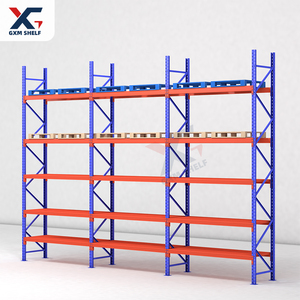
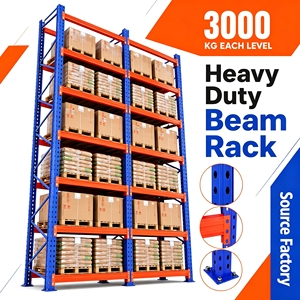
Not sure which rack family fits your building? Send pallet dimensions, maximum load, aisle width, clear height and destination port for a same-day engineering response.
Inquire NowWhat Makes a China Pallet Rack Factory Worth Qualifying?
A racking quotation is easy to compare on price per tonne. It is much harder to compare what happens after the purchase order: whether the uprights match the load calculation, whether the beams are pre-assembled with the correct locking pins, whether the base plates suit the seismic zone, and whether spare parts can be matched years later. That is why serious buyers now evaluate a factory through its engineering evidence, production control and traceability — not only its price list.
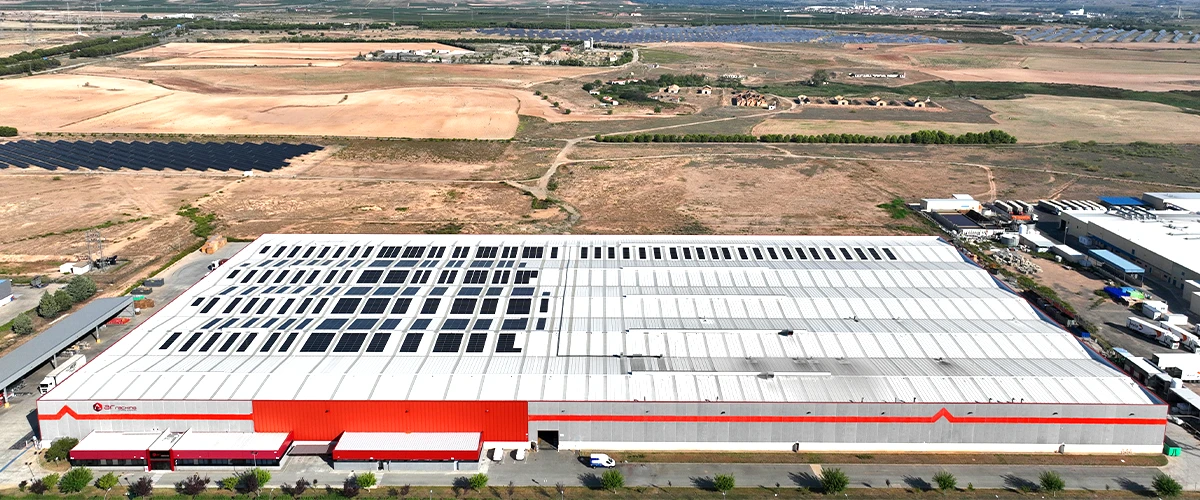
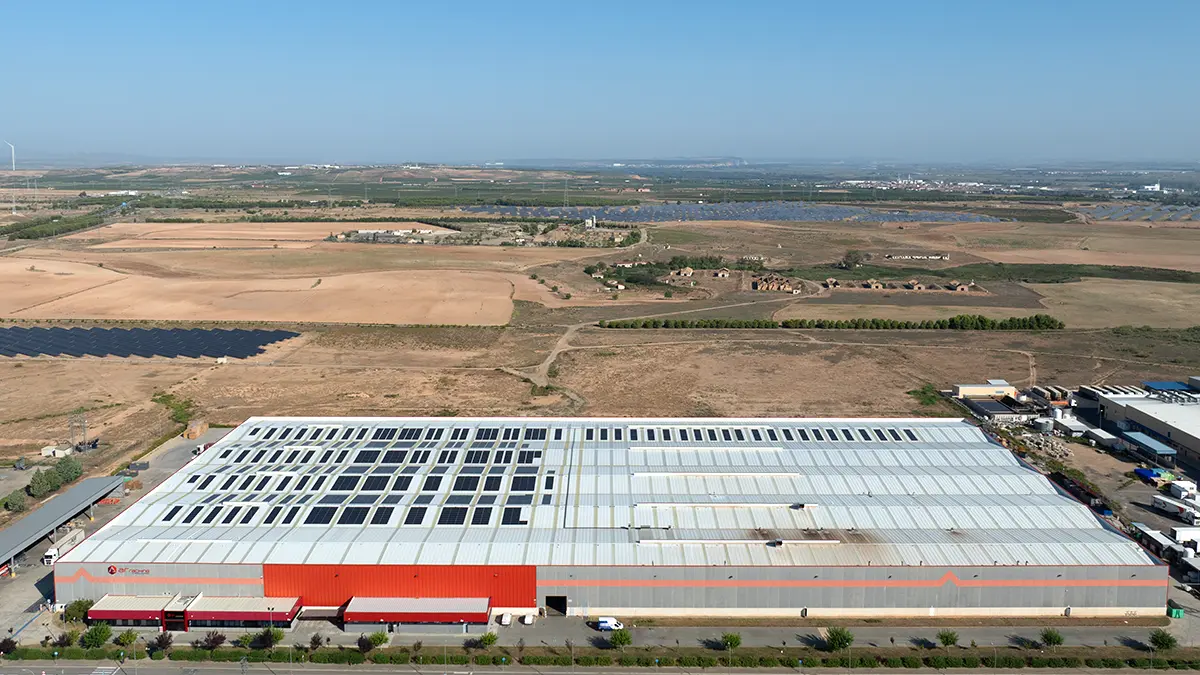
Alohatop Shelf LLC is an engineering-led storage manufacturer with a 35,000 m² highly automated production centre and annual steel capacity of more than 100,000 tonnes. The company controls design, structural calculation, roll-forming, robotic welding, surface treatment, pre-assembly inspection, packing and installation supervision. More than 90% of output is exported, and installed systems are in service in more than 60 countries — including cold stores, 3PL warehouses, food and beverage plants and manufacturing facilities across South America.
- Full project responsibility from steel coil to final load sign, with component traceability from production batch to installation.
- Engineering validated beyond the drawing board through R&D and physical testing with Mondragon University and simulation research with the University of the Basque Country.
- International quality systems including ISO 9001, ISO 14001, ISO 45001, ISO 50001, UNE EN ISO 3834-2 welding quality, EN 1090-1 and ISO 14064 verified carbon reporting.
- 5-year warranty on storage systems, backed by documented component identification and replacement support.
For SEO and procurement teams, this is the practical meaning of E-E-A-T in industrial storage: verifiable manufacturing experience, qualified engineering judgement, demonstrable factory authority and reliable documentation. A credible supplier should be able to explain why a beam size, upright section, anchor type and row spacer were chosen for your site — not merely quote a rack depth and beam length.
Countries with installed storage systems
Warehouse projects delivered
Annual steel production capacity
Of production exported worldwide
What Industrial Buyers Are Changing in Pallet Rack Procurement
The pallet rack market is moving from commodity steel pricing toward engineered, code-verified and lifecycle-managed storage assets. For factories and distributors sourcing from China, the strongest suppliers will be those that can support that shift with data.
Life-cycle cost replaces price per kilogram
Buyers increasingly compare freight, installation, inspection, reconfiguration, spare parts, repair access and future expansion — not only the steel price. A slightly higher initial quotation can deliver a lower ten-year cost when the rack can be reconfigured instead of replaced.
Local seismic and wind compliance
Chile, Peru, Colombia and Ecuador require project-specific seismic verification under standards such as NCh2369, E.030, NSR-10 and NEC. Procurement teams now ask for calculation assumptions, anchor data and row-spacer details before approving a rack layout.
Cold-chain and high-bay growth
Fruit, seafood, meat and frozen-food exporters are investing in −25°C to −30°C warehouses. Cold stores favour VNA, mobile, drive-in, pallet shuttle and self-supporting structures because every cubic metre of cooled space must carry more pallet positions.
Automation-ready but phased
Many buyers are not ready for a fully automated warehouse, yet they need rack geometry that can accept AGVs, AMRs, shuttles or stacker cranes later. Suppliers that understand integration tolerances can protect the first-phase investment and avoid a premature rebuild.
How Industrial Pallet Storage Racks Are Evolving
Rack development is being driven by higher clear heights, deeper cold stores, tighter integration with warehouse software and stricter safety expectations. The most competitive factories are engineering these trends into standard product platforms rather than treating them as one-off projects.
High-bay VNA and narrow-aisle racking
As land and energy costs rise, warehouses are building upward. Very narrow aisle racking allows taller bays and more pallet positions per square metre while keeping 100% selective access — a strong fit for cold stores and high-value inventory.
Pallet shuttle and deep-lane density
Semi-automated pallet shuttle systems are becoming more accessible to mid-size distribution centres. They reduce forklift travel inside lanes, increase storage density and support FIFO or LIFO depending on lane design.
AS/RS-ready steel structures
Automated storage and retrieval systems demand strict tolerances for upright plumb, beam level and frame stiffness. Rack factories that serve AS/RS integrators must demonstrate repeatable production control, not just a strong rack sample.
Freezer-grade materials and finishes
Cold-store racking must account for low-temperature steel behaviour, corrosion protection, condensation, ice build-up and maintenance access. Surface treatment and steel specification need to be selected for the actual operating environment.
Hybrid pallet and light-duty systems
Factories increasingly combine heavy-duty pallet racking with boltless shelving, picking racks and slotted angle storage in the same building. A supplier that can engineer both heavy and light-duty elements reduces coordination risk for the buyer.
Digital safety and inspection records
Rack safety is shifting from occasional visual checks to traceable inspection programmes. Batch identification, component marking and damage records help warehouse teams replace the correct part and demonstrate due diligence during audits.
Engineering and Manufacturing Advantages Buyers Can Verify
A factory visit, calculation review and documentation check will reveal more than a brochure. These are the capabilities that should be visible in a serious industrial pallet storage rack manufacturer.
35,000 m² automated production centre
Roll-forming, robotic welding and controlled surface treatment support consistent quality across large export orders. High automation also protects lead times when a project requires thousands of uprights and beams.
R&D and university testing
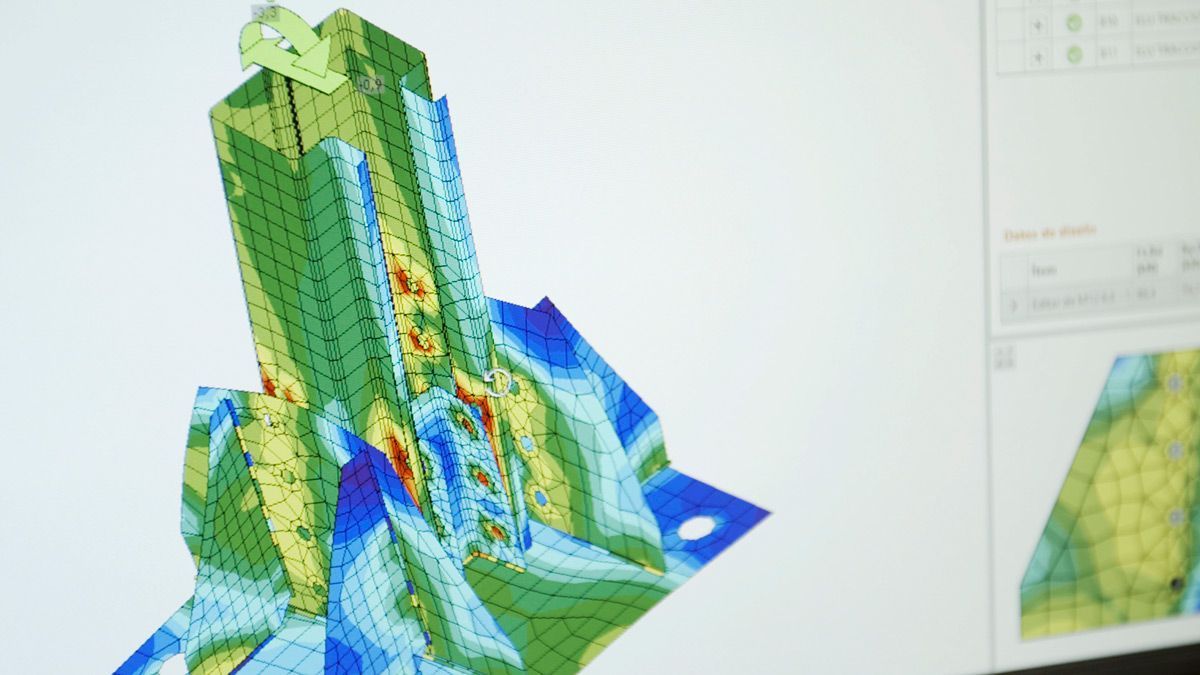
Work with Mondragon University and the University of the Basque Country supports finite-element simulation, physical load testing and cyclic testing of frames, beams and base connections — especially valuable for seismic markets.
Millimetre precision for integration
Automated stacker cranes, shuttles and AMRs stop when rack geometry drifts out of tolerance. Robotic production and laser-controlled processes keep frames and beams within the tolerances that automated warehouse integrators require.
Certified quality and traceability
ISO 9001, ISO 14001, ISO 45001, ISO 50001, ISO 3834-2, EN 1090-1 and ISO 14064 support quality, safety, energy and carbon claims. Component traceability helps buyers verify batches, replacements and warranty claims.
Export logistics and project packing
More than 90% of production is exported, with experience shipping to major ports and inland destinations. Export packing, component labelling and loading plans reduce site confusion and missing-part delays.
Installation and lifecycle support
Engineering support continues after delivery through installation supervision, technical inspection, maintenance and reconfiguration. A rack is a long-term asset; the supplier should still be able to support it years after go-live.
How to Match a Pallet Racking System to SKU and Throughput
Use this matrix for early-stage comparison. Final selection depends on pallet condition, load height, building height, fire strategy, seismic zone, forklift type and the cost of the space being used.
| System | Best for | Density | Direct access | Stock rotation |
|---|---|---|---|---|
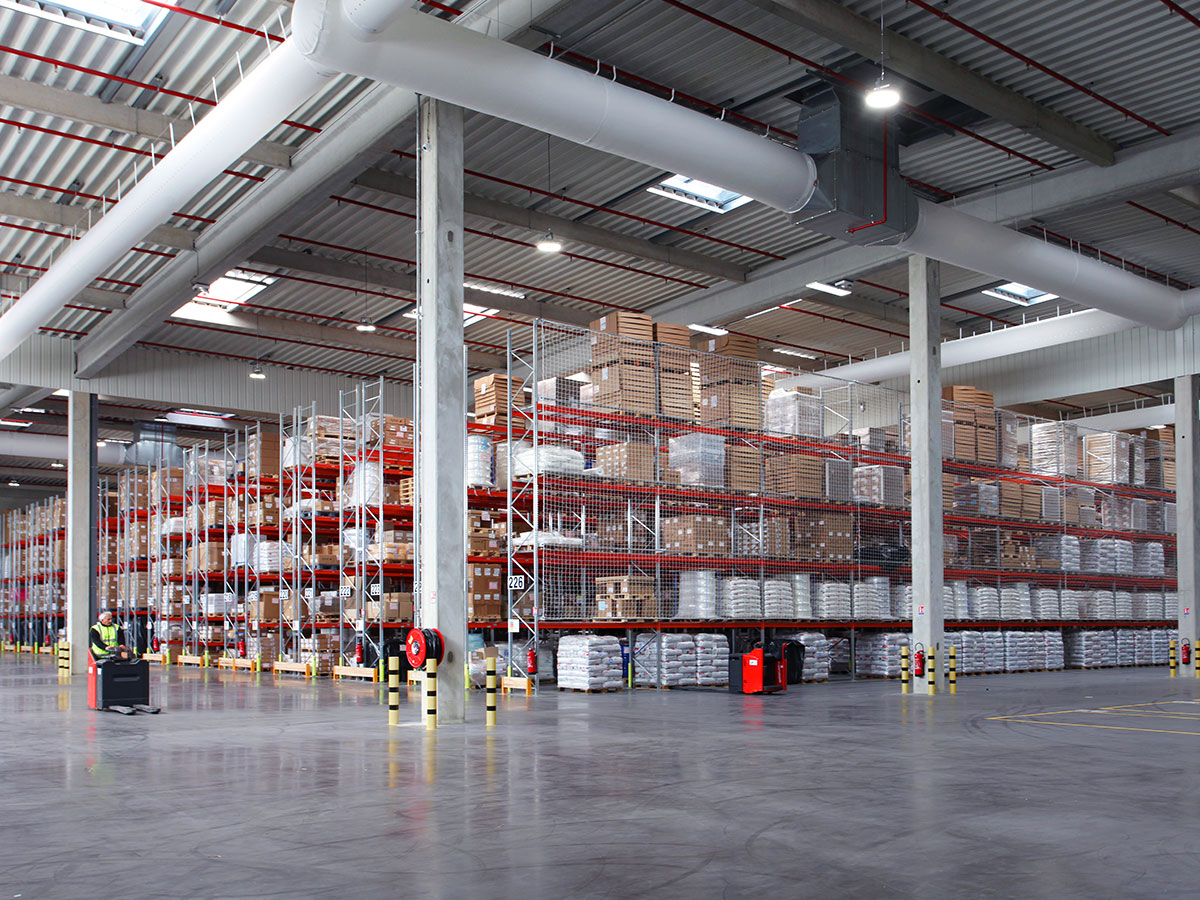
| Selective pallet racking | High SKU mix, food and beverage, retail DCs | 100% of pallets | Any | |
| Very narrow aisle (VNA) | Expensive land, cold stores, tall buildings | 100% of pallets | Any | |
| Double-deep racking | 3PL operations with two or more pallets per SKU | 50% | LIFO per lane | |
| Drive-in racking | Homogeneous products and frozen goods | Low | LIFO, or FIFO if drive-through | |
| Mobile pallet racking | Cold storage and high-value inventory per cubic metre | 100% with one open aisle | Any | |
| Pallet flow racking | Perishables, FMCG and fast-moving inventory | Per lane | FIFO | |
| Push-back racking | Manufacturing buffers and mid-volume SKUs | Per lane | LIFO | |
| Pallet shuttle racking | High-throughput DCs and deep cold-store lanes | Per lane | FIFO or LIFO | |
| AS/RS and self-supporting rack | Large DCs, 24/7 operations and deep-freeze warehouses | Automated | Any, controlled by WMS |
Density is shown relative to selective racking in the same footprint. In seismic zones, very tall or very dense configurations require specific structural verification and may need reinforced bracing, heavier anchoring or row spacers.
A Practical Checklist Before Ordering Industrial Pallet Racks
The quality of the input data determines the quality of the rack design. This checklist helps procurement, warehouse and engineering teams align before requesting a factory quotation.
Define the pallet, not only the load
Send pallet length, width, height, entry type, maximum load, overhang and condition. Rack dimensions must be based on the real pallet, not a nominal size. Damaged pallets may need larger clearances and stronger beam design.
Give the engineer the building
Provide clear height, floor slab data, column positions, sprinkler and lighting constraints, forklift aisle requirements, fire strategy and the project city. Seismic design cannot be separated from the building and soil class.
Map SKU velocity and retrieval
Share the number of SKUs, pallets per SKU, daily throughput, order profile and required rotation. A high-density system is not automatically the best system if fast-moving SKUs need immediate access or frequent picking.
Audit the factory, not only the brochure
Ask for production-line photos or video, roll-forming and welding controls, surface-treatment process, pre-assembly checks and packaging standards. A trading company may resell racks, but it cannot readily show the manufacturing evidence.
Model total cost over ten years
Compare the installed cost, inspection programme, spare-parts availability, reconfiguration potential and cost of lost space. The cheapest rack per tonne may be the most expensive if it limits growth or requires premature replacement.
Lock documentation and warranty
Require load calculations, drawings, component identification, anchor specification, installation instructions, inspection criteria and warranty terms. Clear documentation protects the buyer during installation and future audits.
Industrial Pallet Storage Racks: Common Procurement Questions
These are the questions our engineers receive most often from warehouse, logistics and procurement teams evaluating a China racking manufacturer for an export project.
Are you a manufacturer or a trading company?
The supplier behind this page is an engineering-led storage manufacturer with a 35,000 m² highly automated production centre and annual steel capacity above 100,000 tonnes. The company designs, calculates, manufactures and supports installation of industrial racking and automated warehouse structures — rather than reselling generic catalogue products.
Can pallet racks be customized for 1200×1000, Euro and ISO pallets?
Yes. Common formats include the 1200 × 1000 mm pallet widely used in Latin America, the 1200 × 800 mm Euro pallet used by European exporters, and ISO sizes such as 1100 × 1100 mm and 1219 × 1016 mm. Beam length, frame depth, clear entry height and load capacity should always be dimensioned for the actual pallet and load.
How are racks engineered for seismic zones?
Racking in Andean and Pacific-coast countries is calculated against the local seismic code and site soil class — for example NCh2369 and NCh433 in Chile, E.030 in Peru, NSR-10 in Colombia and NEC in Ecuador. Typical measures include reinforced uprights and bracing, heavier base plates and anchors, row spacers and reduced beam deflection limits.
What certifications and warranty protect the buyer?
Storage systems are produced under ISO 9001, ISO 14001, ISO 45001, ISO 50001, UNE EN ISO 3834-2 welding quality, EN 1090-1 and ISO 14064 verified carbon reporting, with component traceability. Systems carry a 5-year warranty, supported by documented component identification and replacement planning.
How long does production and shipping take?
An export racking project usually moves through engineering approval, production, pre-assembly inspection, surface treatment, packing and sea freight. Final lead time depends on tonnage, finish, accessories, project complexity and destination port. Providing approved drawings and pallet data early helps protect the production slot.
What information should be sent with an inquiry?
Send a building layout with clear height, pallet dimensions and maximum load, number of SKUs and pallets per SKU, daily throughput, forklift or automation type, temperature range, seismic zone and project city. With this information, an engineer can propose the most efficient storage system and prepare a meaningful quotation.
Request a Layout Review and Factory Quotation
Planning a new distribution centre, cold-store expansion or factory rack replacement? Share your drawing, pallet data and destination port. Our storage engineers will review the load assumptions, recommend a racking configuration and prepare an export quotation with material schedule and lead-time guidance.