Top China Pallet Storage Racks Factory & Wholesalers
Factory-direct pallet racking, wholesale supply and export-ready documentation for warehouses that need certified load capacity, seismic engineering and a lower total cost of ownership.
8 Pallet Storage Rack Systems for Wholesale and Project Procurement
Start with the storage profile, then compare the structure. These eight factory-direct racking options cover selective access, auto-parts storage, heavy shelving, five-layer high-load storage, OEM customization, boltless flexibility, very narrow aisle density and project-specific selective racking. Every specification should still be verified against your pallet load, clear height, seismic zone, fire strategy and throughput.
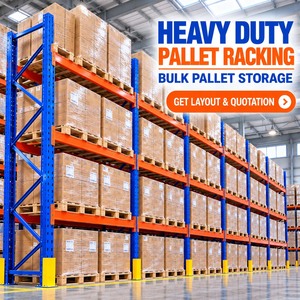
Heavy Duty Pallet Rack Supplier for Bulk Warehouse Storage
Selective heavy-duty racking for bulk SKUs, palletized inventory and rapid forklift access in wholesale distribution projects.
View product specs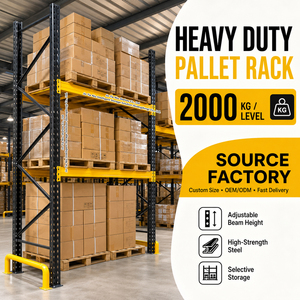
Adjustable Pallet Rack 1000KG to 3000KG for Auto Parts Storage Heavy Duty Selective Pallet Storage System
Adjustable beam levels and 1,000–3,000 kg load options suit automotive components, metal parts and dense selective storage.
View product specs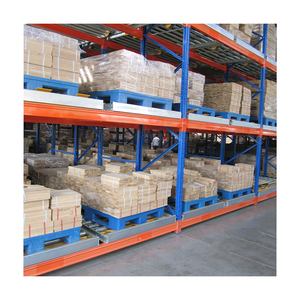
Steel Pallet Rack System Heavy Shelving Storage Shelf Selective Heavy Duty Rack Steel Shelving Warehouse Racking for Wholesale
A steel shelving and pallet rack configuration for wholesalers that need flexible SKU storage, strong load capacity and clear stock visibility.
View product specs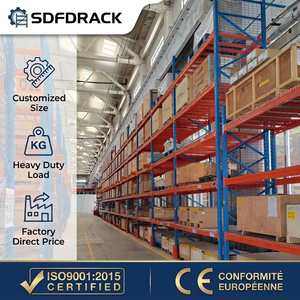
5 Layer Adjustable High Quality Heavy Duty Pallet Racks Industrial Steel Pallet Racking System High Load Warehouse Storage Rack
Five adjustable layers convert vertical space into dense industrial storage for high-load inventory and multi-level pallet handling.
View product specs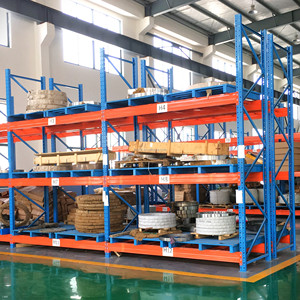
OEM Factory Wholesale Warehouse Racking Industrial Racks Customized Pallet Racking System Heavy Duty Steel Racks for Storage
OEM/ODM pallet racking for distributors and integrators, with custom dimensions, colors, accessories and project documentation.
View product specs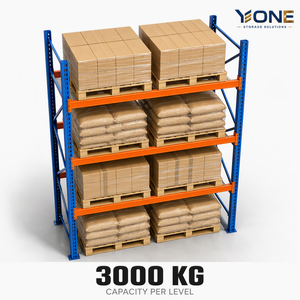
Factory Heavy Duty Steel Pallet Rack 2000kg Capacity Warehouse Storage Rack System Boltless Adjustable
Boltless, adjustable 2,000 kg racking for faster installation and easy reconfiguration in mixed warehouse environments.
View product specs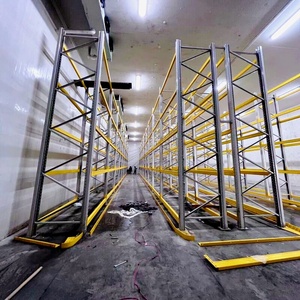
Low Price Racking Heavy Duty VNA Rack Adjustable Metal Boltless Shelf and Racks Warehouse Warehouse Storage Racks Metal Shelf
Very narrow aisle racking increases pallet positions per square metre where land, rent or cooled-air volume is expensive.
View product specs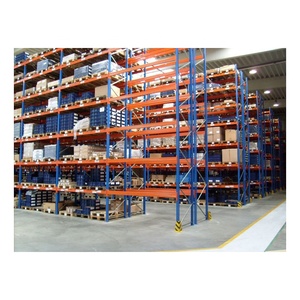
Customized Heavy Duty Pallet Racking System Industrial Warehouse Storage Rack Adjustable Steel Selective Pallet Rack
Customized selective pallet racking engineered around your pallet profile, load cases, seismic zone and long-term expansion plan.
View product specsFactory figures reflect the export manufacturing programme behind Alohatop Shelf's industrial racking and automated warehouse structures. They are useful procurement benchmarks because exported projects must satisfy port handling, destination-country codes and installation by local partners.
What Makes a Top China Pallet Storage Racks Factory and Wholesaler?
Search results for pallet storage racks return dozens of factories, trading companies and wholesale catalogues. Price per set is easy to compare; engineering quality is not. For buyers in the United States, Europe, South America, the Middle East and Southeast Asia, the real question is whether a supplier can prove that a rack will carry the stated load, survive local seismic conditions, fit the building's fire strategy and remain serviceable after years of forklift activity.
A top China pallet storage racks factory usually controls the full production chain: steel sourcing, roll-forming, robotic welding, powder coating, packing and batch traceability. A strong wholesaler adds export coordination, consolidated loading, regional stock and after-sales response. The best procurement outcome comes from a supplier that combines both—factory control plus a wholesale project team that can read layout drawings, pallet dimensions, SKU velocity and future automation plans.
This guide uses Alohatop Shelf's export engineering model as a practical benchmark. Its systems have been delivered to more than 60 countries and 42,000+ warehouse projects, supported by a 35,000 m² automated production centre and more than 100,000 t of annual steel capacity. Around 90% of output is exported, which forces the team to design for port handling, local codes and installation by regional partners—not just for a domestic catalogue. That export discipline is the difference between a low-cost rack quotation and a warehouse asset that can be safely inspected, expanded and maintained.
Factory Advantages That Matter in a Wholesale Pallet Rack Order
Wholesale buyers should evaluate the factory behind the quotation. These are the capabilities that reduce project risk, protect load safety and support repeat orders.
Full factory control, not a trading counter
A 35,000 m² automated production centre and 100,000 t annual capacity cover roll-forming, welding, coating and packing. Buyers get traceable uprights and beams, consistent tolerances and one accountable manufacturer for the project.
Audited quality and welding scope
ISO 9001, ISO 14001, ISO 45001, ISO 50001, EN ISO 3834-2, EN 1090-1 and ISO 14064 verified carbon reporting support global tenders, with a 5-year warranty and component traceability.
R&D validated beyond catalogues
Work with Mondragon University and a research chair at the University of the Basque Country supports finite-element simulation, physical load testing and beam/frame optimisation for real load cases.
Seismic and cold-store engineering
Design reviews against codes such as NCh2369, NCh433, E.030, NSR-10 and NEC, plus steels and finishes for cold rooms down to −30 °C, protect stock, operators and uptime in demanding markets.
Export logistics and installation support
14 branches, 70+ distributors and experience shipping to Santos, Callao, San Antonio, Cartagena and Buenos Aires simplify port, documentation and installation coordination.
Wholesale flexibility with project discipline
Standard modular frames support fast quotation; custom beams, base plates, row spacers, labels and packaging adapt the same system to wholesale stock or a full turnkey warehouse.
How a Rack Specification Becomes a Safe Warehouse
A pallet rack is safety-critical infrastructure. The supplier should show how the structure is formed, calculated, tested, packed and installed—not simply publish a load table.
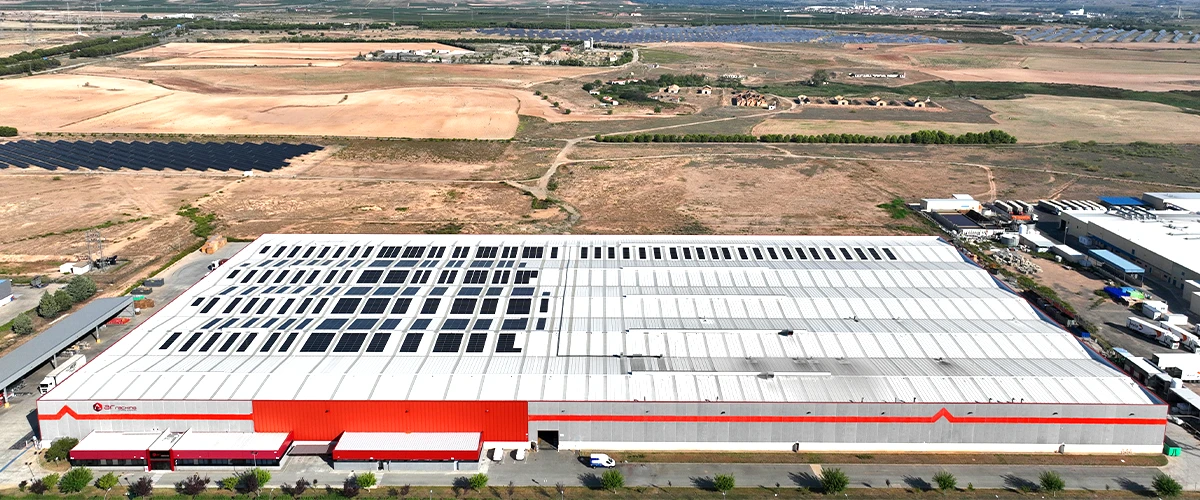
Factory Control from Steel Coil to Upright
Steel coil does not become racking until every profile is formed, welded and checked. Pre-galvanised or powder-coated steel is roll-formed, robotically welded, squared and inspected before packing. The specification should state steel grade, yield strength, profile thickness, weld procedure and finish—not only “blue and orange racking.”

Laboratory Validation and Code Checking
Racking safety is a structural calculation. The supplier should provide load calculations, deflection checks, anchor design and seismic verification for the actual site. In seismic markets, reinforcing uprights, bracing, base plates, row spacers and anchor specification can change dramatically from a standard catalogue frame.
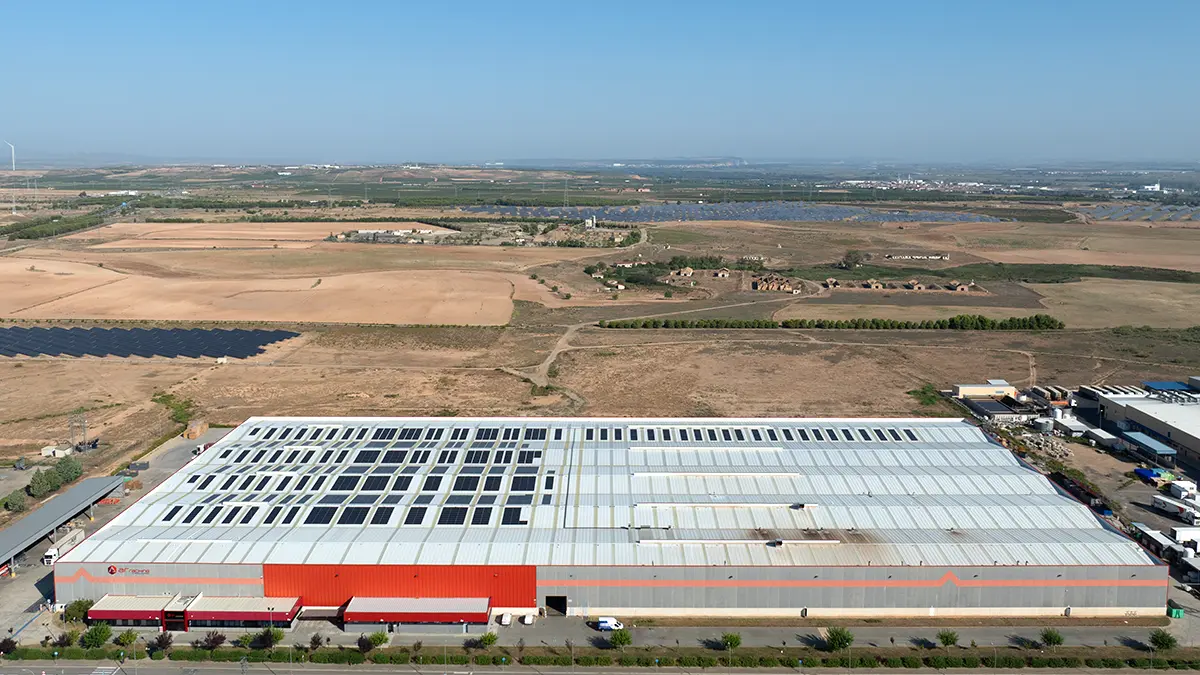
Cold Chain, Seismic Zones and Automation Readiness
Cold storage and automation expose weak tolerances quickly. A stacker crane, pallet shuttle or AMR needs predictable rack geometry; a freezer needs coatings and steel behaviour that match low temperature. Designing for future automation means reserving aisle envelopes, floor tolerance and controls interfaces now, even if the first phase remains manual.
Which Pallet Storage Rack System Fits Your Application?
Use this application map to move from catalogue browsing to a shortlist. Confirm the final design with a structural engineer after reviewing pallet weight, load height, aisle width, throughput and local code.
High-SKU distribution centre
Choose selective pallet racking when every pallet must be directly accessible. It supports mixed SKUs, fast replenishment and future layout changes.
View recommended rackAuto parts and heavy components
Adjustable heavy-duty racking with 1,000–3,000 kg levels gives auto-parts warehouses flexible beam positions and strong selective access.
View recommended rackWholesale steel shelving and pallet mix
A combined steel shelving and pallet rack layout works for distributors that store cartons, spare parts and palletized stock in the same building.
View recommended rackFive-layer high-load storage
Use five adjustable layers when vertical space is underused and the warehouse needs dense, high-load pallet storage without complex automation.
View recommended rackOEM wholesale or integrator project
Customized racking is appropriate for distributors, EPC teams and integrators that need project dimensions, finishes, accessories and export documentation.
View recommended rackVery narrow aisle or space-constrained site
VNA racking raises pallet positions per square metre when rent, land cost or cooled-air volume makes every aisle expensive. It still keeps 100% selective access.
View recommended rackPallet Rack Procurement Trends Reshaping Wholesale Buying
Buyers are no longer comparing only price per beam. They are comparing project risk, compliance evidence and the cost of future change.
Total landed cost replaces unit price
Procurement teams now compare freight, duty, packaging, installation, spare parts and downtime. A slightly higher factory quote can win when it reduces container damage, site rework and maintenance.
Code evidence enters the RFQ
Seismic reports, load calculations, welding certificates, material traceability and test reports are becoming mandatory attachments in warehouse tenders, especially in Latin America and Europe.
Automation-ready racking becomes standard
Even manual warehouses request VNA or shuttle-ready layouts. Interfaces for WMS, AMR, AS/RS and future expansion are now part of the procurement brief, not a later upgrade.
Carbon reporting shapes sourcing
ISO 14064 reporting, recyclable steel, low-VOC coatings and documented factory energy management support corporate procurement scorecards and customer audits.
Pallet Storage Rack Development Trends Buyers Should Specify Now
The bars below are editorial indicators of how frequently these requirements appear in export RFQs, not market-size estimates. They help buyers identify features that are becoming normal expectations.
High-strength steel and optimised profiles
Higher yield steels and profile optimisation increase load capacity without unnecessary weight, helping reduce freight and steel cost while maintaining stiffness.
Boltless and adjustable assembly
Boltless beams and slotted uprights speed up installation, simplify reconfiguration and reduce dependence on specialist tools during overseas projects.
Seismic-specific components
Reinforced base plates, row spacers, bracing and anchor systems are increasingly engineered per site rather than selected from a generic catalogue.
Cold-store and corrosion resistance
Freezer warehouses require finish systems, steel behaviour and installation details that remain reliable at low temperature and high humidity.
BIM, digital twins and load signage
Digital models, assembly drawings and QR-linked inspection records help facility teams maintain rack safety and plan expansions across multiple sites.
Hybrid manual-automation layouts
Pallet shuttle, mobile racking and AS/RS-ready structures allow a warehouse to automate in phases while keeping current forklift operations productive.
Match the Pallet Rack System to the Operating Model
Use this matrix for early-stage comparison, then request load calculations and aisle drawings before approving the final configuration.
How to Evaluate a China Pallet Rack Factory or Wholesaler
A disciplined checklist reduces the risk of buying a rack that looks adequate in a catalogue but fails during installation, inspection or expansion.
Request a live factory audit
Ask for a video walk-through of roll-forming, welding, coating and packing lines. Verify that the factory named in the quotation actually manufactures the profiles.
Demand calculations and drawings
Ask for structural reports, anchor details, beam deflection checks, assembly drawings and load signs. These documents should match the destination site conditions.
Verify steel, welding and coating
Review material certificates, weld scope, coating thickness and finish suitability. For cold storage or coastal humidity, the finish specification matters as much as the load rating.
Compare total delivered cost
Include container loading, packing, freight, duty, unloading, installation, spare parts and potential downtime. The lowest factory price is not always the lowest landed cost.
Confirm installation and response
Clarify who supervises installation, how damaged parts are replaced, how warranty claims are handled and whether spare uprights, beams and safety accessories are stocked.
Review references and training
Ask for projects with similar height, load, seismic zone and temperature. Operator training, inspection routines and clear signage protect the investment after go-live.
China Pallet Storage Racks: Common Procurement FAQ
These are the questions warehouse, logistics and procurement teams ask most often when comparing China pallet rack factories and wholesale suppliers.
Are China pallet storage rack suppliers factories or trading companies?
Both business models exist. Ask for a production video, factory audit, welding scope and material traceability. A factory-controlled supplier can coordinate custom profiles and export packing, while a wholesaler may add consolidated loading and local stock. The strongest partner combines factory control with an export project team.
What is the MOQ for wholesale pallet racks?
MOQ depends on profile, finish, accessories and whether the racking is standard or project-specific. Many wholesale orders are consolidated into one 20 ft or 40 ft container. For custom selective racking, OEM pallet racking or cold-store projects, send drawings and load data so the factory can propose a practical container plan.
How long does production and shipping take?
Lead time depends on engineering approval, coating colour, order quantity, inspection requirements and port schedule. Standard selective racking is generally faster than AS/RS structures or cold-store projects. Book pre-shipment inspection early and align the delivery date with the installation team.
Which certifications and standards should I request?
Request ISO 9001, ISO 14001, ISO 45001, EN ISO 3834-2 welding quality, EN 1090-1 where applicable and EN 15512 design guidance. For South America, also request verification against local seismic codes such as NCh2369, NCh433, E.030, NSR-10 or NEC when required by the site.
Can racking be engineered for seismic zones and cold storage?
Yes. Seismic design may include reinforced uprights, bracing, thicker base plates, anchors, row spacers and reduced deflection limits. Cold-store systems need finishes and steel details suitable for temperatures down to −30 °C. Share the project city and operating temperature so the design is not based on a generic catalogue.
What information is needed for a fast quotation?
Send a building layout with clear height, pallet dimensions, maximum load per pallet, number of SKUs and pallets per SKU, throughput, forklift or automation type, temperature range and project city. Include target port and installation scope where known. Our engineers can then recommend the most efficient storage system.
Send Your Pallet, Load and Warehouse Data—Get an Engineering-Led Quote
Share your layout, pallet size, load weight, temperature, seismic zone and target port. Our storage engineers will help you compare selective, VNA, drive-in, shuttle and automated warehouse racking options before you commit to a factory order.
Contact Us