Factory-Direct Product Shortlist
Eight Racking Products for Push Back, Cantilever and High-Density Warehouse Projects
Use this shortlist to benchmark a trusted push back pallet racking factory or wholesaler against the surrounding storage ecosystem: long-load cantilever, beam-and-shelf systems, selective pallet racking, automated-ready structures and corrosion-protected storage. Every product link below can be used as an RFQ starting point.
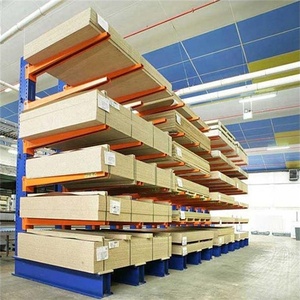
Heavy Duty Industrial Warehouse Storage Cantilever Arm Racking System
Factory-built cantilever arms support pipes, timber, profiles and irregular loads that do not fit standard pallet bays. The open-front design reduces handling time and can be integrated with a push back or selective pallet layout.
View product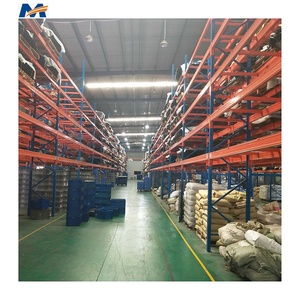
China Estantes Metalicos Heavy Duty Pallet Rack Beams Store Steel Shelving for Warehouse
Beam and shelving components for warehouse expansion, maintenance and mixed storage. Factory-level traceability helps buyers match existing upright frames, load classes and safety accessories.
View product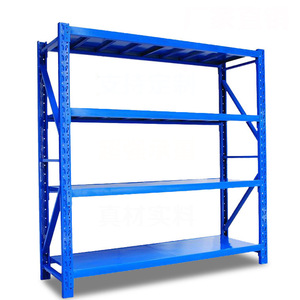
LIANGZO 5-Layer Steel Corrosion Protection Chrome Plated Storage Shelf for Warehouse Household Use Light/Medium Duty Display
Chrome-plated, five-layer shelving for spare parts, retail display and light/medium-duty storage. Corrosion protection and adjustable levels make it suitable for clean rooms, service areas and multi-use facilities.
View product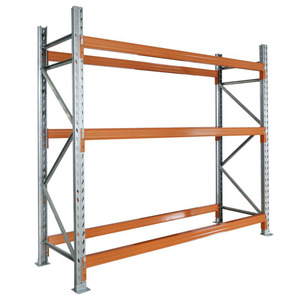
NOVA Full Automatic Warehouse Q235 Steel Boltless Store Heavy Duty Stacking Rack Industrial Storage Pallet Racking System
Heavy-duty industrial pallet racking in Q235 steel with boltless stacking logic. Suitable for warehouses preparing for automation, higher bay heights and tighter installation tolerances.
View product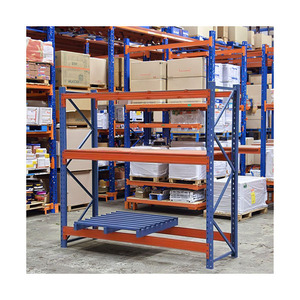
Selective Pallet Racking System Stable Modular Steel Distribution Center Warehouse Storage Rack 2000kg Heavy Duty
Selective pallet racking for mixed-SKU distribution centres that need direct access to every pallet. The stable modular steel frame can serve as the base for a hybrid push back and selective racking layout.
View product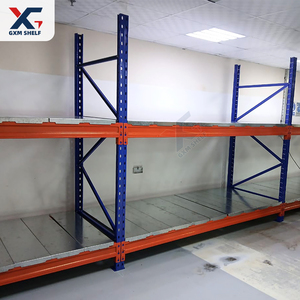
GXM Adjustable Stainless Steel Pallet Rack System Boltless Rack Storage Warehouse Heavy Duty Shelving
Adjustable stainless steel racking for humid, hygiene-sensitive and washdown-adjacent storage. Boltless assembly and easily adjusted levels support maintenance, spare parts and specialist warehouse zones.
View product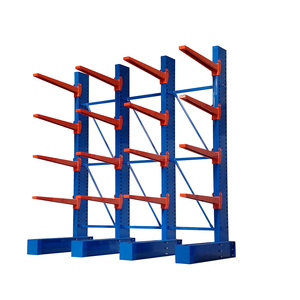
Industry Warehouse Steel Structural Pipe Rack Cantilever Rack for Pipe / Lumber Storage
A structural pipe and lumber rack engineered for building materials, steel service centres and fabrication workshops. Wide arm spacing and heavy-duty cantilever columns support fast crane or forklift access.
View product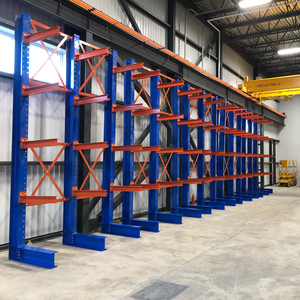
Heavy Duty Adjustable Corrosion Protected Industrial Warehouse Storage Steel Cantilever Rack for Irregular Goods Indoor/Outdoor
Corrosion-protected cantilever racking for irregular goods, outdoor yards and humid service areas. Adjustable arms and heavy-duty frames support mixed profiles without sacrificing access or safety.
View productNeed a LIFO push back racking layout rather than a catalogue item? Send your pallet dimensions, maximum load, clear height and throughput target. Our engineers will confirm whether push back, selective, drive-in or pallet shuttle is the safer commercial choice.
Send an InquiryHighly automated production centre for industrial racking and storage systems
Annual steel production capacity supporting wholesalers and project orders
Countries with installed storage systems, backed by export documentation
Warranty on storage systems with full component traceability
Product Recommendation
Which Push Back Pallet Racking Configuration Creates the Best Return?
Push back racking is a high-density LIFO system: pallets sit on nested carts and inclined rails, so each lane stores two to five pallets deep. It creates more capacity than selective racking without losing the ability to pick many SKU families, but it is not suitable for every inventory profile.
Manufacturing buffers and LIFO-controlled SKUs
Choose a push back racking lane when inventory is stable, SKU numbers are moderate and the operation can accept last-in, first-out rotation. It is especially useful for work-in-progress buffers, line-side components, packaging and finished goods with non-perishable demand.
- Two to five pallets deep per lane, with forklift access at the aisle face
- Better selectivity than drive-in racking, and higher density than conventional selective racking
- Pair with reinforced uprights, impact guards and clear load signage for fast-moving fleets
Cold-chain, stainless and corrosion-sensitive zones
For cold storage and freezer warehouses, confirm the LIFO rule before selecting push back. It works well for freezer buffers and production inputs where date rotation is controlled; for date-coded food that must follow FIFO, pallet flow or shuttle systems may be safer. Stainless or corrosion-protected components should be specified for humid, washdown or condensation-prone areas.
- Steel and finishes suited to temperatures down to −30 °C
- Stainless pallet racking and corrosion-protected cantilever options
- Engineered layouts that reduce cooled cubic metres per pallet position
Export distribution centres with mixed load types
Many wholesalers need one supplier for pallet racking, beams, shelving, cantilever and long-load storage. A hybrid layout — selective racking for high-SKU pallets, push back for dense LIFO families and cantilever for pipes or timber — often produces the lowest total cost per usable position.
- Use modular selective racking as the base for future expansion
- Add cantilever zones for irregular goods and long profiles
- Request seismic verification, anchor calculations and installation supervision
Future Procurement Trends
Push Back Racking Procurement Trends Reshaping 2026–2030
The buying decision is moving away from a simple price-per-upright comparison. Procurement teams are now scoring factories, wholesalers and import partners against total cost of ownership, compliance evidence, installation risk and the ability to support future automation.
Total cost of ownership over lowest unit price
Buyers increasingly compare freight, installation, inspection, downtime and replacement-part availability, not just the ex-works steel price. A lower racking price can become expensive when tolerances, lead times or spare components are weak.
Nearshoring and mid-volume buffer storage
Shorter supply chains are creating more regional buffers, line-side stores and finished-goods warehouses. Push back racking is well positioned for these operations because it increases density without forcing a full automation project.
Seismic and structural compliance in specifications
Chile, Peru, Colombia and Ecuador buyers now ask for local seismic verification, soil class assumptions and anchor calculations. Factories that can document engineering review against NCh2369, NCh433, E.030, NSR-10 or NEC have a clear advantage.
Cold-chain capacity per cooled cubic metre
Energy costs make density more valuable in freezers and chill stores. Projects are scrutinised for usable pallet positions per cooled m³, with corrosion protection, temperature-compatible steel and maintenance access assessed together.
Automation-ready racking and digital data
Even manual warehouses now request CAD models, load data and tolerance documentation. Racking that can later interface with AS/RS, AMR or shuttle systems is more attractive because it protects the original investment.
ESG evidence, traceability and supplier transparency
ISO 14064 carbon reporting, material traceability and certified welding controls are entering procurement scorecards. Wholesalers are expected to show which factory produced the steel structure and how safety-critical components can be identified years later.
Product Development Trends
How Push Back Racking and Steel Storage Systems Are Evolving
The next generation of high-density racking is being shaped by stronger steel profiles, better corrosion protection, tighter manufacturing tolerances and digital engineering workflows that reduce installation risk.
High-strength steel and optimised profiles
Q235 and higher-strength steel, refined roll-formed sections and engineered beam-to-frame connections improve load capacity while reducing unnecessary steel weight. The result is a more competitive structure per pallet position.
Corrosion protection for humid and freezer sites
Powder coating, galvanising, stainless components and corrosion-protected cantilever arms are increasingly specified for ports, cold stores, food plants and outdoor yards. Protection must match both the climate and the cleaning regime.
Modular boltless and adjustable systems
Boltless frames, adjustable levels and modular accessories shorten installation and make future reconfiguration easier. This matters for wholesalers and 3PLs whose clients and SKU profiles change frequently.
FEA, BIM and load-case simulation
Finite-element analysis and building information modelling are moving from large projects into routine racking procurement. Better simulation helps verify seismic performance, beam deflection and forklift impact assumptions before steel is cut.
Robotic production and tighter tolerances
Automated stacker cranes and shuttles stop when rack geometry drifts out of tolerance. Robotic welding and laser-controlled production help factories hold the geometry required by AS/RS integrators as well as manual warehouses.
Hybrid high-density systems
Buyers are combining push back, selective, drive-in and pallet shuttle zones in one building. Hybrid layouts allow fast movers, slow movers, long loads and cold-chain buffers to coexist without forcing one storage principle across the whole warehouse.
Buyer's Comparison
Push Back Racking vs Other High-Density Pallet Storage Systems
Use these planning gauges for an early shortlist, then confirm with an engineered layout. Final density, load capacity and safety depend on pallet size, building height, forklift type, seismic zone and local code requirements.
Selective Pallet Racking
Push Back Racking
Drive-In Racking
Pallet Shuttle
Factory Advantage
Why Alohatop Shelf Qualifies as a Trusted Racking Factory Partner
A trusted push back pallet racking factory must be more than a steel fabricator. It must control engineering, traceability, export documentation, installation supervision and after-sales support — especially when the project crosses a port, a seismic zone or a cold-chain boundary.
35,000 m² automated production centre
More than 100,000 t of annual steel capacity and a highly automated plant support large wholesaler orders and project deliveries. Over 90% of output is exported, giving buyers confidence in container loading and documentation.
R&D validated with university laboratories
In-house technology work with the Mondragon University R&D laboratory and a research and simulation chair at the University of the Basque Country supports physical testing, finite-element simulation and stronger seismic design decisions.
60+ export markets and local support
A network of 14 own branches and more than 70 trusted distributors supports projects across Brazil, Chile, Peru, Colombia, Argentina, Ecuador, Uruguay and Paraguay, with installation supervision available.
Certified quality and a 5-year warranty
Production is managed under ISO 9001, ISO 14001, ISO 45001, ISO 50001, UNE EN ISO 3834-2 welding quality, EN 1090-1 and ISO 14064 verified carbon reporting, with full component traceability.
Seismic and cold-store engineering
Racking is calculated against local seismic codes and site soil class, with reinforced uprights, bracing, base plates and anchoring where required. Cold-store systems use steels and finishes suited to temperatures down to −30 °C.
Full lifecycle project services
Project engineering, layout optimisation, structural calculation, technical inspection, installation and maintenance can be bundled into one accountable programme instead of a fragmented supply chain.
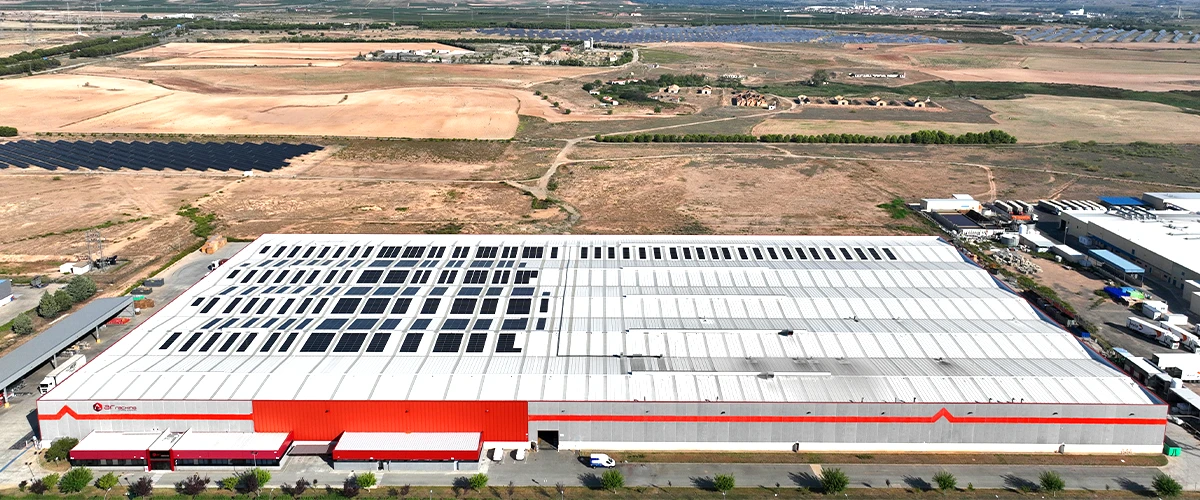
Automated production lines help keep large racking orders consistent across uprights, beams and accessories.
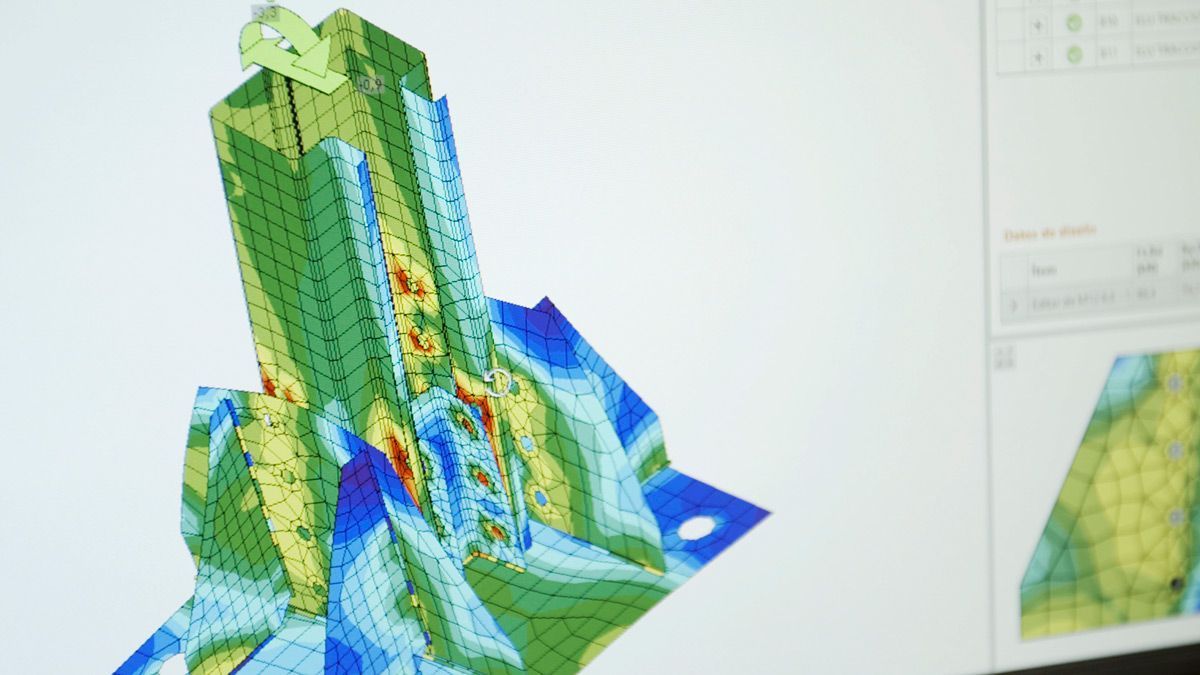
Laboratory testing and simulation inform safer frames, beams and connections for demanding load cases.
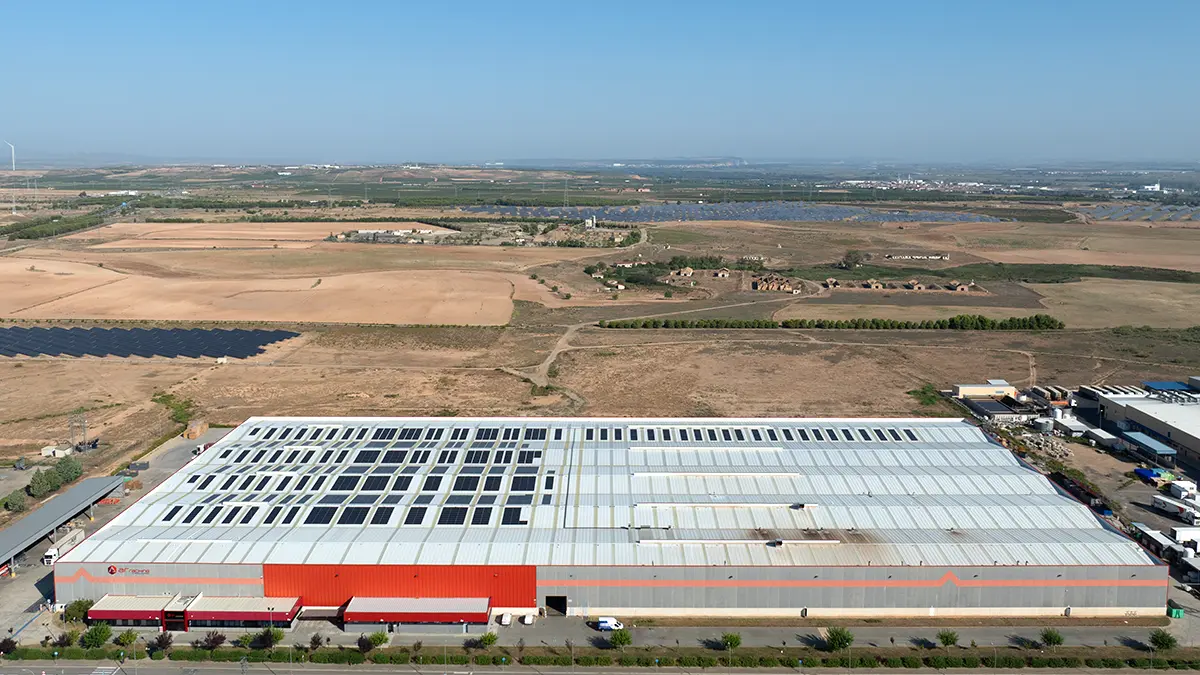
Robotic welding and laser-controlled processes support the tolerances needed by automated and manual warehouses.
Procurement FAQ
Push Back Pallet Racking Factories and Wholesalers: Common Questions
These are the questions procurement teams, 3PL operators and warehouse engineers ask before shortlisting a factory or wholesaler for a high-density pallet storage project.
What is push back pallet racking, and where is it most effective?
Push back pallet racking stores pallets on nested carts and inclined rails, usually two to five pallets deep. It is a LIFO system with better selectivity than drive-in racking and higher density than conventional selective racking. It works best for manufacturing buffers, line-side storage, packaging, finished goods and mid-volume SKU families where last-in, first-out inventory is acceptable.
How do I choose between push back, drive-in and pallet shuttle racking?
Choose push back when you need dense storage but must access multiple SKUs from the aisle face. Choose drive-in when products are homogeneous and high-density block storage is more important than selectivity. Choose pallet shuttle when throughput, deep lanes and labour efficiency justify a semi-automated system. The final choice should be confirmed with a load calculation, forklift study and inventory profile.
Can push back racking be engineered for seismic zones in Chile, Peru, Colombia and Ecuador?
Yes, but the design must be verified against the destination code and site soil class. Depending on the project, this may include NCh2369 and NCh433 in Chile, E.030 in Peru, NSR-10 in Colombia or NEC in Ecuador. Typical measures include reinforced uprights and bracing, heavier base plates and anchors, row spacers and reduced beam deflection limits.
Which pallet sizes, loads and temperatures can a factory support?
Common formats include 1200 × 1000 mm Latin American pallets, Brazilian PBR 1000 × 1200 mm, 1200 × 800 mm Euro pallets and ISO sizes such as 1100 × 1100 mm or 1219 × 1016 mm. Beam lengths and frame depths are dimensioned for the actual pallet and load, not catalogue assumptions. Cold-store and freezer systems can be produced with steels and finishes suited to temperatures down to −30 °C.
How should a buyer compare a push back racking factory with a wholesaler?
A factory should be able to provide the structural calculation basis, material traceability, welding quality controls, load test or simulation records, export packaging standards and installation documentation. A wholesaler should add value through local stock, engineering coordination, after-sales response and transparent identification of the actual manufacturing source. Ask both for a written scope that separates supply, freight, installation and inspection.
What information is needed for a fast, accurate quotation?
Send a building layout with clear height, pallet dimensions and maximum load weight, number of SKUs and pallets per SKU, daily throughput, forklift or automation type, temperature range and project city. Include any seismic, fire, hygiene or outdoor exposure requirements. Our engineers use this data to confirm whether push back, selective, cantilever, drive-in or pallet shuttle is the most efficient system.
Start Your RFQ
Send Your Pallet, Load and Building Data for an Engineered Push Back Racking Proposal
Share your warehouse city, clear height, pallet dimensions, maximum load, SKU profile, daily throughput and temperature range. If your project is in a seismic zone or calls for cold-store performance, include the applicable local code and operating temperature so the proposal can be engineered, not guessed.
Typical projects include push back racking lanes, selective pallet racking, cantilever storage, stainless shelving, installation supervision and technical inspection. The shortlist above shows the product families available from our factory and export network.
Send an Inquiry