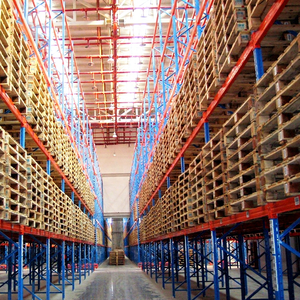
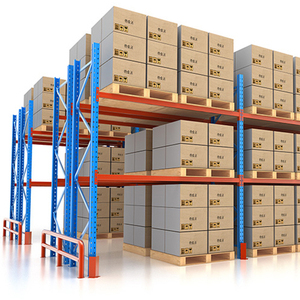
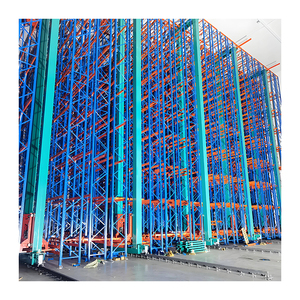
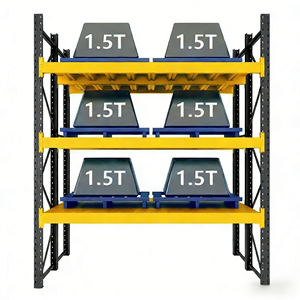
Eight AGV-Compatible Warehouse Racking Products for Concepción Buyers
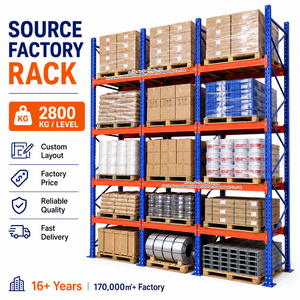
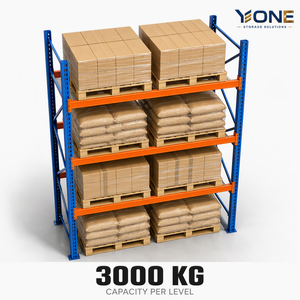
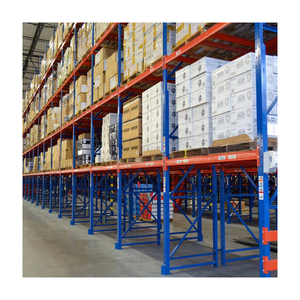
These product families are the starting point for export quotations to Concepción and the Biobío Region. Each can be configured for AGV/AMR safe zones, WMS location mapping, NCh2369/NCh433 seismic review, cold-store operation and export packing for Chilean ports and project sites.
Why AGV Compatibility Is a Racking Decision, Not Just a Vehicle Choice
In Concepción, automated vehicles are being specified alongside warehouse layouts instead of added later. That changes how beams, uprights, anchors, floor tolerances, signage and WMS mapping must be coordinated from the first drawing.
Tolerances begin at the rack face
AGVs are less forgiving than forklifts at pick-and-drop positions. Slab joints, upright plumb, beam deflection, guide-path clearance and protective barriers should be reviewed as one system. Before final layout, confirm vehicle load, lift height, pallet condition, travel speed, scanner field and recovery plan.
Seismic detailing must support automation
Chilean racking design for Concepción must be checked against NCh2369 and NCh433, project soil conditions and building interaction. Reinforced bracing, base plates, anchors and row spacers cannot be treated separately from AGV clearances, fire access and maintenance routes.
Export documentation protects timelines
For an overseas project, the rack is only one part of the delivery. Load signs, anchor calculations, material certificates, packing lists, installation drawings and component traceability help customs clearance, site QA and future inspections. This is the information gain that separates a rack supplier from an export project partner.
Where AGV-Compatible Industrial Racking Fits in Concepción and the Biobío Region
Concepción is not a generic South American market. Port flows, seismic conditions, cold-chain exports, forestry supply chains and growing e-commerce all create different storage profiles. The right racking specification should reflect the operating reality around the site.
Port-adjacent 3PL and cargo consolidation
Warehouses serving Talcahuano, San Vicente and regional distribution need fast inbound and outbound cycles. Selective and double-deep racking with clear AGV aisles can support multi-client storage while keeping direct access to high-turnover SKUs.
Cold-chain fruit, seafood and frozen food
For chilled and frozen export operations, every unused aisle is costly cooled volume. Mobile racking, VNA, pallet shuttle and drive-in systems can be specified for temperatures down to −30 °C, with condensation control, freezer-rated finishes and AGV charging zones planned outside critical flow paths.
Forestry, panels and building materials
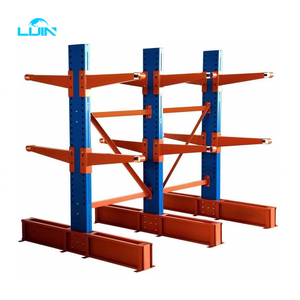
Long loads, heavy pallets and irregular dimensions require cantilever or heavy-duty racking rather than standard selective beams. Keep automated unit-load zones separate from overhead lifting and long-material handling to reduce risk and maintain throughput.
Retail and e-commerce fulfilment
Carton picking, pallet replenishment and AGV/AMR movement often coexist in the same building. A clear separation between pallet racking, multi-tier picking and charging areas improves safety and gives the WMS a predictable map for inventory and task allocation.
Manufacturing and spare-parts supply
Line-side supply, spare-parts warehouses and maintenance stores benefit from adjustable heavy-duty racking and clear load signage. If AGVs feed production, beam heights and pick faces should be standardised so the vehicle fleet does not need site-specific programming for every aisle.
Agro-industry and seasonal peaks
Agro-industrial operations in Biobío often face seasonal peaks, packaging materials and multi-SKU pallet flows. Pallet shuttle, drive-in and adjustable selective systems can be configured for temporary density or flexible re-slotting without losing structural control.
Local Trends Reshaping Warehouse Racking Demand Around Concepción
Procurement teams are increasingly comparing suppliers on engineering evidence, integration capability and lifecycle support, not only on price per pallet position.
AGV and AMR pilots become layout criteria
Automation pilots are moving from isolated trials to permanent warehouse design requirements. Racking must be specified with the vehicle envelope, interface heights and WMS mapping in mind.
Cold-chain investment rewards density
Fruit, seafood and frozen food exporters continue to evaluate pallet positions per cooled cubic metre. High-density racking and reliable installation reduce energy waste and protect product quality.
Seismic verification enters procurement
NCh2369 and NCh433 review, anchor documentation and inspection schedules are becoming normal tender requirements for warehouses in Concepción and southern Chile.
WMS visibility shapes rack geometry
Real-time location control, barcode labels and ERP/WMS integration influence beam levels, aisle logic and pick-face rules. Racking is becoming part of the digital infrastructure.
How to Specify AGV-Compatible Industrial Racking for Concepción
A practical framework for warehouse, logistics and procurement teams comparing exporters for a Concepción project.
1. Start with the vehicle envelope and the WMS process
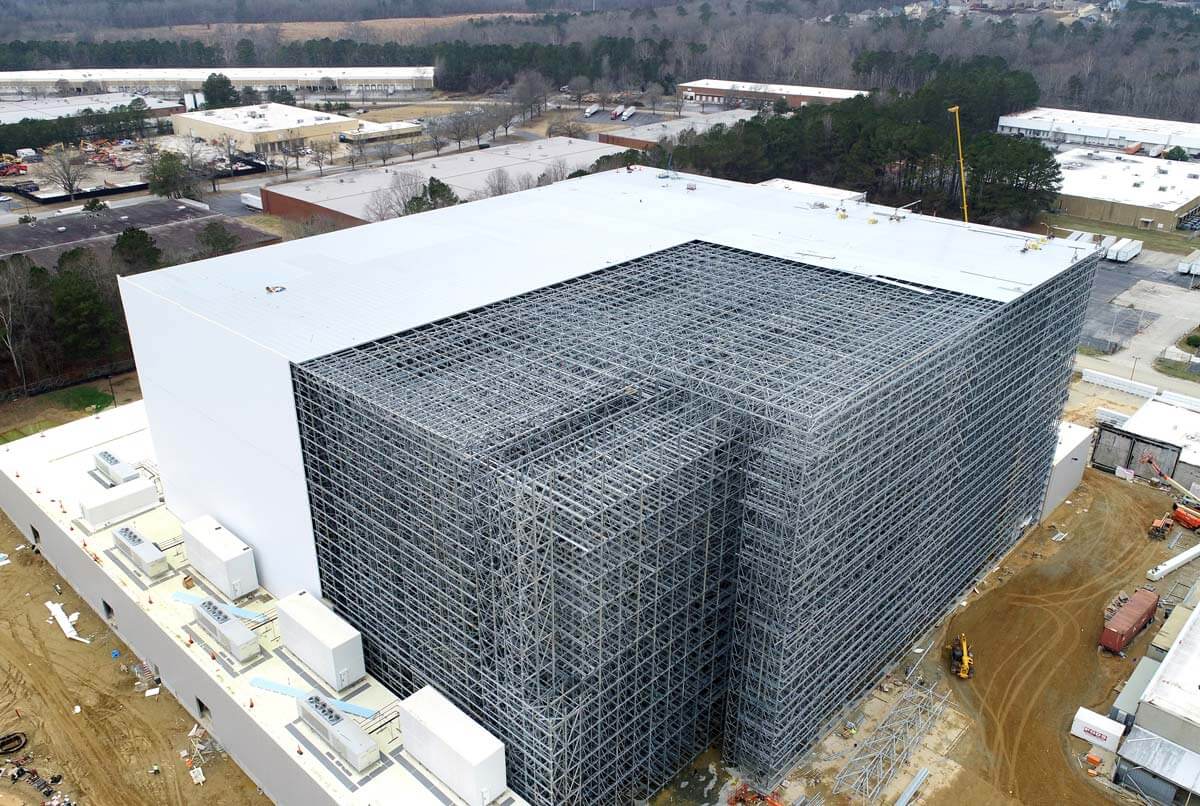
An AGV-compatible racking project should begin with the vehicle envelope and service strategy, not with a catalogue beam length. Before layout, collect load weight, pallet quality, lift height, travel speed, aisle width, scanner field, charging strategy, WMS interface and recovery plan. The rack must maintain pick-and-drop faces within the tolerances accepted by the automation integrator.
Floor joints, slab flatness, upright plumb, beam deflection and protective barriers are one system. In cold stores, condensation and ice can affect sensors, labels and fasteners, so materials and finishes must be specified for the actual temperature and cleaning regime. A rack that is efficient at ambient temperature can become a costly intervention if thermal movement and frost are ignored.
- Define AGV/AMR load, lift, speed, aisle and charging requirements.
- Review slab flatness, joints, slope and building columns.
- Set rack plumb, beam level, deflection and protector tolerances.
- Agree WMS location labels, barcodes and load signage before production.
2. Treat seismic design and automation as one engineering package
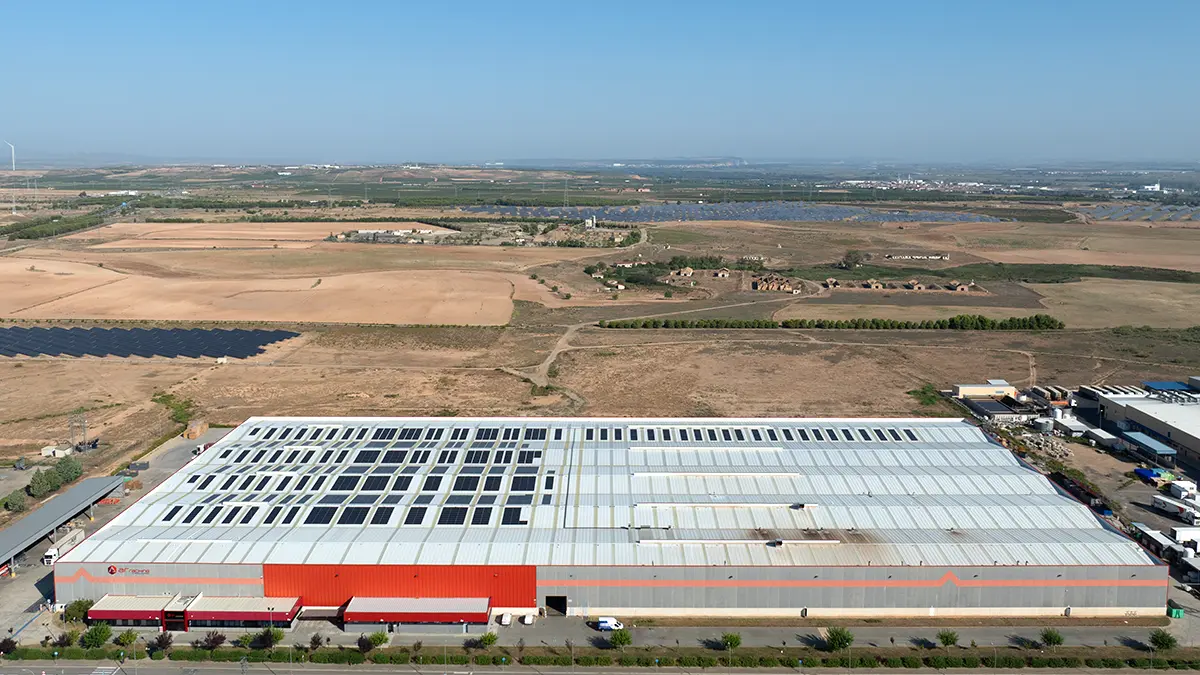
Chilean seismic design is not a separate calculation added at the end. The rack layout, bracing pattern, anchors, base plates, row spacers and clearances to automated equipment should be reviewed together. For Concepción and Biobío, designs should be checked against NCh2369 and NCh433, project soil conditions, building interaction and the actual installed height.
Alohatop Shelf’s technology centre works with an R&D laboratory at Mondragon University and a research and simulation chair at the University of the Basque Country. Finite-element simulation and physical testing of frames, beams and base connections help validate new profiles before they enter an export project. Production is controlled through automated and robotic processes so repetitive frames and beams stay within the tolerances that AS/RS and AGV integrators require.
- Review vehicle loads and seismic loads in the same structural model.
- Document anchor design, installation torque and inspection points.
- Coordinate fire access, egress, insurance and maintenance requirements.
- Provide load signs, spare-parts lists, manuals and inspection schedules.
Recommended System by Concepción Operating Profile
Use this comparison as an early engineering guide. Final selection depends on SKU profile, throughput, building height, pallet quality, cold-store temperature and seismic zone.
| Operating profile | Recommended system | Storage density | Why it fits Concepción |
|---|---|---|---|
| Mixed-SKU 3PL and import-export distribution | Selective heavy-duty pallet racking | Direct access to most pallets, easy re-slotting as client mixes change, simple WMS location mapping and clear AGV pick faces. | |
| High-density frozen or chilled storage | Automatic high-density pallet shuttle racking | Reduces aisle count in costly cooled space. FIFO or LIFO can be configured, with freezer-rated materials and condensation control. | |
| Long metals, timber, pipes or profiles | Heavy-duty cantilever racking | Clear front for long loads and fewer obstructions. Keep automated unit-load zones separate from overhead lifting and long-material handling. | |
| Fast-moving cartons and adjustable medium-duty storage | Heavy-duty adjustable steel pallet rack | Boltless adjustable beams help seasonal reconfiguration. Align AGV height and fork clearance with beam positions before installation. |
For cold-chain and AGV projects, ask for a layout review that combines racking loads, vehicle clearances, seismic design and WMS mapping rather than separate quotations.
Why Concepción Buyers Work With Alohatop Shelf
Alohatop Shelf LLC designs, calculates, manufactures and installs industrial racking and automated warehouse structures. The advantage is not only a product list; it is control over engineering, production, documentation and installation support for export projects.
Manufacturer control from steel coil to load sign
A 35,000 m² highly automated production centre, more than 100,000 t of annual capacity and over 90% of output exported provide the scale to support large warehouse projects and repeat export orders.
Engineering validation, not catalogue guesswork
R&D work with Mondragon University and the University of the Basque Country includes finite-element simulation, load testing and calculation models for frames, beams, connections and seismic demand.
Robotic production for automation tolerances
Automated stacker cranes and shuttles stop when rack geometry drifts out of tolerance. Laser-controlled and robotic production processes help keep frames and beams consistent for AS/RS, AGV and manual warehouse installations.
Project engineering across the lifecycle
Services include layout optimisation, structural calculation, seismic verification, technical inspection, installation supervision, maintenance and turnkey project coordination with local partners.
Certification and component traceability
Systems carry a 5-year warranty and are produced under ISO 9001, ISO 14001, ISO 45001, ISO 50001, UNE EN ISO 3834-2, EN 1090-1 and ISO 14064 verified carbon reporting, with traceability from batch to installation.
Export network for South America
More than 60 countries served, 14 own branches and 70+ trusted distributors support export logistics, installation coordination and after-sales response for projects across Chile and South America.
Recent Storage Projects That Inform Concepción Specifications
Cold stores, self-supporting buildings and high-density systems show how engineering decisions translate into real warehouse performance.
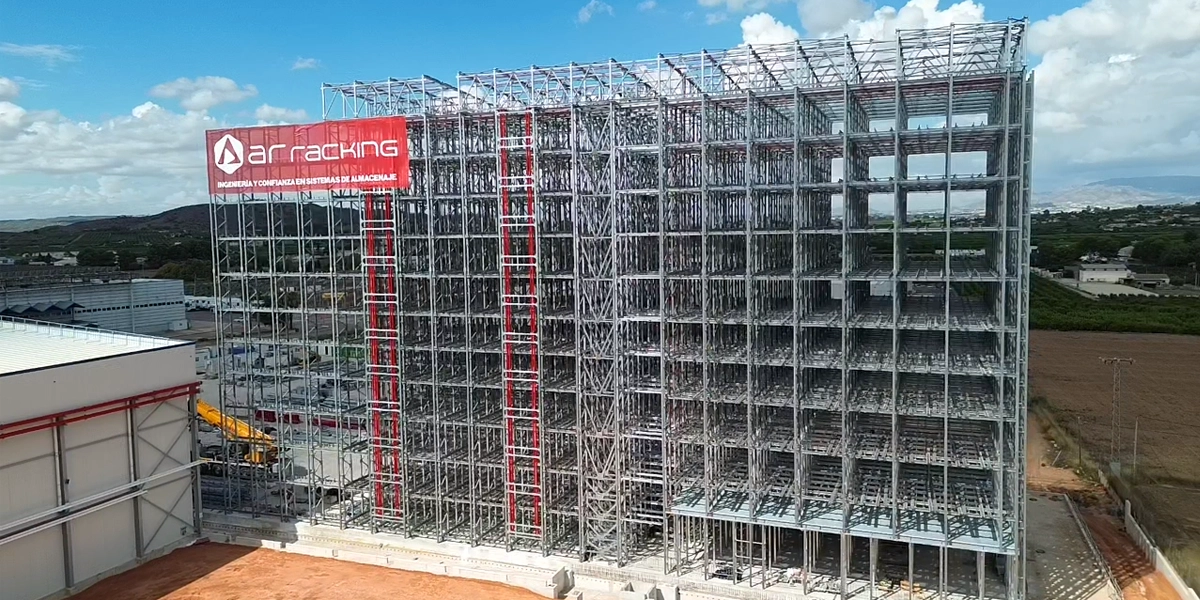
23,000 pallet positions at −24 °C
A clad-rack automated freezer for a frozen fruit and vegetable processor, where the racking also carries the building envelope.
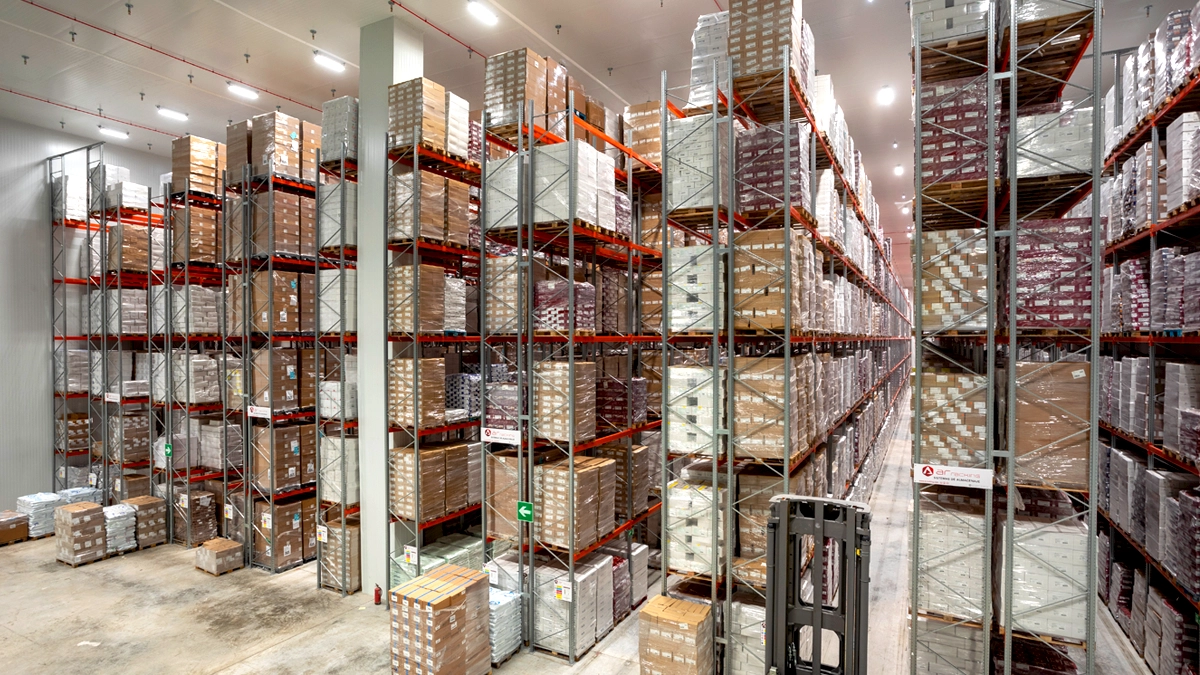
Frozen food cold store with very narrow aisle racking
VNA racking maximised pallet positions per cooled cubic metre for a frozen products distributor.
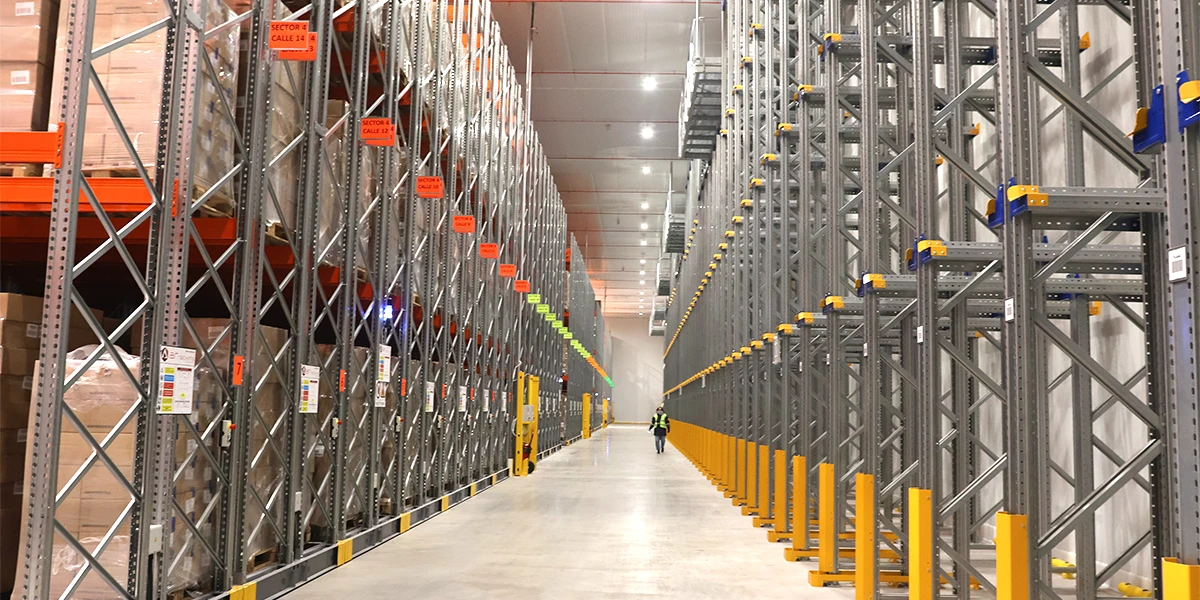
Refrigerated warehouse optimised with mobile pallet racking
Mobile bases removed fixed aisles, increasing capacity while keeping direct access to every pallet.
Warehouse Knowledge That Supports Better Racking Decisions
Racking does not operate alone. Software, process design and error-proofing determine whether an AGV-compatible installation reaches its expected productivity.
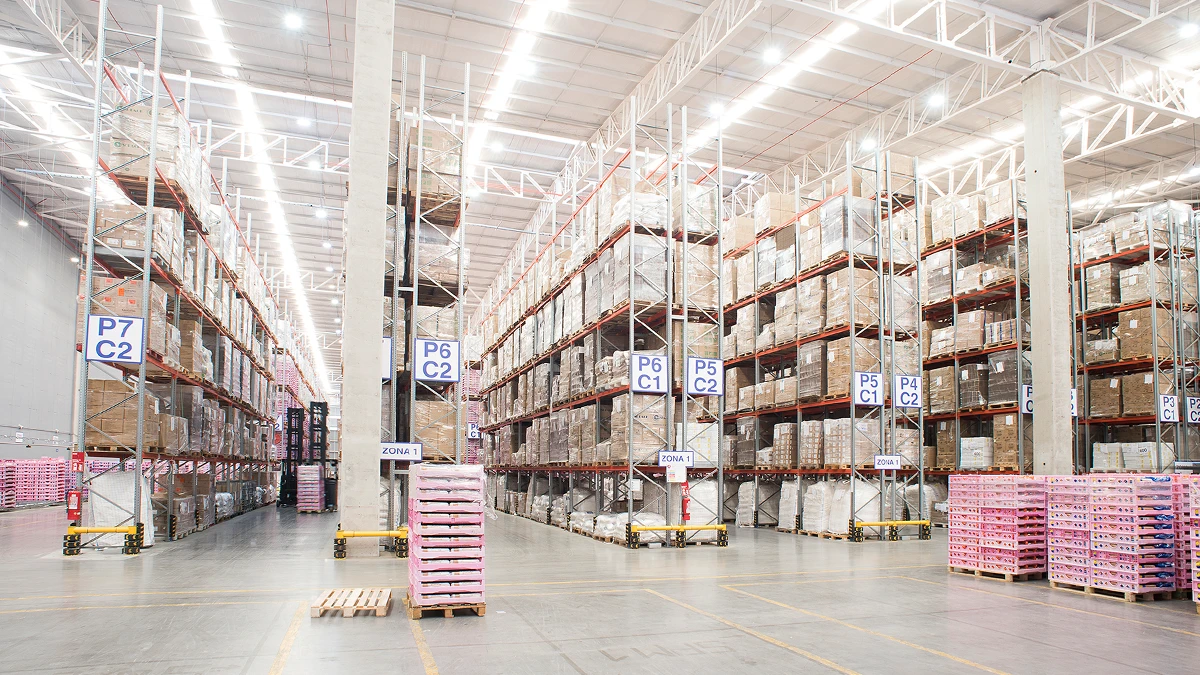
What is RPA in logistics?
How robotic process automation removes repetitive tasks, reduces errors and connects with WMS and ERP systems.
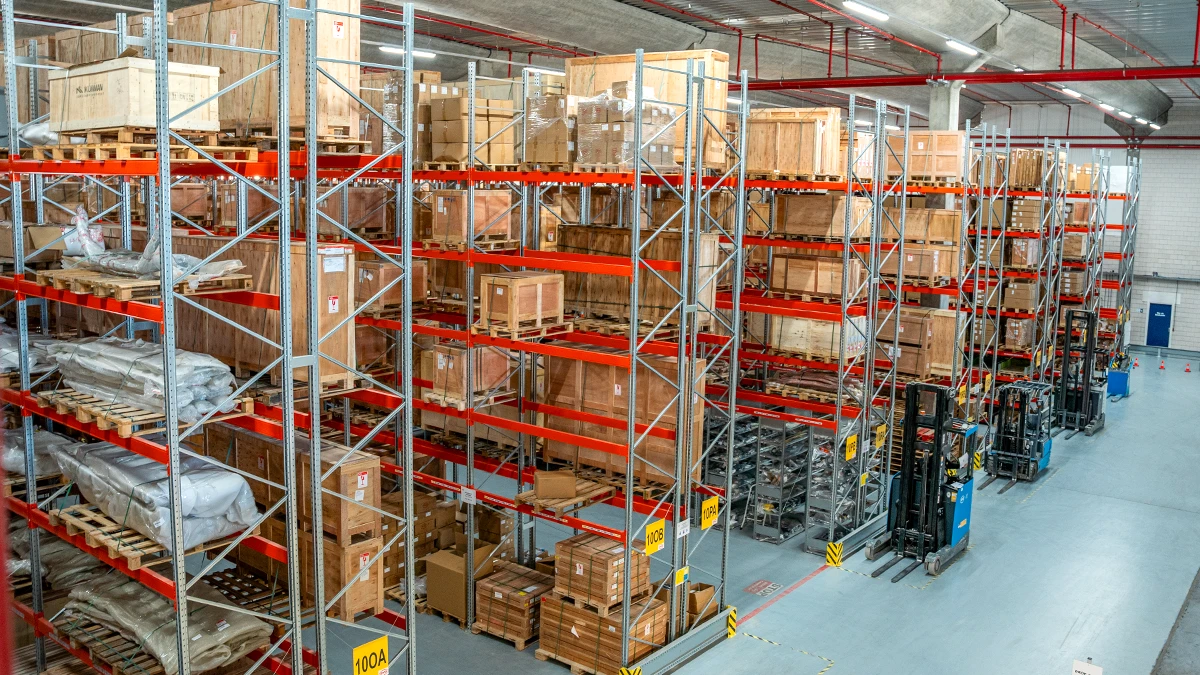
ERP or WMS: the decision that shapes storage design
Functions, limits and synergies of both systems and how they integrate with racking, AGVs and automation.
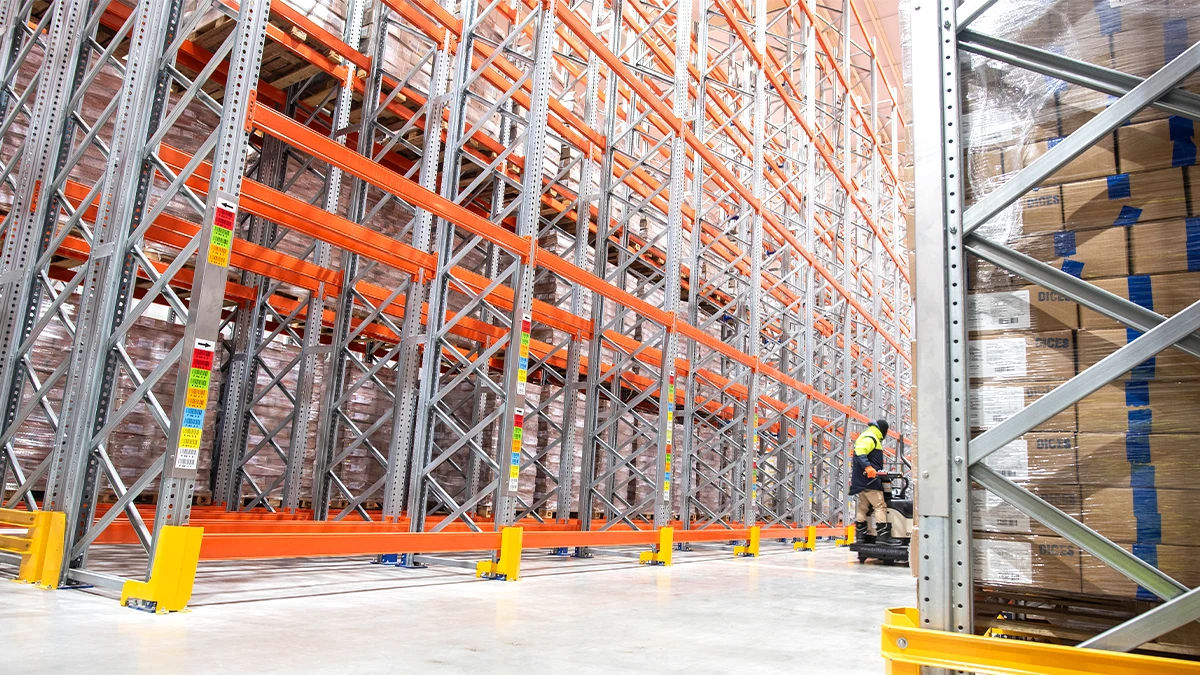
Poka-yoke in logistics: zero errors in warehouse design
Applying error-proofing to storage layouts to reduce human errors and stabilise automated flows.
Local Procurement FAQ for AGV-Compatible Racking in Concepción
Answers our engineers commonly provide to warehouse, logistics and procurement managers evaluating an export project for Chile.
Can you supply AGV-compatible racking to Concepción and the Biobío Region?
Yes. We engineer each project for the destination country, manufacture the steel structure in our automated plant and coordinate export delivery to a nominated Chilean port or project site, with installation supervision through our own teams and trained partners.
How do you adapt racking to Chilean seismic requirements?
Racking for Concepción should be calculated against the applicable Chilean seismic requirements, including NCh2369 and NCh433 where relevant, site soil class and building interaction. Typical measures include reinforced uprights and bracing, heavier base plates and anchors, row spacers and controlled beam deflection.
What pallet sizes are common for Chilean projects?
The 1200 × 1000 mm pallet is widely used in Latin America, including Chile. We also design for the 1200 × 800 mm Euro pallet, the Brazilian PBR 1000 × 1200 mm format and ISO sizes such as 1100 × 1100 mm and 1219 × 1016 mm. Beam lengths and frame depths are dimensioned for the actual pallet and load.
Can the racking integrate with AGVs, AMRs and AS/RS?
Yes. The rack structure can be coordinated with vehicle clearances, pick faces, charging zones, WMS location mapping and barcode labels. For AS/RS projects, production tolerances and installation quality are especially important because stacker cranes and shuttles require predictable geometry.
How do you handle cold storage and condensation?
We supply mobile, drive-in, VNA, pallet shuttle and self-supporting freezer warehouses using steels and finishes suited to temperatures down to −30 °C. Design should also consider condensation, ice, cleaning routines, thermal movement, battery charging and maintenance access.
What information is needed for a fast quotation and export documents?
Send a building layout with clear height, pallet dimensions, maximum load, number of SKUs and pallets per SKU, daily throughput, forklift or AGV type, temperature range and project city. Export documentation can include drawings, packing lists, material certificates, load signs and commercial documents aligned with the agreed Incoterms.
Planning an AGV-Compatible Warehouse in Concepción?
Share your building layout, pallet data, AGV or AMR requirements and seismic site information. Our storage engineers will help compare selective, shuttle, cantilever and adjustable racking options for the safest, most space-efficient export project.
Project intake: [email protected]