CE Certified Case Flow Rack Manufacturers & Wholesalers serving Linden
Carton flow rack, selective pallet racking and pick-module structures for 3PLs, food distributors, pharma operations and e-commerce fulfillment in Linden and the Port Newark–Elizabeth corridor — supported by CE/EN 1090 documentation, U.S. project engineering and a 5-year warranty.
Recommended Racking, Shelving and Case-Flow-Compatible Storage for Linden Projects
A case flow rack project is rarely a single-product purchase. A productive Linden pick module usually combines gravity carton-flow lanes with reserve pallet racking, multi-tier shelving, boltless pick faces and protected structural frames. The eight products below are practical building blocks for wholesale and project supply. Where a project needs a complete CE-documented case flow system, our engineers configure the roller lanes, dividers, brakes, pick-face heights, frames and reserve storage around the actual carton and load data.
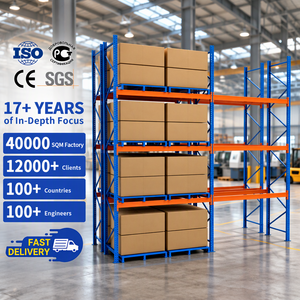
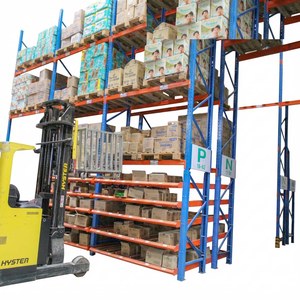
Heavy Duty Industrial Pallet Rack High Loading Multi-Level Metal Shelves Units Warehouse Steel Selective Pallet Racking System
Selective pallet rack for reserve stock behind a Linden case flow pick face. Ideal for 3PLs that need direct access to every pallet and straightforward FIFO oversight.
- Best forReserve pallets
- Access100% pallet face
High-quality Heavy-duty Adjustable Steel Shelving with 5 Tiers for Industrial Warehouse Storage Solutions
Five-tier adjustable shelving for spare parts, packaging, overflow and low-height backroom zones where forklifts cannot enter and pickers need ergonomic access.
- Best forMixed-SKU picking
- LayoutAdjustable levels
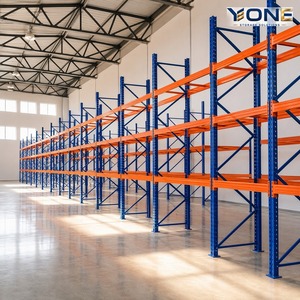
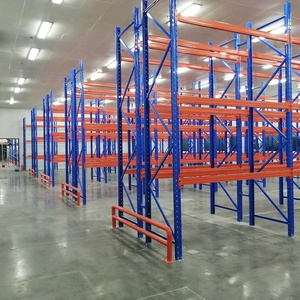
Steel Storage Rack Heavy Duty Pallet Racking Q235B Steel Selective Racking for Racks Industriales Warehouse Storage
Q235B steel selective racking for cost-sensitive, high-turnover wholesale projects. Reconfigurable beams suit Linden’s multi-tenant 3PL and seasonal inventory changes.
- Best forWholesale projects
- SteelQ235B
Warehouse Shelving Boltless Adjustable Heavy-Duty Industrial Garage Shelving System 3-Layer Cold Rolled Steel Epoxy Powder Rack
Three-layer boltless rack for overflow, retail replenishment and temporary peak-season storage. Fast assembly supports phased fit-outs and tight install windows.
- Best forFast fit-out
- FinishEpoxy powder
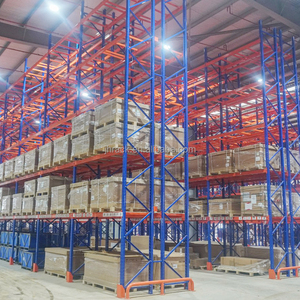
Heavy-Duty Corrosion Protected Pallet Racking Systems for Warehouse and Factory Storage by Jinhui Warehousing Suppliers
Corrosion-protected racking for humid, coastal or washdown-adjacent environments. A practical choice for food, beverage and cold-chain facilities where condensation affects standard finishes.
- Best forHumid zones
- FinishProtected steel
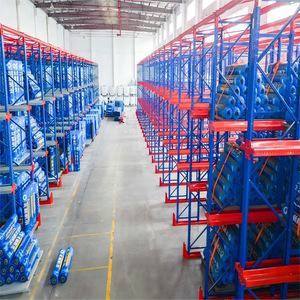
Reliable Heavy Duty Steel Warehouse Storage System for Bulk Roll Goods and Pallet Cargo Storage Drive in Pallet Rack Raf
Drive-in style storage for bulk roll goods and pallet cargo. Use behind case flow pick faces to hold high-volume SKUs with project-verified lane depths and forklift clearances.
- Best forBulk SKUs
- RotationLIFO / drive-through
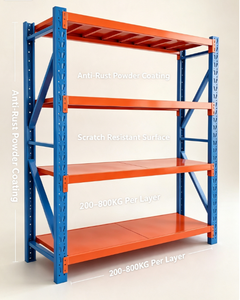
High Load Capacity Adjustable Multi Tier Steel Shelves Boltless Warehouse Storage Rack for Commercial Use
Multi-tier boltless shelving for carton picking, spare parts and pick-module support. Can be configured as a compact two- or three-tier pick tower when building height allows.
- Best forPick modules
- AssemblyBoltless
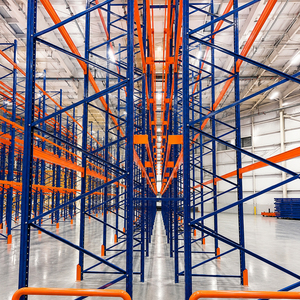
Heavy Duty Pallet Rack 1000kg Steel Storage Rack for Logistics Center 24h Technical Support Premium Pro
Heavy-duty 1000 kg-class pallet rack for logistics centers and high-utilization operations. Pair with carton flow lanes for fast-moving A SKUs and reserve pallets for replenishment.
- Best forLogistics centers
- SupportTechnical service
Need a CE-documented carton flow lane, not a standard pallet rack? Share your carton footprints, load weights, pick-face heights and building clear height for a Linden-specific layout review.
Inquire NowHighly automated production centre with engineering-led manufacturing control.
Annual steel production capacity for racking, shelving and structural projects.
Warehouse projects delivered across logistics, cold chain, retail and manufacturing.
Countries served through branches, project teams and trained distribution partners.
CE Certified Case Flow Rack Supply for Linden, NJ: What the Documentation Should Prove
“CE certified” is useful shorthand, but a serious Linden buyer should ask exactly what is covered. CE marking is a European conformity declaration; EN 1090-1 is the harmonized route for steel structural components, while EN 15635 gives guidance on rack inspection and maintenance. Alohatop Shelf manufactures under ISO 9001, ISO 14001, ISO 45001, ISO 50001, EN ISO 3834-2 welding quality and EN 1090-1, with full component traceability and a 5-year warranty.
For a Linden, New Jersey installation, we pair the export compliance file with U.S.-facing engineering checks: ANSI/RMI MH16.1 rack design, OSHA 1910.176 storage and handling, building-slab verification, anchor design and fire-sprinkler clearance review for the AHJ. CE marking alone is never a substitute for local approval. The useful deliverable is a coordinated project file — not a logo on a brochure.
- CE/DoP dossier for steel components where the scope applies, including material certificates and batch traceability.
- EN ISO 3834-2 welding quality and factory production control records for uprights, beams, connectors and frames.
- U.S. project review: load combinations, baseplate and anchor plan, slab checks and fire-code clearances.
- Installation pack: approved drawings, load signs, row-end protection recommendations and inspection guidance.
Where Case Flow Rack Pays Back in Linden
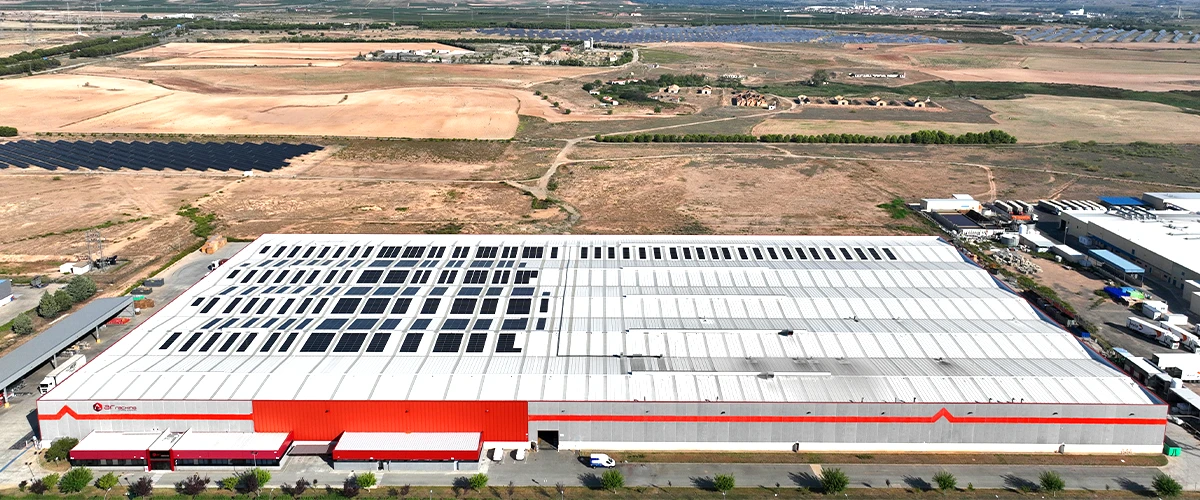
Linden sits inside one of the most space-constrained and service-sensitive warehouse corridors in the United States. The Port of New York and New Jersey, I-95, the New Jersey Turnpike and Routes 1/9 put import containers, regional 3PLs, food distributors and e-commerce fulfillment within minutes of each other. In many operations, the bottleneck is not total pallet positions but the speed and accuracy of splitting cases at the pick face.
Port-driven 3PL and transload
Containers arrive from Port Newark–Elizabeth. Case flow rack stages fast-moving import SKUs in a pick module while selective racking holds reserve pallets. The result is less floor congestion and faster cross-dock replenishment.
E-commerce and retail replenishment
Multi-SKU distribution needs high pick-face density. Carton flow lanes with dividers and brake rollers present individual SKUs at the aisle; multi-tier shelving handles small parts, packaging and promotional inventory.
Food and beverage FIFO
Gravity flow gives disciplined FIFO rotation for packaged food, beverage and dairy. For humid or washdown-adjacent areas, specify corrosion-protected components, suitable rollers, cleanable surfaces and clear inspection access.
Pharma and medical device picking
Lane dividers, clear labels, controlled pick faces and traceable components support audit-friendly picking. Boltless shelving and cleanable surfaces reduce debris in regulated storage areas.
Automotive and MRO parts
Medium-duty shelves and case flow lanes work well for brake pads, filters, service parts and maintenance stock. A two-tier layout can fit older Linden warehouses with lower clear height and limited forklift access.
Cold chain and freezer aisles
For chilled environments, specify low-temperature steels, roller materials and anti-condensation details. Case flow improves pick speed in cold aisles where every minute of door-open exposure carries a cost.
Linden Warehouse Trends Changing Case Flow Rack Specifications
The buying decision in Linden is shaped less by racking catalogue pages and more by rent pressure, port volatility, labor availability and automation readiness. These four trends appear repeatedly in project briefs.
High rent, low vacancy: density is no longer optional
Infill warehouses near Routes 1/9 and the New Jersey Turnpike are expensive per square foot. Case flow rack and multi-tier pick modules help use vertical height, reduce picker travel and keep reserve pallets out of the picking aisle.
Port volatility: modular beats fixed
Import peaks and 3PL client changes reward adjustable beams, reusable shelf levels and boltless assembly. Linden projects increasingly specify layouts that can be re-slotted without welding or a full tear-down.
Automation-ready picking
AMRs, pick-to-light and voice picking work best with straight lanes, consistent shelf heights, clear labels and predictable pick faces. Carton flow should be designed as part of the information flow, not only the steel structure.
Compliance and carbon documentation
Buyers now ask for CE/DoP files, traceability, finish data and lifecycle evidence. ISO 14064 verified carbon reporting and recyclable steel construction support procurement teams that must document sustainability as well as safety.
Engineering the Case Flow Lane: Parameters Most RFQs Miss
A case flow rack quotation should not be a shelf price list. The system is a gravity conveyor with structural, ergonomic and replenishment logic. In a Linden retrofit or new fit-out, the following data usually determines whether the installation works smoothly or becomes an expensive aisle obstruction.
| Parameter | Why it matters in Linden | White-paper starting point |
|---|---|---|
| Carton footprint and weight | Lane width, roller pitch and shelf load must suit the actual cases, not a general “heavy-duty” label. | Measure at least 10 representative cartons per family; note crushability and overhang. |
| Clear height, sprinkler and lighting | Older Linden buildings often have uneven clear height, low sprinkler heads and obstructed lighting. | Design pick faces and top levels with AHJ fire clearance and safe working clearance. |
| Throughput and SKU velocity | Not every SKU belongs in flow. Overloading lanes with slow movers wastes the most productive pick face. | Slot A and B SKUs in flow; keep slow movers in shelving or selective reserve. |
| Slope, brakes and dividers | Poor gravity control causes carton jambs, product damage and operator frustration. | Confirm slope, brake roller positions, lane dividers and last-carton control with the carton sample. |
| Replenishment route | Port-driven operations need fast replenishment without crossing active pick aisles. | Place reserve pallet racking behind the case flow module and separate replenishment from picking. |
| Floor slab and anchoring | Anchor capacity and slab thickness affect stability, especially in retrofits and multi-tenant buildings. | Verify slab condition, joint locations, anchor type and row-end protection before release. |
Planning rules are not a substitute for project-specific structural calculations, local authority review or a site survey.
Illustrative case-flow fit scores for a multi-SKU Linden pick module. Final performance depends on slotting, replenishment discipline, WMS logic and lane design.
Why Alohatop Shelf Is a Manufacturer and Wholesale Partner for Linden Buyers
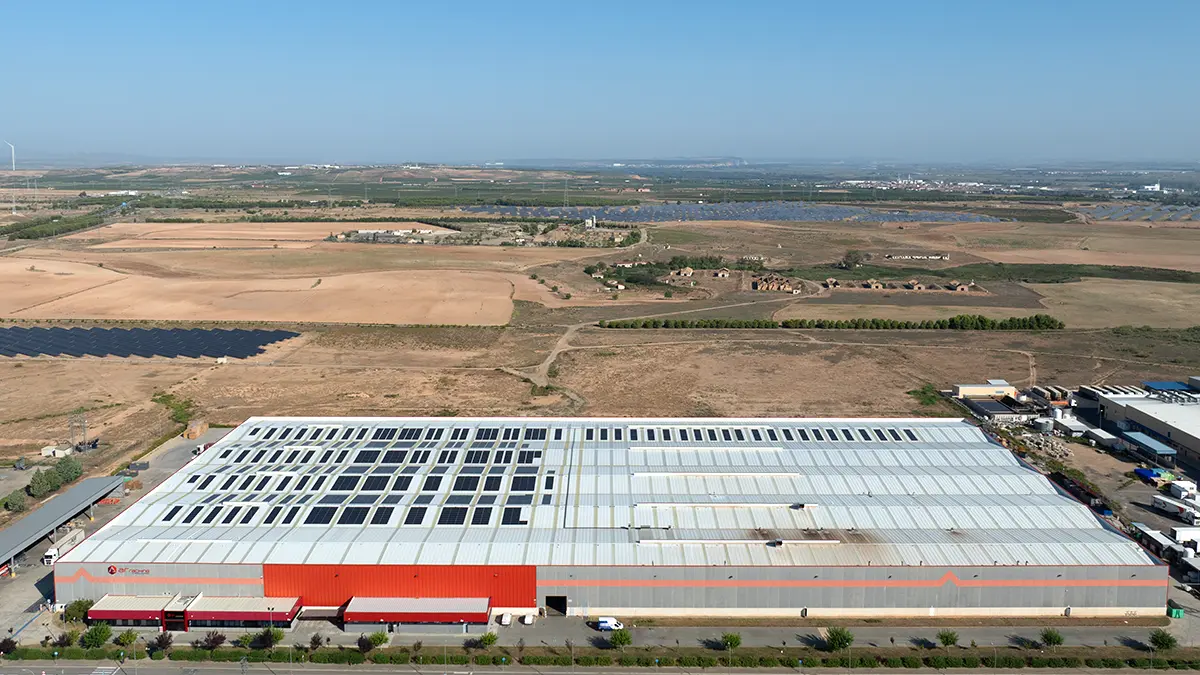
Alohatop Shelf LLC is not a catalogue reseller. We design, calculate, manufacture and install metal racking and warehouse storage systems. Owning every step — from steel coil to final load sign — creates one accountable partner for Linden buyers who need CE documentation, U.S. project coordination and reliable export packing in the same package.
Our 35,000 m² highly automated production centre has more than 100,000 t of annual capacity; more than 90% of output is exported. We have delivered 42,000+ warehouse projects across 60+ countries, supported by 14 branches and 70+ distributors. In-house R&D with Mondragon University and the University of the Basque Country includes finite-element simulation, physical testing and connection design — knowledge transferred directly into frames, beams and pick-module components designed for demanding installations.
Linden Case Flow Rack Procurement Questions Answered
Direct answers for warehouse, logistics and procurement teams comparing CE-certified case flow rack manufacturers and wholesalers serving Linden.
Are you a case flow rack manufacturer or only a wholesaler?
We are a manufacturer-direct supplier. Alohatop Shelf designs, manufactures and supplies structural racking, shelving and pick-module components, and works with installation supervisors and distribution partners. Wholesale supply is available for integrators and multi-site buyers, while end users can request a complete engineered package.
Do you deliver and install in Linden, NJ?
Yes. We support Linden projects with export packing, freight coordination, site surveys, approved drawings and installation supervision. Smaller orders can be supplied freight-only; larger case flow and pick-module projects can include a planned installation sequence and commissioning checks.
What does CE certification cover on a case flow rack?
For relevant steel structural components, we can provide CE/EN 1090-1 documentation, declarations of performance, material traceability and welding-quality records. For Linden, this is paired with U.S. design review under ANSI/RMI MH16.1 and OSHA expectations, plus local building and fire-authority requirements.
What lead time should a Linden project expect?
Typical engineered projects move through layout review, load calculation, approval drawings and production. Standard lead times often fall in the 4–8 week range after approved drawings, with more complex pick modules, special finishes or cold-store details taking longer. Final timing is confirmed in writing.
Can case flow rack fit an older low-clear-height building?
Yes. Many Linden warehouses were not designed for modern e-commerce volumes. We can use low-profile pick modules, two-tier shelving, selective reserve racking and carefully planned pick-face heights to work within existing sprinkler, lighting and roof constraints.
How do you handle multi-client 3PL changes?
Specify adjustable beams, reusable shelf levels, boltless connections and labelled lane modules. This allows a 3PL to re-slot fast movers, change carton flow lane widths or convert a pick face without replacing the whole structure. We can provide spare parts and reconfiguration guidance.
What information do you need for a quotation?
Send the building layout, clear height, carton and pallet dimensions, maximum loads, SKU count, pallets or cases per SKU, daily throughput, temperature range, forklift or automation type and the project city. For Linden, also note sprinkler clearance, column obstructions and dock positions.
Do you provide rack inspections and maintenance support?
Yes. We can support periodic inspection planning, load-sign replacement, spare uprights and beams, row-end protection and reconfiguration advice. Rack safety is a lifecycle issue: impact damage, overloads and missing anchors should be identified before they become incidents.
Request a CE-Ready Case Flow Rack Layout for Linden
Send your building plan, carton list, pallet dimensions, load weights, daily throughput and clear-height data. Our storage engineers will review the right mix of carton flow, selective pallet racking, multi-tier shelving and reserve storage for your Linden site — with clear assumptions, safety notes and a documented next step.
[email protected]- Manufacturer-direct supply and wholesale project support
- CE/EN 1090 documentation where applicable
- U.S. project review and Linden delivery coordination
- 5-year warranty and component traceability