Push Back Racking for Luque Warehouses: High Density Without Losing Control of Your Pallet Flow
Luque sits inside Paraguay’s most active distribution orbit. Warehouses in Luque, Asunción, Fernando de la Mora, San Lorenzo and Capiatá increasingly serve retail chains, e-commerce fulfilment, spare-parts networks, food distribution and import consolidators. The commercial pressure is familiar: more SKUs, tighter delivery windows and expensive usable floor area. That is why push back racking in Luque is often evaluated as a practical way to increase pallet positions without expanding the building footprint.
Push back racking is not simply “selective racking without aisles.” It is a cart-based LIFO system. Pallets sit on nested carts inside inclined lanes; when a forklift loads a new pallet, the existing carts are pushed back. For a typical 1,200 × 1,000 mm pallet used in Paraguay, a well-designed push back lane can hold two to five pallets deep, depending on load, forklift reach, beam height, sprinkler clearance and the operator’s handling discipline. The result can reduce aisle count and raise storage density, but it also changes selectivity: only the front pallet of each lane is directly accessible. That is acceptable for manufacturing buffers, seasonal retail inventory and date-code-stable SKUs, but it is not a universal replacement for strict FIFO systems.
Our engineering approach starts with information gain, not guesswork: pallet dimensions, maximum load, load stability, SKU velocity, date-code rules, forklift type, building height, floor flatness, fire protection and the receiving pattern from Paraguay’s import corridors. For Luque buyers, we compare push back against selective racking, drive-in, pallet shuttle and VNA before recommending the layout. In many Luque projects, a hybrid layout works best: selective racking for fast-moving or high-selectivity SKUs, and push back lanes for medium-velocity stock that benefits from dense LIFO storage.
Because the project may be subject to procurement, customs and building-permit review, our documentation package can include CE/EN design and manufacturing documentation for applicable components, load calculations, layout drawings, anchor details and Spanish-language technical summaries. CE marking alone is not a substitute for project-specific structural verification; responsible buyers should ask for the design standard, load assumptions, component traceability and installation tolerance data. We provide those documents so Luque warehouse operators can audit what they are buying before the first container is shipped.
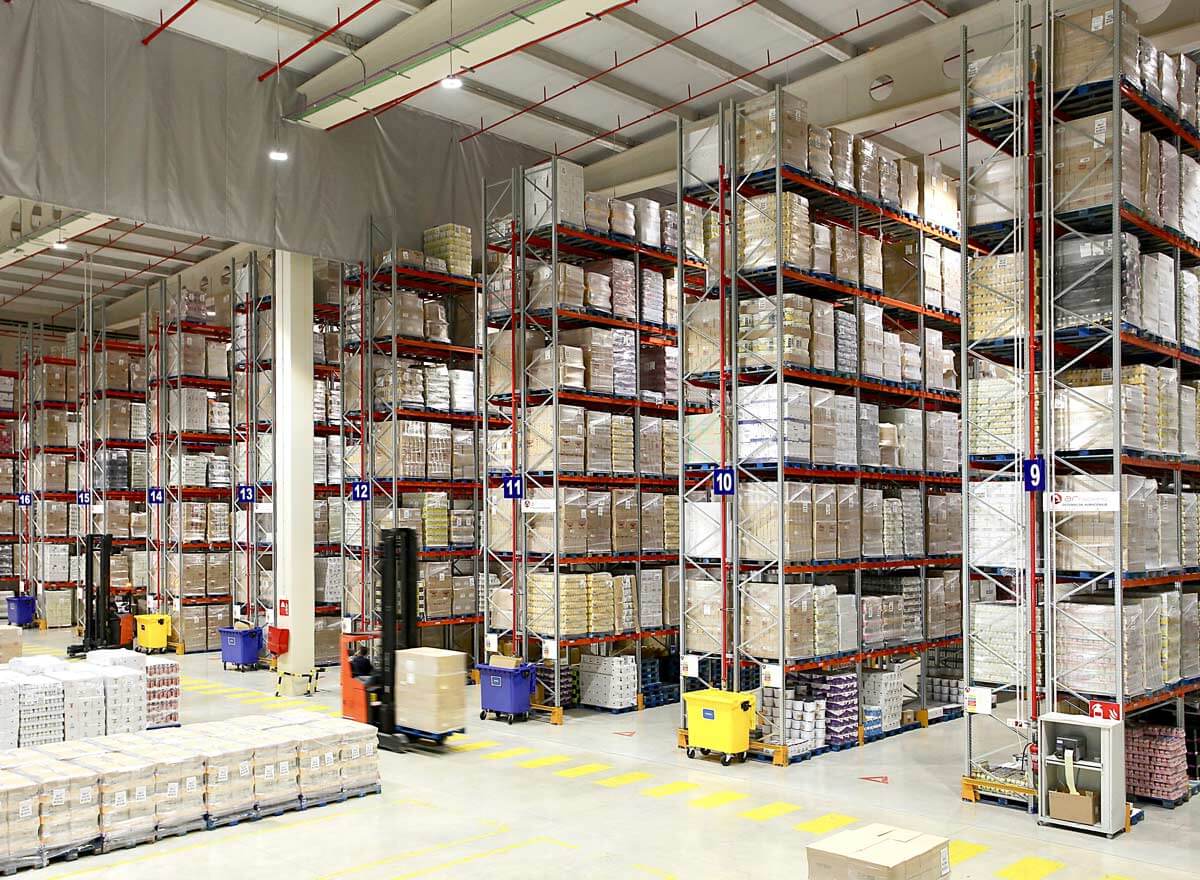
Recommended Push Back and Heavy-Duty Racking Products for Luque Buyers
These eight storage products cover the core requirements we see in Luque procurement: dense pallet storage, adjustable selective layouts, corrosion protection, VNA configurations, logistics-centre racking and heavy industrial capacities.
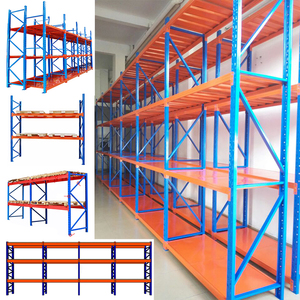
Heavy Duty Warehouse Rack Industrial Cold-Rolled Steel Rack Storage Shelf Rack 1600KG 1700KG 1800KG 1900KG Pounds Tons
High-capacity cold-rolled steel racking for dense pallet and carton storage. Suited to Luque warehouses that need robust beams, adjustable levels and predictable load performance.
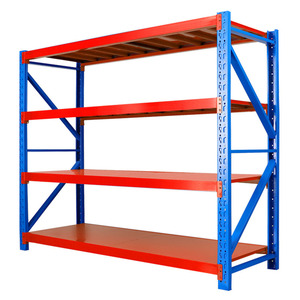
Medium/Heavy Duty Storage Equipment Warehouse Industrial Powder Coating Cargo Steel Iron Tool Supermarket Stacking Storage Racks
Powder-coated storage equipment for mixed pallet, carton and tool storage. A practical option for retail distribution and spare-parts operations serving Luque and Asunción.
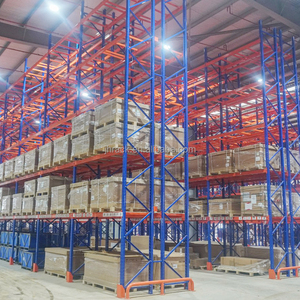
Heavy-Duty Corrosion Protected Pallet Racking Systems for Warehouse and Factory Storage by Jinhui Warehousing Suppliers
Corrosion-protected racking for humid climates, food storage and factories where finish durability matters. Useful for Luque sites exposed to high humidity and washdown zones.
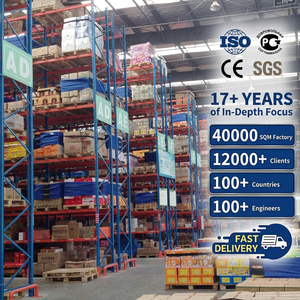
SDFD Heavy Duty Pallet Racking System Steel Durable Adjustable Box Beam Multi-layer Selective Pallet Rack for Warehouse Storage
Adjustable selective racking with box beams and multi-layer configuration. A strong baseline for 3PLs and distributors in Luque that require direct access to most SKUs.
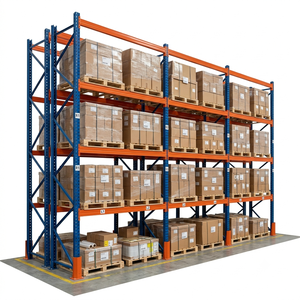
Heavy Duty Pallet Rack Industrial Warehouse Shelving Adjustable Steel Storage Rack System for Logistics Center
Logistics-centre pallet racking with adjustable steel frames and beams. Suitable for Luque distribution warehouses that require a balance of selectivity and storage density.
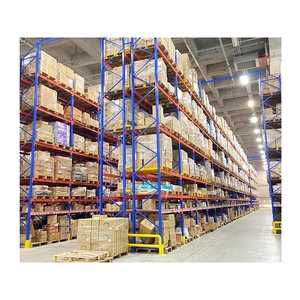
Warehouse Racking System Heavy Duty Industrial Steel Shelving Warehouse Pallet Racks for Sale
General-purpose industrial steel pallet racking for warehouse shelving and pallet storage. A cost-conscious option for growing Luque operations that need scalable capacity.
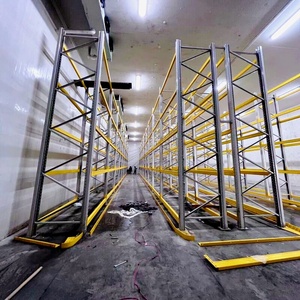
Low Price Racking Heavy Duty VNA Rack Adjustable Metal Boltless Shelf and Racks Warehouse Warehouse Storage Racks Metal Shelf
VNA-oriented adjustable metal racking for high-density warehouses where aisle width and building height are critical. Useful where Luque land costs make every square metre count.
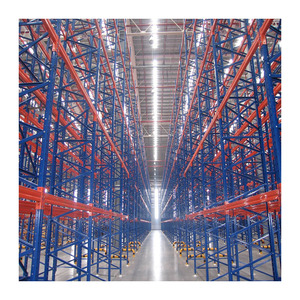
Mracking Heavy Duty Industrial Palletized Racking with a Capacity of 1000-4000kg Industrial Storage Racking
High-capacity industrial palletized racking rated from 1,000 kg to 4,000 kg. Appropriate for heavy stock, manufacturing buffers and dense palletized inventory in Paraguay.
Where Push Back Racking Fits in Luque and Gran Asunción Operations
The right racking decision in Luque depends less on floor area alone and more on how stock is received, rotated, picked and dispatched across the Greater Asunción market.
Retail and FMCG distribution into Asunción
Luque warehouses serving supermarket chains and neighbourhood retail often hold promotional stock, slow-to-medium movers and seasonal lines. Push back racking increases pallet positions in the same footprint, while selective racking remains available for fast movers that need immediate access. A hybrid layout reduces picking friction and protects service levels during peak replenishment.
Food, beverage and chilled storage
Push back racking suits ambient and chilled packaged goods where LIFO is acceptable or controlled by a WMS. For strict batch FIFO, deep freeze or date-code-sensitive cold chain, our engineers may recommend selective, pallet flow, drive-in or pallet shuttle instead. In Luque’s humid climate, corrosion protection and washdown-compatible finishes should be reviewed early.
Manufacturing buffers and spare parts
Factories and importers near Luque often need dense storage for raw materials, components and finished goods. Push back racking works well as a LIFO buffer where the newest pallet is loaded first and the older pallet is retrieved when the lane is cleared. It reduces aisle duplication and supports high-density storage for medium-velocity SKUs without the full selectivity of conventional racking.
Local Trends Shaping Racking Demand in Luque, Paraguay
Paraguay’s logistics landscape is changing quickly. For warehouse operators in Luque and Gran Asunción, the winning projects are those that combine storage density with flexibility for future SKU growth.
E-commerce and last-mile growth
Order fulfilment in Greater Asunción is shifting toward smaller batch replenishment, faster stock turns and more SKUs. Racking layouts increasingly mix dense pallet storage with picking zones and future automation readiness.
Land and building-cost pressure in Luque
As usable industrial space tightens around Asunción, Luque buyers look for more pallet positions per square metre. Push back, VNA and high-bay designs are evaluated to reduce aisle count before a new building is considered.
Import consolidation and export documentation
Buyers importing from Asia and Europe need factory packing lists, container-loading plans, CE/EN documentation and Spanish technical files for customs and internal approval. Documentation quality now influences supplier selection as much as price.
Cold chain and food distribution investment
Paraguay’s food, beverage and export supply chains continue to invest in better storage. Racking specifications increasingly include corrosion protection, freezer-compatible steel and clear maintenance routines for long-term safety.
Push Back vs Selective, Drive-In, Shuttle and VNA: A Luque Buyer’s Guide
Use this comparison as an early-stage filter. Final selection should be confirmed by a structural layout study using your actual pallet, load, throughput and building data.
| System | Best for in Luque | Selectivity | Density | Stock rotation |
|---|---|---|---|---|
| Push back racking | Medium-velocity SKUs, manufacturing buffers, retail promotions, dense LIFO storage | Front pallet per lane | LIFO | |
| Selective racking | 3PLs and distributors needing direct access to many SKUs | 100% of pallets | Any | |
| Drive-in racking | Homogeneous goods, freezer storage and deep pallet blocks | Low | LIFO, or FIFO if drive-through | |
| Pallet shuttle | High-throughput DCs, cold stores and deep lanes with semi-automation | Per lane | FIFO or LIFO | |
| VNA racking | Expensive land, tall buildings and 100% access with specialised forklifts | 100% of pallets | Any | |
| Pallet flow | Strict FIFO for perishables and fast-moving inventory | Per lane | FIFO |
For CE-compliant procurement, request EN 15512 design calculations, EN 15620 tolerances, EN 15635 inspection guidance and EN 1090-1 structural steel documentation where applicable. In Paraguay, project-specific anchoring, slab capacity, fire protection and local permit requirements must be confirmed before fabrication.
Factory-Direct Advantages for Luque Buyers Who Need CE-Compliant Racking
The strongest supplier is not the one with the longest catalogue. It is the one that can control engineering, steel quality, export documentation and installation support under one accountable system.
35,000 m² automated production centre
Our manufacturing base supports high-volume export orders with consistent quality. For Luque projects, this means the racking is produced to the approved drawing set rather than adapted from generic stock.
100,000 t annual steel capacity
Steel supply, roll forming and component production are planned around the project schedule. This helps buyers manage container sequencing and site readiness when importing into Paraguay.
Engineering validated by R&D
Our technology centre works with university R&D partners on component strength, structural simulation and new profile testing. This supports safer designs for tall, dense or heavy-load configurations.
CE/EN documentation package
For applicable components, we can provide CE marking, EN 1090-1 structural steel documents, design calculations, welding quality records and component traceability to help support Luque procurement reviews.
Export experience to 60+ countries
With 14 own branches and more than 70 trusted distributors, we understand export packing, port documentation and the practical coordination required for South American deliveries.
5-year warranty and traceability
Storage systems carry a five-year warranty, with component traceability from production batch to delivery. Our certifiable management systems include ISO 9001, ISO 14001, ISO 45001 and ISO 50001.
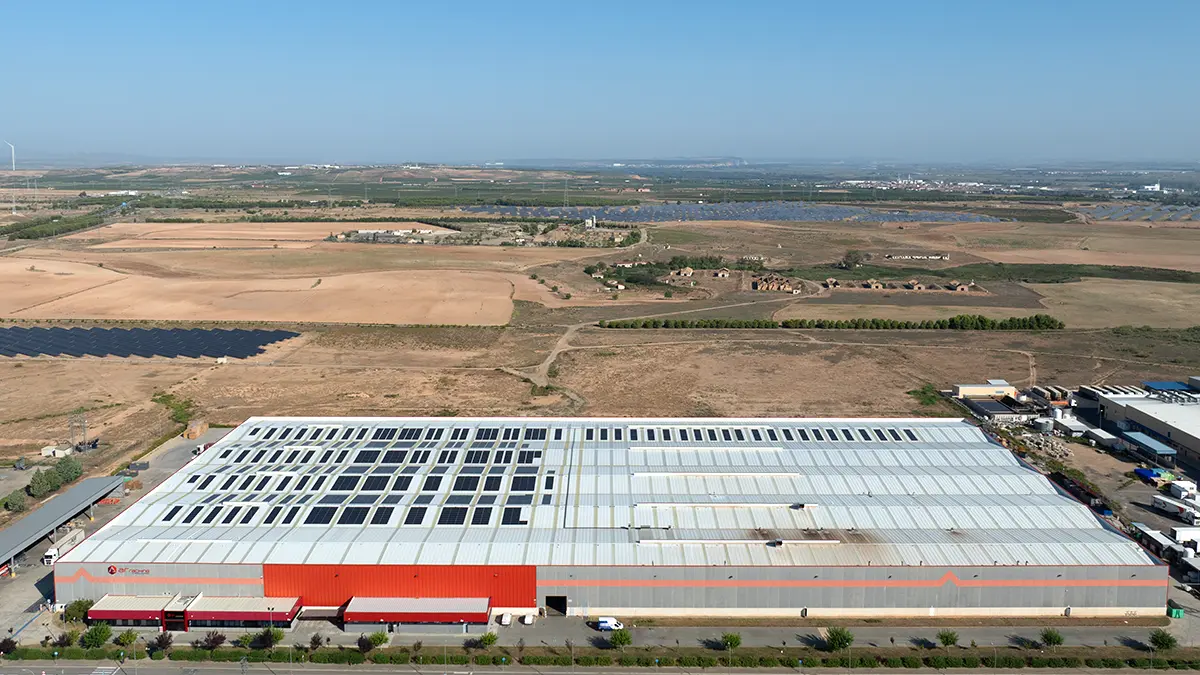
Millimetre Precision Matters When Racking Travels From Factory to Luque
Imported racking must arrive ready for installation. If frame geometry, beam length or accessory fit drifts outside tolerance, the problem is not discovered in the factory — it is discovered on the customer’s floor in Luque after a long shipping cycle. That is why automated production and laser-controlled processes matter for export projects.
Our automated plant uses robotic welding, roll forming and quality control routines designed to keep components consistent across large-volume orders. For automated or high-bay projects, this precision supports smooth integration with stacker cranes, shuttles and future warehouse automation. For conventional manual warehouses, it reduces installation friction and improves long-term safety.
- Factory-controlled production with batch traceability
- Export packing engineered for sea and overland freight
- Spanish and English documentation available for Luque projects
- Installation supervision and trained local partner support
Quality and Compliance Documentation for Luque Procurement
Certifications support supplier evaluation, but they do not replace project-specific engineering. We combine management-system certifications with load calculations, drawings and component records so the buyer can audit the complete package.
 ISO 9001Quality management
 ISO 14001Environmental management
 ISO 45001Health and safety
 ISO 50001Energy management
 EN ISO 3834-2Welding quality
 EN 1090-1Structural steel
We also work with ISO 14064 verified carbon reporting and full component traceability for export projects.
Luque Warehouse Racking Procurement FAQ
These are the questions our engineers most often receive from buyers comparing CE-certified push back racking suppliers for Paraguay.
Are you a factory or a trading company for Luque racking projects?
We are a factory-direct storage system manufacturer with engineering, production and project support under one organisation. For Luque buyers, we can coordinate the layout study, structural calculations, production drawings, export packing and installation documentation before shipment.
How can I verify CE certification for push back warehouse racking?
Ask for the CE marking scope, EN 1090-1 documentation where applicable, EN 15512 design calculations, component load assumptions, welding quality records and batch traceability. A supplier should be able to match the delivered components to approved drawings. CE marking is important, but project-specific engineering remains essential.
Can push back racking handle the pallets commonly used in Paraguay?
Yes. We dimension lanes for the actual pallet, including 1,200 × 1,000 mm and 1,000 × 1,200 mm pallets common in Paraguay, Euro pallets and ISO sizes. Beam length, frame depth, load capacity and cart configuration are calculated from your pallet dimensions, load weight and handling equipment.
Is LIFO push back suitable for food and retail stock in Luque?
Push back is suitable when LIFO rotation is acceptable or when a WMS controls replenishment and picking. For strict FIFO, date-code-sensitive cold chain or perishable lots, compare selective, pallet flow, drive-in or pallet shuttle. Our engineers can model both layouts so you can see the trade-off between density and selectivity.
What is the typical delivery process from factory to Luque?
Projects usually move through a production phase, pre-shipment inspection, export packing and sea freight to a river terminal serving Asunción or Villeta, or an overland route depending on the freight plan. Final timing depends on the order, shipping schedule, customs clearance and the installation plan. We provide a project-specific schedule before purchase.
What information is needed for an accurate quote for a Luque warehouse?
Send the building layout, clear height, pallet dimensions, maximum load, SKU count, pallets per SKU, daily throughput, forklift or automation type, temperature range and target delivery city in Luque. A marked drawing and photos of the site are helpful. With that information, our engineers can propose the most appropriate push back, selective or hybrid solution.
Request a Factory-Direct Push Back Racking Study for Your Luque Warehouse
Share your building layout, pallet data and throughput profile. Our engineering team will compare push back racking with selective, drive-in, shuttle and VNA options, then provide a practical layout direction for Luque and Gran Asunción.