8 Racking Products for Ciudad del Este Warehouses
Ciudad del Este buyers rarely purchase one racking type in isolation. A single warehouse may hold Brazilian PBR pallets, Euro pallets, imported electronics, auto parts, construction profiles and fast-moving consumer stock. These eight products cover the load profiles most often specified in the tri-border area, from cantilever arms for long goods to five-level selective racking for container peaks. Each product links to the original factory product page so your engineer and procurement team can review dimensions, loading data and accessory options before requesting a quotation.
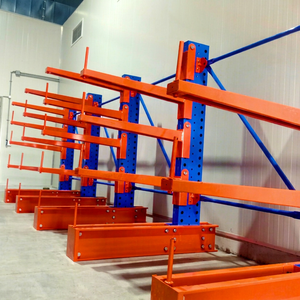
Heavy-Duty Cantilever Pallet Racking System
Ideal for timber, steel bars, pipes and long profiles in building-material yards and industrial stores around Ciudad del Este. The open front allows forklift access without a pallet beam in the way.
View product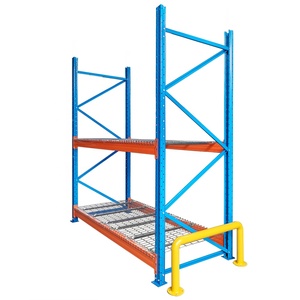
2,500 kg Pallet Racking with Wire Mesh Decking
For mixed cartons, spare parts and retail distribution where pallet support and visibility matter. Wire mesh improves load distribution and helps contain small items or unstable packaging.
View product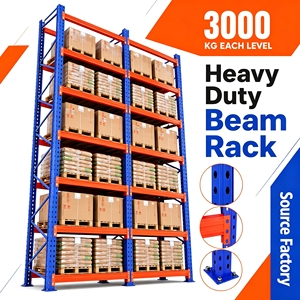
3,000 kg Industrial Steel Pallet Racking
Heavy selective racking for import/export stock, beverages and construction materials. Engineered beam-to-upright connections support high loads and fast forklift cycles.
View product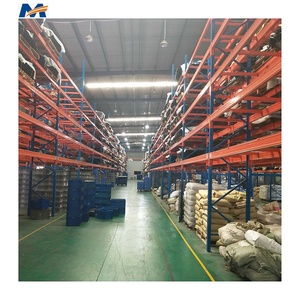
Heavy-Duty Steel Pallet Rack Beams
Replacement or expansion beams for existing selective racking. Confirm upright profile, pitch and locking-pin compatibility before ordering to protect structural safety.
View product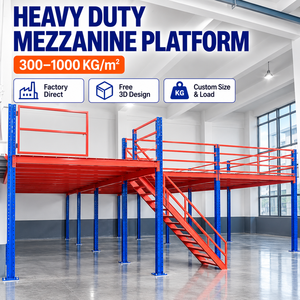
Heavy-Duty Steel Mezzanine Racking System
Adds a secure second or third level for picking, spare parts or e-commerce in a high-rent commercial zone. Design includes floor loading, stair, balustrade and column-grid checks.
View product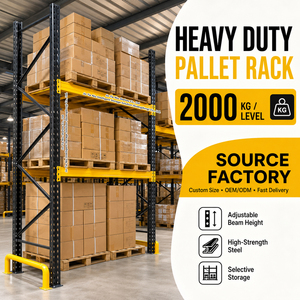
Adjustable Pallet Rack for Auto Parts, 1,000–3,000 kg
A flexible selective system for brake discs, filters, tyres and mechanical spares. Adjustable beam levels adapt to changing SKU sizes without welding or structural modification.
View product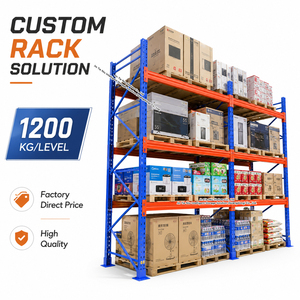
1,200 kg Steel Pallet Storage Rack
Medium-duty storage for wholesalers, electronics importers and light manufacturing. A cost-efficient choice when pallet weights are stable and SKU counts are high.
View product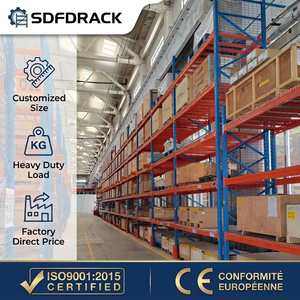
5-Layer Adjustable Heavy-Duty Pallet Racking
Five-level configuration for high-density storage in warehouses with good clear height. Useful for container-unloading peaks and tri-border wholesale replenishment.
View productNot sure which system fits your pallet, building and import plan?
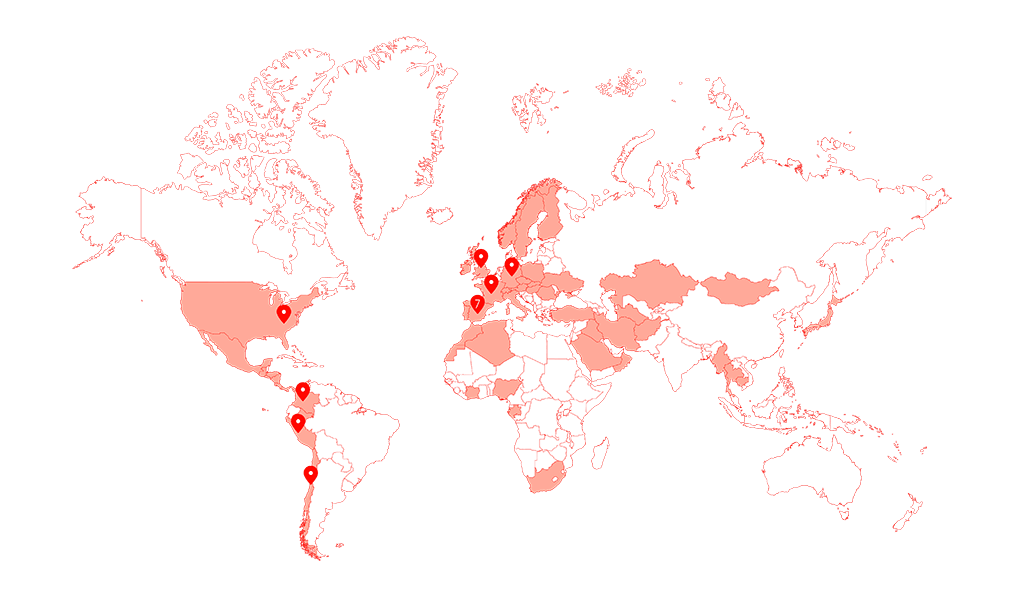
Contact UsCountries with installed storage systems
Warehouse projects delivered across export markets
Annual steel production capacity
Warranty on storage systems
Why a Ciudad del Este Racking Specification Is Not a Copy of Asunción or São Paulo
Ciudad del Este is a commercial gateway rather than a conventional inland distribution centre. The racking specification must reflect cross-border stock flows, mixed pallet standards and a humid subtropical climate.
Wholesalers, importers and re-exporters receive mixed containers, split pallets and multi-SKU orders; they then dispatch to buyers in Paraguay and across the Brazilian and Argentine borders. That flow creates three warehouse realities: high SKU counts, fast dock cycles and a building stock that was not always designed around 1,200 × 1,000 mm pallets. A racking supplier in Ciudad del Este must therefore begin with pallet measurement and a site survey, not a catalogue price.
The climate also changes the specification. The city has a humid subtropical climate with hot summers, heavy rain and long periods of high relative humidity. Racking that is simply painted for a dry European warehouse may show edge corrosion, damaged labels and seized beam locks sooner. We recommend powder coating with a defined film thickness, hot-dip galvanised options for wet or open-front sites, drainage checks and a written inspection route. In food and cold-chain stores, condensation and washdown make these details even more important.
Pallet standards are mixed. Paraguay buyers commonly receive the 1,200 × 1,000 mm pallet used across Latin America, the 1,200 × 800 mm Euro pallet from European exporters and the Brazilian PBR 1,000 × 1,200 mm format. Beam length, decking support and frame depth must be calculated for the real pallet and load, not for a generic 1,000 kg assumption. The lowest-cost rack is rarely the lowest-cost warehouse when it forces double handling, damaged stock or premature replacement.
- Measure the actual pallet footprint, overhang and maximum load before selecting beam length.
- Confirm clear height, floor flatness, column positions, dock level and forklift turning radius.
- Define humidity, temperature, washdown and corrosion protection in the purchase specification.
- Plan spare uprights, beams, safety clips and inspection intervals before the first container arrives.
CE Certification for Racking: What a Serious Factory Should Prove
CE certification is often presented as a logo, but a serious procurement file should be more specific. The right question is not “Do you have CE?” but “Which product, component, standard and legal manufacturer does this documentation cover?”
EN 1090-1 Factory Production Control
For steel components in scope, ask for the factory production control system, initial type testing and declaration trail. This is the difference between a certificate image and a controlled manufacturing process.
EN 15512 Structural Calculation
Uprights, beams, connectors, base plates and anchors must be checked for your pallet load, bay width, lift height, floor condition and intended use. A generic load table is not a project calculation.
EN 15620 & EN 15629 Tolerances
Automated warehouses and tall selective installations depend on geometric tolerance. Beam levels, frame plumb, anchor alignment and floor flatness must be specified before installation begins.
EN 15635 Safe Use & Inspection
Racking safety continues after handover. Demand load signage, damage-reporting rules, inspection intervals and replacement criteria so the warehouse team can protect the structure.
ISO 3834-2 Welding Quality
Weld quality affects beam-end connectors, base plates and repair work. A factory working to ISO 3834-2 can show welding coordination, procedure control and inspection records.
Traceability & Project Declaration
Ask for a bill of materials linked to batch records, material certificates, finish specification, packing list and installation drawings. Every upright and beam should be identifiable after delivery.
Where Each Racking Type Earns Its Cost in Ciudad del Este
Local application matters more than a generic catalogue category. The same pallet rack can be excellent in a beverage DC and unsuitable for long construction profiles.
Import & Wholesale DCs Near the Puente de la Amistad
Selective racking with wire mesh decking supports mixed cartons, fast container unloading and direct access to every pallet. It is the practical starting point when one SKU cannot justify a dedicated deep lane.
Electronics & Consumer-Goods Importers
Mezzanine racking and adjustable shelving create secure pick faces for high-value small items. Humidity control, clean finishes and protected labels are as important as steel capacity.
Auto Parts, Tyres & Workshop Supply
Heavy-duty adjustable pallet racking handles brake discs, filters, oils and mechanical spares. If the same yard stores exhaust pipes or profiles, add a cantilever bay rather than forcing long stock into pallet beams.
Food, Beverage & Cold-Chain Distribution
Wire mesh, hygienic finishes and FIFO planning reduce product damage and stock rotation errors. In chilled or frozen rooms, condensation and washdown demand a finish and inspection plan specified at quotation stage.
Building Materials, Profiles & Long Stock
Cantilever racking removes the front beam that obstructs long timber, pipe, aluminium and steel sections. Arms can be adjusted for load height, while base and frame spacing are calculated for forklift handling.
E-Commerce, 3PL & Cross-Border Fulfilment
Multi-tier picking and mezzanine structures add pick faces without expanding the building footprint. Clear bay labels, WMS location logic and sprinter-aisle planning matter as much as cubic capacity.
Matching Load, Access and Growth: A Practical Shortlist
Use these indicative planning scores to shortlist a system. They are not certified load tables. Final selection depends on pallet size, load, building height, forklift type, SKU profile and structural calculation.
Selective Pallet Racking
Best first system for importers with changing SKU mix and direct-access requirements.
Cantilever Racking
Best for timber, pipe, steel bar and profiles that cannot be supported safely on pallet beams.
Mezzanine Racking
Best when the building has clear height and the business needs more pick faces, not more pallet positions.
A common buying mistake is to compare price per bay without comparing cubic utilisation, aisle width, forklift type, installation cost and future SKU growth. Ask for a layout comparison, not only a tonnage quote.
Types of Racking Factories & Suppliers in Ciudad del Este: A Due-Diligence Framework
There are several supplier models in the market. Each can play a role, but the documentation and accountability are not equal.
Integrated Racking Factory
Controls steel coil, roll forming, welding, coating, QA and packing. The strongest option when traceability, tolerances and export documentation must align.
Regional Fabricator
Useful for simple jobs and fast local support. Verify EN design, welding control, finish specification and anchor calculation before approving the shop drawings.
Importer or Trading Company
Can consolidate sourcing and logistics, but should disclose the manufacturing factory. Ask for factory audit evidence, component traceability and a clear warranty owner.
Automation Integrator
Coordinates AS/RS, shuttles or AMR interfaces. The rack structure must meet tight tolerances, interface loads and safety requirements agreed with the automation supplier.
A Factory Must Control the Variables That Determine Safety
A trading company can forward an email; a factory can control the variables that determine safety. Alohatop Shelf is a designer, manufacturer and installer of industrial racking and automated warehouse structures, with a 35,000 m² highly automated production centre and annual capacity above 100,000 t. More than 90% of output is exported, supported by 14 own branches, 70+ distributors and installations in more than 60 countries.
Our engineering and testing work includes an R&D laboratory relationship with Mondragon University and a research and simulation chair with the University of the Basque Country. That work translates into finite-element simulation, physical load and cyclic testing, and calculation models for demanding load cases. Every component can be traced from production batch to installation, and systems carry a 5-year warranty.
- Factory audit evidence, production-line video and material certificates before order confirmation.
- Project calculation, anchor design, finish specification and approved installation drawings.
- Component traceability, packing list, load signage and maintenance manual.
- Supervised installation through factory engineers and trained local partners.
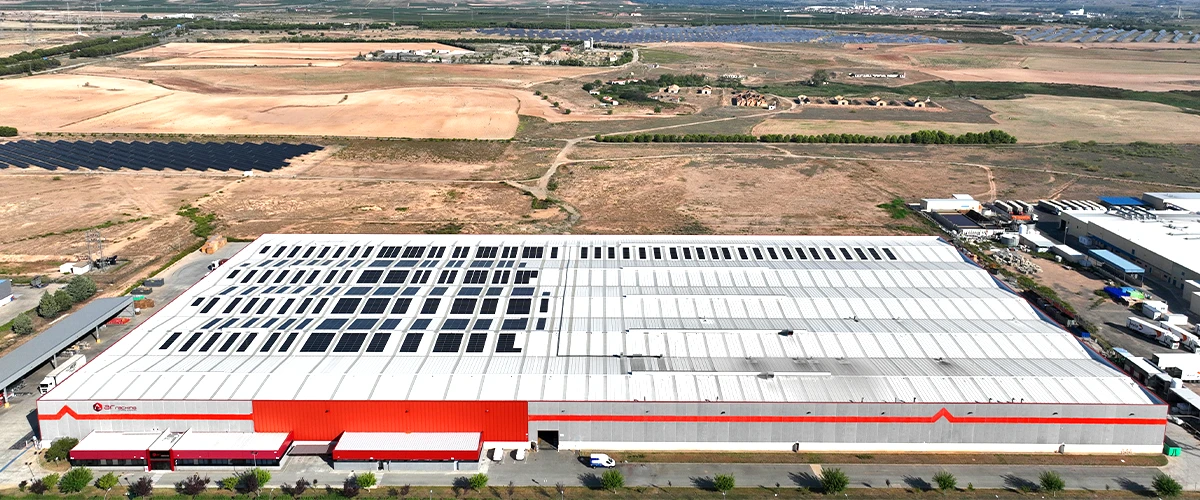
Laboratory Validation and Millimetre Precision for Export Projects
Automated stacker cranes and shuttles stop when rack geometry drifts out of tolerance. Robotic production and laser-controlled processes keep frames and beams within the tight tolerances that AS/RS integrators require, while manual warehouses benefit from faster and safer installation. For Ciudad del Este importers, this control also reduces site modifications, missing parts and rework after a long freight route.
We design, calculate, manufacture and install metal racking for warehouses and loads across South America. Owning each step gives buyers one accountable partner from steel coil to final load sign, with English and Spanish documentation and coordination through regional distributors.

Warehouse Trends Shaping Racking Demand in Ciudad del Este
The tri-border market is changing quickly. Racking decisions made today should support the operating model of the next five years.
Cross-Border E-Commerce & 3PL Growth
More SKUs, more split cases and faster dispatch are pushing warehouses toward selective racking, mezzanine pick faces and clear WMS location logic.
Cold-Chain & Food-Safety Investment
Food, beverage and frozen distribution require corrosion protection, hygienic details and FIFO planning. Racking must be designed for condensation and inspection access.
Vertical Expansion in High-Rent Zones
Land and building costs encourage mezzanines, five-level selective layouts and AS/RS-ready structures. Every vertical step requires floor and anchor verification.
Digital Lifecycle & Inspection Culture
QR labels, batched spare parts and periodic rack inspections are becoming part of procurement. Buyers increasingly ask for traceability, not only a delivered tonnage.
Certifications, Warranty and Documentation That Lower Procurement Risk
Certifications are not decoration. They shorten due diligence, support project specifications and give the buyer an audit trail when components arrive in Paraguay.
ISO 9001
Quality management system for consistent production and inspection.
ISO 14001
Environmental management across manufacturing operations.
ISO 45001
Occupational health and safety controls in the factory.
EN 1090-1
Factory production control for structural steel components.
ISO 3834-2
Welding quality requirements for metallic materials.
ISO 14064
Verified carbon reporting for more transparent procurement.
Systems carry a 5-year warranty, full component traceability and installation documentation prepared for export projects.
Ciudad del Este Procurement Questions, Answered for Buyers
These are the questions our engineers most often receive from importers, warehouse managers and procurement teams in the tri-border area.
Is CE certification mandatory for racking imported into Paraguay?
CE marking depends on product scope and the applicable import or project specification; it is not a single customs checkbox for every rack. For a defensible file, ask for EN 1090-1 factory production control where steel components are in scope, EN 15512 design calculations, EN 15620 tolerances, EN 15635 safe-use information and a project-specific declaration. If a supplier cannot explain the scope, treat the claim as a warning sign.
Which pallet sizes should I specify for a Ciudad del Este warehouse?
Measure the real pallets. Common formats include 1,200 × 1,000 mm, the European 1,200 × 800 mm pallet and the Brazilian PBR 1,000 × 1,200 mm. Beam length, decking support and frame depth must be dimensioned for the actual pallet, overhang and maximum load. Mixed pallet populations often require a flexible selective layout rather than a single fixed bay size.
How do humidity, heat and heavy rain affect racking?
Humidity accelerates edge corrosion, can damage labels and may make beam locks harder to inspect. Specify powder coating film thickness, consider galvanised finishes for wet or open-front sites, check drainage and ventilation, and set an inspection route. In cold rooms or washdown areas, condensation and hygiene requirements should be written into the purchase specification.
How long does delivery and installation take?
Timing depends on tonnage, finish, drawing approval, packing, freight route and customs clearance. A realistic schedule can only be confirmed after the bill of materials, delivery terms and import route are fixed. We provide written production and delivery schedules and coordinate installation through factory supervisors and trained regional partners.
What information is needed for a racking quotation?
Send the building layout with clear height, floor condition and column positions; pallet dimensions and maximum load; number of SKUs and pallets per SKU; daily throughput; forklift or automation type; temperature range; target city and photos of the site. This allows the engineer to propose a layout, calculate loads and identify the safest racking type.
What warranty and spare parts are available?
Storage systems carry a 5-year warranty, with component traceability and replacement parts such as uprights, beams, safety clips, base plates and anchors. Always confirm the upright profile, beam connector and load rating before ordering spares, because mixing incompatible components can compromise the structure.
Planning a New Warehouse or Expansion in Ciudad del Este?
Send your building layout, pallet dimensions, maximum load, clear height, temperature range, forklift type and target city. Our engineers will return a racking shortlist and preliminary layout direction before you place an import order.
Contact Us