8 Warehouse Rack and Shelf Systems Recommended for Ecuadorian Buyers
From 1,300 kg selective shelving to 4,000 kg multi-level pallet racking, these systems are specified for Ecuadorian pallet sizes, NEC seismic requirements, coastal humidity and cold-chain operations. Product links below preserve the original catalogue destinations.
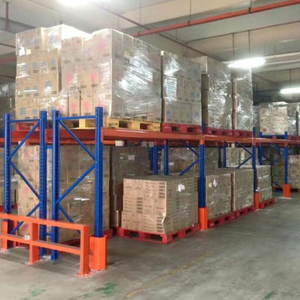
1300KG New Design Racks Industrial Warehouse Racking System Shelf Shelves Rack Shelving Storage 1400KG
A flexible 1,300–1,400 kg-class rack and shelf system for mixed pallet and carton storage in Guayaquil, Quito and regional distribution centres.
View product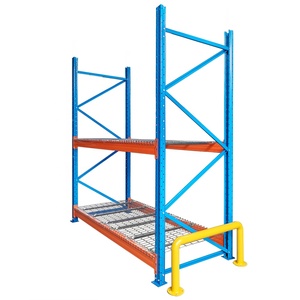
2500kg Layer Load Warehouse Storage Pallet Shelving Rack with Wire Mesh Decking
2,500 kg per layer pallet racking with wire mesh decking, useful for spare parts, retail pallets and mixed carton storage in humid coastal warehouses.
View product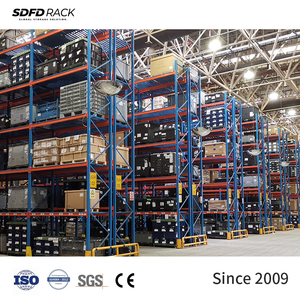
Heavy Duty Pallet Rack System Multi-layer Customized Metal High Load Industrial Warehouse Storage Steel Selective Pallet Racking
Custom multi-layer selective pallet racking for high-load industrial warehouses, designed for tall buildings, NEC seismic review and 1,200 × 1,000 mm pallets.
View product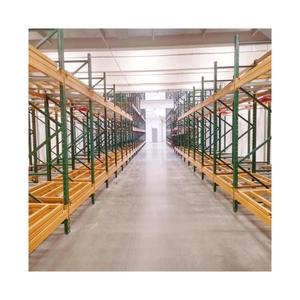
Custom Storage System Stacking Racks Shelves Warehouse Rack Push Back Pallet Racking with Guide Rail
Push-back racking with guide rails for LIFO storage, a practical fit for manufacturing buffers, seasonal stock and warehouses with limited aisle space.
View product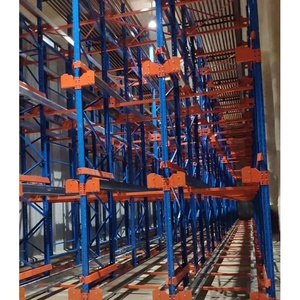
Customized Steel Pallet Rack Stacking Racks & Shelves Warehouse Storage Rack Heavy Duty Shuttle Racking for Industrial
Heavy-duty shuttle racking for high-density industrial storage, helping 3PLs and food processors reduce aisle count and improve throughput.
View product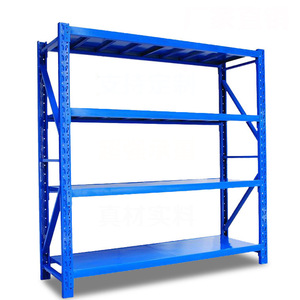
LIANGZO 5-Layer Steel Corrosion Protection Chrome Plated Storage Shelf for Warehouse Household Use Light/Medium Duty Display
5-layer chrome-plated storage shelving for warehouse and household light/medium duty display, ideal for retail backrooms, spare parts and small-item picking.
View product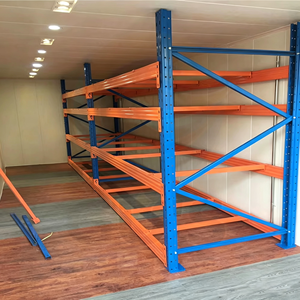
Heavy Duty Industrial Pallet Storage Racking 1000kg/2000kg/3000kg Capacity Per Layer Adjustable Steel Warehouse Rack
Adjustable 1,000/2,000/3,000 kg per-layer pallet racking, a practical export model for Ecuadorian wholesalers balancing price, payload and adaptability.
View product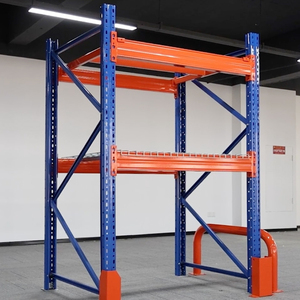
Warehouse Storage Rack 4000kg High Capacity Multi-Level Pallet Racking for Auto Parts Logistics Park Industrial Standard
4,000 kg high-capacity multi-level pallet racking for auto parts, logistics parks and industrial users, specified with reinforced frames and seismic bracing.
View productWhy Ecuador Is a Strategic Warehouse Racking Market in 2025–2030
Ecuador is not a single warehouse market. Guayaquil’s port-driven distribution, Quito’s high-altitude cold chain, Manta’s seafood processing corridor and the regional hubs of Cuenca, Ambato and Santo Domingo each demand a different racking specification.
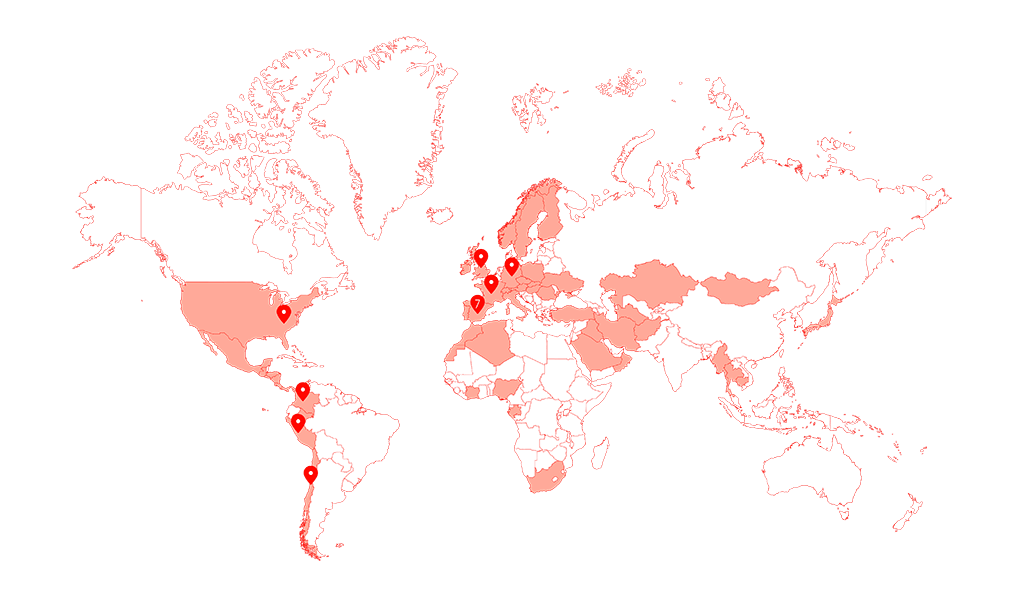
Countries with installed storage systems
Warehouse projects delivered worldwide
Annual steel production capacity
Of production exported worldwide
From port distribution to high-altitude cold chain
Ecuador’s dollarized economy is highly integrated with imported consumer goods, food processing, agriculture and petroleum services. This creates steady demand for storage capacity in Guayaquil, Quito, Manta, Cuenca, Ambato, Santo Domingo and border logistics corridors. Warehouse land near major consumption and port nodes is limited and increasingly expensive, so buyers are moving from floor stacking and basic shelving to engineered pallet racking, multi-tier picking and cold-store layouts that use vertical height safely.
Search demand for a China Best Warehouse Rack And Shelf Exporter & Wholesaler for the Ecuador market reflects a practical procurement problem: local buyers want export-grade steel, competitive container-loaded pricing, NEC-aware structural calculation, Spanish-language documentation and a supplier who can support installation through a trained distributor. Price alone is not enough. A rack that is under-designed for seismic action or for the actual pallet footprint creates a safety and compliance risk that outweighs the initial saving.
Alohatop Shelf supports Ecuadorian projects with selective pallet racking, drive-in, push-back, pallet shuttle, VNA, mobile racking, multi-tier picking shelving and automated warehouse structures. We design for the destination site, manufacture in an automated plant and coordinate shipping and installation through our export team and trained distributors. The same engineering logic that serves Chile, Peru, Colombia and Brazil is adapted to Ecuador’s NEC seismic provisions, humid coastal conditions and cold-chain temperature profiles.
Engineering for Ecuador: NEC Seismic Design, Humidity, Pallets and Ports
Ecuador sits in a high-seismic region. A racking layout that ignores seismic action may look acceptable in a CAD drawing but fail review when the project is checked against Ecuadorian Construction Code provisions and site-specific soil conditions.
Seismic verification, not guesswork
Reinforced uprights, bracing, heavier base plates, anchors and row spacers are specified where Ecuadorian NEC review and site conditions require them. Beam deflection limits are checked against the real load.
Finish systems for Guayaquil and Manta
Powder coating thickness, galvanized options and corrosion-resistant finishes are selected for humid coastal plants, seafood processing corridors and food warehouses where wash-down is routine.
Beam lengths for Ecuadorian pallets
We dimension frames and beams for 1,200 × 1,000 mm pallets, 1,200 × 800 mm Euro pallets, ISO formats and customer-specific banana, cocoa or shrimp carton footprints.
Container loading to Ecuador
Modular frames and beams are packed for 20 ft and 40 ft containers to Guayaquil, Manta or Puerto Bolívar, with loading plans, anti-rust protection and component traceability.
What Ecuadorian buyers should send for a reliable quote
To avoid over-designing one area and under-designing another, send the building layout with clear height, column grid, floor slab condition, pallet dimensions, maximum load per pallet, number of SKUs, pallets per SKU, daily throughput, forklift or automation type, temperature range and project city. For coastal sites, note whether the warehouse is open to sea air, washed down or climate-controlled. For cold stores, state whether the racking will operate in chilled, freezer or deep-freeze conditions.
Where Our Racking and Shelving Works in Ecuador
Ecuador’s economy depends on food exports, seafood, flowers, retail distribution and imported manufactured goods. Each flow has its own temperature, rotation and safety requirements.
Export cold-chain and packing houses
Pallet flow, mobile racking, drive-in and VNA systems support banana, cocoa, mango, pineapple and frozen fruit operations where FIFO control and energy cost per cubic metre matter. Cold-store designs are adapted for chilled, freezer and deep-freeze zones.
Processing and freezer warehouses
Manta, Esmeraldas and Guayaquil seafood processors need corrosion-resistant finishes, high-density storage and rapid stock rotation. Pallet shuttle and drive-in racking reduce aisle space in freezer rooms, while mesh decking improves carton support.
Cold-chain picking for high-value perishables
Flower exporters around Cayambe, Latacunga and Quito need fast order picking, FIFO traceability and clean cold-store layouts. Multi-tier picking shelving, carton flow and mobile racking help protect product quality and reduce cooling volume.
Supermarkets, retail DCs and fulfilment
Quito, Guayaquil and Cuenca retailers are expanding multi-tier picking, shelving and selective pallet racking to serve imported consumer goods and e-commerce orders. Raised walkway picking and carton flow improve pick rates without increasing building footprint.
Multi-client distribution centres
Third-party logistics operators need flexibility for changing clients and SKU profiles. Selective racking, double-deep and VNA layouts balance direct access with density, while clear labelling and load signs support safer multi-client operations.
Auto parts, appliances and spare-parts storage
Ecuadorian manufacturers and importers use cantilever, push-back, heavy-duty selective racking and multi-level pallet racking for raw materials, work-in-progress buffers, tyre storage, appliances and spare parts.
Ecuador Warehouse Trends That Affect Your 2025–2030 Investment
Warehouse investment in Ecuador is moving from simple capacity expansion to productivity, compliance and cold-chain efficiency. These four trends should shape your racking brief.
Seismic compliance and technical inspection
More Ecuadorian buyers now ask for structural calculation, anchor details and periodic rack inspection. A racking supplier that can provide drawings, component traceability and load signs is easier to approve internally.
Cold-chain energy efficiency
Banana, shrimp, flower and frozen-food operators are looking at pallet positions per cooled cubic metre, not just rack price. Mobile racking, VNA and high-density shuttle systems reduce aisle volume and cooling loss.
Automation readiness
AS/RS, pallet shuttle, AMR and WMS integration are no longer only for very large DCs. Many Ecuadorian projects start with manual racking but require tolerances and layouts that can be upgraded later without rebuilding the warehouse.
Vertical storage and sustainable steel
As land and construction costs rise, buyers use taller selective, VNA and self-supporting structures to increase capacity on the same footprint. Steel racking is recyclable, and optimized designs reduce total tonnage per pallet position.
Which Pallet Racking System Fits Your Ecuadorian Warehouse?
Use this early-stage comparison to align storage density, access and stock rotation with your operation. Final selection depends on SKU profile, throughput, building height, temperature and NEC seismic review.
Manufacturing and Quality Advantages Behind Alohatop Shelf
Alohatop Shelf LLC is a manufacturer and exporter, not a trading shell. Our production, testing and export processes are built for buyers who need a single accountable partner from steel coil to loading plan.
Full project control, from steel coil to installation sign-off
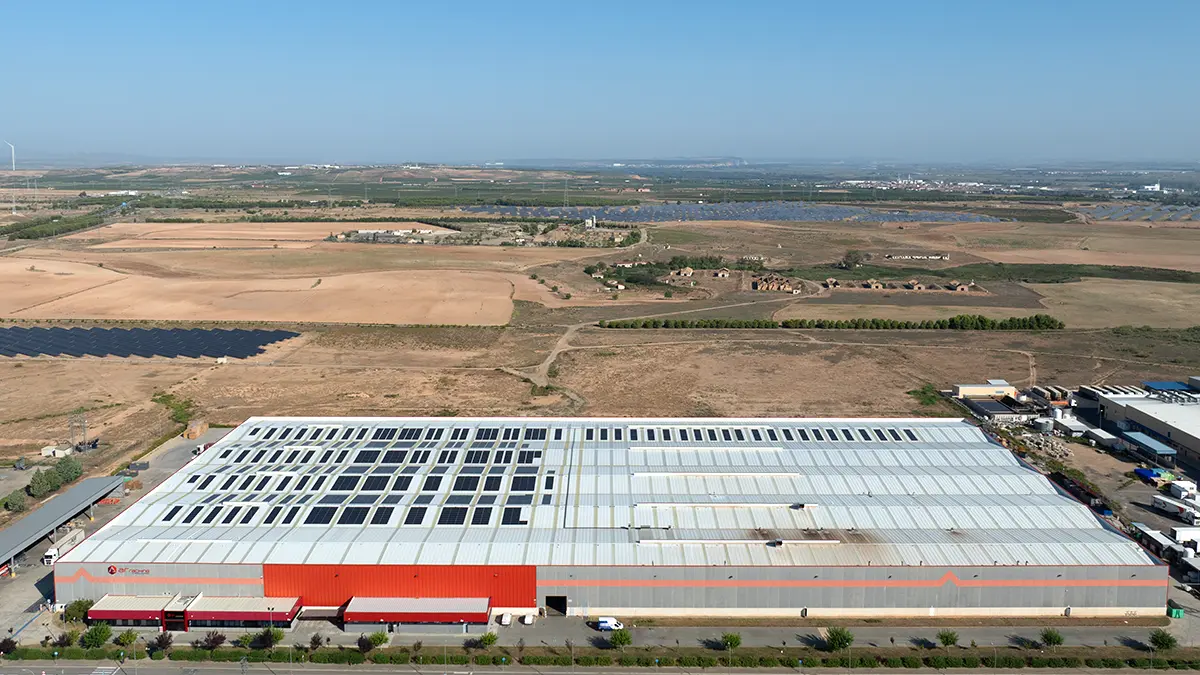
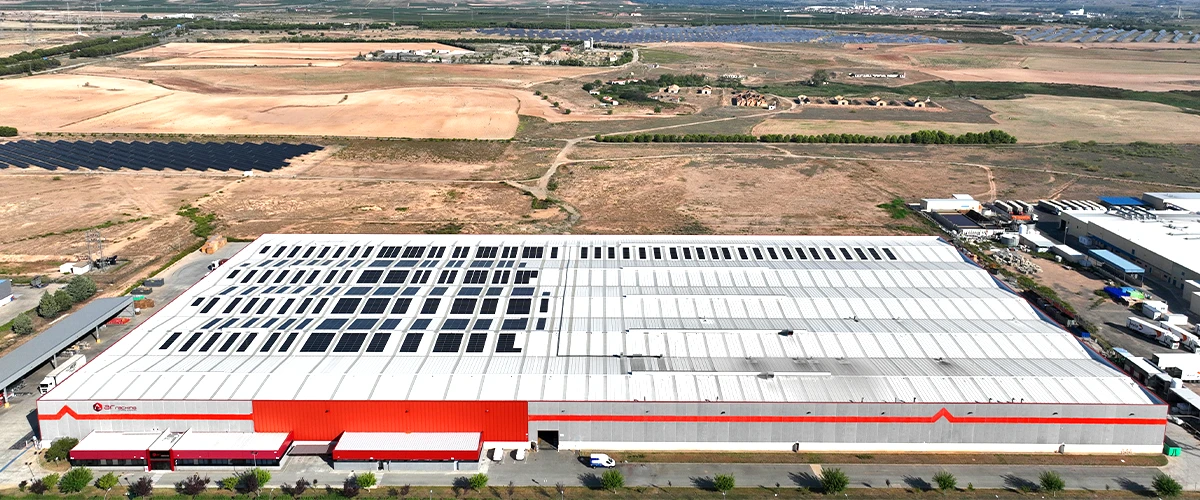
Our 35,000 m² automated production centre has more than 100,000 t of annual steel processing capacity, and more than 90% of output is exported. For Ecuadorian buyers, that means one accountable partner for structural design, manufacturing, container loading and installation coordination. Every upright and beam can be traced from production batch to installation, and systems carry a 5-year warranty.
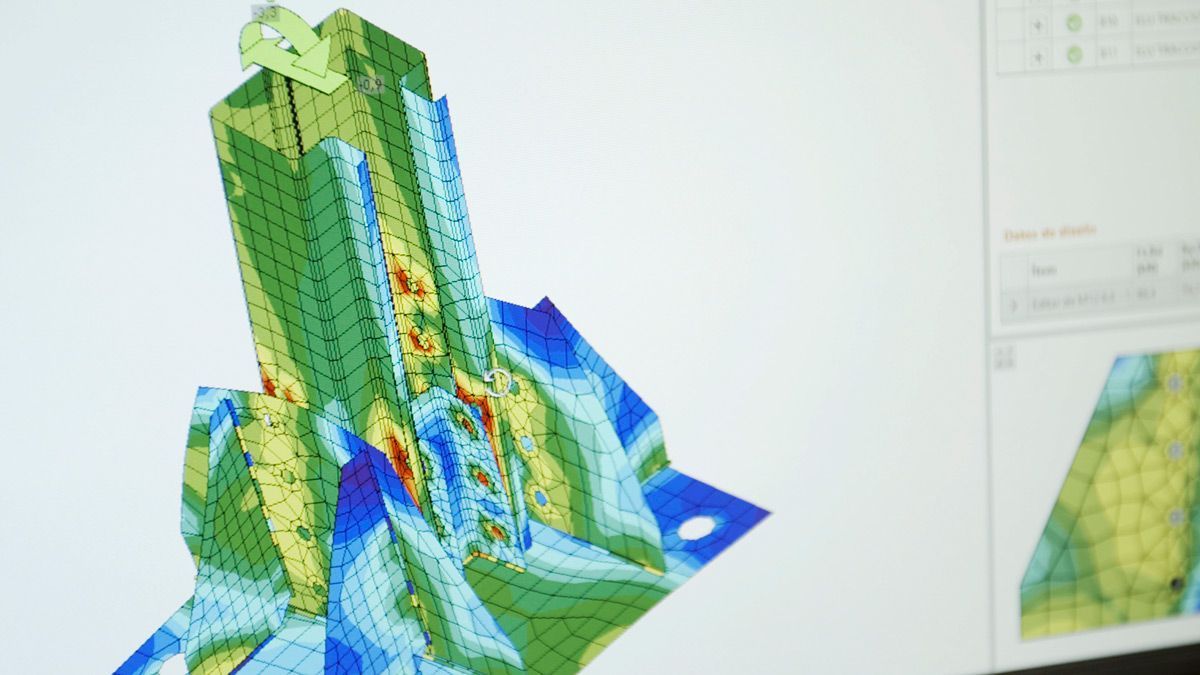
Engineering is validated beyond the drawing office. Our technology centre collaborates with an R&D laboratory at Mondragon University, and a research and simulation chair at the University of the Basque Country supports calculation models and simulation tools. We use finite-element simulation and physical testing to verify frames, beams and connections, then review designs against European standards and local South American codes, including Ecuador’s NEC seismic requirements.
Millimetre precision for manual and automated warehouses
Automated stacker cranes and shuttles stop when rack geometry drifts out of tolerance. Robotic production and laser-controlled processes keep every frame and beam within the tight tolerances that AS/RS integrators require, while also giving manual warehouses faster and safer installation. That consistency matters in Ecuador, where installation windows may be tied to port schedules, building handover and seasonal export peaks.
Our export team supports Ecuadorian projects with layout review, load calculations, container loading plans, component lists, installation drawings and warranty documentation. For buyers comparing Chinese suppliers, the advantage is not only price per tonne; it is fewer site surprises, clearer documentation and a support path after the container arrives.
 ISO 9001
Quality management
 ISO 14001
Environmental management
 ISO 45001
Health & safety at work
 ISO 50001
Energy management
 EN ISO 3834-2
Welding quality control
 EN 1090-1
Structural steel components
 ISO 14064
Verified carbon footprint
Racking Projects in Ecuador: Common Buyer Questions
These are the questions our export engineers most often receive from Ecuadorian warehouse owners, contractors, distributors and procurement managers.
Can you design racking to Ecuador’s NEC seismic code?
What is the minimum order for export to Ecuador?
How long does production and shipping take to Guayaquil or Manta?
Which pallet sizes are common in Ecuador?
Can you supply cold storage racking for banana, shrimp or flower operations?
Do you provide installation and after-sales support in Ecuador?
What information is needed for a quotation?
How do you protect racking during ocean shipping and customs clearance?
Can you support a warehouse expansion or phased automation project?
How to Start Your Ecuador Warehouse Racking Project
A clear brief shortens the path from first enquiry to container loading. Our export engineers use a four-step process to move from layout data to an installable racking package.
Share your data
Send building layout, clear height, pallet size, load per pallet, SKU profile, throughput, temperature and project city.
Layout and calculation
Our engineers propose racking type, bay dimensions, aisle widths and seismic measures, then prepare a preliminary layout.
Quotation and drawings
We confirm materials, finish, accessories, container loading, lead time and warranty terms, then issue approval drawings.
Production and shipment
Production follows approved drawings, with QC checks, traceability, export packing and documents for Ecuador customs clearance.
Planning a new warehouse, cold store or expansion in Ecuador?
Send your layout and load data. Our storage engineers will recommend the safest, most space-efficient racking solution for your site, with NEC-aware engineering, export packaging and installation support. Request the latest product catalogue to compare selective racking, shelving, shuttle, VNA and cold-storage systems.