China Top High Bay Rack Storage Manufacturers & Manufacturer Serving Georgetown
Engineered high-bay pallet racking, warehouse storage systems and project support for Georgetown buyers who need more cubic capacity, safer access and a manufacturer accountable from steel coil to final load sign.
8 High Bay Rack Storage Products for Georgetown Warehouse Projects
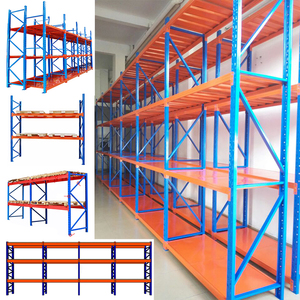
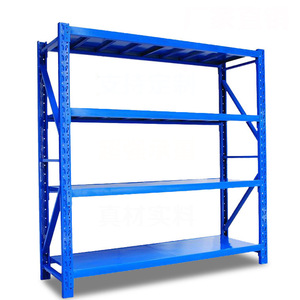
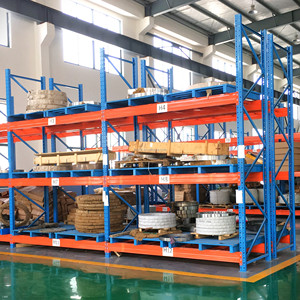
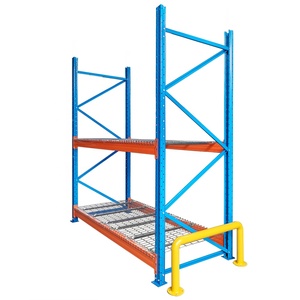
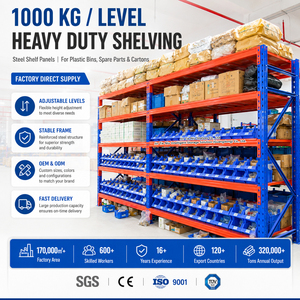
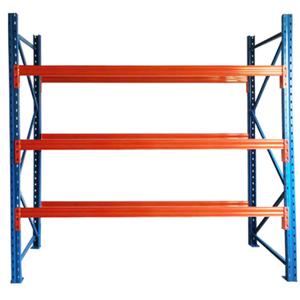
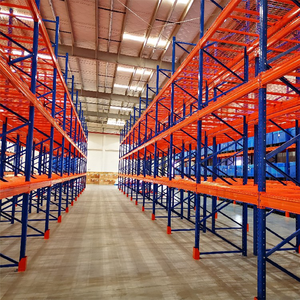
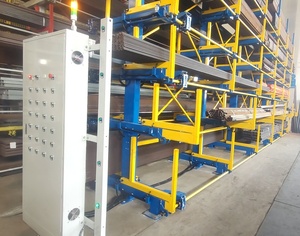
These storage systems cover heavy-duty pallet racking, warehouse shelving, customized pallet racking, wire-mesh decking, bin and carton storage, industrial pallet racking, high-strength metal racks and cantilever storage. Product URLs are preserved for direct technical review.
60+
Countries with installed storage systems, supported by export documentation and project coordination.
42,000+
Warehouse projects delivered across distribution, manufacturing, cold chain and logistics operations.
100,000t
Annual steel production capacity from a highly automated manufacturing centre of 35,000 m².
90%
Of production exported worldwide, with experience preparing racking for sea freight and site assembly.
What High Bay Rack Storage Really Means for a Georgetown Warehouse
High-bay rack storage is not simply a taller version of standard shelving. It is an engineered storage structure in which frame geometry, beam capacity, floor tolerance, fire protection, forklift or automated access, humidity exposure and installation quality all interact.
Vertical capacity with controlled access
For Georgetown operations facing limited yard and floor space, high-bay selective, very narrow aisle, double-deep, pallet shuttle or mobile racking can increase pallet positions per square metre. The right system depends on SKU count, pallet movement and whether every pallet must be directly accessible.
Engineering before fabrication
A credible high-bay manufacturer calculates upright capacity, beam deflection, base plate loading, anchor design, row spacing and impact protection against the actual pallet, load and building. Catalogue prices without load data are not comparable engineering proposals.
Designed for the building, not the brochure
Clear height, roof structure, sprinkler layout, slab flatness, dock access, forklift type and future automation all change the design. A Georgetown project may need phased delivery, container-optimized packing and an installation sequence that keeps existing operations running.
Information gain for buyers: request load calculations, component traceability, finish specification, installation tolerances and post-installation inspection criteria before comparing supplier prices.
High Bay Rack Storage in Georgetown: Practical Application Scenarios
Georgetown is an import gateway and commercial hub for Guyana and the wider CARICOM corridor. The same racking structure can serve very different operations, so the right solution begins with the product profile and daily flow rather than the height alone.
Oil, gas and marine supply yards
MRO spares, valves, fittings, safety equipment, tools and packaged materials benefit from high-strength selective racking, small-parts shelving and cantilever storage. Clear labelling, heavy-duty beam capacity and corrosion-conscious finishes matter in coastal Georgetown environments.
Rice, sugar, agro-processing and export consolidation
Bagged and palletized agro-products need stable beam levels, clean decking options and a layout that supports FIFO rotation. High-bay pallet racking can help consolidate export lots before container stuffing or regional distribution while keeping inspection access practical.
Imported retail, e-commerce and CARICOM distribution
Multi-SKU importers often need picking shelving, carton racking and high-bay pallet reserve zones in the same building. Combining fast-pick levels with higher reserve storage reduces handling and makes better use of limited commercial space in Georgetown and East Bank Demerara.
Cold chain and food import warehousing
Frozen, chilled and temperature-sensitive food operations can use VNA, drive-in, mobile or pallet shuttle racking to reduce cooled aisle volume. For Georgetown importers, insulation continuity, floor moisture control, fast door cycles and future cold-store expansion should be reviewed early.
Building materials, hardware and construction supply
Long goods such as pipes, profiles, timber and fabricated frames suit cantilever racking, while palletized cement, tiles, sanitaryware and tools fit heavy-duty pallet systems. A mixed layout often improves yard-to-warehouse transfer and reduces double handling.
Small parts, automotive and appliance service operations
Plastic bins, cartons, spare parts and service accessories are better served by multi-level steel shelving and picking racking. High-bay design can reserve upper levels for slower-moving stock while keeping ground-level access fast for counter sales and technician collection.
Trends Shaping High Bay Storage Demand in Georgetown
Guyana’s growth is creating new warehouse expectations. Buyers are no longer asking only for racking capacity; they are asking for speed to install, import-friendly packing, corrosion resistance, future automation readiness and long-term safety documentation.
Port-led and energy-sector warehousing
Activity around Georgetown, the Demerara River and East Bank commercial corridors is increasing demand for organized storage of imported goods, project cargo, MRO spares and distribution stock. High-bay systems help convert expensive floor area into usable cubic storage.
High-bay retrofits as land gets tighter
Where expansion land is limited or costly, the first question becomes how to use existing clear height. VNA racking, double-deep layouts and mobile systems can add capacity without expanding the building footprint.
Automation readiness from day one
Warehouses that may later add WMS-directed picking, pallet shuttles, AGVs or AMRs need tighter rack tolerances, clear interface points and future power/data planning. Designing for automation later is cheaper than correcting poor geometry afterwards.
Climate-resilient specification
Georgetown’s tropical humidity, heavy rainfall and salt-laden coastal air make surface protection, drainage, ventilation, fastener selection and periodic inspection part of the storage specification, not an afterthought.
What Changes a High-Bay Rack Design for Georgetown?
Two warehouses can have the same square metres and still need completely different racking. These are the variables our engineers test before recommending a high-bay configuration for a Georgetown project.
Start with the operating reality, then calculate the steel
A high-bay warehouse in Georgetown may be exposed to humid air, salt spray, high rainfall periods, imported pallet quality variation and changing SKU mix. The design should begin with pallet dimensions, maximum load, load uniformity, beam levels, handling equipment, clear height, floor slab capacity and fire strategy.
For export projects, packaging and shipping are also engineering inputs. Long uprights must be protected for sea freight, container loading must follow a practical sequence, and installation must be planned around site access, local labour and operations that cannot stop during construction.
- Load profile: pallet size, weight, overhang, decking type and load per level.
- Building envelope: clear height, slab flatness, roof members, sprinkler layout and column grid.
- Access strategy: counterbalance forklift, reach truck, VNA truck, mobile base, shuttle or future automated equipment.
- Local environment: humidity, coastal salt exposure, drainage, ventilation and cleaning regime.
- Commercial flow: SKU count, pallets per SKU, FIFO/LIFO rules, peak throughput and phased expansion.
High-bay design priority index
Typical Georgetown-type planning emphasis
Planning index only; every project requires project-specific calculations and site review.
Why a Manufacturer-Led Partner Matters for Georgetown Buyers
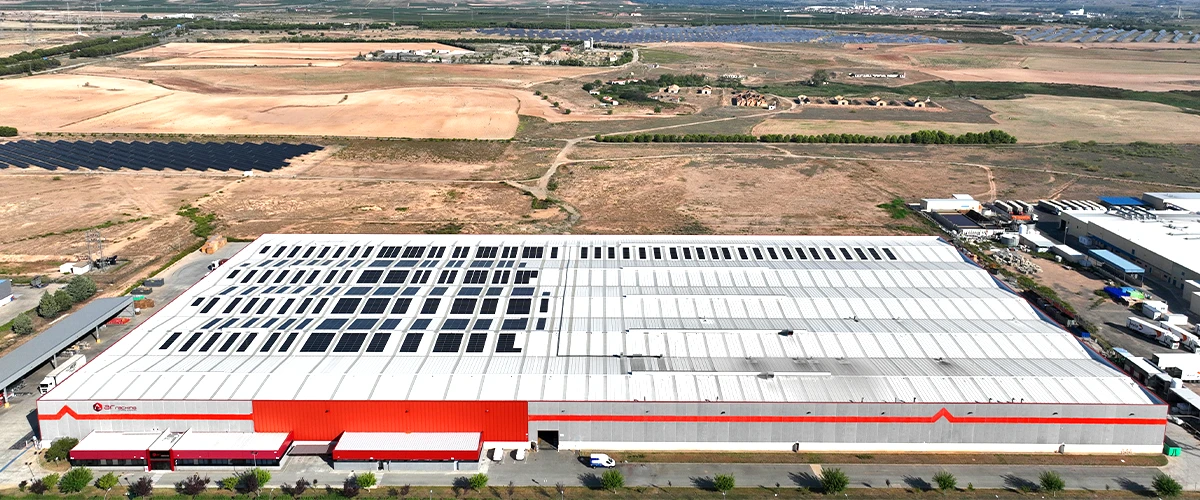
Alohatop Shelf is a designer, manufacturer and installer of industrial racking and warehouse storage systems. For overseas buyers, the difference between a manufacturer-led project and a reseller-led transaction appears in component traceability, engineering response, packaging discipline, spare-part planning and accountability when site conditions differ from the drawing.
Our production model is built for export: 35,000 m² of highly automated production space, more than 100,000 t of annual capacity, 60+ countries served, 14 own branches and 70+ trusted distributors. More than 90% of production is exported, so racking is prepared for sea freight, customs documentation and site assembly rather than treated as a domestic delivery.
- Full project control: engineering, calculation, manufacturing, finishing, packing and installation guidance.
- Traceability: uprights and beams linked to production batch and project documentation.
- 5-year warranty on storage systems, supported by clear component and inspection records.
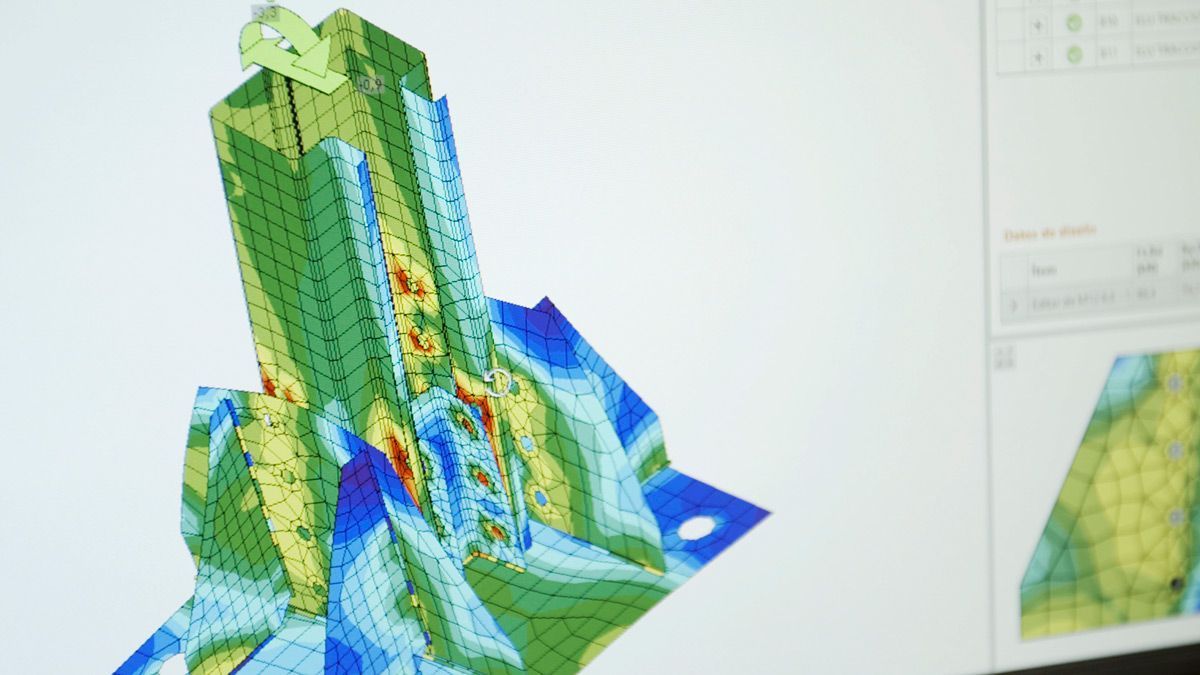
- R&D validation: cooperation with a university R&D laboratory and simulation research for frame, beam and connection behaviour.
- Automated production: robotic and laser-controlled processes help maintain tolerances required by manual and automated warehouses.
Engineering Validated in Laboratory and Production
High-bay racking cannot be sold responsibly on photographs alone. Component behaviour, connection strength and installation tolerances must be understood under realistic load cases. Our technology centre works with an R&D laboratory at Mondragon University, while a research and simulation chair at the University of the Basque Country supports calculation models and simulation tools.
For a Georgetown buyer, that engineering culture translates into more useful questions: What is the actual beam deflection under load? How is the base plate anchored? What protection is provided against forklift impact? How will humidity affect the finish? What spare uprights and beams should be stocked for future expansion? These are the details that protect people, stock and uptime after the containers arrive.
Certified Manufacturing, Traceable Components and a 5-Year Warranty
Storage systems are manufactured under international management standards, with full component traceability. ISO 14064 verified carbon reporting is also part of the wider sustainability framework.
Procurement, Shipping and Installation to Georgetown
An export high-bay project succeeds when engineering, container packing, site preparation and installation are planned as one process. The sequence below is the practical path from first enquiry to operational storage.
Share site and load data
Send building drawings, clear height, slab information, pallet sizes, maximum load, SKU profile, throughput, temperature range, forklift type and target project area in Georgetown.
Engineering and layout proposal
Our team reviews the storage strategy, calculates capacities, proposes racking geometry and prepares documentation for commercial and technical comparison.
Production and export packing
Components are manufactured under quality control, protected for sea freight and packed with a container loading plan. Shipping to the Port of Georgetown and clearance requirements are coordinated with your freight partners.
Installation and handover
Installation follows approved drawings, plumb and level tolerances, anchor schedules and load signage. Post-installation inspection and spare-part planning protect long-term performance.
Frequently Asked Questions from Georgetown Buyers
These are the questions warehouse, procurement and operations teams commonly ask when comparing high-bay rack storage manufacturers for Georgetown, Guyana and wider Caribbean distribution projects.
Send an InquiryAre you a manufacturer or a trading company for high-bay rack storage serving Georgetown?
We operate as a designer, manufacturer and project partner for industrial racking and warehouse storage systems. The manufacturing scope includes uprights, beams, frames, shelving and related steel components, with engineering and installation guidance available for export projects. For Georgetown buyers, this means technical questions can be answered by the same organisation that controls production, packing and component traceability.
How is high-bay racking shipped to Georgetown, Guyana?
Export orders are prepared for sea freight and container loading, with component protection, batch identification and packing plans designed to reduce transit damage. Delivery is typically coordinated to the Port of Georgetown, with your freight forwarder handling customs clearance and final inland transport. We can provide the commercial and packing documentation needed for the shipment and advice on receiving, unloading and site storage before installation.
What information do you need to quote a high-bay system for a Georgetown warehouse?
Send the building layout with clear height, column grid, floor slab information, pallet dimensions, maximum load weight, number of SKUs, pallets per SKU, daily throughput, handling equipment, temperature range, dock access and the project location in Georgetown. If a future automation plan exists, include it early. The more accurate the input data, the more reliable the layout, load capacity and shipping estimate.
Will racking corrode in Georgetown’s humid coastal climate?
Corrosion risk depends on coating specification, ventilation, drainage, cleaning practice, humidity exposure and the presence of salt-laden air. High-bay racking for coastal Georgetown projects should be specified with the finish and inspection regime agreed in advance. We review the application environment and recommend surface protection, component handling rules and periodic inspection points so that minor damage or coating wear is identified before it affects structural performance.
Can high-bay racking help where floor space in Georgetown is limited?
Yes. Very narrow aisle racking, double-deep racking, mobile pallet racking and pallet shuttle systems can increase storage density compared with conventional selective racking. The trade-off is equipment type, throughput, SKU rotation and access. A high-SKU operation may still prefer selective racking, while a low-SKU, high-volume importer may benefit from deeper lanes or VNA layout.
Do you support cold storage, food and agricultural storage projects?
Yes. We supply racking concepts for cold stores and freezer warehouses using steels and finishes suitable for low temperatures, including mobile, drive-in, VNA, pallet shuttle and self-supporting structures. For Georgetown food importers, fruit and vegetable processors, or frozen food distributors, the design should consider temperature range, moisture, door cycles, cleaning routines and future expansion.
What warranty and quality documentation back the storage system?
Storage systems carry a 5-year warranty and are produced under ISO 9001, ISO 14001, ISO 45001, ISO 50001, UNE EN ISO 3834-2 welding quality and EN 1090-1 structural steel certification. ISO 14064 verified carbon reporting is also part of the wider sustainability framework. Component traceability supports maintenance planning and future expansion.
Can we order spare parts or arrange an inspection after installation?
Yes. For export projects it is advisable to plan a small critical spare inventory, such as beams, uprights, safety pins, anchors and impact protection, based on the final layout. Periodic inspection should check impact damage, beam deflection, anchor condition, finish wear and loading practice. This is especially important in busy warehouses where forklift traffic and high pallet turnover can affect racking over time.
Planning a High-Bay Warehouse in Georgetown?
Share your building height, pallet data, load weight, SKU profile and target throughput. Our storage engineers will use that information to recommend a safer, more space-efficient high-bay rack storage system and prepare the next technical step for your Georgetown project.