8 Garment-Ready Warehouse Storage Products for Fashion Retail Projects
Fashion warehouses rarely need hanging rails alone. The modules below are specified by retailers, importers, 3PLs and wholesale distributors when a garment hanging project also requires reserve pallet storage, carton picking, cantilever storage for irregular items or high-corrosion protection. Each product URL is preserved for direct technical review.
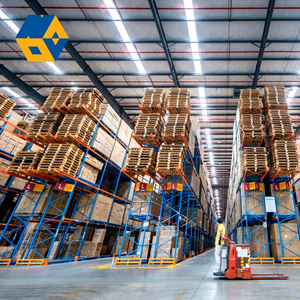
Heavy Duty 2000KG Per Layer Large Capacity Racking System Warehouse Storage High Duty Beam Stacking Pallet Rack Shelving Unit
Use for boxed footwear, folded apparel and seasonal reserve behind hanging pick faces. The high load capacity supports dense fashion replenishment.
View product →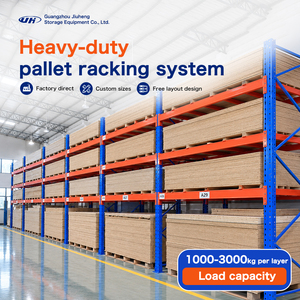
Heavy Duty Pallet Racking System Steel Warehouse Storage Rack Industrial Pallet Rack Adjustable Beam Storage Solution
Adjustable beam levels allow fashion warehouses to change carton and tote heights between seasons, promotions and store-replenishment cycles.
View product →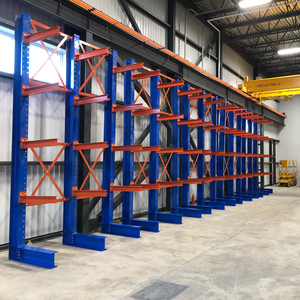
Heavy Duty Adjustable Corrosion Protected Industrial Warehouse Storage Steel Cantilever Rack for Irregular Goods Indoor/Outdoor
Useful for long rolled materials, mannequins, visual-merchandising fixtures, signage and non-standard retail equipment that does not fit pallet bays.
View product →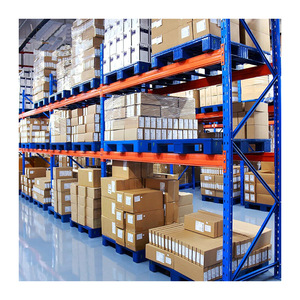
Mracking Heavy Duty Metal Pallet Storage Racking 1000kg/2000kg/3000kg Per Layer Industrial Pallet Shelving Rack
Multiple load classes let project teams standardize on one supplier while matching rack capacity to cartoned fashion, accessories and footwear.
View product →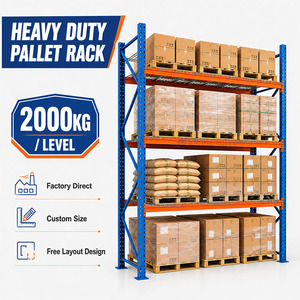
Heavy Duty Steel Beam Pallet Racking System with High Load Capacity for Industrial Warehouse Storage
For fashion distribution centers with high bay reserve storage and a need for simple forklift access to palletized cartons and imported stock.
View product →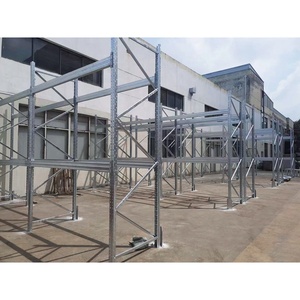
Warehouse Storage Strong Corrosion Resistance Capability Hot Dip Galvanize Pallet Rack Outdoor Storage Rack
Relevant for port-adjacent operations and coastal humidity in Barranquilla, Cartagena and Santa Marta where zinc protection is critical.
View product →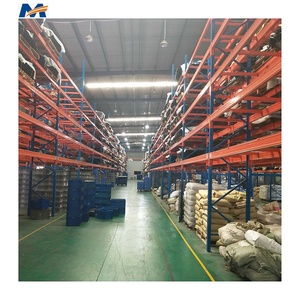
China Estantes Metalicos Heavy Duty Pallet Rack Beams Store Steel Shelving for Warehouse
Beam sets and replacement components support phased warehouse expansion, seasonal layout changes and long-term spare-parts planning.
View product →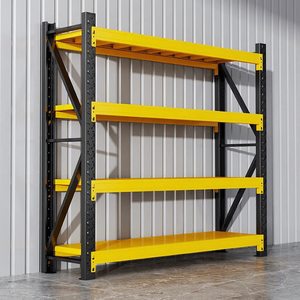
Adjustable Medium Duty Steel Shelf Rack with Four Boltless Tiers for Garage/Warehouse Storage Supporting 200/500 kg
An economical pick face for folded apparel, accessories, packaging and e-commerce returns alongside higher-density garment hanging rails.
View product →Colombia’s Fashion Warehouse Challenge: Hanging Capacity, Speed and Control
Colombia is no longer a store-only apparel market. Bogotá multi-brand retail groups, Medellín garment manufacturing, Cali wholesale networks and Caribbean coast import-driven retail are combining store replenishment, e-commerce fulfilment and wholesale distribution under one roof.
A single building may receive garments on hangers from Asia, allocate them to hundreds of stores, hold folded denim and shoes in reserve, and process online returns the same day. That is why garment hanging racking cannot be treated as furniture. It is a controlled storage system that affects garment shape, picking speed, stock accuracy, fire clearance, seismic safety and the true cost per hanging position.
Hanging metres are revenue metres
A rail that is 3 metres long is not automatically 3 metres of usable hanging space. Hanger type, garment weight, rail deflection, tier height and aisle clearance all reduce or expand usable capacity. In premium fashion, the wrong rail spacing damages shoulders and creates rework; in fast fashion, over-engineered spacing wastes rent.
One building, multiple stock profiles
Fashion retail warehouses mix hanging garments, folded stock, boxed footwear, accessories, packaging, visual-merchandising equipment and returns. A strong design zones these flows: GOH receiving and quality control, hanging pick faces, carton reserve, returns quarantine and wholesale order staging.
Colombia-specific risk is engineered out
Seismic demand under NSR-10, high-altitude logistics in Bogotá, humid coastal air in Cartagena and Barranquilla, and mixed import and domestic supply chains change the specification. Anchor design, corrosion protection, packing, documentation and installation supervision must be planned from day one.
Four Garment Hanging Racking Configurations for Fashion Retail Warehouses
The correct configuration depends on how garments arrive, how they are picked and how much rent or cooled space you are paying for. Most Colombian projects combine two or more of these systems.
Static single-tier hanging rails
Best for showroom back-up, wholesale sample rooms, store replenishment and low-to-medium volume fashion warehouses. Straight rails, adjustable uprights and powder-coated finish deliver quick installation and a low cost per hanging metre.
Double-sided and multi-tier hanging
Best for department stores, multi-brand retail DCs and high-SKU fashion operations. Double-sided units reduce aisle count, while two or three tiers multiply hanging positions without expanding the building footprint.
Mobile hanging racking
Best for high-rent urban warehouses, seasonal archives and slow-moving fashion stock. Bays move on rails to open one aisle at a time, dramatically increasing hanging density while retaining direct access when the aisle is opened.
Hybrid GOH and reserve racking
Best for importers, 3PLs and omnichannel retailers. Garment rails at picking level, pallet racking behind or above for boxed goods, and medium-duty shelving for folded apparel and accessories create one controlled flow.
Where Garment Hanging Racking Creates the Most Value in Colombia
Fashion storage requirements change by city, building type and sales channel. These are the local application patterns our project engineers review first.
Bogotá retail distribution centers
High SKU counts, multiple store banners and tight replenishment windows favour double-sided hanging rails, two-tier picking faces and clear WMS location labelling. Reserve carton racking protects the pick face from seasonal peaks.
Medellín fashion manufacturing buffers
Production and finishing lines need a short, controlled buffer between garment completion, quality inspection and dispatch. Adjustable rail heights let manufacturers switch between shirts, outerwear and dresses without rebuilding the rack.
Cali wholesale and showroom operations
Wholesale buyers need to see, touch and compare samples quickly. Double-sided display rails and accessible sample zones reduce handling, while reserve storage keeps bulk stock away from the selection area.
Caribbean coast import warehouses
Cartagena, Barranquilla and Santa Marta operations face coastal humidity and port-driven receiving peaks. Hot-dip galvanized or high-build powder-coated systems protect structural parts, especially in semi-open or cross-dock areas.
How to Size and Specify Garment Hanging Racking for Colombia
The most common specification error is to quote only “hanging metres” without hanger type, garment weight, rail deflection, tier spacing or aisle strategy. Use the comparison and planning data below as a starting point for layout studies.
Static single-tier
Fast picking, lowest engineering complexity, lower density per square metre.
Double-sided / multi-tier
Strong balance of density and access for department stores and multi-brand DCs.
Mobile hanging racking
Highest density for seasonal, archive and high-rent urban warehouses.
Hybrid GOH + reserve
Best overall control for importers and 3PLs handling hanging and boxed stock.
Planning formula
Required hanging metres = peak garments on hangers × garment allowance, then add aisles, returns buffer, reserve stock and future growth. Example: 8,000 mixed garments at 28 garments per metre = about 286 linear metres of rail before layout allowances. Final figures must be signed off against your garment mix, hanger type, rail deflection and NSR-10 requirements.
Colombia-specific specification checklist
Confirm the building’s seismic zone and soil conditions under NSR-10; define anchor design and base-plate requirements; specify powder coating or hot-dip galvanizing for coastal humidity; verify sprinkler and fire-clearance requirements; and plan spare rail brackets, beam clips and location labels before shipment.
Engineering note: garment hanging racking is a loaded structure, not a display accessory. Rail capacity, frame stability, bracing and anchoring must be calculated for the actual garment load and building conditions. Do not rely on generic rail load tables without project verification.
Trends Reshaping Fashion Storage in Colombia
Search demand for garment hanging racking is shifting from simple product searches toward project-based questions: seismic design, hanging density, humidity protection, import documentation and installation support.
Omnichannel retail is merging stock pools
Store replenishment, marketplace orders and click-and-collect now draw from the same inventory. Fashion warehouses need hanging pick faces that support fast location scanning, returns segregation and store-ready carton flow rather than static showroom storage.
Faster drop cycles demand adjustable rails
Shorter fashion seasons make fixed shelving less attractive. Adjustable rail heights, movable dividers and modular uprights let retailers reconfigure between collections without buying a new system or closing the aisle for long periods.
Urban rent pressure favours high density
Land and warehouse rents around Bogotá and Medellín encourage multi-tier hanging, mobile racking and high-bay reserve storage. The objective is not maximum pallets; it is maximum garment positions per square metre with safe access and future flexibility.
ESG and nearshoring raise documentation standards
Buyers increasingly request material traceability, ISO management systems, verified carbon reporting and packaging data. Our ISO 14001, ISO 45001, ISO 50001 and ISO 14064 credentials support procurement teams that must document supplier performance.
Manufacturer & Wholesale Partner Advantages for Colombian Fashion Retailers
Alohatop Shelf LLC is an industrial storage manufacturer and wholesale supplier, not a catalogue reseller. The engineering discipline used for pallet racking, AS/RS and cold-store structures is applied to fashion retail projects: rails, uprights, base plates, bracing and connections are calculated, finished, packed for export and traceable by batch.
Full manufacturing control
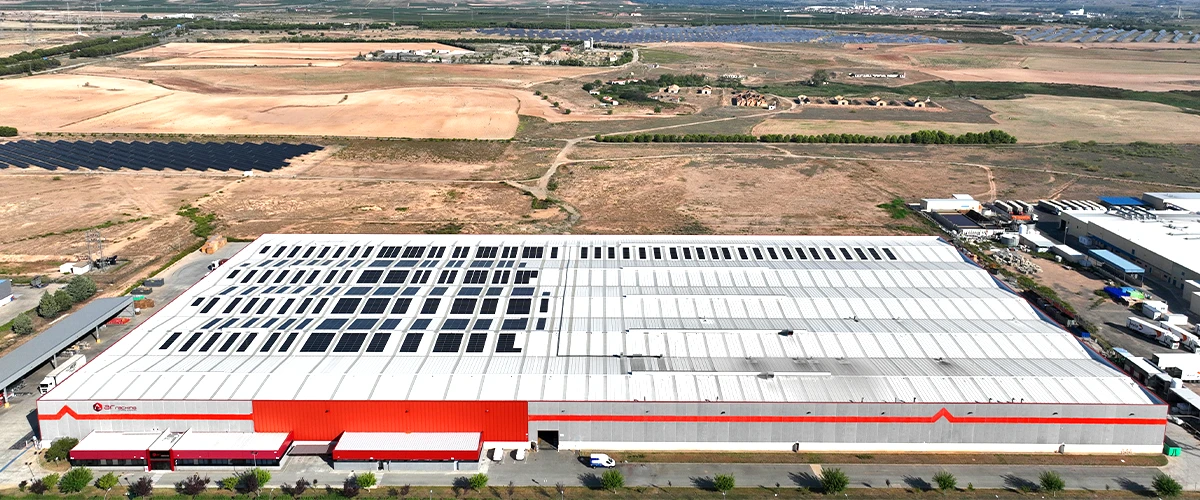
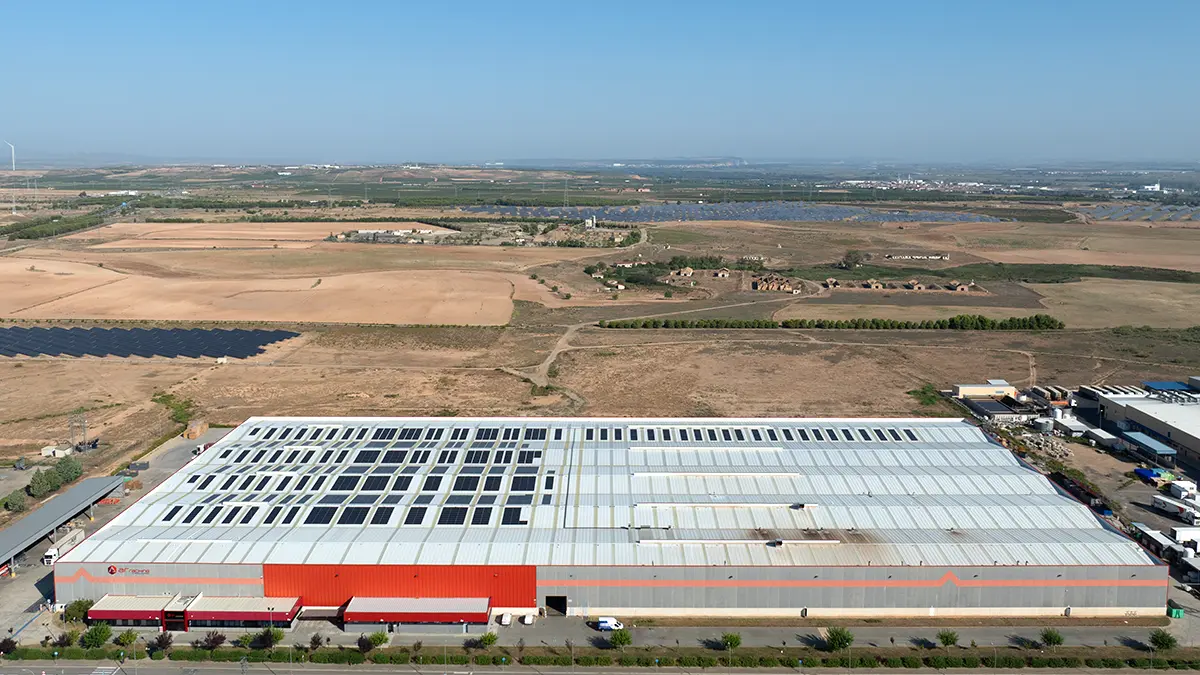
Our 35,000 m² highly automated production centre has more than 100,000 t of annual steel capacity. More than 90% of output is exported, and project components remain traceable from steel batch to installation.
Engineering validated by testing
Our technology centre works with the R&D laboratory at Mondragon University and a research and simulation chair at the University of the Basque Country to test component behaviour, load capacity and connection performance.
Certified quality and safety
Systems are produced under ISO 9001, ISO 14001, ISO 45001, ISO 50001, UNE EN ISO 3834-2 welding quality, EN 1090-1 and ISO 14064 verified carbon reporting, with a 5-year warranty and full component traceability.
Export-ready Colombia support
We serve more than 60 countries through 14 branches and 70+ distributors. For Colombia, we prepare export packing, technical drawings, component lists, anchor plans and installation supervision for projects in Bogotá, Medellín, Cali, Barranquilla and Cartagena.
Automated roll-forming and steel processing at our 35,000 m² production centre.

R&D with Mondragon University and the University of the Basque Country validates frame and connection behaviour.
Robotic production keeps tolerances tight for high-bay and automated warehouse projects.
What Colombian Buyers Should Prepare Before Ordering Garment Hanging Racking
A garment racking project moves faster when procurement, warehouse operations and customs planning are aligned before drawings are approved.
Technical documents
Prepare a layout with clear height, column positions, dock locations, rail lengths, garment categories, hanger type, peak stock, aisle widths and any mezzanine or sprinkler constraints. Ask for anchor plans and load signage.
Import and customs checklist
Confirm commercial invoice, packing list, bill of lading, certificate of origin, material certificates and technical drawings. Steel racking is normally classified in Chapter 73, but final HS classification must be confirmed by your customs broker.
Ports and inland logistics
We coordinate export packing for arrival through Cartagena, Barranquilla, Santa Marta or Buenaventura. Include inland transport, unloading, site access and storage before installation in your landed-cost model.
Installation and spare parts
We provide plumb tolerances, anchor details, component lists and supervisor checklists. Plan a spare-parts allowance for rail brackets, beam clips, safety pins and location labels so future layout changes do not stop operations.
Garment Hanging Racking FAQ for Fashion Retail Buyers in Colombia
These are the questions our engineers and wholesale team answer most often from Colombian retailers, distributors, importers and project contractors.
QAre you a manufacturer or a trading company for the Colombia market?
We are an industrial storage manufacturer and wholesale supplier. Colombian buyers work with our engineering and export team for drawing review, production, packing and documentation, with installation coordination through trained partners and supervisors where required.
QCan garment hanging racking be designed for NSR-10 seismic conditions?
Yes. Projects should be reviewed against the building location, soil conditions and applicable Colombian requirements, including NSR-10 and local authority review. Bracing, base plates, anchors, row spacers and frame depth may need to be increased compared with non-seismic layouts.
QWhat does a garment hanging rack cost in Colombia?
Cost is driven by rail length, number of tiers, frame height, load capacity, finish, packing method, shipping terms and installation scope. A useful quotation needs garment mix, hanger type, peak units, building height and a layout. Comparing only price per metre usually hides expensive rework.
QWhich finish is best for humid coastal cities such as Cartagena and Barranquilla?
For enclosed warehouses, a properly prepared powder-coated finish is often suitable. For semi-open areas, port-adjacent buildings and high-humidity environments, hot-dip galvanized or high-build protective systems should be considered. The correct choice depends on exposure, cleaning regime and project specification.
QCan you customize rail lengths, colors and branding?
Yes. Rail lengths, tier spacing, upright heights, end caps, colour references, location-labelling plates and accessory brackets can be customized. For wholesale and retail groups, branding options should be confirmed before production drawings are released.
QWhat warranty and certifications support the project?
Our storage systems carry a 5-year warranty and are produced under ISO 9001, ISO 14001, ISO 45001, ISO 50001, UNE EN ISO 3834-2, EN 1090-1 and ISO 14064 verified carbon reporting. Full component traceability is maintained for project records.
Planning a Garment Hanging Racking Project in Colombia?
Send your building layout, garment mix, hanger type, peak stock, target cities and installation scope. Our engineers will review the storage concept and recommend a safe, space-efficient configuration for your fashion retail warehouse.
Manufacturer & wholesaler support for fashion retail warehouses, distribution centers, wholesale showrooms and 3PL operations across Colombia.