High Bay Pallet Racking Supplier & Exporters in Montevideo
Engineered high-bay storage systems for Montevideo distribution centres, free-zone logistics, cold-chain warehouses, 3PL operations and manufacturing plants — supported by structural design, export documentation, installation supervision and a 5-year warranty.
High Bay Pallet Racking Products for Montevideo Buyers
The eight systems below cover selective high-bay racking, heavy-duty pallet storage, mezzanine platforms, mould storage, industrial shelving and cantilever pipe racking. Final dimensions are engineered against your pallet, load, clear height, floor slab and operating method.
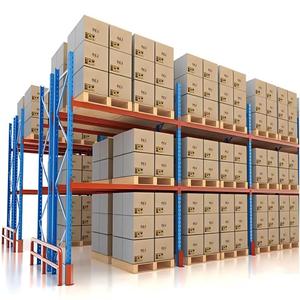
Adjustable Durable Storage Rack Powder Coating Finish Long Service Life CE Heavy Duty Metal Warehouse AU Standard Pallet Racking
Adjustable heavy-duty pallet racking with powder-coated finish, CE-related documentation and long service life for Uruguayan warehouses.
View product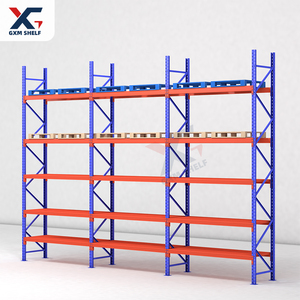
Heavy Duty Pallet Racking Warehouse Pallet System Pallet Storage Rack Heavy Duty Rack Shelf Heavy Duty Racking System
Heavy-duty pallet storage for high-throughput distribution centres, import warehouses and manufacturing reserve stock.
View product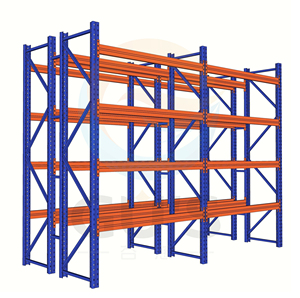
Warehouse Pallet Racking Shelves Unit Industrial Heavy Duty Metal Rack Storage Shelf Pallet Stacking Rack System
Industrial pallet racking shelves for organised unit-load storage, stacking and reserve inventory in Montevideo facilities.
View product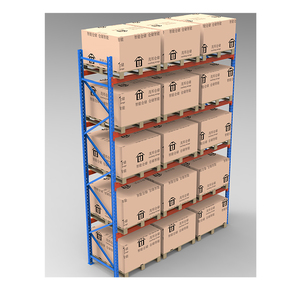
Standard Adjustable Pallet Racking Heavy Duty Steel Shelving Certificated Warehouse Racking System
Standard adjustable steel pallet racking with certified components for export projects, expansions and phased warehouse fit-outs.
View product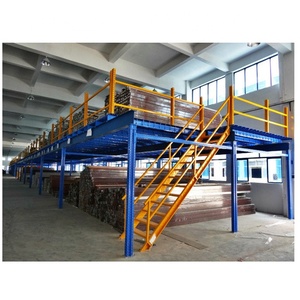
Mezzanine Shelf Storage Heavy Duty Rack System Metal Racks Warehouse Mezzanine Platform
Mezzanine racking platform that adds storage, picking or light-production space inside an existing Montevideo building.
View product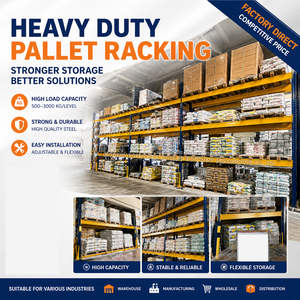
Factory Factory Mold Metal Warehouse Storage Rackingstorage System Shelf for Factory
Factory mould and metal storage racking for tooling, dies, maintenance items and heavy factory equipment.
View product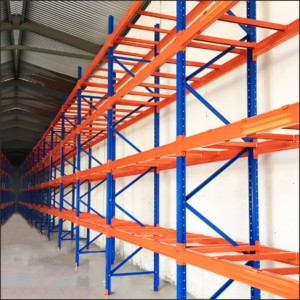
Heavy Duty Store Shop Display Shelving Tiers Garage Racking Shelves Steel Warehouse Shelf Metal Storage Rack Shelves Storage
Heavy-duty steel warehouse shelving for shops, garages, spare-parts rooms and order-picking areas.
View product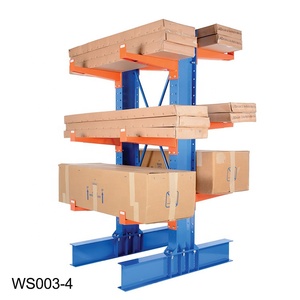
Wholesale Heavy Duty Cantilever Racking Customize Cantilever Pipe Rack
Custom cantilever racking for pipes, profiles, timber and long goods where pallet-style access is not efficient.
View productEvery product is made to order. Share your pallet dimensions, maximum load per level, clear height, slab condition and target commissioning date for a layout-specific proposal.
Why high-bay racking matters in Montevideo’s logistics footprint
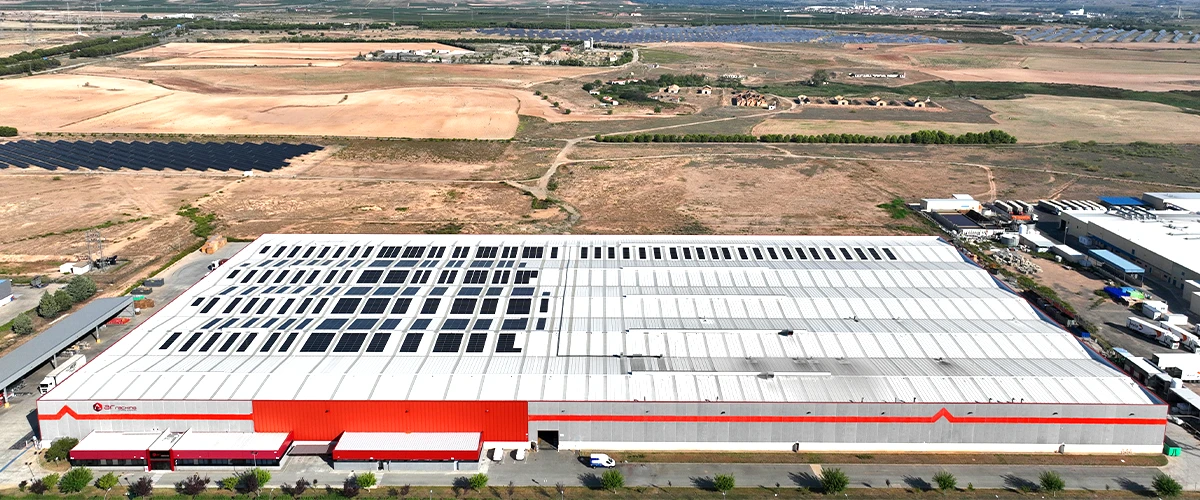
Montevideo is the logistics gateway for a large share of Uruguay’s imports, exports and regional free-zone trade. The Port of Montevideo, Zonamerica, Aguada Park, World Trade Center Free Zone and the logistics parks around Canelones and Carrasco create a distinct warehouse profile: high land values near the port, constrained building footprints, growing cold-chain capacity and more 3PL operators serving several clients from one site. High-bay pallet racking is often the most direct way to convert clear height into pallet positions without expanding the building envelope.
High-bay storage is not a commodity purchase. At six, eight, ten or more metres, the rack becomes a structure whose performance depends on upright capacity, beam deflection, floor flatness, slab loading, anchor design, sprinkler clearance, aisle geometry, forklift type and fire strategy. A supplier exporting to Montevideo must therefore deliver more than steel: calculation assumptions, installation drawings, load signs and a documentation package that your local engineer, insurer and operations team can review.
For buyers comparing high bay pallet racking suppliers and exporters in Montevideo, the strongest proposals separate price from total cost. A low initial quote that ignores slab preparation, excessive beam deflection, incompatible aisle widths or missing permit documentation can become the most expensive option once installation begins.
- Layout engineered around actual pallet sizes, not catalogue assumptions.
- Export packaging, bills of material and traceability prepared for Uruguay customs review.
- Fire, sprinkler and forklift access considered before finalising beam levels.
- Installation method and anchor plan reviewed with the local site team.
Where high-bay pallet racking is used in and around Montevideo
Different operations need different access rules, density and safety features. These are the most common local use cases our engineering team reviews before recommending a racking configuration.
Port-adjacent distribution and free zones
Importers and regional distributors use high-bay selective racking to keep fast-moving SKUs accessible while using vertical space efficiently near Montevideo’s port and free-zone clusters.
Cold-chain warehouses for beef, dairy, fish and citrus
Freezer and chilled stores benefit from dense, engineered layouts that reduce refrigerated volume per pallet while preserving FIFO control and inspection access.
3PL and e-commerce fulfilment
Multi-client operations need flexible beam levels, clear location numbering and room for pick stations, packing benches and future automation without rebuilding the rack.
Retail, FMCG and importer warehouses
High-SKU environments use selective racking for direct access to every pallet, with lower beam levels reserved for fast movers and promotional stock.
Manufacturing, spare parts and MRO
Factories combine pallet racking with mould storage, heavy shelving and cantilever racks so raw materials, work-in-progress and maintenance items stay separated and identifiable.
Building materials and long goods
For profiles, pipes, timber and bulky products, cantilever and mezzanine systems often deliver better handling than conventional pallet racking.
Recommended high-bay racking configurations for Montevideo warehouses
There is no universal “best” system. The right choice depends on SKU mix, pallet quantities, throughput, building height, floor slab, temperature and your tolerance for forklift guidance systems.
Selective high-bay pallet racking
Best for mixed SKUs, 3PL warehouses and operations requiring direct access to every pallet. It is the most flexible base system and can be expanded or re-levelled as the business grows.
- Typical projectDistribution, FMCG, import
- Access100% of pallets
- RotationAny
- Local fitNew logistics parks
VNA high-bay racking
Very narrow aisle racking suits Montevideo sites where land is expensive, clear height is available and the operation can invest in guided forklifts or specialised handling equipment.
- Typical projectCold stores, tall warehouses
- Access100% of pallets
- RotationAny
- Local fitExisting building upgrades
Pallet shuttle and drive-in racking
When volume per SKU is high and direct access is less important, deep-lane systems can reduce aisle space and increase pallet positions per cubic metre, especially in freezer rooms.
- Typical projectFreezer, homogeneous stock
- AccessPer lane
- RotationFIFO or LIFO
- Local fitCold-chain expansion
What is changing in Montevideo warehouse design
Uruguay’s logistics market is becoming more specialised. These trends are shaping how importers, 3PLs and exporters plan storage capacity.
Port and free-zone integration
Free-zone stockholding and regional distribution have increased demand for clear location control, scalable selective racking and documentation-ready warehouse layouts.
Cold-chain quality and traceability
Export-oriented protein, dairy and produce chains need reliable FIFO/FEFO flows, fast inspection access and rack layouts that reduce energy waste per stored pallet.
E-commerce and 3PL flexibility
Multi-client warehouses cannot predict SKU growth from year to year. Adjustable beam levels and modular picking areas help avoid sunk capital in inflexible racking.
Automation readiness
Even manually operated warehouses are increasingly specified to AS/RS tolerances so a future pallet shuttle, AMR or stacker crane project does not require replacing the steel structure.
A racking manufacturer, not a trading reseller
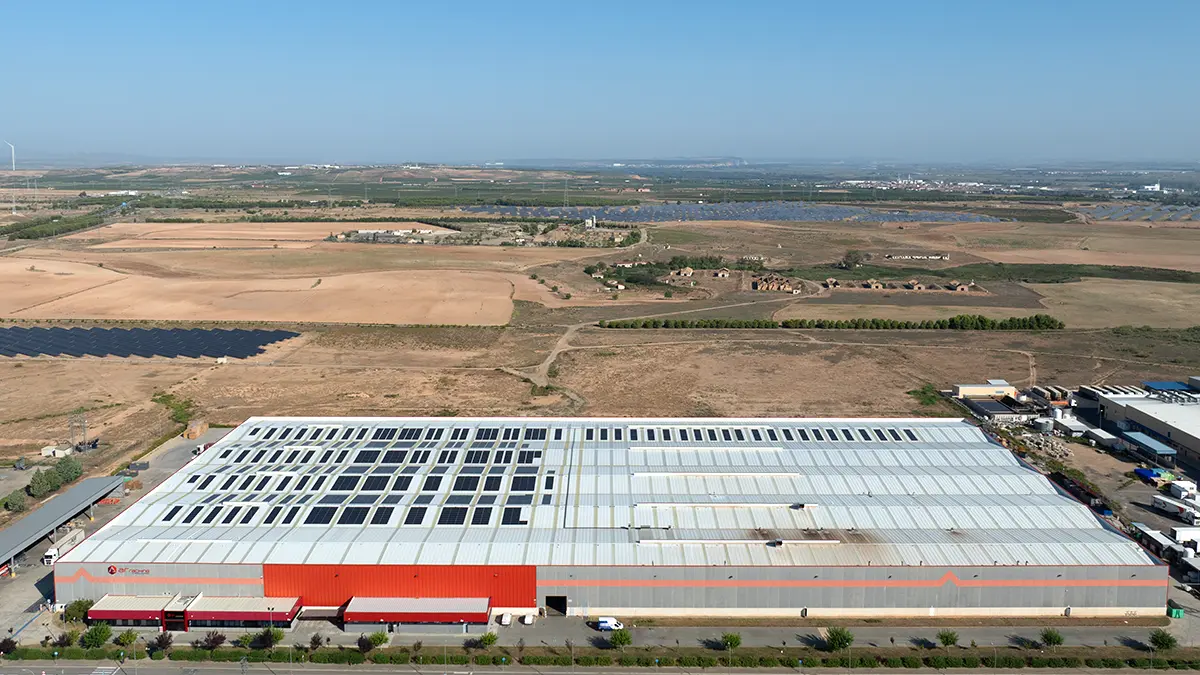
Alohatop Shelf LLC designs, calculates, manufactures and installs industrial racking and automated warehouse structures. The company operates a 35,000 m² highly automated production centre with annual steel capacity above 100,000 tonnes, and has delivered more than 42,000 warehouse projects across 60+ countries. More than 90% of production is exported.
For Montevideo buyers, that vertical control matters. Project engineering, steel traceability, export packing, spare-parts identification and installation documentation stay under one accountable supplier. Every upright and beam can be traced from production batch to installation, and the finished system is backed by a 5-year warranty.
- Single point of responsibility from design to handover.
- 14 own branches and 70+ trusted distributors supporting global projects.
- Complete component traceability and export documentation.
- Engineering support in English and Spanish for regional projects.
Laboratory-tested design and AS/RS-grade tolerances
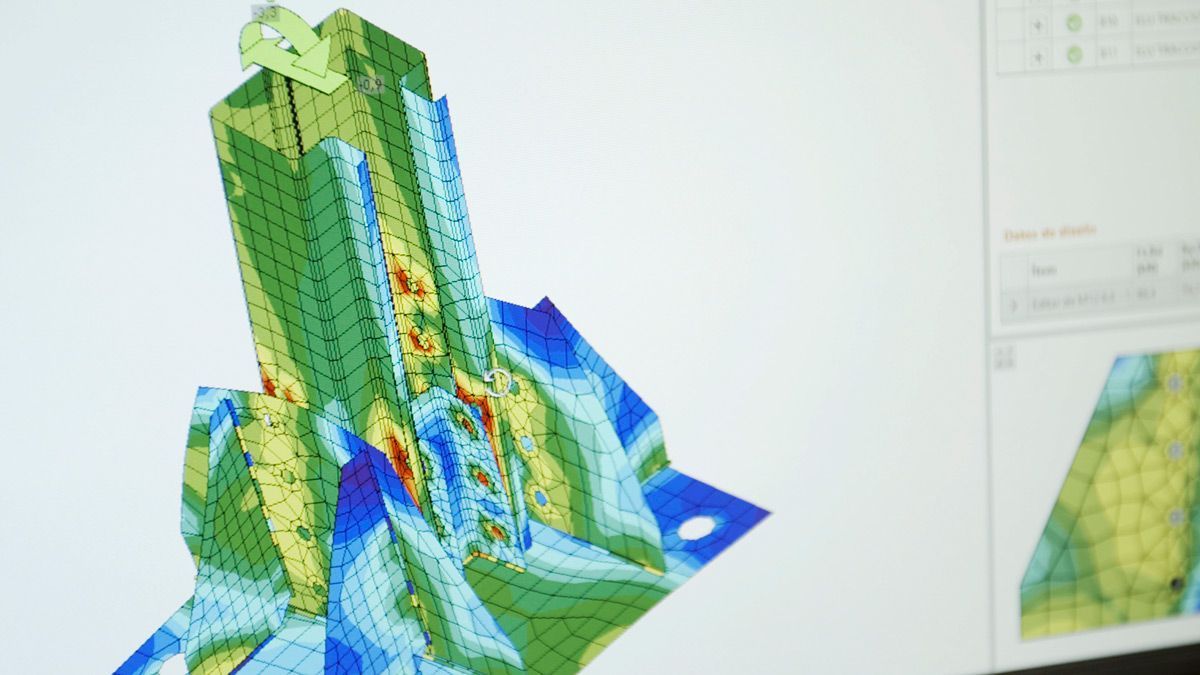
Our technology centre works with an R&D laboratory at Mondragon University to test the strength, behaviour and safety of racking components under real load cases. A research and simulation chair at the University of the Basque Country supports calculation models used in frames, beams and base connections.
For Montevideo projects, that engineering discipline translates into practical decisions: beam deflection limits for heavy pallets, anchor and base-plate design for the actual slab, wind consideration for self-supporting structures where relevant, and aisle geometry aligned with the forklift or automation selected. Robotic production and laser-controlled processes keep frame and beam geometry within the tolerances that pallet shuttle and AS/RS integrators require.
Project engineering
Layout optimisation, load calculation, seismic and slab review, bill of materials and integration with forklifts or automation.
Technical inspection
Periodic rack inspections identifying impact damage, overloads, missing safety clips and anchoring issues before incidents occur.
Installation supervision
Assembly drawings, plumb tolerances, torque requirements, load signs and handover checklists for local installation teams.
Cold storage experience
Racking for chilled and freezer environments down to −30 °C, including mobile, drive-in, VNA, shuttle and self-supporting systems.
Export logistics
Steel protection, container loading plans, packing lists and component marking designed for international freight to Montevideo.
Lifecycle support
Replacement parts, rack reconfiguration, maintenance programmes and system upgrades as storage requirements change.
Certifications and documentation package
Racking specifications should be supported by evidence, not only brochure claims. Our systems are produced under internationally recognised management standards and can be delivered with traceable records for project approval.
ISO 14064 verified carbon reporting and full component traceability are also available for projects requiring environmental documentation. Ask for the exact certificate scope and project-specific documentation during quotation.
Which high-bay pallet racking system fits your Montevideo warehouse?
This is a practical early-stage comparison. Final selection must be verified by a structural layout based on your pallet, load, building and operating data.
| System | Best for in Montevideo | Density | Direct access | Stock rotation |
|---|---|---|---|---|
| Selective high-bay racking | Mixed SKU, import, retail and 3PL warehouses | 100% of pallets | Any | |
| Very narrow aisle (VNA) | Tall buildings, cold stores and expensive land | 100% of pallets | Any | |
| Double-deep racking | 3PL or importers holding multiple pallets per SKU | 50% | LIFO per lane | |
| Drive-in racking | Homogeneous products and freezer storage | Low | LIFO or FIFO drive-through | |
| Pallet shuttle racking | High-volume DCs and deep cold-store lanes | Per lane | FIFO or LIFO | |
| AS/RS and self-supporting | Large new distribution centres and 24/7 operations | Automated | WMS controlled |
Density is relative to selective racking in the same footprint. A local structural engineer should review final loads, anchors and building interfaces.
How to move from specification to installed racking in Montevideo
A clear data pack shortens engineering time and reduces the risk of costly changes after the order is placed.
Share the data pack
Send building layout, clear height, slab information, pallet dimensions, maximum load, SKU profile, throughput, forklift type, temperature range and project city.
Receive engineering layout
We review beam levels, aisle widths, upright capacities, anchor assumptions, fire access and expansion options, then issue a layout and bill of materials.
Confirm export and customs documents
Commercial invoice, packing list, bill of lading, certificate of origin and technical dossier are coordinated with your freight forwarder and Uruguayan customs broker.
Install, inspect and hand over
Installation supervision, load signs, safety checklists and warranty documentation help your team start operations with confidence.
High bay pallet racking in Montevideo: questions buyers ask
These answers reflect the practical questions raised by importers, warehouse managers, 3PLs and project engineers evaluating racking suppliers for Uruguay.
Are you a local supplier in Montevideo or an exporter shipping from overseas?
We are a manufacturer and exporter. Racking is engineered and produced for the project, then shipped to Montevideo with export documentation. We coordinate installation through supervisors, drawings and trained local partners rather than supplying from local stock.
What is the typical lead time for racking delivered to Montevideo?
Lead time depends on drawing approval, production scheduling, shipping route and customs clearance. A project normally includes engineering, manufacture, ocean freight and import clearance. The quotation should state production lead time separately from estimated transit time to Montevideo.
Which documents are needed to import racking into Uruguay?
Typical documents include commercial invoice, packing list, bill of lading, certificate of origin, insurance certificate and technical description. Your Uruguayan customs broker should confirm the correct HS classification, import regime and duties before shipment.
Can you design for PBR 1000 × 1200, Euro 1200 × 800 and ISO pallets?
Yes. We engineer beam lengths and frame depths for the actual pallet and load, including the 1200 × 1000 mm pallet common in Latin America, the Brazilian PBR format, Euro pallets and ISO sizes. Do not order from a generic pallet assumption.
Is high-bay racking suitable for Uruguay’s structural and wind conditions?
Uruguay has lower seismic demand than Andean markets, but racking still requires site-specific review of slab capacity, anchors, fire strategy and building interface. For self-supporting or clad-rack buildings, wind loading and envelope design must be verified by the project engineer.
Can you supply cold storage racking for beef, dairy, fish or citrus operations?
Yes. We supply selective, drive-in, VNA, mobile, pallet shuttle and self-supporting freezer systems using steels and finishes suited to temperatures down to −30 °C. Tell us the operating temperature, defrost cycles and hygiene requirements at quotation stage.
What installation support is available in Montevideo?
We provide assembly drawings, installation manuals, anchor specifications, plumb and torque requirements, load signs and remote technical support. Where required, an experienced supervisor can be coordinated with the local installation team.
What information do you need to quote a high-bay racking project?
Send the building layout and clear height, slab details, pallet dimensions, maximum load per pallet and level, number of SKUs, pallets per SKU, daily throughput, forklift or automation type, temperature range and project city. Include your target commissioning date and any permit or fire requirements.
Planning a high-bay warehouse or expansion in Montevideo?
Share your building drawing, pallet data and operating profile. Our storage engineers will review the optimal high-bay pallet racking configuration, prepare a layout recommendation and clarify the export, shipping and installation path to Montevideo.
- Layout study and product selection based on real load data.
- Factory traceability, 5-year warranty and export packing.
- Support with drawings, documents and installation supervision.