Miniload Automated Storage System for Small Parts — Manufacturer & Factory in the Maracaibo Market
Factory-direct, high-density goods-to-person automation for spare parts, MRO inventory, electronics, pharmaceuticals, industrial distributors and e-commerce operations in Maracaibo, Zulia and Western Venezuela.
Eight Factory-Built Storage Products for Miniload-Enabled Warehouses in Maracaibo
A miniload automated storage and retrieval system is rarely a standalone island. In the Maracaibo market, reserve pallets, long materials, maintenance tools and manual forward-pick items still need dependable racking and shelving. The eight product families below are recommended as complementary building blocks around a miniload core. Their original product URLs are preserved.
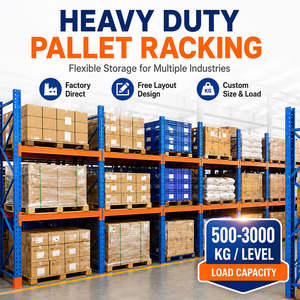
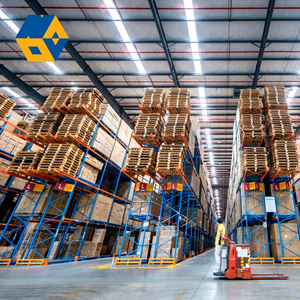
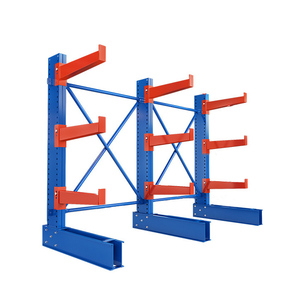
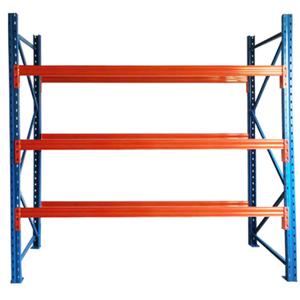
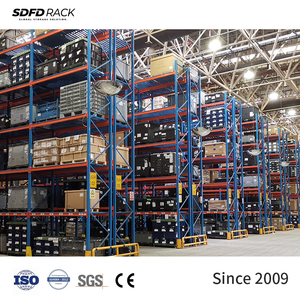
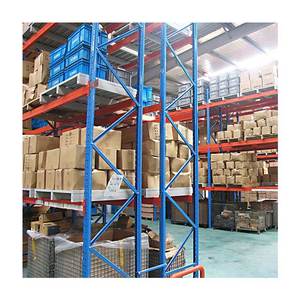
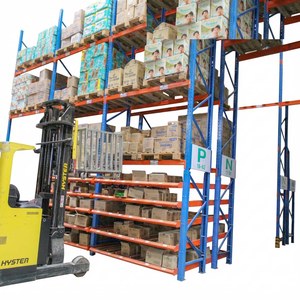
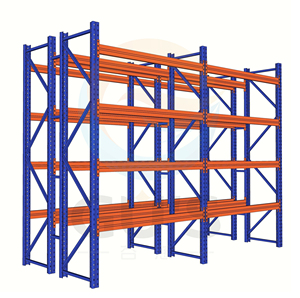
Configuration note: use heavy-duty pallet racking for reserve pallets that replenish miniload totes; multi-layer selective racking for high-SKU pallet buffers; cantilever racking for timber, pipes and long parts; boltless shelving for MRO forward areas; and pallet stacking racks for flexible overflow. Before ordering, a factory-trained engineer should confirm upright load, beam deflection, fire protection, anchoring and installation tolerances.
Countries with installed storage systems
Warehouse projects delivered
Annual steel production capacity
Warranty on storage systems
What a Miniload Automated Storage System Actually Solves for Small Parts
A miniload automated storage and retrieval system uses one or more stacker cranes inside high-bay racking to store and retrieve standard totes, bins or trays. Instead of sending pickers into long aisles to search for small parts, the system delivers the required tote to a goods-to-person station. This is especially valuable when a warehouse handles thousands of small SKUs with high accuracy requirements, limited floor space and irregular demand.
For the Maracaibo market, the most important benefit is not simply “automation.” It is control: control of stock location, pick accuracy, traceability, labour exposure and floor-space productivity. A properly engineered miniload can protect high-value spare parts, reduce search time and create a safer, cleaner operating environment. The most important design decision is not the crane speed; it is the discipline of bin standardisation, SKU slotting and replenishment logic.
- High-density storage of small parts in totes, bins or trays.
- Goods-to-person picking that reduces walking, searching and fatigue.
- WMS-controlled traceability, batch control and pick confirmation.
- Secure, clean storage for high-value spares, electronics and medical items.
- Scalable throughput through additional picking stations, cranes or shifts.

Where Miniload Fits in the Maracaibo Market
Maracaibo’s industrial base, import-driven distribution networks and service-part supply chains create a specific small-parts storage problem. The right miniload concept must fit the operating reality of Zulia, not a generic warehouse template.
Oil & Gas MRO Spare Parts
Valves, fittings, seals, bearings, instruments and service tools move through compact totes. Goods-to-person retrieval reduces search time, improves inventory control and protects high-value parts from dust and uncontrolled access.
Electrical & Industrial Distributors
Distributors serving Lake Maracaibo industries often carry a long tail of small SKUs. A miniload buffer can consolidate fast movers while pallet racking handles reserve stock and bulk replenishment.
Pharmaceutical & Medical Supplies
Batch traceability, controlled access and pick confirmation are critical. Miniload storage supports accurate small-item handling, while environmental and fire-protection measures are engineered to the client’s regulatory brief.
Automotive & Machinery Aftermarket
Filters, brake components, fasteners, sensors and replacement kits create thousands of small SKUs. A compact miniload can increase picking speed without expanding the building footprint.
E-commerce & Retail Replenishment
Order profiles in Maracaibo and Western Venezuela increasingly mix small parcels, returns and replenishment. Miniload supports faster batch picking and tighter stock visibility for omnichannel operations.
Port, Customs & Import Consolidation
Importers and logistics operators need a secure buffer for parts awaiting clearance or onward delivery. A miniload system allows rapid put-away, controlled staging and accurate release by consignment.
Maracaibo Trends Shaping Small-Parts Automation
Warehouse investment in the Maracaibo market is being shaped by space constraints, import diversification, power quality, humidity and the need for stronger inventory control. These trends should be translated into engineering requirements before a miniload supplier is selected.
Higher Cost of Usable Floor Space
As industrial land and secure warehouse space become more expensive, storing small parts in high-bay miniload racking becomes a practical way to increase positions per square metre.
Import Diversification and SKU Growth
Buyers are broadening supplier bases and carrying more part numbers. Miniload systems help manage SKU proliferation without proportionally increasing picking labour.
Energy Resilience
Power quality and backup planning are not secondary details. Control architecture, voltage protection, UPS support and generator interfaces should be discussed during concept design.
Humidity and Corrosion Awareness
Lake Maracaibo’s humid environment and industrial atmosphere require careful coating, ventilation, drainage and inspection decisions for long service life.
Safety and Labour Retention
Goods-to-person stations reduce walking and heavy manual handling. That matters when warehouses compete for reliable pickers and technicians in a demanding industrial market.
Traceability and Digital Integration
Customers increasingly expect real-time stock visibility, batch control and ERP/WMS integration. A miniload controller must be specified as part of the information flow, not as a standalone machine.
Engineering Fit Index for Maracaibo Small-Parts Operations
Indicative suitability based on typical project profiles. Actual fit depends on bin dimensions, load weight, throughput, temperature, fire strategy and seismic requirements.
Designing for Maracaibo: Heat, Humidity, Power Quality and Seismic Safety
Maracaibo is not a copy-and-paste market. High ambient temperatures, humid air from Lake Maracaibo, industrial atmospheres, voltage fluctuations and seismic design requirements can affect uptime if the miniload is specified around European or North American assumptions.
Corrosion and Humidity Control
Specify powder coating, galvanising or stainless components where the environment requires them. Avoid trapped moisture, provide ventilation and define a periodic inspection routine for anchors, frames and safety devices.
Power Quality and Uptime
Control cabinets, drives and sensors should be selected for the site’s electrical reality. Voltage stabilisation, UPS support for controls, generator change-over and safe restart logic should be agreed before commissioning.
Thermal Management
High ambient temperatures can de-rate motors and stress electronics. Crane duty cycle, cabinet cooling, ventilation and maintenance access must be designed for the actual operating temperature profile.
Seismic and Anchoring
Where the project brief requires structural verification, the design can reference Venezuelan seismic requirements such as COVENIN 1756. Reinforced bracing, base plates, anchors and row spacers are selected according to the calculated load case.
Practical specification checklist for Zulia projects
- Confirm maximum ambient temperature inside the warehouse, not only outdoor weather data.
- Define power supply quality, generator capacity and acceptable restart behaviour.
- Agree the corrosion-protection class for Lake Maracaibo humidity and industrial air.
- Include fire protection, sprinkler clearance and in-rack detection requirements from the beginning.
- Provide a spare-parts list and a preventive maintenance schedule with the handover documents.
How to Specify a Miniload System for Maracaibo: Four Decisions That Control ROI
A miniload project succeeds when the storage, handling and information flows are designed together. These four decisions usually determine whether the system delivers a fast payback or becomes an expensive bottleneck.
Bin Standardisation
Define the tote family, outside dimensions, load capacity, stacking pattern and identification method. Too many bin types reduce the benefit of automation and complicate crane handling.
Throughput Model
Calculate peak and average moves per hour, replenishment cycles and picking-station demand. The crane count should follow the operating profile, not a generic catalogue figure.
Building Envelope
Clear height, floor tolerance, column grid, fire strategy, temperature and future expansion all influence the racking and crane layout. These inputs should be fixed before final design.
Software and Lifecycle
Confirm the WMS interface, barcode strategy, error handling, remote support and spare-parts plan. A miniload is an asset for ten years or more; lifecycle support matters as much as initial price.
Minimum information for a reliable proposal: building layout and clear height; bin dimensions and maximum load; number of SKUs and totes per SKU; peak picks per hour; temperature range; available power and backup arrangement; fire-protection constraints; project city in the Maracaibo market; and target commissioning date.
Field Experience That Reduces Risk in Complex Storage Projects
Miniload racking is exacting, but the same engineering discipline is applied across cold stores, self-supporting warehouses, mobile racking and high-throughput distribution centres. Experience from these projects informs every small-parts proposal.
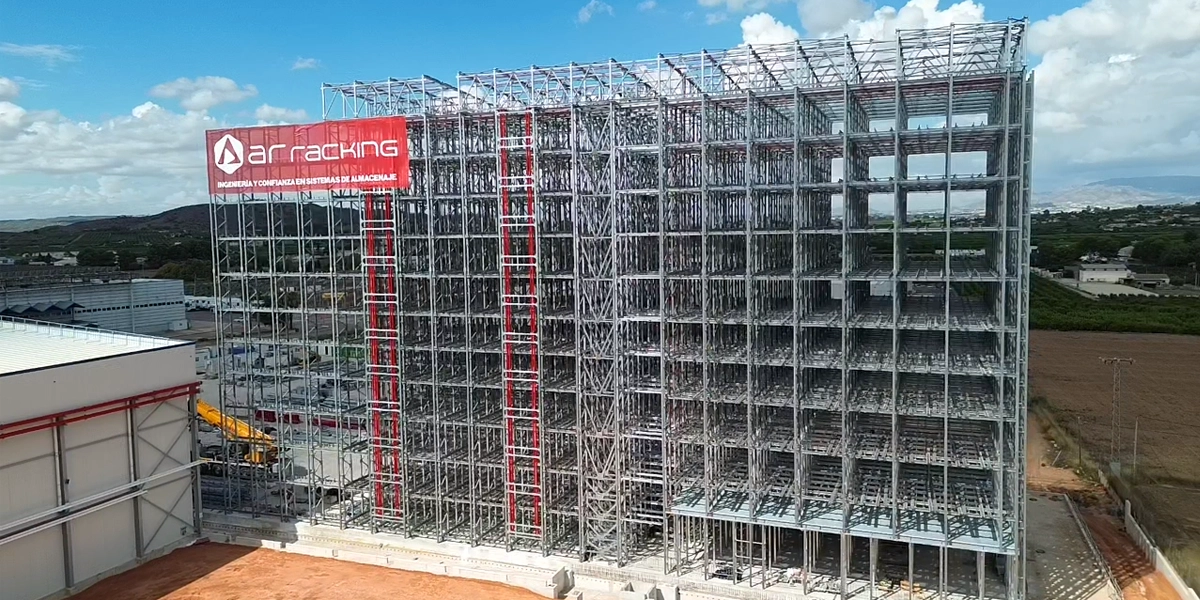
23,000 positions at −24 °C
A self-supporting deep-freeze warehouse for a frozen fruit and vegetable processor, where racking also carries the building envelope.
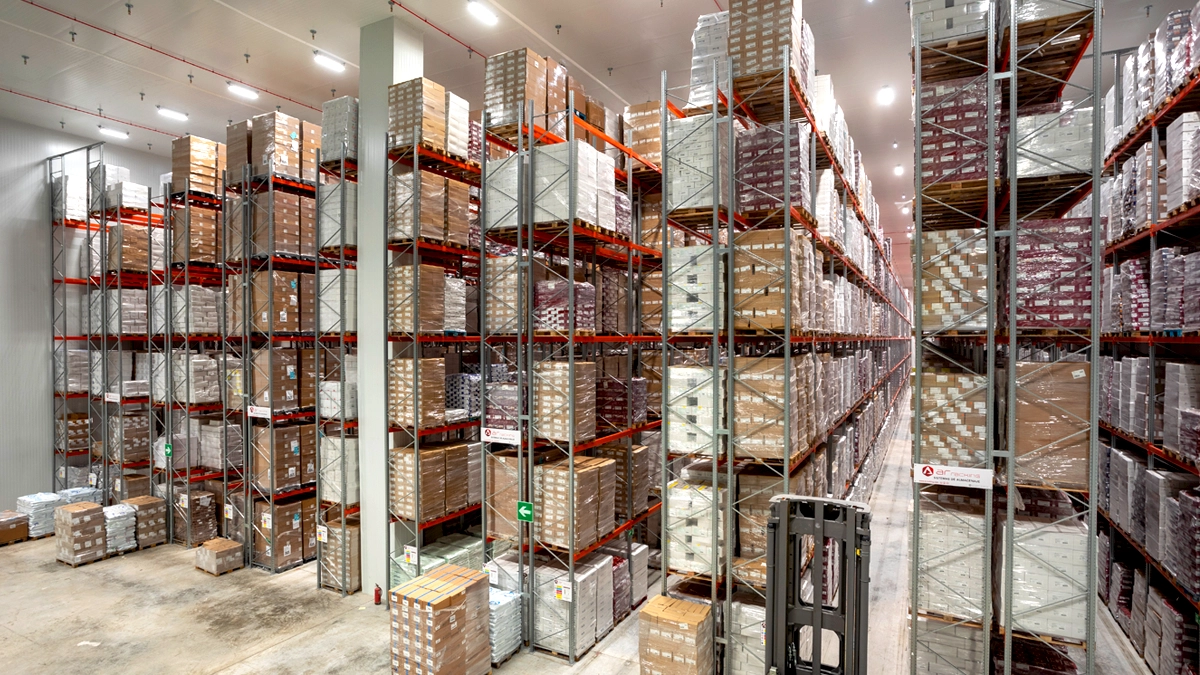
VNA frozen-food cold store
Very narrow aisle racking maximised pallet positions per cooled cubic metre for a frozen products distributor.
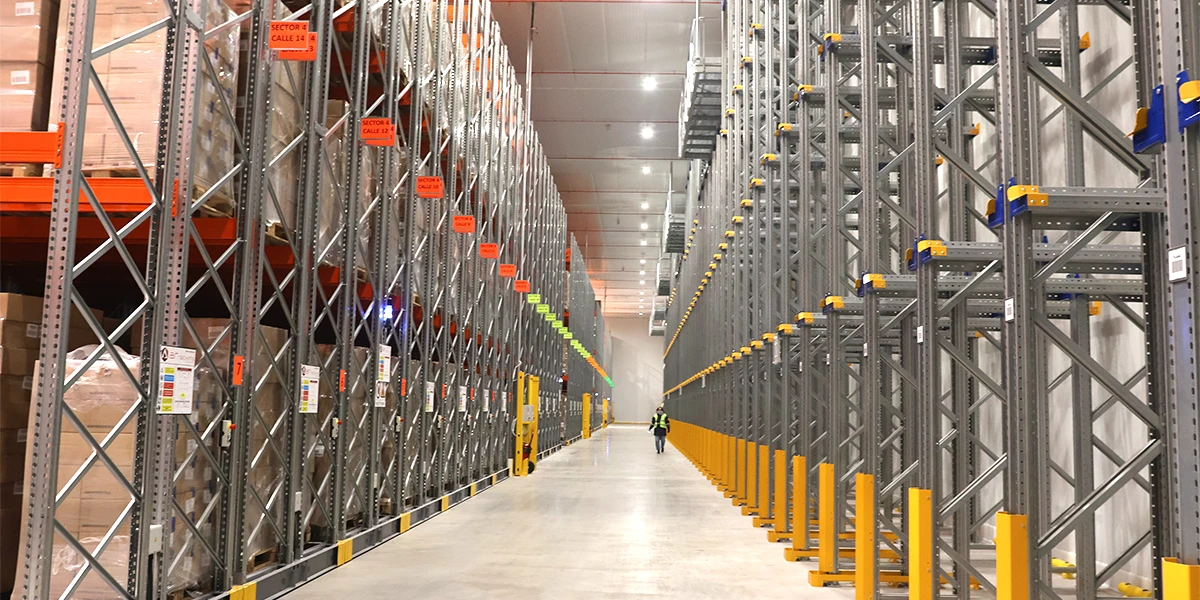
Mobile racking in refrigeration
Mobile bases removed fixed aisles, increasing capacity while keeping direct access to every pallet.
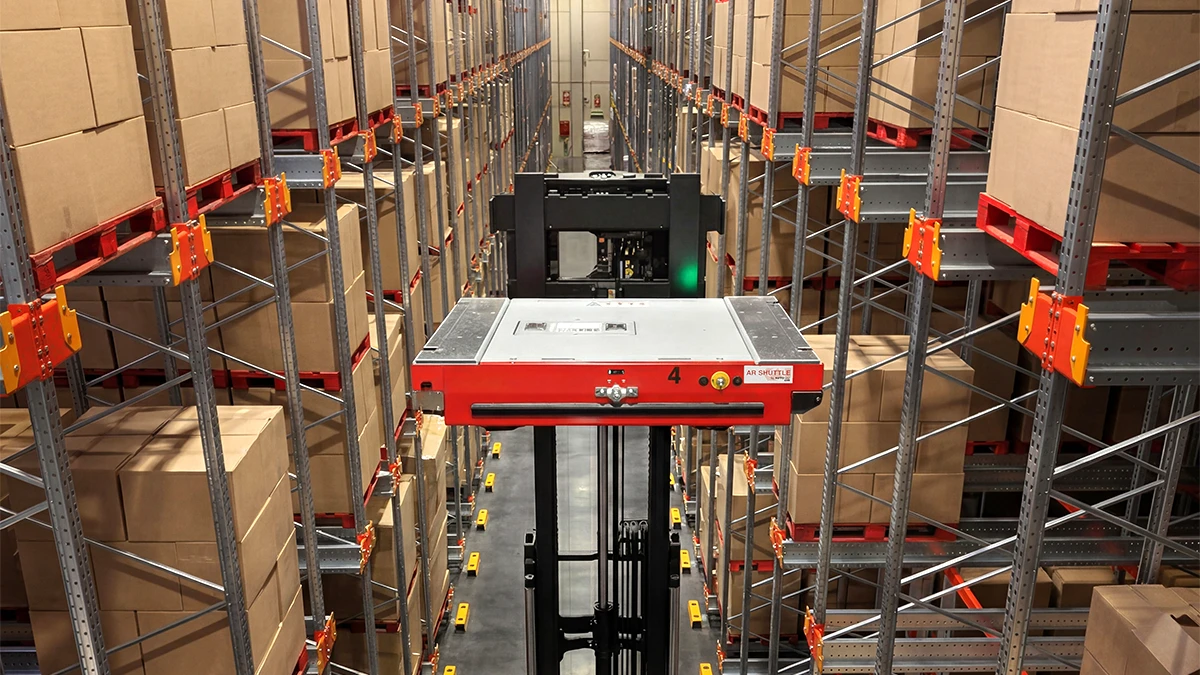
Pallet shuttle for a 3PL
Semi-automated deep lanes delivered high density and fast cycles for a third-party logistics warehouse.
Why Alohatop Shelf Fits a Maracaibo Miniload Project
Alohatop Shelf LLC is not a catalogue reseller. We design, calculate, manufacture and install industrial racking and automated warehouse structures. That control matters in an export market where lead times, spare-part compatibility and installation quality can determine whether a project starts smoothly or stalls on site.
- 35,000 m² highly automated production centre with over 100,000 t of annual steel capacity.
- More than 90% of production exported, with ocean-freight packing and documentation experience.
- 42,000+ warehouse projects, 60+ countries, 14 own branches and 70+ trained distributors.
- 5-year warranty and full component traceability from production batch to installation.
- ISO 9001, ISO 14001, ISO 45001, ISO 50001, UNE EN ISO 3834-2, EN 1090-1 and ISO 14064.
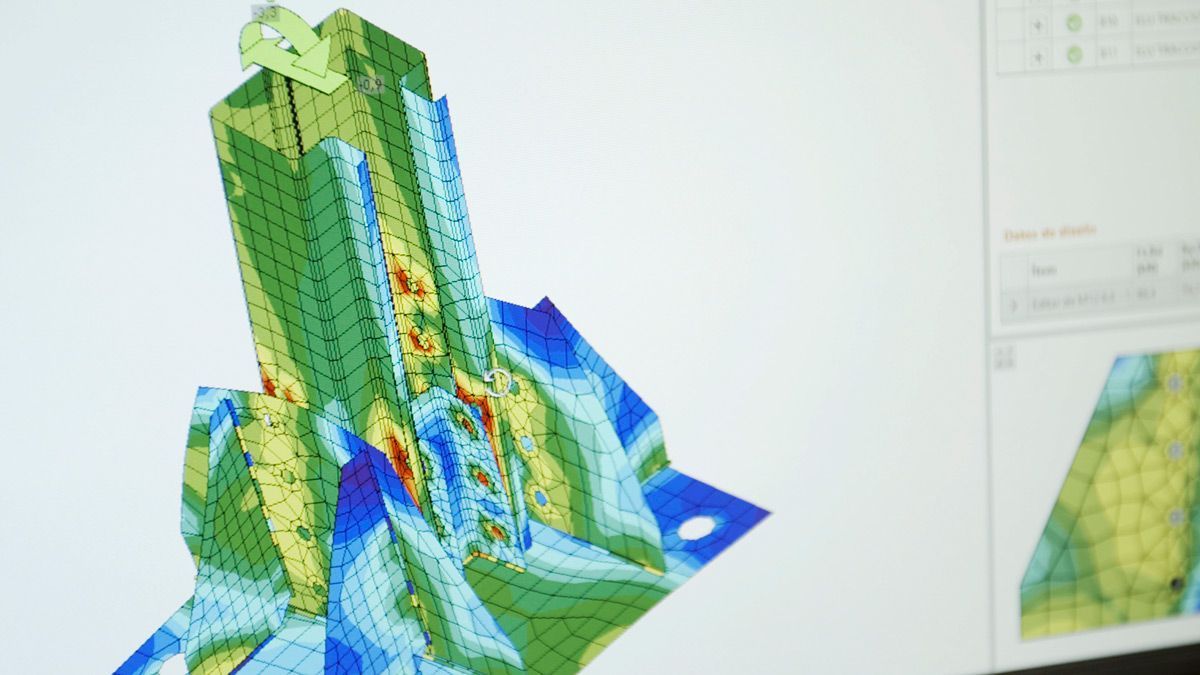
- R&D with Mondragon University and the University of the Basque Country, including finite-element simulation and physical load testing.
Factory-Direct Cost Control
Owning the production process reduces intermediate mark-ups and gives better visibility of steel quality, coating, packaging and delivery milestones.
Structural and Seismic Calculation
Racking is calculated for the actual pallet, bin, building and seismic inputs. For the Maracaibo market, local code requirements can be incorporated into the project design brief.
R&D and Testing Culture
Simulation and laboratory testing help validate profiles, connections and base details before a large order enters production.
Automated Production Precision
Robotic welding and laser-controlled processes keep frames and beams within tolerances required by stacker cranes, shuttles and conveyors.
Export Logistics Experience
We understand export packing, container planning, loading documentation and the coordination needed for projects delivered to Latin American ports.
Lifecycle Support
From layout study and installation drawings to inspection, maintenance planning and replacement components, one team supports the asset after go-live.
Maracaibo Procurement FAQ: Miniload Systems for Small Parts
These are the questions our engineers most often receive from warehouse, logistics and procurement teams evaluating automated small-parts storage for the Maracaibo market.
Can you supply a complete miniload system to Maracaibo, or only the steel racking?
We manufacture the rack structure, can coordinate the miniload crane, conveyors, picking stations and WMS interface with vetted integrators, and support the overall layout. Depending on the client’s preferred integrator, the scope can be rack-only, rack plus engineering, or a coordinated turnkey package for the Maracaibo market.
How do you handle shipping, import and site delivery to Venezuela?
We prepare export packing and loading plans for ocean freight. The importer of record normally manages customs clearance in Venezuela, while our export team supplies commercial documents, packing lists and technical files. For Maracaibo, delivery logistics should be reviewed early because port selection, inland transport and site access can affect the project schedule.
What is a realistic lead time for a miniload project?
Lead time depends on engineering approval, steel availability, crane supplier, shipping schedule and site readiness. A typical sequence includes technical clarification, layout and structural approval, production, ocean freight, site preparation, installation and commissioning. We provide a project-specific schedule after receiving the building layout, bin list and throughput data.
How do you design for unstable power or voltage fluctuations?
We discuss the site’s electrical quality at concept stage. Typical measures include voltage stabilisation, UPS support for controls and safety systems, generator change-over logic, safe restart procedures and remote diagnostic capability. The miniload must stop safely and restart predictably, not simply run faster.
Can the system operate in Lake Maracaibo humidity and industrial air?
Yes, provided the corrosion-protection class is agreed correctly. We can specify powder coating, galvanising or stainless components where needed, and we recommend ventilation, drainage, inspection and touch-up procedures. High-value small parts also benefit from controlled access and clean storage conditions.
Which bin sizes and load capacities are supported?
Miniload systems can be engineered around standard totes, trays or custom containers. We need the outside dimensions, maximum gross weight, centre of gravity, stacking requirement and temperature range. Final crane and racking design is based on the actual load case rather than a generic capacity figure.
What support is available after commissioning?
Support can include as-built drawings, maintenance manuals, spare-parts lists, operator training, periodic inspection recommendations and replacement components. Remote support can be arranged with the customer’s IT approval. The objective is to protect uptime and safety over the full life of the system.
What information do you need to prepare a quotation?
Send the building layout and clear height, bin or tote dimensions and maximum load, number of SKUs, pallets or totes per SKU, peak picks per hour, temperature range, power and backup arrangement, fire-protection constraints, project city in the Maracaibo market and target commissioning date. Email the data to [email protected] for engineering review.
Request a Factory-Direct Miniload Catalog for the Maracaibo Market
Share your building layout, bin list, throughput, temperature and power conditions. Our storage engineers will return a preliminary concept, recommended product mix and an export-ready bill of materials for your Maracaibo small-parts operation.