Eight OEM/ODM Warehouse Pallet Shelving Systems Selected for the Cuenca Market
These eight products match the most common procurement briefs from Cuenca and southern Ecuador: mixed-SKU distribution, factory tooling and molds, long timber and metal profiles, high-load pallet storage and flexible workshop shelving. Product links are preserved for direct specification review. For a layout recommendation, request the catalog and our engineers will match the system to your pallet, load, building and throughput.
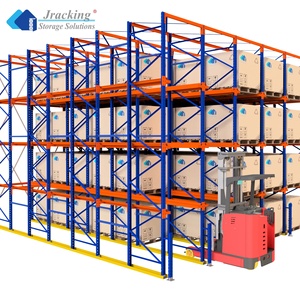
Warehouse Heavy Duty Industrial Shelves Steel EU Blue and Orange Selective Pallet Racking Shelving System CE Certified
A practical first choice for Cuenca distributors that need 100% pallet selectivity, fast beam adjustment and clear aisle identification. The blue/orange finish supports warehouse zoning and safety visibility.
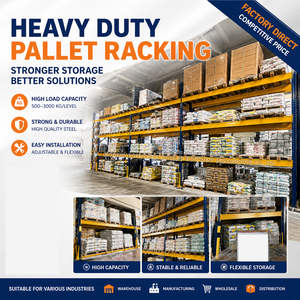
Factory Mold Metal Warehouse Storage Racking Shelf System for Tooling, Dies and Spare Parts
Designed for workshops, maintenance stores and light manufacturing plants in Cuenca that need organized access to molds, dies, fixtures and spare components without floor congestion.
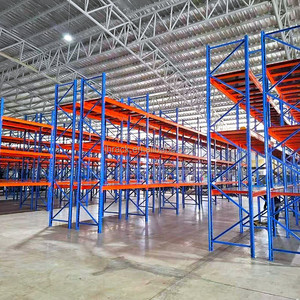
ODM Adjustable Beam Rack Industrial Heavy Duty Storage Shelves System Stacking Units Metal Rack Warehouse Steel Pallet Racking
An ODM-oriented platform for local distributors and warehouse integrators that need adjustable beam levels, repeatable components and private-label documentation for their own customers.
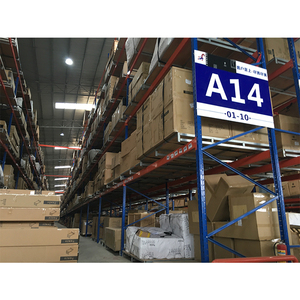
Industrial Storage Rack Heavy Duty Steel Pallet Rack System for Warehouse Organization
A robust storage platform for Cuenca warehouses that handle heavy cartons, palletized stock and seasonal inventory peaks. Ideal when the layout must remain readable and safely expandable bay by bay.
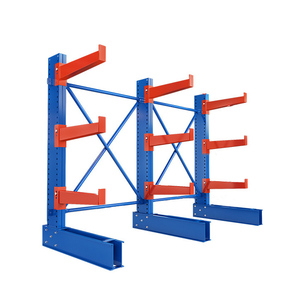
Manufactured in China Best Price Structural Cantilever Racking for Timber Storage Warehouse Rack for Sale
Cantilever arms keep timber, MDF, pipes and long profiles off the floor and free from front-beam obstruction. A strong fit for Cuenca construction suppliers and woodworking businesses.
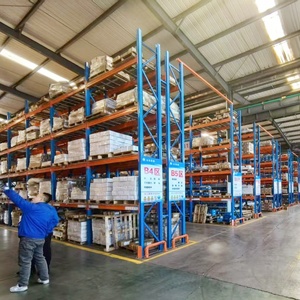
Industrial Warehouse Storage Rack Adjustable Custom 800-3000kg/Level Load Capacity Heavy Duty Selective Pallet Racking System
A flexible specification for Cuenca retailers, wholesalers and 3PLs that need different load classes within one warehouse. Beam levels can be reconfigured as SKU profiles change.
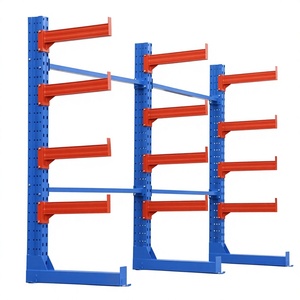
Industrial Heavy Duty Steel Cantilever Warehouse Shelf Rack Equipment for High-Capacity Warehouse Pallet Storage
For Cuenca operations handling long or bulky loads at higher weights, this heavy-duty cantilever structure improves floor utilization while keeping product visible and accessible.
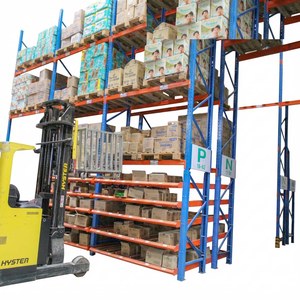
Warehouse Shelving Boltless Adjustable Heavy-Duty Industrial Garage Shelving System 3-Layer Cold Rolled Steel Epoxy Powder Rack
A fast-to-install boltless shelving option for workshops, garages, retail backrooms and maintenance stores in Cuenca where floor space is limited and assembly speed matters.
Countries with installed storage systems
Warehouse projects delivered
Annual steel production capacity
Warranty on storage systems
Why the Cuenca Market Needs Locally Adapted Pallet Shelving
Cuenca is not a copy-and-paste racking market. It is an Andean commercial and industrial hub serving Azuay and southern Ecuador, where warehouse decisions balance land constraints, seismic design, imported product lead times and a highly varied mix of retail, agro-industrial, construction and workshop inventory.
A racking supplier that quotes only beams and uprights can miss the variables that decide whether a system is safe, expandable and efficient: slab condition, NEC seismic requirements, forklift aisle width, pallet overhang, beam deflection, future SKU growth and spare-part availability. This guide is written as a practical buying resource for procurement teams, warehouse managers and business owners who need an OEM/ODM warehouse pallet shelving factory and supplier for the Cuenca market — not just a product list.
NEC-aware structural review
Ecuador's NEC framework makes seismic verification a normal part of responsible warehouse planning. Racking should be checked for site location, soil class, rack height, anchor capacity and bracing, especially when racks are tall or installed on slabs with limited documentation.
Mixed pallet and load profiles
Cuenca buyers often handle 1200×1000 mm pallets, 1200×800 mm pallets, cartons, tooling, long profiles and heavy spare parts in the same facility. The right design separates load classes instead of forcing every item into one standard bay.
Import and inland logistics
Most Cuenca projects involve a port-to-inland journey from Guayaquil followed by final delivery to Cuenca. Clear packing lists, component marking, drawings and phased delivery planning reduce installation delays and site confusion.
Space efficiency in growing urban areas
Warehouse space around Cuenca can be constrained by access, building height and land use. Selective racking, adjustable beams and cantilever systems should be planned for the next expansion — not only today's pallet count.
Worker safety and rack inspection
Impact protectors, load signs, row spacers where required, anchor checks and periodic inspections are not optional extras for a busy warehouse. Build a maintenance routine before the racking carries its first pallet.
OEM/ODM differentiation
Local distributors and integrators in Cuenca increasingly need private-label catalogs, custom colors, packaged spare parts and documentation they can present to their own customers. Factory-level OEM/ODM support creates that differentiation.
Cuenca Application Scenarios: Where Pallet Shelving Creates ROI
The same racking product can perform very differently depending on the building, pallet, climate, handling equipment and order profile. These are the local applications our engineering team sees most often when discussing warehouse pallet shelving systems for the Cuenca market.
Retail, wholesale and hardware distribution
Cuenca serves a broad commercial catchment across Azuay and southern Ecuador. Selective pallet racking with adjustable beams supports fast-moving SKUs, seasonal stock and direct access to every pallet. Color-coded beams and clear load labels can improve picking accuracy and aisle navigation in busy distribution centers.
Agro-industrial and cold-chain storage
Flowers, dairy, meat, produce and processed foods require hygienic layouts and, where applicable, cold-store design down to −30 °C. Corrosion protection, freezer-compatible steel specifications and FIFO-friendly configurations should be defined before equipment selection.
Manufacturing, workshops and spare parts
Mold and die storage, tooling racks, boltless shelving and cantilever arms keep heavy or awkward components off the floor. For maintenance stores and technical workshops in Cuenca, boltless 3-layer shelving offers a practical balance of speed, adjustability and cost.
Construction materials and timber
Cantilever racking stores timber, pipes, profiles, MDF and metal bars without horizontal beams blocking long loads. Arm spacing should be matched to the actual product length, and the rack should be protected from forklift impact at the aisle face.
3PL and e-commerce fulfilment
Multi-client operations need reconfigurable beam levels, robust bay identification and room for growth. Adjustable heavy-duty racking supports changing SKU profiles, while a separate picking zone can prevent slow-moving items from consuming valuable pallet positions.
Pharma, cosmetics and food-safe storage
Powder-coated steel, cleanable surfaces, traceable components and inspection programs support hygiene and quality audits. The final specification should be checked against the site's own HACCP, quality or pharmacovigilance requirements, not assumed from a brochure.
Local Trends Shaping Warehouse Storage in Cuenca and Azuay
Procurement decisions in the Cuenca market are being shaped by more than warehouse capacity alone. The following trends are useful context for budgeting, layout planning and supplier selection.
1. Seismic resilience and safety documentation
Ecuador's NEC requirements are prompting more buyers to ask for structural calculations, anchor details and load signs. A racking supplier should be able to explain how the design responds to the project location and building condition.
2. Higher SKU counts in the same footprint
Retail and e-commerce growth is creating more SKUs and smaller order quantities. Adjustable beams, picking levels and clear labeling reduce the cost of reconfiguring a warehouse when the product mix changes.
3. Cold-chain and agro-export investment
Southern Ecuador's agricultural and food supply chains continue to invest in controlled-temperature storage. Freezer and cooler projects need racking designed for the temperature range, condensation risk and safety requirements of the site.
4. Import lead-time planning
Because many systems arrive through Guayaquil and then move inland to Cuenca, buyers are placing more value on production schedules, pre-shipment inspection, packing quality and complete documentation. Factory-direct communication reduces surprises.
5. OEM/ODM differentiation for local distributors
Local integrators want products they can brand, repeat and support with spare parts. Custom colors, label plates, manuals, packaging and component traceability help distributors build long-term service revenue.
6. Automation readiness
Even manual warehouses now plan for future AGV, AMR or shuttle integration. Straight aisles, consistent bay geometry and accurate load data from day one reduce the cost of later automation upgrades.
Engineering That Supports E-E-A-T: What to Verify Before You Buy
For a high-value warehouse project, the most important supplier question is not “what is the price per bay?” It is “what engineering evidence supports this price per bay?” A Cuenca project should include calculated load capacities, deflection limits, anchor requirements, component traceability and a practical installation plan.
From Steel Coil to Installed Rack: One Accountable Partner
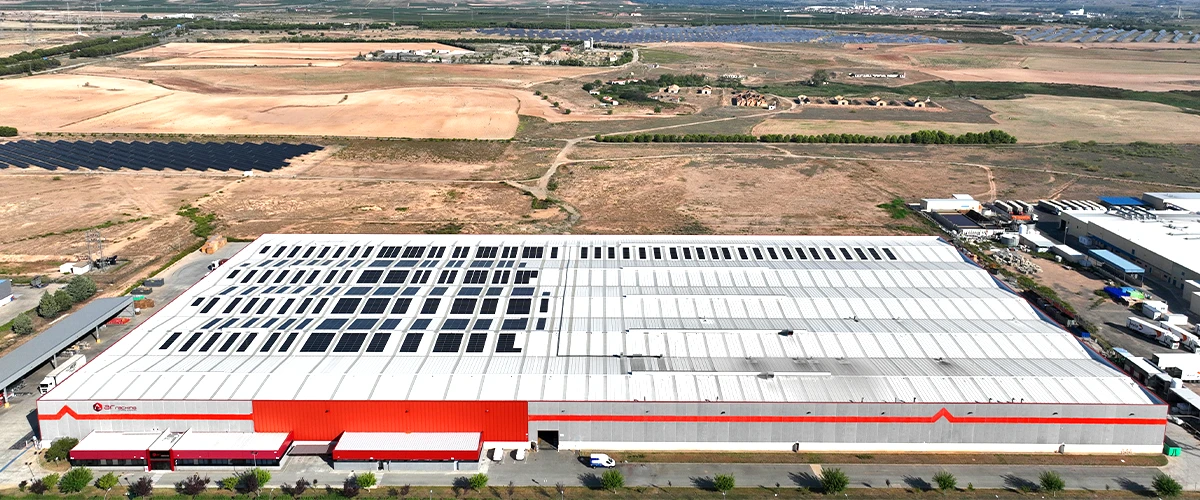
Alohatop Shelf LLC designs, calculates, manufactures and installs metal racking for warehouses and loads across South America. Controlling the process from steel coil to final load sign matters in the Cuenca market because it keeps component tolerances, documentation and spare-part availability aligned with the actual project.
Our 35,000 m² highly automated production centre has more than 100,000 t of annual steel capacity, and more than 90% of output is exported. That export experience is relevant to inland Ecuador: components must be packed for ocean freight, marked for site assembly and supported with documents that customs, installers and warehouse managers can actually use.
- Load data: pallet weight, load per level and beam deflection limits.
- Site data: slab condition, clear height, aisle width and forklift type.
- Seismic data: project location, soil class and NEC design basis.
- Traceability: component batch marking, packing list and load signage.
Laboratory Validation, Not Only a Catalog Drawing
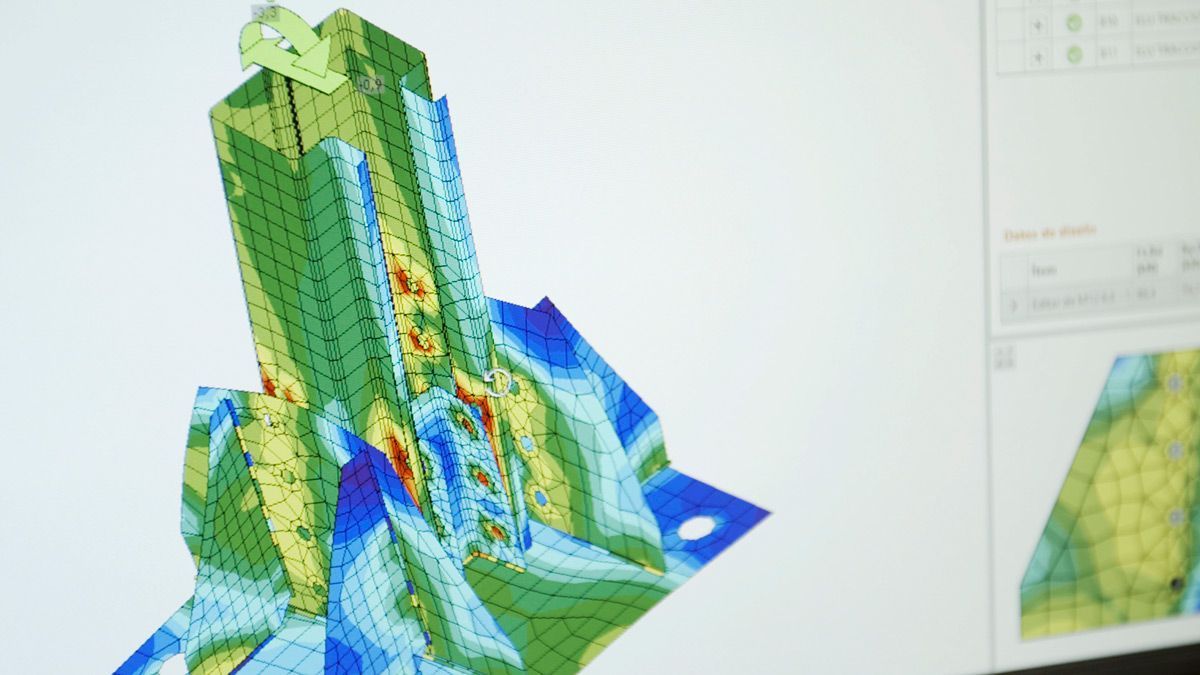
Our technology centre works with an R&D laboratory at Mondragon University to test the behaviour, strength and safety of racking components under real load cases. A research and simulation chair at the University of the Basque Country develops calculation models and simulation tools that we apply to frames, beams and connections — including designs for high seismic demand.
For a Cuenca buyer, this matters because Colombian, Peruvian, Chilean or Ecuadorian projects can look similar in a catalog while requiring very different safety margins. Finite-element simulation, physical load testing and review against local codes give procurement teams a more defensible basis for selection than generic load tables alone.
Factory Advantages That Matter for a Cuenca Racking Project
Local knowledge is valuable, but it must be backed by manufacturing capability, documented quality and responsive engineering. These are the strengths Alohatop Shelf brings to OEM/ODM warehouse pallet shelving projects for the Cuenca market.
In-house design and manufacturing
Layout, structural calculation, profiling, welding, powder coating and packing are coordinated under one factory system. This reduces hand-offs when OEM colors, special bay lengths or custom load signs are required.
Automated precision
Robotic production and laser-controlled processes help keep frames and beams within tight tolerances for manual and automated warehouses. Consistent geometry supports faster installation and safer beam engagement.
R&D and structural testing
Laboratory collaboration and simulation work support component validation. This is especially important for taller racking, heavy-load cantilever systems and projects with seismic requirements.
Export and regional experience
More than 60 countries, 14 own branches and 70+ distributors support international projects. For Ecuador, that experience helps align production, packing, shipping to Guayaquil and inland delivery planning to Cuenca.
Certified quality and warranty
Systems are produced under ISO 9001, ISO 14001, ISO 45001, ISO 50001, UNE EN ISO 3834-2, EN 1090-1 and ISO 14064 verified carbon reporting, with a 5-year warranty and full component traceability.
Turnkey support and expansion
Engineering, installation supervision, inspection and maintenance support help the system remain safe after handover. As the Cuenca operation grows, matching components can be supplied for phased expansion.
Warehouse Pallet Shelving Selection Matrix for Cuenca Projects
Use this matrix as an early-stage comparison. Final selection depends on pallet type, load per level, clear height, throughput, seismic requirements and future expansion plans.
| System | Best fit in the Cuenca market | Typical load / configuration | Density | Pallet access |
|---|---|---|---|---|
| Selective pallet racking | Distributors, wholesalers, food and retail DCs with mixed SKUs | Heavy-duty beams; 1200×1000 and 1200×800 mm pallets | 100% direct access | |
| Adjustable heavy-duty racking | 3PLs and businesses expecting SKU or load changes | Custom 800–3000 kg per level options | 100% direct access | |
| Mold and tooling rack | Workshops, maintenance stores, light manufacturing | Shelves, partitions, labels, heavy shelf panels | Manual / direct | |
| Cantilever racking | Timber, pipes, profiles and construction materials | Arm pairs sized to product length and weight | Full-length side access | |
| Heavy-duty cantilever | High-capacity long loads and industrial stockyards | Reinforced arms, bases and bracing | Full-length side access | |
| Boltless 3-layer shelving | Garages, backrooms, spare parts and maintenance areas | Cold-rolled steel; epoxy powder coating | Manual / direct |
Density indicators are relative and intended for early planning only. A structural engineer must verify the final layout, loads and seismic requirements.
OEM/ODM Project Timeline: Five Controlled Steps
A disciplined process keeps custom colors, load capacities, documentation and delivery requirements aligned from the first drawing to final installation.
Requirement capture
Pallet dimensions, loads, clear height, throughput, forklift type, temperature, building address and target date.
Layout and calculation
Bay planning, load checks, aisle study, seismic review and component selection.
OEM/ODM detail
Colors, branding, labels, packaging, manuals, spare-parts list and approval drawings.
Production and QC
Roll forming, welding, coating, dimensional inspection, packing and pre-shipment checks.
Delivery and installation
Shipping coordination to Guayaquil and Cuenca, site supervision, load signage and handover.
Cuenca Procurement FAQ: What Local Buyers Ask Most
These answers reflect the questions our engineering team receives from warehouse owners, logistics managers and distributors in Ecuador and across South America.
Can we order OEM/ODM warehouse pallet shelving directly from the factory for Cuenca?
How is pallet racking designed for seismic requirements in Ecuador and Cuenca?
What is the typical shipping route to Cuenca?
Which pallet sizes are most common in the Cuenca and Ecuador market?
What is the minimum order quantity for an OEM/ODM project?
Can you support installation in Cuenca?
What warranty and documentation back the storage system?
What information should we send to receive the right catalog and quotation?
Request Your OEM/ODM Warehouse Pallet Shelving Catalog for Cuenca
Share your pallet dimensions, load per level, clear height, building location in Cuenca and target capacity. Our storage engineers will recommend the safest, most space-efficient pallet shelving system for your site and confirm the next engineering step.
Get Catalog