Pallet Flow FIFO Racking for Fast-Moving Inventory: Manufacturer & Wholesaler Serving the Buenos Aires Market
High-density gravity flow racking for food, beverage, cold-chain, pharmaceutical, retail and 3PL warehouses in CABA and Greater Buenos Aires — engineered, manufactured and supplied with project support from Alohatop Shelf.
8 Pallet Racking & Warehouse Storage Products for Buenos Aires Projects
The core solution for fast-moving inventory is pallet flow FIFO racking. These eight complementary products allow a Buenos Aires warehouse to combine gravity flow, selective access, heavy-duty pallet storage, automation and cantilever handling in one phased layout.
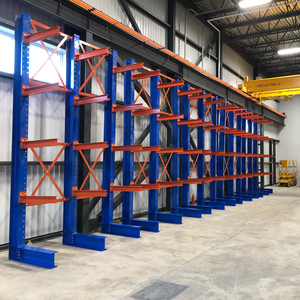
Heavy Duty Adjustable Corrosion Protected Industrial Warehouse Storage Steel Cantilever Rack for Irregular Goods Indoor/Outdoor
For long profiles, pipes, timber and irregular goods that cannot run safely on a pallet flow lane.
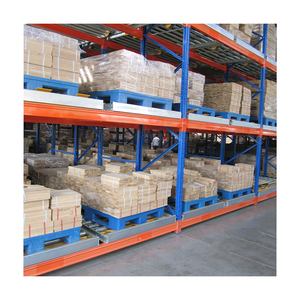
Steel Pallet Rack System Heavy Shelving Storage Shelf Selective Heavy Duty Rack Steel Shelving Warehouse Racking for Wholesale
Selective reserve storage for mixed SKUs and back-up pallets behind a FIFO flow pick face.
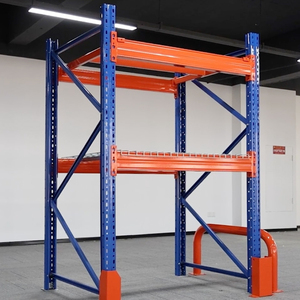
Warehouse Storage Rack 4000kg High Capacity Multi-Level Pallet Racking for Auto Parts Logistics Park Industrial Standard
High-capacity multi-level racking for auto-parts logistics parks and dense industrial storage.
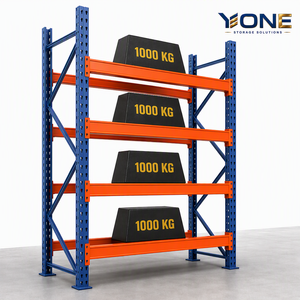
Durable Steel Storage Rack Heavy Duty Pallet Racking for Industrial Warehouse Storage with Safety Accessories
Heavy-duty pallet racking with guards, anchors, load signage and protection for busy warehouses.
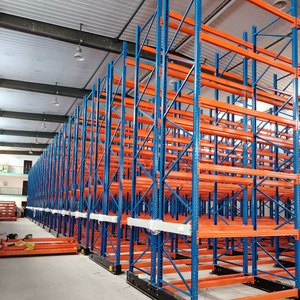
Durable Steel Storage Rack Steel Pallet Racking Heavy Duty Selective Pallet Racking System for Logistics Solutions
Flexible selective racking for logistics operations that need direct access to most pallets.
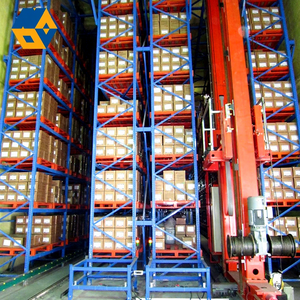
NOVA Automated Storage and Retrieval System ASRS Stacker Crane Pallet Warehouse Animation Rack System
For high-throughput distribution centres where the WMS controls FIFO, replenishment and retrieval.
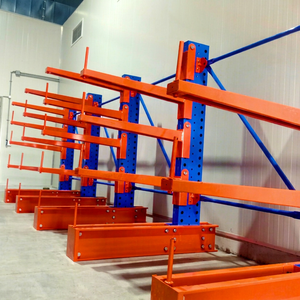
Warehouse Storage Heavy Duty Cantilever Pallet Racking System From Vietnam Supplier
Heavy-duty cantilever storage for long loads and oversized industrial materials.
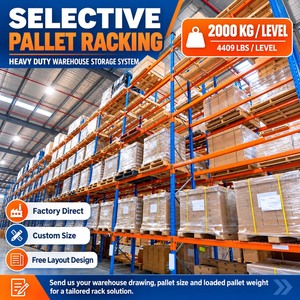
Industrial Warehouse Pallet Racking System Heavy Duty Adjustable Storage Rack Customized Pallet Racks for Factory Storage
Customized adjustable racking for factory storage, WIP buffers and mixed pallet profiles.
Why Pallet Flow FIFO Racking Is a High-ROI Choice for Fast-Moving Inventory in Buenos Aires
Fast-moving inventory rewards speed, rotation discipline and space efficiency. Pallet flow racking delivers all three when the lane is engineered for the real pallet, load, temperature and handling equipment — not merely selected from a catalogue.
From gravity lane to inventory-control system
Pallet flow FIFO racking is best understood as a dynamic storage lane, not a static shelf. Pallets are loaded at the rear at a controlled incline and roll forward on heavy-duty rollers, separated by speed controllers, until the oldest pallet rests at the picking face. When a forklift removes the front pallet, the lane indexes forward automatically. The result in a Buenos Aires warehouse is compact, high-density storage with true first-in, first-out rotation and no need for a powered shuttle in every lane.
For fast-moving inventory such as milk, yogurt, beverages, packaged food, personal care, pharmaceuticals, spare parts, retail replenishment and frozen products, the first question is not whether FIFO is useful. It is whether the lane can keep the right inventory at the face without damaging pallets, overloading rollers or eroding throughput. A flow lane that is designed only from a catalogue page will usually fail at the interfaces: pallet quality, aisle layout, WMS label position, forklift type and truck schedule.
In CABA and Greater Buenos Aires, industrial land is scarce and costly. Warehouses in La Matanza, Tigre, Pilar, Ezeiza, Avellaneda, Dock Sud and Campana are under pressure to serve a dense consumer market while holding enough stock for volatile demand. Pallet flow turns unused vertical and aisle space into active storage. Compared with conventional selective racking, it can concentrate several pallets per SKU behind a single pick face, reducing travel and often improving space utilisation. The gain is strongest when daily picks are high and SKU lifecycle is predictable.
Engineering details that separate a reliable lane from a problem lane
A reliable FIFO flow lane is calculated around the actual load case: pallet width and depth, maximum and average load, pallet condition, overhang, roller pitch, lane length, slope, brake separators, end stops and the forklift or reach-truck envelope. In cold stores, condensation, ice, frozen pallet bases and low-temperature steel behaviour must be considered before the first beam is ordered. In ambient food and beverage warehouses, damaged pallet boards are often the hidden cause of lane stoppages, so pallet quality standards belong in the operating procedure.
For Buenos Aires projects, our engineering team also checks building height and permit limits, floor flatness and anchor capacity, fire code requirements, loading-bay access and the future interface with WMS or ERP. Where a site is in a higher-seismic region of Argentina, the structure is reviewed against the applicable INPRES-CIRSOC 103 requirements and project-specific structural criteria. Even in the Buenos Aires metropolitan area, local permitting and life-safety requirements should be confirmed early in the layout study.
- Lane commissioning: test loaded pallets before handover, not after the first production shift.
- Pallet control: reject broken boards, protruding fasteners and unstable loads before they enter a gravity lane.
- WMS logic: align lane labels, replenishment triggers and batch-expiry rules with the physical FIFO sequence.
- Import planning: confirm packing lists, HS-code guidance and installation supervision before shipment to Buenos Aires.
Where Pallet Flow FIFO Racking Delivers Results in the Buenos Aires Market
The same gravity-flow principle is applied differently by food distributors, cold-chain operators, 3PLs, retailers and manufacturers. The common requirement is disciplined rotation with fast replenishment and safe access.
Food & beverage distribution in CABA and GBA
Dairy, beverages, packaged food and dry goods move through gravity lanes with first-expired-first-out discipline. The oldest batch stays at the pick face, reducing expired stock and rush replenishment during peak retail demand.
Cold chain and frozen food warehouses
Freezer-rated flow racking helps beef, poultry, dairy, frozen vegetables and seafood operators rotate stock while reducing time inside the cold room. Steel specification, finish and pallet quality are reviewed for temperatures down to −30 °C.
3PL and multi-client logistics
Third-party logistics operators can segment flow lanes by client, SKU velocity and batch rule. This supports multi-client inventory while keeping pick faces replenished and audit-friendly.
Retail replenishment and e-commerce buffers
Retail distribution and e-commerce fulfilment teams use flow racking as a fast-moving buffer behind picking zones. High-velocity SKUs stay close to the dispatch area while reserve inventory moves to selective or high-bay racking.
Pharmaceutical and personal-care storage
Batch traceability and first-expired-first-out control are essential for regulated products. Pallet flow lanes make the physical sequence visible to warehouse teams and easier to reconcile with WMS batch records.
Automated and semi-automated warehouses
For high-throughput distribution, pallet flow can sit alongside AS/RS, pallet shuttle or VNA racking. The WMS controls replenishment, FIFO release and replenishment priorities while gravity handles the lane movement.
Local Trends Shaping Warehouse Racking Demand in Buenos Aires
Warehouse decisions in Argentina are being shaped by land costs, cold-chain investment, e-commerce service levels and the need to reduce total cost per pallet position.
Urban warehouses move upward
Land scarcity in CABA and the first ring of Greater Buenos Aires is pushing clear heights, narrow-aisle layouts and high-density storage. Every cubic metre of building must earn its place.
Cold-chain investment continues
Meat, dairy, frozen food and seafood supply chains require temperature-controlled racking and reliable FIFO rotation. Energy cost per cooled cubic metre makes lane density a financial issue, not only an operational preference.
Automation and data visibility
WMS, ERP, barcode scanning and AS/RS are becoming more common in larger distribution centres. Racking must meet tighter tolerances and expose the right lane data for automated replenishment.
Total cost, compliance and lifecycle value
Buyers are comparing landed cost, warranty, spare parts, installation quality and certification — not only the price per beam. A racking system that is hard to inspect or repair becomes expensive over its service life.
FIFO Pallet Flow Racking vs Other Storage Systems
Use this engineering comparison as an early layout filter. Final selection depends on SKU profile, pallet quality, throughput, building height, temperature and the required stock-rotation rule.
Pallet Flow FIFO Racking in Buenos Aires: Common Purchasing Questions
These are the practical questions we receive from warehouse managers, logistics directors and procurement teams evaluating racking projects for Argentina.
Are you a local Buenos Aires racking manufacturer or an international wholesaler?
We are an international manufacturer and wholesale supplier of industrial racking and storage systems, with project engineering, export logistics and installation supervision for the Buenos Aires market. The structure is engineered for the destination site, shipped through the agreed port or logistics route, and installed with approved drawings by qualified supervisors and trained local partners where required.
How long does a pallet flow FIFO racking project take to reach Buenos Aires?
A typical project starts with layout and load data, followed by structural engineering and approval drawings. Production and container loading are then scheduled, followed by ocean freight and customs clearance. Actual lead time depends on project size, finish, engineering approvals and vessel schedules, so the schedule is confirmed after the layout, pallet data and destination details are fixed.
What import information can you provide for Argentine customs clearance?
We provide commercial invoices, packing lists, container loading plans and product and certification information to support the importer and customs broker. The importer remains responsible for Argentine import clearance, duties and local regulatory requirements, so we recommend engaging a Buenos Aires customs broker early and confirming the applicable HS code and documentation before shipment.
Which pallet sizes and loads are common in Buenos Aires warehouses?
Common formats include 1200 × 1000 mm pallets, 1200 × 800 mm Euro pallets and Brazilian PBR 1000 × 1200 mm pallets used in regional trade. We calculate frame depth, beam length, roller pitch and lane width from the actual pallet drawing and maximum load. For high-capacity industrial projects, systems can be engineered for loads such as 4000 kg per level where required.
Can pallet flow FIFO racking operate in Argentine cold stores and freezer rooms?
Yes. Cold-store and freezer projects use steels, finishes and components selected for low-temperature operation. We review condensation, ice build-up, frozen pallet bases, speed controllers, brakes and emergency access. Operating procedures must also control pallet condition, because a damaged board in a freezer lane can become a costly disruption.
How is installation and after-sales support handled in Argentina?
We support the project with approval drawings, installation manuals, load signage requirements and quality checkpoints. Depending on the project, installation is supervised by our engineers and delivered with trained local partners. Lifecycle services include technical inspection, maintenance planning, component replacement and reconfiguration advice — backed by the original manufacturer’s quality system and warranty terms.
Manufacturer & Wholesaler Advantages for Buenos Aires Warehouse Projects
Buyers in Argentina need more than a beam-and-frame price. They need engineering discipline, export documentation, installation support and a supplier that can stand behind the structure over its full service life.
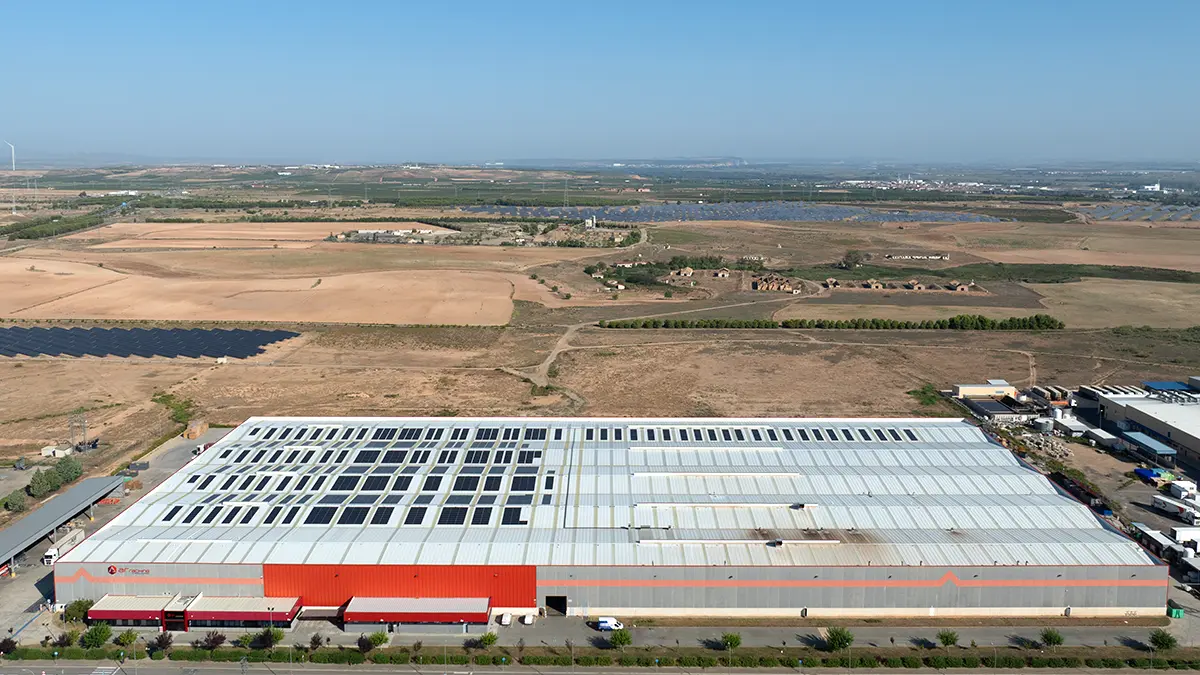
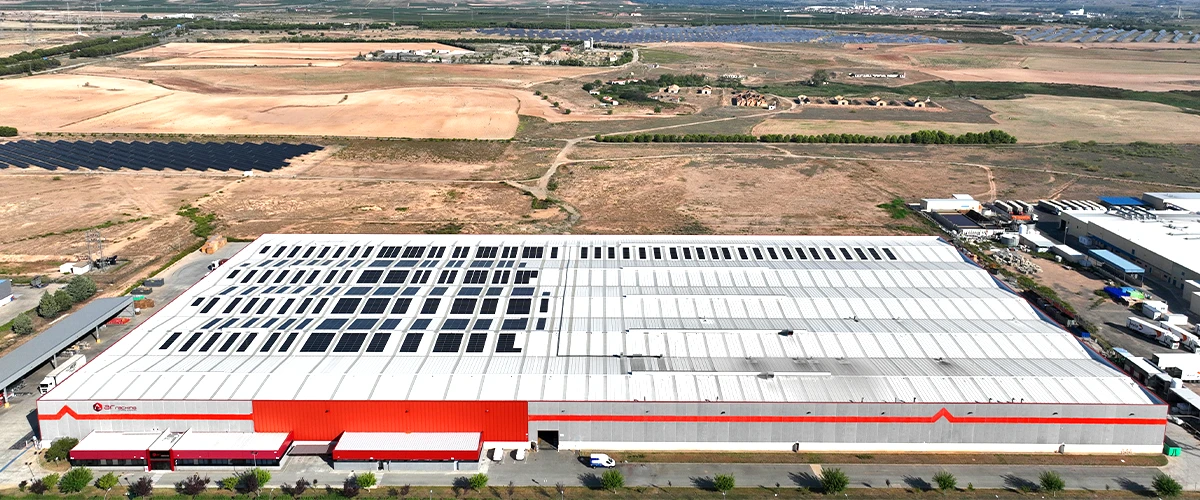
Full project control from steel coil to load sign
Alohatop Shelf LLC designs, calculates, manufactures and supports the installation of industrial racking and storage systems. Our production resources include a highly automated manufacturing centre and substantial annual steel capacity. Because engineering, production and project documentation sit under one accountable team, Buenos Aires buyers receive consistent drawings, bill of materials, packing plans and installation information.
More than 90% of production is exported, with experience shipping to major ports and project destinations across South America, Europe and other regions. We also work through a network of branches and distributors, giving buyers access to local project support while retaining manufacturer-level control over the storage structure.
- 35,000 m² highly automated production centre and 100,000 t annual capacity.
- 42,000+ warehouse projects delivered and systems installed in 60+ countries.
- 14 own branches and 70+ trusted distributors for regional project coordination.
- 5-year warranty, full component traceability and ISO-based quality management.
- Lifecycle services: project engineering, technical inspection, installation and maintenance.
R&D and testing behind every structural decision
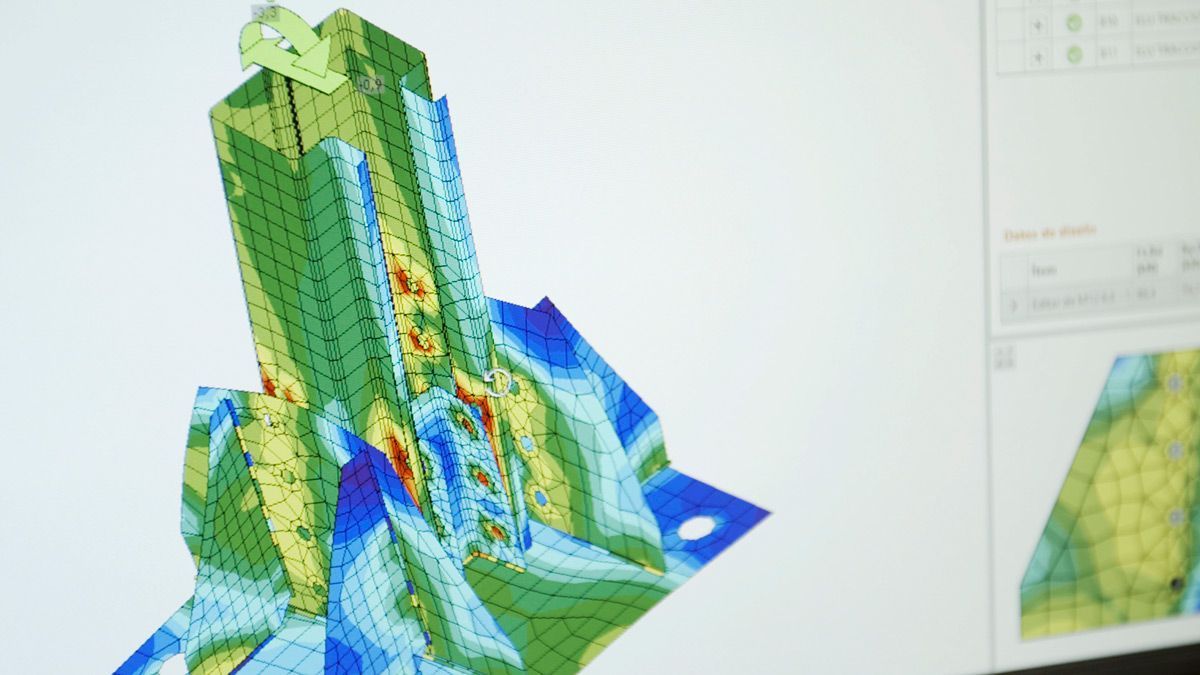
Our engineering approach is supported by research and testing, including work with a university R&D laboratory on the behaviour, strength and safety of racking components. Simulation and calculation models help us evaluate frames, beams and connections under realistic load cases, including high-demand structural conditions. This matters for warehouses that combine tall racking, heavy pallets, cold-store environments and automated handling equipment.
Automated stacker cranes and shuttles stop when rack geometry drifts out of tolerance. Robotic production and controlled processes help keep frames and beams within the tolerances that AS/RS integrators expect, while also supporting faster and safer installation for conventional and pallet flow warehouses. For the Buenos Aires market, this means a more predictable project outcome — from engineering review to spare-parts planning.
Certified Manufacturing and Documented Quality
Storage systems are produced under international management and welding standards, with component traceability and warranty support for export projects.
What to Send for an Accurate Pallet Flow FIFO Racking Quote
A useful quotation is not a list of beams and uprights. It is an engineered response to your building, pallet, inventory and throughput data. Sharing the following information will help our team size the right system for a Buenos Aires site.
Planning a Fast-Moving Inventory Warehouse in Buenos Aires?
Send your building layout, pallet dimensions and throughput data. Our storage engineers will review whether pallet flow FIFO racking, selective racking, high-bay storage or automation is the most practical path for your site — and prepare a project-specific recommendation for the Buenos Aires market.