8 Pallet Rack Supported Mezzanine Components for Suriname Factories and Wholesalers
These eight systems are the practical building blocks our engineers specify when a Surinamese factory or wholesaler needs a second working level without losing ground-floor pallet positions. Each item has a clear role in the mezzanine ecosystem: the load-bearing base rack, the adjustable beams, the safety package, the picking levels, the humidity-resistant shelving, the automotive selective racking, the heavy-duty core structure and the cantilever solution for long goods. Product images and links are retained from the existing range so buyers can move from concept to specification without losing the original commercial context.
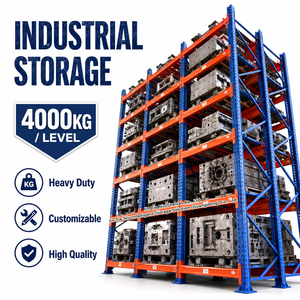
4000KG Heavy Duty Warehouse Rack Pallet Storage System Adjustable Beam Racking
Engineered as the load-bearing backbone beneath a rack-supported mezzanine. The 4,000 kg class uprights and adjustable beams let a Surinamese wholesaler keep imported pallets of rice, beverages, hardware or household goods on the ground level while creating a second floor for order assembly, labeling or light production. Adjustable beam pitch allows re-slotting as import volumes change between container arrivals.
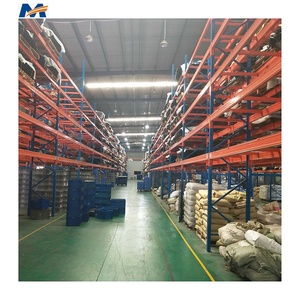
China Estantes Metalicos Heavy Duty Pallet Rack Beams Store Steel Shelving for Warehouse
Use high-strength beams and steel shelf levels to reconfigure storage below an existing mezzanine without replacing the whole frame. Suitable for Paramaribo wholesalers who mix pallet and carton storage, and for factories returning tools, consumables or work-in-progress to defined locations. Beam changes are easier to phase than a full new rack installation, which matters when a business is expanding between shipments.
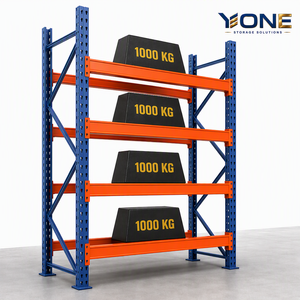
Durable Steel Storage Rack Heavy Duty Pallet Racking for Industrial Warehouse Storage with Safety Accessories
Safety is the differentiator in busy loading bays. Column protectors, guard rails, base plates and anchors reduce impact risk from forklifts and container unloading. For a tropical site with high humidity, correct anchors and protected fixings also help protect the structure from corrosion and movement. This is the product to pair with any rack-supported mezzanine used for daily wholesale throughput.
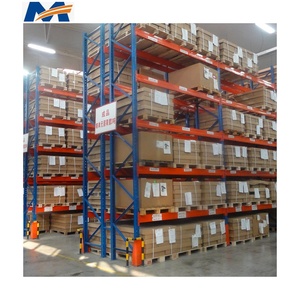
Pallet Racking System Warehouse Shelves Heavy Duty, Warehouse Picking Shelves Rack
Turns the mezzanine into a practical order-picking floor. Combine pallet reserve below with picking shelves above for fast-moving stock, spare parts and retail replenishment. The layout can separate import receiving from day-to-day wholesale picking, useful when a Paramaribo branch must serve shops across the city and district customers before the next container is cleared. Picking shelves also improve slotting discipline.
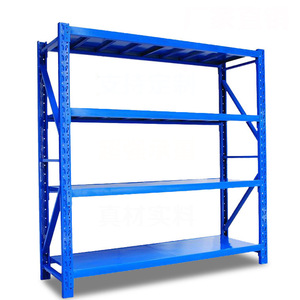
LIANGZO 5-Layer Steel Corrosion Protection Chrome Plated Storage Shelf for Warehouse Household Use Light/Medium Duty Display
Chrome-plated light and medium-duty shelving for humidity-conscious retail, workshop and spare-parts areas. Use it for small components, tools, PPE and retail display where full pallet racking would be excessive. Chrome finish supports easy cleaning and a professional appearance, while the five-layer design increases vertical use in compact back rooms, service counters and technical stores attached to a mezzanine.
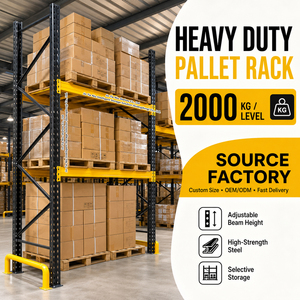
Adjustable Pallet Rack 1000KG to 3000KG for Auto Parts Storage Heavy Duty Selective Pallet Storage System
Selective adjustable racking sized for automotive and machinery parts. In Suriname, where imported vehicles, trucks, boats and mining equipment depend on parts availability, mezzanine support can separate fast-moving filters and lubricants below from slow-moving body panels and engine components above. Selective access keeps every SKU visible and reachable, which is important when customer waiting time is measured in hours.
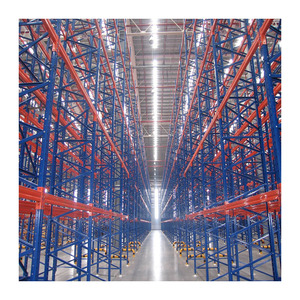
Mracking Heavy Duty Industrial Palletized Racking with a Capacity of 1000-4000kg Industrial Storage Racking
Core 1,000–4,000 kg palletized system for a two-tier wholesale or factory operation. Selective access gives 100% SKU access, an important advantage when a single container may contain many mixed SKUs. Our engineers calculate beam deflection, frame depth, upright capacity and mezzanine floor load together, so the result is not simply storage below and a platform above, but a coordinated structure with predictable tolerances.
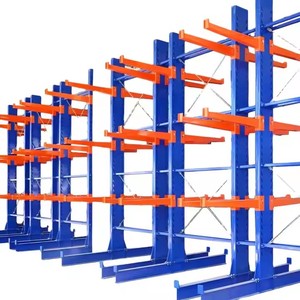
Industrial Heavy Duty OEM ODM Storage Racks Wall Mounting Tube Racking Gavenized Cantilever Rack for Warehouse
For long goods such as PVC pipes, aluminium profiles, timber, steel sections and irrigation equipment. Galvanized finish is valuable in Suriname’s coastal humidity. Cantilever arms allow fast loading from the aisle, and the system can be integrated with mezzanine columns or placed alongside a warehouse extension. It is the practical answer when a wholesaler cannot mix 6-metre materials with standard pallet racking.
Why Rack-Supported Mezzanine Suits Suriname Factories and Wholesalers
Suriname is a small but highly import-dependent market. The storage challenge is rarely solved by adding more aisles on the same slab; it is solved by using the vertical cube safely and commercially.
For wholesalers in Paramaribo, Wanica and Nickerie, the operating reality is mixed containers, long replenishment cycles, limited industrial-zoned land and buildings that were not designed for today’s import volumes. A pallet rack supported mezzanine changes the economics of an existing warehouse because the pallet rack itself becomes the structure that carries the mezzanine floor. Instead of buying or leasing additional land, the operator creates a second level for picking, packing, labeling, light assembly, technical services or spare-parts control above ground-level pallet reserve.
The engineering difference matters. An independent steel mezzanine has its own columns and foundations. A rack-supported mezzanine distributes floor and live loads through rack uprights, base plates and anchors, so the design must be coordinated with the slab, soil conditions and rack configuration. In coastal Suriname, soft alluvial soils, high water tables and heavy rainfall require careful drainage and base detailing. We therefore ask for slab data, building height, pallet weight and target city before freezing a layout. This is not a catalogue purchase; it is a structural and operational decision.
Factories benefit in a different way. A mezzanine can separate clean assembly, quality control or packaging from dusty raw materials, or create a secure technical floor for spares, PPE and maintenance tools. Wholesalers gain a second order-picking level without giving up the ground floor to offices. In both cases, the return comes from higher usable floor area per square metre of land, faster order flow and better protection of high-value stock.
Where a Mezzanine Pays Back First in Suriname
The right layout depends on how goods enter, how orders leave and which activities need to be close to each other. These are the six scenarios we evaluate most often for Surinamese factories and wholesalers.
Import-led wholesale and retail distribution
Ground level holds reserve pallets from mixed containers; the mezzanine becomes a picking and order-assembly floor for shops, restaurants and district customers. This keeps receiving, put-away and dispatch from fighting for the same aisle.
Rice, food and cold-chain support
Rice, flour, sugar, packaged food and frozen imports need separation between bulk reserve and order preparation. A mezzanine can host packing, labeling and quality checks while pallet racking below keeps FIFO stock accessible and protected from busy loading areas.
Automotive, hardware and construction materials
Filters, lubricants, tools, fittings and spare parts fit naturally into a two-tier layout. Heavy or long materials can move to a galvanized cantilever system, while the mezzanine carries small parts, service kits and trade-counter stock in a controlled sequence.
Factories and light assembly
Raw materials stay below; assembly, packaging, testing or small-batch production move above. This reduces travel, protects finished goods from dust and creates space for tools and work instructions. Point loads from equipment must be declared early so the mezzanine floor can be designed correctly.
E-commerce, spare parts and service logistics
Small-part picking benefits from shelving, bins and short travel paths. A mezzanine can host packing benches, barcode stations and returns inspection above a reserve pallet zone, giving a Surinamese e-commerce or service-parts operation room to grow without relocating.
Oil, gas and mining supply chains
MRO spares, PPE, valves, tools and rotating equipment need controlled storage and fast issue. A mezzanine can separate secure technical stores from heavy pallet reserve, while hot-dip galvanized or coated finishes help resist humid, coastal and industrial atmospheres.
Engineering Details That Matter in Suriname’s Climate and Supply Chain
Suriname is not a high-seismic market like Chile, but humidity, rainfall, soft soils, fire egress and container logistics shape the design just as strongly. The mezzanine must be buildable, inspectable and serviceable in the real site environment.
What we verify before recommending a two-tier layout
- Clear height and roof obstructions: mezzanine headroom, lights, sprinkler pipes, ventilation and forklift mast clearance all affect how many usable levels remain.
- Slab and base-plate loads: rack-supported mezzanines concentrate load at footplates. We request slab thickness, reinforcement, joint layout and any local structural report. If required, local pads or strengthening can be reviewed with the client’s engineer.
- Corrosion and condensation: humid air, salt-laden coastal breezes and roof leaks shorten the life of unprotected steel. Powder coating, galvanizing, zinc-rich primers, protected fixings and ventilation detailing are selected by area.
- Fire safety and egress: a second level changes travel distances, sprinkler shadowing and smoke movement. The final fire strategy must be reviewed locally, but our layout work flags early coordination points.
- Container and installation logic: frames and beams should ship flat and be sequenced for a 40 ft container. On site, bolted assembly reduces welding, dust and disruption in an operating warehouse.
For a wholesaler, the strongest design is often a simple selective rack base with a clear picking mezzanine above. For a factory, the floor may need point-load reinforcement and services routing. For a hardware or irrigation importer, cantilever racking alongside the mezzanine keeps long goods out of the pallet aisles. The right answer is a hybrid, not a single product.
Local Development Trends Shaping Suriname Warehouse Investment
Several trends are pushing Surinamese importers, factories and wholesalers toward vertical storage rather than simple warehouse expansion.
Port-led import growth and CARICOM distribution
As import volumes move through the Port of Paramaribo and regional gateways, wholesalers need faster receiving, staging and replenishment. Mezzanines separate reserve stock from order preparation, reducing congestion when containers arrive in the same week.
Rising land and construction costs in Paramaribo and Wanica
Industrial-zoned land close to customers is limited. When expansion land is expensive or unavailable, adding a second tier inside the existing envelope often gives a faster payback than a new building, especially for light and medium-duty operations.
Digitalisation, WMS and barcode-ready storage
Retailers and distributors are adopting better inventory visibility, barcode scanning and slotting discipline. A mezzanine creates addressable locations that can be labeled by level, bay and bin, making WMS implementation and cycle counting more practical.
Climate resilience, corrosion and fire safety
Owners are asking harder questions about humidity, roof leaks, wind-driven rain and fire strategy. Galvanized cantilever racks, protected fixings, ventilation and early fire-egress review are becoming part of the purchase decision, not an afterthought.
Choosing the Right Mezzanine and Racking Combination
Use this comparison as an early planning tool. The final configuration must be calculated for your pallet, building, slab and operating profile.
| Configuration | Best fit in Suriname | Access profile | Planning note |
|---|---|---|---|
| Selective rack-supported mezzanine | Mixed-SKU wholesalers, retail importers, food distributors and spare-parts operations that need access to every pallet | 100% direct access below | High local fit |
| Double-deep rack + mezzanine | Importers with two or more pallets per SKU and enough stock depth to accept reduced selectivity | About 50% direct access | Good where SKU count is controlled |
| VNA racking + mezzanine | Tall buildings where land is tight and the operator can invest in very narrow aisle equipment and floor tolerance | 100% access with VNA trucks | Needs flat floor and discipline |
| Picking shelving mezzanine | Small parts, e-commerce, PPE, cosmetics, service kits and trade-counter replenishment | Manual picking above and below | High fit for light goods |
| Cantilever + mezzanine | Pipes, timber, profiles, irrigation equipment and construction materials | Fast long-goods loading from aisle | Pair with galvanized finish |
In Suriname, always verify slab capacity, anchor design, drainage around footplates and local fire requirements before ordering steel. The cheapest rack is not the lowest-cost project if the base details are wrong.
Why Alohatop Shelf Is a Practical Partner for Suriname Projects
Alohatop Shelf LLC designs, manufactures and supports industrial racking and automated warehouse structures for export markets. For Suriname, the value is not only the steel; it is the engineering discipline, packing logic, documentation and long-term support behind the structure.
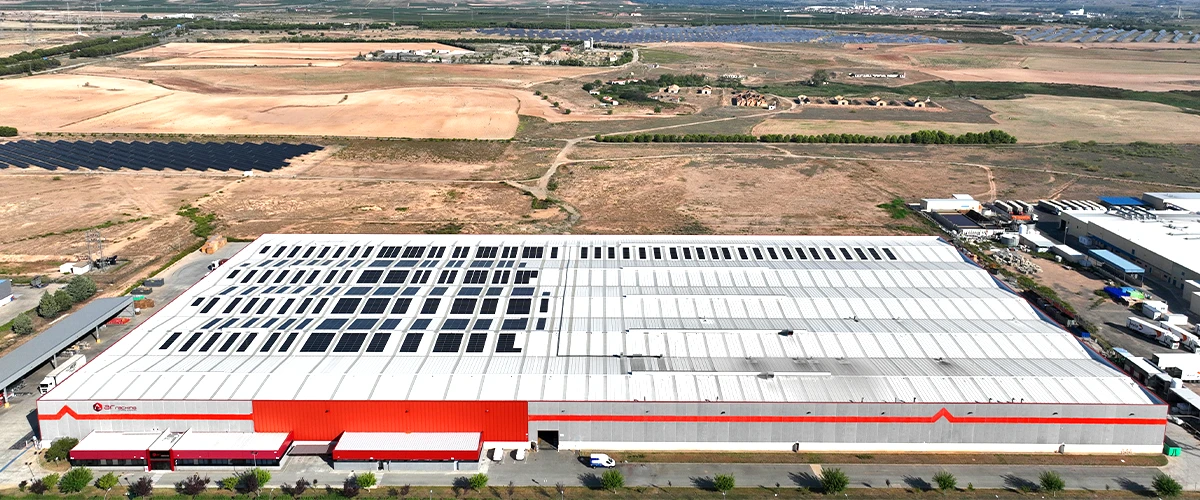
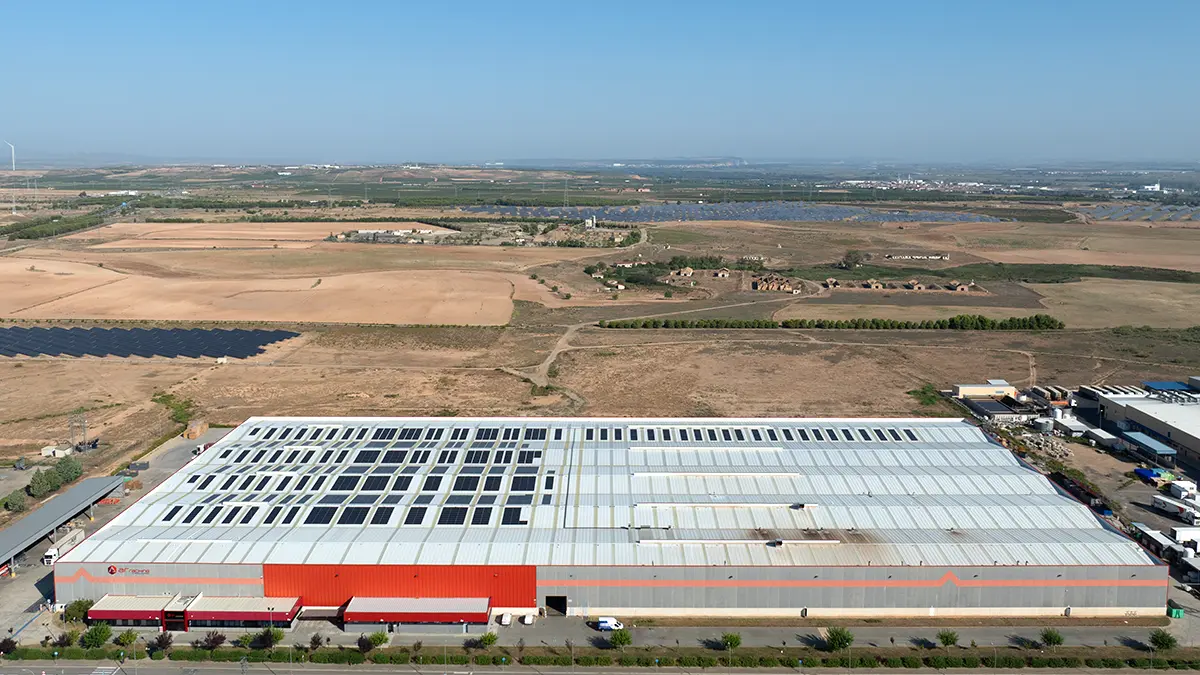
Manufacturer with 35,000 m² automated production and 100,000 t annual capacity
We are not a trading reseller. Our production centre and export experience mean the mezzanine base, beams and safety components can be controlled as one system. More than 90% of output is exported, with full component traceability from production batch to installation. For a Suriname buyer, this reduces ambiguity between rack supplier, mezzanine fabricator and installer.
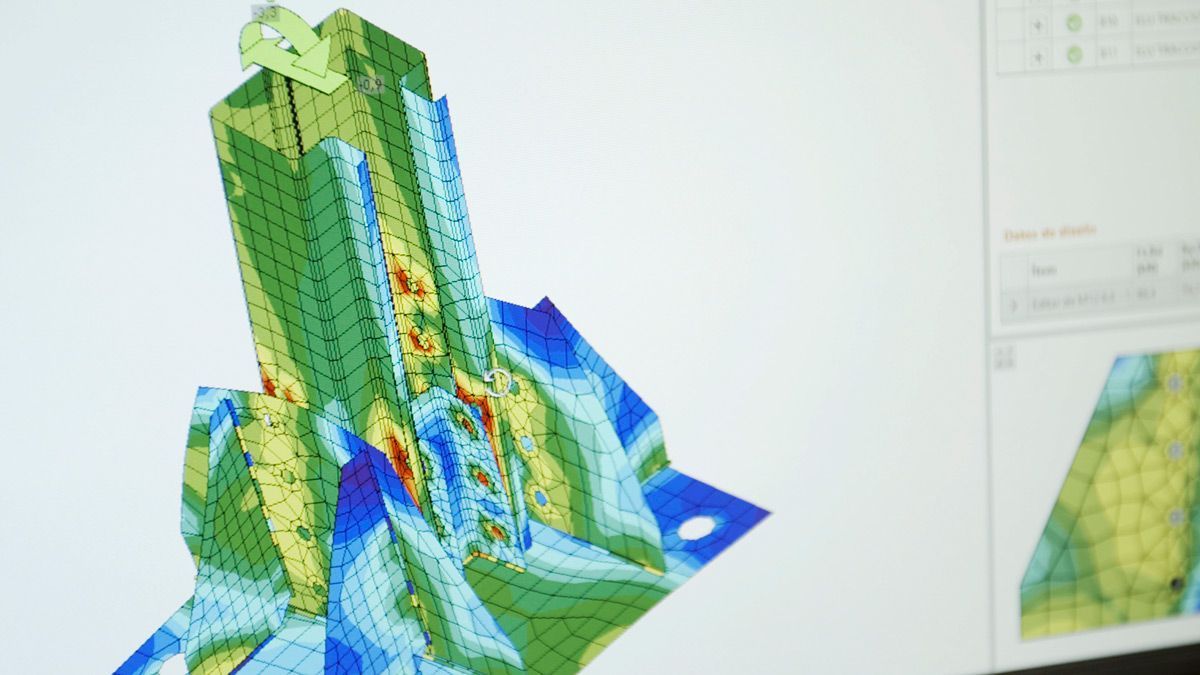
R&D and laboratory testing before shipment
Our technology centre works with an R&D laboratory at Mondragon University and a research and simulation chair at the University of the Basque Country. Finite-element simulation, physical load testing and cyclic testing help validate frames, beams and connections. That knowledge is transferred into rack-supported mezzanine designs that must remain stable under real operating loads.
Design-to-destination engineering
Layouts consider Suriname’s humidity, coastal corrosion, slab data, clear height and container logistics rather than copying a European or Chilean project file.
Export packing and installation support
Flat-pack sequencing, packing lists, weights, drawings and container loading plans help the buyer, freight forwarder and installer work from the same information.
ISO-certified quality and 5-year warranty
Systems are produced under ISO 9001, ISO 14001, ISO 45001, ISO 50001, EN 1090-1 and ISO 3834-2 welding quality, with ISO 14064 verified carbon reporting and 5-year warranty.
Lifecycle safety and spare parts
Technical inspection, component replacement, reconfiguration and maintenance programmes protect people, stock and uptime after the mezzanine is in service.
Pallet Rack Supported Mezzanine Procurement in Suriname: Common Questions
These are the questions our engineers and export team answer most often from warehouse owners, factory managers and wholesalers planning a project in Suriname.
Can a rack-supported mezzanine be shipped to Suriname and installed in Paramaribo?
Yes. We manufacture components for container shipment, prepare packing lists, weights, drawings and loading plans, and can supervise installation through our specialists or a trained partner. The buyer’s import broker normally handles clearance at the Port of Paramaribo or Nieuw Nickerie; we provide the technical documents needed for that process.
What information do you need to quote a Suriname project?
Send the building layout, clear height, slab information, pallet dimensions, maximum pallet load, number of SKUs, pallets per SKU, daily order volume, forklift or manual equipment, temperature range and project city. Photos of the building, roof obstructions and loading area are also useful. If a structural report exists, include it for faster review.
How do you handle humidity and coastal corrosion?
We select finishes by area: powder coating or galvanizing for exposed steel, zinc-rich primers for repair points, protected anchors and fixings, and detailing that avoids trapped moisture. Cantilever racks for pipes or hardware can be supplied galvanized. Good roof drainage, ventilation and leak repair remain essential on site.
Is local permit approval included?
We provide structural drawings, load data and product information to support the local approval process. Final building-permit approval must be handled by the project owner with a local engineer or authority. Fire egress, sprinkler design and occupancy rules should be reviewed locally, especially when adding a second working level.
Can the mezzanine carry production equipment, not just storage?
Yes, if the load is declared and calculated. We need equipment weight, footprint, point loads, dynamic loads, vibration sensitivity and service routing. A factory mezzanine for packaging or light assembly is common, but heavy machinery may require a different structural strategy or local reinforcement.
What is the typical lead time?
For many export projects, production begins after drawing approval and deposit, with typical manufacturing lead times in the range of several weeks depending on size, finish and accessories. Ocean freight, port clearance and site installation add time. A production schedule and shipping plan are agreed before order confirmation.
What about floor slab and foundation loads?
Rack footplates concentrate load, so the slab must be verified. We provide reaction loads for the local structural engineer. If the existing slab is inadequate, local pads, strengthening or a different layout may be required. This step should not be skipped, particularly in older Paramaribo warehouses or buildings converted from other uses.
What warranty and after-sales support are available?
Storage systems carry a 5-year warranty and are produced under ISO 9001, ISO 14001, ISO 45001, ISO 50001, EN 1090-1 and ISO 3834-2 welding quality, with component traceability. After installation, we can support periodic inspection, spare parts, reconfiguration and maintenance planning to protect long-term safety.
Planning a Pallet Rack Supported Mezzanine Factory or Wholesale Hub in Suriname?
Share your building layout, pallet loads, target city and growth plan. Our engineers can review the concept, flag slab and fire-coordination issues, and propose a two-tier storage and working platform that fits the Suriname market.
Technical enquiries: [email protected]