Eight Racking Systems for Mendoza Buyers
Below are eight warehouse storage products from our export catalogue. Buyers in Greater Mendoza, San Rafael and the wider Cuyo region can use these systems for high-density reserve stock, cold-chain pallets, beverage production, packaging supply, mezzanine storage and specialized cantilever loads.
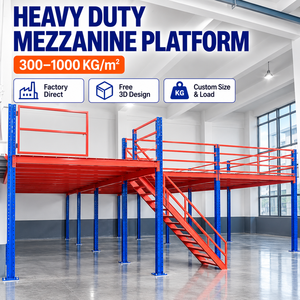
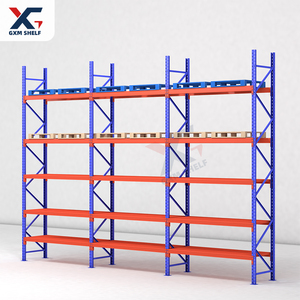
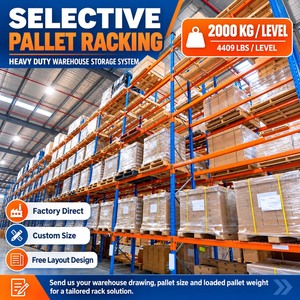
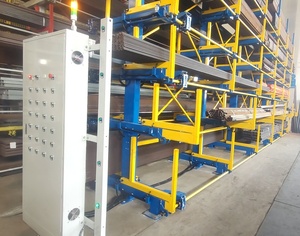
Push Back Pallet Racking Engineered for Mendoza’s Seismic, Wine and Cold-Chain Reality
Mendoza buyers rarely need a generic racking catalogue. Around Greater Mendoza — Maipú, Luján de Cuyo, Guaymallén, San Martín and Rivadavia — warehouses support wine bottling, grape and fruit exports, olive oil, food processing, packaging, mining supplies and regional 3PL distribution. A push back pallet rack system is attractive because it converts two or three selective aisles into one operating aisle, but the engineering detail determines whether that density is safe, serviceable and financeable over a 10–20 year life.
Our project engineers calculate push-back lanes using your actual pallet footprint, often 1000 × 1200 mm in Argentina, with 1200 × 1000 mm and Euro 1200 × 800 mm also common. We check load per pallet, fork clearance, cart retraction distance, clear height, beam deflection and aisle-to-aisle stability. For Mendoza and San Juan projects, the structural review considers INPRES-CIRSOC 103 seismic actions, local soil conditions, anchor design and frame bracing.
What a well-designed system gains: more pallet positions in the same footprint than selective racking, with LIFO access by lane, shorter travel paths for reserve stock and better use of costly cold-store or urban-edge warehouse space. Final density depends on pallet size, frame depth, building height and safety clearances, so we verify it lane by lane.
Inquire Now Reviewed by our export engineering team using project data from automotive, food, cold-chain, 3PL and industrial racking installations across 60+ countries.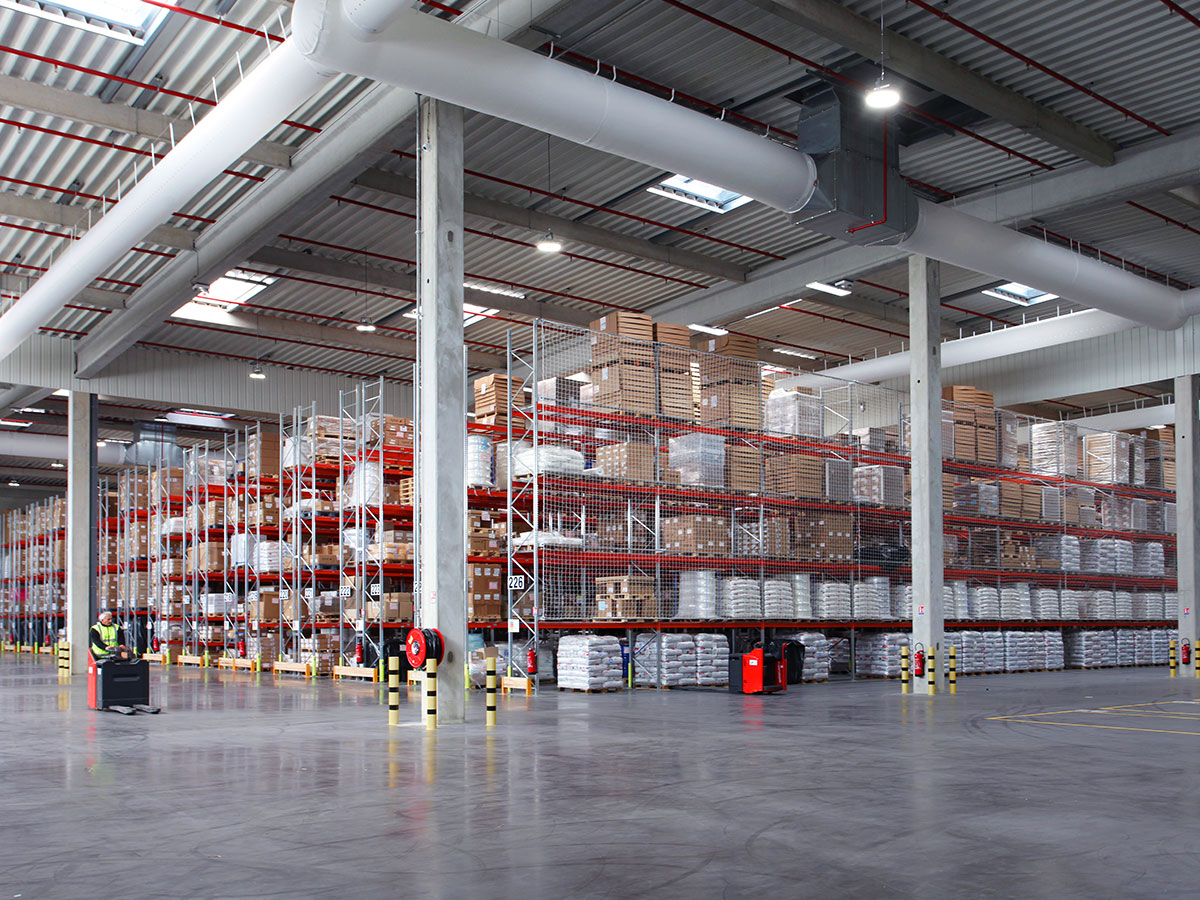
Highly automated production centre for racking frames, beams and accessories.
Annual steel production capacity supporting wholesale and project orders.
Warehouse projects delivered across multiple industries and load profiles.
Warranty on storage systems, with full component traceability.
Which Push-Back Configuration Fits Your Mendoza Warehouse?
A push-back system is not one product. It is a lane design: carts, rails, frames, beams, guides and safety details configured for your pallet, load and forklift fleet. These four starting points help procurement teams frame the right inquiry.
2-Deep Push Back
Best for fast-moving wine packaging, finished cases and distribution buffers where operators need a simple LIFO lane and high forklift productivity. A good first step when selective racking is running out of height or floor space.
3-Deep Push Back
The practical balance for many Mendoza wineries, bottlers and food plants. It adds density without creating excessively deep lanes, making stock rotation, cart inspection and forklift access easier during seasonal peaks.
4-to-5-Deep Push Back
Recommended for cold stores, homogeneous reserve stock and export consolidation where the same SKU occupies several pallets. Engineering must verify cart retraction, rail strength, fork clearance and safe operating aisle width.
Wholesale & Distributor Kits
For local racking distributors and multi-site buyers, we support wholesale supply of frames, beams, carts, rails, anchors and safety accessories, with drawings, load signs and installation supervision.
Where Push-Back Racking Performs in Mendoza and Cuyo
The strongest storage decision is the one that matches the local operating reality: harvest peaks, cold-chain protocols, seismic design, bulky packaging, wine bottling schedules and delivery routes toward Buenos Aires, Chile and the wider Cuyo region.
Wineries & Bottling Plants
Store labels, closures, empty glass, case packaging and finished wine cases in high-density reserve lanes. Push-back LIFO suits batch production where the newest pallet is retrieved first from the same lane.
Fruit, Olive & Agro-Export
Mendoza’s agricultural and processing corridors need durable racking for seasonal pallet surges. Push-back lanes help consolidate homogeneous lots before cold storage, grading, packing or export trucking.
Food & Beverage Manufacturing
Finished goods, ingredients and packaging can be stored densely near production lines. We specify washable, damage-resistant systems and safety signage suited to frequent forklift movement.
3PL & Regional Distribution
For multi-client warehouses, use push-back for stable reserve SKUs and selective or picking areas for fast movers. This hybrid layout protects service levels while reducing floor space per pallet.
Retail & E-commerce Reserve Stock
Place high-volume reserve inventory in push-back lanes behind manual picking or carton-flow zones. The result is denser back-of-house storage without compromising order-picking speed.
Mining & Industrial Spares
Support operations in the Cuyo region with racking for heavy components, spare parts and maintenance inventory. Engineered load checks are essential when pallet weights vary between SKUs.
Packaging & Glass Suppliers
Empty containers, cartons and packaging materials often arrive in repeated pallet batches. Push-back racking can reduce aisle count while keeping the newest stock accessible at the lane face.
Export Consolidation
Stage goods before trucking toward Buenos Aires, Chile or other regional markets. Lane discipline, load signage and a clear LIFO rule help avoid mis-picks when several shipments share one warehouse.
Mendoza Market Trends Influencing Rack Specification
Procurement teams comparing suppliers should look beyond price per frame. In Mendoza, the total cost of ownership is shaped by seismic resilience, cold-chain performance, land scarcity, safety inspection and how easily the system can connect to future automation.
Seismic Resilience
Mendoza projects are increasingly reviewed against INPRES-CIRSOC 103 criteria. Bracing, base plates, anchors, row spacers and beam deflection limits matter more than a simple capacity label.
Cold-Chain Investment
Fruit, food, meat and frozen products require racking that performs in low temperatures. Steel specification, paint finish, condensation control and safe forklift movement are part of the design brief.
Land & Construction Pressure
With scarce industrial land near logistics corridors, higher-density storage is one of the fastest ways to defer expansion. Push-back racking uses vertical space and reduces aisle count per pallet.
Rack Safety Inspections
Warehouse operators are adopting periodic inspections for impact damage, missing anchors, overloaded beams and deformed uprights. A supplier that provides traceability and spare parts reduces long-term risk.
Automation-Ready LIFO
Even if a project starts manual, buyers ask whether the layout can later integrate WMS location control, pallet shuttle equipment or automated handling. Clear lane data and strict tolerances keep options open.
Import & Port Planning
Mendoza importers compare routes through Buenos Aires, Chile and other regional gateways. Suppliers who provide packing lists, drawings, steel documents and installation manuals help reduce customs friction.
A Manufacturer, Not a Generic Reseller
For a push-back pallet racking project in Mendoza, the supplier should be able to explain the structural calculation, the production process, the coating and the installation sequence. Our vertically integrated model keeps those answers under one accountable team.
Full Project Control
We design, calculate, manufacture and support installation for warehouses and loads of every type. Owning the process from steel coil to load sign means fewer hand-offs for the buyer.
R&D and Testing
Our technology centre works with university R&D laboratories to test rack components under real load cases. Finite-element simulation and physical testing support frames, beams and connections for high-demand projects.
Certified Quality
Systems are produced under ISO 9001, ISO 14001, ISO 45001, ISO 50001, EN ISO 3834-2 welding quality, EN 1090-1 and ISO 14064 verified carbon reporting, with a 5-year warranty.
Automated Production Precision
Robotic production and laser-controlled processes keep frames and beams within tight tolerances. That precision matters for safe installation and for future automated warehouse compatibility.
Export Experience
More than 90% of output is exported, with logistics experience for ports such as Santos, Callao, San Antonio, Cartagena and Buenos Aires. We prepare export documentation for distributor and project buyers.
Local Support Model
For Mendoza projects, we coordinate with trained distributors and installation supervisors. Spanish and English communication helps align drawings, shipping schedules, customs documents and site handover.
Push-Back Racking Compared With Alternative Systems
Use this comparison as an early screening tool. A final recommendation should be confirmed with pallet dimensions, load weights, SKU count, throughput, temperature range, building height and seismic requirements.
Density is relative to selective racking in the same footprint. In Mendoza, seismic zone and site soil class can influence allowable height and bracing, so structural verification is mandatory.
Certifications and Safety Documentation for Procurement
International buyers and local distributors need more than a price list. We provide component traceability, steel documentation and project drawings that support customs review, installation handover and long-term maintenance.
From Inquiry to Installation in Mendoza
A clear process reduces rework, protects your timeline and makes wholesale pricing easier to compare on a like-for-like basis.
Share the Basics
Send layout, clear height, pallet size, maximum pallet weight, SKU profile, throughput, forklift type, temperature range and project city.
Layout & Structural Review
We develop lane options, check push-back cart requirements, calculate beam and frame loads, and review seismic and safety clearances.
Production & Traceability
Once drawings are approved, components move into automated production with batch traceability, packing preparation and export documentation.
Delivery & Site Support
We coordinate shipping, unloading sequence, installation drawings, supervisor guidance and final load signage for safe handover.
What Other High-Density Warehouses Teach Mendoza Buyers
Our recent cold-chain, VNA and mobile-racking projects show why early engineering decisions have a larger impact than late discount negotiations.
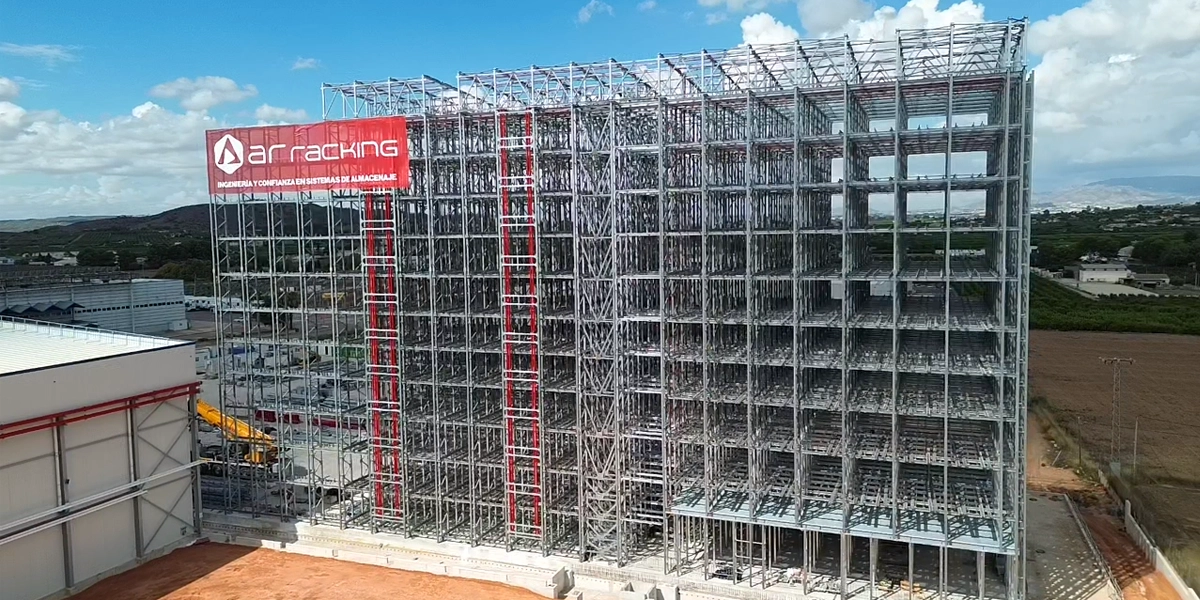
23,000 Pallet Positions at −24 °C
A self-supporting deep-freeze project shows how racking geometry, temperature and building envelope interact. For Mendoza cold-store projects, density must be balanced with fire access, condensation control and safe forklift operation.
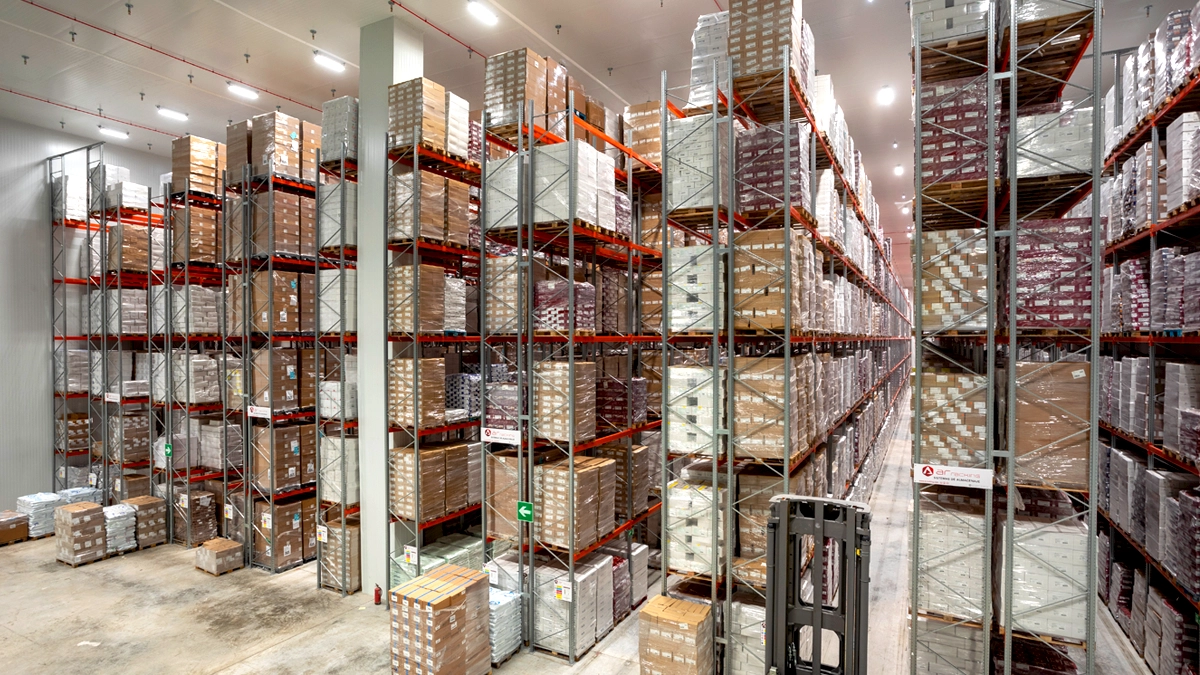
Frozen Food Cold Store With VNA Racking
Very narrow aisle racking maximises pallet positions per cooled cubic metre. The lesson for Mendoza: compare push-back, VNA and shuttle options by total cost per accessible pallet, not only by frame price.
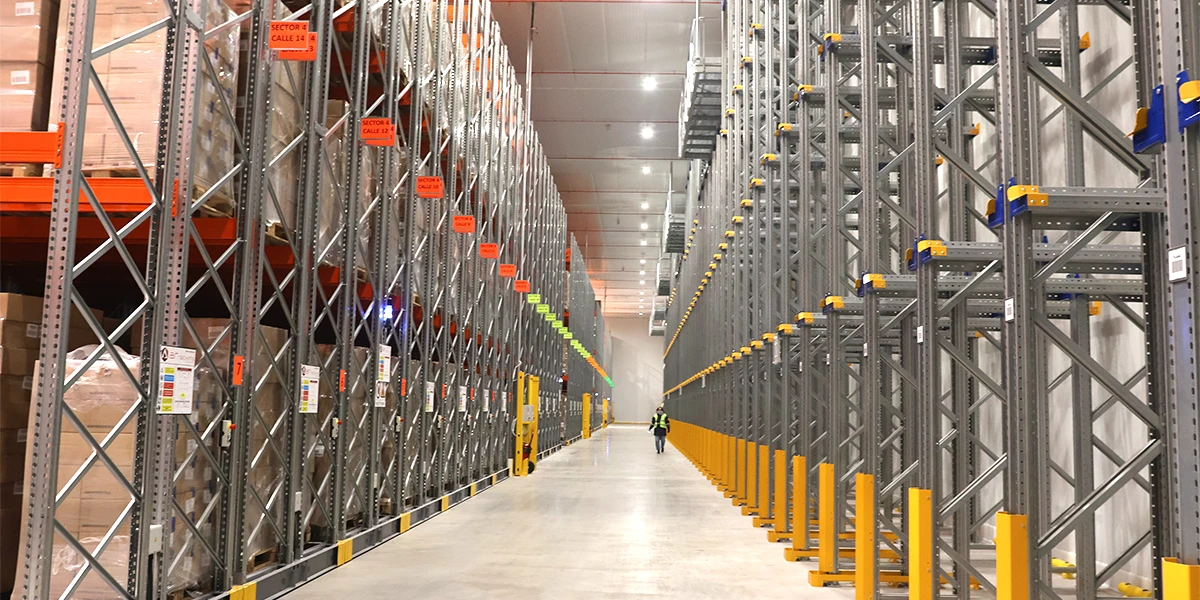
Mobile Racking in a Refrigerated Warehouse
Mobile bases removed fixed aisles while preserving direct access. Mendoza buyers with expensive cooled space can use a similar logic when evaluating push-back density, selective flexibility and future expansion.
Questions Mendoza Buyers Ask Before Ordering Push-Back Racking
These are the practical questions our export engineers and distributors answer most often from warehouse, procurement and operations managers in Argentina.
Are you a push-back pallet rack supplier and wholesaler serving Mendoza?
Yes. We support both end users and wholesale distributors with push-back pallet racking, selective racking, mezzanines, cantilever systems and related accessories. For Mendoza projects, we can prepare export supply from our factory and coordinate with trained distributors or installation supervisors for site delivery and handover.
How do you design push-back racking for Mendoza’s seismic zone?
Mendoza is in a seismic region, so we review the rack structure against the project requirements and Argentine seismic design criteria, including INPRES-CIRSOC 103 where applicable. Depending on the site and building, the design may include reinforced bracing, heavier base plates, engineered anchors, row spacers, reduced beam deflection limits and specific installation tolerances. Final structural design must consider the actual site soil class and building conditions.
Which pallet sizes and loads can your system handle?
We support common Argentine and export pallet formats, including 1000 × 1200 mm, 1200 × 1000 mm, 1200 × 800 mm Euro pallets and ISO sizes. Each push-back lane is dimensioned for your actual pallet, load per pallet, cart type, beam length, frame depth and forklift clearance. Do not assume a catalogue capacity will fit your pallet; send us the load data for a project-specific check.
What is the typical order and shipping process to Mendoza?
The process starts with layout and load data, then a technical proposal, approved drawings, production, export packing and shipment. Mendoza buyers commonly compare routes via Buenos Aires or Pacific ports and then overland transport. Lead time depends on drawing approvals, material availability and shipping schedule, so final dates are confirmed after the technical package is locked. We provide packing lists and product documentation to support customs and distributor planning.
Can you provide installation support or wholesale supply only?
Yes. Some buyers require a complete supply-and-installation package; others have a local installer or distributor and prefer wholesale supply with drawings, labels, manuals and remote or on-site supervision. We can structure the scope around your team, site access and language requirements. Spanish and English project communication is available.
What information should I send to receive a fast inquiry response?
Send a building layout or sketch with clear height, pallet length × width × height, maximum pallet weight, number of pallets per SKU, daily inbound and outbound volume, forklift or reach-truck type, temperature range, fire protection constraints and project city within Mendoza. If you already have a target number of pallet positions or a budget, include that too. Our engineers will use the data to recommend selective, push-back, drive-in, shuttle or hybrid options.
Planning a Push-Back Racking Project in Mendoza?
Share your pallet data, clear height and target pallet positions. Our engineers will evaluate high-density LIFO layouts, seismic design considerations, forklift access and wholesale supply options for your Mendoza site.
Inquire Now For distributors, 3PL operators, wineries, food processors, cold stores and industrial warehouses in Mendoza and the Cuyo region.