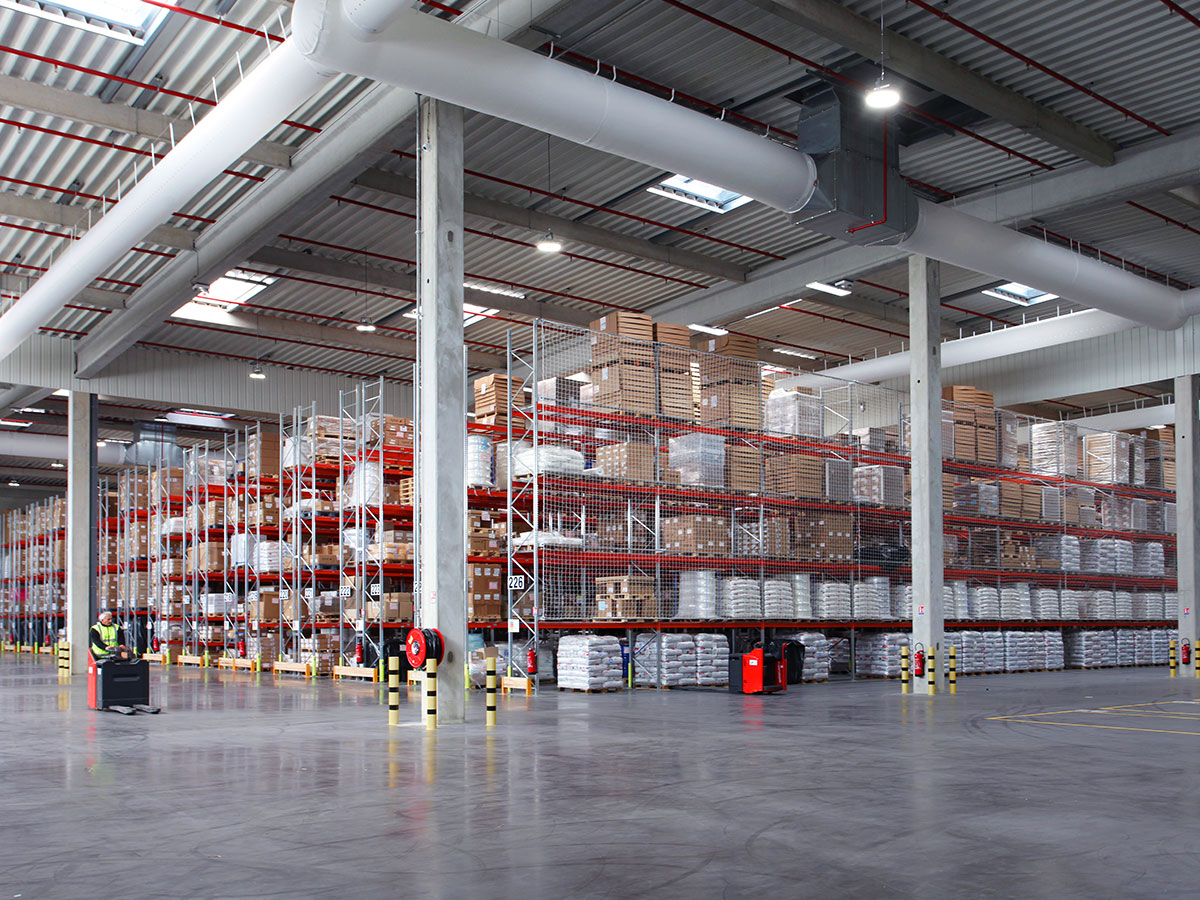
Eight Racking Products for Caracas Warehouse Projects
Caracas buyers often need a system that fits an existing building, survives a long import cycle and can be installed by a local crew under supervision. Each product family below can be customised by pallet size, load per level, bay width, finish and seismic fixing detail. The original product URLs are preserved for technical review.
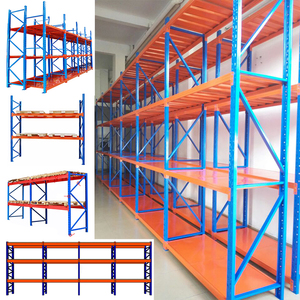
Heavy Duty Warehouse Rack Industrial Cold-Rolled Steel Rack Storage Shelf Rack 1600KG 1700KG 1800KG 1900KG Pounds Tons
For high-load warehouse storage where a robust cold-rolled steel rack is required.
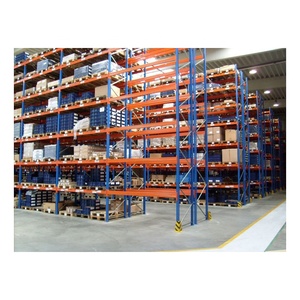
Customized Heavy Duty Pallet Racking System Industrial Warehouse Storage Rack Adjustable Steel Selective Pallet Rack
For projects requiring selective access, adjustable beams and a customised layout.
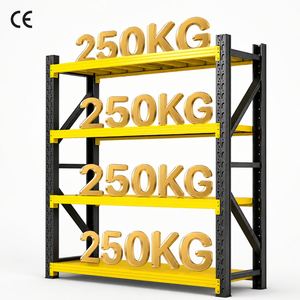
Boltless Adjustable Industrial Garage Heavy Duty 4-Layer Powder Coated Racking System Warehouse Metal Rack Storage Racks Shelf
For boltless, adjustable four-level storage in workshops and distribution stores.
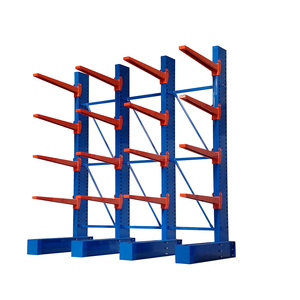
Industry Warehouse Steel Structural Pipe Rack Cantilever Rack for Pipe / Lumber Storage
For pipes, lumber and long profiles where selective pallet racking is not suitable.
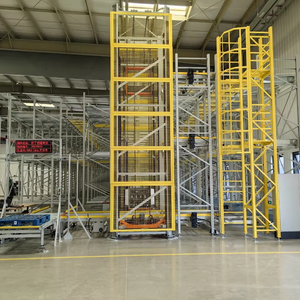
Advanced Intelligent Library Selective Pallet Rack with Efficient Conveying System High Efficiency Stacking Racks & Shelves
For high-efficiency conveying and intelligent pallet handling in larger facilities.
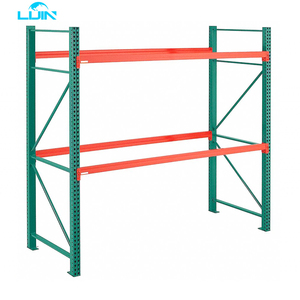
Long Span Adjustable Heavy Weight Warehouse Storage Pallet Shelves System Tear Drop Rack for Industrial
For long-span, teardrop pallet racking with adjustable heavy-weight storage.
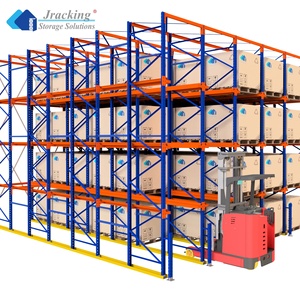
Warehouse Heavy Duty Industrial Shelves Steel EU Blue and Orange Selective Pallet Racking Shelving System CE Certified
For CE-certified selective pallet racking in an EU blue and orange configuration.
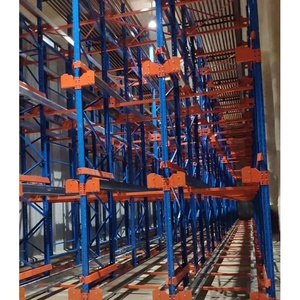
Customized Steel Pallet Rack Stacking Racks & Shelves Warehouse Storage Rack Heavy Duty Shuttle Racking for Industrial
For high-density shuttle racking in industrial warehouses with deep lanes.
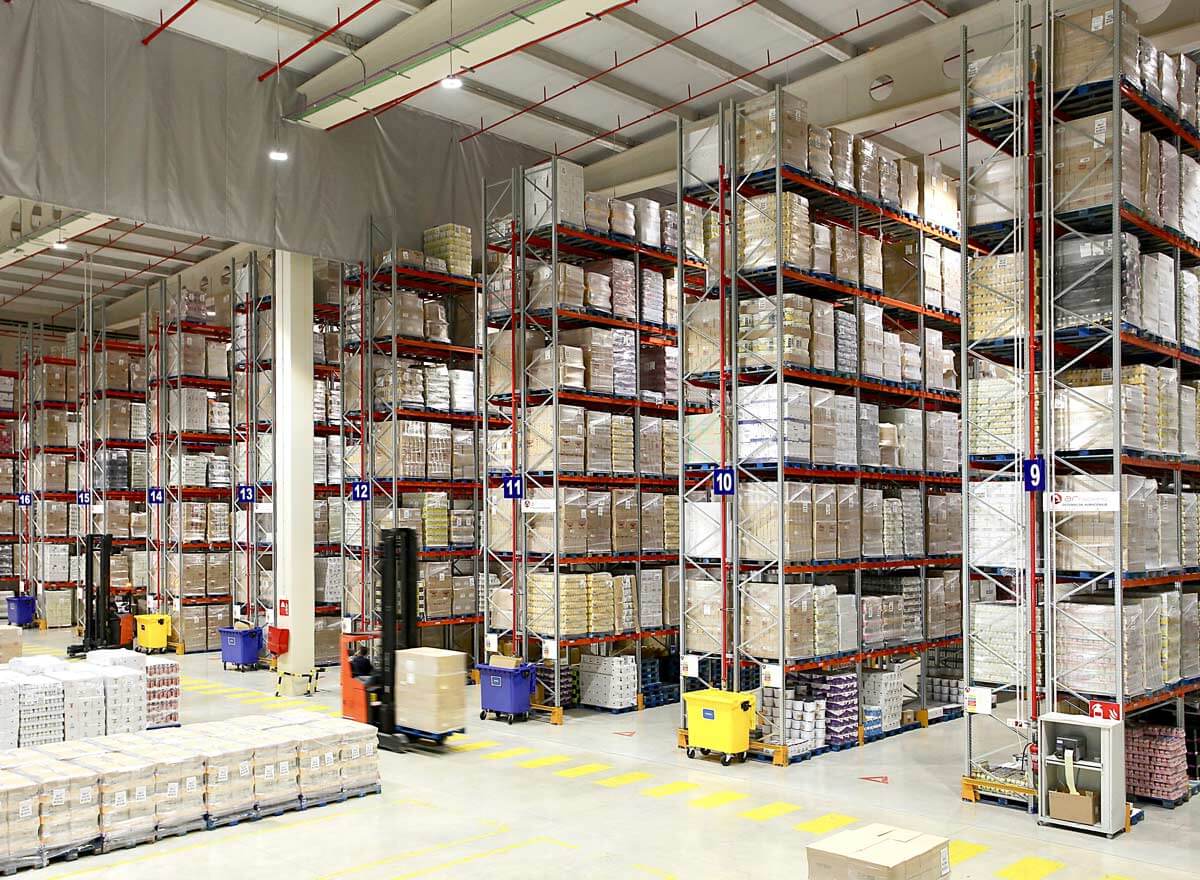
Why Push-Back Racking Is Gaining Ground in Caracas Warehouses
Caracas is not a market where a warehouse can simply grow sideways. Industrial space across the metropolitan area and the La Guaira–Caracas logistics corridor is constrained, access roads are sensitive to congestion, and many existing buildings were not designed for today’s SKU counts. Push-back racking responds to that reality: nested pallet carts run on inclined rails inside a compact lane, so a forklift can place a pallet while the cart moves back and returns the front pallet forward. Storage density rises without the 100% direct-access penalty of conventional selective racking.
Push-back is a LIFO system. That is acceptable for homogeneous or batch-controlled stock, raw-material buffers, seasonal promotions and fast-moving consumer goods where the same SKU is replenished as a group. It is not the right choice for strict FIFO perishable inventory, where pallet flow or selective racking is safer. A credible supplier should explain that trade-off before quoting.
Caracas-specific engineering also matters. Venezuela has seismic design requirements, including COVENIN standards where specified by the project’s structural engineer. Racking must be anchored to a concrete slab verified for thickness, strength and condition; uprights, bracing, base plates and anchors are selected for the building and site. Coastal humidity near La Guaira also affects coating choice: powder-coated steel, galvanised options or enhanced paint systems should be specified for warehouses exposed to humid air, salt mist or temperature swings.
Where Push-Back and Heavy-Duty Racking Fit in Caracas
The right layout depends less on the brochure and more on pallet profile, SKU multiplicity, rotation rules, building height and the way forklifts actually move. These are the application patterns our export engineers review most often for Caracas projects.
Food and Beverage Distribution
Beer, soft drinks, packaged food and cooking oil commonly use 1200 × 1000 mm pallets. Push-back lanes allow batch replenishment while selective aisles remain for fast movers. In cold rooms, clear height, defrost clearance and corrosion protection are more important than nominal capacity alone.
Retail and E-commerce Replenishment
In Catia La Mar, Guarenas and the greater Caracas belt, distributors manage imported consumer goods with high SKU counts. Use push-back for balanced LIFO replenishment and selective or picking shelving for order-level picking. Clear labelling and reserve-stock segregation reduce picking errors.
Pharmaceutical and Personal Care
Temperature-controlled storage and traceability demand clean racking, clear labelling, damage inspection and a layout that keeps damaged pallets away from saleable stock. LIFO push-back should be justified by batch policy, not by space pressure alone.
3PL and Logistics Contractors
Multi-client 3PLs need flexible bays and adjustable beams. Customised selective pallet racking can be combined with push-back lanes for clients holding several pallets per SKU. A clear handover package, load signs and spare components matter in multi-user warehouses.
Spare Parts, Automotive and Long Goods
Cantilever racking supports pipes, timber, profiles and long components, while selective racking handles boxed spare parts. For workshops, boltless adjustable shelving keeps fast-moving parts accessible without forklift access to every aisle.
Cold Chain and Imported Frozen Goods
For frozen protein, fruit, seafood and dairy, push-back can improve cubic utilisation in cold rooms, but the design must account for condensation, defrost cycles, forklift traction, safety clearances and maintenance access. Steel grade and finish should be confirmed for the operating temperature.
Caracas Racking Trends for 2026–2030
Warehouse investment in Venezuela is being shaped by space efficiency, food security, import planning and lifecycle safety. These four trends influence how Caracas buyers compare racking quotations.
Higher bays, tighter footprints
Buyers are pushing storage into the available cube rather than expanding the building. Push-back, double-deep and shuttle systems are increasingly compared side by side; the decision should be based on SKU multiplicity, LIFO/FIFO rules and forklift type.
Cold-chain and food security
Food distribution and imported frozen products remain priorities. Cold-room compatible racking, corrosion protection, wash-down details and clear inspection intervals are moving from optional extras to procurement requirements.
Import planning and documentation
Projects to Caracas must plan shipping to La Guaira or Puerto Cabello, customs-broker coordination, HS codes, packing lists, certificates of origin and installation sequencing. Export experience reduces the hidden cost of missing components and rework.
Safety and lifecycle inspection
Rack safety is shifting from a one-off purchase to a lifecycle programme: impact protection, annual inspection, spare parts and replacement components. This is especially important in high-turnover 3PL warehouses with multiple forklift operators.
Why Alohatop Shelf Is a Credible Export Partner for Caracas
Alohatop Shelf LLC designs, manufactures and installs industrial racking and automated warehouse structures. The advantage is not a catalogue of steel profiles; it is control over engineering, production, traceability and export coordination.
Countries with installed storage systems
Warehouse projects delivered
Annual steel production capacity
Of production exported worldwide
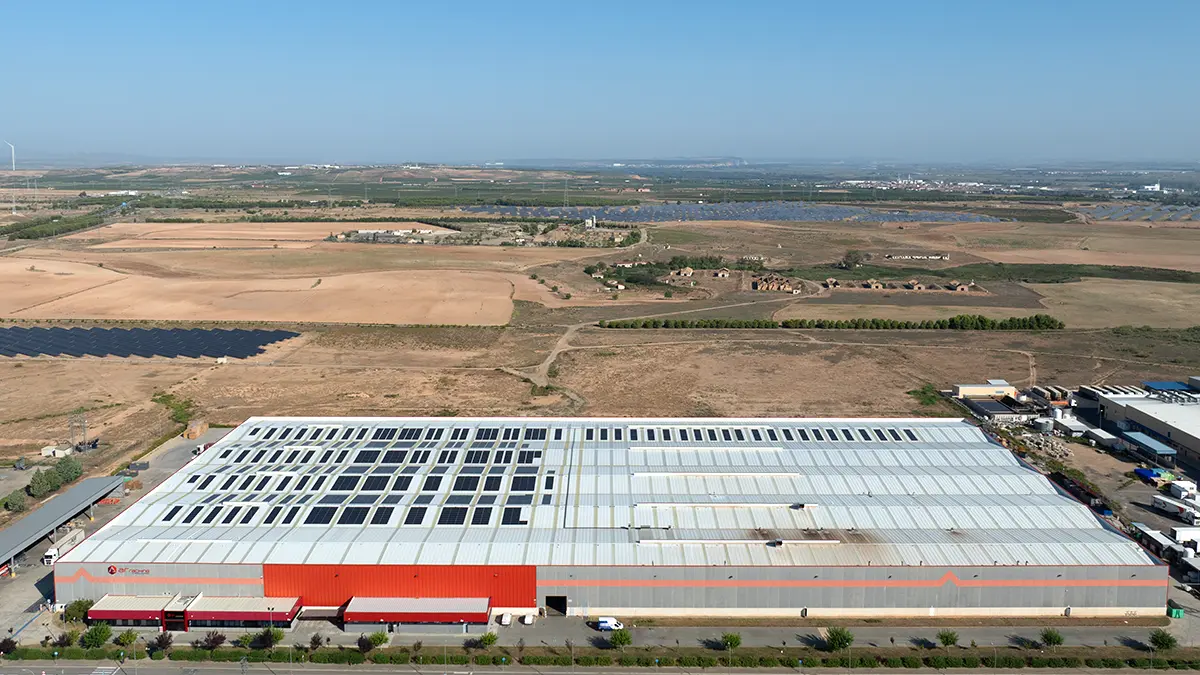
Manufacturer, not a reseller
A 35,000 m² highly automated production centre and more than 100,000 t of annual steel capacity allow us to control profile quality, welding, hole pitch and finish. More than 90% of output is exported, so packing, marking, container loading and document control are part of normal operations rather than exceptions.
Every upright and beam can be traced from production batch to installation. That traceability supports warranty claims, spare-part matching and inspection years after the warehouse is commissioned.
Engineering depth
Layout optimisation, structural calculation, seismic verification and integration with forklifts, AGVs or AS/RS are handled by project engineers before a quotation is finalised.
Laboratory-backed R&D
Our technology centre works with the R&D laboratory at Mondragon University and a research chair at the University of the Basque Country on testing, finite-element simulation and connection behaviour.
Export-grade quality systems
Production is supported by ISO 9001, ISO 14001, ISO 45001, ISO 50001, UNE EN ISO 3834-2 welding quality, EN 1090-1 and ISO 14064 verified carbon reporting.
Full project scope
From CAD layouts and load calculations to installation drawings, packing lists, container plans and technical handover, one team owns the critical path.
Regional project experience
Our teams have supplied storage systems to 60+ countries, with 14 branches and 70+ distributors. South American experience helps anticipate port, climate and installation realities.
Lifecycle support
A 5-year warranty, component traceability, inspection guidance, replacement parts and reconfiguration support protect the investment beyond go-live.
From Caracas Inquiry to Installation
A controlled process keeps engineering, production and shipping aligned. The sequence below is the standard path for an exported push-back or selective racking project.
Engineering brief
Share building layout, clear height, pallet dimensions, load per level, SKU profile, throughput, forklift type, temperature range, project city and preferred port.
Layout and calculation
We develop 2D/3D layouts, structural checks, seismic fixing assumptions, coating specification and a bill of materials for review before manufacture.
Production and QA
Automated roll-forming, controlled welding, powder coating and pre-shipment inspection keep frames and beams within the tolerances required for safe installation.
Export and handover
Packing, container loading, export documentation, shipping coordination and installation guidance support the local team through commissioning.
Questions Caracas Buyers Ask Before Ordering Racking
These are the practical questions raised by warehouse, logistics and procurement managers evaluating a racking supplier for Venezuela.
What information is needed to quote push-back racking for Caracas?
Send a building plan with clear height, slab thickness and condition, pallet length × width × height, maximum load per pallet and per level, number of SKUs, pallets per SKU, daily throughput, forklift or automation type, temperature range, project city and preferred port. If a permit review is planned, include any local structural requirements and the seismic zone identified by the local engineer.
How is seismic design handled for a racking project in Caracas?
Racking must be designed with the building, slab and local seismic criteria in mind. For Venezuela, the project team should confirm the applicable COVENIN requirements and municipal review process. We provide rack layout loads, base-plate and anchor details, bracing information and calculation assumptions for the local licensed engineer to review and sign off.
Can you ship to La Guaira or Puerto Cabello and provide export documents?
Yes. Export projects can be prepared for shipment to La Guaira, Puerto Cabello or another agreed port. Typical documents include commercial invoice, packing list, bill of lading, certificate of origin and HS-code information. The importer’s customs broker remains responsible for clearance, duties and local import compliance, but we coordinate the technical documents needed for review.
Which pallet sizes and loads can your racking support?
We support common Latin American and international pallet formats, including 1200 × 1000 mm, Brazilian PBR 1000 × 1200 mm, Euro 1200 × 800 mm and ISO formats such as 1100 × 1100 mm. Beam lengths, frame depths and upright capacity are dimensioned around the actual pallet, load, overhang and forklift clearance rather than a generic catalogue size.
Is push-back racking suitable for cold storage and humid coastal conditions?
Push-back racking can be used in cold rooms when the steel, finish, clearances and inspection plan are specified correctly. For humid or coastal environments near La Guaira, we recommend reviewing coating thickness, galvanised options and touch-up procedures. For temperatures down to −30 °C, suitable steels and finishes are available, but the operating profile must be confirmed at quotation stage.
How do I choose between push-back, selective, double-deep and shuttle racking?
Choose selective racking when direct access to every pallet is essential. Choose push-back when several pallets per SKU are held and LIFO is acceptable. Double-deep improves density when two pallets per SKU are common. Pallet shuttle suits high-throughput, deep-lane storage where capital investment can be justified. The final choice should be tested against SKU profile, throughput, building height and forklift type.
What warranty and certification support the storage system?
Storage systems carry a 5-year warranty and are produced under quality and safety systems including ISO 9001, ISO 14001, ISO 45001, ISO 50001, UNE EN ISO 3834-2 welding quality, EN 1090-1 and ISO 14064 verified carbon reporting. Component traceability supports spare-part identification and future inspection.
What are typical lead times and installation responsibilities?
Lead time depends on layout complexity, finish, quantity and shipping schedule. A typical export project moves through engineering approval, production, pre-shipment inspection, sea freight and customs clearance before installation. We provide installation drawings, marked components and supervision options; the local team must prepare the slab, access, lifting equipment and site safety conditions before arrival.
Request a Caracas-Specific Racking Layout
Share your building layout, pallet dimensions, loads and target throughput. Our engineers will recommend whether push-back, selective, double-deep or shuttle racking offers the best cost per pallet position for your Caracas site. Include your preferred port, target installation month and any seismic or fire requirements.
Inquire NowTechnical review by export project engineers. No obligation.
- Pallet size and maximum load
- Clear height and building plan
- SKU profile and throughput
- Forklift, AGV or manual handling
- Cold-room or ambient conditions
- Target port and installation city