Countries with installed storage systems
Warehouse projects delivered worldwide
Annual steel production capacity
Warranty backed by ISO-certified production
Fortaleza Is a Distribution Gateway, Not Just a Local Racking Market
Buyers searching for industrial storage shelving units in Fortaleza are usually comparing far more than price per bay. They are evaluating load capacity, installation speed, corrosion resistance, delivery coordination and long-term safety.
Port, 3PL and Regional Distribution Demand
Fortaleza and the surrounding industrial belt—including Eusébio, Maracanaú, Caucaia and São Gonçalo do Amarante—serve retail, food, footwear, textiles, construction and import/export flows connected to the Port of Pecém and the ZPE Ceará.
Heat, Humidity and Coastal Salt Air
Storage systems used near the coast need appropriate powder coating, stainless-steel options where hygienic cleaning is required, and a maintenance plan that protects uprights, beams and anchors in a tropical operating environment.
Search Intent Is Commercial and Technical
Most procurement teams are not looking for “shelves” in general. They need a supplier or wholesaler who can propose a system, confirm load calculations, coordinate installation and support spare parts after handover.
What Industrial Storage Shelving Units Mean in Fortaleza Procurement
A supplier may use “shelving”, “racking” and “storage units” differently. Clear definitions shorten quotation cycles and reduce the risk of buying a light-duty shelf when a forklift-loaded pallet rack is required.
Boltless Shelving and Light-Duty Storage
Usually hand-loaded or pallet-truck-loaded for spare parts, retail stock, pharmaceuticals, e-commerce picking and office archives. The strongest options are adjustable, expandable and easy to install inside leased buildings.
Selective Pallet Racking and Heavy-Duty Units
Forklift-loaded systems for palletized inventory, 3PL operations, food distribution and import/export warehouses. Selective racking gives direct access to every pallet and is often the right starting point for mixed SKUs.
Specialized Systems
Cantilever racks for pipes and lumber, mezzanine racking for multi-tier picking, stainless-steel racking for seafood and food plants, and high-density systems for cold stores or high-throughput logistics centres.
The Top 10 Industrial Storage Shelving Units Suppliers & Wholesalers in the Fortaleza Market: What Separates Them
In a changing regional market, the strongest shortlist is built from supplier capabilities rather than a permanent ranking. Use these ten profiles as a comparison framework for quotes, audits and reference calls.
Export-Grade Racking Manufacturer
Provides structural calculations, factory traceability, load signage and a clear warranty. Ask for engineering drawings, steel specifications and installation supervision.
Heavy-Duty Boltless Shelving Wholesaler
Useful for fast-moving retail, auto parts and construction supplies where modular expansion and quick installation matter more than high-bay pallet handling.
Selective Pallet Racking Specialist
Best for mixed SKUs and 100% pallet accessibility. The top suppliers provide beam-load tables, row spacing advice and clear anchor requirements.
High-Density Storage Provider
Relevant for 3PLs and large DCs comparing VNA, drive-in, push-back or pallet shuttle systems. Demand throughput data and safety validation before selection.
Cold-Chain and Stainless-Steel Racking Supplier
Critical for seafood, fruit, frozen food and food-processing warehouses. Confirm cleanable finishes, low-temperature steel performance and corrosion control.
Cantilever and Long-Goods Specialist
For pipes, profiles, lumber and construction materials. Ask how arms are loaded, how heavy goods are handled and how rows are protected from forklift impact.
Mezzanine and Multi-Tier Picking Integrator
Ideal where urban land or warehouse rent is expensive. The best partners integrate stairs, walkways, carton flow and picking layouts—not just sell steel decks.
Turnkey Engineering and Installation Partner
Adds value through layout optimisation, structural verification, anchor installation, inspection dossiers and safe handover documentation.
Inspection, Maintenance and Spare-Parts Partner
Racking safety is a lifecycle issue. Strong suppliers support damage assessment, replacement uprights, reconfiguration and periodic inspections after go-live.
Local Distributor or Importer With Technical Support
Can improve response time and spare-part availability. Verify that the local partner has engineering backup, installation supervision and access to original components.
8 Industrial Storage Shelving and Racking Products for Fortaleza Warehouses
These systems address real Fortaleza buying scenarios: mixed-SKU distribution, high-humidity storage, food and cold-chain operations, construction materials, e-commerce picking and space-constrained urban facilities.
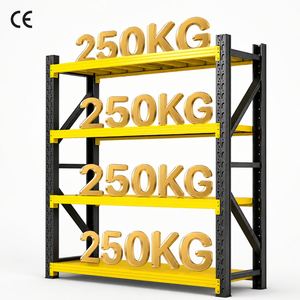
Boltless Adjustable Industrial Garage Heavy Duty 4-Layer Powder Coated Racking System Warehouse Metal Rack Storage Racks Shelf
A practical choice for Fortaleza retailers, auto-parts distributors and construction suppliers that need adjustable, heavy-duty shelving without complicated assembly.
View product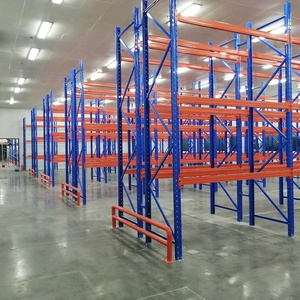
High-quality Heavy-duty Adjustable Steel Shelving with 5 Tiers for Industrial Warehouse Storage Solutions
Five adjustable tiers support spare parts, industrial supplies and e-commerce inventory. A good fit for warehouses that expect product mixes to change.
View product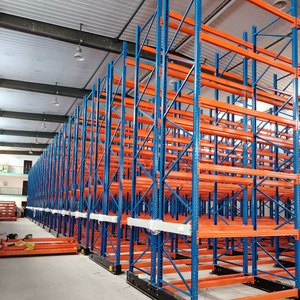
Durable Steel Storage Rack Steel Pallet Racking Heavy Duty Selective Pallet Racking System for Logistics Solutions
A strong default for 3PLs, food distributors and port-linked warehouses in Ceará that need direct access to every pallet and a high SKU mix.
View product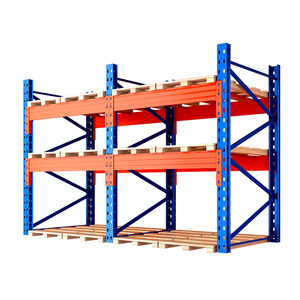
Industrial Heavy Duty Storage Shelves System Metal Rack Stacking Units Warehouse Pallet Racking
Designed for forklift-driven pallet storage in distribution centres and manufacturing warehouses, where beam capacity and safe access are central.
View product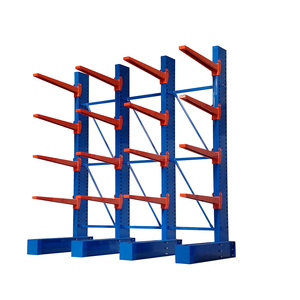
Industry Warehouse Steel Structural Pipe Rack Cantilever Rack for Pipe / Lumber Storage
Useful for construction yards, solar/industrial MRO stores and importers handling pipes, profiles or lumber without obstruction from front columns.
View product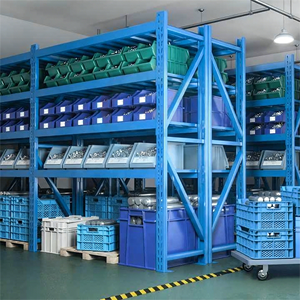
High Quality Durable Corrosion Protected Boltless Adjustable Warehouse Light Duty Industrial Metal Shelving Metal Storage Racks
A cost-efficient option for small parts, pharmacy, retail and e-commerce picking areas where humidity protection and adjustable levels matter.
View product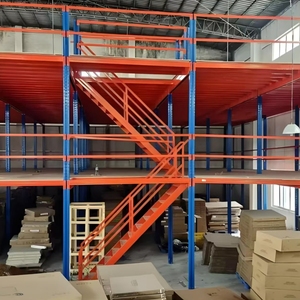
Heavy Duty Mezzanine Floor Racking Warehouse Storage Racks Shelf Units Pallet Rack System Equipment Platform Shelves Attic Rack
A space-multiplying system for Fortaleza-based e-commerce, textile, footwear and retail operations where horizontal expansion is limited.
View product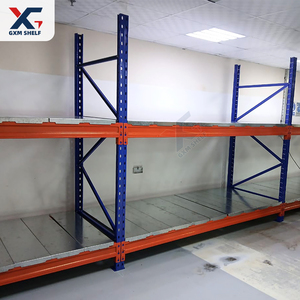
GXM Adjustable Stainless Steel Pallet Rack System Boltless Rack Storage Warehouse Heavy Duty Shelving
Well suited to seafood, fruit, food-processing and cleanable storage environments where coastal humidity or hygiene requirements demand more than standard painted steel.
View productWhere These Storage Systems Fit in Fortaleza and Ceará
Product selection becomes much more accurate when the warehouse’s local operating reality is clear—temperature, product value, turnover, handling equipment, building lease constraints and export logistics.
Seafood, Fruit and Frozen Food Cold Stores
Cold-chain operators around Fortaleza’s port and export corridors need racking that performs in high humidity, supports rapid movement and can be cleaned safely. Stainless-steel racking, selective pallet racking and VNA layouts are common evaluation options.
Retail, E-commerce and Last-Mile Fulfilment
Multi-tier picking shelving, boltless adjustable units and mezzanine structures help urban fulfilment centres increase SKU capacity without moving to a larger lease. Carton flow and picking-face design matter more than raw pallet density.
Textile, Footwear and Fashion Distribution
Carton shelving, multi-level picking and mezzanine platforms support seasonal inventory, returns processing and mixed carton sizes. Adjustability is important because fashion SKUs change quickly.
Food Processing, Cashew and Agro-Industrial Storage
Dust, humidity, cleaning routines and food-safety expectations influence coating choices, open profiles and rack layout. Stainless or corrosion-protected systems reduce maintenance risk.
Construction, Solar and Industrial MRO
Cantilever racks for pipes and profiles, heavy-duty pallet racking for equipment and boltless shelving for fasteners create a practical mixed warehouse for engineering, utilities and construction supply chains.
3PL, Port and Import/Export Warehouses
Selective pallet racking remains the workhorse for multi-client 3PLs. Where space and throughput justify it, VNA, double-deep or pallet shuttle systems can improve density after a proper engineering study.
Local Trends Changing Storage Shelving Demand in Ceará
The strongest suppliers are adjusting product design and project support to the forces below. Buyers who plan for them early usually avoid costly reconfiguration after go-live.
E-commerce Growth and Urban Fulfilment
Demand for multi-tier picking, mezzanine racking and adjustable shelving is rising as retailers shorten delivery times and hold more SKUs closer to customers in the Northeast.
Cold-Chain Investment Through Pecém
Export corridors, seafood supply chains and frozen-food distribution are pushing buyers toward cold-store compatible racking, stainless-steel systems and layouts designed for low temperatures.
High-Density Decisions
As land and warehouse rents rise, more Fortaleza buyers compare selective racking with VNA, drive-in and shuttle systems. The right answer depends on SKU profile and throughput, not density alone.
Corrosion and Humidity Specification
Coastal humidity and salt air make powder coating quality, stainless options and inspection routines important procurement criteria for long-life storage systems.
Digital and Automation Readiness
Warehouse teams increasingly ask whether racking can support barcode locations, WMS control, AMR/AGV routes or future AS/RS integration. “Automation-ready” is becoming a supplier differentiator.
Safety, Compliance and Lifecycle Support
Procurement teams now request load signage, installation documentation and periodic inspection plans aligned with Brazilian rack safety and operational standards, including ABNT NBR 15524 references and applicable NR requirements.
Racking Fit Matrix for Fortaleza Buyers
Use this early-stage comparison to narrow the system type before requesting a quotation. Final design must be based on pallet dimensions, loads, building height, handling equipment and local operating conditions.
| System | Best Fortaleza Use | Storage Density | Pallet Access | Humidity / Corrosion Fit |
|---|---|---|---|---|
| Boltless shelving | Retail, spare parts, e-commerce picking | Manual, direct | Good with powder coating | |
| Selective pallet racking | 3PL, food distribution, import/export warehouses | 100% of pallets | Standard with protective finish | |
| VNA racking | High-density distribution centres and cold stores | 100% with special trucks | Good when engineered | |
| Drive-in racking | Frozen goods, homogeneous inventory | Lane-based | Good for cold stores | |
| Cantilever racking | Pipes, lumber, profiles, construction stores | Direct on arms | Outdoor or yard suitable with spec | |
| Mezzanine racking | E-commerce, fashion, picking operations | Pick faces by level | Good for dry goods | |
| Stainless pallet racking | Seafood, food processing, cleanable warehouses | Direct per bay | Excellent for hygienic areas |
Density indicators are directional and must be confirmed by engineering. In Fortaleza, total lifecycle cost usually matters more than lowest initial price because reconfiguration, corrosion protection and downtime can outweigh the purchase difference.
Why Alohatop Shelf Matches the Highest Fortaleza Supplier Requirements
For buyers who want a manufacturer rather than a catalogue reseller, Alohatop Shelf combines project engineering, automated steel production, cold-chain experience and export-grade documentation.
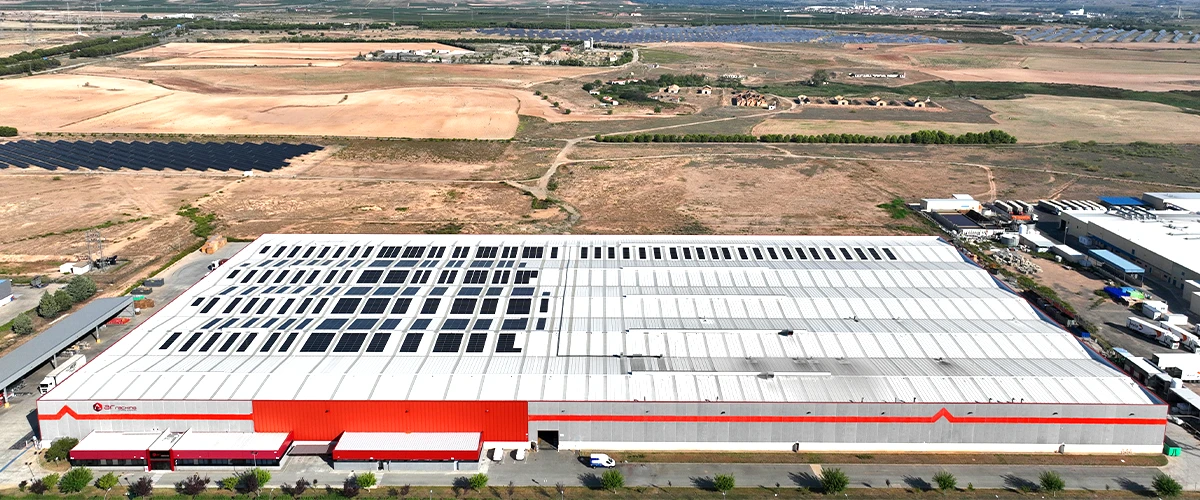
Factory Control From Steel Coil to Installed Rack
Alohatop Shelf designs, calculates, manufactures and installs metal racking for warehouses and loads across multiple industries. Its 35,000 m² highly automated production centre has more than 100,000 t of annual capacity, with more than 90% of output exported.
- 60+ countries served, with logistics experience for major ports and international distribution centres.
- 42,000+ warehouse projects delivered, supported by 14 branches and 70+ trusted distributors.
- Full traceability of uprights and beams, from production batch to installation.
- 5-year warranty backed by ISO 9001, ISO 14001, ISO 45001, ISO 50001, EN ISO 3834-2, EN 1090-1 and ISO 14064 verification frameworks.
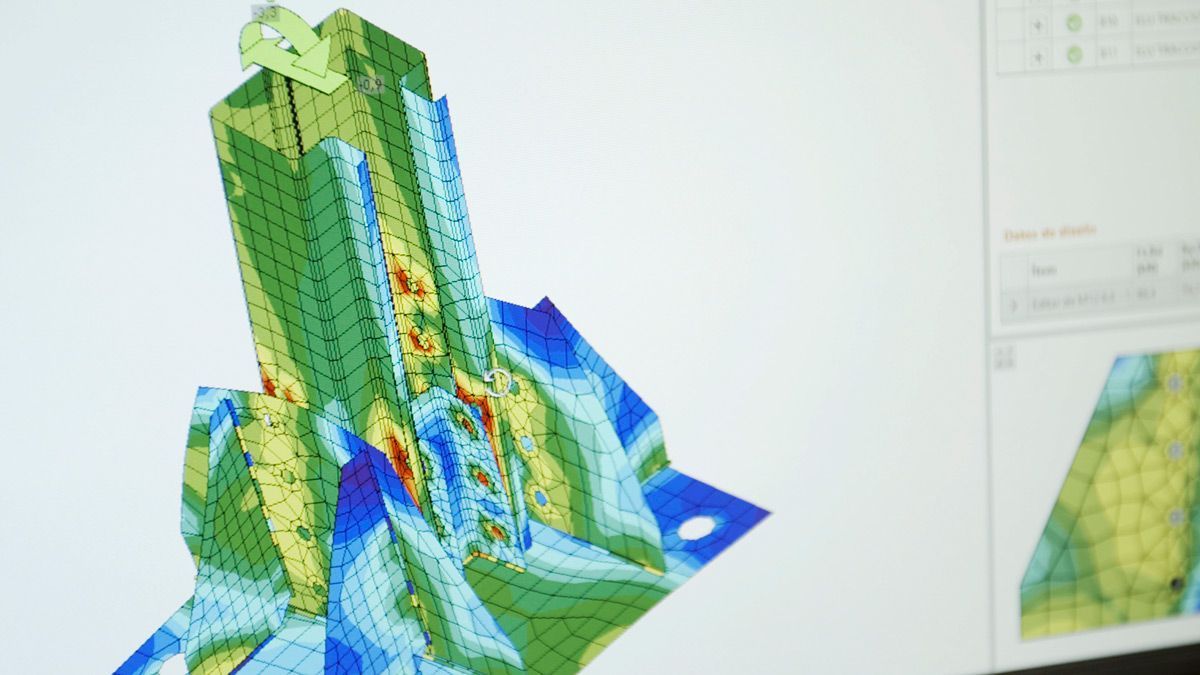
Engineering Validated by R&D and Testing
Alohatop Shelf’s technology centre works with an R&D laboratory at Mondragon University to test the behaviour, strength and safety of racking components. A research and simulation chair at the University of the Basque Country develops calculation models and simulation tools used to improve frame, beam and connection design.
This matters in Fortaleza when a buyer needs more than a stock catalogue: cold-store layouts, stainless-steel systems, high-humidity protection, mezzanine projects and automated warehouse structures all require coordinated engineering.
Project Engineering
Layout optimisation, structural calculation, integration with forklifts or automation, and documentation for approval and installation.
Cold Storage and Specialized Storage
Systems for ambient and freezer environments, including cold-chain, cantilever, mezzanine and stainless-steel storage needs.
Installation and Lifecycle Support
Certified installation supervision, safe handover, maintenance guidance and spare-part support protect the investment after delivery.
Industrial Storage Shelving Units Suppliers and Wholesalers: Fortaleza FAQ
These are the questions buyers most often ask when comparing racking suppliers, wholesalers and installation partners for sites in Fortaleza, Ceará and nearby logistics districts.
How do I compare industrial storage shelving suppliers in Fortaleza?
Compare five things: load engineering, manufacturing quality, corrosion protection, installation support and lifecycle service. Ask for drawings, beam-load data, references and a clear scope covering delivery, anchors, load signage and handover documents.
Do you supply and install outside Fortaleza, including Pecém and Maracanaú?
Projects can be supported through the manufacturer’s export project team and trained distributor network. Share the exact site city, building clear height and access conditions so logistics and installation supervision can be planned correctly.
What racking is best for Fortaleza’s humidity and coastal salt air?
Powder-coated steel is common for dry warehouses, while stainless-steel or enhanced corrosion protection is preferred for seafood, food processing and cleanable areas. Near the coast, inspection routines and coating quality should be specified at the start.
Can you support cold storage for seafood, fruit and frozen food?
Yes. Cold-chain projects can use selective, VNA, drive-in, mobile or stainless-steel systems depending on SKU profile and temperature. Confirm the operating temperature, cleaning routine and pallet type before final design.
Which pallet sizes are common in Ceará and Brazil?
The 1000 × 1200 mm pallet—often referenced as the PBR format—is widely used in Brazil. European 1200 × 800 mm and ISO pallets may also appear in import/export operations. Beam lengths must be dimensioned for the actual pallet and load.
What documents should a racking wholesaler provide?
Request layout drawings, load capacity tables, component specifications, installation instructions, warranty terms and inspection guidance. For larger projects, ask for structural calculations aligned with the relevant Brazilian racking and operational safety requirements.
How long does a project take?
Lead time depends on system type, approval drawings, steel production, shipping and site readiness. Simple shelving may be faster; engineered pallet racking, mezzanine or cold-store projects require engineering review before a reliable schedule can be confirmed.
What information should I send with an inquiry?
Send the building layout, clear height, pallet dimensions, maximum load, number of SKUs, pallets per SKU, daily throughput, handling equipment, operating temperature, target district and contact details. This allows the engineering team to recommend the right storage system.
Get a Fortaleza-Specific Racking Recommendation
Share your building layout, pallet data, load weight, temperature range, throughput and target location—Fortaleza, Eusébio, Maracanaú, Caucaia, Pecém or another Ceará logistics hub. Our engineering team can recommend a safer and more space-efficient industrial storage solution.
Send an Inquiry