Top China Warehouse Roller Racking Systems Factories & Exporter for São Paulo
Factory-direct gravity roller racking, carton-flow shelving, pallet-flow lanes and high-density storage systems engineered for São Paulo distribution centres, 3PLs, cold-chain warehouses and industrial operations.
8 Warehouse Roller Racking & Storage Systems for São Paulo Buyers
A roller racking system is more than a shelf with rollers: it is a flow-storage asset where gravity, roller pitch, braking, load limits, replenishment discipline and fire-egress planning work together. The eight systems below cover the practical building blocks for a São Paulo warehouse — from cantilever and heavy-duty pallet racking to medium-duty shelving that can be converted into carton-flow roller lanes.
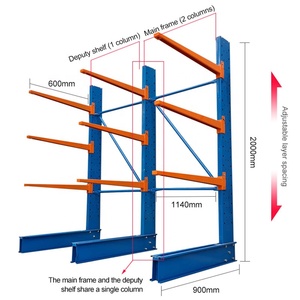
Topeasy Customized Powder Coated Indoor Storage Heavy Duty Rack Cantilever Shelving Cantilever Racking
Recommended for pipes, profiles and irregular fabrication loads where front access matters. Roller beds can be added for low-friction loading.
- Best useLong profiles
- FinishPowder-coated
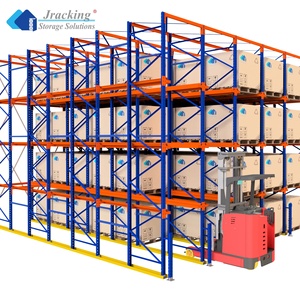
Warehouse Heavy Duty Industrial Shelves Steel EU Blue and Orange Selective Pallet Racking Shelving System CE Certified
A direct-access pallet racking base for 3PLs, food and beverage distributors and retail DCs in Greater São Paulo with high SKU variety.
- Access100% SKU
- ComplianceCE certified
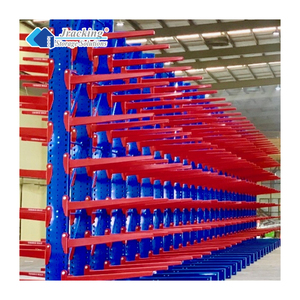
CE-Certified Industrial Warehouse Storage Shelves Heavy-Duty Cantilever Racking System for Cold Storage Pipe Storage
For cold-chain and refrigerated industrial stores handling pipes, cold-formed sections and maintenance materials where finish and steel grade must match the environment.
- EnvironmentCold store
- Load typePipe / profiles
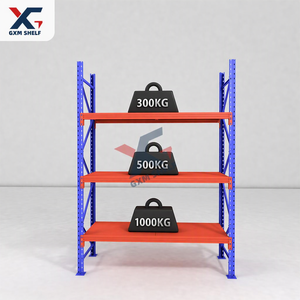
Heavy Duty Rack System Warehouse Storage Stacking Warehouse Shelf Racking Warehouse Racks Heavy Duty
A flexible overflow and seasonal-stock buffer for São Paulo warehouses facing campaign peaks, e-commerce surges and temporary 3PL contracts.
- LayoutFlexible buffer
- ProfileHeavy duty
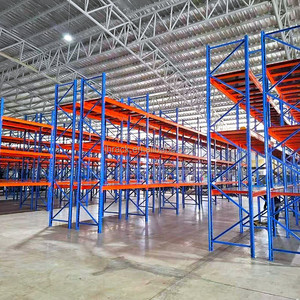
ODM Adjustable Beam Rack Industrial Heavy Duty Storage Shelves System Stacking Units Metal Rack Warehouse Steel Pallet Racking
Adjustable beam levels support changing pallet heights, multi-client contracts and phased warehouse expansion without replacing the upright frame.
- FlexibilityAdjustable beams
- Project typeODM / export
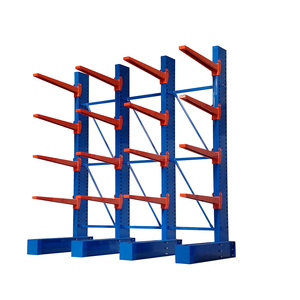
Industry Warehouse Steel Structural Pipe Rack Cantilever Rack for Pipe / Lumber Storage
Structural cantilever racking for pipe yards, lumber storage and industrial suppliers; pair with roller beds to shorten loading cycles.
- MaterialPipe / lumber
- Area useYard or indoor
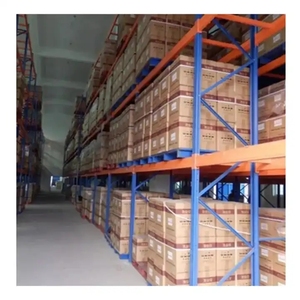
Industrial Shelving Medium Shelf Duty Steel Rack Storage Equipment Certificated Warehouse Metal Racks
Medium-duty shelving for spare parts, e-commerce picking faces and carton-flow conversions where operators pick to trolley or AMR.
- Best usePicking / parts
- ConversionRoller shelves
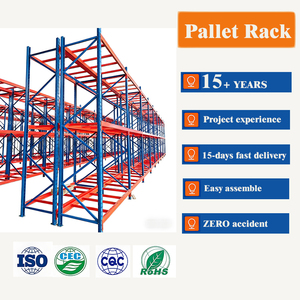
Heavy Duty Industrial Steel Durable Warehouse Pallet Racking System Adjustable Shelving Racks Warehouse Storage Rack
A durable pallet racking platform for gravity pallet-flow, selective or shuttle layouts in high-throughput São Paulo distribution centres.
- OperationHigh throughput
- Export packingContainerised
Highly automated production centre for racking components and export projects
Annual steel production capacity supporting large pallet-racking orders
Countries with installed storage systems, including South American markets
Warranty on storage systems with full component traceability
What Makes a Roller Racking System Work in São Paulo?
In São Paulo, warehouse land is expensive, labour availability is variable and customer expectations are increasingly shaped by same-day or next-day delivery. That combination pushes operations toward dense, fast-moving picking faces, reliable FIFO rotation and layouts that can be installed in existing buildings rather than greenfield sites. A roller racking system — whether carton-flow shelving, pallet-flow racking or a gravity roller conveyor shelf — helps reduce travel, enforce stock rotation and separate replenishment from picking.
However, a roller racking system is not selected from a catalogue alone. Engineering performance depends on six variables: the pallet or carton footprint, dynamic load per lane, roller diameter and pitch, lane slope, brake-roller design and replenishment discipline. Fire egress, sprinkler clearance and forklift or AMR interfaces must also be checked. A quote based only on “rack length” is likely to create lane blockages, damaged cartons, unsafe pallet flow or poor use of the building cube.
For a São Paulo project, buyers commonly evaluate warehouse condominiums in Barueri, Cajamar, Guarulhos, the ABC Paulista industrial belt and the Campinas corridor. Each location has different truck access, condominium rules, fire requirements and labour patterns. Our recommended approach is to use a five-zone RFQ model: receiving and pallet buffer; reserve pallet storage; carton-flow or pallet-flow pick face; packing and consolidation; and dispatch staging. This gives the factory a clearer engineering brief and typically produces a more efficient export quotation than a generic request for “roller racking”.
As a China-based exporter, the value is not only steel price. It is design discipline, modular packing for ocean freight, batch traceability, component repeatability and installation documentation that allows a São Paulo team to receive, unload and build the system without ambiguity. For projects that combine pallet racking, cantilever storage and carton-flow shelving, a single factory-controlled supply chain reduces interface risk between different suppliers.
Factory quote checklist for São Paulo
Send these details to receive a more accurate roller racking proposal:
- Building layout, clear height and column grid
- Pallet size, e.g. 1200 × 1000 mm or PBR 1000 × 1200 mm
- Maximum load per pallet, per level and per bay
- SKU count, pallets per SKU and daily outbound lines
- Temperature range, fire strategy and local project city
São Paulo Application Scenarios for Roller Racking Systems
Greater São Paulo is not one warehouse market. A 3PL in Cajamar, a cold store near a food-processing cluster and an e-commerce fulfilment centre in Guarulhos each need a different flow-storage logic.
E-commerce and marketplace fulfilment
Carton-flow roller shelving with clearly separated replenishment and picking faces helps operators in Guarulhos and Barueri handle high order lines per hour while reducing picker walking distance. Roller lanes are designed around carton weights and daily replenishment cycles — not just shelf dimensions.
3PL multi-client logistics
Adjustable selective pallet racking and pallet-flow add-ons allow a São Paulo 3PL to reconfigure beam levels when client contracts change. Gravity lanes can be reserved for fast-moving SKUs while slower or irregular stock remains in direct-access pallet positions.
Food and beverage FIFO distribution
Pallet-flow roller racking supports FIFO rotation for beverages, dairy, packaged food and ingredients where date discipline matters. The critical engineering choices are brake-roller selection, lane slope, end-stop design and a replenishment routine that prevents double-loading at the pick face.
Cold chain and refrigerated storage
Fruit, meat, seafood and frozen-food operations need racking that performs in low temperatures and high humidity. For freezer rooms, steel grade, coating, roller behaviour and maintenance access should be reviewed before selection; cold-store cantilever and pallet racking can be combined with flow lanes in zones where rapid dispatch justifies added complexity.
Automotive and industrial spare parts
Manufacturers and aftermarket distributors in ABC Paulista use heavy-duty cantilever, medium-duty shelving and selective pallet racking for long profiles, spare parts and line-side supply. Roller beds on cantilever arms shorten loading time for pipes and extrusions.
Pharmaceutical and cosmetic distribution
Regulated products require traceable, clean and controlled storage. Medium-duty carton-flow and pallet-flow systems can improve batch rotation while preserving the inventory visibility required by a WMS or ERP. Documentation, load signage and component traceability are essential parts of the project scope.
What Is Changing Warehouse Racking Demand in São Paulo?
Buyers in São Paulo are not simply asking for more steel. They are asking for racking that can support denser operations, faster replenishment, automation readiness and stronger documentation.
High land values push vertical layouts
Warehouse condominiums in strategic São Paulo corridors encourage taller selective racking, VNA layouts and pallet-flow systems that make better use of cooled or high-value floor area.
Automation-ready structures
AMR, AGV and AS/RS integrators require tighter frame tolerances, predictable beam levels and clear interface zones. Racking is increasingly specified as a system component, not a standalone shelf.
Cold-chain investment
Food exports, supermarket distribution and frozen-food growth make cold-store racking a strategic investment. High-density flow lanes and cantilever systems must be engineered for moisture, ice and maintenance access.
Traceability and local standards
Procurement teams increasingly request engineering documentation, component traceability and review against applicable Brazilian standards such as ABNT NBR 15524, plus site safety requirements including NR-11 where relevant.
Which Roller Racking Configuration Fits Your Operation?
Use this engineering comparison as an early RFQ guide. Final selection depends on load data, throughput, building height, fire strategy and the actual replenishment process.
| System / application | Best São Paulo use case | Access and rotation | Engineering note |
|---|---|---|---|
| Carton-flow roller shelving | E-commerce, spare parts, cosmetics and high-line pharmacy picking | FIFO by lane; pick face plus replenishment aisle | Roller pitch, carton weight and lane slope determine whether cartons glide or jam |
| Pallet-flow roller racking | Food, beverage and fast-moving SKUs with date-sensitive rotation | FIFO per lane; pallets enter from rear and exit at pick face | Brake rollers and separators are critical for safety and load control |
| Gravity conveyor add-on to selective racking | Industrial spare parts and heavy cartons picked in low volumes | Direct access to SKUs; roller shelf aids extraction | Confirm dynamic load and roller fixing method with your rack design |
| Cantilever rack with roller bed | Pipes, profiles, lumber and long industrial materials | Fast front loading; arms can be configured by load length | Arm spacing, base-plate design and outdoor finish should be specified |
| Adjustable selective pallet racking | 3PLs, food distribution, multi-client warehouses and changing SKU profiles | 100% SKU access; beam levels adjustable | Good base system for future pallet-flow conversion if layout allows |
| Cold-store cantilever and pallet racking | Refrigerated industrial stores, pipe storage and freezer reserve areas | Direct access plus optional flow lanes in selected zones | Steel grade, coating and maintenance access must suit low temperatures |
For São Paulo projects, include the intended port of entry, required delivery window and whether the building is a condominium logistics warehouse, a dedicated DC or a manufacturing plant. These details influence packing, documentation and installation planning.
Engineering, Testing and Traceability Behind the Quotation
E-E-A-T in industrial procurement comes from evidence: production control, testing, certifications, component traceability and a clear installation scope.
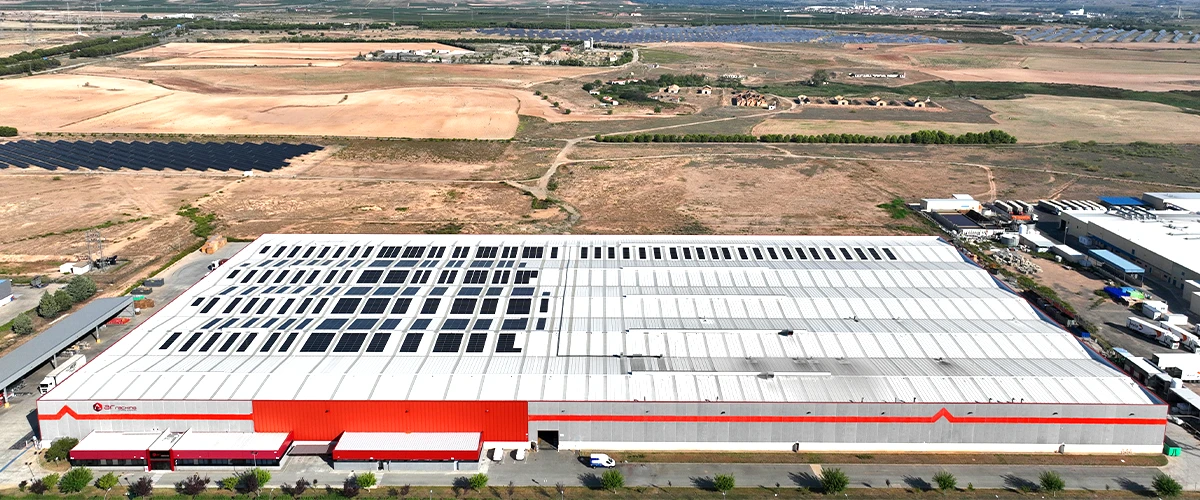
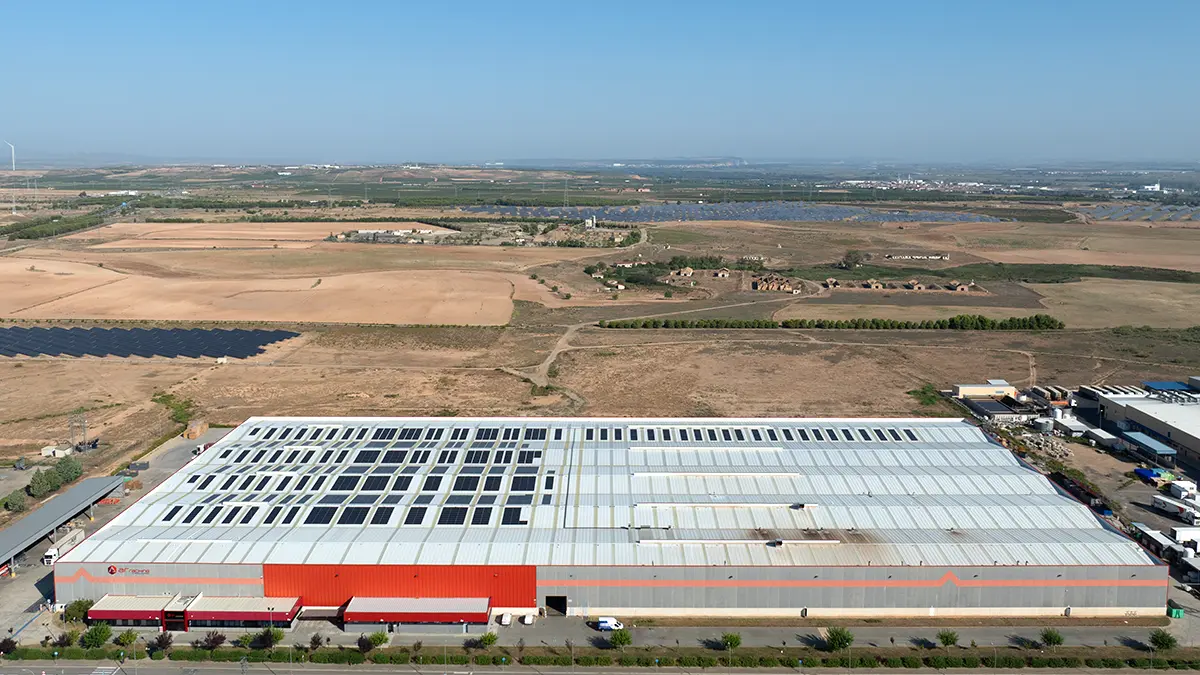
A 35,000 m² automated production centre with 100,000 t annual capacity
Alohatop Shelf LLC designs, calculates, manufactures and installs industrial racking and storage systems. More than 90% of production is exported, giving the project team practical experience with ocean freight, container optimisation, export packing and documentation. For São Paulo buyers, that experience matters because roller racking must arrive complete: frames, beams, rollers, brakes, separators, safety labels and installation drawings must match.
- Robotic production and laser-controlled processes support repeatable frame and beam geometry.
- Full component traceability from production batch to installation package.
- Export packing and project sequencing aligned with Santos, Guarulhos and Viracopos logistics.
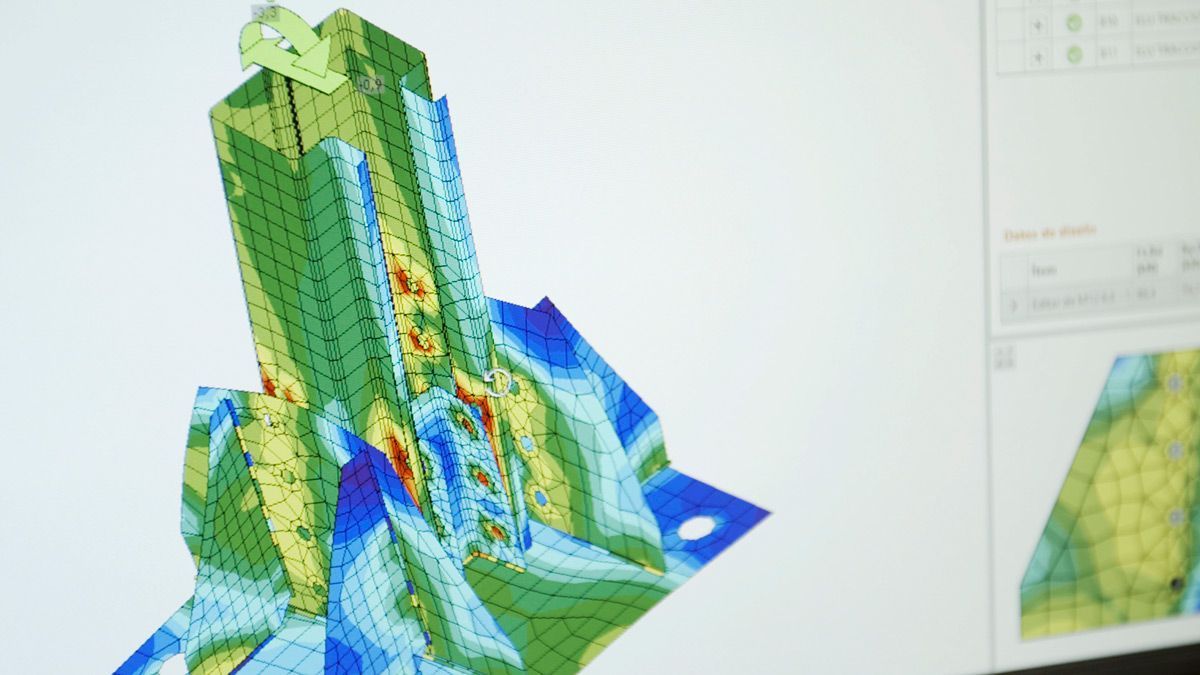
Tested in laboratory conditions, not only drawn on a screen
Our technology centre collaborates with an R&D laboratory at Mondragon University to test the behaviour, strength and safety of racking components under real load cases. A research and simulation chair at the University of the Basque Country supports calculation models and simulation tools. This knowledge feeds directly into frames, beams, connections and safety details — including systems intended for high-demand or seismic environments in Latin America.
For roller racking, engineering depth goes beyond the rack frame. The project team should review roller diameter, shaft fixing, roller pitch, lane slope, brake selection, end stops and how a pallet or carton is presented at the loading end. A well-designed lane is one that stays safe when a load is slightly off-centre, when a carton is underweight, or when a busy picker replenishes during peak hours.
One engineering language from China factory to São Paulo site
Brazilian projects often involve an importer, a local installer, a 3PL operator and an engineering consultant. Clear drawings, load signs and component lists reduce site confusion. The export scope can include project engineering, structural calculation assumptions, technical inspection guidance, installation supervision and maintenance advice. Own supervisors and a network of trained distributors support projects across South America, while the factory remains the single source for component traceability.
Certifications include ISO 9001, ISO 14001, ISO 45001, ISO 50001, UNE EN ISO 3834-2 welding quality, EN 1090-1 and ISO 14064 verified carbon reporting. Systems carry a 5-year warranty. These are not decorative logos: they support procurement, safety review and long-term operation when a São Paulo warehouse is audited by a client or insurer.
Why São Paulo Buyers Work With This China Racking Factory
Factory control, export experience and local application engineering reduce the risk between an approved layout and a working racking system.
35,000 m² automated plant
High-volume production with robotic and laser-controlled processes for repeatable export quality.
100,000 t annual capacity
Steel capacity supports large pallet-racking orders, phased projects and mixed product containers.
ISO 9001 quality system
Controlled production, inspection and documentation practices from order release to packing.
ISO 14001 & 45001
Environmental and occupational health and safety management support responsible project delivery.
EN 1090-1 & ISO 3834-2
Structural steel and welding quality controls relevant to racking components and export documentation.
60+ export markets
Logistics know-how for container loading, port coordination and site delivery planning.
5-year warranty
Full component traceability and a clear warranty position for long-term warehouse operation.
University R&D collaboration
Simulation and physical testing with Mondragon University and the University of the Basque Country.
From Roller Racking Layout to Long-Term Rack Safety
A factory quotation is strongest when it is backed by engineering, inspection and installation planning.
Project engineering
Layout optimisation, structural calculation support, seismic or local-code review and integration with forklifts, AGVs or AS/RS.
Technical inspection
Periodic rack inspection guidance for impact damage, overloads, missing safety components and anchoring issues.
Installation support
Drawings, load signs, supervisor coordination and trained distributor support to protect plumb tolerances and project safety.
Maintenance and upgrades
Replacement components, reconfiguration and upgrades that extend the service life of pallet and roller racking systems.
São Paulo Roller Racking FAQ: Common Questions Before RFQ
These are the practical questions procurement, logistics and engineering teams ask when sourcing warehouse roller racking from China for a Brazilian project.
What information is needed to quote a roller racking system for São Paulo?
Send a building layout with clear height and column grid, pallet or carton dimensions, maximum load per pallet or carton, SKU count, pallets or cartons per SKU, daily throughput, forklift or AMR type, temperature range and project city. Photographs of the building and any condominium restrictions also help.
How do you ship racking to São Paulo and which ports are used?
Most Brazilian projects ship through Santos, with coordination options that may include Guarulhos or Viracopos for urgent items. Export packing is planned by component, with container loading lists and marking to help the local team receive and stage the installation. FOB, CIF or other trade terms can be discussed during quotation.
Can the design meet Brazilian racking and safety requirements?
Projects can be reviewed against applicable Brazilian racking and site-safety references such as ABNT NBR 15524 and NR-11 where relevant, alongside the product’s CE, ISO and EN 1090-1 manufacturing credentials. The factory can provide technical information needed by the local engineer, importer or installation team for project approval.
Can you support installation in São Paulo?
Yes. Installation can be coordinated through our own supervisors and trained distributor network, or through the buyer’s approved local installation team using factory drawings and load signs. The key is to align container arrival, customs clearance, site readiness and supervisor scheduling before shipment.
What is the typical lead time for a factory-direct project?
After drawing approval and technical clarification, production usually falls in the 20–35 day range depending on quantity, finish and component complexity. Ocean freight, customs clearance, inland transport to São Paulo and site scheduling should be added when building the full project timeline.
What about spare parts, warranty and after-sales support?
Storage systems carry a 5-year warranty with full component traceability. For export projects, we recommend ordering an agreed spare-parts kit for wear items and damage protection — especially for roller lanes, safety components and high-traffic pick faces — so the São Paulo operation can respond quickly without waiting for a full replacement shipment.
Ready to Specify a Warehouse Roller Racking System?
Share your pallet or carton data, clear height, throughput target and project city. Our storage engineers will recommend a practical roller racking or high-density storage configuration for your São Paulo warehouse, with factory-direct pricing and export planning from China.
Factory engineering • Export packing • 5-year warranty • Full component traceability