8 Adjustable Racking Systems for Quito Warehouses
Begin with the storage profile, then compare load capacity, access, density and seismic requirements. Each product links to its original technical page so your Quito project team can verify beam levels, frame depth, accessories and load signs.
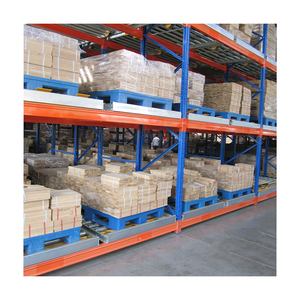
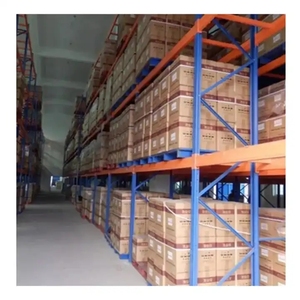
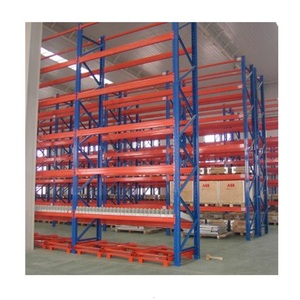
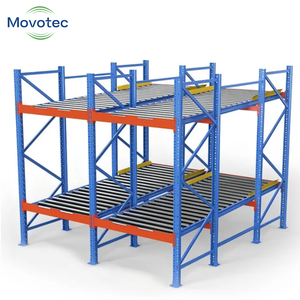
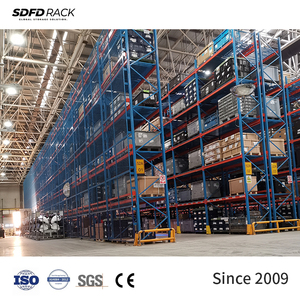
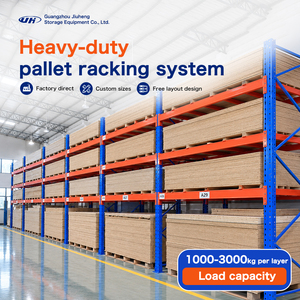
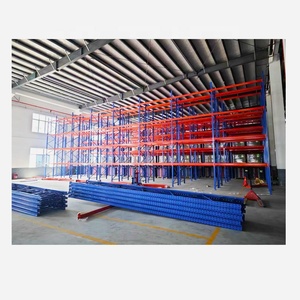
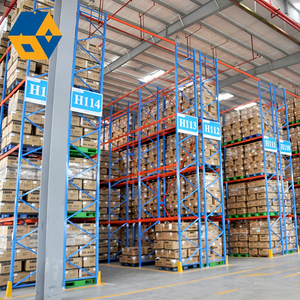
Why Quito Buyers Need More Than a Racking Catalogue
Quito procurement often begins with a simple search for an adjustable racking system exporter or exporters in Quito. The commercial intent is clear: the buyer wants a supplier that can deliver a complete storage structure to Ecuador, not a set of disconnected steel profiles. The hidden risk is that many offers look identical on a quotation sheet while differing sharply in steel section, bracing, anchor design, beam deflection, finish, packing and installation responsibility.
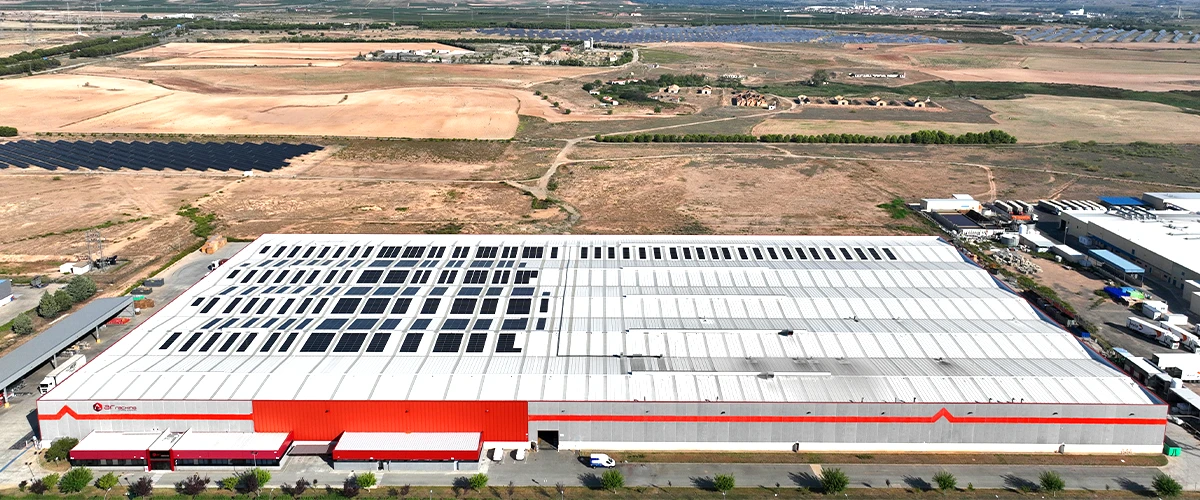
Alohatop Shelf works as a designer, manufacturer and project partner. Engineering, roll-forming, welding, powder coating, traceability and export loading are controlled inside one system. That matters in Quito, where a rack must fit an existing floor slab, respond to NEC seismic requirements, work with the available forklift fleet and remain reconfigurable as inventory changes.
- 35,000 m² automated production centre with annual steel capacity above 100,000 t.
- More than 90% of output exported, with experience in shipping and documentation for South American projects.
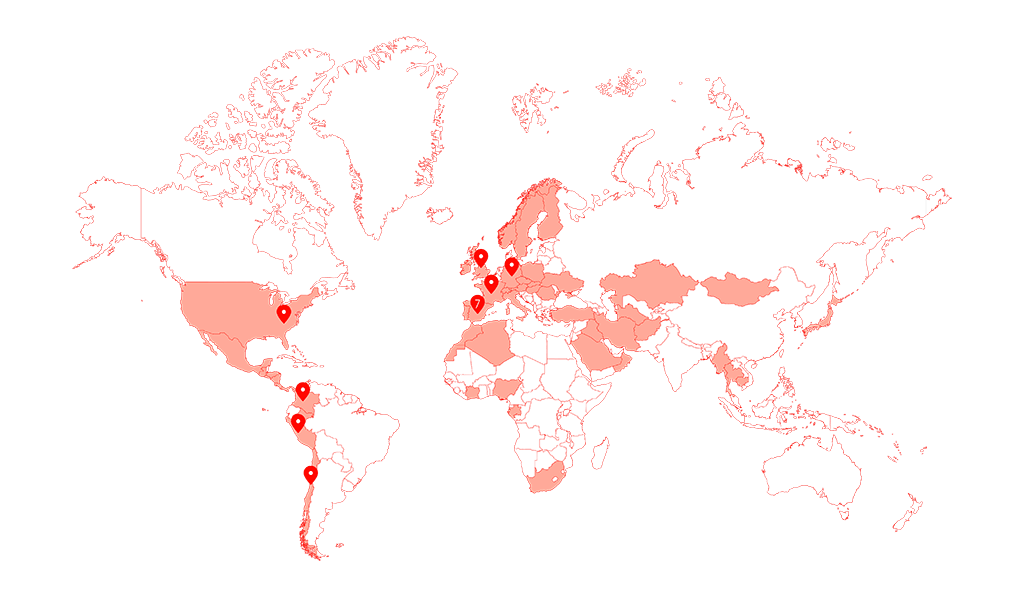
- 60+ countries, 42,000+ warehouse projects, 14 branches and 70+ distributors supporting local project execution.
What Changes When Adjustable Racking Is Designed for Quito
Quito is not a generic warehouse market. Seismic exposure, altitude, slab conditions, inland logistics and cold-chain requirements influence the safest and most cost-effective rack design.
Seismic Demand Is a Design Input
Quito sits in an active Andean seismic region. Adjustable racking should be reviewed against Ecuador's NEC requirements, site soil conditions and building geometry. Reinforced uprights, bracing, base plates, anchors, row spacers and controlled beam deflection are not accessories; they are part of the structural logic.
Cold Rooms and Thermal Cycling
At roughly 2,850 m, Quito's altitude affects people and forklift performance more than steel strength, but cold stores add another layer. Freezer and cooler racking must handle condensation, finish durability, safety clearances and rapid stock rotation without compromising access.
Slab and Anchor Conditions
Existing Pichincha warehouses vary in slab thickness, joints, flatness and anchor performance. We request slab drawings, condition details, joint locations and pull-out test data before finalising base plates and anchor specifications. This protects the rack and the building.
Port-to-Quito Inland Logistics
Most racking arrives in Ecuador through Guayaquil or Manta before moving inland by truck to Quito. Export packing must protect powder coating, beam ends, upright frames and small parts through sea freight, customs handling and mountain-road transport.
Height, Aisles and Building Services
Land constraints push Quito warehouses upward. Adjustable beam levels create flexibility, but clear height, sprinkler clearance, lighting, forklift mast height and aisle width must be coordinated before quotation. A dense layout is only useful if the building and equipment can support it.
Safety Signage and Inspection
A trusted exporter supplies load signs, beam locks, impact protection references, installation instructions and spare-part lists. Quito facility teams should also plan periodic inspections after forklift impacts, overload incidents or layout changes.
Where Adjustable Racking Delivers Value in Quito and Pichincha
From flower export cold rooms to urban distribution centres, the same adjustable steel frame can support different operating models when pallet, load and access data are calculated correctly.
Cut-Flower Cold Chain
Pichincha flower packhouses need fast FIFO movement, clean cold rooms and adjustable levels for boxes and cartons. Racking must support rapid inspection and avoid condensation-related damage during transfer between farm, packhouse and export corridor.
Urban 3PL and Distribution
Quito 3PLs serve mixed clients with changing SKU profiles. Selective and double-deep adjustable racking allow reconfiguration by client, while direct access helps control picking time and inventory accuracy.
Food, Beverage and Pharma
Batch control, hygiene and FIFO discipline favour selective, flow or carefully planned dense racking. Adjustable beams help accommodate packaging changes and seasonal promotions without replacing upright frames.
E-Commerce and Retail Fulfilment
Retail and e-commerce operations often combine pallet reserve storage with carton picking. A flexible pallet frame can support current reserve storage and future flow, pick-to-light or carton-flow modules as order volumes grow.
Automotive, MRO and Industrial Parts
Heavy spare parts, lubricants, machinery components and maintenance stock benefit from 3,000 kg selective racking with protected access. Adjustable levels accommodate odd pallet heights and changing maintenance contracts.
Construction and Consumer Goods
Builders' merchants, importers and consumer-goods distributors need stable heavy-duty storage for palletised stock with seasonal peaks. Beam adjustment and impact protection help manage changing pallet formats and high turnover.
Three Forces Shaping Racking Demand in Quito
Storage decisions in Quito are moving from simple price comparison toward compliance, cold-chain reliability and space productivity.
Safety and Seismic Documentation
Warehouse owners, insurers and facility teams increasingly ask for design assumptions, anchor data, load signs and inspection plans. An exporter that can provide an organised technical package is easier to approve and audit.
Cold-Chain and Export Resilience
Ecuador's flower, food and pharmaceutical chains depend on reliable temperature-controlled storage. Adjustable racking is being planned with freezer access, condensation control and future capacity growth in mind.
Densification Before Automation
Quito land and building costs encourage VNA, double-deep and shuttle-ready layouts. Many buyers begin with adjustable selective racking and a phased plan for higher density or automation, avoiding a complete redesign later.
Indicative Storage Density Comparison
A planning index relative to selective racking in the same building footprint. Final pallet positions depend on building height, aisle width, pallet size, load, sprinkler clearance and seismic design.
Which Adjustable Racking System Fits Your Quito Project?
Use this early-stage comparison to align storage density, access and rotation rules before a detailed layout is prepared.
| System | Best Quito Use Case | Density | Direct Access | Stock Rotation |
|---|---|---|---|---|
| Selective Racking | High SKU mix, 3PL, food and retail distribution | Every pallet | Any method | |
| Very Narrow Aisle | Expensive land, tall buildings and cold stores | Every pallet | Any method | |
| Double Deep | 3PLs and importers holding two or more pallets per SKU | 50% of positions | LIFO per lane | |
| Drive-In | Homogeneous frozen or stable products | Low | LIFO or drive-through FIFO | |
| Gravity Flow | Perishables, fast-moving inventory and cold chain | Per lane | FIFO | |
| Pallet Shuttle | High-throughput distribution and deep cold-store lanes | Per lane | FIFO or LIFO |
Density is relative to selective racking in a comparable building. In seismic zones, tall or dense configurations require specific structural verification and anchor design.
Laboratory Validation Supports Safer Adjustable Racking
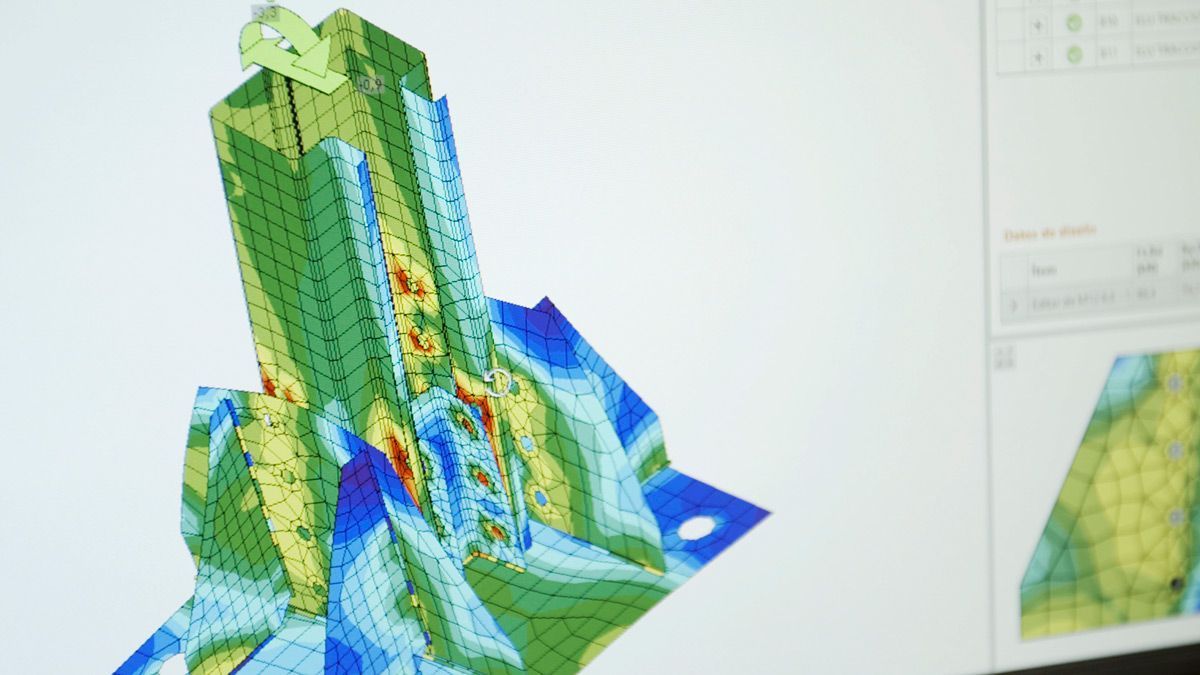
Our technology centre collaborates with the R&D laboratory at Mondragon University and a research and simulation chair at the University of the Basque Country. This work supports finite-element modelling, physical load testing, cyclic testing and review of new profiles and connections.
For Quito projects, that engineering discipline translates into clearer design assumptions for seismic bracing, base plates, anchors and beam deflection. Automation integrators also benefit because stacker cranes and shuttles require tight rack tolerances and predictable installation quality.
- Component simulation for frames, beams and base connections.
- Design review against European standards and project-specific local requirements.
- Robotic production and laser-controlled processing for repeatable geometry.
Why Work With Alohatop Shelf for Quito Deliveries?
Factory-Direct Cost Control
As a manufacturer-exporter, we control steel sourcing, roll-forming, welding, coating and packing. Quito buyers get clearer product traceability and fewer hand-offs between trading companies.
Seismic-Aware Engineering
We prepare racking layouts around NEC requirements, site conditions and load data supplied for the project. Bracing, anchors, base plates and beam deflection can be reviewed as one safety system.
Tight Tolerances for Automation
Automated warehouses demand consistent geometry. Our automated production processes help maintain the tolerances required by AS/RS, shuttles, AGVs and high-bay forklift operations.
Export Logistics Experience
We plan packing, loading, labelling and documentation for sea freight to Ecuador, followed by inland delivery to Quito. Export experience reduces delays at documentation and receiving stages.
Certified Quality and Traceability
Production is supported by ISO management systems, welding quality controls, structural steel references and component traceability. Every upright and beam can be linked to its production batch.
Lifecycle Support
From layout study and installation supervision to periodic inspection, spare parts and reconfiguration, our team supports the rack beyond the initial delivery. A 5-year warranty backs our storage systems.
From Quito RFQ to Installed Adjustable Racking
A controlled sequence reduces import risk, avoids dimension surprises and keeps installation aligned with building operations.
Share Project Data
Send building layout, clear height, pallet dimensions, maximum load, SKU profile, daily throughput, forklift type, temperature range and project city in Ecuador.
Engineering and Layout
Our engineers compare selective, double-deep, flow or VNA options, then prepare preliminary layouts, load assumptions and quotation scope for review.
Production and Inspection
After drawing approval, uprights, beams and accessories are produced, checked and packed for export. Pre-shipment inspection confirms quantities and finish.
Delivery and Handover
Racking ships to Ecuador, moves inland to Quito and is installed according to approved drawings. Load signs, documentation and spare-part references support final handover.
Information Gain: A Quito Buyer Checklist for Racking Exporters
Use these six checks to normalise quotations and reveal differences that are easy to miss in a price-only comparison.
Building Data
Confirm clear height, slab thickness, floor flatness, expansion joints, sprinkler clearance, column grid, dock access and any planned mezzanine or future extension.
Pallet and Load Matrix
Provide pallet length, width, height, weight, overhang, rack-entry direction and maximum pallets per SKU. Include photographs of damaged pallets if available.
Seismic Evidence
Ask for structural assumptions, NEC-related design notes, anchor specification, bracing details, base plate design and documentation linking components to the project.
Commercial Scope
Clarify whether the exporter quote includes engineering, accessories, anchors, installation supervision, commissioning, freight, insurance, customs support and spare parts.
Shipping and Documents
Confirm Incoterms, port of loading, packing method, markings, packing list, commercial invoice, bill of lading, certificate of origin and mill or conformity certificates.
Safety and Spares
Request load signs, beam locks, impact protectors, installation instructions, inspection guidance, warranty terms, replacement part numbers and lead times for Quito support.
Export Support Into Quito and Across Ecuador
Quito buyers typically receive racking through Ecuador's main port gateways before inland transport. Early coordination on container loading, beam nesting, upright protection and site receiving sequence can reduce installation downtime.
Our export team works with English and Spanish communication, technical drawings, packing lists and project documentation. With reference projects in more than 60 countries, we understand how to align factory production with the documentation, freight and installation realities of an overseas warehouse project.
Adjustable Racking Purchasing Questions From Quito
Practical answers for warehouse managers, 3PL operators, project contractors and importers comparing racking exporters.
Are you an adjustable racking system exporter in Quito, or only a global manufacturer?
Alohatop Shelf is a manufacturer and exporter of adjustable pallet racking, storage systems and automated warehouse structures. We supply Quito and other Ecuadorian projects through export delivery, engineering support and installation coordination. The advantage is factory control over steel, production and traceability, rather than sourcing from an unknown third-party fabricator.
How do you account for Quito's seismic conditions in rack design?
Racking for Quito should be reviewed against Ecuador's NEC requirements, the building's structural data, site soil conditions and the actual pallet load. Typical measures include reinforced uprights and bracing, stronger base plates, project-specific anchors, row spacers and controlled beam deflection. We ask for slab drawings, anchor test data and building geometry before finalising the design.
What is the typical delivery sequence from order to Quito?
Most projects move through engineering and drawing approval, production, pre-shipment inspection, sea freight to Ecuador, customs clearance and inland transport to Quito. Duration depends on system complexity, approval speed, shipping schedules and site readiness. An indicative schedule is confirmed after the layout and technical scope are frozen.
Can you ship to Guayaquil or Manta and arrange inland delivery to Quito?
Yes. Racking is normally packed for sea freight and delivered through an Ecuadorian port before trucking inland to Quito or another project city. Incoterms and delivery scope can be discussed during quotation so that the buyer understands clearly where responsibility transfers and what local handling is required.
Which documents should accompany an adjustable racking shipment?
A typical export package includes the commercial invoice, packing list, bill of lading, certificate of origin, mill or material certificates where applicable, installation drawings, load signage references and warranty information. Project-specific documents can be discussed during order confirmation to align with the importer and local facility requirements.
What pallet sizes and loads can the racking support?
We configure racking for common Latin American pallets, including 1200 × 1000 mm, 1000 × 1200 mm, 1200 × 800 mm Euro pallets and ISO formats such as 1100 × 1100 mm. Beam capacities, frame depths and upright sections are calculated from the actual pallet weight, load height, beam span, aisle layout and seismic input. A 3,000 kg reference is available in our selective racking range, but every project must be verified by engineering calculation.
Do you provide installation and inspection support in Quito?
We support installation through approved drawings, supervision guidance and trained project partners where required. For Quito facilities, handover can include load signs, installation instructions and inspection recommendations. Periodic inspection after forklift impacts, overloads, building modifications or layout changes is strongly recommended.
How should I compare adjustable racking exporter quotations from Quito suppliers?
Compare the full scope, not only price per unit. Check steel sections, beam capacity, upright load, seismic design notes, anchors, base plates, accessories, packing, freight terms, installation responsibility, warranty, traceability and spare-part availability. A quotation that ignores anchor design, beam deflection or installation scope can look cheaper at the start and become more expensive during the project.
Request an Engineered Catalog for Your Quito Racking Project
Send your building layout, pallet dimensions, maximum load, clear height, temperature range, forklift type and project location in Ecuador. Our team will help define the right adjustable racking system, preliminary layout direction and quotation scope.