8 Racking Systems Recommended for Guayaquil Importers, 3PLs and Cold Stores
These systems cover the practical range of warehouse projects in Guayaquil: selective pallet racking for mixed SKUs, mezzanine platforms for land-constrained facilities, push-back and heavy-duty storage for manufacturing, and corrosion-protected pallet racking for the humid Pacific-coast environment. Product links and images below are preserved from the original Alohatop Shelf product library.
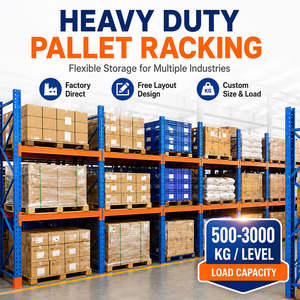 Selective base system
Heavy Duty Steel Warehouse Pallet Rack Storage Racking System for Industrial Warehouse Applications
A practical starting point for mixed-SKU warehouses and a common base for future VNA upgrades.
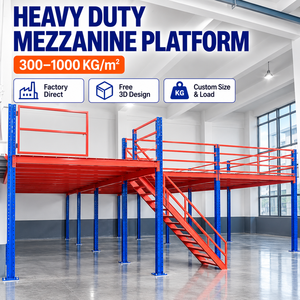 Multi-level storage
Heavy Duty Steel Mezzanine Floor Rack System for Warehouse Storage
Adds picking and storage levels where Guayaquil land costs or building footprints limit horizontal expansion.
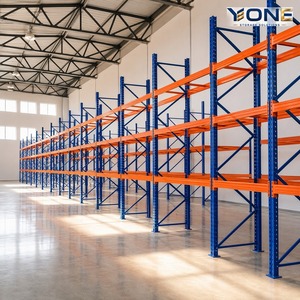 Q235B selective
Steel Storage Rack Heavy Duty Pallet Racking Q235B Steel Selective Racking for Racks Industriales Warehouse Storage
For buyers comparing steel grades, specify corrosion protection, anchor design and seismic bracing at quotation stage.
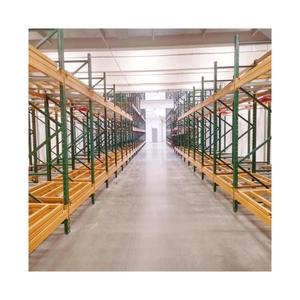 High-density LIFO
Custom Storage System Stacking Racks Shelves Warehouse Rack Push Back Pallet Racking with Guide Rail
Useful for manufacturing buffers, import consolidation and medium-volume SKUs where LIFO is acceptable.
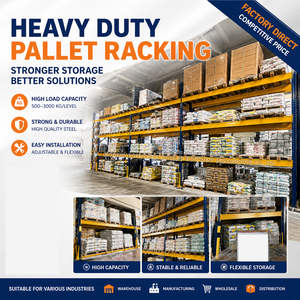 Mould & heavy parts
Factory Factory Mold Metal Warehouse Storage Rackingstorage System Shelf for Factory
For industrial workshops, mould storage and heavy-component handling where shelf access and load control matter.
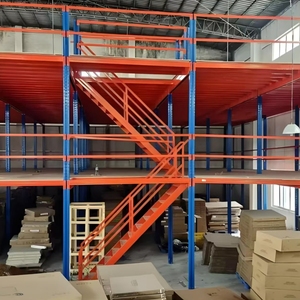 Platform racking
Heavy Duty Mezzanine Floor Racking Warehouse Storage Racks Shelf Units Pallet Rack System Equipment Platform Shelves Attic Rack
Creates elevated storage and order-picking platforms for distributors and e-commerce fulfilment operations.
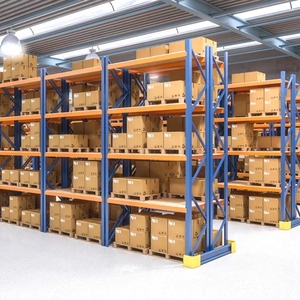 Industrial heavy duty
Racks Steel Storage Shelf Industrial Factory Stacking Rack Shelving Heavy Duty Warehouse Pallet Racking System
For factories and distribution centres that need robust pallet access with clear load signage and inspection access.
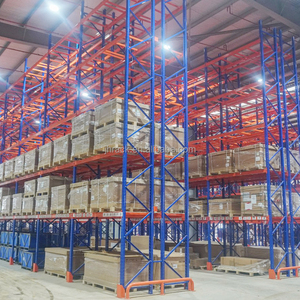 Coastal corrosion
Heavy-Duty Corrosion Protected Pallet Racking Systems for Warehouse and Factory Storage by Jinhui Warehousing Suppliers
A relevant option for Guayaquil humidity, estuary salt air and cold-store condensation; confirm finish class in the RFQ.
Why Guayaquil Warehouse Operators Are Specifying VNA Racking
Guayaquil is not a generic racking market. The combination of port-driven export peaks, high humidity, seismic risk and rising cold-chain investment changes the engineering brief. A VNA system must be evaluated as a combined steel, truck, floor, fire-safety and corrosion-control investment.
Port and agro-export velocity
Guayaquil and the nearby Posorja gateway concentrate banana, shrimp, cacao, tuna and imported consumer-goods flows. Warehouses need buffer capacity for harvest peaks, vessel windows and seasonal cold-chain campaigns, which is where high-density VNA and deep-lane systems become commercially relevant.
Land, clear height and cold energy
In the Durán, Pascuales and Samborondón industrial corridor, usable land and refrigerated cubic metres are expensive. VNA removes full-width working aisles, raises pallet positions per square metre and reduces the cooled volume required per pallet when the building and truck fleet are designed together.
NEC seismic demand and estuary corrosion
Racking in Ecuador should be verified against the NEC seismic requirements, site soil conditions and building interaction. Guayaquil’s humidity and salt-laden estuary air also demand a defined corrosion strategy: finish class, zinc thickness, touch-up protocol, anchor protection and maintenance access must be written into the specification.
3PL, SKU growth and WMS-led operations
Multi-client 3PLs and omnichannel distributors need selective access, WMS-guided slotting, staged automation and full traceability. A VNA layout that is too rigid can reduce service levels, so the best Guayaquil projects combine fast-pick selective faces with high-density reserve storage.
Recommended VNA and High-Density Configurations for Guayaquil
Escalate from a selective base to VNA only when the building, floor, truck type and throughput profile support it. These three configurations cover most Guayaquil enquiries we see from cold-chain, 3PL and distribution operators.
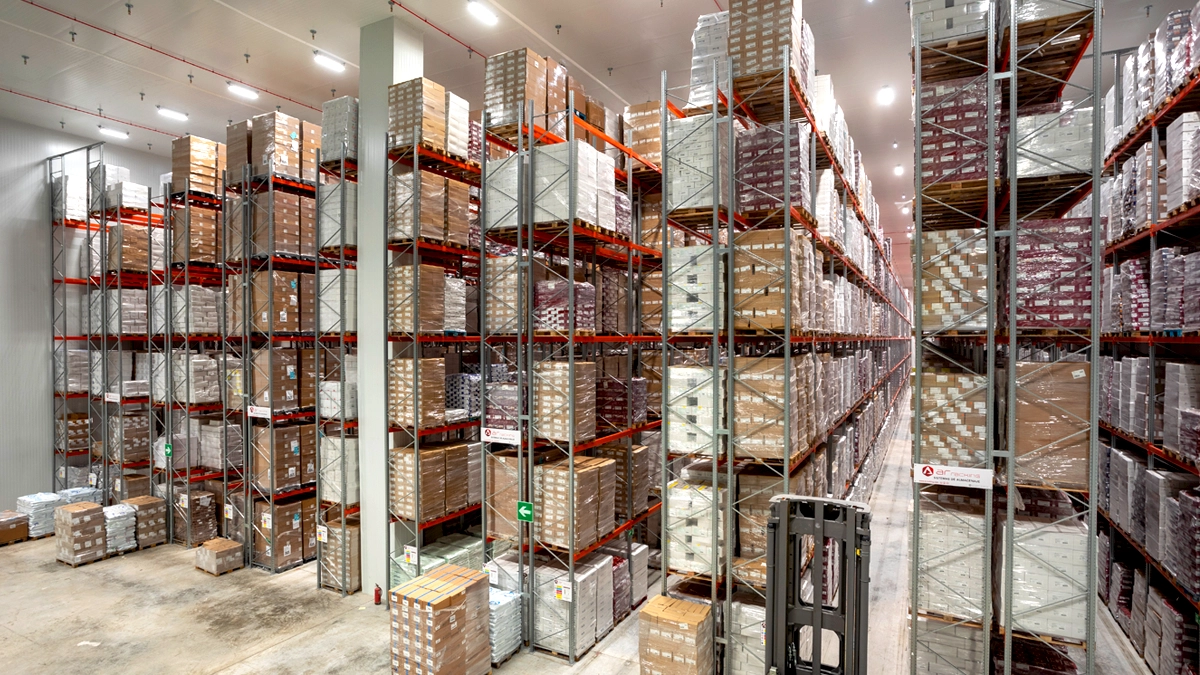
VNA pallet racking for high-bay cold stores
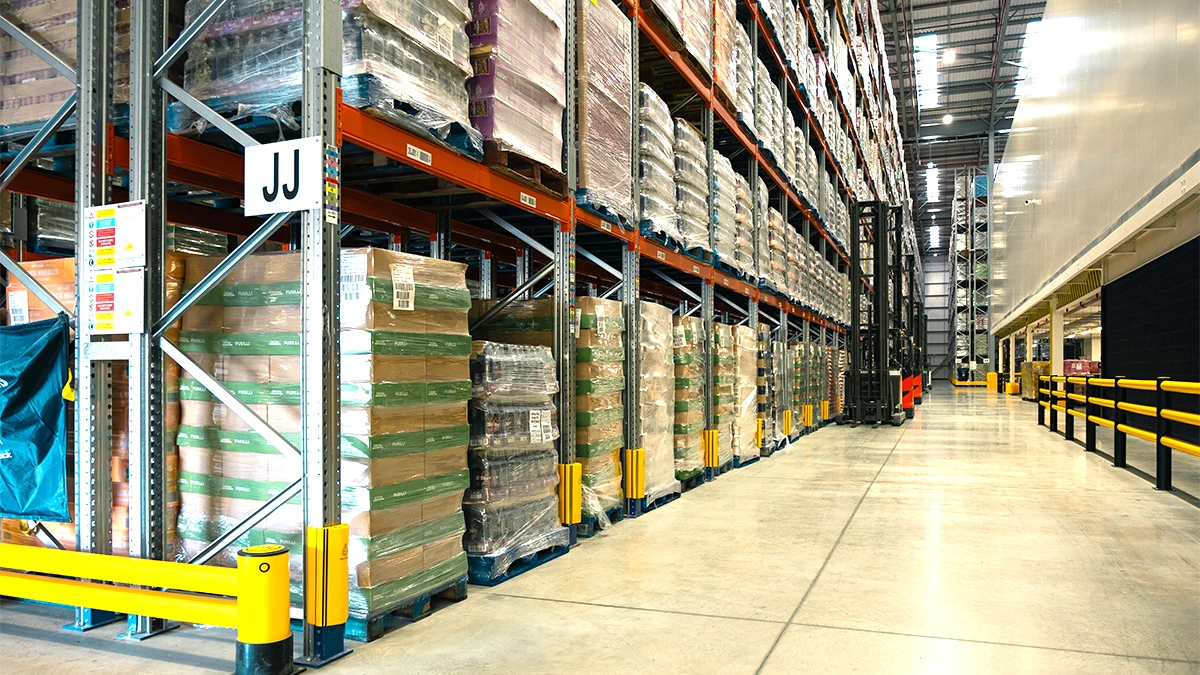
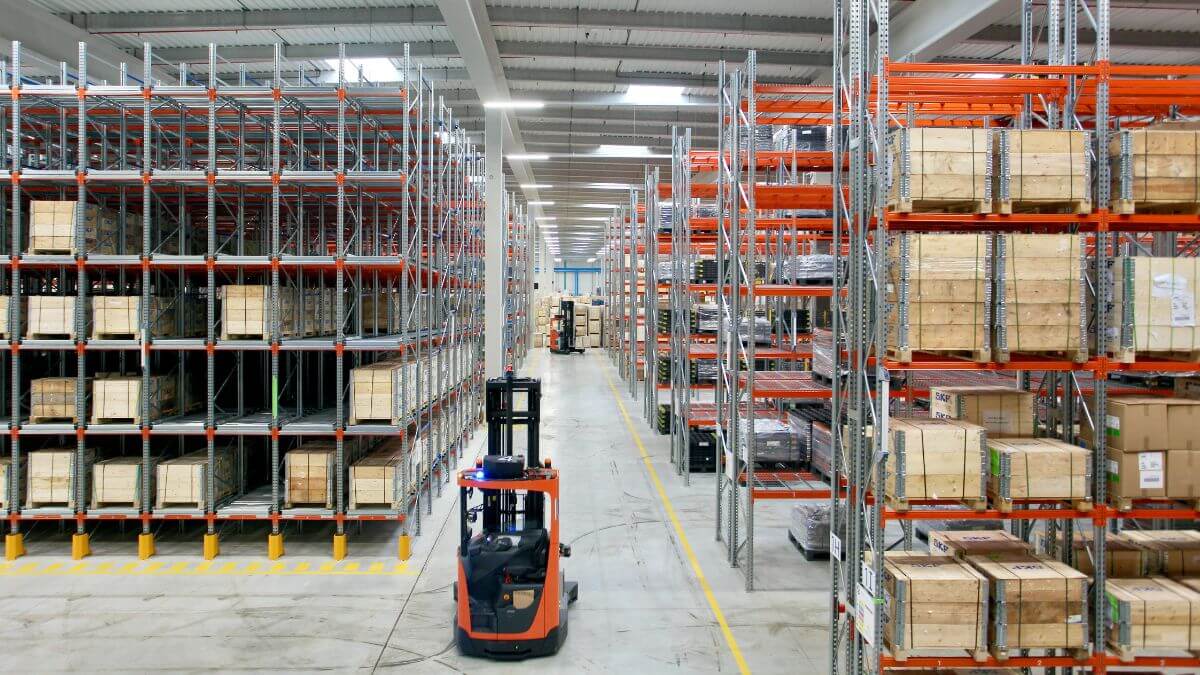
Best for shrimp, frozen fruit, imported frozen goods and temperature-controlled distribution. Guided turret trucks, rail or top guidance, anti-collision protection and verified floor flatness are essential. Confirm aisle width with the truck supplier; typical VNA projects are much tighter than conventional selective racking.
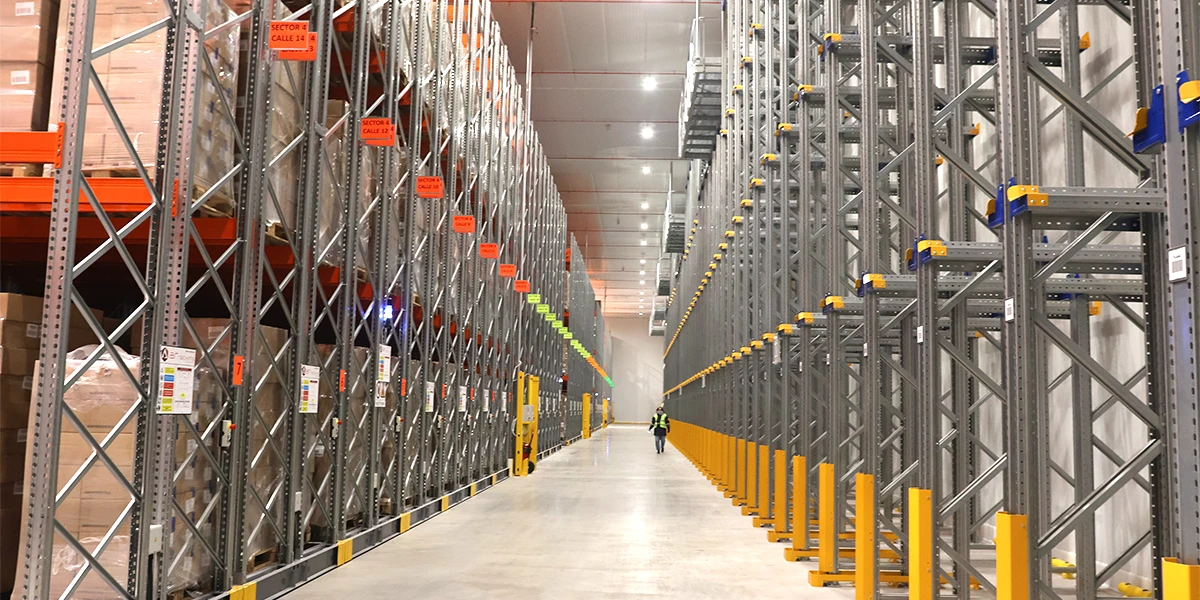
Selective + VNA hybrid for 3PL and retail DCs
Use selective racking at fast-pick faces and VNA or mobile racking in the reserve zone. This protects 100% pallet access where client SKU profiles change, while still releasing space for growth. It is often the safest first phase before full automation in Guayaquil.
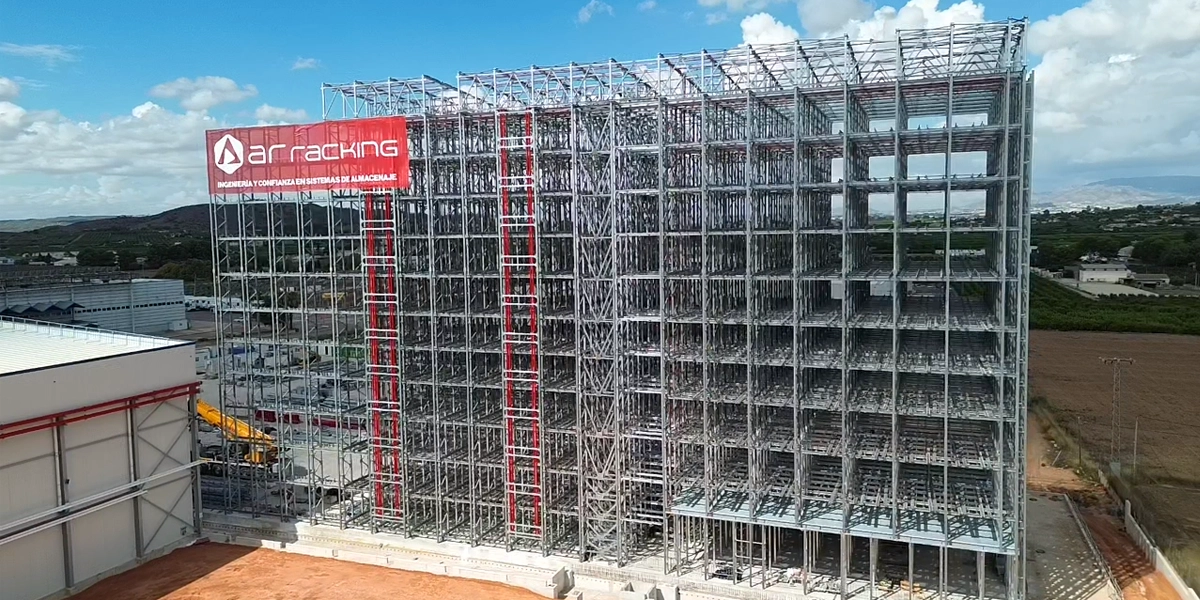
Self-supporting or shuttle systems for export scale
For very high throughput, deep cold lanes or large export DCs, self-supporting rack structures and pallet shuttle systems can lower energy use per pallet and reduce labour exposure. They require higher engineering maturity, integrator coordination and stricter permitting, so they are usually a second-phase decision.
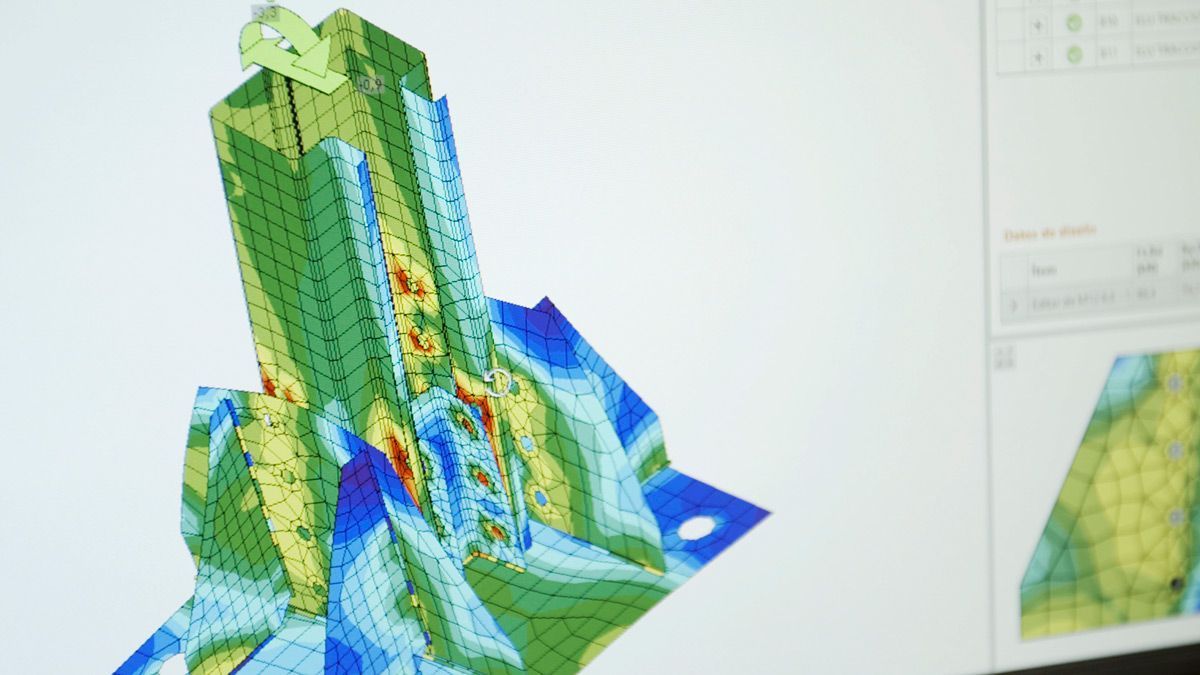
Engineering Details That Decide Whether a Guayaquil VNA Project Passes Inspection
A VNA warehouse is less forgiving than conventional selective racking. The upright frames, guide rails, floor slab and truck interface form one operating system. In Guayaquil, this system must also survive seismic loading, coastal humidity and intensive seasonal throughput. That is why our project engineers ask for floor survey data, pallet load drawings, truck vendor specifications and the building’s seismic parameters before releasing a final layout.
- Seismic verification: apply the NEC load case and site soil assumptions to the rack structure, including base plates, anchors, bracing and row spacers.
- Corrosion specification: define finish class, zinc thickness, powder-coat system, cold-store condensation control and touch-up procedures.
- Floor tolerance: measure flatness and levelness before manufacture; VNA guide systems amplify slab deviations at height.
- Fire and egress: preserve sprinkler access, smoke clearance, exit routes and inspection aisles while increasing density.
- Impact protection: upright protectors, guide-rail ends, corner guards and aisle-end barriers should be included, not added later.
Seismic case is site-specific
Do not accept a catalogue VNA quote without a project-specific seismic statement. Guayaquil building interaction, soil class and rack height can change bracing and anchorage.
Corrosion is a lifecycle cost
Specify corrosion class by zone: ambient warehouse, cold-store condensation zone, loading dock and coastal-exposed yard. Paint colour alone is not a corrosion specification.
Floor flatness drives uptime
VNA trucks need predictable guidance. Survey the slab before ordering steel. Remedial floor work after rack installation is expensive and disruptive.
Fire access cannot disappear
Higher density must keep sprinkler coverage, smoke vents, exit routes and inspection access. Integrate fire protection with the racking layout early.
Localized Trends Shaping Guayaquil Racking Procurement
Warehouse investment in Guayaquil is moving from “buy more shelving” toward engineered capacity, cold-chain efficiency and traceable safety. These four trends are visible in the enquiries and project briefs reaching our export engineering desk.
Cold-chain re-layouts follow export seasons
Frozen shrimp, fruit and value-added food exporters are re-laying out freezers around peak campaigns rather than adding uncontrolled pallet stacking. VNA, mobile racking and shuttle systems are being evaluated for energy and labour savings.
VNA becomes a mid-market decision
VNA is no longer limited to very large distribution centres. Mid-size Guayaquil 3PLs and food distributors are using VNA where land expansion is slower or more expensive than rack densification.
WMS and racking are procured together
Buyers increasingly ask how the racking layout supports WMS slotting, lot traceability, FEFO/FIFO rules and audit reporting. The racking design must follow the operating logic, not just the building shape.
Corrosion lifecycle cost enters tenders
Procurement teams are asking for finish systems, anchor protection and inspection intervals, not only steel weight. This is a mature response to Guayaquil’s humid estuary climate and cold-store condensation.
VNA Racking Selection Matrix for Guayaquil Warehouses
Use this matrix for early-stage options appraisal. Final selection depends on SKU profile, throughput, building height, fire strategy and seismic verification.
| System | Best fit in Guayaquil | Density | Direct access | Rotation | Design watch-out |
|---|---|---|---|---|---|
| Selective pallet racking | Mixed-SKU 3PL, retail, imported consumer goods | 100% of pallets | Any | Seismic bracing, impact protection, future VNA conversion | |
| Very narrow aisle racking | High land cost, cold stores, tall buildings | 100% of pallets | Any | Floor tolerance, guide rail, truck interface, aisle discipline | |
| Double-deep racking | 3PL with two or more pallets per SKU | 50% | LIFO per lane | Slower retrieval, reach-truck reach and WMS discipline | |
| Drive-in racking | Homogeneous frozen goods and seasonal stock | Low | LIFO | Fire access, rail damage, strict lane control | |
| Push-back racking | Manufacturing buffers and import consolidation | Per lane | LIFO | Cart wear, maintenance, load uniformity | |
| Pallet shuttle | High-throughput deep lanes and export cold chain | Per lane | FIFO or LIFO | Controls, battery management, maintenance capability | |
| AS/RS and self-supporting | Large DCs, 24/7 operations, deep-freeze expansion | Automated | WMS-controlled | Capital intensity, integrator tolerance, permitting and fire strategy |
Density is relative to selective racking in the same footprint. In Ecuador’s seismic environment, tall or dense configurations need specific structural verification and installation supervision.
A Practical RFQ Checklist for Guayaquil Buyers
Send these six data sets with your enquiry to avoid a generic catalogue quotation. The quality of the layout, safety review and freight estimate depends on the completeness of the brief.
Building and floor data
Provide building layout, clear height, column grid, floor slab information, floor flatness survey, mezzanine or roof constraints, loading-dock positions and any planned expansion.
Pallet and SKU profile
List pallet sizes, maximum load per pallet, load overhang, pallet condition, SKUs per client, pallets per SKU, seasonality, lot-control rules and temperature range.
Seismic and corrosion brief
State the project city, soil class, applicable NEC assumptions, insurance requirements, humidity exposure, cold-store condensation and required finish class. Do not leave corrosion to a colour choice.
Truck and automation interface
Specify forklift, reach truck, VNA turret truck, AGV, AMR or stacker-crane interface. Share truck vendor, aisle requirement, lift height, battery strategy and anti-collision expectations.
Commercial and logistics scope
Clarify Incoterms, destination port, customs broker, container unloading, storage at site, installation labour, supervision, crane or scissor-lift responsibility and spare-parts list.
Installation, inspection and spares
Plan supervision, torque checks, plumb verification, load signage, first inspection, annual inspection and critical spare parts. A 5-year warranty is strongest when installation and inspection records are complete.
Factory Advantages for Ecuador-Bound VNA Racking Projects
Alohatop Shelf LLC is positioned as a manufacturer and project partner, not a catalogue reseller. For Guayaquil buyers, the value is control: engineering communication, steel production, export packing, installation supervision and lifecycle inspection support.
Factory-direct manufacturing at scale
A 35,000 m² highly automated production centre, more than 100,000 t annual steel capacity and over 90% of output exported. This gives Guayaquil buyers direct engineering access and fewer redesign loops between quotation and production.
R&D and test-backed engineering
Our technology centre works with a research laboratory at Mondragon University and a simulation chair at the University of the Basque Country. Finite-element modelling, load testing and cyclic testing help validate frames, beams and connections before export.
Export logistics for Ecuador
Container loading plans, component marking, packing lists and documentation support help reduce site confusion. Our export team works with Spanish-speaking buyers, freight forwarders and installation supervisors from quotation to final delivery.
Lifecycle safety and warranty
Systems carry a 5-year warranty and are produced under ISO 9001, ISO 14001, ISO 45001, ISO 50001, EN 1090-1, UNE EN ISO 3834-2 and ISO 14064 verified carbon reporting, with full component traceability and inspection support.
Certifications, Traceability and Warranty Backing
For Guayaquil projects, documentation matters as much as steel weight. These management, welding, structural-steel and carbon-reporting credentials support procurement, insurance review and installation quality control.
 ISO 9001Quality management
 ISO 14001Environmental management
 ISO 45001Health and safety
 ISO 50001Energy management
 EN ISO 3834-2Welding quality
 EN 1090-1Structural steel
 ISO 14064Verified carbon reporting
VNA Racking and Warehouse Storage FAQ for Guayaquil Buyers
Answers to the technical and commercial questions our export engineers receive most often from Ecuadorian warehouse owners, 3PLs, importers and project consultants.
What is VNA racking, and why is it relevant to Guayaquil warehouses?
VNA means very narrow aisle racking. Instead of full-width forklift aisles, the layout uses guided turret trucks or specially specified equipment in much tighter aisles. The benefit is more pallet positions per square metre and lower refrigerated volume per pallet. It is relevant in Guayaquil because land, building height and cold-store energy costs can be more expensive than the incremental cost of VNA trucks and guide systems.
Can VNA racking be designed for Ecuador’s NEC seismic requirements?
Yes, but it must be project-specific. The racking should be checked against the applicable NEC seismic assumptions, site soil class, building interaction, rack height and load case. Typical measures include reinforced uprights, heavier base plates, engineered anchors, row spacers, bracing adjustments and reduced deflection limits. The final design should be reviewed by the appointed local structural professional and coordinated with the building permit and insurance process.
How do you protect racking from Guayaquil humidity and coastal salt air?
The specification should define corrosion class by zone: general ambient warehouse, cold-store condensation zone, loading dock and any open or coastal-exposed area. Options include hot-dip galvanizing, higher-performance powder coating, zinc-rich primers, protected anchors and a documented touch-up procedure. A standard paint colour is not a corrosion specification. For freezer projects, anchor behaviour and steel toughness at low temperature must also be confirmed.
Which pallet sizes are common in Guayaquil, and what should I specify?
Guayaquil warehouses typically handle 1200 × 1000 mm pallets, 1200 × 800 mm Euro pallets for imported goods and various ISO or custom formats. Send the actual pallet drawing, load height, maximum weight, overhang and pallet condition. Do not dimension beams from a nominal pallet size alone; load overhang and damaged pallets can reduce clearances and create safety risks.
What clear height and aisle width are needed for a VNA system?
There is no universal aisle width. VNA aisle dimensions depend on the truck model, mast, load size, lift height, guide system and floor tolerance. The truck supplier and rack designer must confirm the interface together. Clear height depends on the top beam level, sprinkler clearance, roof structure, truck lift height and maintenance access. A useful RFQ includes the building section drawing and the intended truck vendor.
Can you support cold storage for shrimp, banana, cacao and frozen foods?
Yes. Cold-chain projects can use selective, VNA, mobile, drive-in, pallet shuttle or self-supporting rack structures, depending on throughput and temperature. For Guayaquil exporters, the key questions are temperature range, frost behaviour, fire strategy, truck type, stock rotation and cleaning access. We can propose systems using steels and finishes suited to cold-store conditions, but the final specification must match the actual operating temperature and local code requirements.
How does export shipping to Guayaquil work, and what documents are needed?
Most projects ship by ocean container to Guayaquil or another agreed Ecuadorian port. The commercial scope should define Incoterms, packing, container loading plan, bill of lading, commercial invoice, packing list and any certificate requested by the buyer. Exact transit time and customs clearance depend on the carrier, route, season and broker. Early coordination with the buyer’s customs broker helps avoid delays at site handover.
How is installation and supervision handled in Ecuador?
Installation can be organised through our own supervisors and a network of trained distributors, or through a buyer-appointed installation contractor with our technical supervision. The approved drawings, plumb tolerances, anchor torque, guide-rail alignment, load signage and inspection records should be part of the handover. For VNA projects, truck-interface verification after installation is essential.
What warranty, certifications and traceability come with the systems?
Our storage systems carry a 5-year warranty and are produced under ISO 9001, ISO 14001, ISO 45001, ISO 50001, EN 1090-1, UNE EN ISO 3834-2 and ISO 14064 verified carbon reporting. Component traceability from production batch to installation helps with maintenance, insurance review and future expansion. Certificates should always be matched to the actual project scope and destination requirements.
What information should I send with my RFQ to get a useful layout and budget?
Send the building layout and clear height, floor slab information, pallet dimensions and maximum load, SKUs and pallets per SKU, daily throughput, truck or automation type, temperature range, project city, seismic assumptions, corrosion exposure, target completion date and Incoterms. If you have a floor survey or architect drawing, include it. This allows our engineers to recommend a realistic selective, VNA, shuttle or mezzanine configuration rather than a generic price per tonne.

Request a Guayaquil-Specific VNA Racking Layout
Share your building drawing, pallet data, temperature range and throughput target. Our export engineering team will help you compare selective, VNA, mobile, shuttle and self-supporting options for the Guayaquil market — with seismic, corrosion and installation requirements written into the proposal.
Get Catalog