Warehouse Picking Racks Manufacturers & Factories Serving the Santiago Market
Factory-direct picking racking, carton-flow shelving and multi-tier systems for Santiago warehouses — engineered for Chilean seismic loads, dense SKUs and fast order fulfilment.
- 5-Year Warranty
- ISO 9001 / 14001 / 45001
- Seismic-Ready Engineering
- Factory-Direct Export
Warehouse Picking Rack Products for Santiago Buyers
These eight systems cover manual picking, carton storage, spare parts, pallet replenishment and heavy-duty warehouse shelving. Each can be configured with galvanized or powder-coated finish, seismic bracing, bin fronts, dividers, label holders and multi-level decks for a coordinated Santiago warehouse layout.
Industrial Heavy Duty Customizable Foldable Corrosion Resistant 8-Layer Powder Coated Carbon Steel Warehouse Rack Cantilever
For pipes, profiles, timber and long components in Santiago metal, PVC and building-materials distribution. Foldable arms and 8 levels improve yard-to-rack conversion without floor damage.
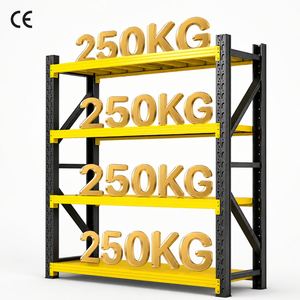
Boltless Adjustable Industrial Garage Heavy Duty 4-Layer Powder Coated Racking System Warehouse Metal Rack Storage Racks Shelf
Fast to assemble and easy to expand, this 4-layer boltless rack suits spare parts, cartons and e-commerce pick faces where Santiago teams need flexible SKU slots and quick replenishment.
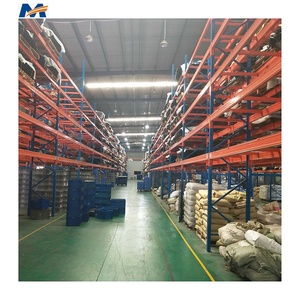
China Estantes Metalicos Heavy Duty Pallet Rack Beams Store Steel Shelving for Warehouse
Pallet rack beams and steel shelf decks for ground-level bulk storage with upper-level manual picking. Beam lengths are dimensioned for 1200×1000 mm pallets, Brazilian PBR and ISO formats.
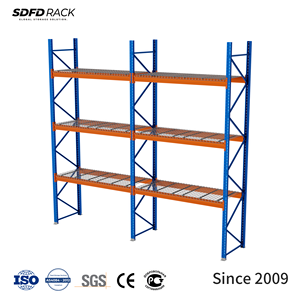
Custom 4 Layer Metal Beam Pallet Rack 200kg 300kg 500kg 800kg 1000kg Load Heavy Duty Industrial Racks for Warehouse Storage
A flexible 4-layer beam rack for Santiago 3PLs and distributors that handle mixed pallet and carton loads. Choose 200 kg to 1,000 kg levels with powder-coated or galvanized steel.
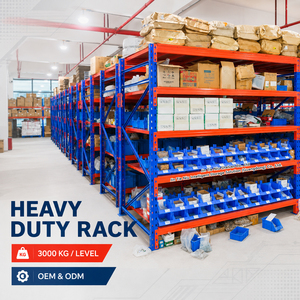
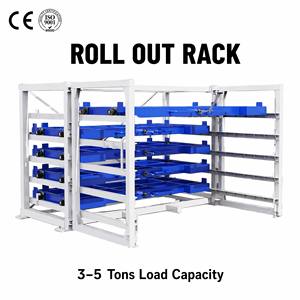
3000KG Per 5 Levels Warehouse Rack System with Steel Shelves for Parts Boxes and Bins Chinese Metal Shelves Storage Racks
Heavy-duty 5-level shelving for parts boxes, bins and maintenance stores. The 3,000 kg capacity and steel shelf decks suit industrial warehouses in Renca, Cerrillos and northern Santiago belts.
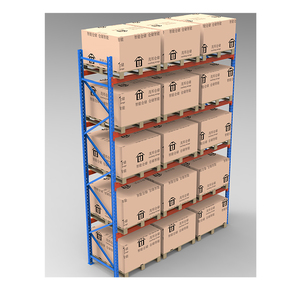
Standard Adjustable Pallet Racking Heavy Duty Steel Shelving Certificated Warehouse Racking System
Certified selective pallet racking for pallet replenishment below and order-picking modules above. Standard components support fast lead times and future reconfiguration as Santiago SKU profiles change.
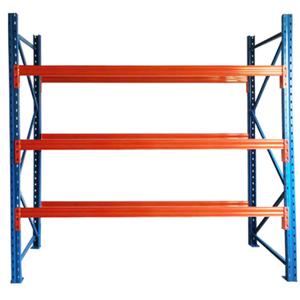
Mracking Industrial Warehouse Pallet Racking Shelving System
Industrial pallet racking shelving for manufacturing, logistics and retail warehouses. Combine pallet bays, manual shelf decks and pick faces in one engineered frame layout for Santiago facilities.
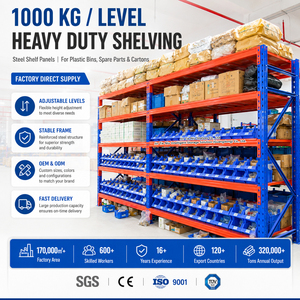
5 Beam Layers Heavy 1000KG Load Steel Shelf Rack for Plastic Boxes Cartons and Small Parts Racking
Compact 5-beam-layer steel shelf rack for plastic bins, cartons and small parts. It is a practical low-height picking solution for Santiago workshops, fastener stores and e-commerce buffer stock.
Automated production centre for racking components and warehouse structures
Annual steel production capacity supporting large export projects
Of production exported, with experience in South American logistics
Warranty on storage systems, backed by full component traceability
Why Santiago Buyers Choose a Factory-Direct Picking Rack Manufacturer
Picking racks are structural assets, not furniture. The difference between a low-cost quote and a safe, productive system is engineering accountability, steel quality, anchoring design, installation control and spare-part support after handover.
Factory ownership from steel coil to load sign
Alohatop Shelf LLC designs, calculates, manufactures and installs metal racking. With a 35,000 m² automated production centre and more than 100,000 t of annual capacity, buyers deal with one accountable source rather than a reseller assembling components from multiple workshops.
Seismic calculation for Chilean sites
Racking for Santiago projects is checked against the destination seismic code and site soil class, including NCh2369 and NCh433 requirements where applicable. Reinforced uprights, bracing, heavier base plates, anchors, row spacers and reduced beam deflection can all be specified before shipment.
Traceability, welding quality and QA
Every upright and beam can be traced from production batch to installation. Manufacturing is supported by ISO 9001, ISO 14001, ISO 45001, ISO 50001, UNE EN ISO 3834-2 welding quality, EN 1090-1 and ISO 14064 verified carbon reporting.
Export packing for Valparaíso and San Antonio
Components are packed for ocean freight, with loading plans, shipping marks and documentation prepared for Chilean import. Our export experience covers major South American ports and helps avoid site delays caused by missing beams, mixed bundles or vague packing lists.
Bilingual engineering support
Layout studies, load calculations, SKU slotting and quotation clarifications can be handled in English and Spanish. That reduces interpretation risk between Santiago operations teams, contractors, landlords and overseas production.
Lifecycle service, not a one-time shipment
Technical inspection, spare components, reconfiguration and maintenance programmes help protect worker safety, stock integrity and uptime. A 5-year warranty is supported by full component traceability, which matters when racks must be extended or repaired years after go-live.
Where Warehouse Picking Racks Are Used in Santiago
Santiago's warehouse demand is concentrated along established industrial corridors such as Quilicura, Pudahuel, Maipú, San Bernardo, Renca and Cerrillos. Each location has different building heights, fire requirements, dock access and labour patterns, so the picking rack layout should follow the operation rather than a generic catalogue page.
E-commerce fulfilment in Quilicura and Pudahuel
Multi-tier picking, boltless shelf racks and carton-flow lanes support small-order fulfilment where pickers handle many SKUs per hour. Shelf heights, bin fronts and label positions can be set around the picker's reach envelope.
Retail and supermarket distribution in Maipú and San Bernardo
High-turn SKU shelves, pallet racking with manual pick levels and carton-flow modules help distribution centres replenish stores faster while keeping reserve stock accessible for forklift operators.
Spare-parts and MRO stores in Renca and Cerrillos
Heavy-duty 5-level shelving, parts bins and 300 kg to 3,000 kg rack systems organise maintenance stores for mining, transport and industrial service companies operating in the Santiago market.
Cold-chain and food distribution
Powder-coated, galvanized and freezer-suited racking supports chilled and frozen warehouses serving fruit, seafood, meat and packaged-food distribution. Cold-store layouts often combine drive-in reserves with picking shelves and VNA pallet racking.
3PL and multi-client logistics
Third-party logistics operators need adjustable beams, clear bay identification and spare components because client inventory mixes change. Boltless shelving and selective pallet racking can be reconfigured without replacing the entire structure.
Light manufacturing and assembly
Cantilever racks for long profiles, heavy-duty steel shelves for tools and mixed pallet-shelf systems for raw materials and finished goods help manufacturers use vertical space without blocking line-side movement.
Local Trends Shaping Picking Rack Demand in Santiago
Buyer intent in Santiago is moving away from "more shelves" toward measurable order-picking productivity, seismic safety, cold-chain efficiency and automation readiness. These trends directly influence the racking specification.
Vertical picking where land is expensive
Warehouse land in the Santiago Metropolitan Region is scarce and costly. Multi-level shelving, mezzanine pick modules and higher pallet racking allow companies to increase pick faces per square metre without expanding the building footprint.
Smaller order profiles and more SKUs
E-commerce and omni-channel retail create smaller order lines, more SKUs and faster replenishment cycles. Carton flow, boltless shelving and labelling-ready beams are increasingly specified alongside traditional pallet racking.
Seismic safety and inspection culture
Chilean buyers increasingly ask for calculation notes, anchoring details and periodic inspection plans. A rack that is not engineered for local seismic demand can become a procurement, insurance and safety liability.
Automation-ready racking
AMRs, pick-to-light systems, stacker cranes and AS/RS interfaces require tighter tolerances, clean beam levels and predictable upright geometry. Racking must be designed for the automation roadmap, not only the first year of operation.
Cold-chain investment and food quality
Santiago remains a gateway for food distribution and export-linked cold chains. In freezer rooms, racking selection must consider material finish, condensation, forklift access, temperature exposure and reduced aisle widths.
Durable finishes and lower lifetime cost
Powder coating, galvanized components and repairable bolted connections reduce maintenance cost. Buyers are comparing total cost of ownership, not only the price per bay, because production interruption is often more expensive than the rack itself.
Chilean Compliance and Design Checks for Santiago Racking Projects
A safe racking installation combines structural calculation, local code review, fire strategy and operational safety. For Chile, project teams should confirm seismic design requirements, anchoring and base-plate details, fire access, sprinkler clearance, escape routes and the pallet/carton load cases used in the layout.
| Picking system | Best fit in Santiago | Access and storage profile | Design checks to confirm |
|---|---|---|---|
| Selective pallet rack with shelf picking levels | Retail DCs, food and beverage distributors, 3PL warehouses | 100% pallet access; reserve pallets below, manual pick faces above | NCh2369/NCh433 review, anchor design, beam deflection, forklift impact protection |
| Boltless shelving and bin racking | Spare parts, MRO stores, e-commerce pick faces | High SKU selectivity; fast reconfiguration and low assembly cost | Shelf load limits, wall tie requirements, aisle width, label and bin layout |
| Multi-tier picking mezzanine | E-commerce fulfilment, retail distribution and small-parts logistics | Manual picking on several levels; efficient use of building height | Structural mezzanine engineering, stair and escape routes, fire strategy, sprinkler clearance |
| Carton-flow picking lanes | Fast-moving consumer goods, cosmetics, spare parts and retail replenishment | FIFO lane access; dense pick faces; ergonomic presentation | Lane slope, roller capacity, product weight, replenishment access and fire code compliance |
| Cantilever racking | Timber, pipes, profiles, PVC and construction materials | Long-goods storage with clear front access and high vertical use | Arm capacity, base stability, seismic bracing, loading equipment and outdoor exposure |
Final rack design must be project-specific. Local engineering review, building condition, soil class, seismic zone, fire strategy and pallet load verification should be completed before manufacturing release.
Manufacturing Strength Behind Santiago Picking Rack Projects
Alohatop Shelf combines automated steel production, laboratory validation and export project experience. That combination is important for picking racking because the system must fit the building, the forklift or AMR interface, the fire strategy and the actual SKU profile.
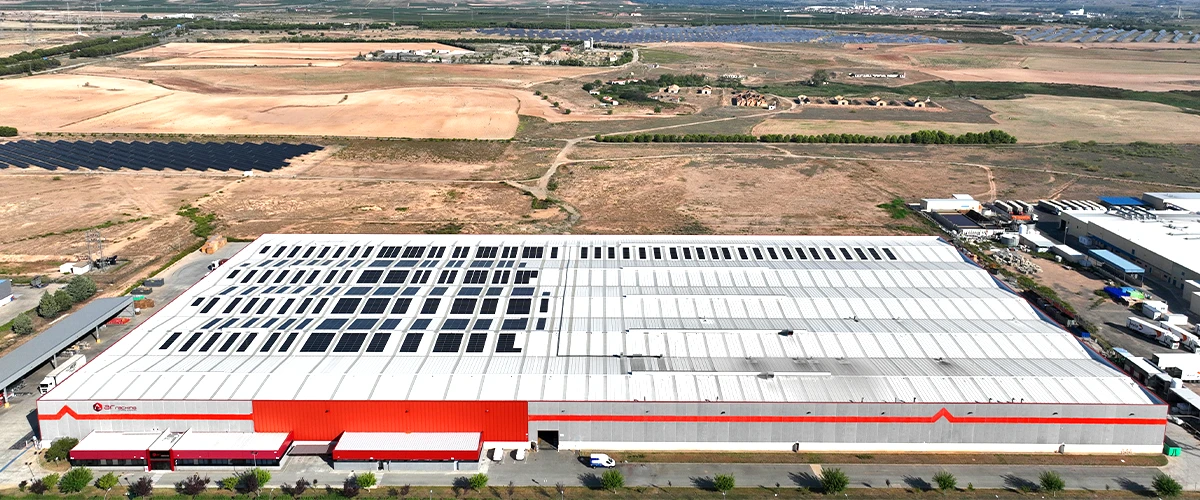
35,000 m² automated production centre
Highly automated roll-forming, welding and coating processes support large-volume racking orders with consistent component quality and export-ready lead times.
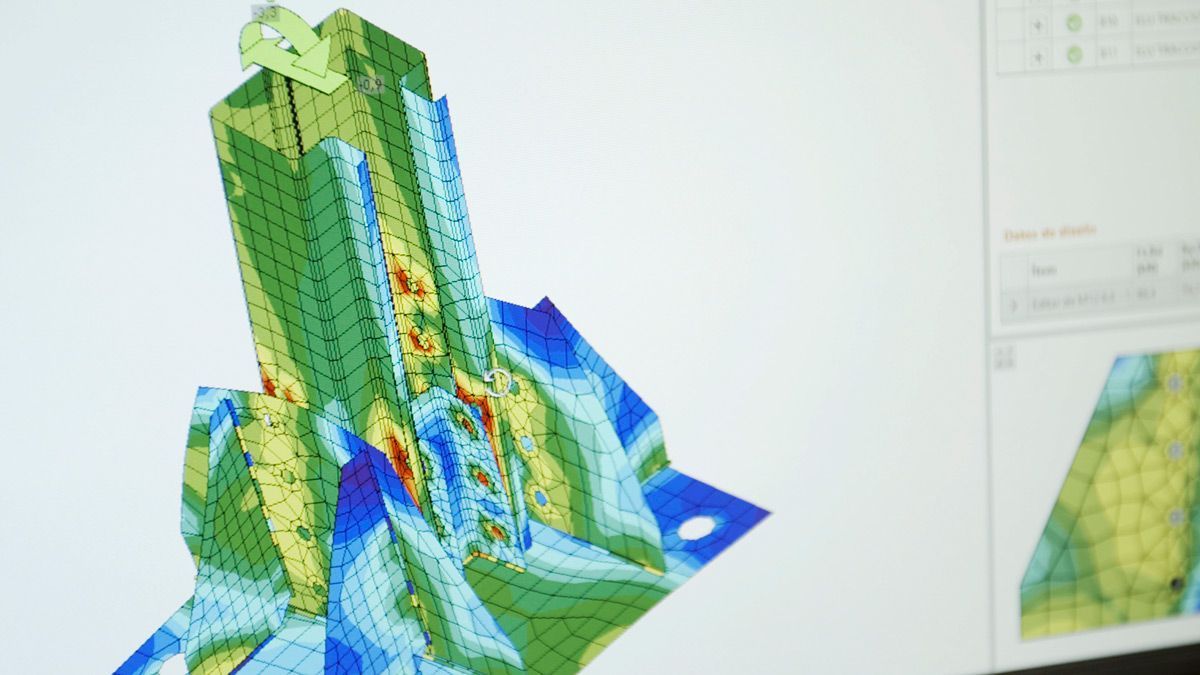
R&D and laboratory validation
Our technology centre works with the Mondragon University R&D laboratory and a research chair at the University of the Basque Country to test component behaviour, strength and simulation models.
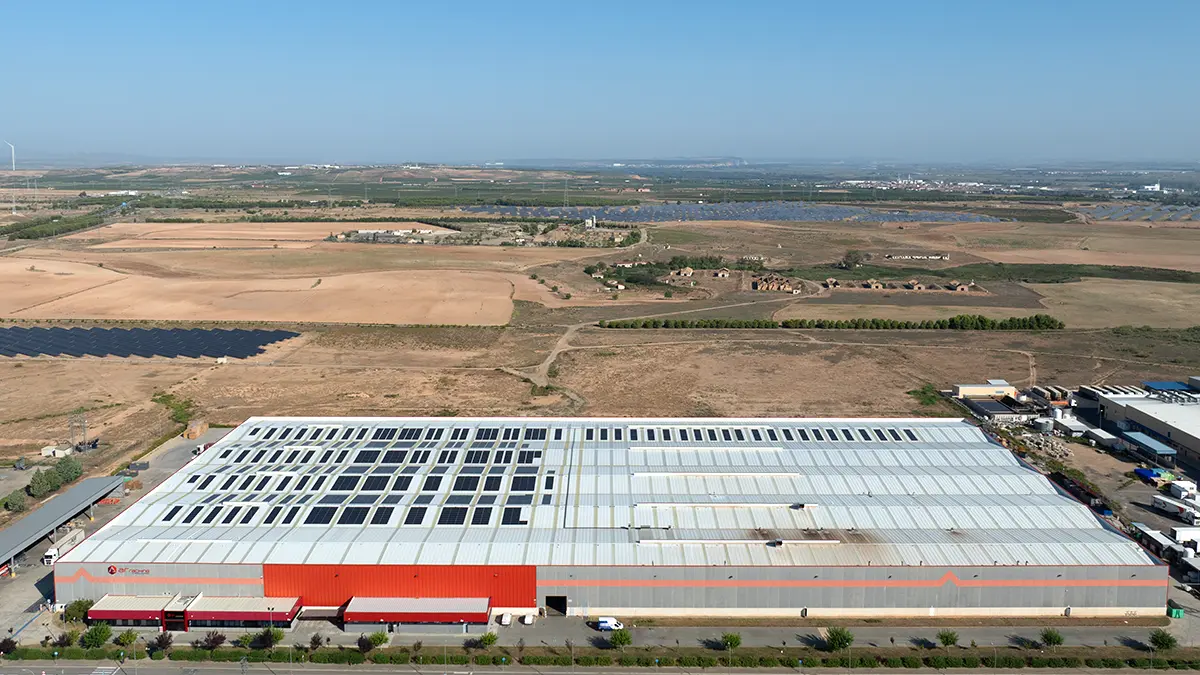
Millimetre precision for automation
Robotic production and laser-controlled processes help keep frames and beams within the tolerances required by stacker cranes, shuttles and AMR-based picking operations.
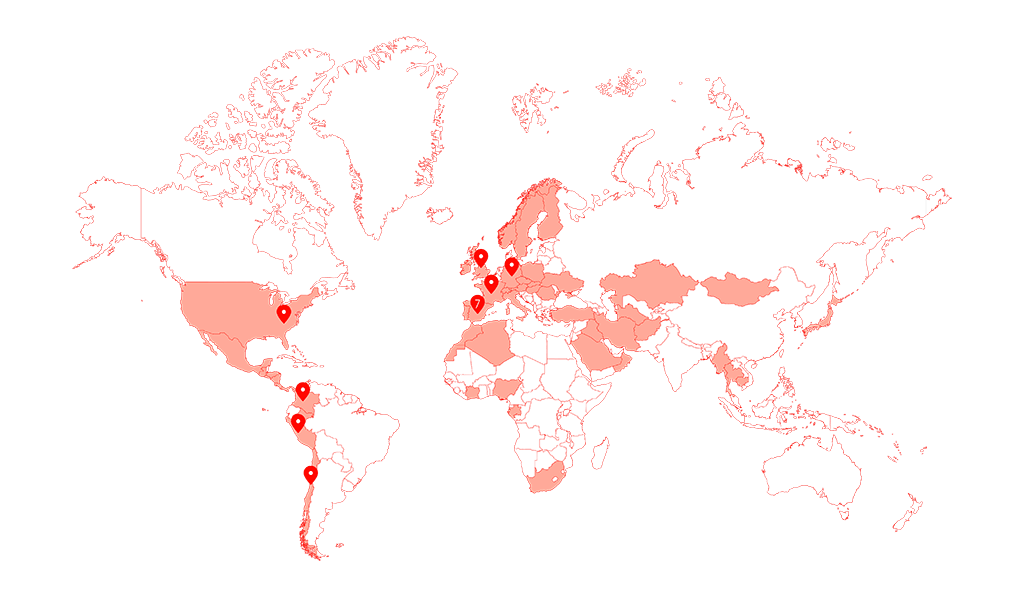
Global project network
More than 60 countries served, 14 own branches and 70+ trusted distributors support export documentation, installation coordination and spare-part planning for South America.
Certifications That Support Buyer Confidence
For procurement teams comparing manufacturers and factories serving the Santiago market, certification is part of risk management. These standards support quality, safety, welding control and environmental accountability.
 ISO 9001Quality management
 ISO 14001Environmental management
 ISO 45001Health and safety
 ISO 50001Energy management
 EN ISO 3834-2Welding quality
 EN 1090-1Structural steel
 ISO 14064Verified carbon reporting
From RFQ to Installation: A Clear Picking Rack Procurement Process
A factory-direct quotation is faster when the warehouse data is complete. The process below reflects how our engineers move from a Santiago layout enquiry to a manufactured, export-packed and installation-ready racking system.
Share layout and load data
Send building drawings, clear height, pallet and carton dimensions, maximum loads, SKU count, daily throughput, forklift or AMR type, temperature range and project city.
Receive an engineered proposal
Our team reviews the layout, proposes picking and reserve storage zones, calculates bay dimensions and prepares a component schedule for quotation.
Confirm seismic, fire and insurance requirements
Anchoring, bracing, row spacers, fire access and sprinkler clearances are agreed before manufacturing so the racking can be approved by local stakeholders.
Production and quality control
Steel components are produced under controlled processes with batch traceability, welding quality checks and packing lists verified against approved drawings.
Export packing and Chile logistics
Racking is packed for sea freight to ports such as Valparaíso and San Antonio, with loading plans and shipping marks to simplify customs and site receiving.
Installation support and handover
Installation can be coordinated through trained partners or supervised by our team, followed by plumb checks, load signage and a handover package for safe operation.
Warehouse Picking Racks in Santiago: Common Questions
These are the questions procurement, warehouse and operations managers most often ask when comparing manufacturers and factories for the Santiago market.
Are you a manufacturer or a trading company?
Alohatop Shelf LLC is a manufacturer of industrial racking and storage systems, with a highly automated production centre, more than 100,000 t of annual capacity and a 5-year warranty. We control engineering, production, quality and installation support rather than reselling mixed components from unknown workshops.
Do you deliver picking racks to Santiago and support installation?
Yes. We serve the Santiago market through factory-direct export, export packing and documentation for Chile, with logistics experience for ports such as Valparaíso and San Antonio. Installation can be coordinated through trained distributors or supervised by our project team depending on the scope and site requirements.
How do you design racking for Chile's seismic conditions?
Racking is calculated against the project seismic demand and site soil class, with reference to NCh2369 and NCh433 where applicable. Design measures can include reinforced uprights, heavier bracing, larger base plates, certified anchors, row spacers and stricter beam deflection limits. Final design must be reviewed for the actual building and location.
Which pallet and carton sizes can you handle?
We support common formats such as 1200×1000 mm Latin American pallets, Brazilian PBR 1000×1200 mm, 1200×800 mm Euro pallets and ISO sizes including 1100×1100 mm. Carton shelves, plastic bins and parts boxes can be dimensioned from your actual SKU list.
What lead time and warranty should buyers expect?
Lead time depends on engineering approval, quantity, finish and vessel schedule; it is confirmed in the quotation after drawings are approved. Ocean transit to Chile is additional. Storage systems carry a 5-year warranty, supported by ISO 9001, ISO 14001, ISO 45001, ISO 50001, EN ISO 3834-2, EN 1090-1 and ISO 14064-related processes.
What information is needed for a fast quotation?
Send a building layout or sketch with clear height, pallet and carton dimensions, maximum load per level, number of SKUs and pallets per SKU, daily order volume, forklift or automation type, temperature range, project commune and required delivery date. This allows our engineers to propose the most efficient picking rack layout.
Request a Factory-Direct Picking Rack Proposal
Share your warehouse layout, pallet and carton data, SKU profile and target opening date. Our engineers will recommend a safe, space-efficient picking rack configuration for the Santiago market, with seismic details, export packing and installation support included in the project review.