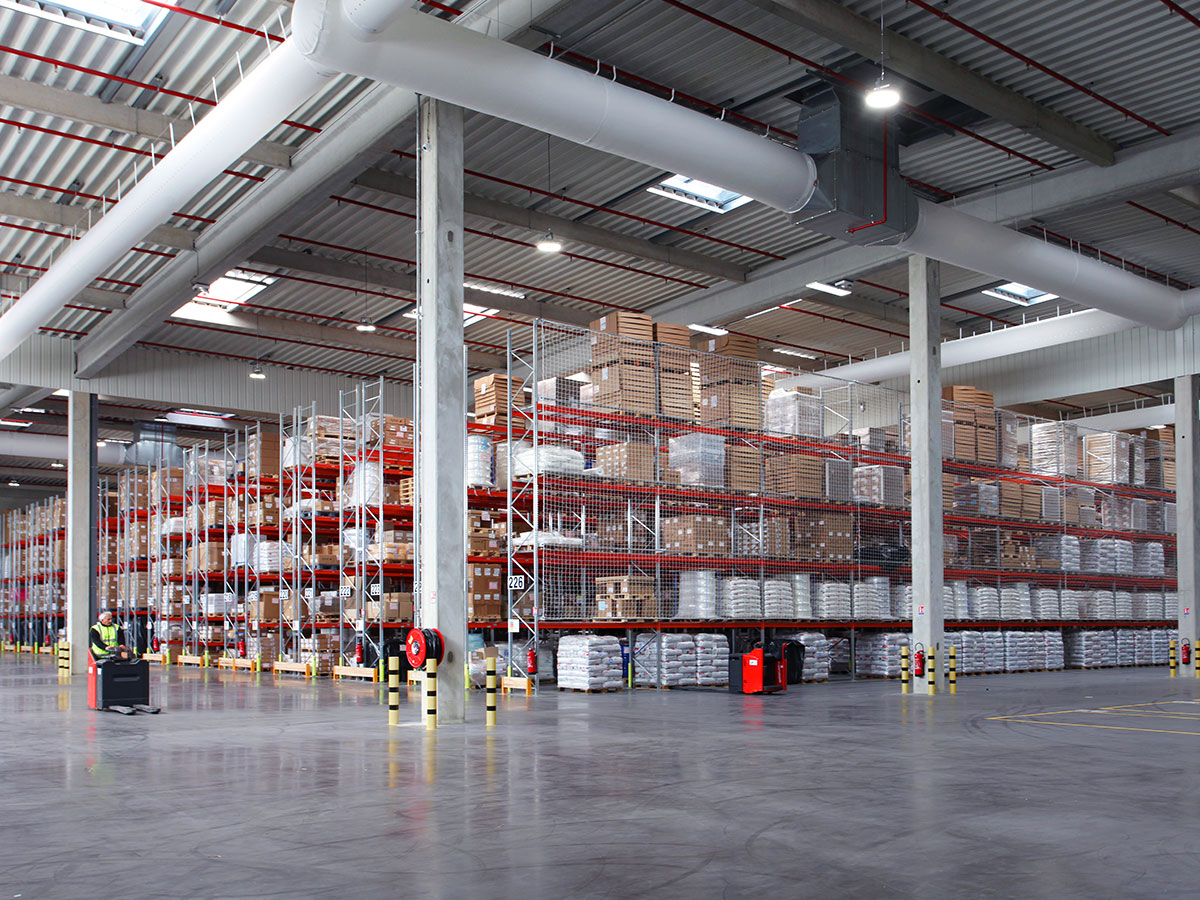
Racking Systems Matched to Oruro Wholesale and Export Loads
These eight storage systems cover the practical load profiles found in and around Oruro: heavy mining consumables, container-devanned wholesale goods, textiles, food and beverage stock, spare parts and light retail display. Each product URL is kept as supplied so your procurement team can compare specifications directly.
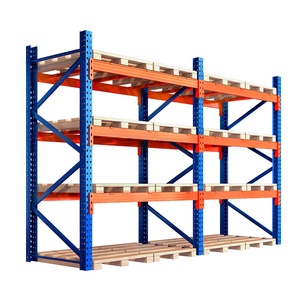
Industrial Heavy Duty Storage Shelves system Stacking Units Metal Rack Warehouse Steel Pallet Racking
For mining consumables, dense wholesale pallets and container-devanned loads that need robust steel, simple forklift access and dependable load control in high-altitude warehouses.
View product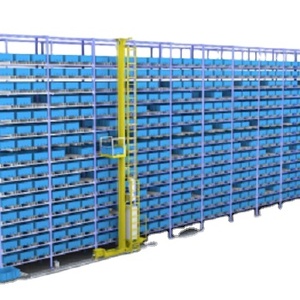
Miniload Rack Asrs Miniload Automated Storage System
An efficient option for high-SKU wholesalers, electrical spares, medical supplies and e-commerce picking where carton and tote density matters more than pallet weight.
View product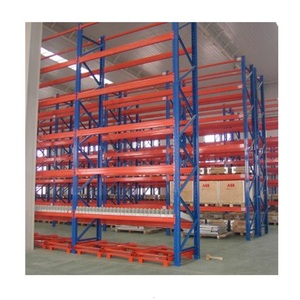
Industrial Heavy Duty Rack Factory Price Steel Pallet Racking Storage Systems From Warehouse Pallet Rack Manufacturer
A factory-direct selective racking family for export staging, importer stock and wholesale distribution where 100% pallet access and simple forklift operation are priorities.
View product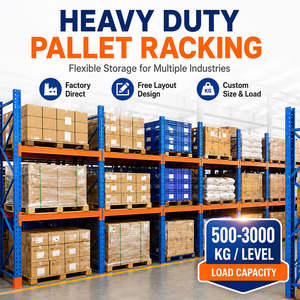
Heavy Duty Steel Warehouse Pallet Rack Storage Racking System for Industrial Warehouse Applications
Useful for 3PL buffers, importer warehouses and mixed-SKU distribution where pallet weights, footprints and handling equipment vary from one bay to the next.
View product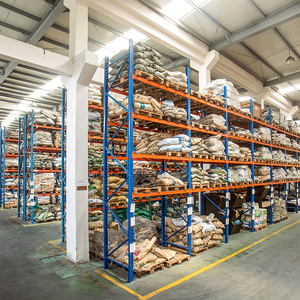
5 Layer Storage Cloth Heavy Duty Pallet Rack Storage for Fabrics 1000KG 2000KG 3000KG Pounds Tons
Specified for fabric rolls, garment stock and textiles where loading is dense but access to each batch, colour or supplier order still matters for wholesale replenishment.
View product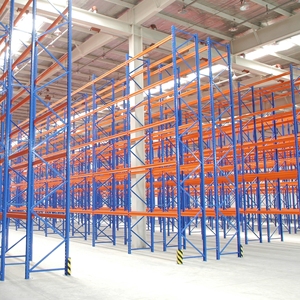
Low Price Custom 2-6 Level High Quality Pallet Racking Warehouse Storage Shelf System Industrial Stack Heavy Duty Pallet Racks
A practical base solution for phased warehouse investments in Oruro, where importers and wholesalers often expand storage in stages rather than committing to full automation at once.
View product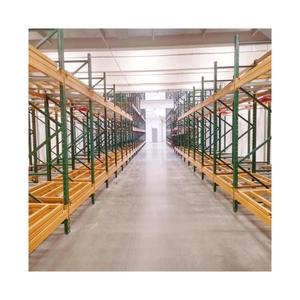
Custom Storage System Stacking Racks Shelves Warehouse Rack Push Back Pallet Racking with Guide Rail
Well suited to import container buffers and repeat wholesale SKUs where LIFO operation, deeper lanes and better use of warehouse volume are more important than single-pallet access.
View product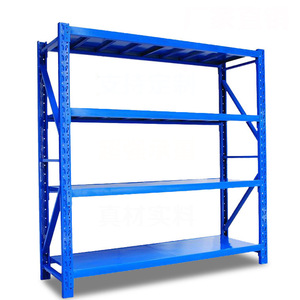
LIANGZO 5-Layer Steel Corrosion Protection Chrome Plated Storage Shelf for Warehouse Household Use Light/Medium Duty Display
For retail display, spare-parts counters, sample rooms and light wholesale picking areas that need a clean finish, visual stock control and easy access.
View productWhy Oruro Rewards a More Engineered Warehouse Racking Approach
Oruro is not a generic warehouse market. It is an Andean trading and mining city at roughly 3,700 m above sea level, connected to Pacific port corridors and serving wholesale, mining-supply and consumer-goods flows across western Bolivia. That combination changes pallet profiles, truck utilisation, maintenance access, dust control, safety planning and the commercial value of every cubic metre.
For exporters and wholesalers serving Oruro, racking is not simply “shelving with more steel.” It is the physical operating system between import containers, customs staging, local distribution, mining procurement and outbound export consolidation. A design copied from a low-altitude coastal warehouse can miss the realities that determine whether a warehouse runs safely and efficiently: wide temperature swings, airborne dust, high-altitude forklift performance, irregular pallet quality from inbound freight, long replenishment lead times and the need to service trucks that may travel onward to Arica, Iquique or other Pacific gateways.
Alohatop Shelf LLC approaches Oruro projects as engineering assignments, not catalogue orders. We calculate frames, beams, bracing, base plates, anchors, aisle geometry and load signage against the pallet, building, floor and operational data. The objective is simple: every pallet position must be safe, reachable and commercially justified — whether the warehouse supports mining MRO spares, textile wholesalers, food distribution or export consolidation.
Countries with installed storage systems
Warehouse projects delivered
Annual steel production capacity
Of production exported worldwide
Three Local Conditions That Should Shape the Racking Specification
Altitude alone does not change the strength of steel, but it changes installation planning, people, equipment, inspection routines and the way dust and temperature affect a storage system over time.
High-altitude dust, UV and thermal cycling
Oruro’s dry Andean environment can expose racking to dust, intense sunlight and wide day-night temperature swings. Painted and galvanised finishes should be selected for the actual environment, while inspection routines should check anchor tightness, beam locks, upright protection and accumulated dust in concealed connections. Clear load signage and scheduled housekeeping matter as much as steel capacity.
Inland export corridor and customs buffers
Oruro-based operations often need to receive inbound containers, hold stock while documentation and onward transport are arranged, and release goods efficiently to wholesale customers or export vehicles. That makes flexible staging lanes, high-density reserve storage and clearly separated picking zones valuable. Racking should support container deconsolidation without blocking fire access or forklift routes.
Mining supply and wholesale load mix
Mining suppliers, industrial distributors and consumer-goods wholesalers may share the same logistics environment but not the same pallet profile. Heavy spare parts, drums, bagged materials, packaged food and textiles require different beam lengths, decking choices, frame depths and protection against forklift impact. We design around actual load data rather than average assumptions.
Where Warehouse Racking Creates Measurable Value in Oruro
The strongest storage investment is the one that removes a daily bottleneck. These six scenarios are common starting points for exporters, importers and wholesalers serving Oruro.
Mining supply and MRO spare parts
Heavy-duty selective racking and stacking units allow Oruro mining suppliers to separate fast-moving bearings, tools, hoses and safety consumables from slower project stock. Column guards, durable beam locks and clear load labels reduce impact risk in busy receiving zones.
Import container deconsolidation
Wholesalers receiving mixed containers need a buffer area where goods can be checked, labelled and transferred to reserve or picking locations. Push-back and selective racking combine dense reserve storage with straightforward access for forklift operators working under time pressure.
Quinoa, agri-food and wholesale staging
For agri-food and wholesale operations linked to Oruro’s regional supply chains, racking can support batch separation, FIFO discipline and clean aisle access. The key is to match the system to bagging, pallet quality, pest-control procedures and the need for traceable lot identification.
Cold-chain and food/beverage projects
Where a project requires refrigerated or freezer storage, racking must be specified for low temperature, condensation, safety access and maintenance. Mobile racking, VNA, drive-in and pallet shuttle layouts can reduce cooled volume per pallet and improve energy economics.
Retail, e-commerce and spare-parts picking
SKU fragmentation is reaching inland wholesale markets too. Miniload structures, carton-flow ideas and light/medium shelving help separate picking from pallet reserve, shorten travel paths and support barcode or WMS-driven order fulfilment.
3PL, cross-dock and seasonal buffers
Third-party logistics operators and large wholesalers need storage that can be reconfigured as client contracts change. Modular pallet racking, push-back lanes and clearly signed staging areas make it easier to absorb import peaks without creating permanent bottlenecks.
System Selection Matrix for Oruro Export and Wholesale Warehouses
Use this as a pre-feasibility filter, not as a final structural design. The right choice depends on pallet dimensions, weight, SKU count, throughput, available height, floor slab, seismic data, fire strategy and whether LIFO or FIFO control is required.
| System | Best Oruro use case | Relative density | Access pattern | Stock rotation |
|---|---|---|---|---|
| Selective pallet racking | Import wholesale, export staging, mixed SKUs | 100% of pallets | Any | |
| Very narrow aisle racking | Tall warehouses, cold rooms, high land cost | 100% with VNA truck | Any | |
| Double-deep racking | Repeat SKUs, 3PL accounts, lower picking frequency | Approx. 50% direct | LIFO per lane | |
| Drive-in racking | Homogeneous goods, freezer reserve, seasonal stock | Low direct access | LIFO or drive-through FIFO | |
| Push-back racking | Container buffers, manufacturing stock, wholesale reserve | Per lane | LIFO | |
| Pallet shuttle | High-throughput distribution, deep cold storage | Per lane | FIFO or LIFO | |
| Miniload / AS/RS | Small parts, high-SKU wholesale, automated picking | Automated retrieval | WMS controlled | |
| Light/medium shelving | Retail display, spare-parts counters, samples | Manual picking | Any |
What a Safe Oruro Racking Design Must Prove
A racking quote becomes credible only when it connects price to engineering evidence. For Oruro projects, our team reviews the warehouse layout, clear height, floor slab, pallet quality, load distribution, forklift or automated handling equipment, temperature range, dust exposure, seismic inputs and installation access before confirming a configuration.
- Frame and beam capacity calculated for actual pallet loads, not average carton weights.
- Anchor and base-plate verification for the floor slab and project-specific seismic requirements.
- Aisle and impact protection designed around the forklift fleet, turning paths and receiving pressure.
- Full component traceability from steel batch to installation sign-off.
Building drawings, column grid, usable height, floor flatness and truck access determine the feasible bay and level count.
Pallet footprint, load height, maximum weight, overhang, decking type and load stability must be confirmed before beam selection.
Number of SKUs, pallets per SKU, orders per day and FIFO/LIFO rules separate selective layouts from denser alternatives.
Project city, seismic data, temperature, humidity, dust, fire strategy and intended installation schedule shape the final specification.
Storage Trends Shaping Oruro-Serving Supply Chains
These are not abstract global trends. They translate into specific racking choices for exporters and wholesalers moving goods through western Bolivia.
Inland logistics resilience
As a key western Bolivian node, Oruro benefits from warehouses that can hold and sequence stock during port, border and transport variability. Flexible staging lanes and high-density reserve racking reduce double handling.
Cold-chain expansion
Food safety, agri-food exports and modern wholesale require tighter temperature control. Projects with refrigerated or frozen rooms should design racking for low temperature, condensation and efficient cooled-volume use from day one.
Digital traceability
WMS, barcode and batch-control adoption demand consistent bay locations, clear labels and racking precision that supports accurate put-away and retrieval. Storage layout becomes part of the data system, not just the steel.
Safety and lifecycle compliance
Procurement teams are increasingly asking for inspection schedules, load signs, repair records and spare-part availability. A lower purchase price loses value if damaged uprights cannot be replaced quickly.
Why Alohatop Shelf Fits Oruro-Facing Export Projects
We combine manufacturer control, export project experience and engineering discipline — the three capabilities that matter when a racking system must travel across borders and then perform for years.
Manufacturer, not reseller
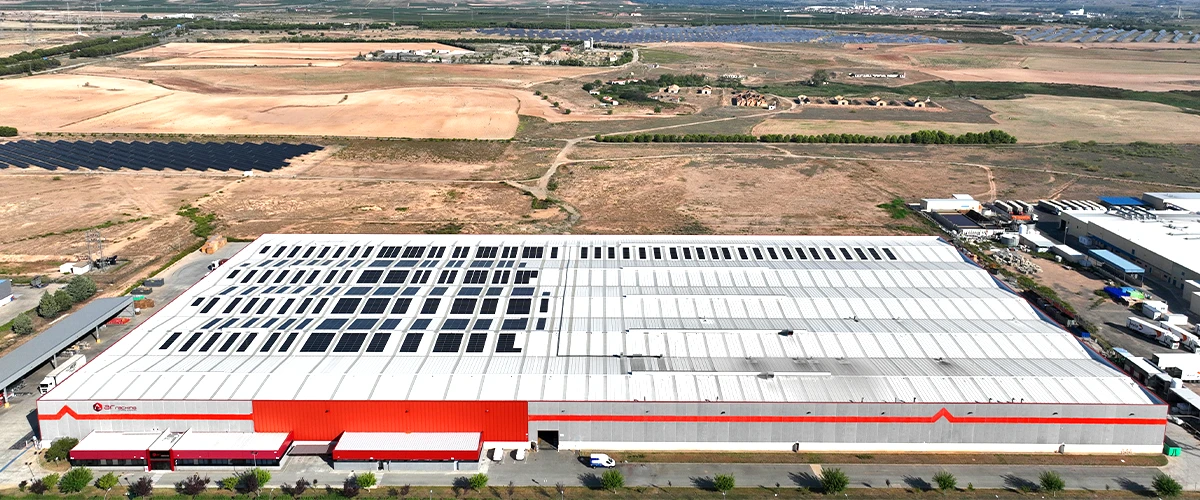
Alohatop Shelf LLC designs, calculates, manufactures and installs industrial racking. A 35,000 m² highly automated production centre and more than 100,000 t of annual steel capacity give us direct control over quality, lead time and component traceability.
Oruro-relevant engineering inputs
Our project team works from pallet data, load diagrams, building geometry, seismic requirements, temperature ranges, dust exposure and port-to-site logistics. We do not assume that a racking design from another market is automatically acceptable in Bolivia.
R&D and physical testing
Our technology centre collaborates with an R&D laboratory at Mondragon University and a research and simulation chair at the University of the Basque Country. Finite-element simulation and physical testing inform frame, beam and connection behaviour before a project is released to production.
Certifications and warranty
Systems are produced under ISO 9001, ISO 14001, ISO 45001, ISO 50001, UNE EN ISO 3834-2 welding quality, EN 1090-1 and ISO 14064 verified carbon reporting. Storage systems carry a 5-year warranty, supported by full component traceability.
Export logistics experience
More than 90% of our production is exported, and our systems operate in 60+ countries. For Oruro-facing projects, that experience matters in packing lists, drawings, installation manuals, shipping coordination and technical support across time zones.
Lifecycle service
Engineering, installation supervision, technical inspection, maintenance and reconfiguration keep a warehouse productive after go-live. Spare beams, uprights, guards and accessories protect uptime and help local teams respond quickly to impact damage.
Questions Exporters and Wholesalers Ask Before Buying Racking
These answers reflect the practical questions our engineers receive from buyers planning projects in Bolivia and across South America.
Can you supply and support a racking project in Oruro, Bolivia?
Yes. We serve Oruro-facing projects through export project delivery, detailed drawings, packing lists, installation manuals and supervisory support, combined with trained installation partners where required. Because Oruro is inland, freight is normally planned through Pacific port corridors and onward road transport; the exact route, customs process and Incoterm must be confirmed for each project.
Which pallet sizes should we design around?
Common formats include 1200 × 1000 mm pallets widely used in Latin America, 1200 × 800 mm Euro pallets used by European exporters, and ISO formats such as 1100 × 1100 mm. The final beam length and frame depth must be based on the actual pallet, load height and weight. We recommend measuring a sample of real pallets because damaged or non-standard pallets can reduce safe capacity.
How do you account for Oruro’s altitude, dust and temperature swings?
Steel strength is not reduced simply by altitude, but altitude affects people, forklift performance, installation planning and maintenance schedules. Dust and thermal cycling influence finish selection, inspection frequency, anchor checks, labelling and housekeeping. If the project includes refrigerated or freezer storage, we specify suitable steel and finishes for temperatures down to −30 °C where required.
Is seismic design needed for racking in the Andes?
Andean projects deserve project-specific seismic verification. We review the applicable local requirements and site data, then adjust uprights, bracing, base plates, anchors, row spacers and beam deflection limits accordingly. The correct approach is not to copy a non-seismic catalogue design, but to verify the structure for the actual building and location.
What information do you need for a useful quotation?
Send the building layout, clear height, floor slab details, pallet dimensions and maximum load, number of SKUs and pallets per SKU, daily throughput, forklift or automation type, temperature range, project city in Bolivia and target schedule. For Oruro projects, also state whether goods are for mining supply, wholesale, export staging, cold storage or retail picking.
What warranty and documentation back the system?
Our storage systems carry a 5-year warranty and are produced under ISO 9001, ISO 14001, ISO 45001, ISO 50001, UNE EN ISO 3834-2, EN 1090-1 and ISO 14064 verified carbon reporting. Component traceability supports maintenance and future expansion. Lead time depends on engineering approval, steel scheduling, finishing, packing and transport route, so it should be confirmed against the final bill of materials.
Make the Oruro Warehouse a Storage Advantage, Not a Bottleneck
Share your building layout, pallet data, SKU profile and target city. Our engineers will help you compare selective, high-density, automated and light-duty options for an exporter or wholesaler operation serving Oruro.