Warehouse Storage Racks Manufacturers & Factory Serving the Paramaribo Market
Engineered pallet racking, cantilever racks, stacking racks and warehouse storage systems for Suriname’s tropical climate, port-driven supply chains and growing distribution economy.
Warehouse Storage Racks Built for Paramaribo, Not Just Shipped There
Paramaribo is the commercial centre of Suriname and a practical gateway for imported consumer goods, food and beverage, building materials, automotive parts, agro-processing inputs and e-commerce inventory. A racking system for this market must respond to humid Atlantic air, intense rainfall, imported pallet formats and a logistics profile that rewards simple, adaptable and easily maintained structures.
Our approach is to treat warehouse storage racks as an engineered system, not a commodity. We review the building slab, clear height, pallet dimensions, load weight, SKU profile, handling equipment, humidity exposure, fire strategy and expansion plan. Then we recommend a rack type and finish that balances storage density, operating access and long-term maintenance. For Paramaribo buyers, the objective is practical: fewer damaged goods, safer forklift movements, higher use of available cubic space and a system that can be expanded when import volumes grow.
Because Alohatop Shelf designs, manufactures and supports installation as a single accountable partner, the specification can be controlled from steel coil to final beam level. This is important in an export project where shipping, documentation, corrosion protection and spare-parts planning all influence the real cost of ownership. Our experience across more than 60 countries and 42,000 warehouse projects helps local buyers avoid the common mistake of comparing only the purchase price per bay while ignoring installation, finish, freight and future reconfiguration costs.
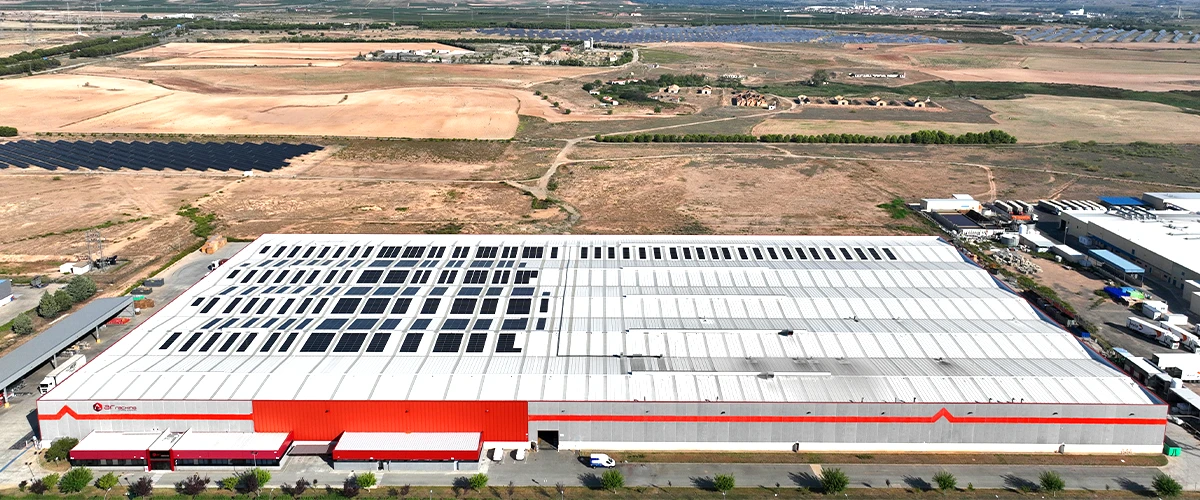
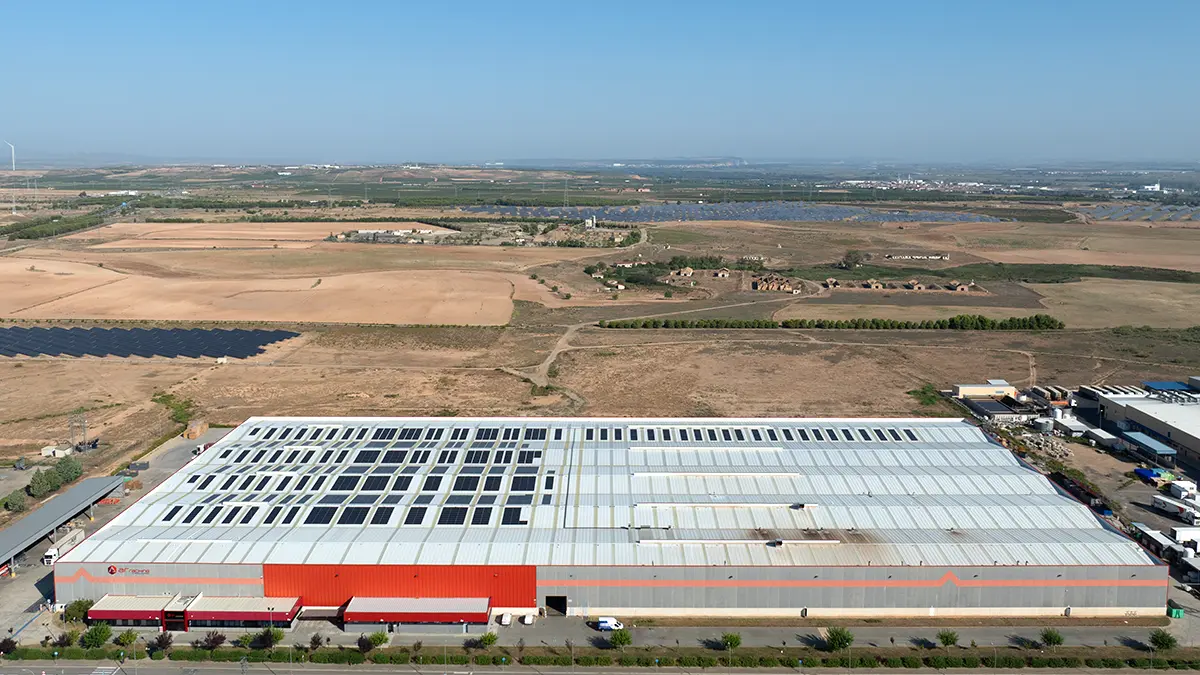
Factory-direct control, not a reseller catalogue. We manufacture in a 35,000 m² highly automated production centre with more than 100,000 t of annual steel capacity, and more than 90% of production is exported. That gives Paramaribo projects access to the same engineering discipline used for cold stores, 3PL warehouses, retail distribution centres and automated storage installations worldwide.
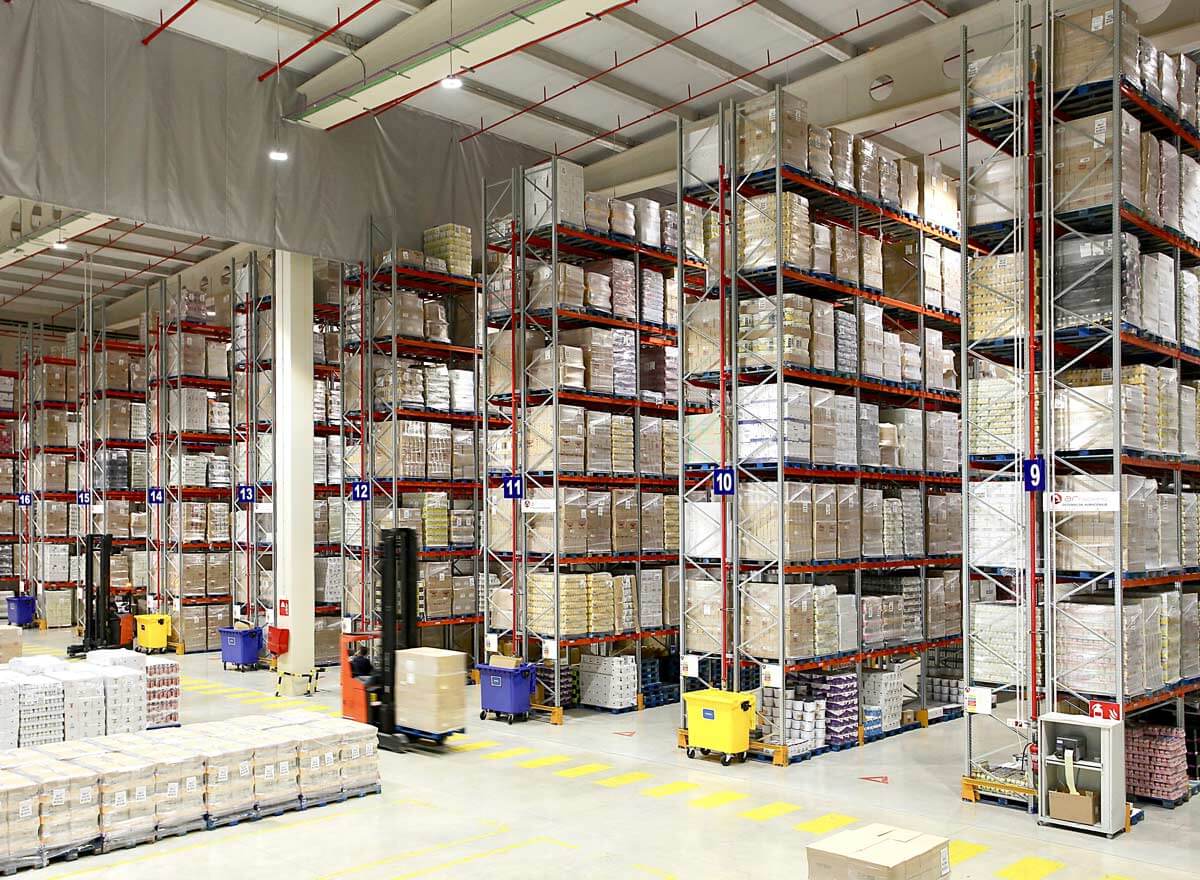
Recommended Warehouse Storage Racks for Paramaribo Buyers
The eight products below cover practical starting points for Paramaribo warehouses: cantilever storage for long goods, heavy-duty pallet racking for import containers, detachable stacking racks for flexible bulk storage and selective pallet racking for high-SKU distribution. All product-page links are retained; final specification, finish and load capacity should be confirmed with our engineers because local humidity, slab strength and forklift type affect the design.
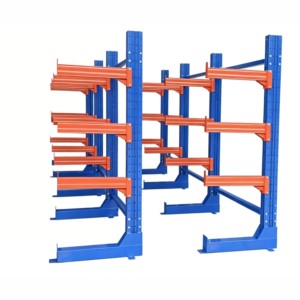
Stock Cold-Rolled Steel Cantilever Shelf Warehouse Storage Double-Sided Bracket Arm Cantilever Rack
Ideal for timber, pipes, profiles and building materials. The double-sided arm layout allows fast access from a central aisle, with finish options to suit humid coastal storage.
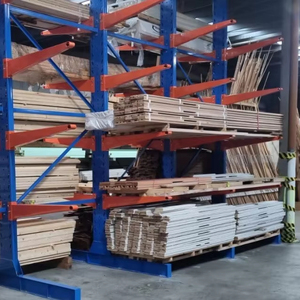
Cantilever Racking Wholesale Double-sided Heavy Pipe Warehouse Rack Industrial Heavy Duty Cantilever Racking Pallet Racking
For industrial pipe, tube and heavy components. A double-sided cantilever layout improves throughput in equipment, plumbing and construction supply warehouses.
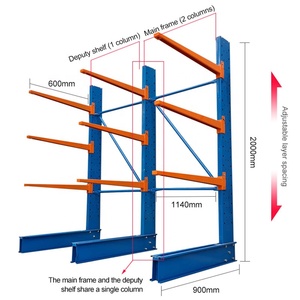
Topeasy Customized Powder Coated Indoor Storage Heavy Duty Rack Cantilever Shelving Cantilever Racking
A clean indoor cantilever solution with powder-coated finish. Suitable for controlled stores, retail-adjacent logistics and showroom-quality material handling areas.
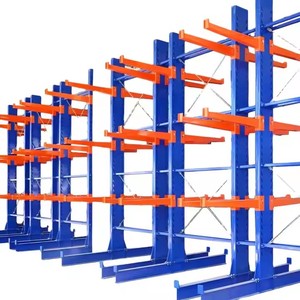
Industrial Heavy Duty OEM ODM Storage Racks Wall Mounting Tube Racking Gavenized Cantilever Rack for Warehouse
Corrosion-resistant galvanized finish for humid or semi-exposed stores. OEM and ODM options support special dimensions, local branding and project-specific loading.
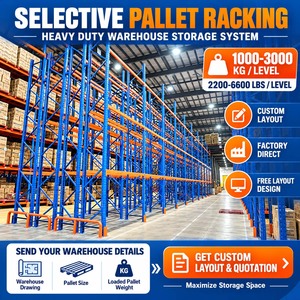
Heavy Duty Adjustable Steel Pallet Racking Warehouse Storage System 1000kg-3000kg Industrial Rack for Logistics Warehouses
A workhorse system for imported pallets and mixed SKUs. Adjustable beams allow re-slotting as demand changes, making it useful for logistics warehouses and 3PL operations.
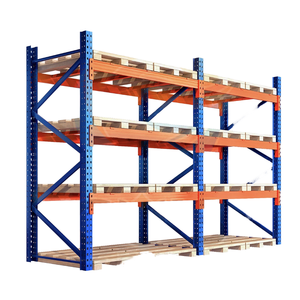
1-5 Layer Heavy Duty US Type Detachable Pallet Rack Storage Steel Stacking Rack Supplier for Bulk Storage Plant Large Warehouse
Stackable 1–5 layer design supports bulk storage without fixed racking investment. The detachable structure helps with relocation, seasonal inventory peaks and flexible yard use.
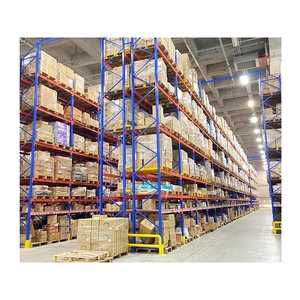
Warehouse Racking System Heavy Duty Industrial Steel Shelving Warehouse Pallet Racks for Sale
Industrial steel shelving and pallet racking for general warehouse use. Suitable for retail distribution, spare parts, hardware and building-material inventories.
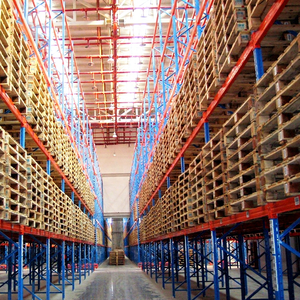
Manufacturer Heavy Duty Warehouse Shelving/storage Pallet Rack /selective Heavy Duty Racking System
Best where direct access to every pallet matters. Selective layout supports high SKU counts, frequent picking, simple inspection and staged expansion.
Localized Application Scenarios in and Around Paramaribo
Warehouse storage racks perform differently depending on what is stored, how often it moves and what the building can support. These are the scenarios we most often discuss with importers, distributors and processors serving Paramaribo and the wider Suriname market.
Port-driven import distribution
For warehouses receiving containerized imports through Paramaribo, selective pallet racking and adjustable beam levels support quick put-away, inventory rotation and mixed-SKU replenishment. Layouts should reserve safe forklift aisles and clear staging space for customs release peaks.
Food, beverage and cold-chain storage
High ambient humidity and insulated cold rooms demand corrosion-conscious finishes, cleanable surfaces and layouts that protect air circulation. Mobile racking, drive-in and VNA configurations can increase capacity where cooled cubic metres are expensive.
Building materials and hardware
Cantilever racking is often the most practical choice for timber, pipes, profiles and long hardware. Double-sided cantilever layouts reduce handling time, while galvanized or heavy-coated finishes help manage moisture and semi-exposed storage conditions.
Retail, wholesale and e-commerce
Growing retail and online fulfilment operations need carton picking, multi-tier shelving and small-part storage rather than pallet racking alone. Combined layouts allow fast-moving items near dispatch areas and slower inventory in high-density reserve storage.
Agro-processing and export support
Rice, fruit, seafood and other agro supply chains require storage for packaging, inputs, spare parts and finished goods. Heavy-duty pallet racking and stacking racks can be phased in as volumes grow, with finishes selected for washdown or humid processing environments.
3PL and shared warehouses
Third-party logistics operators need flexibility for changing clients and SKU profiles. Adjustable selective racking, detachable stacking racks and clearly marked bay identification help maintain service levels while accommodating seasonal contracts.
Local Development Trends Shaping Paramaribo Warehousing
Procurement decisions in 2026 and beyond are being shaped by port activity, climate resilience, cold-chain investment and the first steps toward warehouse automation. Buyers who plan for these trends avoid premature rework.
Port and logistics investment
As Paramaribo strengthens its role as a regional distribution gateway, warehouses are being planned for faster container turnaround, clearer staging zones and better separation between receiving, storage and dispatch. Racking layouts that support rapid put-away and real-time inventory control are becoming more valuable than pure cubic density.
Cold-chain expansion
Food imports, seafood, poultry and frozen products continue to drive investment in refrigerated and freezer storage. In these environments, rack geometry, finish, lighting, sprinkler clearance and aisle width must work together to protect product quality and worker safety.
Retail and e-commerce consolidation
Order profiles are becoming smaller and more frequent. This increases demand for picking shelves, carton-flow locations and mixed pallet-picking layouts. Selective pallet racking remains the reserve backbone, but the picking face needs different ergonomics and labelling.
Humidity and corrosion control
Atlantic air, rainfall and tropical temperatures make corrosion protection a purchasing criterion, not an afterthought. Hot-dip galvanizing, zinc-rich primers, powder coating and stainless fasteners should be matched to the actual exposure level and maintenance regime.
Flood-resilient and climate-adaptive design
Warehouse planning increasingly considers rainwater management, slab level, drainage around the building and protection of lower rack levels. Rack anchoring and base details should be reviewed with the building designer where water exposure or soft ground is a concern.
Automation readiness
Even manual warehouses are now asking for WMS-ready bay identification, clear integration zones and rack tolerances suitable for later AGV, AMR or shuttle deployment. Planning for automation does not require buying it immediately, but it does require disciplined dimensions and future interfaces.
Engineering Detail: What Makes a Rack System Suitable for Suriname?
A warehouse storage rack can look identical in a catalogue and still fail to deliver value if the finish, anchorage and tolerances do not match the site. These are the engineering checks we apply to export projects for humid, high-rainfall and logistics-sensitive markets.

Corrosion protection for tropical coastal air
Paramaribo’s climate puts a premium on surface protection. We review whether the rack will sit in a closed distribution centre, an open-sided store, a cold room or a semi-exposed yard. The specification may include hot-dip galvanized components, zinc-rich primer, powder coating, galvanized fasteners and drainage-friendly details that avoid trapped water.
- Finish selected by exposure level, not by default catalogue option
- Fasteners and base plates matched to humidity and washdown practice
- Beam and upright details reviewed for water retention and cleaning access
- Touch-up and spare-parts plan included for long-term maintenance
Slab, anchoring and water-resilient installation
Rack safety begins at the floor. We ask for slab thickness, concrete strength, flatness and joint locations before finalising base plates and anchor type. In coastal or flood-prone areas, the project team should also review plinth height, drainage, forklift impact protection and the position of electrical services. The goal is to prevent both structural movement and unnecessary damage at the most vulnerable part of the rack.
- Base plate and anchor schedule based on actual slab data
- Clear aisle and impact-protection strategy for forklifts and pallet trucks
- Layout coordinated with sprinkler, lighting and ventilation requirements
- Installation method agreed before shipment to reduce site improvisation
Testing, tolerances and future automation
Automated stacker cranes and shuttles stop when rack geometry drifts out of tolerance. Our technology centre works with an R&D laboratory at Mondragon University to test the behaviour, strength and safety of racking components under real load cases, while a research and simulation chair at the University of the Basque Country supports calculation models. This knowledge is applied to frames, beams and connections for projects that may start manual and later move toward automation.
- Finite-element simulation of critical frames, beams and base connections
- Design review against European and internationally recognised racking standards
- Robotic production and laser-controlled processes for consistent export quality
- 5-year warranty and full component traceability for installed systems
Compare Racking Options for Paramaribo Warehouses
This screening matrix helps local buyers align storage type with operating reality. It is not a substitute for final structural design, which must consider beam loads, pallet condition, sprinkler layout, aisle width, forklift type and building approvals.
| System | Best Paramaribo use | Storage density | Direct access | Humidity and corrosion watchpoint |
|---|---|---|---|---|
| Selective pallet racking | High-SKU import distribution, retail and spare parts | 100% of pallets | Specify coated or galvanized finish for semi-exposed stores | |
| Cantilever racking | Timber, pipes, profiles and long building materials | High for long goods | Drainage-friendly arm and base details are important outdoors | |
| Double-deep racking | 3PL accounts with two or more pallets per SKU | About 50% | Inspect rear pallets and airflow in humid stores | |
| Drive-in racking | Homogeneous food, beverage and frozen inventory | Low | Use rails and guides that resist impact and moisture | |
| Pallet stacking rack | Bulk storage, seasonal peaks and flexible yard capacity | Per stack | Galvanized or heavy-coated finish for outdoor or semi-outdoor use | |
| Multi-tier picking | Retail, e-commerce, small parts and carton picking | Manual access to every pick face | Ventilation, lighting and cleanable surfaces matter in humid buildings |
For Paramaribo, the most frequent recommendation is a combined layout: selective pallet racking for reserve inventory, cantilever racking for long materials and a picking zone for fast-moving cartons. This approach protects throughput without over-investing in automation before volumes justify it.
Why Alohatop Shelf Is a Practical Manufacturing Partner
International buyers need more than a product list. They need engineering answers, export documentation, installation guidance and a supplier who can stand behind the structure after delivery.
Factory-direct project control
Design, calculation, manufacturing and installation support are controlled under one accountable partner, reducing specification drift between local buyer, contractor and overseas supplier.
Research and physical testing
R&D collaboration with Mondragon University and the University of the Basque Country supports load testing, simulation and safer structural details for demanding projects.
Export logistics experience
More than 90% of output is exported. We understand container loading, packing lists, port coordination and the need for clear installation documentation at destination.
Warranty and traceability
Systems carry a 5-year warranty with component traceability, supported by ISO-certified management systems and documented quality controls from production batch to installation.

From steel coil to installation sign-off
Our 35,000 m² highly automated production centre and 100,000 t annual capacity allow us to support both standard warehouse projects and custom export orders. For a Paramaribo buyer, that means the rack, finish, packing and documentation can be planned together. The same engineering team can review a manual warehouse today and assess future automated storage, self-supporting warehouse or shuttle layouts when the business case is ready.
We also bring experience from cold storage, 3PL, retail, manufacturing and automated warehouse projects. That breadth matters when a Suriname warehouse serves more than one role: importer, distributor, processor and e-commerce fulfilment centre may all operate under one roof.
Inquire NowCertifications, Testing and Quality Assurance
Export warehouse projects require documented quality, not verbal assurances. Our systems are produced under recognised management standards, with welding, structural steel and environmental controls aligned to international expectations.
Project Experience That Informs Paramaribo Warehouse Design
Although every market has its own building conditions and procurement requirements, the following project types demonstrate the engineering range that can be adapted for Suriname’s import, food, logistics and distribution sectors.
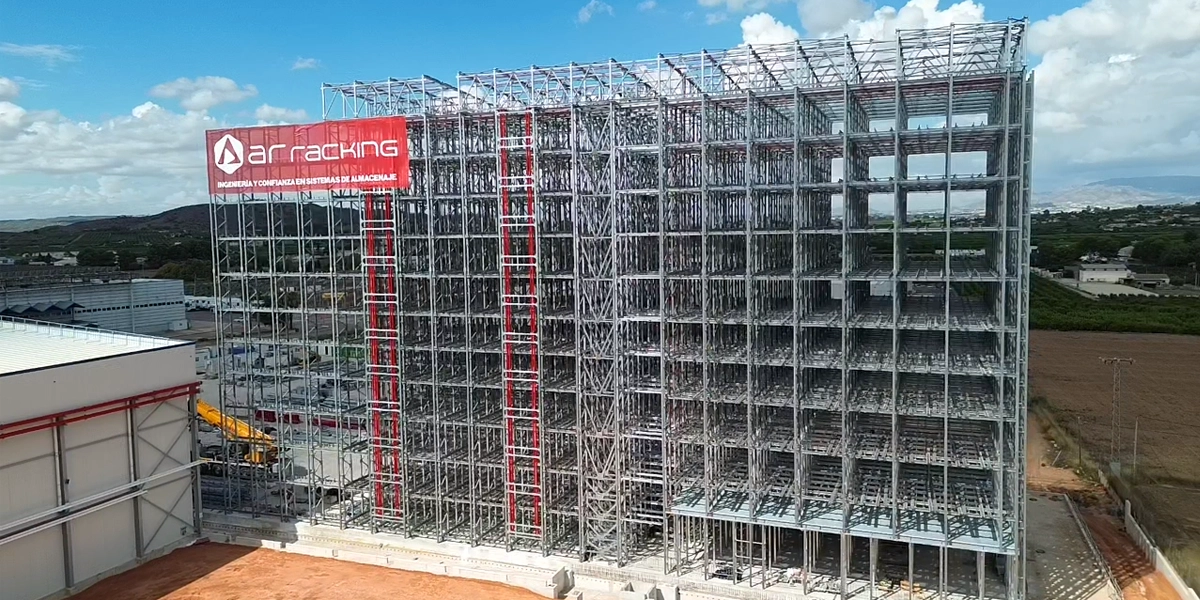
Self-supporting deep-freeze warehouse
23,000 pallet positions at −24 °C for a frozen fruit and vegetable processor, where the racking also carries the building envelope. This experience is relevant to high-value cold-chain planning in humid climates.
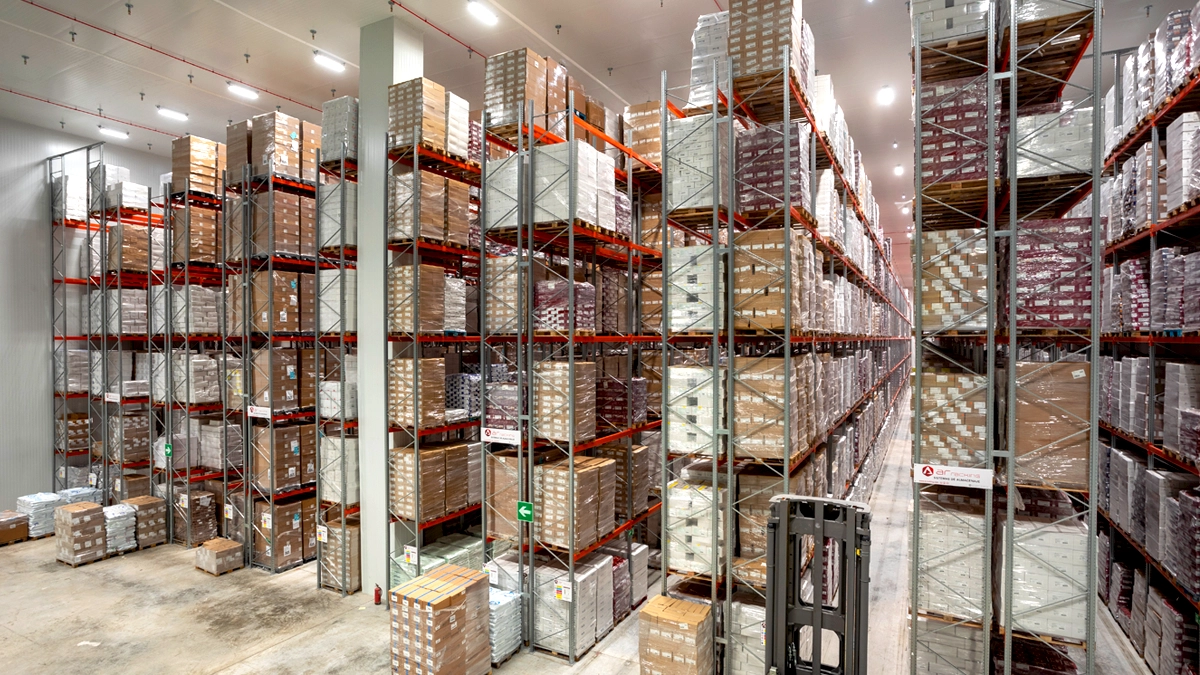
Very narrow aisle cold-store racking
VNA racking maximised pallet positions per cooled cubic metre for a frozen food distributor. The same density logic can be evaluated where Paramaribo cold-room operating costs are high.
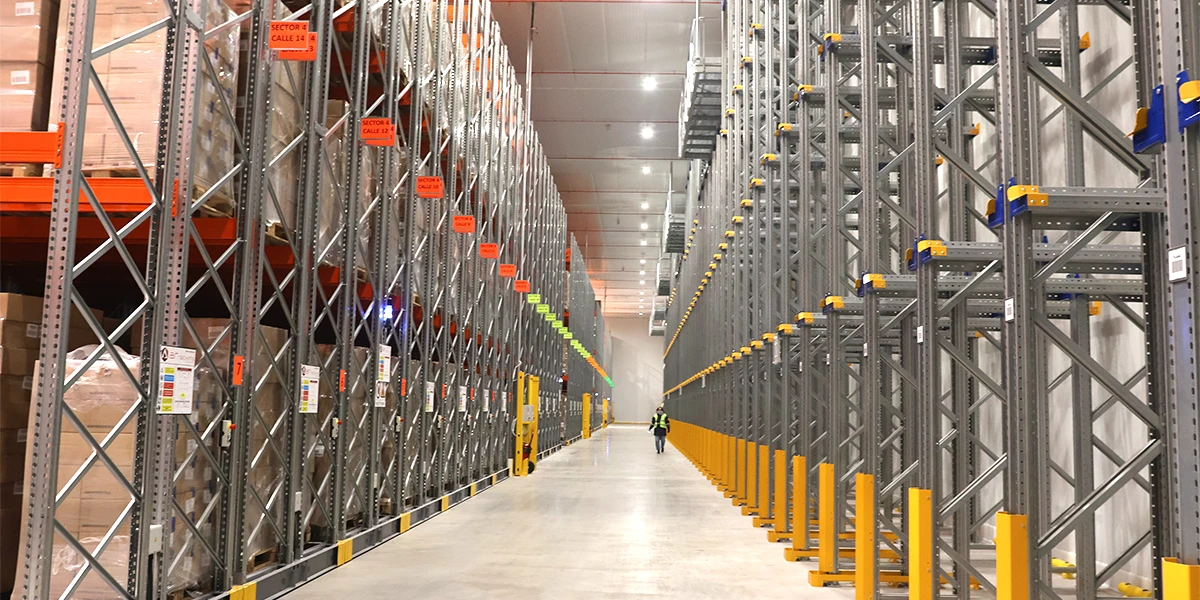
Mobile pallet racking optimisation
Mobile bases removed fixed aisles, increasing capacity while keeping direct access to every pallet. This is useful where land or cooled volume is limited and SKU access cannot be sacrificed.
Frequently Asked Questions from Paramaribo Buyers
These are the questions our engineers most often receive from importers, warehouse managers and procurement teams evaluating racking suppliers for Suriname projects.
Do you supply and ship warehouse storage racks to Paramaribo?
Yes. We manufacture warehouse storage racks for export and support projects destined for Paramaribo and the wider Suriname market. The quotation can include rack components, finish specification, packing, loading plans, installation drawings and recommended spare parts. Buyers normally share the destination port, project schedule and building details so the logistics and production plan can be aligned.
What rack finish is best for Suriname’s humid climate?
The right finish depends on exposure. For enclosed, air-conditioned warehouses, a high-quality powder coating may be sufficient. For open-sided stores, semi-outdoor areas, cold rooms with washdown or coastal air exposure, hot-dip galvanizing, zinc-rich primer or a combined coating system may be more appropriate. Fasteners, base plates and touch-up procedures should also be specified, because corrosion often begins at connections and damaged areas.
Which pallet sizes can you design around?
We design to the actual pallet and load, not to a generic beam length. Common formats include 1200 × 1000 mm pallets widely used in Latin America and the Caribbean, 1200 × 800 mm Euro pallets, and ISO sizes such as 1100 × 1100 mm and 1219 × 1016 mm. We recommend checking pallet condition, overhang, load stability and forklift access before finalising beam length and frame depth.
Can you support installation in Paramaribo?
We can provide installation drawings, erection manuals, labelling plans and remote supervision, and we can coordinate with trained local installers or distributors where available. For projects with complex layouts or automated future plans, we recommend agreeing the installation method and inspection checkpoints before shipment. This reduces site delays and protects the warranty position.
What information is needed for a reliable quotation?
Send a building layout with clear height, pallet dimensions and maximum load per pallet, number of SKUs and pallets per SKU, daily throughput, forklift or automation type, temperature range, floor slab details and project city. Photos of the building and existing storage are helpful. If the slab information is unavailable, state that clearly so anchor and base-plate assumptions can be listed separately.
Can the racking be expanded later?
Yes, provided the original layout and structural calculation allow for expansion. Selective pallet racking is typically easier to extend than high-density systems because new bays can be added in line with existing rows. We recommend ordering repeatable frame and beam profiles where practical, keeping a spare-parts list and recording the approved load signs so future additions remain compatible.
How do you control quality for export orders?
Production is controlled through ISO 9001 quality management, with welding quality aligned to EN ISO 3834-2 and structural steel components under EN 1090-1. We maintain component traceability and can provide inspection records, packing lists and finish specifications. For humid destinations, the inspection should also confirm coating thickness, touch-up availability and protection of threaded or machined surfaces during shipping.
What warranty backs the storage system?
Our storage systems carry a 5-year warranty, supported by documented production controls and component traceability. The warranty is strengthened by correct installation, proper load signage, regular inspection and prompt replacement of damaged parts. We recommend a simple annual inspection routine for forks, beams, uprights, anchors and safety accessories, especially in busy warehouses with mixed pallet quality.
Start Your Paramaribo Warehouse Project
Share your building layout, clear height, pallet loads, SKU profile, target throughput, humidity exposure and project location. Our engineers will respond with a practical racking concept, finish recommendation and next-step request for quotation. For buyers comparing local suppliers with import options, ask for a landed-cost checklist that includes anchoring, freight, installation supervision, spare parts and corrosion protection.
Inquire Now