Quick Answer for Global Buyers
Tire Storage Racking for Automotive Distribution Centers: The Short Answer
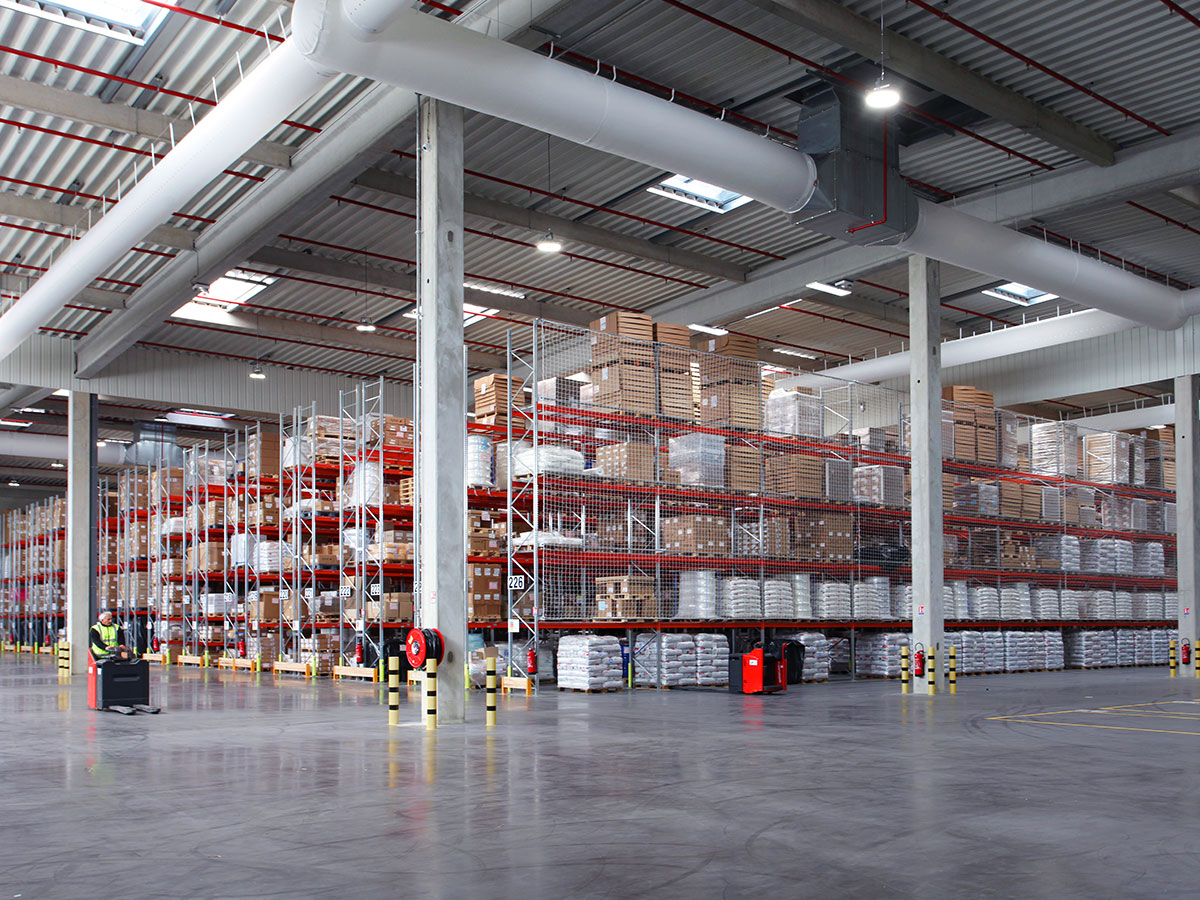
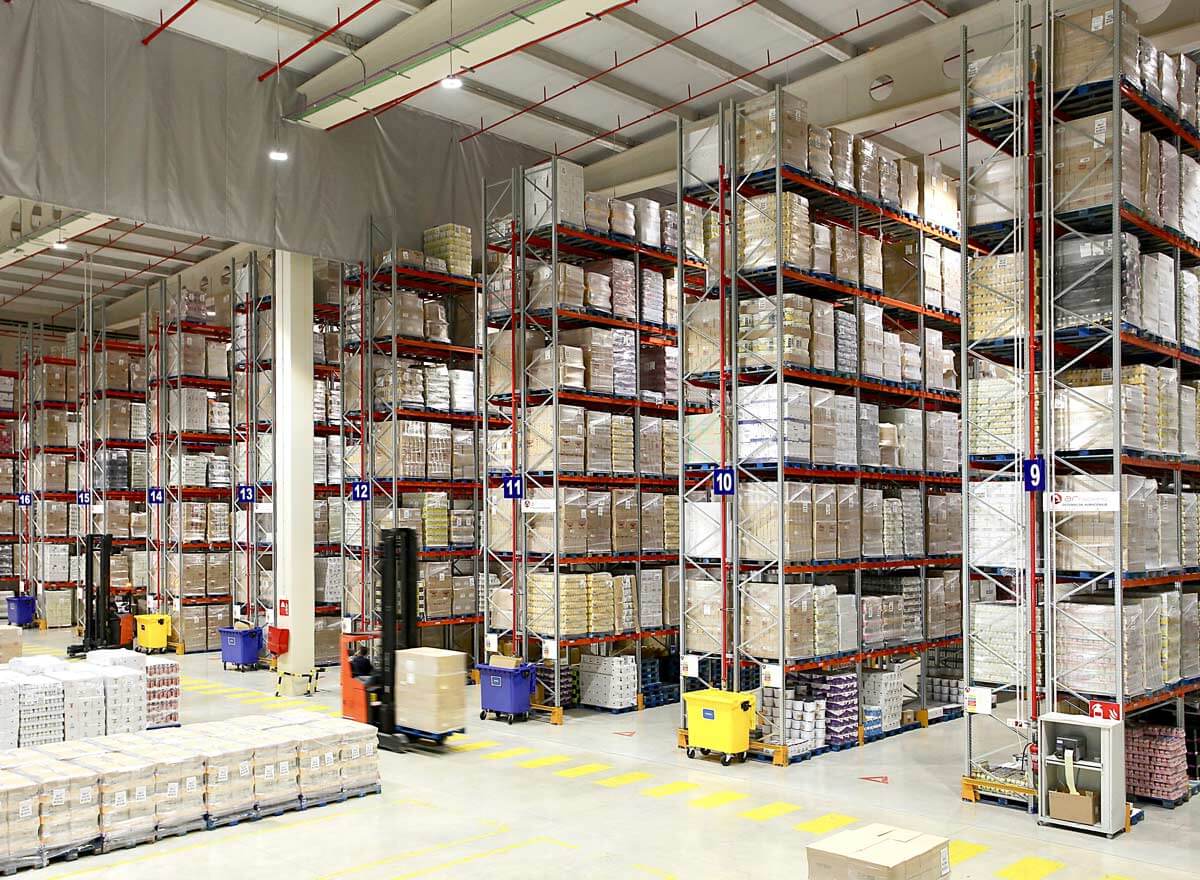
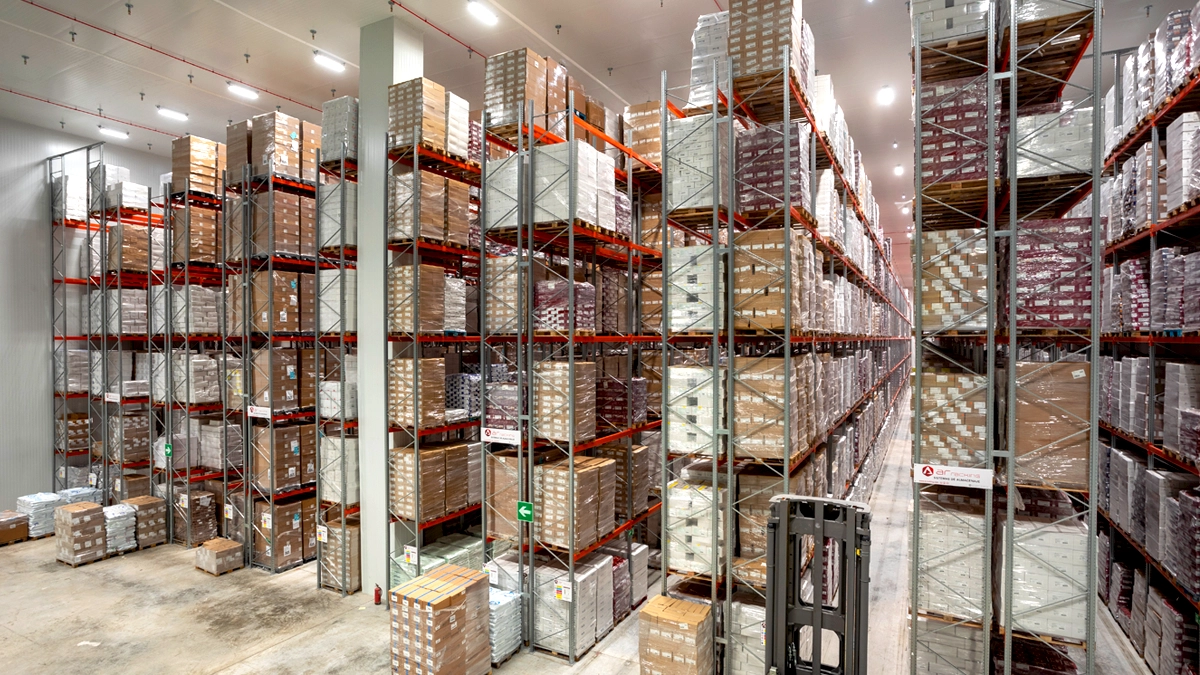
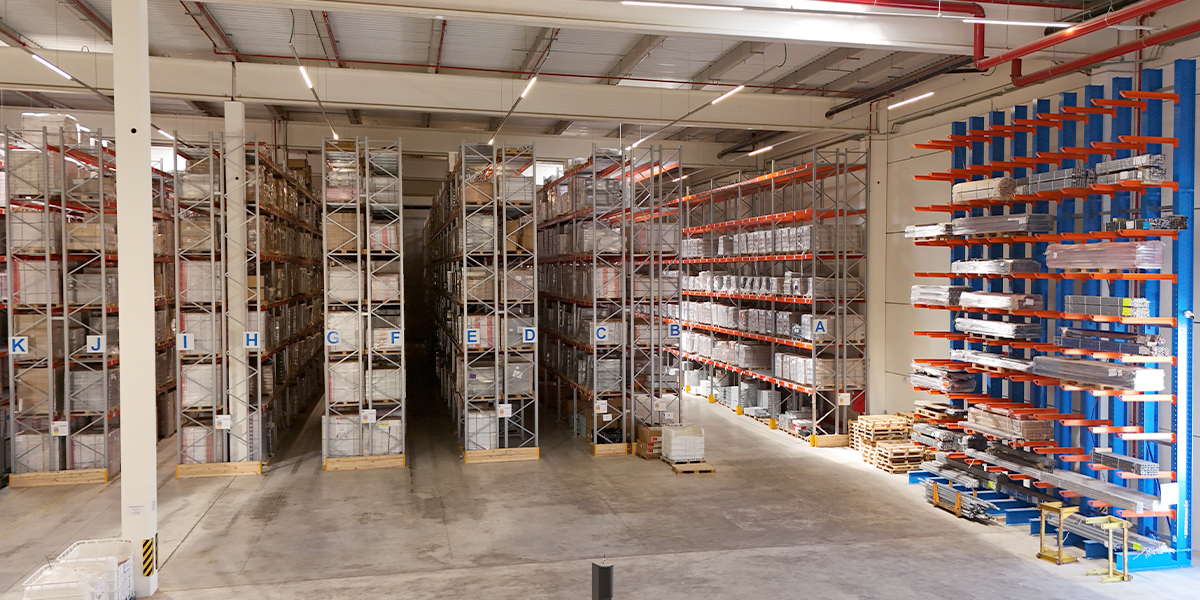
For most automotive distribution centers, heavy-duty selective pallet racking is the most flexible foundation for tire storage because it provides direct access to every SKU, supports mixed passenger, SUV, EV and light-truck inventories, and can be configured with mesh decking, steel decking, wide beam clear openings and protective accessories. It is also easier to reconfigure when the tire mix changes.
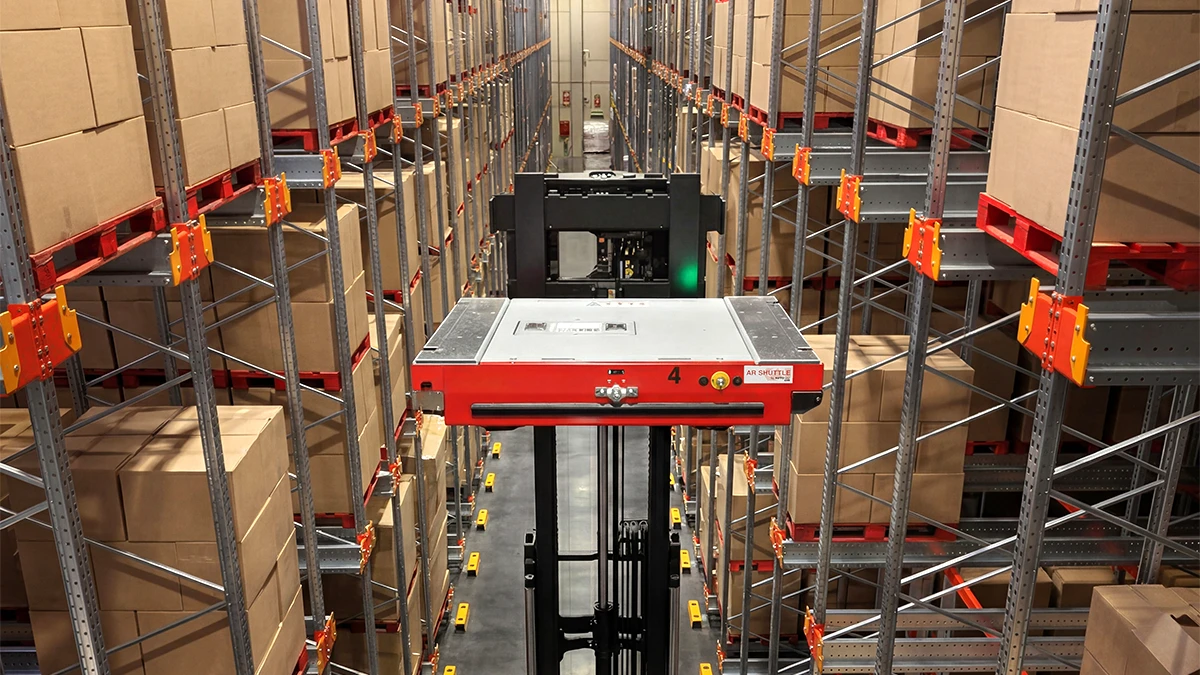
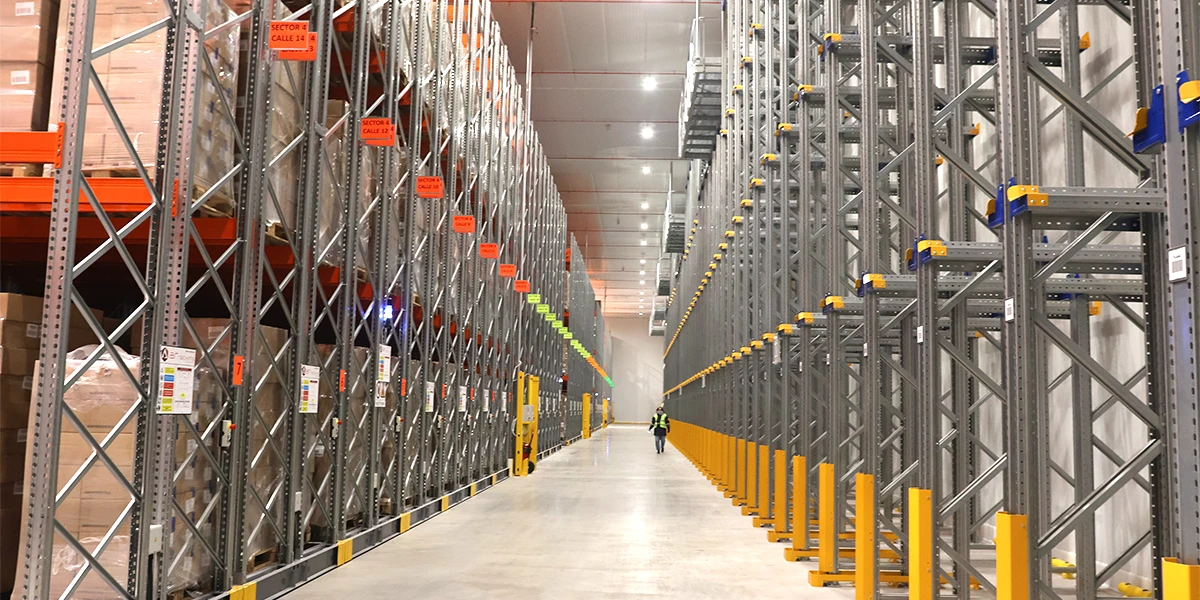
When the inventory profile is more specific, the best system changes: pallet flow racking for FIFO-controlled fast movers, drive-in or drive-through racking for low-SKU bulk inventory, cantilever or vertical racking for OTR and agricultural tires, and VNA, mobile, shuttle or AS/RS rack structures when floor space, labour availability or throughput justify higher density and automation.
The right decision is not based on racking type alone. It depends on tire dimensions and weights, stack heights, pallet or banding method, fire strategy, sprinkler clearance, local seismic requirements, forklift access, WMS control and future expansion plans.
- High SKU variety: start with selective racking and design for future reconfiguration.
- Mandatory FIFO: evaluate pallet flow or FIFO-controlled high-density systems.
- Large or non-palletized tires: use cantilever, vertical cradles or engineered wide-clearance bays.
- High land cost or labour shortage: review VNA, mobile, shuttle or automated solutions.
Contact Us


 ISO 9001
 ISO 14001
 ISO 45001
 ISO 50001
 EN ISO 3834-2
 EN 1090-1
 ISO 14064