8 Factory-Built Racking Systems Recommended for the Valparaíso Market
Gravity flow racking is rarely a stand-alone purchase. A high-performing pallet flow or carton flow layout combines flow lanes with selective racking, picking shelves, heavy-duty frames, cantilever storage or adjustable beam systems. The eight platforms below are direct from the original product range and can be engineered as part of a mixed Valparaíso warehouse scheme.
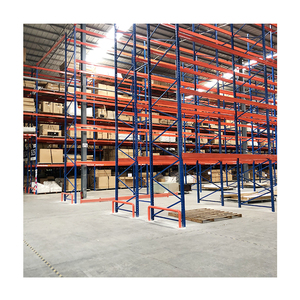
Heavy Duty Warehouse Pallet Rack Industrial Storage Shelf Metal Racking Systems Boltless Steel Shelving
A robust boltless steel platform for fast-moving palletised goods, suitable as the reserve or replenishment structure behind pallet flow and carton flow picking faces.
View product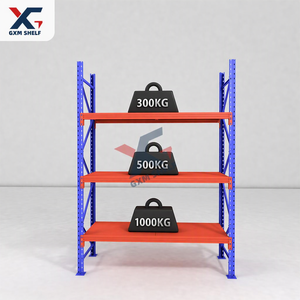
Heavy Duty Rack System Warehouse Storage Stacking Warehouse Shelf Racking Warehouse Racks Heavy Duty
Useful for dense reserve storage, port staging and seasonal peaks where goods must be stacked securely before release into flow lanes or dispatch.
View product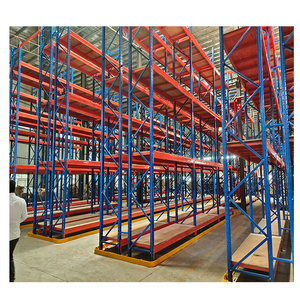
Warehouse Racking System Heavy Duty Industrial Pallet Racks System Storage Pallet Selective Racking
The flexible backbone for mixed-SKU warehouses. It gives 100% direct access and is often paired with gravity flow lanes for high-turn SKUs.
View product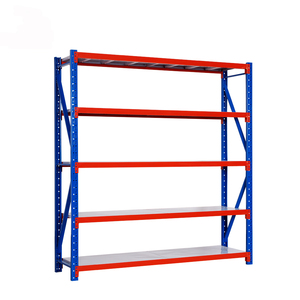
Dongguan Manufacturer Factory 500kg Loading Capacity Medium Duty Warehouse Rack for Sale
Well suited to carton picking, spare parts, e-commerce fulfilment and light flow applications where operators pick by hand.
View product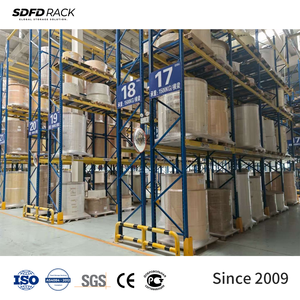
Heavy Duty Conventional Pallet Racking High Load Steel Industrial Storage Shelf Custom Multi-Layer Warehouse Pallet Rack System
A custom high-load solution for Chilean warehouses that need to use clear height efficiently without losing safe beam access.
View product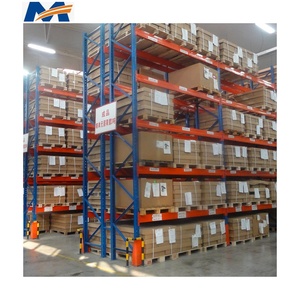
Pallet Racking System Warehouse Shelves Heavy Duty, Warehouse Picking Shelves Rack
Bridges bulk pallet storage and manual order picking, ideal for distributors and 3PLs feeding urban Valparaíso customers.
View product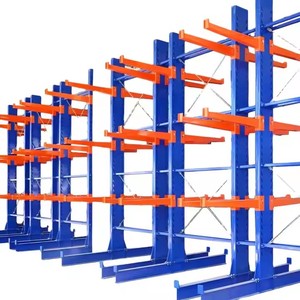
Industrial Heavy Duty OEM ODM Storage Racks Wall Mounting Tube Racking Gavenized Cantilever Rack for Warehouse
For long profiles, pipes, timber and irregular loads in ports and industrial supply chains, including corrosion-conscious coastal environments.
View product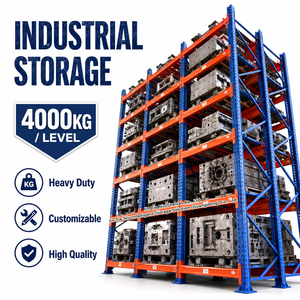
4000KG Heavy Duty Warehouse Rack Pallet Storage System Adjustable Beam Racking
A high-capacity adjustable beam system for heavy pallets, industrial spares and dense reserve storage where load control is critical.
View productGravity Flow Racking for Valparaíso: A Local Engineering Problem, Not a Generic Catalogue Choice
Valparaíso is a port market with urban land constraints, seismic exposure and a cold-chain economy. That combination changes how gravity flow racking should be specified.
Warehouse operators searching for gravity flow racking system manufacturers for the Valparaíso market are usually solving one of four problems: too much travel time in manual picking, insufficient FIFO control for food and perishables, peak import staging near the port, or a need to compress more pallet positions into an expensive building. Pallet flow racking uses inclined lanes, rollers and brakes to move pallets from the loading face toward the picking face. Carton flow racking does the same for cases and smaller SKUs. The result is dense storage, disciplined FIFO rotation and less forklift movement.
A system that works in a mild, low-seismic warehouse may not be suitable in Valparaíso. Chile’s seismic design culture requires rack frames, bracing, base plates and anchors to be evaluated against local seismic demand and site conditions. Salt-laden coastal air can affect corrosion protection. Cold stores require steels, finishes and maintenance practices suited to sub-zero operation. Port-centric warehouses also experience concentrated inbound peaks that can overwhelm poorly designed flow lanes.
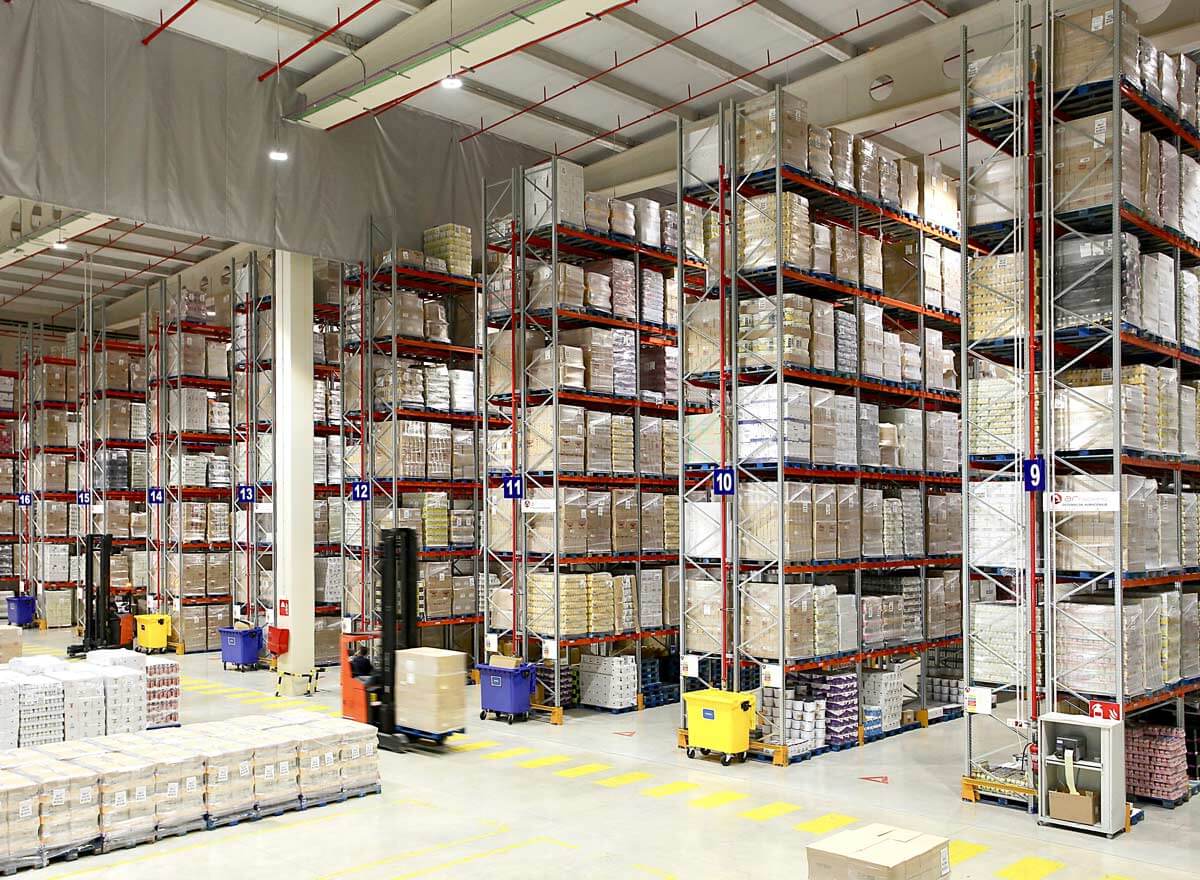
Alohatop Shelf approaches the Valparaíso market as a manufacturer and project engineer, not a catalogue reseller. We calculate the structure, produce the steel in an automated plant, coordinate shipment and support installation through trained supervisors and distributors. For buyers, that means one accountable partner from layout study to final load signage.
- FIFO pallet flow and carton flow layouts designed around real SKU velocity, not only static pallet counts.
- Seismic verification against Chilean practice, including frame bracing, anchors and row stability.
- Cold-chain, port-adjacent and 3PL layouts with room for phased expansion.
- Factory traceability, documented warranty and lifecycle inspection support.
Countries with installed storage systems
Warehouse projects delivered worldwide
Annual steel production capacity
Of production exported worldwide
Where Gravity Flow Racking Creates Value in Valparaíso
Valparaíso and the nearby San Antonio logistics corridor cover very different operations: port staging, fruit and wine exports, cold-chain distribution, industrial supply, 3PL and e-commerce fulfilment. Gravity flow can be adapted to each, provided the lane design is matched to the load and rotation rule.
Port-adjacent distribution and customs staging
For importers and distributors close to the Port of Valparaíso, gravity flow lanes can create a disciplined buffer between container discharge, customs release and local dispatch. Fast-moving pallets move automatically toward the picking face, while slower or irregular SKUs stay in selective racking. The layout can separate inspection staging from saleable stock and reduce double handling during peak vessel arrivals.
Fruit, wine, seafood and cold-chain FIFO
Chile’s export economy depends on product quality and traceability. Pallet flow is a natural fit for fruit, wine, frozen seafood, meat and packaged food where FIFO is mandatory. In cold stores, every metre of travel and every opened aisle has an energy cost, so high-density flow lanes, mobile racking, VNA layouts and careful insulation coordination can lower cost per stored pallet while maintaining lot control.
3PL, e-commerce and urban picking warehouses
In congested urban areas, land is expensive and expansion is slow. Carton flow shelving, multi-tier picking and medium-duty racking allow 3PLs and e-commerce operators to increase pick density without moving to a new site. The strongest designs separate reserve pallet storage from active pick faces, use gravity flow only where SKU velocity justifies it, and leave space for seasonal peaks and multi-client changeovers.
Five Trends Shaping Racking Demand in Valparaíso and Central Chile
Procurement decisions in the Valparaíso market are being shaped by seismic engineering, cold-chain investment, automation readiness and the need to do more with constrained industrial land.
Seismic design is a procurement criterion
Buyers increasingly ask for calculations and drawings that demonstrate compliance with Chilean seismic requirements. NCh2369 and NCh433 references, soil-class assumptions, anchor details and bracing philosophy now influence supplier selection as much as price.
Cold-chain capacity and energy discipline
Fruit, seafood, wine, meat and frozen food continue to drive investment in refrigerated and freezer warehousing. Gravity flow, mobile racking and VNA reduce aisle loss and door-open time, helping operators control energy cost per pallet position.
Automation-ready, not automation-only
Many Valparaíso buyers want a practical first phase that can later connect to shuttles, AMRs or AS/RS. Designing frames, tolerances and interfaces for future automation avoids a full rebuild when throughput rises.
Safety, traceability and lifecycle value
Warehouse teams are prioritising impact protection, load signage, inspection routines and documented component traceability. A racking supplier that supports maintenance after installation is now part of risk management, not an optional extra.
Which System Should Be Combined With Gravity Flow?
A gravity flow lane is most cost-effective when it is reserved for the right SKUs. Use this early-stage matrix to compare storage behaviours before a detailed engineering study.
Gravity flow / pallet flow
Best for: high-turn pallets, FIFO perishables, repeated SKUs and dense pick faces.
Selective pallet racking
Best for: mixed SKUs, direct access, imported goods and uncertain demand patterns.
VNA or mobile racking
Best for: expensive land, cold stores, tall buildings and operations needing direct access.
Drive-in or pallet shuttle
Best for: homogeneous goods, deep cold lanes, port peaks and high-volume reserve storage.
Carton flow and multi-tier picking
Best for: e-commerce, spare parts, 3PL picking and small-parts order profiles.
AS/RS and self-supporting warehouse
Best for: large distribution centres, deep-freeze operations and long-term automation plans.
Density levels are indicative. In seismic zones, lane depth, pallet condition, beam deflection limits and building height can change the final configuration.
Four Design Issues That Decide Whether a Flow System Performs
The difference between a successful gravity flow installation and a problematic one is usually decided before production begins. These are the engineering checks our project team brings to Valparaíso enquiries.
Seismic frames, anchors and bracing
Flow lanes add eccentric loads and require stable frame lines. Uprights, bracing, base plates and anchors must be checked against seismic demand and site soil conditions, with row spacers and deflection limits reviewed where required.
Lane slope, roller pitch and brakes
Pallet flow depends on controlled acceleration. The design must match pallet weight, base condition, roller spacing, lane length and brake settings so pallets arrive predictably without impact damage or lane jams.
Cold-chain corrosion package
Freezers and coastal warehouses need compatible finishes and maintenance routines. Galvanising, paint systems, stainless options and inspection intervals should be selected for temperature, humidity and salt exposure.
Safety, inspection and fire coordination
Flow racking must integrate with sprinkler strategy, aisle access, impact protection and operator training. Load signage, inspection points and spare-part planning protect uptime after handover.
Why Alohatop Shelf Is a Credible Factory Partner for Valparaíso
For a high-seismic, cold-chain and port-driven market, supplier credibility must be demonstrable. Alohatop Shelf controls engineering, production, traceability and installation support across the full project lifecycle.
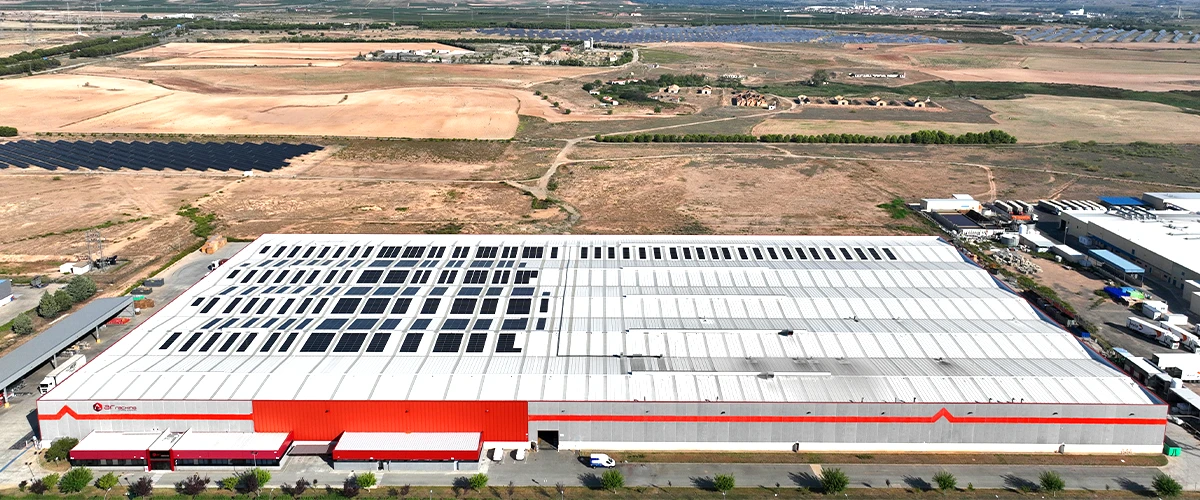
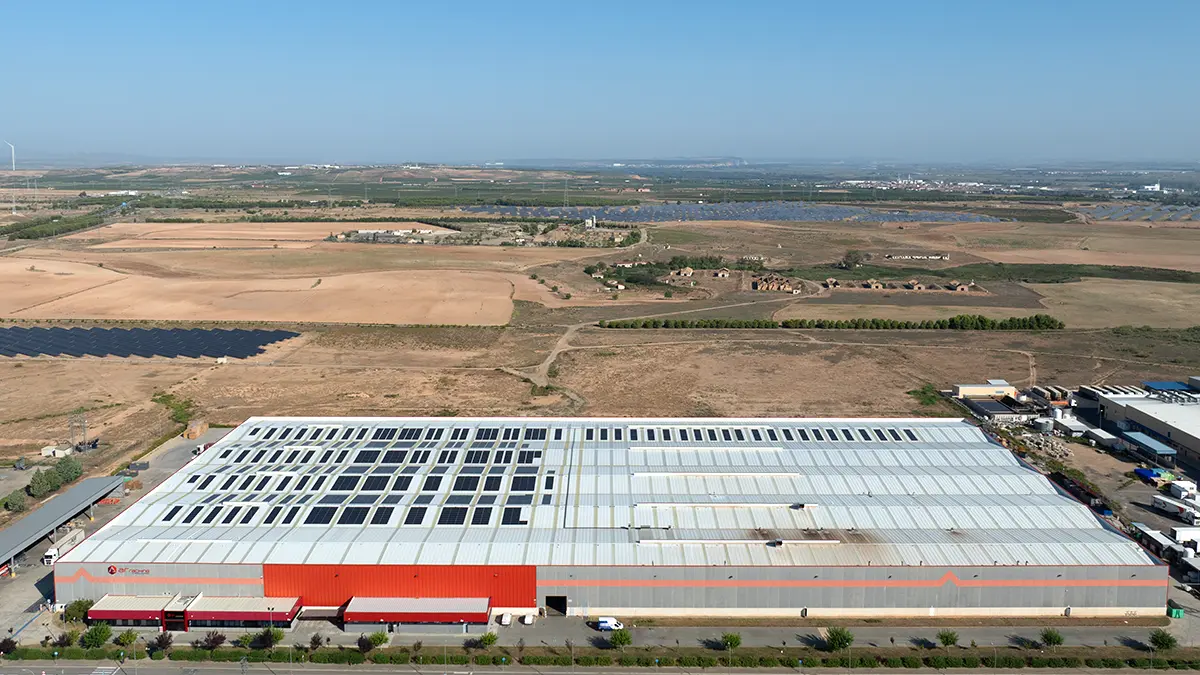
Alohatop Shelf LLC designs, calculates, manufactures and installs metal racking and automated warehouse structures for warehouses and loads of all types. The company operates a 35,000 m² highly automated production centre with annual capacity above 100,000 t and exports more than 90% of output. With installations in more than 60 countries, 14 own branches and a network of more than 70 distributors, the company supports projects across South America, including Chile, Peru, Colombia, Argentina, Ecuador, Uruguay, Paraguay and Brazil.
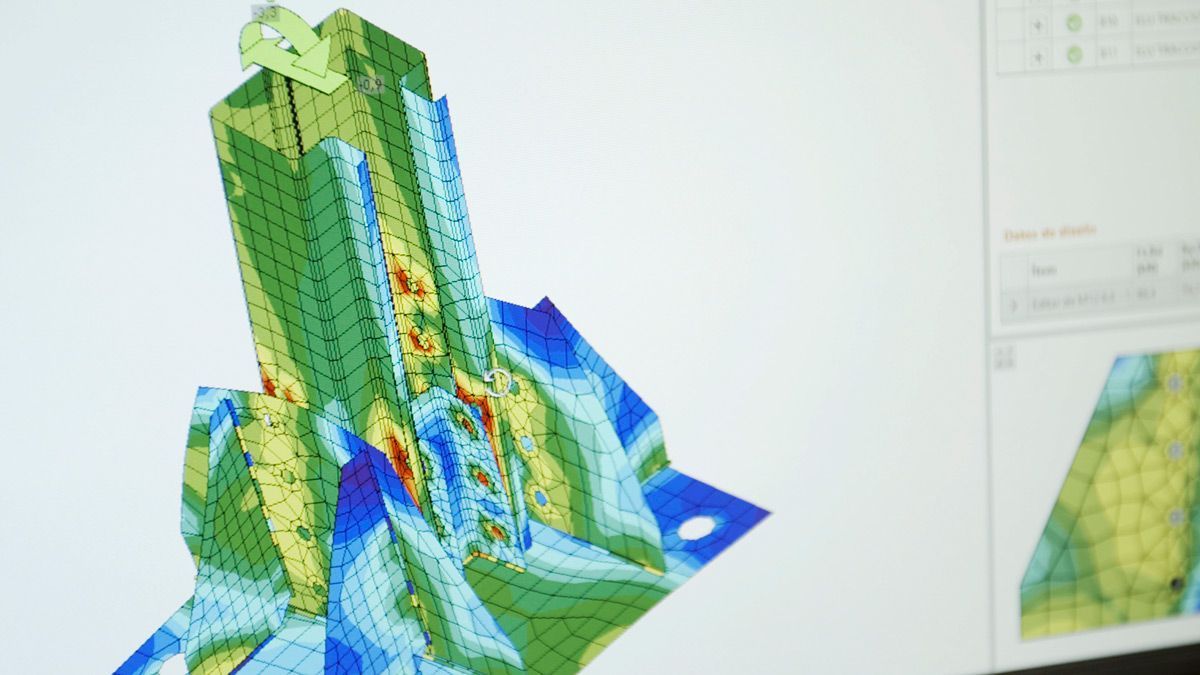
For Valparaíso buyers, this matters because a gravity flow layout must be produced to tolerance and documented for future inspection. Alohatop Shelf maintains full traceability of uprights and beams, from production batch to installation, and backs systems with a five-year warranty. Engineering is validated through an R&D laboratory relationship with Mondragon University and a research and simulation chair with the University of the Basque Country, using finite-element simulation, physical load testing and calculation models for demanding seismic cases.
The company installs through certified supervisors and trained distributors, following approved drawings, plumb tolerances and load signage. Lifecycle services include project engineering, technical inspection, installation and maintenance, so warehouse operators are not left alone after the steel arrives.
- Manufacturer control from steel coil to final load sign.
- Seismic calculation experience for Andean and Pacific-coast markets.
- Automated production for accurate, repeatable components.
- Five-year warranty and full component traceability.
FAQ: Buying Gravity Flow and Storage Racking for Valparaíso
These are the questions our engineers most often receive from warehouse, logistics, procurement and project teams evaluating racking for the Valparaíso market.
Do you supply gravity flow racking to Valparaíso and nearby San Antonio?
Yes. We support projects across the Valparaíso Region and the central Chile logistics corridor, including port-adjacent warehouses, cold stores, 3PL facilities and manufacturing sites. Gravity flow, pallet flow, carton flow and mixed racking layouts can be engineered with shipment to Chilean ports and installation coordination through our supervisors and trained distributor network. Share your project city, building layout and load data early so logistics and installation can be planned correctly.
How is racking designed for Chile’s seismic conditions?
Racking for Chile is evaluated against local seismic practice and site conditions. Depending on the project, the engineering team reviews requirements linked to NCh2369 and NCh433, soil class, building height and intended use. Typical measures include reinforced uprights, seismic bracing, heavier base plates and anchors, row spacers, controlled beam deflection and stable frame configurations. Very tall or very dense layouts need specific verification, so do not rely on a generic catalogue capacity table for a Chilean installation.
Which pallet sizes are common in Valparaíso and central Chile?
We engineer for all common formats used in Chile and by international exporters: 1200 × 1000 mm pallets, 1200 × 800 mm Euro pallets, ISO formats such as 1100 × 1100 mm and 1219 × 1016 mm, plus customer-specific platforms. Beam lengths and frame depths are dimensioned for the actual pallet, load and handling equipment. For flow lanes, pallet condition is equally important; damaged bases can jam rollers and should be excluded or repaired before entering gravity lanes.
Can your systems operate in cold storage and freezer warehouses?
Yes. We supply racking solutions for refrigerated and freezer environments using steels, finishes and design details suited to temperatures down to −30 °C. For Valparaíso’s fruit, seafood, meat, wine and frozen-food supply chains, we can combine pallet flow, mobile racking, drive-in, VNA and self-supporting structures to reduce aisle loss and energy cost. Cold-store projects should always state the operating temperature, frost conditions, cleaning regime and fire strategy at the enquiry stage.
What warranty, certifications and after-sales support are available?
Storage systems carry a five-year warranty and are produced under ISO 9001, ISO 14001, ISO 45001, ISO 50001, UNE EN ISO 3834-2 welding quality, EN 1090-1 and ISO 14064 verified carbon reporting, with full component traceability. After installation, we can support technical inspection, maintenance planning, component replacement and reconfiguration. For export projects, spare-part recommendations can be prepared with the original layout so critical parts are available before commissioning.
What information should we send for a factory-direct quote?
Send the building layout with clear height and column grid, pallet dimensions and maximum load weight, pallet condition, number of SKUs and pallets per SKU, daily throughput, forklift or automation type, operating temperature, fire strategy and project city. For gravity flow, also indicate SKU velocity, required FIFO discipline and whether pallets are single or double stacked. Our engineers use this data to propose the most efficient mix of flow lanes, selective racking, picking shelves and reserve storage.
Plan a Safer, Denser Gravity Flow Warehouse
Share your building layout, pallet dimensions, load weights and local operating conditions. Our engineers will review the right combination of gravity flow, selective racking, picking shelves and high-density storage for your Valparaíso site.