Protection-Ready Pallet Racking & Storage Systems for Recife Buyers
These eight factory-direct systems cover the storage profiles most often requested by Recife-area 3PLs, importers, food processors, retailers and manufacturers. Every project can include impact guards, rack-end barriers, pallet stops, safety signage, anchor verification and inspection planning.
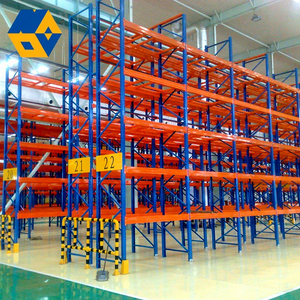
Customized Competitive Industrial Warehouse Storage Steel Heavy Duty Pallet Rack
View product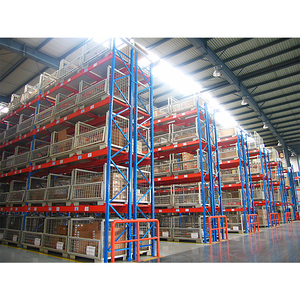
High Quality Selective Racking System Warehouse Storage Forklift Heavy Duty Rack Pallet Racking System Heavy Duty Racks
View product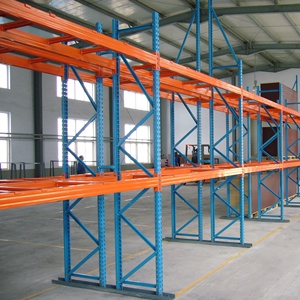
Adjustable Heavy Duty Pallet Rack Shelf Two Levels Custom High Load Capacity Industrial Warehouse Storage Pallet Racking System
View product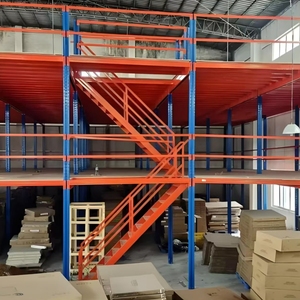
Heavy Duty Mezzanine Floor Racking Warehouse Storage Racks Shelf Units Pallet Rack System Equipment Platform Shelves Attic Rack
View product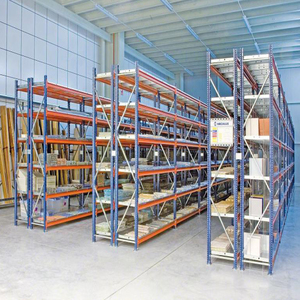
Pallet Racking Heavy Duty Teardrop Racking System 2000KG 2200KG 2200KG 2300KG 2400KG 2500KG Pounds Tons
View product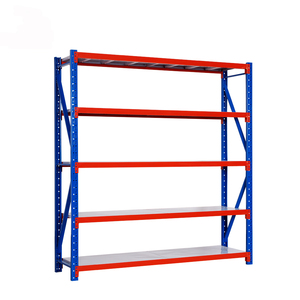
Dongguan Manufacturer Factory 500kg Loading Capacity Medium Duty Warehouse Rack for Sale
View product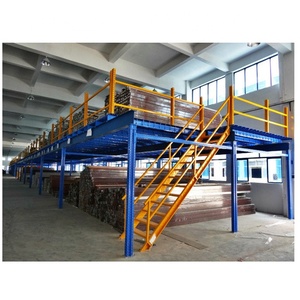
Mezzanine Shelf Storage Heavy Duty Rack System Metal Racks Warehouse Mezzanine Platform
View product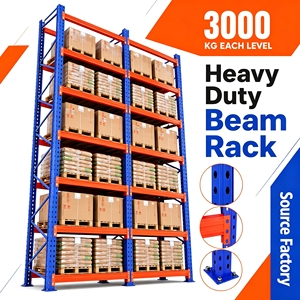
Factory Direct 3000kg High Load Metal Pallet Racking Industrial Steel Pallet Rack System for Warehouse Storage Heavy Goods
View productWhat Pallet Rack Protection Means in Recife’s Coastal Warehouse Environment
Pallet rack protection in Recife is not a set of yellow plastic bumpers added after commissioning. It is an engineering layer that starts with aisle geometry, pallet quality, forklift traffic, floor condition, coating selection and the way stock is put away. In the Recife metropolitan area and the Suape industrial-port complex, racking operates under a tropical coastal climate: high relative humidity, salt-laden air, episodes of intense rainfall and a growing volume of imported pallets and containers. Those conditions make impact protection and corrosion control part of warehouse uptime, not just safety compliance.
The most common specification in Northeast Brazil is the PBR pallet, usually 1000 × 1200 mm, alongside 1200 × 1000 mm and 1200 × 800 mm formats used by European exporters. Undersized or damaged pallets can strike uprights even when beam widths and safety clearances look correct. A protection-led design therefore verifies actual pallet dimensions, overhang, load weight, forklift type, aisle width and operator visibility before calculating guards and barriers.
Internationally, racking buyers increasingly reference ABNT NBR 15524 and Brazilian NR-11 material-handling practices in their specifications, while our factory supplies to ISO 9001, ISO 14001, ISO 45001, ISO 50001, EN 1090-1 and ISO 3834-2 welding quality. The practical outcome is a documented protection package: heavy-duty column guards at end-of-aisle corners, end barriers, beam-end protectors, anti-fall mesh, anchor inspection, clear load signage and a periodic inspection route.
As pallet rack protection manufacturers and exporters serving Recife, we connect the storage system, the protective components and the inspection routine into one quotation. That avoids the common problem where racking is ordered from one supplier, guards from another and installation guidance from a third — with no single party accountable for fit, finish and safe clearances.
Recife-specific risk profile
- Corrosion pressure: humid coastal air, condensation and washdown routines accelerate coating wear.
- Impact pressure: mixed import pallets, fast put-away cycles and 3PL forklift traffic.
- Compliance pressure: safety inspections, load signage and documented replacement parts.
- Expansion pressure: Suape-driven distribution growth and e-commerce fulfilment demand.
Where Pallet Rack Protection Pays Back in Recife and Pernambuco
Different warehouse zones create different impact and corrosion risks. The right protection package is dimensioned by traffic, freezer temperature, pallet condition and inspection frequency.
Suape port and Cabo de Santo Agostinho 3PLs
Container intake, heavy pallets and fast dock cycles increase impact risk. Specify heavy column guards, end-of-aisle barriers, floor bollards and high-visibility aisle signage for high-traffic corners.
Food, beverage and cold-chain operations
Condensation, cleaning chemicals and freezer temperatures place extra demand on coatings and fasteners. We match protection hardware to ambient, chilled or freezer rooms and support cold storage down to −30 °C.
Retail and e-commerce distribution in Recife, Olinda and Jaboatão
Multi-level picking, fast movers and frequent re-slotting need modular protection. Use mesh back stops, pallet stops, rack-end guards and colour-coded zones that can be changed as layouts evolve.
Pharmaceutical, cosmetics and industrial spare parts
Clean, traceable storage benefits from cleanable guards, clearly labelled load limits and documentable inspection points. For spare-parts operations, medium-duty racking can be protected without reducing picking access.
Pallet Rack Protection Selection Guide for Recife Warehouses
Use this matrix as an early-stage checklist. Final guard dimensions, projection and finish must be checked against the actual rack profile, forklift carriage and load overhang.
| Warehouse zone | Dominant risk | Recommended protection | Recife design note |
|---|---|---|---|
| End-of-aisle corners | Forklift impact | Heavy column guards, floor bollards, high-visibility signage | Specify replaceable anchors and a corrosion-resistant finish for humid coastal air. |
| Upright frames at cross aisles | Pallet strike and repeated scraping | Clip-on or bolt-on upright protectors with replaceable impact sections | Check guard height against forklift carriage and pallet overhang, not only rack height. |
| Beam-to-upright connections | Upward dislodgement, accidental lift-off | Beam safety locks, end protectors, periodic inspection tags | Use documented component traceability and keep spare safety clips at site. |
| Cold rooms and washdown zones | Condensation, moisture, coating wear | Galvanized or suitably coated steel, stainless fasteners where specified | Select drainage-friendly shapes and extend inspection intervals after cleaning cycles. |
| Picking levels and mezzanine edges | Falling cartons and pedestrian contact | Mesh back stops, kick plates, edge barriers, clear load signs | Coordinate protection with fire egress, lighting and picking-cart turning radii. |
| Loading and transfer transitions | Vehicle, pallet truck and floor-route conflicts | Bollards, corner barriers, floor markings, anchor caps | Plan for rainwater tracking and wet-floor conditions during Recife’s rainy season. |
Protection components are not a substitute for a rack inspection programme. Damage to uprights, beams, anchors or safety clips should be assessed by a competent person before the rack is reloaded.
Local Trends Shaping Pallet Rack Protection Demand in Recife
Recife is not only a consumer market; it is a distribution gateway for Northeast Brazil. These four trends are changing how warehouse managers specify rack safety and protection.
Suape-driven distribution growth
Suape is one of Northeast Brazil’s most important port-industrial hubs, supporting container, petrochemical, food and logistics flows. As importers centralise stock for the Northeast, Recife-area warehouses face higher dock activity, more pallet turns and greater impact risk at rack ends.
Cold-chain investment
Fruit, seafood, meat, dairy and frozen-food supply chains depend on temperature-controlled storage. In humid climates, condensation and washdown accelerate coating wear; protection hardware must be selected for the room’s temperature and cleaning regime.
E-commerce and multi-client 3PL
Multi-client sites change layout and SKU profiles quickly. Modular guards, labelled protection zones and expandable racking reduce the cost of reconfiguration and protect shared infrastructure as new tenants onboard.
Asset-management and inspections
Warehouse teams are moving from reactive repairs to periodic inspections, photo records, load signage and spare-part planning. Replaceable protection parts with documented dimensions help keep internal audit trails intact.
A Pallet Rack Protection Manufacturer & Exporter With Full Project Control
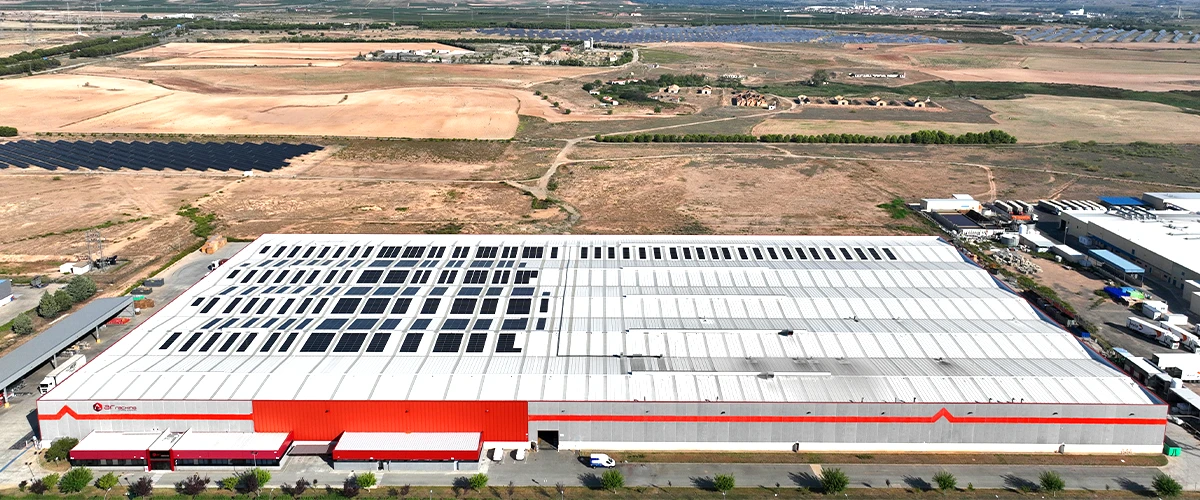
Alohatop Shelf LLC designs, calculates, manufactures and installs metal racking and protection-ready storage systems. The company operates a 35,000 m² highly automated production centre with more than 100,000 t of annual steel capacity, exports over 90% of output and has delivered more than 42,000 warehouse projects in 60+ countries, supported by 14 branches and 70+ distributors.
Every upright and beam is traceable from production batch to installation, and systems carry a 5-year warranty. R&D is not a marketing claim: the engineering team works with a laboratory at Mondragon University on physical testing and with a research chair at the University of the Basque Country on simulation models. Robotic production and laser-controlled processes keep frames and beams within tight tolerances, which matters for both manual warehouses and automated stacker-crane systems.
For Recife buyers, that means protection components can be dimensioned to the actual rack profile rather than bought as a generic accessory. We can supply the racking, the protection package and the installation documentation as one coordinated export project.
Factory-direct engineering
Layout, structural calculation and protection detailing are coordinated before production, reducing site-fit problems and missed accessories.
Brazilian pallet and load data
Beam lengths and clearances are checked against the actual PBR or ISO pallet, load weight, overhang and forklift type.
Corrosion-conscious finishing
Finish selection can be matched to ambient, chilled, freezer or washdown zones exposed to Recife’s humid coastal climate.
Lifecycle services
Project engineering, technical inspection, installation supervision and maintenance planning support long-term rack safety.
Certifications and Traceability That Support Recife Procurement
Industrial buyers and 3PLs often require documented quality, welding, environmental and safety management. Our systems are produced under internationally recognised standards, backed by a 5-year warranty and component traceability.
 ISO 9001Quality management
 ISO 14001Environmental management
 ISO 45001Health and safety at work
 ISO 50001Energy management
 EN ISO 3834-2Welding quality control
 EN 1090-1Structural steel components
 ISO 14064Verified carbon reporting
Pallet Rack Protection in Recife: Common Buyer Questions
Answers for importers, warehouse managers, 3PL operators and factory owners planning a new racking or rack-protection project in Pernambuco.
Are you a manufacturer and exporter of pallet rack protection serving Recife?
Yes. We design, manufacture and export protection-ready pallet racking and impact-protection components from our factory. Projects for Recife, Suape, Cabo de Santo Agostinho, Jaboatão dos Guararapes and the wider Pernambuco market are supported through factory-direct engineering, export packing and a trained distributor or installation network where available.
Can you supply protection for racking that is already installed?
Yes, subject to verification. Send photos of the upright frame, beam profile, aisle width, rack height and floor anchor condition. We will check guard fit, projection and finish, then propose replaceable guards, end barriers or bollards without changing your existing rack structure.
What information is needed for an accurate quote?
Share building layout and clear height, pallet dimensions such as PBR 1000 × 1200 mm, maximum load per pallet, rack profile, number of aisles, forklift type, temperature range, floor condition, project city and any known inspection findings. Photos of current damage help us size protection correctly.
How do you verify safe working loads for Brazilian pallet formats?
We calculate beams and frames against the actual pallet, load, beam span and end overhang. The 1000 × 1200 mm PBR pallet, 1200 × 1000 mm pallet, Euro 1200 × 800 mm and ISO formats require different beam lengths and safety clearances. Final layouts include load signs and mounting details so the installed system matches the quoted duty.
How does Recife’s climate influence finish and guard selection?
High humidity, salt-laden coastal air and frequent washdown can accelerate corrosion. For suitable applications we recommend hot-dip galvanized or appropriately coated steel, stainless fasteners where specified, drainage-friendly guard shapes and a preventive inspection interval. The right finish depends on whether the zone is ambient, chilled, freezer, washdown or open to coastal air.
Can you support Suape and Recife port logistics and export packing?
Yes. We prepare export packing and shipping documentation for ocean freight to Suape, Recife and other Brazilian ports. Our team can coordinate with the buyer’s freight forwarder and provide packing lists, component identification and installation drawings so the shipment can be received and staged efficiently.
What certifications, warranty and documentation back the product?
Production is supported by ISO 9001, ISO 14001, ISO 45001, ISO 50001, EN ISO 3834-2 welding quality, EN 1090-1 and ISO 14064 verified carbon reporting. Systems carry a 5-year warranty, with component traceability from production batch to delivery. Project documents can include layout drawings, load signs, anchor plans and inspection recommendations.
What is the typical lead time and spare-parts approach?
Lead time depends on the racking or protection mix, finish, quantity and shipping schedule. We provide a production and shipping plan with the quotation. Keep a small stock of beam safety clips, guard fasteners and replaceable impact elements to avoid extended downtime; spare parts can be included in the original order for Recife warehouses.
Request a Pallet Rack Protection Layout for Your Recife Warehouse
Send us your building layout, pallet dimensions, rack profile drawings or photos, forklift type and project city. Our engineers will propose a protection-ready racking configuration for Suape, Recife, Cabo de Santo Agostinho, Jaboatão dos Guararapes or any other Pernambuco location.