8 Heavy-Duty Shelving & Pallet Racking Systems for Bogotá Buyers
These eight systems cover the range most often specified by Bogotá distributors, 3PLs, manufacturers, construction suppliers and cold-chain operators: selective pallet racking, medium-duty shelving, Q235B steel racking, Euro-standard systems, stainless steel boltless racks and cantilever storage for irregular loads. Product links are preserved so procurement teams can compare beam levels, load capacities and factory specifications before requesting a localized layout.
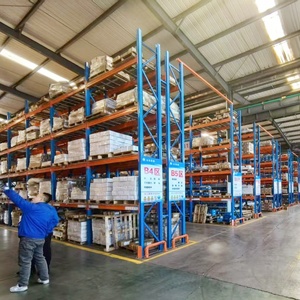
Industrial Warehouse Storage Rack Adjustable Custom 800-3000kg/Level Load Capacity Heavy Duty Selective Pallet Racking System
A configurable selective platform with 800–3,000 kg per level for mixed-SKU distribution and 1200×1000 mm pallets common in Colombia.
View product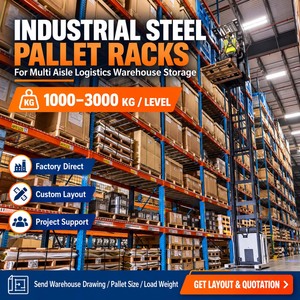
Selective Pallet Racking System with Adjustable Beam Levels for Different Pallet Heights
Adjustable beam levels allow different pallet heights in the same bay — useful for 3PLs whose client inventory changes without a new racking purchase.
View product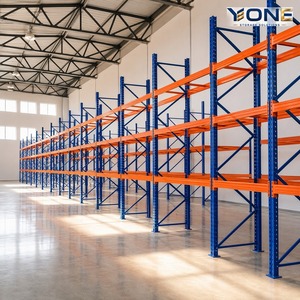
Steel Storage Rack Heavy Duty Pallet Racking Q235B Steel Selective Racking for Racks Industriales Warehouse Storage
A practical Q235B steel baseline for Bogotá warehouses that need heavy-duty pallet storage, export-ready coating and spare-part traceability.
View product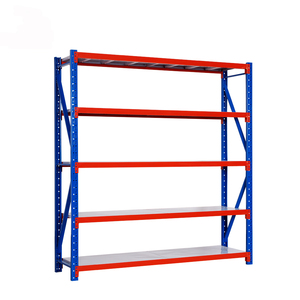
Dongguan Manufacturer Factory 500kg Loading Capacity Medium Duty Warehouse Rack for Sale
A 500 kg medium-duty warehouse rack for cartons, spare parts and e-commerce picking; a good fit for picking zones in Cota, Funza and Mosquera.
View product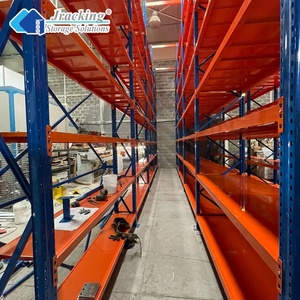
Jracking EURO Standard Warehouse Storage Racks Heavy Duty Steel Pallet Racking System for Distribution
Euro-standard heavy-duty pallet racking for distribution centres. Confirm pallet footprint and fork-entry clearance before adopting European beam lengths in Colombia.
View product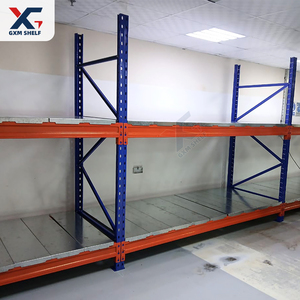
GXM Adjustable Stainless Steel Pallet Rack System Boltless Rack Storage Warehouse Heavy Duty Shelving
Adjustable stainless steel boltless shelving for humid, clean or corrosion-sensitive environments such as food, pharma and workshop storage.
View product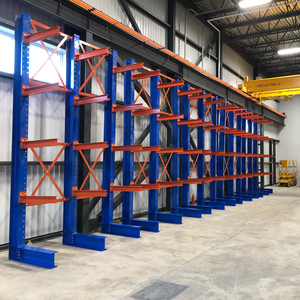
Heavy Duty Adjustable Corrosion Protected Industrial Warehouse Storage Steel Cantilever Rack for Irregular Goods Indoor/Outdoor
Corrosion-protected cantilever rack for pipes, profiles, timber and long goods — ideal for construction suppliers and industrial MRO warehouses.
View product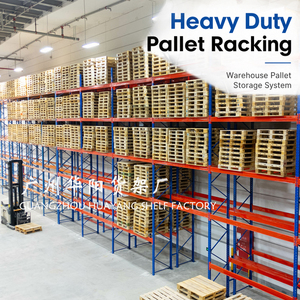
3000KG Per Level Heavy Duty Pallet Rack Industrial Warehouse Storage Steel Shelving Adjustable Pallet Racking System
High-load adjustable pallet racking for dense storage. Requires project-specific engineering, heavier frames and verified anchors in seismic zones.
View productAutomated production centre for export racking projects.
Annual steel production capacity behind heavy-duty systems.
Countries with installed storage and racking systems.
Warranty on qualified storage systems and components.
Why Bogotá Is a Different Heavy-Duty Shelving Market
Bogotá is not a generic warehouse market. The city sits on a high Andean plateau at more than 2,600 m above sea level, with constrained industrial land, seismic design requirements under NSR-10, intense competition for last-mile space and a consumer base that expects faster replenishment. For buyers comparing China shelving heavy duty industrial factories with Bogotá wholesalers, the real question is not who quotes the lowest price per upright. It is who can deliver a traceable, engineer-verified system that survives forklift impacts, seismic loads, cold-chain condensation and customs scrutiny.
A factory-direct model can create significant value when the supplier can translate Colombian project data into a buildable rack: pallet footprint, load per level, beam deflection limits, clear height, forklift type, anchor condition, temperature range and local documentation. A local wholesaler can create value when speed matters, standard stock is enough and the buyer needs immediate replacement components. The best procurement decision often combines both: factory-direct structural engineering for the main installation, with a local partner for installation, inspection and emergency spares.
This white paper separates the commercial comparison from the technical localization that determines whether racking is safe, insurable and productive after installation. It is written for warehouse managers, 3PL operators, importers, construction suppliers, cold-chain exporters and procurement teams who need information gain, not another catalogue page.
Altitude & air density
At Bogotá’s altitude, IC forklift performance and ventilation can change. Aisle width and equipment selection must be checked before finalizing rack geometry.
Seismic anchoring
Base plates, anchors, bracing and row spacers may need project-specific verification under NSR-10 load combinations and site soil conditions.
Land & clear height
Industrial land around Bogotá is expensive relative to many regional cities. High-bay selective, VNA and mezzanine layouts often justify deeper engineering.
Import documentation
Commercial invoice, packing list, HS classification, origin documents and a Colombian customs broker matter as much as the steel specification.
China Factory vs Bogotá Wholesaler: What Changes for Your Project
Use this comparison to structure RFQs. The objective is not to choose a country of origin; it is to select the supply model that matches your load data, schedule, risk tolerance and after-sales requirements.
| Decision factor | China heavy-duty shelving factory | Bogotá wholesaler / stockist | What to verify |
|---|---|---|---|
| Engineering & layout | Custom structural calculation, 3D layout, beam and frame optimization for the project. | Standard layouts and faster advice, but sometimes limited calculation depth for complex seismic or cold-store cases. | Request signed or stamped calculations where required, anchor plan and load signage. |
| Customization | High: beam length, frame depth, coating, stainless steel, cantilever arms, AS/RS tolerances. | Lower: usually limited to available stock and standard accessories. | Confirm drawing approval process and tolerance for VNA or automated equipment. |
| Unit price vs landed cost | Lower factory unit price at volume, but add ocean freight, insurance, duties, VAT and inland haulage. | Higher unit price, but stock can reduce schedule risk and small-order friction. | Compare total landed cost in Bogotá, not FOB price alone. |
| Lead time | Drawing approval, production, inspection, ocean freight, customs and delivery. | Immediate to short lead time when the item is in stock. | Ask for a milestone schedule covering drawing approval, production, inspection, shipping, customs and installation. |
| Certification & traceability | ISO systems, EN 1090-1, EN ISO 3834-2, mill certificates and batch traceability are possible. | Often provides commercial documents, but component traceability may be limited. | Request certificates, coating reports, mill certificates and a spare-parts list. |
| Installation & after-sales | Factory can send supervisors or work with trained local partners; spare parts follow a documented list. | Local fitters and faster site response, but replacement parts may depend on the wholesaler’s inventory. | Clarify who signs off installation, who supplies anchors and how warranty claims are handled. |
| Best-fit scenario | Large projects, custom cold stores, VNA, cantilever, AS/RS and multi-container orders. | Urgent standard racking, small expansions, replacement beams and local trial orders. | Match the model to project risk, not only to the initial quotation. |
For high-value or seismic-sensitive projects, insist that the final rack layout is reviewed against the building interface, sprinkler clearance, forklift envelope and local access requirements.
Which Heavy-Duty Shelving System Fits Your Bogotá Operation?
Use these six recommendation profiles as a starting point for an RFQ. Final selection depends on SKU profile, throughput, pallet type, clear height, temperature and seismic demand.
Selective pallet racking
Best for mixed-SKU distributors, food and beverage wholesalers, pharma and e-commerce fulfilment. Direct access to every pallet, with 800–3,000 kg per level common in Bogotá projects. Request beam deflection and anchor calculations.
Medium-duty shelving & picking
For cartons, spare parts, cosmetics and e-commerce order picking. A 500 kg rack can support manual picking zones, mezzanines and multi-tier layouts where full pallet access is not required.
VNA & high-bay selective
When land cost and clear height dominate, very narrow aisle racking can increase pallet positions per square metre. Tolerances, floor flatness and forklift guidance must be engineered together.
Cantilever racking
For pipes, steel bars, profiles, timber, PVC and other long goods. Cantilever arms keep irregular loads accessible and protect the racking with corrosion-protected finishes for indoor/outdoor use.
Cold storage & freezer racking
For flower export cold chains, frozen food, meat, seafood and dairy. Steel grades, finishes, anchors and tolerances must be selected for temperatures down to −30 °C and condensation cycles.
AS/RS & self-supporting structures
For large 3PLs, manufacturers and high-throughput distribution centres. These structures require millimetre-level production control and coordination with stacker cranes, shuttles and WMS software.
Bogotá Scenarios: From Flowers to Frozen Food and Spare Parts
Localization is not a marketing slogan. Bogotá-area operations have specific product flows, climate conditions and building constraints that should change the racking specification.
Floriculture & perishables
Flower and perishable exporters around the Bogotá savanna need cold-chain layouts that protect cartons, support FIFO rotation and reduce condensation risk. Cold-store racking, mobile racking and clear load signage are common priorities.
3PL & e-commerce
Multi-client 3PLs in Cota, Funza and Mosquera often need adjustable beam levels, medium-duty picking shelves and multi-tier pick modules. Layouts should be flexible enough to reconfigure without replacing every upright.
Pharma & cosmetics
Controlled storage requires cleanable finishes, traceability and careful segregation of statuses. Boltless stainless shelving, sealed labels and clear inspection routines support regulated warehouse operations.
Automotive & spare parts
Heavy parts, tyres, bumpers and long components do not fit one standard rack profile. Combine selective pallet racking, medium-duty shelving and cantilever storage to protect parts and speed counter service.
Food & beverage distribution
FIFO rotation, hygiene and fast replenishment drive the choice between selective racking, pallet flow and drive-in systems. For homogeneous frozen goods, deep-lane storage can improve density without losing control.
Construction & MRO
Construction suppliers and industrial maintenance warehouses need cantilever arms for pipes and profiles, plus heavy-duty shelves for tools, fittings and high-turnover consumables. Outdoor corrosion protection should be specified early.
Bogotá Market Trends Shaping Racking Demand in 2026
The visual bars below indicate relative procurement priorities discussed by our engineers with Colombian buyers. They are not market statistics; they are a practical framing for RFQ conversations.
Land scarcity drives height
Warehouse operators around Bogotá are pushing clear height further and studying VNA, high-bay selective and mezzanine options before leasing new space.
Cold-chain investment
Flowers, food, pharma and frozen products continue to demand freezer racking, mobile systems and finishes that tolerate condensation and low temperatures.
Seismic & safety compliance
Buyers are asking for NSR-10-aware engineering, anchor plans, load signage and periodic inspection routines rather than generic “heavy-duty” labels.
Digital traceability
QR-coded components, batch records and spare-part lists are becoming part of the procurement package for 3PLs and regulated warehouses.
What to Verify Before Paying a Deposit to Any China Heavy-Duty Shelving Factory
Use this checklist to separate a serious export manufacturer from a catalogue reseller. The most important deliverable is not a low price per kilogram; it is a documented, buildable racking system that matches the building and the load.
- Project-specific structural calculation and load combinations, including seismic and accidental impact.
- Steel grade, section properties, thickness, weld quality, coating thickness and salt-spray test.
- Pallet details: 1200×1000 mm, 1200×800 mm or ISO sizes; load per level; beam deflection limits.
- Approved drawings: layout, elevations, anchor plan, bill of materials, load signage and Spanish documentation if needed.
- Certifications: ISO 9001, EN 1090-1, EN ISO 3834-2 where applicable, mill certificates and inspection reports.
- Shipping and customs: Incoterms, packaging, container loading plan, HS classification and a Colombian customs broker.
- Installation control: supervisor, local fitters, anchor torque inspection and pre-use checklist.
- Commercial terms: 5-year warranty, spare-parts list, replacement lead time, payment schedule and references.
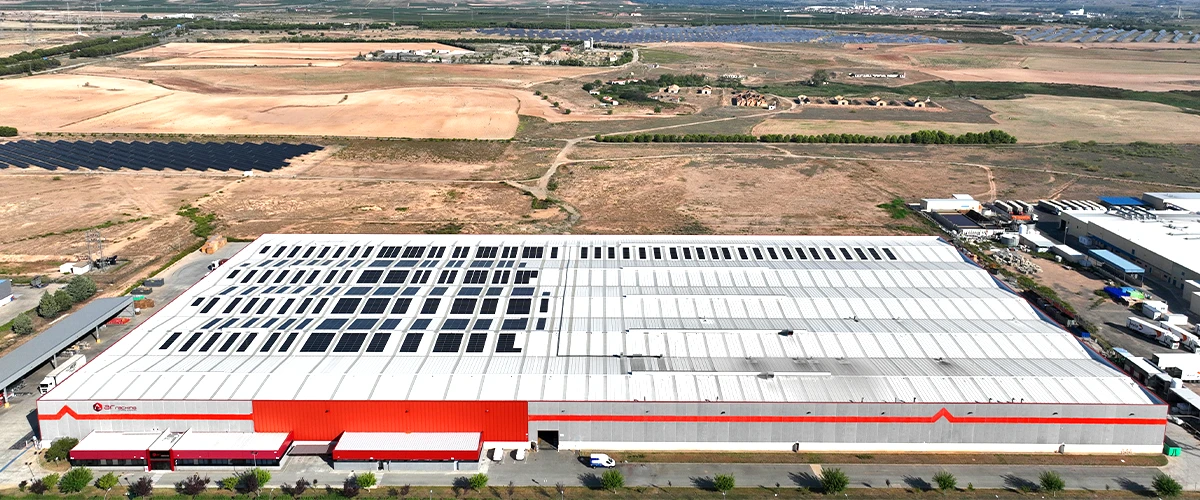
Inside a China Heavy-Duty Shelving Factory Built for Export
Alohatop Shelf LLC is an example of the factory-direct model described in this guide: automated production, export documentation, seismic-aware engineering and component traceability from steel batch to installation.
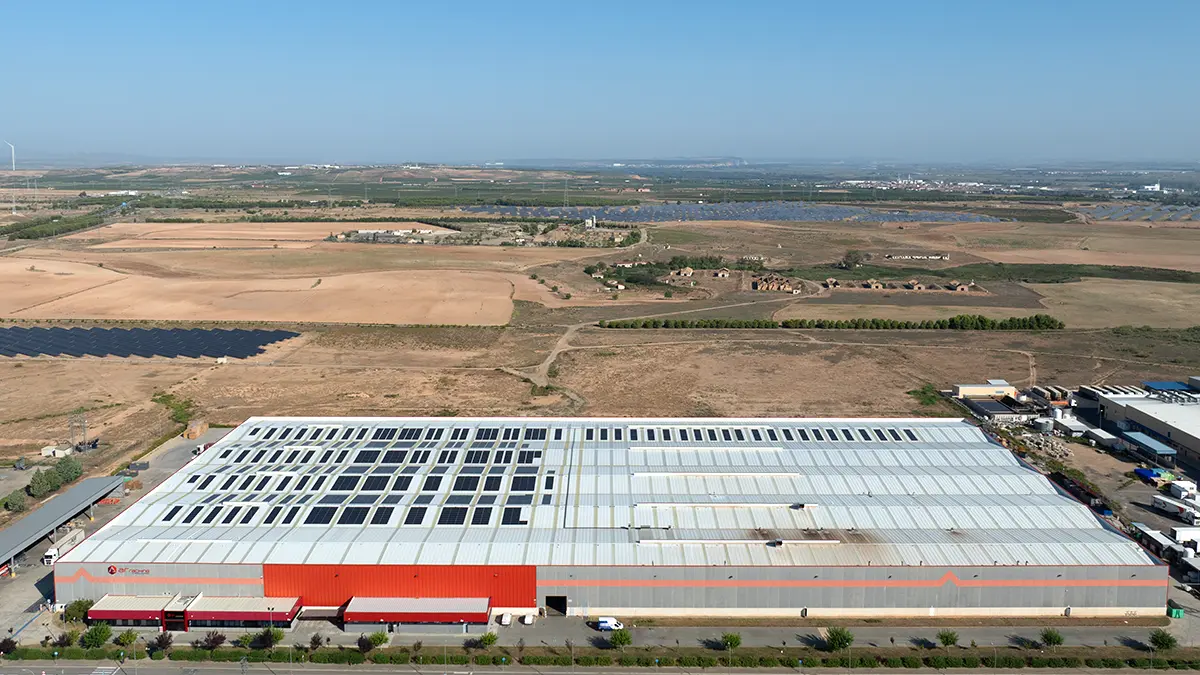
Alohatop Shelf LLC operates a 35,000 m² highly automated production centre with more than 100,000 t of annual steel capacity. More than 90% of output is exported to over 60 countries, supported by 14 own branches and 70+ distributors. Its project record includes more than 42,000 warehouse projects, with full component traceability and a 5-year warranty on qualified systems.
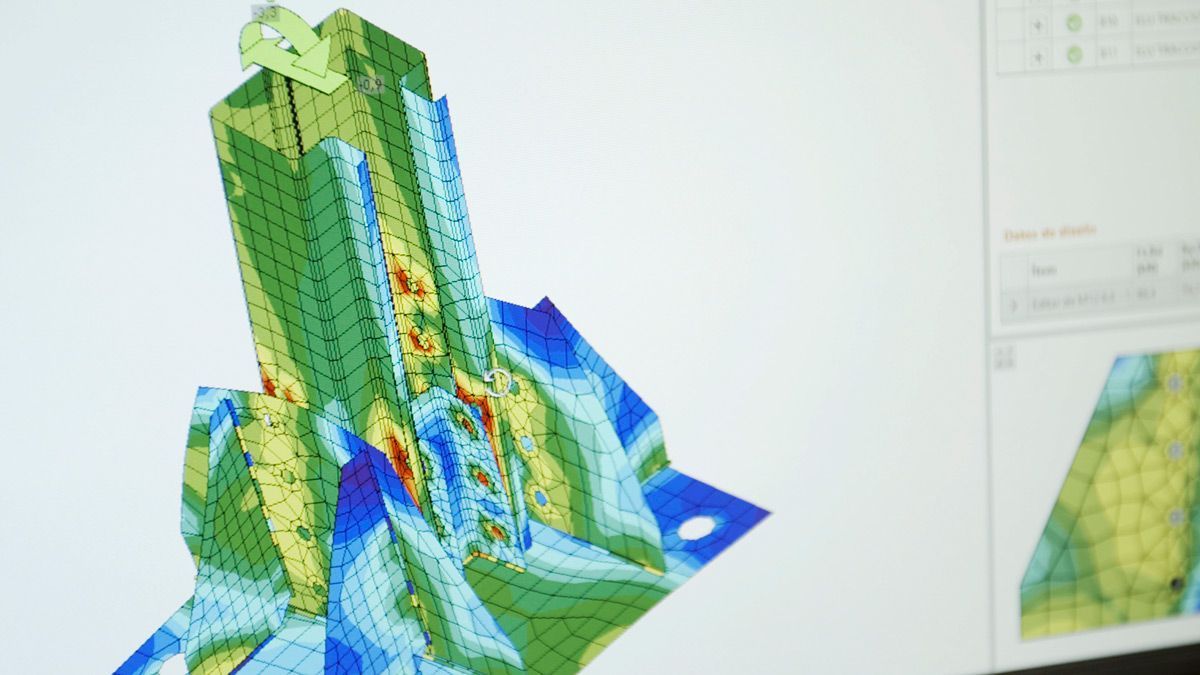
Engineering is validated through an R&D laboratory at Mondragon University and a research and simulation chair at the University of the Basque Country. Finite-element simulation, physical testing and automated production help protect the tolerances required by AS/RS, VNA and high-bay projects — not only conventional selective racking.
For a Bogotá project, the practical value is a supplier that can connect export production with local engineering inputs: NSR-10 load cases, 1200×1000 mm pallet data, cold-store temperatures, Spanish assembly drawings, anchor plans and a spare-parts schedule. The systems are produced under ISO 9001, ISO 14001, ISO 45001, ISO 50001, EN ISO 3834-2, EN 1090-1 and ISO 14064 verified carbon reporting.
 ISO 9001Quality management
 ISO 14001Environmental management
 ISO 45001Health & safety
 ISO 50001Energy management
 EN ISO 3834-2Welding quality
 EN 1090-1Structural steel
 ISO 14064Verified carbon reporting
Local Procurement Questions Asked by Bogotá Buyers
Practical answers for warehouse, logistics and procurement managers comparing China heavy-duty shelving factories with local wholesalers in Colombia.
How do I compare China heavy-duty shelving factories with Bogotá wholesalers?
Start with landed cost and engineering scope, not unit price. Ask each supplier for an NSR-10-aware calculation, steel mill certificates, section properties, anchor plan, load signage, spare-parts list and a reference in Colombia or a similar Andean market. A factory that only sends a catalogue is not ready for a Bogotá warehouse. A local wholesaler can be the better choice for urgent standard stock, but confirm whether the racking can be customized and whether seismic calculations are included.
What lead time should I expect for racking shipped to Bogotá?
For engineered export racking, production typically begins after drawing approval and runs several weeks depending on finish, steel availability and order volume. Ocean freight to Colombia and customs clearance add further time, followed by inland haulage to Bogotá. Exact lead time depends on vessel space, port congestion and the selected route. Ask for a milestone schedule covering drawing approval, production, pre-shipment inspection, shipping, customs and installation.
Can Chinese racking be engineered for NSR-10 and Bogotá seismic conditions?
Yes, if the supplier starts from your site data. Colombian racking should be anchored and checked for seismic load combinations, soil conditions and building interface. NSR-10 is the reference framework, but the final calculation must be project-specific. Do not accept a generic “seismic” label without calculations for your actual layout, pallet load, frame height and anchor condition.
Which pallet sizes are most common in Colombia?
The 1200×1000 mm pallet is widely used in Colombia and Latin America. European 1200×800 mm pallets and ISO formats such as 1100×1100 mm also appear in export supply chains. Beam length, frame depth and load capacity must be based on your actual pallet, load distribution and fork-entry clearance. Never select beams only from a nominal load table.
What certifications and tests should I request from a factory?
Ask for ISO 9001, ISO 14001, ISO 45001, EN 1090-1 and EN ISO 3834-2 welding quality where applicable. Request mill certificates, coating reports, load-test or inspection reports, and a 5-year warranty. For cold stores, ask for steel and finish suitability down to the target temperature. For automated systems, request tolerance documentation and compatibility with the stacker crane or shuttle integrator.
How should I plan shipping and customs into Colombia?
Confirm Incoterms, HS classification, packing list, container loading plan, country-of-origin documents and the customs broker in Colombia. Compare Buenaventura and Cartagena routes, then include inland haulage to Bogotá in the landed-cost model. Racking is bulky, so packaging and container fill matter. At 2,600 m, altitude also affects forklift selection and must be part of the warehouse layout study.
Do you provide installation and inspection support in Bogotá?
Factory-direct suppliers can provide installation supervision, anchor inspection and pre-use checklists, often through a trained local partner. Clarify who signs off the installation, who supplies anchors, whether Spanish drawings are included and how spare parts are handled after handover. A documented inspection routine should start immediately after commissioning.
What is the MOQ and how do I request a localized quotation?
MOQ depends on the system. Standard selective racking may be quoted in container quantities, while custom beams, cantilevers, stainless steel and automated structures are project-based. Send a building layout, clear height, pallet dimensions, maximum load per level, number of SKUs, daily throughput, forklift or automation type, temperature range and project city. That information lets an engineer propose a safe, space-efficient layout instead of a generic price list.
Request an Engineered Racking Layout for Your Bogotá Project
Send your building layout, pallet dimensions, load per level, SKU profile, forklift or automation type, temperature range and target city in Colombia. Our engineers will review the data and recommend a storage system with a preliminary layout, component specification, seismic considerations and export quotation.
Or email [email protected] with your project data and target installation date.